There’s something undeniably captivating about a dark dining room. The depth, the mood, the quiet confidence, it all creates a sense of intimacy that lighter spaces sometimes struggle to achieve. Designing with darker tones isn’t about making a bold statement for the sake of it; it’s about building an atmosphere that feels grounded and inviting.
That said, working with dark palettes can be tricky. Without balance, a space can quickly shift from warm and cocoon-like to heavy and confined. The good news? With the right approach, you can design a dining room that feels both dramatic and alive. In this post, we’ll explore practical dark dining room ideas that help you achieve that balance for a space that feels cosy, not cramped, and perfect for unrushed dinners or quiet evenings in.
Read this post for the best Dark Dining Room Ideas.
Understanding the Appeal of a Dark Dining Room
If you’ve ever stepped into a room with deep, moody tones, you know how instantly the mood shifts. Dark interiors draw you in; they feel layered, sophisticated, and deeply personal. In a dining room, those qualities translate into an environment that invites conversation and slows the rhythm of the day.
One of the most common misconceptions about dark spaces is that they make rooms feel small. The truth is, dark dining room ideas often create the perception of depth when handled correctly. Deep hues soften edges, making the boundaries of the room feel less defined, and therefore more expansive. The key is to balance shadow and light.
A thoughtfully designed dark dining room isn’t about creating a perfect showroom; it’s about designing a mood. Think of dark walls as a backdrop for texture, tone, and light to interact. Add contrast with natural materials; wood, brass, or soft fabrics, to bring warmth into the space. This balance is what transforms “dark” from heavy to harmonious.
Transitioning from inspiration to execution, let’s move into selecting the right tones, the foundation of every great dark dining room design.
Choosing the Right Dark Tones
Choosing the right colour palette is where dark dining room ideas really start to take shape. The hues you pick determine not only the overall aesthetic but also how the room feels when you’re standing in it. It’s less about selecting the “darkest” tone and more about understanding the kind of atmosphere you want to create.
Warm vs. Cool Dark Shades
Warm dark shades, like deep olive, espresso brown, or navy with a touch of warmth, tend to make a dining room feel grounded and comforting. They pair beautifully with warm woods, soft lighting, and golden accents. Cool, moody tones, on the other hand, charcoal, graphite, or deep blue-greys, are ideal if you’re aiming for a more modern, dramatic look with clean edges.
Whichever direction you choose, consistency is key. Let one dominant dark colour lead the way, then support it with subtle variations or complementary tones. This creates visual depth instead of a flat, monotone surface.
Creating Balance with Accent Colours
A well-designed dark dining room isn’t about the walls alone; it’s about what surrounds them. Introducing contrast through lighter or reflective accents prevents the space from feeling overly heavy. Think of creamy whites, soft taupes, aged brass, or even a touch of blush or terracotta. These accents catch the light, adding dimension to the darker backdrop.
You can apply this idea through accessories, lighting fixtures, or even the dining chairs themselves. For example, light linen upholstery instantly softens a deep wall colour and gives the room a sense of visual breath. The goal is harmony, where dark and light elements coexist, each enhancing the other.
Texture Over Pattern
An often-overlooked trick for pulling off dark dining room ideas is to rely on texture rather than busy patterns. Dark walls highlight surface details beautifully, so think about velvet, matte paint, natural wood grain, or soft textiles. These tactile finishes reflect light softly and subtly, giving depth and life to the room without visual clutter.
Lighting Strategies to Brighten the Mood
Lighting is the element that makes or breaks any dark interior, and this is especially true for dining spaces. It’s the bridge between dramatic design and day-to-day comfort. The best dark dining room ideas don’t try to fight against the darkness; they work with it, using light to highlight texture, shape, and atmosphere.
A dark wall colour can actually enhance lighting if it’s layered thoughtfully. Instead of one overhead fixture, consider a blend of light sources that guide the room’s mood throughout the day.
Layer Your Lighting
You’ll want to think about lighting in layers: ambient, task, and accent.
Ambient lighting: This is your overall glow. Think pendant lights or a chandelier that sets the tone. Warm bulbs (around 2700K) complement dark tones beautifully, keeping the space soft rather than stark.
Task lighting: Wall sconces or console lamps near serving areas help keep things functional. These smaller pools of light prevent any one area from looking flat.
Accent lighting: A low-intensity lamp or subtle under-shelf LEDs can draw attention to surfaces or textures. And never underestimate candlelight, its flicker feels timeless against rich wall colours.
When these layers overlap gently, the result is a subtle rhythm of light and shadow. It’s what gives a dark dining room that enveloping, intimate character without ever feeling dim or oppressive.
Reflect and Amplify Light
Light reflection is one of the simplest, but most effective, strategies to open up a moody room. Mirrors, metallic finishes, and glass elements bounce light naturally while fitting right into a dark colour palette. You don’t need to overdo it; a single large mirror on one wall, or glass accessories on a sideboard, can shift the atmosphere entirely.
Even glossy or satin finishes on a dark wall can help distribute light softly. The key is balance: too much reflection breaks the cosy mood; too little and the space feels flat.
Make Dimmers Non-Negotiable
A dimmer switch is your best friend in a dark dining room. It allows you to soften or brighten the mood as needed; bright for family meals, low and intimate for evenings. It’s a small upgrade that completely changes how dark tones behave, giving you the flexibility to adjust the atmosphere instantly.
Furniture and Layout Tips for a Spacious Feel
When working with darker palettes, furniture selection and layout are what keep a room feeling balanced. Colour alone can set the tone, but it’s the shapes, materials, and negative space that determine whether your dining room feels inviting or visually heavy. The best dark dining room ideas treat the room like a living, breathing composition, one that leaves space for light and movement.
Keep the Foundation Streamlined
Furniture that feels visually light helps offset the richness of darker tones. Choose dining tables with elegant, clean lines rather than bulky bases. Chairs with slender legs or open backs will feel less intrusive in a smaller or darker space. If your dining room is compact, round or oval tables encourage flow and keep corners from crowding the eye.
When it comes to finishes, mid- to dark-toned wood can blend seamlessly with a moody palette. The key is subtle contrast, enough to separate pieces from the walls without creating a stark divide.
Reflective and Transparent Touches
Incorporating reflective or transparent materials is another way to keep a dark dining room open and dynamic. A glass-top table, glossy sideboard, or acrylic-accented chairs gently bounce light while maintaining cohesion with the darker aesthetic. Think of them as structural highlights, functional but designed to breathe life into the room.
Even metallic finishes on furniture legs, mirror-panel sideboards, or subtle gilding on the frame of artwork can catch just enough light to lift the atmosphere without clashing with deeper hues.
Leave Room to Breathe
Spacing matters just as much as style. Aim for enough distance between furniture to allow easy movement, especially if your dining area connects to another part of the home. Overcrowding dark tones makes a room feel static and small, while deliberate spacing gives it flow and elegance.
A well-placed rug can also define zones within an open-plan setup, framing your dining area without weighing it down. Choose textures that complement the wall tone, woven fibres or subtle patterns that anchor the space without competing for attention.
Textures, Materials, and Finishing Touches
Texture is where a dark dining room really finds its soul. You can have the perfect colour palette and layout, but it’s the materials, the way light hits them, the way they feel, that give the room dimension and warmth. Many of the most successful dark dining room ideas build their depth through contrast, not colour alone.
Layer for Depth
When everything in a dark space is smooth and matte, the result can feel a bit flat. Layering textures brings movement and energy to the room. Pair velvet or linen upholstery with a natural wood table. Add a wool rug or woven runner for softness underfoot. Even a hint of metallic, like a burnished brass or antique bronze detail, can catch light beautifully against matte surfaces.
The goal isn’t to overwhelm the room with variety but to create tactile richness, where every element feels considered and cohesive.
Mix Matte and Gloss Finishes
A thoughtful mix of finishes can make an enormous difference. Use matte walls as a background to highlight reflective surfaces, such as glassware, polished ceramics, or a metallic pendant light. Glossy textures help dark designs come alive by subtly catching and dispersing light, preventing the palette from looking too dense.
Even modest touches, like a lacquered sideboard or high-sheen candle holder, can lift the entire scheme without breaking the moody aesthetic.
Let Artwork and Accessories Tell a Story
Accessories should feel intentional. In dark spaces, every object has more visual presence, so it’s worth curating carefully. A large-scale piece of artwork in muted tones or line drawings can anchor a wall without cluttering it. Table décor should be minimal, perhaps a sculptural bowl, a cluster of candles, or a statement vase.
Avoid filling every surface; a touch of empty space allows each texture and shape to stand out. This restraint keeps the atmosphere relaxed rather than busy.
Accessorising Without Overcrowding
It’s easy to get swept up in decorating once your colours, lighting, and furniture are in place, but restraint is where dark interiors truly come to life. In a darker space, every detail carries more weight. The best dark dining room ideas balance visual impact with breathing room, allowing textures and tones to shine through.
Choose Statement Pieces Thoughtfully
Not every surface needs a centrepiece, and not every wall needs art. Focus on one or two focal points: a striking pendant light, a sculptural vase, or a piece of dramatic artwork. These moments of emphasis anchor the room and give the eye somewhere to rest.
An oversized art piece works beautifully in a dark dining room because it reads as calm and intentional rather than busy. Stick with muted or tonal artwork that complements your palette; vivid colours can sometimes feel jarring against deeper backgrounds.
Edit the Tabletop
The dining table should look lived in, not staged. A few well-chosen objects, candles, ceramics, or a simple runner, can bring a balanced sense of warmth. If you’re using darker tableware, add contrast with lighter linens or textured placemats to break up the depth.
Less is more here. A little negative space allows the room’s natural character, colour, light, and texture to take the lead. This simplicity reinforces the cosy, understated feel that defines truly successful dark dining room designs.
Integrate Natural Elements
Adding natural details is an effortless way to bring warmth into darker environments. A vase of seasonal greenery or dried stems introduces organic contrast to strong colour blocks. The textures of nature: wood, rattan, stone, ground the space and soften the impact of deep hues.
The idea is a subtle connection rather than clutter; each piece should feel like it belongs to the story the room is telling.
Common Mistakes to Avoid
Even the most carefully planned interiors can lose their charm if a few key details are overlooked. Dark spaces are especially sensitive to lighting, balance, and proportion, so avoiding a few common pitfalls can make a big difference. Think of these as gentle guidelines that keep your design intentional rather than overwhelming.
1. Relying on Only One Light Source
A single overhead light is rarely enough. It might illuminate the room, but it flattens everything else, the colours, the textures, even the atmosphere. Successful dark dining room ideas always use layered lighting to create mood and depth. Combine ambient light with accent and task lighting, so the glow feels dynamic, not harsh or uneven.
2. Ignoring Reflective Surfaces
Without reflection, dark tones can become too static. Gloss finishes, mirrors, or subtle metallics help move light around and stop the room from feeling boxed in. The key is moderation; just a few reflective details in the right places can lift the space beautifully.
3. Overdecorating the Space
Dark dining rooms are most beautiful when they’re allowed to breathe. Adding too many accessories, wall decorations, or furniture pieces can make the room feel cramped. Leave intentional blank space on tables, walls, and even floors. This open balance is what turns moody into serene.
4. Forgetting About the Ceiling and Floor
A cohesive dark room doesn’t stop at the walls. Ignoring the ceiling or floor can make a space feel incomplete. Try introducing subtle contrast, a soft rug to anchor the table, or a ceiling in a complementary shade that echoes your colour palette. These surfaces help tie the atmosphere together without adding visual clutter.
Designing a dark dining room is about more than colour; it’s about atmosphere. Deep hues lay the foundation, but it’s the balance of light, texture, and thoughtful placement that brings the space to life. When done right, a dark dining room feels warm, cocooning, and quietly luxurious, never gloomy or confined.
This post is all about how to choose a wall colour.
One of the most exciting parts of decorating your home is learning how to choose a wall colour that truly fits your space. The right shade can make a room feel calm, warm, bold, or bright; it sets the tone for everything else in your design.
Choosing paint isn’t just about what looks good on a swatch. It’s about how colour interacts with light, furniture, and the overall mood of your home. With so many options out there, it’s easy to feel unsure where to start, but by following a simple step-by-step approach, you can make smart choices that look and feel right. This guide breaks down the 9 steps that will help you confidently find a wall colour that complements your space and your personal style.
Read Along To Learn How To Choose A Wall Colour.
Step 1 – Get Inspired by Your Space
Before you even think about paint chips or sample pots, start by looking at what’s already in your room. Every element in your space, furniture, flooring, fabrics, and artwork, offers clues to the colours that will naturally work well together.
When figuring out how to choose a wall colour, let your current space be your guide.
A few ways to find colour inspiration:
Look closely at your furniture and décor. What tones stand out in your favourite pieces?
Notice your flooring. Warm timber floors often pair beautifully with earthy neutrals, while cool tiles look great with soft greys and blues.
Study your artwork or textiles. Cushions, rugs, and wall art can inspire accent tones or overall palettes.
Save what catches your eye. Use Pinterest or mood boards to collect images that capture the feeling you want in your room.
Once you’ve gathered some inspiration, notice any patterns; are you drawn to warm, earthy tones or cooler, coastal shades? This gives you a good starting point for exploring specific paint colours later on.
Pro Tip:
Hold paint cards or small colour samples next to key items in your room (like your sofa, flooring, or curtains). Seeing tones side by side helps clarify which direction to take before you even open a tin of paint.
Step 2 – Understand Natural and Artificial Light
Light is one of the biggest influences on how a wall colour looks once it’s on your walls. The same shade can appear completely different in a north-facing room compared to a cosy, low-light space. This is why understanding how light affects colour is a key part of learning how to choose a wall colour that actually works for your home.
Start by observing your space at different times of day. Watch how the light moves and shifts, and notice whether it tends to be warm and golden or cooler and more neutral.
Here’s how to factor light into your choice:
North-facing rooms: Usually receive softer, cooler light. They often suit warmer tones like beige, taupe, or creamy whites that add warmth.
East-facing rooms: Catch the morning sun, which can make colours look brighter early in the day and cooler in the afternoon.
West-facing rooms: Tend to glow in the afternoon with a warmer hue, so soft blues and greys can balance that richness.
South-facing rooms: Get strong, consistent light, so most colours work well, though you may want to avoid pure whites that can feel stark.
Artificial light plays a role too. Bulbs with a yellow tint (warm light) will bring out warm undertones in your paint, while cool LED lighting can make blues or greys appear sharper.
Pro Tip:
Always test your paint samples on at least two walls and look at them during different times of day. What looks perfect in daylight might feel completely different under evening light, so take the time to live with your samples before deciding.
Step 3 – Learn About Undertones
Once you’ve considered light, it’s time to understand what’s really happening underneath each colour. Undertones are the subtle hues within a paint colour that can shift its overall look, and they’re often what makes or breaks your decision when learning how to choose a wall colour.
Even when two paints look “white” or “grey,” they may have very different undertones. One might lean slightly blue, while another has a hint of yellow or pink. The key is noticing these subtle variations and understanding how they interact with your furnishings and light.
A simple guide to undertones:
Warm undertones: Include red, yellow, or orange bases. These create a cosy, welcoming feel.
Cool undertones: Include blue, green, or violet bases. These tend to feel fresh, calm, and airy.
Neutral undertones: Sit somewhere in between. Ideal when you want a balanced backdrop that works with both warm and cool décor.
When comparing paint cards, place them next to a true white sheet of paper to reveal their undertones more easily. This trick helps you see which direction the colour leans without being influenced by surrounding tones.
Pro Tip:
If you’re unsure, test a few shades within the same colour family on your wall. Seeing them side by side will quickly show which feels best with your natural light and existing décor.
Step 4 – Align Colour with Mood and Purpose
Every room in your home has a purpose, and the colour on the walls should support that. When you’re deciding how to choose a wall colour, think beyond just how it looks; consider how you want the space to feel. Colour affects mood more than most people realise. A soothing tone can calm a busy mind, while something more vibrant can uplift your energy.
Here’s a quick guide to matching mood with space:
Bedrooms: Soft, muted tones like warm greys, sage greens, or gentle blues encourage rest and relaxation.
Living areas: Warm neutrals and mid-tone colours make spaces feel inviting and cosy.
Kitchens: Crisp whites, light greys, or pale yellows can create a sense of cleanliness and vibrancy.
Home offices: Greens and blues support focus and balance, both calming yet slightly energising.
Bathrooms: Lighter, airy shades can make small areas feel more open and fresh.
When it comes to how to choose a wall colour, the goal is to match the emotional energy of the room to the function of the space. A colour that’s perfect for your study may not suit the relaxed, restful vibe of a bedroom.
Pro Tip:
If you’re drawn to a bold or dark shade, consider using it on one feature wall rather than the entire room. It gives character and depth without overpowering the space.
Step 5 – Consider the Room’s Style and Architecture
The architectural design of your home plays a big role in how different colours behave. A wall colour that looks stunning in a sleek apartment might feel completely out of place in a heritage-style home. This step in how to choose a wall colour is about letting the structure and style of your home guide your palette.
Consider these points:
Classic or heritage homes: Rich creams, muted greens, and soft blues often complement traditional details like wainscoting or high ceilings.
Modern spaces: Clean neutrals, crisp whites, or dramatic contrasts such as charcoal and pale grey align well with streamlined designs.
Coastal or relaxed interiors: Natural tones like sand, stone, and muted aqua enhance light and openness.
Industrial-style settings: Charcoal greys, muted browns, and warm whites tie in with the textures of concrete and metal.
By aligning your choices with your home’s features, you’ll create a colour story that feels organic and unified rather than forced.
Pro Tip:
Don’t forget fixed features like flooring, cabinetry, and trim. These are often expensive to change, so choose a wall colour that complements them instead of competing.
Step 6 – Test Paint Samples Properly
Even the most carefully chosen paint colour looks different once it’s on your actual walls. Light, texture, and the size of the space all influence perception. This is one of the most important parts of learning how to choose a wall colour that truly fits your space.
How to test your samples effectively:
Paint directly on the wall: Use at least a 60cm patch on different walls, especially where light changes.
Label your samples: Include both colour name and brand so you can easily compare later.
View at different times: Look at the samples in morning light, midday brightness, and evening lamplight.
Live with it: Spend a few days around the samples to see how they feel before committing.
Stepping back and seeing those patches under different conditions gives a realistic idea of how the colour interacts with the rest of your room.
Pro Tip:
Avoid painting over old colours when testing, as they can distort how your new sample reads. Instead, prime a small area first or use large sample sheets to get a true sense of tone.
Step 7 – Balance with the Rest of Your Palette
Once your wall colour samples are looking promising, it’s time to step back and see how they fit within your room’s overall palette. A paint colour never stands alone; it needs to work in harmony with every other tone in the space. Getting this balance right is central to understanding how to choose a wall colour that feels cohesive and intentional.
Think about these key points:
Use the 60-30-10 rule:
60% main colour (usually the walls)
30% secondary colour (like furniture or curtains)
10% accent colour (decor, cushions, artwork)
Check the undertones across materials: Make sure your wall colour’s undertone doesn’t clash with flooring, cabinetry, or metal finishes.
Repeat colours subtly: Pull a shade from artwork, fabric, or a rug into your wall colour to create a sense of flow.
Keep contrast in mind: A bit of difference between your wall colour and trim or ceiling colour adds dimension and polish.
Balancing colours doesn’t mean everything has to match; rather, it’s about creating an easy visual rhythm throughout the room. When learning how to choose a wall colour, trust that small details, like the reflection of a rug’s tone or brass hardware, can subtly affect how a paint colour reads.
Pro Tip:
If you’re unsure about how your colour palette ties together, lay fabrics, materials, and paint swatches side by side on a flat surface. Step back and look at them as a single unit; this simple trick can reveal imbalances before you commit.
Step 8 – Think About Finish and Paint Quality
Finish can completely change how a wall colour looks and performs. Even with the perfect shade, the wrong finish can alter the feel or practicality of your space. When exploring how to choose a wall colour, make sure to also think about sheen, durability, and how each finish behaves under light.
Common paint finishes and where they work best:
Matte / Flat: Hides imperfections beautifully, ideal for bedrooms and living rooms.
Low Sheen / Eggshell: A soft glow that’s easy to maintain, perfect for hallways and family areas.
Satin: Smooth and slightly reflective, great for kitchens or bathrooms due to its washable surface.
Semi-gloss / Gloss: Best for trims, doors, and cabinetry — durable and easy to wipe clean.
Higher-quality paint often has stronger pigments and better coverage, which means fewer coats and a longer-lasting result. If you want a rich, even finish that truly shows off your chosen shade, investing in good paint quality pays off.
Pro Tip:
When testing samples, try them in the finish you plan to use. The sheen level can subtly lighten or darken how you perceive the colour once it’s fully dry.
Step 9 – Trust Your Gut
After all the testing, comparing, and analysing, sometimes the best decision is the one that simply feels right. Decorating is both art and intuition, and the process of learning how to choose a wall colour should always reflect your personal taste and connection to your home.
A few things to keep in mind:
You’re the one living in the space, pick what feels comfortable to you.
Trends come and go, but timeless combinations rooted in what you love always last.
If a colour makes you smile when you walk into the room, that’s usually the one.
Design decisions blend logic with emotion. You’ve considered light, undertones, style, and balance; now give yourself permission to enjoy the choice rather than second-guess it.
Pro Tip:
Paint is one of the simplest things to change in a home, so don’t stress too much. If your first choice doesn’t feel perfect, you can always adjust the tone later.
Bonus Tips – Bringing Your Wall Colour Choice to Life
Once you’ve followed all nine steps and found a colour you love, the next phase is making it work in your home. Choosing paint is one thing, but applying it thoughtfully and styling the room around it can make all the difference. Here are a few expert tips to help bring your chosen shade to life.
1. Start with a Clean Canvas
Before painting, make sure your walls are properly prepped; clean, smooth, and primed if necessary. A well-prepared surface helps your paint go on evenly and makes the true colour shine through.
2. Use Paint in More Creative Ways
You don’t have to limit your colour to walls. Consider:
Painting trim or ceilings in a softer or bolder version of your wall colour for subtle depth.
Using colour zoning to define areas in an open-plan space, like painting half a wall or framing a workspace.
Creating contrast with painted features, such as doors or shelving, to give visual interest.
3. Test Paint in the Largest Format Possible
If small swatches still leave you uncertain, try painting large sample boards instead. You can move them around the room without committing right away. Seeing a bigger sample makes undertones and lighting shifts much easier to notice.
4. Don’t Forget the Ceiling and Trim
Your ceiling and trim colours can dramatically influence how the wall shade reads.
A white or light ceiling makes a room feel higher and more open.
Matching the ceiling and walls in a soft neutral creates a cocooned, modern look.
Choosing an off-white trim instead of bright white avoids stark contrast and feels softer overall.
5. Give Your Eyes Time to Adjust
Colours interact with everything around them, and your perception may shift once the whole room is painted. Live with the colour for a few days before deciding whether it feels just right. Sometimes it takes time to appreciate how it transforms with different light and furnishings.
Choosing your wall colour doesn’t need to be overwhelming. With the right process, it can be a creative, rewarding experience. These nine steps show how to choose a wall colour is really about understanding your space, balancing light and texture, and trusting your instincts.
This post is all about Bathroom Vanity Organiser Under Sink.
A bathroom vanity organiser under the sink can make an incredible difference in how your bathroom looks and functions. It’s often one of the most overlooked spaces in the home, yet it has the potential to completely transform your daily routine when organised thoughtfully.
In this post, we’ll explore practical ways to maximise your under-sink storage using smart organisers that are functional, stylish, and easy to maintain. You’ll learn how to choose the right setup for your space, how to style it cohesively with your bathroom design, and useful maintenance habits to keep it looking fresh. As someone who appreciates good design and functionality, I know how satisfying it feels to open a cabinet and see everything in its place. It makes every day feel just that bit easier.
This post is all about Bathroom Vanity Organiser Under Sink.
Why You Need a Bathroom Under-Sink Vanity Organiser
A bathroom should be both beautiful and functional, but the space beneath the sink often becomes a tangle of bottles, cleaning products, and random items. It’s an awkward area to work with; the pipes, limited height, and narrow space don’t naturally lend themselves to order. That’s where a bathroom vanity organiser under the sink can really shine.
With the right system, you can transform that cluttered cupboard into a practical, easy-to-maintain part of your home. Drawer inserts, tiered shelves, and adjustable racks make it possible to use every bit of space efficiently. Each item has its place, which means getting ready in the morning feels calmer, and cleaning in the evenings is less of a chore.
It’s not just about functionality, though. A well-organised vanity looks intentional; it reflects the kind of attention to detail that elevates your bathroom design. When everything is tidy, visible, and within reach, you’ll notice your entire bathroom feels lighter, more spacious, and more inviting.
Types of Bathroom Under-Sink Vanity Organisers
The key to finding the right bathroom vanity organiser under the sink is choosing a system that suits your space, habits, and style. Not every bathroom has the same layout, so flexibility and practicality are essential. Below are a few of the most reliable types of organisers to consider, along with ideas for how to make them work for you.
Pull-Out Drawers and Sliding Shelves
If you’re constantly bending down and rummaging through the back of your vanity, pull-out drawers are a fantastic upgrade. They bring everything within reach and help you make use of the full cabinet depth. Sliding shelves also work beautifully in narrow spaces, letting you divide your storage without wasting vertical room.
Both options are easy to maintain and perfect for everyday products like skincare, cleaning sprays, or extra hand towels. Look for coated metal or plastic designs that can stand up to bathroom humidity.
Stackable Bins and Containers
For those who like flexibility, stackable bins are one of the most versatile ways to use vertical space. They’re great for separating categories, like haircare, dental items, or spare soap, while keeping the space tidy and easy to rearrange.
Clear or lightly frosted bins make it simple to see what’s inside at a glance, while a consistent colour palette helps everything look cohesive. This is often the simplest and most affordable bathroom vanity organiser under-sink setup to start with.
Adjustable or Expandable Racks
Every under-sink space has its quirks, pipes, uneven shelves, and varying heights. Adjustable racks make it easy to create order around these challenges. The best ones can expand or contract to suit your cabinet’s shape and let you optimise every centimetre.
They’re particularly useful if you store a mix of tall bottles, smaller containers, and cleaning products. You’ll be surprised by how much extra space appears once everything is layered in a way that works with, not against, your plumbing.
Hanging Baskets and Tension Rods
When floor or shelf space is limited, turning to vertical solutions is a clever move. A few hanging baskets on the inside of your cabinet doors can hold smaller bits and pieces like brushes, face cloths, or spare toothpaste. Tension rods are also handy for hanging spray bottles, freeing up your organisers for other items.
This approach is minimal yet effective, giving your under-sink area a clean, uncluttered look without overcrowding it with too many containers.
How to Choose the Right Bathroom Vanity Organiser Under Sink
Finding the perfect bathroom vanity organiser under sink isn’t just about fitting things into boxes; it’s about creating a system that genuinely works for your space and your routine. Every bathroom is different, and the best organisers are the ones that combine practicality with a bit of personality. Here’s what to keep in mind when choosing the right setup.
1. Measure Your Space Carefully
Before buying anything, take a few minutes to measure the width, depth, and height of your vanity cabinet, including the area around the pipes. This helps you avoid the common mistake of buying organisers that look great but don’t fit properly. Leave some room for flexibility; not every corner needs to be filled, and keeping a little open space will make everything easier to access.
2. Work Around Plumbing and Fixtures
Pipes and fittings can make under-sink storage feel like solving a puzzle. Adjustable or tiered organisers are ideal for this because they allow you to build around those awkward shapes instead of fighting them. A wire rack or expandable shelf that fits neatly under or beside pipes can make a big difference in how efficiently the space functions.
3. Choose the Right Materials
Bathrooms naturally deal with moisture, so durability matters. Metal racks are sturdy and resist warping, while acrylic and plastic bins are lightweight and easy to clean. If you prefer a softer, more organic look, bamboo or natural-fibre baskets are stylish alternatives, just make sure they’re sealed to resist humidity.
Think about how materials will look within your overall bathroom style, too. A modern bathroom might suit clear acrylic or matte finishes, while a more natural space looks great with light wood tones or woven textures.
4. Balance Practicality with Aesthetics
A clean, unified look helps your bathroom feel more composed. Try sticking with one or two materials or colours throughout your under-sink setup; it keeps the space calm and cohesive. At the same time, make sure each element serves a clear purpose. A beautifully styled arrangement that doesn’t function well will only frustrate you in the long run.
A bathroom vanity organiser under sink should make everyday life easier while still complementing the overall aesthetic of your space. The most satisfying systems are the ones that blend seamlessly into your bathroom’s look without drawing attention to the storage itself.
5. Think Long-Term Maintenance
It’s easy to set up an organiser once; the real challenge is keeping it practical over time. Choose storage that’s easy to remove and clean, and consider adding labels if you share the space with others. This helps everyone keep things consistent and prevents that slow creep of clutter from returning.
Step-by-Step: Organising Under Your Bathroom Sink
Once you’ve chosen the right bathroom vanity organiser under sink, the next step is putting it all together in a way that feels intuitive and easy to maintain. This process doesn’t need to be overwhelming. With a bit of planning and the right approach, you can turn even the most cluttered cupboard into a tidy, functional space. Here’s a simple guide to get it done.
1. Clear Everything Out
Start with a blank slate. Take everything out from under the sink and spread it on the floor or countertop. You’ll probably be surprised by what’s accumulated over time: half-used bottles, empty packaging, and products you forgot you owned. Clearing the space fully helps you see what you’re working with and makes cleaning easier later on.
2. Clean Thoroughly
Give the area a good wipe-down before putting anything back. Use a mild cleaning solution to remove dust, spills, or any residue from leaks. If you notice water damage or surface stains, now’s the time to address them. A clean base ensures your chosen bathroom vanity organiser under sink will stay fresh and last longer.
3. Sort and Declutter
Group similar items together: toiletries, cleaning supplies, first-aid essentials, and so on. Check expiry dates and let go of anything you haven’t used in months. Be realistic about what belongs in the bathroom; not everything needs to live under the sink. Decluttering at this stage ensures you’re only organising what matters.
4. Plan Your Layout
Before reinstalling products, plan where everything should go. Keep frequently used items near the front and less-used ones towards the back or on upper layers. This is where your organisers come into play; assign drawers, bins, or shelves based on category and frequency of use.
Think vertically here; using stackable bins or tiered shelves makes the most of the height and keeps things accessible. For awkward spots around pipes, smaller baskets or custom-fit racks work beautifully.
5. Install Your Organisers
Now comes the fun part, setting everything in place. Install your chosen organisers, making small adjustments as you go to maximise the layout. Don’t overcrowd; it’s better to have a little breathing space between containers so you can easily see and reach what you need.
Slide-out drawers should move smoothly, and bins should be easy to remove for restocking or cleaning. The aim is to make your under-sink setup effortless to upkeep, not something you’ll need to overhaul again in a few weeks.
6. Label and Maintain
Labels might feel unnecessary, but they make a world of difference, especially in shared bathrooms. They keep everyone accountable and make it simple to return items to their proper place. Maintenance then becomes something that naturally fits into your routine instead of feeling like another chore.
Styling Tips: Make It Look as Good as It Functions
An organised space is always satisfying, but when it also looks beautiful, it elevates your entire bathroom. The goal with your bathroom vanity organiser under sink isn’t only to hide clutter, it’s to create a sense of calm and cohesion that reflects your personal style. With a few thoughtful styling choices, your under-sink space can feel just as refined as the rest of your bathroom.
1. Keep the Colour Palette Consistent
A consistent look instantly makes everything appear more polished. Choose organisers in similar tones or materials, for example, all white, clear acrylic, or natural bamboo. Neutral colours tend to blend seamlessly with most bathroom designs and make the space feel calmer. If your bathroom already has a distinctive colour scheme, choose accents that complement it subtly.
2. Use Matching Containers or Labels
Even small details like matching labels or uniform containers make a big difference visually. If you’re using different-sized bins, keep them within the same design family for harmony. Simple printed or handwritten labels on clear containers look tidy and help you stay organised over time.
Adding this level of consistency doesn’t just please the eye; it also creates mental clarity. When you open the cabinet, everything looks intentional, and you instantly know where things belong.
3. Add Subtle Decorative Touches
It’s easy to assume that a space under the sink shouldn’t be styled, but a little thought can go a long way. A soft cloth liner, a textured basket, or even a small plant (artificial works well) can add character without taking up valuable storage space. These details bring warmth and style without being excessive.
Just remember, function always comes first. Decorative touches should enhance your system, not complicate it. A bathroom vanity organiser under sink should make life simpler, not require constant readjustment.
4. Prioritise Accessibility and Balance
The best interiors feel effortless because every element is placed with purpose. Keep daily essentials front and centre while reserving the back or higher levels for items you use less often. Balance your layout so neither side of the vanity feels overcrowded. A neat visual flow makes a huge difference in perception, even in a small space.
If you have drawers, line them with grip mats to keep contents from sliding, and use small dividers to prevent items from mixing. Little details like this make your setup not only look better but also feel more thought-out.
5. Keep It Light and Open
An overpacked under-sink area can quickly lose its appeal. Leave some breathing space so your storage looks light and functional rather than crammed. Transparent organisers work well for this because they make the area feel less cluttered and help reflect light, brightening what’s often a shadowed part of the bathroom.
Even subtle lighting, like an adhesive LED strip along the top edge of your vanity interior, can make your bathroom feel more luxurious while highlighting your beautifully styled storage.
Maintenance Tips for Long-Lasting Organisation
Once your bathroom vanity organiser under sink is set up and looking great, the key is keeping it that way. A well-organised space doesn’t have to be high-maintenance; it just needs simple, consistent habits that make upkeep feel effortless. With the right approach, your storage will stay tidy, functional, and visually appealing for the long haul.
1. Do a Quick Monthly Check
Set aside a few minutes each month to do a quick refresh. Rotate products, check for anything that’s expired or nearly empty, and wipe down your organisers if needed. This prevents clutter from slowly creeping back and helps you stay mindful of what you actually use.
Small, regular checks are more effective than complete overhauls every few months. It’s far easier to remove one or two unnecessary items than to tackle a full clean-out later.
2. Wipe Surfaces Regularly
Moisture, dust, and small leaks can build up unnoticed under the sink. Give the area a quick wipe weekly or whenever you’re doing your general bathroom cleaning. This keeps your bathroom vanity organiser under sink looking fresh and helps prevent mould or mildew from forming.
Opt for mild cleaning products to protect your organisers and any natural materials like bamboo or woven baskets from damage.
3. Revisit Your System Seasonally
As routines change, so do your storage needs. The products you reach for in summer might not be the same ones you use in winter. Every few months, take a minute to review whether your current setup still makes sense. Swap items around if needed, for example, move sun care products toward the back and bring out hydrating skincare for the cooler months.
This simple habit ensures your storage always works with your lifestyle rather than against it.
4. Label for Clarity
A well-labelled system practically maintains itself. Clear labelling not only keeps you organised but also helps anyone else in your household know exactly where things belong. It takes seconds to put something back correctly, which means less clutter overall.
You don’t need to go overboard; simple, consistent labels in a neutral font or handwriting style are all that’s needed for a cohesive, functional look.
5. Be Flexible
Even the best bathroom vanity organiser under sink setup might evolve over time. Stay flexible with how you use it. Maybe you add an extra bin for guests’ toiletries or remove a drawer you no longer need. The goal is not perfection but practicality, a system that continues to adapt to your daily life.
If you ever notice that keeping things tidy feels harder than it should, that’s your cue to simplify. A great organisation system supports your habits, not the other way around.
Recommended Products
If you’re ready to upgrade your storage, choosing the right bathroom vanity organiser under sink products can make all the difference. You don’t need to spend a fortune; the best organisers are those that fit your space, withstand moisture, and align with your decorating style. Below are some product categories worth looking into, along with what to keep in mind when shopping.
1. Pull-Out Storage Systems
These are brilliant for anyone with deep vanity cupboards. Look for sturdy, smooth-glide drawers that can handle frequent use. Wire or acrylic pull-out organisers are both practical and stylish, and they make it easy to reach items stored at the back.
For a cohesive look, consider matching your drawer style to other hardware in your bathroom; brushed metal or matte finishes work especially well in modern spaces.
2. Tiered or Adjustable Racks
Expandable and stackable racks are some of the best investments you can make for maximising vertical space. They’re designed to fit around pipes and uneven surfaces, making them especially handy for older vanities or tight spaces. Choose models made from stainless steel or coated metal to resist humidity and extend their lifespan.
This kind of bathroom vanity organiser under sink is also perfect for renters since it’s easy to install and remove without any drilling.
3. Stackable Bins and Baskets
Clear or uniform storage bins make your setup instantly look organised. Acrylic, plastic, or woven baskets are all excellent options, just choose one material type to maintain a consistent aesthetic. Stackable bins add vertical height and make it simple to separate categories, from cleaning products to personal care.
Consider purchasing a few smaller containers instead of one large one; it gives you more flexibility to rearrange as your needs change.
4. Door-Mounted Organisers
Often overlooked, the inside of your vanity doors can add a surprising amount of extra storage. Door-mounted organisers or baskets are ideal for smaller items, things like hair styling tools, wipes, or hand towels. They’re a simple way to keep frequently used items close at hand while freeing up shelf space for bulkier products.
If you’re after a minimalist touch, look for low-profile wire or mesh styles that don’t overpower the cabinet’s design.
5. Lazy Susans or Turntables
Compact rotating organisers are perfect for smaller vanities or tight corners. They keep your items accessible with a quick spin, which helps maintain that clutter-free feel without having to dig around. Transparent or lightly frosted designs are best for bathrooms, as they blend in and make the space feel more open.
A bathroom vanity organiser under the sink like this adds an element of convenience that’s particularly useful in busy households. It’s thoughtful, practical, and surprisingly space-efficient.
Creating a tidy, functional bathroom doesn’t have to involve a full renovation. Often, all it takes is a well-thought-out bathroom vanity organiser under sink to make a noticeable difference. When everything has its place, your mornings feel calmer, your space feels bigger, and your bathroom takes on a more polished, intentional look.
Exploring different interior themes is one of the most exciting parts of designing or refreshing a home. Every style tells a story, through colours, materials and the atmosphere it creates.
Choosing a style that truly fits your space can be overwhelming, especially when there are so many influences to draw from. This guide breaks down 11 different interior themes, clearly defining what makes each one unique and how to capture the essence of every style in your own home. Whether you’re drawn to clean, modern lines or layered, rustic warmth, this post is designed to help you translate that vision into a space that feels authentic and cohesive.
This post is all about Different Interior Themes.
The Importance of Understanding Different Interior Themes
Before diving into specific styles, it’s worth pausing to understand why knowing about different interior themes really matters. Your home’s design is more than just how it looks; it shapes how a space feels and how you interact with it every day.
When you understand the defining features of different interior themes, you can make more intentional design decisions. It becomes easier to identify what resonates with you, avoid mismatched choices, and create a space that feels cohesive and well thought out. Without this understanding, decorating can easily turn into a mix of trends that don’t quite work together.
Design knowledge gives you confidence. You start to recognise what makes a room calming, what introduces warmth, and how elements like texture, scale, and colour can completely change how a space feels. Over time, this awareness helps you move from simply copying styles to creating rooms that truly reflect your personality and lifestyle.
1. Modern Minimalist
Sleek, simple and functional, the modern minimalist theme is one of the most recognised among the different interior themes seen in contemporary homes. It focuses on clarity and calm, using only what’s necessary to create a balanced, uncluttered space.
What Defines This Theme
Modern minimalism celebrates open space and understated design. You’ll often see crisp white walls, smooth surfaces, and restrained colour palettes. Every element has a purpose, and the overall goal is to eliminate visual noise.
How to Nail Modern Minimalism
Keep the palette simple: Stick to three core colours, typically neutrals, with the occasional accent tone.
Invest in quality essentials: Choose well-made pieces that stand out for their simplicity.
Embrace negative space: Don’t feel the need to fill every wall or surface; empty space is part of the design.
Incorporate texture: Add depth through subtle textures like linen, timber or stone.
By focusing on restraint and careful curation, this theme brings a sense of calm and order to your home. Among all the different interior themes, modern minimalism encourages the idea that less can indeed be more when every detail is considered.
2. Scandinavian
Rooted in simplicity and comfort, Scandinavian design is one of the most timeless and versatile among the different interior themes. Known for its bright spaces and clean lines, it strikes a beautiful balance between function and warmth, creating rooms that feel both airy and inviting.
What Defines This Theme
The Scandinavian theme grew out of a lifestyle that values practicality, nature, and calm. Think white or soft neutral walls, pale timber accents, and plenty of natural light. It’s minimalist, but not stark; each room is carefully layered to feel homely rather than cold. Linen, wool, and rattan are staple materials, while greenery and subtle decor add a sense of life.
How to Nail Scandinavian Style
Start with light: Emphasise natural light wherever possible, use sheer curtains or leave windows uncovered.
Balance warmth and simplicity: Combine sleek furniture with cosy textiles like knitted throws or sheepskin rugs.
Stick to natural materials: Prioritise timber, wool, and cotton over synthetics for that organic, refined feel.
Add a touch of greenery: Indoor plants soften the clean lines and bring in a bit of the outdoors.
What makes this style stand out among the different interior themes is its effortless combination of minimalism and comfort. Scandinavian interiors remind us that beauty often comes from simplicity, natural textures, and thoughtful design choices that make a space feel calm yet lived in.
3. Industrial
Bold, raw and full of character, the industrial style has become one of the most distinctive among the different interior themes. Originally inspired by converted warehouses and lofts, this look celebrates the beauty of exposed materials and a no-fuss approach to design.
What Defines This Theme
Industrial interiors showcase what often lies beneath the surface, exposed brick walls, visible pipes, concrete floors and steel details. It’s a theme built on contrast: rough textures paired with sleek finishes, and vintage pieces set against modern elements. The colour palette is typically muted, featuring greys, browns and black tones that ground the space with an urban edge.
How to Nail Industrial Style
Highlight raw materials: Celebrate imperfections; exposed beams, brick walls or concrete benchtops should be visible rather than hidden.
Mix old and new: Combine vintage furniture or factory-style lighting with modern décor for balance.
Keep the palette simple: Stick to earthy, neutral tones, then add warmth through wood or leather accents.
Go for an open layout: Industrial design thrives in open, uncluttered spaces that let materials shine.
Among the different interior themes, industrial style stands out for its authenticity and timeless appeal. It embraces a sense of honesty in design; nothing is overly polished, yet every detail feels deliberate. The result is a space that’s bold, lived in, and effortlessly cool.
4. Bohemian (Boho)
Free-spirited, colourful and full of texture, the Bohemian style is one of the most expressive among the different interior themes. It’s for those who love a relaxed, layered look that feels personal and lived in, rather than carefully curated.
What Defines This Theme
Boho interiors celebrate individuality. The aesthetic draws influence from global design, mixing patterns, cultures and eras with ease. Expect rich textiles, woven furnishings, and lots of greenery. The palette ranges from earthy neutrals to vibrant jewel tones, often mixed together to create a collected, laid-back atmosphere.
How to Nail Bohemian Style
Layer with intention: Mix rugs, throws, and cushions in varied prints and textures to create depth.
Embrace imperfection: Let your decor evolve naturally. Mismatched, handcrafted pieces add character.
Show personality: Include items that mean something to you, such as travel finds or vintage treasures.
Add natural elements: Rattan, jute, and macramé work beautifully with lush indoor plants.
What makes Boho so beloved among the different interior themes is its freedom; there are no strict rules. The goal is to craft a space that reflects who you are and what you love. Each layer tells a story, blending comfort, creativity and a touch of wanderlust in the most effortless way.
5. Farmhouse (Modern Farmhouse)
Warm, welcoming and full of charm, the farmhouse style is one of the most comforting among the different interior themes. It combines rustic character with modern touches, creating spaces that feel timeless yet fresh.
What Defines This Theme
Farmhouse interiors are all about warmth and simplicity. They celebrate natural materials, think reclaimed timber, soft fabrics, and handwoven details. The traditional elements, like vintage doors, shiplap walls, and exposed beams, are often balanced with contemporary furniture or lighting to keep things feeling current. The colour palette is neutral and inviting, featuring shades of white, cream, beige and soft grey, often accented with black for definition.
How to Nail Farmhouse Style
Mix old and new: Blend antique or rustic pieces with modern fixtures, a weathered dining table with sleek pendant lights, for example.
Focus on comfort: Choose plush seating and relaxed textiles; the room should feel lived in and inviting.
Highlight natural materials: Timber beams, linen curtains, and jute rugs all help bring that earthy texture to the forefront.
Keep colours soft: Stick with warm neutrals, and add contrast through darker metal finishes or natural wood tones.
Among the different interior themes, modern farmhouse stands out for its ability to feel grounded without being heavy. It evokes a sense of home, lived-in, layered, and effortlessly welcoming, while still maintaining a refined edge.
6. Mid-Century Modern
Effortlessly cool and undeniably timeless, Mid-Century Modern is one of the most recognisable of the different interior themes. Its appeal lies in the simplicity of form, the warmth of natural materials, and the sense of optimism it brings to a space.
What Defines This Theme
Emerging in the mid-20th century, this style focuses on functionality, clean lines, and organic shapes. Furniture often features tapered wooden legs, smooth curves, and minimal ornamentation. Colour palettes mix earthy tones with bold accents; mustard, teal, or burnt orange are common choices. This theme also embraces an indoor-outdoor connection, with open layouts and large windows that invite natural light.
How to Nail Mid-Century Modern Style
Choose iconic shapes: Look for furniture with sleek, simple lines. Think statement chairs, sideboards, and low coffee tables.
Mix playful and practical: Keep decor minimal but allow one or two standout pieces to take centre stage.
Incorporate wood tones: Teak, walnut and oak are key materials that give warmth and authenticity.
Add a pop of colour: Accent cushions or artwork in retro hues bring the space to life without overwhelming it.
Among the different interior themes, Mid-Century Modern remains a favourite for its nostalgic charm and enduring versatility. It captures the essence of great design: balanced, thoughtful, and always fresh, no matter the decade.
7. Coastal
Light, relaxed, and effortlessly breezy, the coastal style is one of the most refreshing among the different interior themes. Inspired by seaside living, it brings the calm and simplicity of the coast into the home, making every day feel like a breath of fresh air.
What Defines This Theme
The coastal theme focuses on light, space, and natural textures. Its palette is soft and soothing with crisp whites, sandy neutrals, and gentle shades of blue at its core. Furniture often features clean lines and lightweight materials, while decor includes elements like woven baskets, linen cushions, and driftwood accents. It’s not about filling a room with nautical motifs, but rather capturing that relaxed, sunlit feeling of the shoreline.
How to Nail Coastal Style
Let in natural light: Keep windows uncovered or use light linen curtains to enhance the brightness and openness.
Use soft, natural colours: Whites, beiges, and blues create that fresh, coastal atmosphere.
Incorporate texture: Think jute rugs, woven pendants, and raw timber details.
Keep it uncluttered: Simplicity is key; choose pieces that feel easy and intentional, not overwhelming.
Among the different interior themes, coastal design stands out for its laid-back elegance and timeless charm. It’s the perfect approach if you love interiors that feel calm, unpretentious, and inspired by nature’s beauty.
8. Japandi
Minimal, warm, and deeply intentional, Japandi style is one of the most elegant and harmonious among the different interior themes. It blends the simplicity of Japanese design with the cosiness of Scandinavian interiors, resulting in spaces that feel calm, balanced, and beautifully understated.
What Defines This Theme
Japandi design centres on the idea of wabi-sabi, finding beauty in imperfection, combined with Scandinavian functionality. The look is refined but not cold, natural but never overly rustic. Expect muted earth tones, sleek furniture with organic shapes, and a focus on craftsmanship and quality. Every piece serves a purpose, and clutter is kept to a minimum.
How to Nail Japandi Style
Keep it simple: Choose essential furniture and decor, leaving plenty of negative space for visual calm.
Layer natural materials: Mix light timbers, ceramics, linen, and stone for soft contrast and warmth.
Stick to muted tones: Neutral hues like beige, taupe, grey, and soft black define the palette.
Embrace craftsmanship: Prioritise quality materials and well-made pieces that last.
Among the different interior themes, Japandi resonates for its serenity and purpose. It invites you to slow down, appreciate the details, and create a home that feels grounded, thoughtful, and timeless.
9. Art Deco
Elegant, bold and full of glamour, Art Deco is one of the most expressive and luxurious among the different interior themes. Emerging in the early 20th century, it’s a style that celebrates opulence, symmetry, and statement design.
What Defines This Theme
Art Deco is instantly recognisable for its geometric patterns, rich colours and metallic finishes. Think gold, brass, marble, and lacquered wood paired with plush fabrics like velvet or silk. Statement lighting, curved edges, and architectural details are all signatures of this look. The overall effect is sophisticated and dramatic; every element feels intentional and confident.
How to Nail Art Deco Style
Play with geometry: Choose furniture and decor with angular lines or bold shapes for instant visual impact.
Go bold but balanced: Mix deep jewel tones with metallic highlights; emerald, navy, and gold work beautifully together.
Incorporate luxe materials: Velvet, glass, marble, and brass add texture and elegance.
Add statement pieces: A sculptural lamp, ornate mirror, or chandelier can become the centrepiece of the room.
Among the different interior themes, Art Deco stands apart for its glamour and precision. It’s perfect for anyone who appreciates the artistry of design and wants to make their space feel both sophisticated and full of character.
10. Traditional
Timeless, refined, and full of character, the traditional style remains one of the most enduring among the different interior themes. It draws inspiration from classic European interiors, offering a sense of structure, symmetry, and elegance that never goes out of style.
What Defines This Theme
Traditional design focuses on balance and harmony. You’ll often see rich wood tones, detailed mouldings, and furnishings with graceful lines. Patterns like damask, florals, and stripes are common, complemented by warm, muted colours, think creams, soft golds, and deep blues or greens. Accessories and decor pieces are chosen purposefully, creating a polished yet inviting atmosphere.
How to Nail Traditional Style
Keep symmetry in mind: Arrange furniture and decor in balanced pairs for a cohesive, graceful layout.
Choose classic materials: Polished timber, brass details, and quality upholstery define this look.
Embrace layering: Use rugs, curtains, and cushions to add richness and depth without overwhelming the space.
Mix patterns thoughtfully: Coordinate prints with similar tones or motifs to maintain a sense of harmony.
Among the different interior themes, traditional design shines for its enduring beauty and sense of comfort. It feels intentional and complete, celebrating craftsmanship and a timeless approach to decorating that always feels just right.
11. Eclectic
Vibrant, personal, and full of character, the eclectic style is one of the most creative among the different interior themes. It’s all about mixing influences, eras, and textures in a way that feels cohesive yet never overly planned, a curated expression of individuality through design.
What Defines This Theme
Eclectic interiors combine seemingly contrasting elements while still maintaining visual harmony. Colours, patterns, and materials can vary widely, but there’s always a unifying thread, whether that’s a consistent colour palette, a particular texture, or a common design feature. The goal isn’t randomness; it’s balance through contrast. Spaces often feel layered, collected, and full of story.
How to Nail Eclectic Style
Find a common thread: Use a repeating colour, shape, or texture to tie different elements together.
Mix with purpose: Combine modern and vintage pieces, but edit carefully to avoid visual clutter.
Layer thoughtfully: Rugs, artwork, cushions, and lighting can all work together to add dimension and interest.
Show personality: Showcase decor that reflects who you are. Books, art, and treasures collected over time give your space unmistakable character.
Among the different interior themes, eclectic design is the one that breaks the rules gracefully. It allows personal taste to take centre stage while still feeling cohesive and balanced. Done well, it creates a space that feels meaningful, dynamic, and entirely your own.
How to Choose Your Interior Theme
Once you’re familiar with the variety of different interior themes, the next step is narrowing down which one (or combination) feels right for your home. This process isn’t about following strict rules; it’s about discovering your personal aesthetic and how you want your space to function.
Start by paying attention to what you’re naturally drawn to. Browse photos of interiors, visit showrooms, or take note of textures and colours that make you feel comfortable. If you lean toward simplicity, a modern minimalist or Japandi theme might suit you. If you love character and warmth, perhaps farmhouse or eclectic fits better.
It’s also helpful to think about lifestyle and practicality. A family home may benefit from durable materials and cosy textures, while an apartment might suit cleaner lines and open layouts. Don’t be afraid to blend influences; many of the most interesting spaces borrow from multiple styles while keeping a cohesive feel through colour or texture.
Taking time to explore how different interior themes align with your taste and lifestyle will make decorating less overwhelming and far more rewarding. It ensures every choice you make feels deliberate, harmonious, and true to how you want your home to feel.
Exploring these different interior themes offers so much more than just design inspiration. It’s about finding a style that reflects how you want to live, the colours, textures, and layouts that make your home feel uniquely yours. Each theme has its own mood, purpose, and personality, from the calm of Japandi and Scandinavian styles to the expressive energy of Bohemian and Eclectic spaces.
This post is all about Modern Minimalist Interior Design Living Room.
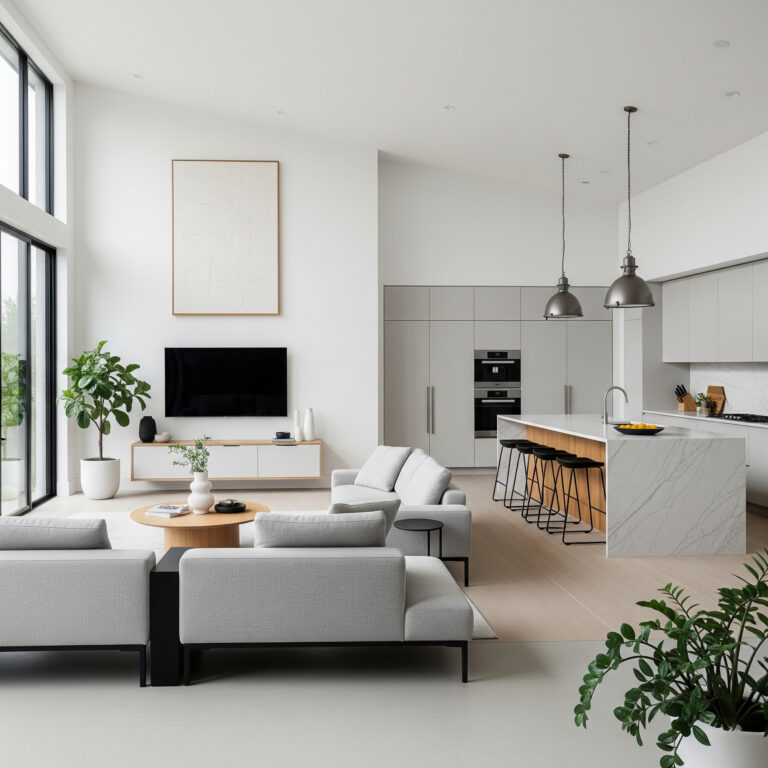
A modern minimalist interior design living room is more than just a trend; it’s a reflection of how we live today. Clean lines, open spaces, and thoughtful details come together to create a space that feels both calm and purposeful. As design continues to move towards simplicity with intention, the minimalist approach has become a favourite for those seeking balance and functionality in their homes.
When it comes to decorating a living room with a minimalist touch, the goal is to make every piece count. It’s not about stripping everything away, but about creating harmony through space, light, and texture. This post will walk you through the essentials, from choosing the right colours and furniture to introducing warmth and character without clutter.
Whether you’re redesigning your space or just making a few thoughtful updates, these ideas will help you achieve the clean, refined look that defines modern minimalism.
This post is all about Modern Minimalist Interior Design Living Room.
What Defines a Modern Minimalist Living Room
At its essence, a modern minimalist living room blends simplicity with comfort. It’s a style centred on clarity; clean lines, functional furnishings, and a sense of openness. The design invites you to embrace fewer, better-quality pieces that make a strong visual impact without overwhelming the space.
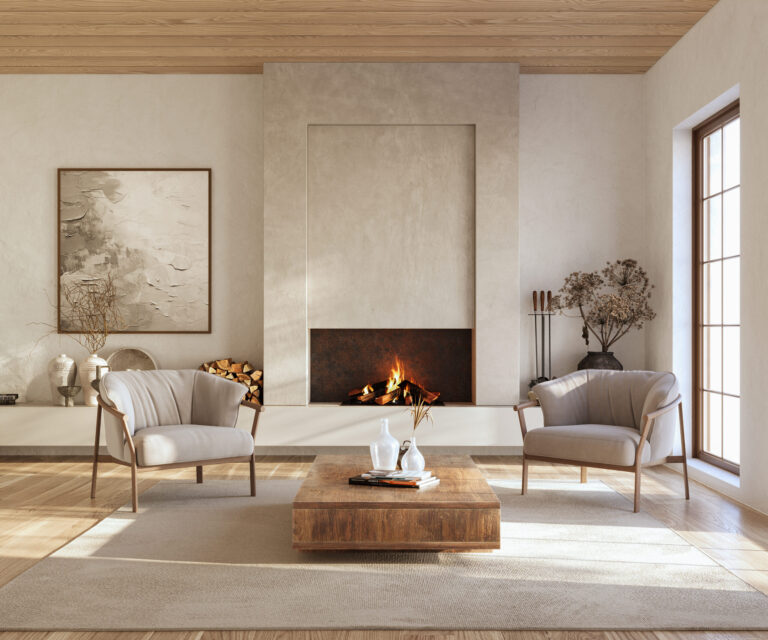
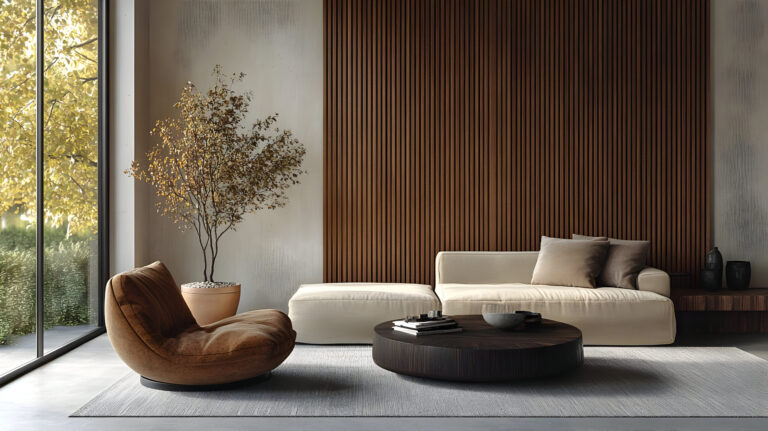
The beauty of a modern minimalist interior design living room lies in the balance between form and function. Neutral tones set a calming backdrop, while subtle textures, like a woven rug or a timber accent, bring warmth and interest. Every element serves a purpose, from the low-slung sofa that encourages relaxation to the structured coffee table that anchors the room.
This kind of interior design isn’t about living with less for the sake of it, but rather about living with intention. By removing visual noise and focusing on practicality, you create an atmosphere that naturally feels more open and considered. The end result is a space that looks refined yet comfortable, modern yet timeless.
Choosing the Right Colour Palette
The colour palette is the foundation of any modern minimalist living room interior design. It sets the tone, influences mood, and ties every element together. In minimalist spaces, colours are more than decoration; they’re the building blocks that bring balance and calm. Starting with a neutral base allows the eye to rest and helps the space feel cohesive, spacious, and timeless.
When selecting your palette, consider shades such as soft whites, warm greys, gentle taupes, or muted beige tones. These hues create a clean backdrop that lets furniture and architectural details stand out. If you prefer a little more contrast, darker accents, like charcoal or deep coffee tones, can add depth without overpowering the minimal aesthetic. The key is to maintain harmony and avoid overly saturated colours that disrupt the serenity of the space.
Texture plays a big part in keeping a neutral room from feeling flat. Think about mixing materials such as linen upholstery, woven throws, timber floors, or stone finishes. A minimalist palette works beautifully with natural textures, giving the room warmth and character. It’s the subtle differences in surface and tone that make the space feel inviting rather than stark.
To bring personality to your modern minimalist interior design living room, try introducing a carefully chosen accent colour. Soft sage, dusty blue, or even a muted terracotta can provide just enough contrast to make your space feel personal. Use these accents sparingly, perhaps in cushions, artwork, or decorative ceramics, so they enhance rather than compete with the calm of the main palette.
In short, the right colour palette for a minimalist living room should make the space feel grounded, soothing, and uncluttered. Once you’ve established a base that feels right, the rest of your design decisions will fall into place more naturally.
Selecting Minimalist Furniture That Maximises Space
Furniture is the backbone of any modern minimalist interior design living room, and the right choices can completely transform how a space feels and functions. In minimalist design, furniture isn’t just about appearance; it’s about purpose. Each piece should serve a clear function while still contributing to the overall harmony of the room.
Start by considering the essential pieces: a comfortable sofa with clean lines, a sturdy coffee table, and a few well-placed seating options if space allows. Look for low-profile designs that create a sense of openness. Sofas and chairs with slim legs help maintain visual flow, while modular or sectional options offer flexibility without cluttering the room. When possible, invest in timeless, high-quality pieces rather than trendy furniture that may quickly feel outdated.
A modern minimalist interior design living room thrives on balance and proportion. Pay attention to scale; oversized furniture can overwhelm the simplicity of the room, while items that are too small might make it feel incomplete. Arrange furniture so that there’s plenty of space to move around freely, keeping sightlines open and uncluttered. This not only makes the room appear larger but also creates a sense of calm and ease.
Storage is another key element that often goes overlooked. Opt for multifunctional pieces, think coffee tables or benches with hidden compartments, or media units with soft-close drawers that conceal electronics. This allows you to maintain a clean, minimal look without sacrificing practicality. Built-in shelving or custom cabinetry can also be a great way to keep books and décor neatly organised while blending seamlessly into the design.
When it comes to materials, keep the palette consistent with the rest of your design. Light timbers, matte finishes, and natural fabrics complement the simplicity of minimalism beautifully. Try to avoid overly ornate designs or pieces with too many embellishments. The goal is to create a cohesive environment where every piece contributes to the overall sense of calm.
Finally, don’t forget comfort. Minimalism shouldn’t feel cold or uninviting; it’s about simplifying your surroundings so the essentials shine. Choose furniture that feels good to use, not just good to look at, and remember that negative space (the areas around and between furniture) is just as important as the furniture itself.
Lighting: The Key to a Welcoming Minimalist Feel
Lighting is one of the most powerful tools in any modern minimalist interior design living room. It influences how the space feels, whether it’s calm and airy or warm and intimate. In minimalist interiors, where every detail counts, lighting serves both a practical and aesthetic purpose. It enhances architectural features, brings depth to neutral palettes, and helps define different areas within an open layout.
Start with natural light wherever possible. Large windows, sheer curtains, and uncluttered spaces encourage sunlight to flow in freely, making the room feel open and refreshing. Avoid heavy drapes or dark blinds that block light. If privacy is a concern, opt for translucent fabrics or layered window coverings that diffuse sunlight softly throughout the day.
Artificial lighting should be layered thoughtfully. A well-designed lighting plan usually includes three layers:
Ambient lighting for general illumination, think ceiling-mounted lights, recessed fittings, or large pendant lamps with simple designs.
Task lighting for reading or focused activities, such as a sleek floor lamp beside the sofa or a table lamp on a side console.
Accent lighting to highlight artwork
Each source should complement the others without overwhelming the simplicity of the design. The aim is to create a soft, balanced glow rather than harsh spots of light.
In a modern minimalist interior design living room, the fixtures themselves are an extension of the aesthetic. Choose lighting designs with clean lines and minimal ornamentation. Black, white, or brushed metal finishes often suit minimalist spaces well, while timber or glass can add natural elegance. The key is subtlety; light fittings should highlight, not compete with, the overall design.
Dimmers are an excellent addition if you want flexibility. They allow you to shift the mood from bright and energising during the day to soft and relaxing in the evening. The ability to control brightness makes minimalist spaces feel more dynamic and comfortable without adding visual clutter.
Finally, consider warmth. While bright white light complements the crispness of modern design, a warmer tone (between 2700K–3000K) often feels more inviting. This slight golden hue enhances natural materials and softens sharp lines, creating a welcoming atmosphere that’s both modern and liveable.
Minimalist Decoration and Accents
Decor plays an essential role in a modern minimalist interior design living room, but the key is restraint. In spaces defined by clean lines and simplicity, every decorative element should feel intentional and serve a purpose. Instead of filling shelves and tables with accessories, minimalism invites you to slow down and choose pieces that add meaning, texture, or personality without disturbing the room’s sense of calm.
Start with a neutral base and think about layering subtle details rather than crowding the space. A soft throw draped over the arm of a sofa, a textured wool rug underfoot, or a simple ceramic vase on a coffee table can introduce warmth and tactility. These small additions make the living room feel inviting without detracting from its understated elegance.
Artworks are another powerful way to express personality in a minimalist space. Opt for one or two statement pieces, perhaps an abstract painting or black-and-white photograph, rather than filling every wall. The extra breathing room around art allows it to stand out and maintains the clean, structured feel that defines a minimalist home. Similarly, sculptures or handcrafted objects in natural materials can add depth and interest, as long as they’re used sparingly.
Nature also plays beautifully into modern minimalist interiors. A single indoor plant, such as a fiddle leaf fig or a sculptural monstera, introduces organic form and colour while complementing the simplicity of the design. Consider positioning greenery near natural light sources to emphasise that connection to the outdoors. Just remember, less is more; one or two well-placed plants often achieve a stronger effect than several scattered around.
When choosing décor, focus on cohesion. Every element, from cushions and rugs to lamps and accessories, should align with your colour palette and materials. The goal is visual harmony, not uniformity. Small contrasts in tone or texture, like pairing a matte ceramic vase with a woven jute rug, help the space feel layered yet restrained.
In a modern minimalist interior design living room, decoration isn’t about filling space; it’s about curating it. Each item should earn its place, contributing to a sense of balance, warmth, and quiet sophistication. The right accents elevate simplicity into a timeless and personal style.
Clever Storage Solutions
In any modern minimalist interior design living room, clutter is the enemy of calm. A minimalist space thrives when everything has a place and surfaces stay clear. Thoughtful storage isn’t just about tidiness; it’s part of the overall design. Concealed and multifunctional storage options help maintain the minimalist aesthetic while ensuring your home feels lived-in and practical, not sparse.
Start by looking for storage that blends seamlessly into the architecture of the room. Built-in shelving, wall-mounted units, or hidden compartments can keep belongings out of sight while preserving clean lines. Floating cabinets are particularly effective in minimalist spaces because they appear lighter and help the room feel more open. Choose pieces with flat panels or push-to-open mechanisms to maintain that sleek, uninterrupted look.
Multi-purpose furniture is another great way to integrate storage without adding bulk. Coffee tables with lift-up tops, side tables with drawers, or ottomans with hidden compartments allow you to store remotes, magazines, and blankets discreetly. These designs serve dual functions; they provide comfort and practicality without compromising visual simplicity.
If you prefer open shelving, keep it curated. Limit display items to a few carefully selected pieces, perhaps a stack of design books, a plant, or a single ceramic object. This allows your modern minimalist interior design living room to retain structure while still showing a touch of personality. The trick is to leave plenty of negative space so the shelves don’t appear overcrowded.
Cable management also makes a surprising difference. Minimalism relies on clarity and neatness, so hiding cords and chargers is worth the effort. Built-in channels, cable covers, or even wireless accessories can help maintain an uncluttered look. Small details like this separate a room that looks minimalist from one that truly feels minimalist.
Finally, think vertically. Floor-to-ceiling shelving or cabinetry maximises height and provides generous storage without eating into floor area. When finished in the same tone as the walls, these units practically disappear, a hallmark of great minimalist design.
By incorporating clever storage solutions, you preserve the balance between functionality and style. It’s this harmony that defines a true modern minimalist interior design living room, one that feels serene, purposeful, and effortlessly put together.
Common Mistakes to Avoid
Even the most well-intentioned design plans can lose their way, especially when aiming for a modern minimalist interior design living room. Minimalism might seem simple at first glance, but achieving that airy, balanced feel takes thoughtful planning. Avoiding a few common mistakes can help you maintain a clean, cohesive look that feels both comfortable and inviting.
1. Overdecorating or Underdecorating
One of the biggest traps is misunderstanding what minimalism really means. It’s not about having nothing in your space, but about having the right things. Overdecorating quickly leads to clutter, while an overly sparse room can feel cold and unwelcoming. The goal is to strike a balance, curate a few stand-out pieces and allow room for visual breathing space. Every item should add either function or quiet beauty.
2. Mixing Too Many Styles or Materials
Minimalist design thrives on consistency. Introducing too many design styles, colours, or textures can easily disrupt the harmony. Try to keep the materials palette restrained; for example, pairing stone, wood, and metal works beautifully when done in moderation. Avoid mixing ornate pieces with minimalist furniture, as it can break the aesthetic flow of your modern minimalist interior design living room.
3. Ignoring Functionality
Minimalism is as much about practicality as it is about looks. A room that’s visually pleasing but uncomfortable or impractical doesn’t reflect true minimalist principles. Choose furniture that not only fits the aesthetic but also supports how you live, whether it’s storage for books, comfortable seating, or surfaces that serve daily activities. Simplicity doesn’t mean sacrificing comfort.
4. Poor Lighting Choices
Lighting makes or breaks the ambience of a minimalist space. Relying on a single overhead fixture or overly bright lighting can make the room feel harsh. As covered earlier, layering your lighting, ambient, task, and accent, ensures depth and warmth. Stick with fixtures that complement your design rather than compete with it.
5. Forgetting About Texture and Warmth
A room with all-smooth surfaces and plain finishes can quickly feel sterile. Texture adds life and dimension to minimalism. Introduce soft textiles, textured walls, or natural materials to soften edges and bring comfort. The aim is serenity, not emptiness.
By recognising and avoiding these pitfalls, you ensure your modern minimalist interior design living room feels naturally cohesive, calm, and thoughtfully designed, exactly as it should.
Creating a modern minimalist interior design living room is about so much more than achieving a stylish look; it’s about cultivating a space that feels calm, intentional, and genuinely livable. By focusing on quality over quantity, thoughtful lighting, cohesive colour palettes, and smart storage, you can design a living area that functions beautifully without losing warmth or personality.