Designing the Perfect Modern Minimalist Interior Design Living Room

Designing the Perfect Modern Minimalist Interior Design Living Room

This post is all about Modern Minimalist Interior Design Living Room.

A modern minimalist interior design living room is more than just a trend; it’s a reflection of how we live today. Clean lines, open spaces, and thoughtful details come together to create a space that feels both calm and purposeful. As design continues to move towards simplicity with intention, the minimalist approach has become a favourite for those seeking balance and functionality in their homes.

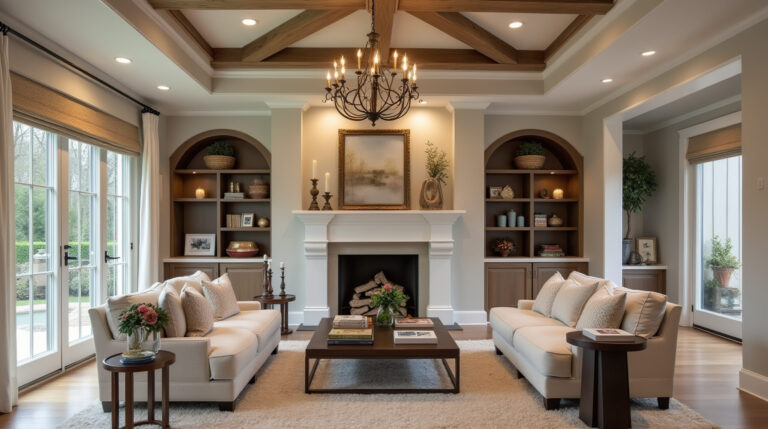
modern minimalist interior design living room

When it comes to decorating a living room with a minimalist touch, the goal is to make every piece count. It’s not about stripping everything away, but about creating harmony through space, light, and texture. This post will walk you through the essentials, from choosing the right colours and furniture to introducing warmth and character without clutter.

Whether you’re redesigning your space or just making a few thoughtful updates, these ideas will help you achieve the clean, refined look that defines modern minimalism.

This post is all about Modern Minimalist Interior Design Living Room.

What Defines a Modern Minimalist Living Room

At its essence, a modern minimalist living room blends simplicity with comfort. It’s a style centred on clarity; clean lines, functional furnishings, and a sense of openness. The design invites you to embrace fewer, better-quality pieces that make a strong visual impact without overwhelming the space.

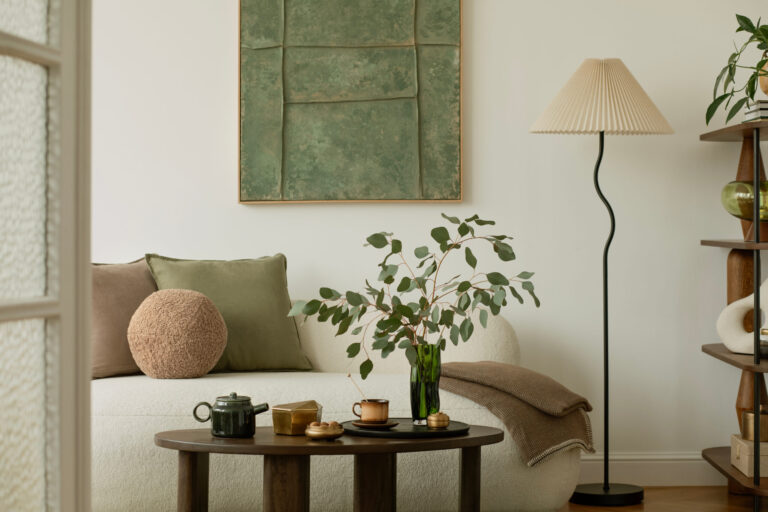
The beauty of a modern minimalist interior design living room lies in the balance between form and function. Neutral tones set a calming backdrop, while subtle textures, like a woven rug or a timber accent, bring warmth and interest. Every element serves a purpose, from the low-slung sofa that encourages relaxation to the structured coffee table that anchors the room.

This kind of interior design isn’t about living with less for the sake of it, but rather about living with intention. By removing visual noise and focusing on practicality, you create an atmosphere that naturally feels more open and considered. The end result is a space that looks refined yet comfortable, modern yet timeless.

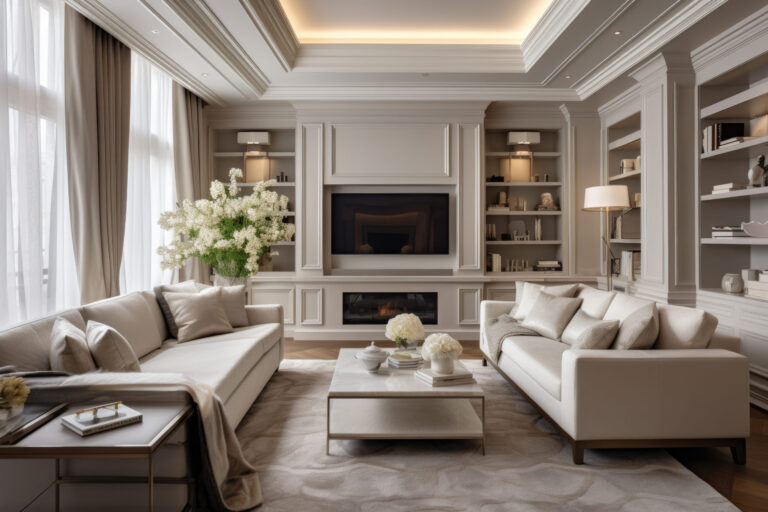
modern minimalist living room style

Choosing the Right Colour Palette

The colour palette is the foundation of any modern minimalist living room interior design. It sets the tone, influences mood, and ties every element together. In minimalist spaces, colours are more than decoration; they’re the building blocks that bring balance and calm. Starting with a neutral base allows the eye to rest and helps the space feel cohesive, spacious, and timeless.

When selecting your palette, consider shades such as soft whites, warm greys, gentle taupes, or muted beige tones. These hues create a clean backdrop that lets furniture and architectural details stand out. If you prefer a little more contrast, darker accents, like charcoal or deep coffee tones, can add depth without overpowering the minimal aesthetic. The key is to maintain harmony and avoid overly saturated colours that disrupt the serenity of the space.

Texture plays a big part in keeping a neutral room from feeling flat. Think about mixing materials such as linen upholstery, woven throws, timber floors, or stone finishes. A minimalist palette works beautifully with natural textures, giving the room warmth and character. It’s the subtle differences in surface and tone that make the space feel inviting rather than stark.

To bring personality to your modern minimalist interior design living room, try introducing a carefully chosen accent colour. Soft sage, dusty blue, or even a muted terracotta can provide just enough contrast to make your space feel personal. Use these accents sparingly, perhaps in cushions, artwork, or decorative ceramics, so they enhance rather than compete with the calm of the main palette.

In short, the right colour palette for a minimalist living room should make the space feel grounded, soothing, and uncluttered. Once you’ve established a base that feels right, the rest of your design decisions will fall into place more naturally.

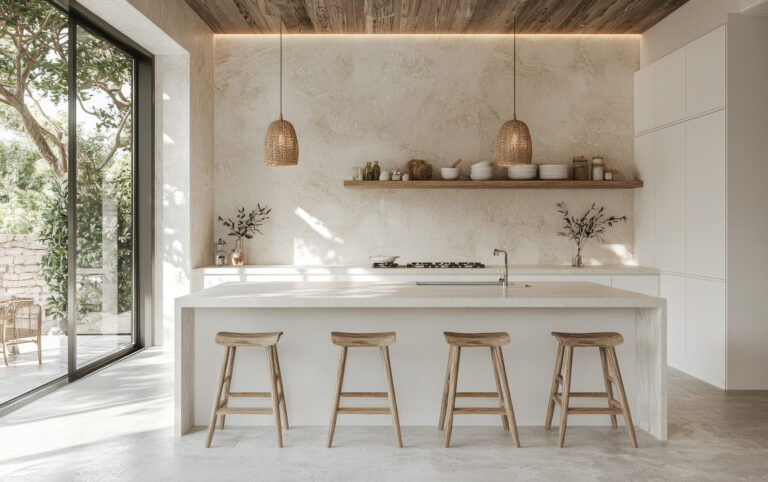
minimalist living room colour palette

Selecting Minimalist Furniture That Maximises Space

Furniture is the backbone of any modern minimalist interior design living room, and the right choices can completely transform how a space feels and functions. In minimalist design, furniture isn’t just about appearance; it’s about purpose. Each piece should serve a clear function while still contributing to the overall harmony of the room.

Start by considering the essential pieces: a comfortable sofa with clean lines, a sturdy coffee table, and a few well-placed seating options if space allows. Look for low-profile designs that create a sense of openness. Sofas and chairs with slim legs help maintain visual flow, while modular or sectional options offer flexibility without cluttering the room. When possible, invest in timeless, high-quality pieces rather than trendy furniture that may quickly feel outdated.

A modern minimalist interior design living room thrives on balance and proportion. Pay attention to scale; oversized furniture can overwhelm the simplicity of the room, while items that are too small might make it feel incomplete. Arrange furniture so that there’s plenty of space to move around freely, keeping sightlines open and uncluttered. This not only makes the room appear larger but also creates a sense of calm and ease.

Storage is another key element that often goes overlooked. Opt for multifunctional pieces, think coffee tables or benches with hidden compartments, or media units with soft-close drawers that conceal electronics. This allows you to maintain a clean, minimal look without sacrificing practicality. Built-in shelving or custom cabinetry can also be a great way to keep books and décor neatly organised while blending seamlessly into the design.

When it comes to materials, keep the palette consistent with the rest of your design. Light timbers, matte finishes, and natural fabrics complement the simplicity of minimalism beautifully. Try to avoid overly ornate designs or pieces with too many embellishments. The goal is to create a cohesive environment where every piece contributes to the overall sense of calm.

Finally, don’t forget comfort. Minimalism shouldn’t feel cold or uninviting; it’s about simplifying your surroundings so the essentials shine. Choose furniture that feels good to use, not just good to look at, and remember that negative space (the areas around and between furniture) is just as important as the furniture itself.

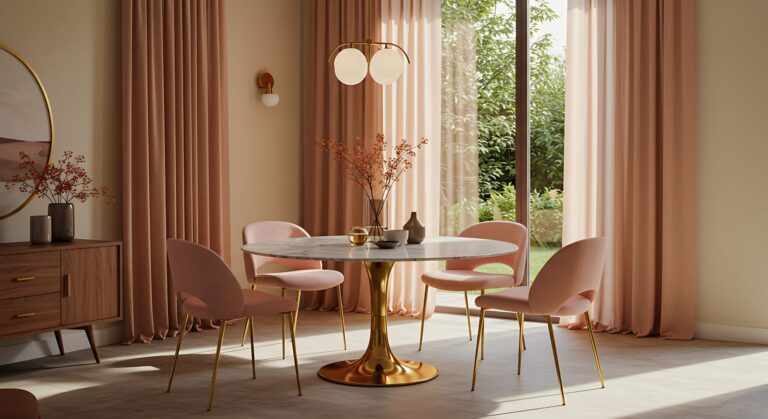
minimalist living room furniture ideas

Lighting: The Key to a Welcoming Minimalist Feel

Lighting is one of the most powerful tools in any modern minimalist interior design living room. It influences how the space feels, whether it’s calm and airy or warm and intimate. In minimalist interiors, where every detail counts, lighting serves both a practical and aesthetic purpose. It enhances architectural features, brings depth to neutral palettes, and helps define different areas within an open layout.

Start with natural light wherever possible. Large windows, sheer curtains, and uncluttered spaces encourage sunlight to flow in freely, making the room feel open and refreshing. Avoid heavy drapes or dark blinds that block light. If privacy is a concern, opt for translucent fabrics or layered window coverings that diffuse sunlight softly throughout the day.

Artificial lighting should be layered thoughtfully. A well-designed lighting plan usually includes three layers:

  • Ambient lighting for general illumination, think ceiling-mounted lights, recessed fittings, or large pendant lamps with simple designs.
  • Task lighting for reading or focused activities, such as a sleek floor lamp beside the sofa or a table lamp on a side console.
  • Accent lighting to highlight artwork

Each source should complement the others without overwhelming the simplicity of the design. The aim is to create a soft, balanced glow rather than harsh spots of light.

In a modern minimalist interior design living room, the fixtures themselves are an extension of the aesthetic. Choose lighting designs with clean lines and minimal ornamentation. Black, white, or brushed metal finishes often suit minimalist spaces well, while timber or glass can add natural elegance. The key is subtlety; light fittings should highlight, not compete with, the overall design.

Dimmers are an excellent addition if you want flexibility. They allow you to shift the mood from bright and energising during the day to soft and relaxing in the evening. The ability to control brightness makes minimalist spaces feel more dynamic and comfortable without adding visual clutter.

Finally, consider warmth. While bright white light complements the crispness of modern design, a warmer tone (between 2700K–3000K) often feels more inviting. This slight golden hue enhances natural materials and softens sharp lines, creating a welcoming atmosphere that’s both modern and liveable.

modern minimalist living room lighting

Minimalist Decoration and Accents

Decor plays an essential role in a modern minimalist interior design living room, but the key is restraint. In spaces defined by clean lines and simplicity, every decorative element should feel intentional and serve a purpose. Instead of filling shelves and tables with accessories, minimalism invites you to slow down and choose pieces that add meaning, texture, or personality without disturbing the room’s sense of calm.

Start with a neutral base and think about layering subtle details rather than crowding the space. A soft throw draped over the arm of a sofa, a textured wool rug underfoot, or a simple ceramic vase on a coffee table can introduce warmth and tactility. These small additions make the living room feel inviting without detracting from its understated elegance.

Artworks are another powerful way to express personality in a minimalist space. Opt for one or two statement pieces, perhaps an abstract painting or black-and-white photograph, rather than filling every wall. The extra breathing room around art allows it to stand out and maintains the clean, structured feel that defines a minimalist home. Similarly, sculptures or handcrafted objects in natural materials can add depth and interest, as long as they’re used sparingly.

Nature also plays beautifully into modern minimalist interiors. A single indoor plant, such as a fiddle leaf fig or a sculptural monstera, introduces organic form and colour while complementing the simplicity of the design. Consider positioning greenery near natural light sources to emphasise that connection to the outdoors. Just remember, less is more; one or two well-placed plants often achieve a stronger effect than several scattered around.

When choosing décor, focus on cohesion. Every element, from cushions and rugs to lamps and accessories, should align with your colour palette and materials. The goal is visual harmony, not uniformity. Small contrasts in tone or texture, like pairing a matte ceramic vase with a woven jute rug, help the space feel layered yet restrained.

In a modern minimalist interior design living room, decoration isn’t about filling space; it’s about curating it. Each item should earn its place, contributing to a sense of balance, warmth, and quiet sophistication. The right accents elevate simplicity into a timeless and personal style.

minimalist living room decor accents

Clever Storage Solutions

In any modern minimalist interior design living room, clutter is the enemy of calm. A minimalist space thrives when everything has a place and surfaces stay clear. Thoughtful storage isn’t just about tidiness; it’s part of the overall design. Concealed and multifunctional storage options help maintain the minimalist aesthetic while ensuring your home feels lived-in and practical, not sparse.

Start by looking for storage that blends seamlessly into the architecture of the room. Built-in shelving, wall-mounted units, or hidden compartments can keep belongings out of sight while preserving clean lines. Floating cabinets are particularly effective in minimalist spaces because they appear lighter and help the room feel more open. Choose pieces with flat panels or push-to-open mechanisms to maintain that sleek, uninterrupted look.

Multi-purpose furniture is another great way to integrate storage without adding bulk. Coffee tables with lift-up tops, side tables with drawers, or ottomans with hidden compartments allow you to store remotes, magazines, and blankets discreetly. These designs serve dual functions; they provide comfort and practicality without compromising visual simplicity.

If you prefer open shelving, keep it curated. Limit display items to a few carefully selected pieces, perhaps a stack of design books, a plant, or a single ceramic object. This allows your modern minimalist interior design living room to retain structure while still showing a touch of personality. The trick is to leave plenty of negative space so the shelves don’t appear overcrowded.

Cable management also makes a surprising difference. Minimalism relies on clarity and neatness, so hiding cords and chargers is worth the effort. Built-in channels, cable covers, or even wireless accessories can help maintain an uncluttered look. Small details like this separate a room that looks minimalist from one that truly feels minimalist.

Finally, think vertically. Floor-to-ceiling shelving or cabinetry maximises height and provides generous storage without eating into floor area. When finished in the same tone as the walls, these units practically disappear, a hallmark of great minimalist design.

By incorporating clever storage solutions, you preserve the balance between functionality and style. It’s this harmony that defines a true modern minimalist interior design living room, one that feels serene, purposeful, and effortlessly put together.

minimalist living room storage solutions

Common Mistakes to Avoid

Even the most well-intentioned design plans can lose their way, especially when aiming for a modern minimalist interior design living room. Minimalism might seem simple at first glance, but achieving that airy, balanced feel takes thoughtful planning. Avoiding a few common mistakes can help you maintain a clean, cohesive look that feels both comfortable and inviting.

1. Overdecorating or Underdecorating

One of the biggest traps is misunderstanding what minimalism really means. It’s not about having nothing in your space, but about having the right things. Overdecorating quickly leads to clutter, while an overly sparse room can feel cold and unwelcoming. The goal is to strike a balance, curate a few stand-out pieces and allow room for visual breathing space. Every item should add either function or quiet beauty.

2. Mixing Too Many Styles or Materials

Minimalist design thrives on consistency. Introducing too many design styles, colours, or textures can easily disrupt the harmony. Try to keep the materials palette restrained; for example, pairing stone, wood, and metal works beautifully when done in moderation. Avoid mixing ornate pieces with minimalist furniture, as it can break the aesthetic flow of your modern minimalist interior design living room.

minimalist living room materials and textures

3. Ignoring Functionality

Minimalism is as much about practicality as it is about looks. A room that’s visually pleasing but uncomfortable or impractical doesn’t reflect true minimalist principles. Choose furniture that not only fits the aesthetic but also supports how you live, whether it’s storage for books, comfortable seating, or surfaces that serve daily activities. Simplicity doesn’t mean sacrificing comfort.

modern minimalist living room design

4. Poor Lighting Choices

Lighting makes or breaks the ambience of a minimalist space. Relying on a single overhead fixture or overly bright lighting can make the room feel harsh. As covered earlier, layering your lighting, ambient, task, and accent, ensures depth and warmth. Stick with fixtures that complement your design rather than compete with it.

5. Forgetting About Texture and Warmth

A room with all-smooth surfaces and plain finishes can quickly feel sterile. Texture adds life and dimension to minimalism. Introduce soft textiles, textured walls, or natural materials to soften edges and bring comfort. The aim is serenity, not emptiness.

By recognising and avoiding these pitfalls, you ensure your modern minimalist interior design living room feels naturally cohesive, calm, and thoughtfully designed, exactly as it should.

Creating a modern minimalist interior design living room is about so much more than achieving a stylish look; it’s about cultivating a space that feels calm, intentional, and genuinely livable. By focusing on quality over quantity, thoughtful lighting, cohesive colour palettes, and smart storage, you can design a living area that functions beautifully without losing warmth or personality.

25 Beautiful Bedroom Ideas for Girls to Create Their Perfect Dream Space

25 Beautiful Bedroom Ideas for Girls to Create Their Perfect Dream Space

bedroom ideas for girls
girls bedroom decor ideas
creative bedroom designs for girls
modern girls bedroom style
pastel girls bedroom inspiration
cosy bedroom ideas for girls
boho girls bedroom decor
small bedroom layout for girls
teen girls bedroom makeover
The Ultimate Guide to Kitchen Pantry Door Storage Solutions

The Ultimate Guide to Kitchen Pantry Door Storage Solutions

This post is all about Kitchen Pantry Door Storage.

A well‑designed kitchen makes everyday life easier, and that’s exactly where kitchen pantry door storage comes in. It’s one of those clever interior design tricks that turns overlooked space into something functional, organised, and effortlessly stylish.

Kitchen Pantry Door Storage

In this guide, we’ll explore creative ways to use your pantry door for storage, not just for functionality, but also for design harmony. You’ll learn practical ideas for different kitchen styles, expert tips on how to choose and style your setup, and a few insider design tricks that make all the difference. Whether your kitchen is compact or spacious, these ideas will help you find more room and create a cleaner, more cohesive space that feels like your own.

This post is all about Kitchen Pantry Door Storage.

Why Kitchen Pantry Door Storage Matters

The great thing about kitchen pantry door storage is that it’s one of the easiest ways to reclaim usable space without changing the basic layout of your kitchen. It’s efficient, cost‑effective, and instantly rewarding. Most people underestimate how much vertical space a standard pantry door provides, yet that’s exactly where some of your most frequently used items could live.

From a design perspective, it’s not just about squeezing in a few extra shelves. It’s about creating a more intuitive kitchen, one where function meets form. A well‑designed door storage system naturally streamlines your cooking routine by keeping essentials within reach while visually decluttering countertops and cupboards. That interplay between ease and order makes a noticeable difference, especially in smaller kitchens or open‑concept layouts where every detail contributes to the overall look and flow of the space.

If you’re short on storage or simply want your pantry to look and feel more intentional, start by assessing your door. Think about what you access most: spices, condiments, snacks, or cleaning supplies, and imagine how they could be arranged vertically, rather than stashed away in a deep shelf. It’s a small adjustment that often creates a big impact.

Organised Kitchen Pantry Door

Types of Kitchen Pantry Door Storage Solutions

The key to creating effective kitchen pantry door storage is matching the right type of organiser to your space and lifestyle. There isn’t a one‑size‑fits‑all approach here; what works well in a busy family kitchen might not be ideal for a small apartment. Let’s look at a few reliable solutions that blend functionality with style.

1. Over‑the‑Door Racks and Organisers

For most kitchens, over‑the‑door racks are the easiest entry point into door storage. They’re simple to install, usually with no drilling required, and they make excellent use of the door’s height. You’ll find them in a variety of materials, from sleek chrome to matte black finishes, which means they can blend seamlessly with nearly any interior style.

If you’re tight on pantry shelf space, these racks can hold anything from spices and snacks to smaller cooking oils or jars. They’re especially handy for renters who can’t make permanent changes, but still want functional, attractive pantry door storage.

Pantry Door Storage Ideas

2. Custom Door Shelving

If you’re after something more built‑in and cohesive, custom door shelving is a smart investment. These can be designed to match your cabinetry, giving your pantry a polished, integrated look. Custom setups also tend to handle heavier items, such as canned goods or glass jars, without wobbling or warping over time.

From an interior design perspective, custom shelving allows you to maintain consistency in colour, finish, and overall kitchen aesthetic. It’s also a chance to get creative: you can play with shelf depths, mix open racks with bins, or even add discreet built‑in lighting for a soft glow when you open the door.

Kitchen Pantry Door Shelving

3. Hanging Baskets and Hooks

Sometimes, a simple solution is all you need. Hanging baskets or hooks on the inside of your pantry door are perfect for frequently used items, small produce bags, cleaning gloves, or lightweight kitchen tools. Wire baskets offer a more open, airy look, while woven styles can add warmth and texture to your kitchen pantry door storage setup.

If you like a natural, lived‑in aesthetic, this approach is both functional and visually appealing. It’s also easy to adjust or rearrange as your storage needs change.

over the door pantry storage

4. Magnetic or Pegboard Systems

For those who prefer a clean, modern, or industrial design style, magnetic and pegboard setups can be game‑changers. Magnetic panels are excellent for holding metal spice tins or small tools, while pegboards create a flexible system that can be rearranged whenever you want to refresh your layout.

What’s great about these systems is how customisable they are. You can add shelves, hooks, or small containers as needed, all while keeping a sleek, minimalist profile that suits contemporary kitchens perfectly.

custom pantry door shelves

When you choose the type that best fits your space, you set the foundation for a pantry that truly works for you. The next step is refining which design will complement your kitchen’s layout and overall aesthetic.

How to Choose the Right Pantry Door Storage for Your Kitchen

Selecting the right kitchen pantry door storage solution depends on more than just the available space; it’s about how you use your kitchen day‑to‑day and what kind of look you want to achieve. A well‑chosen setup should feel like it belongs, not simply like an add‑on. Here’s how to make that decision with intention and confidence.

1. Start by Measuring and Assessing Your Space

Before buying or installing anything, measure your pantry door’s height and width carefully. Check how much clearance you have when the door opens fully, especially if it swings near cabinets or appliances. These small details determine how deep your shelves or baskets can be without causing frustration later on.

If you’re working with a sliding or French pantry door, you’ll have to get a little creative. In those cases, look for slim, low‑profile organisers or interior‑mounted systems that don’t interfere with door movement.

hanging baskets pantry door

2. Define the Purpose of Your Door Storage

Think about what items you reach for every day. Are you looking to organise spices, snacks, or baking supplies? Maybe you need a home for cleaning products or reusable grocery bags. Defining the purpose will help you choose the right structure: narrow spice racks for small containers, deeper wire shelves for snacks, or hooks for lightweight tools.

The beauty of kitchen pantry door storage is that it can adapt to meet your exact needs. When you treat the door as another functional part of your design, it becomes an organiser that helps you move through your kitchen more efficiently.

magnetic pantry door organisation

3. Consider Weight and Durability

It’s tempting to load every inch of your new pantry door with jars and cans, but keep balance in mind. Check the weight limits of your chosen storage system and avoid overloading. Over‑the‑door racks and hanging baskets are intended for lighter items, while custom shelving can handle heavier products more comfortably.

Choosing durable materials, like metal with a powder‑coated finish or sturdy wood, ensures your investment lasts. And since kitchen environments can get humid, particularly near cooking areas, opting for moisture‑resistant finishes can help maintain your system’s appearance over time.

pegboard pantry door system

4. Align with Your Kitchen’s Overall Style

Even functional storage deserves to look good. Think about your kitchen’s colour palette, hardware, and overall style. Matte black racks blend seamlessly into modern designs, while natural wood tones complement rustic or transitional interiors. Clear acrylic bins can also add a more streamlined, contemporary touch.

Your kitchen pantry door storage doesn’t have to stand out; it should flow naturally with the rest of your space. Done right, it becomes an understated design element that quietly enhances both practicality and aesthetics.

measuring pantry door space

Once you’ve narrowed down your options, it’s time to focus on the fun part, styling. The next section will dive into how to add personality and polish to your pantry door system while keeping it functional and well-organised.

Design and Styling Tips for a Cohesive Look

Good kitchen pantry door storage isn’t just about adding shelves and baskets; it’s about creating visual harmony. The best storage setups look intentional, as if they were always part of your kitchen’s design, not something you attached later. This section focuses on how to style your pantry door so it feels both functional and aesthetically refined.

1. Keep It Cohesive with Colour and Material

Start by aligning your storage materials with your kitchen’s existing finishes. If you have warm wood cabinetry, consider natural wood or woven baskets to tie the look together. In a modern space with clean lines and cooler tones, you might lean toward matte metal, acrylic, or glass containers for a streamlined effect.

This simple attention to tone and texture keeps your pantry door storage from looking like a random collection of organisers. Instead, it becomes a natural extension of your design story.

labelled pantry door containers

2. Label Everything (But Keep It Subtle)

Labels aren’t just functional; they can also add a touch of design polish. Simple, uniform labelling gives your pantry a clean, professional look and helps everyone in the household keep things organised.

Use minimal typography or clear adhesive labels for a modern, uncluttered aesthetic. Chalkboard tags or handwritten labels can soften the look if you prefer something more casual.

cohesive pantry door storage

3. Mix Open and Closed Storage

Balance is key when it comes to door organisation. Open shelves keep frequently used items within easy reach, while small bins or baskets can hide less attractive essentials, like refills, packets, or snacks.

If you want to maintain visual calm, stick to three or four container styles that coordinate but don’t perfectly match; this creates visual interest without looking busy. Remember, your kitchen pantry door storage should support both order and beauty.

modern kitchen pantry door style

4. Add Lighting for Function and Ambience

A bit of lighting can elevate even the simplest setup. Battery‑powered LED strips or motion‑activated puck lights can instantly make your pantry feel more luxurious. Not only do they make it easier to see what’s on each shelf, they also highlight your organisation system, subtly turning a practical feature into a design detail.

Lighting is particularly useful if your pantry is in a darker corner of the kitchen. When thoughtfully placed, it adds both visibility and warmth, making the space feel more inviting.

mixed open and closed pantry

A well‑styled pantry door not only saves space but also enhances your kitchen’s overall look. It’s one of those small improvements that quietly elevates how a space feels to live in. Next, we’ll go over how to keep everything functional and tidy in the long run.

Maintenance and Organisation Tips

Once your kitchen pantry door storage is set up and looking great, keeping it organised is the real key to making it last. The goal isn’t perfection; it’s creating a system that stays functional and easy to maintain. With a few small habits, you can keep your pantry door as tidy as the day you installed it.

1. Declutter Regularly

Every few months, take a few minutes to reassess what’s hanging on the door. Items have a way of drifting into spaces simply because there’s room for them. Start by removing everything and giving the shelves or baskets a quick wipe‑down. Then, only put back what you actually use.

This periodic reset keeps your pantry door storage purposeful and prevents it from becoming another overstuffed corner of your kitchen.

pantry door storage lighting

2. Group Similar Items Together

Organisation works best when it’s intuitive. Keep breakfast items together, spices in one zone, and cleaning supplies in another. Grouping similar products reduces visual clutter and makes it easier to maintain the layout you worked hard to create.

If you’re using bins or baskets, label them so that every item has a clear home. Over time, these small details make the system effortless to keep up with.

decluttering pantry door storage

3. Avoid Overloading Shelves

As practical as kitchen pantry door storage is, it still has its limits. Too much weight can strain hinges or cause racks to sag over time. Keep heavier products, like large jars or cans, on your main pantry shelves, and use the door for lightweight items.

Evenly distributing weight not only protects the door but also preserves its smooth operation, which adds to the longevity of your setup.

grouped pantry door baskets

4. Refresh the Look Seasonally

A little refresh can go a long way in keeping your pantry door inspiring. Swap out bins, update labels, or add new shelf liners for a quick change. This can be as simple as introducing different materials, like woven textures in summer or dark metal finishes in winter, to subtly update your kitchen’s appearance without a full redesign.

This small maintenance step not only keeps the space feeling fresh but also makes you more likely to stay organised.

durable pantry door materials

Maintaining a clean and organised kitchen pantry door storage system doesn’t need to be a chore. With mindful upkeep and a clear structure, your pantry will continue to serve as both a design feature and a functional space for everyday living.

Budget-Friendly vs. Custom Solutions

One of the great things about kitchen pantry door storage is its flexibility; you can create a stylish, organised system on just about any budget. Whether you prefer simple DIY upgrades or want a fully integrated custom design, there’s a smart solution that fits your space, aesthetic, and lifestyle.

1. Budget-Friendly and DIY Options

If you’re starting small or working within a modest budget, there are plenty of ways to make a big impact without spending much. Over‑the‑door racks, adhesive hooks, or adjustable baskets can all transform your pantry door in a single afternoon.

These ready‑made options are ideal if you rent your home or simply want an affordable, low‑commitment way to test how door storage works for your routine. Many of these systems can be adjusted or layered over time, which makes them both cost‑effective and adaptable.

To make a DIY approach feel polished, stick to a cohesive colour scheme and consistent container style. It’s not about how much you spend, it’s about thoughtful design choices that make even simple materials look intentional.

diy pantry door storage solutions

2. Semi-Custom Systems

Semi‑custom options are a great middle ground. You can purchase modular storage components, like adjustable shelving systems or pegboard panels, and configure them to your exact space. Many brands now offer kits that can be mixed and matched, giving you the flexibility of customisation without the price tag of a fully bespoke installation.

Visually, semi‑custom systems also elevate your pantry’s look. Choose finishes and details that echo your kitchen hardware for a coordinated feel without needing professional carpentry.

semi custom pantry door system

3. Custom-Built Door Storage

If long‑term quality and seamless aesthetics are your priorities, investing in custom pantry door storage can be well worth it. A professional design allows you to match cabinetry finishes exactly, optimise every inch of usable space, and accommodate heavier or specialty items with ease.

Custom builds also open creative opportunities; hidden lighting, built‑in pullouts, or even soft‑close shelving can make your pantry door feel like a true design feature. While the upfront cost is higher, the end result often adds both daily convenience and long‑term value to your kitchen.

custom built pantry door storage

When choosing between budget, semi‑custom, or fully custom solutions, think about your long‑term goals. If your home is temporary or frequently updated, a modifiable system is likely the best fit. If you’re designing your forever home, a tailored, built‑in approach can be an investment that continues to pay off for years.

What makes kitchen pantry door storage so satisfying is how transformative it can be without requiring a full renovation. With a bit of planning, you can reinvent one of the kitchen’s most overlooked surfaces into something both useful and beautiful. Whether you choose simple over‑the‑door baskets or a custom-built-in system, every well-organised inch adds to your kitchen’s comfort and flow.

How to Arrange Furniture in a Room: Expert Tips for a Functional and Stylish Layout

How to Arrange Furniture in a Room: Expert Tips for a Functional and Stylish Layout

This post is all about How To Arrange Furniture In A Room.

I’ve always believed that the way furniture is arranged can completely change how a room feels. It’s not just about where you put the sofa or how far a chair sits from the coffee table; it’s about creating a space that feels balanced, easy to move through, and effortlessly stylish. Many people overthink how to arrange furniture in a room, but with a bit of planning and an understanding of how your space works, it becomes a creative and rewarding process.

Whether you’re furnishing a new home or reworking a space that’s starting to feel off, knowing how to arrange furniture in a room is the first step toward achieving a comfortable and harmonious flow. In this guide, we’ll look at practical ways to turn any room into one that looks great and functions beautifully.

How to arrange furniture in a room

I. Understand Your Space Before You Start

Before you start moving furniture around, take a step back and study the room. Every space has its own rhythm, its proportions, angles, and flow. Understanding those details gives you a foundation to build on before deciding how to arrange furniture in a room.

Start by measuring everything. Knowing the exact length and width of your space helps you avoid overcrowding and ensures each piece has room to breathe. It’s also useful to measure your larger furniture pieces, so you can visualise how they’ll fit before any heavy lifting begins.

Next, identify the focal points in the room. Maybe it’s a fireplace, a large window with a view, or a statement piece of art. Centring your layout around that focal point creates a natural anchor for the rest of your decorating decisions.

Finally, consider the movement patterns, the paths people take when entering and walking through the room. A good layout keeps those pathways clear and intuitive, which makes the room feel open rather than cluttered. When thinking about how to arrange furniture in a room, always prioritise flow over symmetry. Natural movement should guide your design choices just as much as style.

measuring room dimensions for furniture layout

II. Define the Purpose and Focal Point of the Room

Once you understand the dimensions and flow of your space, the next step is to define what the room is meant to do. Every room should have a clear purpose, and how you define it plays a huge role in how to arrange furniture in a room effectively. The goal here isn’t to overcomplicate things; it’s about knowing how you want to live in the space so your layout supports that naturally.

Start by asking yourself what happens most often in this room. Is it a place to relax with family, host friends, or focus on work? Once the main function is clear, you can make smarter decisions about furniture placement. For example, a living room designed for conversation might centre around a pair of sofas facing each other, while a reading nook might revolve around a comfortable chair near a window. Thinking this way keeps your choices purposeful and cohesive.

Next comes the focal point, the detail that instantly draws attention. It could be architectural, like a fireplace or large window, or something you introduce through design, like an oversized piece of art or a statement light fixture. When deciding how to arrange furniture in a room, always start with your focal point first. Place your largest furniture piece to complement it, then position smaller pieces to enhance balance and visual flow throughout the space.

A room with a clear purpose and well-defined focal point always feels more intentional. Even if you eventually add layers with décor, rugs, and lighting, your layout will have a solid foundation to build upon.

identifying room focal points

III. Choose the Right Furniture for the Space

Even the best layout can’t shine if the furniture doesn’t suit the room. Choosing the right pieces is just as important as deciding how to arrange furniture in a room because the size, shape, and style of each item influence how the space functions and feels. The goal isn’t to fill every corner, it’s to select furniture that complements the room’s proportions and purpose.

Start with scale. A common mistake is bringing in pieces that are either too large or too small for the room. Oversized furniture can overwhelm the space, while undersized pieces make it feel sparse and disconnected. If your room is small, opt for streamlined furniture with visible legs to create a sense of airiness. In a larger space, choose a few substantial items to ground the layout.

Next, think about balance. Once you’ve determined how to arrange furniture in a room based on your focal point, consider how each piece interacts with the others. Pair heavier furniture, like a sofa or bed, with lighter pieces, such as open-framed chairs or slim side tables, to create visual harmony. You’re aiming for a mix of heights, shapes, and materials that feels interesting yet cohesive.

Function should guide every choice. Ask yourself how each item enhances the way the room is used. A low-profile coffee table might make sense for a lounge-style living area, while a round table could fit better in a tighter space where movement is important. Let the practical needs of your lifestyle direct what stays and what goes.

When you’re intentional about your selections, arranging furniture stops feeling like a puzzle and starts becoming a design decision that reflects your taste and the way you live.

understanding room traffic flow

IV. Plan the Layout Strategically

Once you’ve chosen the right furniture, it’s time to put everything together. Planning the layout is where your room starts to take shape, and understanding how to arrange furniture in a room with both intention and flexibility makes all the difference. A well-planned layout allows every piece to serve a purpose while maintaining the room’s natural rhythm.

Start with the Largest Pieces

Begin by positioning the biggest items first, like the sofa in your living room or the bed in your bedroom. These anchor the space and help you visualise proportions before adding smaller pieces. Think of these items as the core that guides everything else. Once they’re in place, you can experiment with side tables, accent chairs, or lamps until the space feels balanced and comfortable.

defining room purpose and layout

Maintain Clear Pathways

Good flow is essential. As you decide how to arrange furniture in a room, keep at least two to three feet of walking space between major pieces. This ensures the layout feels open and easy to move through, no matter how large or small the area may be. Furniture should guide movement intuitively, not obstruct it. Avoid pushing everything against the walls just to create space; sometimes, floating a sofa or chair closer to the centre can make a room feel more inviting and better proportioned.

choosing right furniture for space

Play with Symmetry and Asymmetry

There’s no single formula for balance. Symmetry, like matching lamps or chairs, creates order and a sense of calm, making it ideal for formal or traditional spaces. Asymmetry, on the other hand, adds energy and a more natural, modern rhythm. When experimenting with how to arrange furniture in a room, mix both approaches. For instance, balance a larger sofa with two smaller chairs across from it, or balance a substantial table with lighter accessories on the opposite side. The key is visual equilibrium rather than perfect mirroring.

balanced room furniture proportions

By approaching furniture placement strategically, anchoring the space, allowing room for movement, and balancing visual weight, you create a layout that feels effortless and well thought-out. It’s this combination of structure and flow that turns any arrangement into a room that truly works.

V. Optimise for Comfort and Functionality

Even the most stylish layout won’t feel right if it isn’t comfortable to live in. Once the major pieces are in place, focus on how the room actually functions day to day. Comfort and purpose go hand in hand, and knowing how to arrange furniture in a room with those two elements in mind is what brings a layout from “nice” to genuinely enjoyable.

Create Natural Conversation Zones

For shared spaces like living or family rooms, think about how people interact. Sofas and chairs should face each other in a way that encourages conversation, not distance. If the room is large, create smaller zones—like a reading corner or a cozy seating area by a window—so the layout feels welcoming from every angle.

When thinking about how to arrange furniture in a room to support connection, try positioning pieces close enough that people don’t have to raise their voices to talk. Then, add accent tables within reach and soft lighting that makes the space feel inviting once the sun goes down.

arranging large furniture first

Balance Practical Needs with Visual Flow

Functionality isn’t just about movement; it’s about how comfortably the room supports your daily activities. Make sure surfaces, outlets, and lighting work together with your layout rather than against it. For example, keep a clear path from the sofa to any nearby table lamps or side tables, and ensure chairs can easily pull out from a dining table without bumping into walls or other furniture.

As you refine how to arrange furniture in a room that fits your lifestyle, pay attention to how you actually use the space. Are you constantly reaching too far for a drink? Does one corner feel underused? Small adjustments can dramatically improve how comfortably a room works for you.

maintaining clear pathways in room

Layer Comfort Through Design Details

Once the functional layout is set, find subtle ways to make it feel warm and inviting. Add an area rug large enough to tie the main seating pieces together. Use throw pillows or textured fabrics to bring in softness without overwhelming the design. The little things, like a well-placed ottoman or the right reading lamp, often make the biggest impact on how livable a room feels.

Comfort doesn’t have to sacrifice style. When you understand the balance between form and function, it becomes second nature to know how to arrange furniture in a room that truly feels like home.

symmetrical vs asymmetrical room design

VI. Add Style Through Accessories and Lighting

After your layout feels comfortable and functional, it’s time to bring in character. Accessories, lighting, and a few thoughtful design choices complete the space and help tie everything together. The key to mastering how to arrange furniture in a room isn’t just placement; it’s how you finish the layout in a way that feels layered and intentional.

Use Lighting to Define the Space

Lighting is one of the most powerful tools you have. It not only sets the mood but also helps define different zones within the same room. Combine ambient lighting (overhead fixtures or recessed lights) with task lighting (floor and table lamps) and accent lighting (sconces or spotlights) to create depth.

If you’re thinking about how to arrange furniture in a room where lighting plays a big role, position lamps near seats, desks, and reading areas, so light falls where it’s needed most. Avoid relying solely on overhead light; it can make even a well-designed layout feel flat. Layering lighting sources ensures every part of the room feels cosy and well thought out.

conversation zone furniture layout

Incorporate Rugs, Artwork, and Texture

Accessories aren’t an afterthought; they complete the story your layout begins. Rugs are fundamental because they anchor conversation areas and help define scale. Make sure at least the front legs of your main pieces (sofas or chairs) rest on the rug to unify the furniture visually.

Artwork should reflect the mood of the room rather than compete with it. A large piece above a sofa can echo the furniture’s proportions, while smaller pieces look best grouped intentionally rather than scattered. Textiles like cushions, throws, and curtains introduce warmth while allowing you to adjust tone or colour without major changes.

When you already know how to arrange furniture in a room, styling becomes the fun part, where personal taste meets structure. The right mix of soft furnishings and statement décor brings depth and balance to everything you’ve set up.

functional room furniture placement

Keep It Balanced, Not Overdone

A thoughtfully styled room should still feel livable. Editing is just as important as adding. Step back once you’ve layered in accessories and see where the eye naturally travels. If one side of the room feels heavy or crowded, remove or rearrange items until there’s breathing room again.

Finding that sweet spot where décor enhances rather than overwhelms is part of understanding how to arrange furniture in a room that feels polished but honest, comfortable without losing visual interest.

layering textures and lighting

VII. Common Mistakes to Avoid

Even with the best intentions, it’s easy to make small layout decisions that throw off balance, comfort, or visual flow. Understanding what to avoid is just as valuable as learning how to arrange furniture in a room effectively. These are the missteps that can make your space feel less cohesive, and how to fix them.

Pushing Everything Against the Walls

This is one of the most frequent mistakes people make. It might seem like the easiest way to create space, but pulling furniture away from the walls, even slightly, actually makes a room feel larger. Floating a sofa or a few chairs closer to the centre helps define conversation areas and gives the layout depth and movement. Think of empty wall space as breathing room, not wasted space.

living room layout with focal point

Ignoring Scale and Proportion

When learning how to arrange furniture in a room, scale is everything. A huge sectional in a small living room or tiny artwork above a wide sofa can make the entire layout feel off-balance. Mix larger anchor pieces with medium or smaller accents to create a layered and proportionate composition. Rug size also matters; too small, and the furniture looks adrift; too large, and it overwhelms the flow.

Blocking Natural Light and Doorways

Light and access are non-negotiable. Placing furniture in front of windows or doorways can make the space feel cramped and awkward. As you decide how to arrange furniture in a room, look for ways to enhance natural light rather than obstruct it. Lower-profile pieces, like benches or open shelving, placed near windows can allow sunlight to filter through without blocking the view.

dining room furniture spacing

Forgetting About Function

A beautiful room that doesn’t work for everyday life never quite feels right. Every piece should serve a purpose, whether it’s seating for a specific activity or storage that supports how you use the space. Revisit your layout from a functional standpoint periodically, since life changes and your furniture arrangement should adapt with it.

The more mindful you are about avoiding these pitfalls, the easier it becomes to instinctively know how to arrange furniture in a room that looks polished, feels practical, and functions smoothly day to day.

VIII. Room‑Specific Layout Tips

While the fundamentals of design apply across every space, the details can shift depending on the type of room you’re working with. Once you understand how to arrange furniture in a room generally, it’s easier to adapt those principles to meet the needs of different areas in your home.

Living Room

The living room often functions as the social heart of a home, so start by establishing your main gathering zone. Anchor the space with a sofa or sectional, then build around it with accent chairs and tables that encourage conversation. Leave open pathways to doorways and adjoining rooms, and keep your focal point, whether a fireplace, television, or window view, at the centre of the arrangement.

small space furniture arrangement

Bedroom

In the bedroom, comfort takes the lead. The bed should act as the visual anchor, ideally placed on the longest wall opposite the doorway. Keep plenty of clearance on both sides for movement and bedside tables. When thinking about how to arrange furniture in a room like a bedroom, balance larger storage pieces, such as dressers or wardrobes, with softer elements like rugs or curtains to create a calm, inviting feel.

avoiding furniture arrangement mistakes

Dining Room

Dining rooms thrive on balance and accessibility. Position your table so chairs can easily slide in and out without bumping against walls or other furniture. A rug under the dining table should extend at least 24 inches beyond the chair legs to define the area visually. Lighting plays an important role here too; a pendant or chandelier centred above the table anchors the setup beautifully.

improving room flow and balance

Small or Multifunctional Spaces

Compact or hybrid rooms require creative thinking. Use furniture that does double duty, an ottoman with storage, a fold‑out desk, or nesting tables, to save space without sacrificing usability. Float key pieces away from walls when possible to maintain a feeling of openness. In smaller areas, every inch counts, so focus on proportion and function first; style will follow naturally.

finishing touches home decor style

Whether it’s a living room, bedroom, or dining area, the same principles apply: start with purpose, respect scale, and keep flow at the forefront. Once you understand how to arrange furniture in a room to fit each space’s unique function, design choices become less about rules and more about rhythm.

Designing a room that truly works is part creativity, part strategy. Once you understand how to arrange furniture in a room, the whole process starts to feel far less intimidating. It’s about looking at your space thoughtfully, studying proportions, flow, and the way you actually live, then blending those elements into something both functional and beautiful.

Maximise Storage & Minimise Mess: Your Guide to Kitchen Shelving Units With Doors

Maximise Storage & Minimise Mess: Your Guide to Kitchen Shelving Units With Doors

This post is all about Kitchen Shelving Unit With Doors.

Good kitchen design, at its core, is about balance: finding practical storage solutions that also enhance the way a space feels. A kitchen shelving unit with doors is one of those pieces that makes a noticeable difference; it keeps the essentials close at hand while concealing the items you don’t want on display. The result is a kitchen that feels calm, streamlined, and put together.

This guide will explore why choosing a shelving unit with doors is such a smart investment, the different types and styles available, how to position them within your space, and what to look for before you buy. Whether you’re working with a compact kitchen or a generous floor plan, there’s a way to maximise storage without adding clutter.

Kitchen shelving unit with doors

Why Choose a Kitchen Shelving Unit With Doors?

A kitchen shelving unit with doors offers more than just a place to put things; it changes how your kitchen functions day to day. Behind closed doors, you can store away the less photogenic items: mismatched mugs, small appliances, or stacks of pantry goods. By removing visual clutter, the kitchen immediately feels more spacious and thoughtfully designed.

From a designer’s perspective, one of the biggest advantages of these units is their ability to define a cleaner visual rhythm in the room. Instead of open shelves that often look overcrowded, a unit with doors gives you control over what’s seen and what’s hidden. This makes the kitchen more inviting without requiring constant tidying.

They’re also incredibly versatile, which is why they work in nearly any setting. In smaller kitchens, a streamlined unit with doors can create order without dominating valuable square footage. In larger kitchens, multiple units can be used to create symmetry or integrate seamlessly with cabinetry. The flexibility makes them a practical design element worth considering, no matter the size of your space.

Small kitchen shelving unit with doors

Types of Kitchen Shelving Units With Doors

Not every kitchen works the same way, and that’s where the variety of shelving units really shines. The right choice depends not only on the size of your kitchen but also on how you prefer to use the space.

Wall-Mounted Units

Wall-mounted shelving units with doors are a smart way to use vertical space. By installing them above countertops or along empty walls, you free up valuable floor area while increasing storage capacity. They’re especially useful in compact kitchens where every inch counts.

A wall-mounted kitchen shelving unit with doors also creates symmetry and balance above a work surface. Choosing finishes that match your cabinetry will help the unit blend seamlessly into the design, or you can opt for a contrasting material to turn it into a focal point.

wall mounted kitchen shelves with doors

Freestanding Units

Freestanding units are all about flexibility. Unlike built-ins, these pieces can be repositioned, which is ideal if you’re renting or anticipate rearranging your kitchen layout in the future. They can serve as a standalone furniture piece, sometimes even doubling as a stylish sideboard in an open-plan kitchen-dining area.

The variety of freestanding kitchen shelving units with doors available means you can easily find one that complements your existing furniture while providing the additional storage you need. This adaptability makes them a versatile choice for many different lifestyles.

freestanding kitchen storage unit with doors

Built-In Cabinet Units

For those looking for a truly integrated solution, built-in units provide a polished, intentional finish. A built-in kitchen shelving unit with doors can be designed to blend flawlessly with your cabinetry, creating one cohesive look that feels timeless.

These units can extend all the way to the ceiling, providing valuable vertical storage that makes full use of the kitchen’s proportions. While they require more planning and typically come at a higher cost, their longevity and seamless appearance often justify the investment.

built in kitchen shelving with doors

Design Styles to Consider

While functionality is the main benefit of a kitchen shelving unit with doors, design should never be an afterthought. The style of your unit can influence the mood of the entire kitchen. Matching it with your chosen aesthetic ensures storage feels like part of the design rather than a compromise.

Modern Minimalist

Sleek surfaces and clean lines define the modern look. A minimalist kitchen shelving unit with doors often features flat-panel doors with discreet or integrated handles. Neutral colours like white, grey, or matte black work beautifully, and the simplicity enhances a sense of calm in the kitchen.

minimalist kitchen cabinet with doors

Rustic Farmhouse

If warmth and character are your goals, a rustic farmhouse style is the way to go. Shaker-style doors, natural wood finishes, and slightly distressed textures add personality while keeping things practical. A kitchen shelving unit with doors in this style feels inviting and layered, especially when paired with open shelving or classic ceramic details.

rustic farmhouse kitchen shelving unit

Industrial Chic

An industrial-inspired kitchen often blends metal, darker tones, and raw finishes. A shelving unit with doors in this style might include steel frames, glass fronts, or a matte black finish. It’s bold, practical, and makes a statement without being overwhelming.

industrial kitchen storage cabinet with doors

Classic Contemporary

For those who prefer a balance between tradition and modern design, classic contemporary is a versatile choice. Glossy finishes, subtle trim, and timeless colours like navy, cream, or soft grey allow a kitchen shelving unit with doors to feel both current and enduring. This style also complements a wide range of countertop and backsplash options, making it an adaptable design direction.

contemporary kitchen storage unit with doors

Practical Considerations Before Buying

Choosing a kitchen shelving unit with doors isn’t just about the look; it’s about making sure the piece works for your space, your daily life, and your long-term needs.

Size & Proportion

The scale of your shelving unit matters as much as its style. A unit that’s too large can overwhelm a compact kitchen, while something too small may not provide the right amount of storage. Take precise measurements of the area you want to use and consider how door openings will interact with nearby counters, walls, or appliances.

kitchen shelvin unit size and proportion guide

Material & Durability

The longevity of your shelving unit will depend heavily on the materials used.

  • Solid wood: Timeless and durable, though often at a higher cost.
  • MDF or laminate: Budget-friendly with plenty of finish options, though less resilient over time.
  • Metal or mixed materials: Strong, modern, and great for an industrial look.

When selecting a kitchen shelving unit with doors, think about how much wear the piece will get. Everyday access to heavy items like cookware calls for sturdier construction than light-duty storage.

Storage Needs

Consider what you’ll be storing before you buy. Deep shelves with adjustable heights are ideal if you want to accommodate everything from tall pantry items to small dishware. Interior dividers, pull-out drawers, or baskets can make a unit even more functional.

A kitchen shelving unit with doors should meet your storage habits, not force you to fit your items into a rigid structure.

kitchen shelving storage ideas with adjustable

Door Functionality

This often gets overlooked, but makes a big difference in daily use. Hinged doors need room to swing open, which may not be practical in a narrow kitchen. Sliding or bi-folding doors are excellent alternatives if space is tight, offering easier access without blocking walkways.

Ventilation & Intended Use

If you’re storing ingredients like potatoes, onions, or spices, a unit with subtle ventilation is helpful to keep items fresh. For dinnerware or cookware, solid doors work best to protect against dust and grease. Matching the design to usage guarantees your kitchen shelving unit with doors is as practical as it is attractive.

Placement & Layout Ideas

Where you position a kitchen shelving unit with doors can completely change both the flow and function of your space. The right placement ensures your storage solution feels harmonious with the kitchen layout.

Above-Counter Storage

Mounting a shelving unit with doors above the counter is one of the most common (and practical) placements. It keeps everyday items accessible but hidden, turning counter space into a clear, uncluttered surface. It also creates visual balance by framing the work area below.

above counter kitchen shelving with doors

Floor-to-Ceiling Units

For kitchens with higher ceilings, a floor-to-ceiling kitchen shelving unit with doors is a brilliant way to maximise vertical space. Not only does it increase storage dramatically, but it can also create a striking, architectural feature – almost like a statement wall.

tall kitchen storage cabinet with doors

Integrated into the Island

A smart way to add concealed storage is by incorporating shelving units with doors into a kitchen island. It makes use of what’s often an underutilised space and keeps the main cabinetry uncluttered. This placement works particularly well for storing items you want near your prep area but out of sight – like extra cookware or small appliances.

kitchen island storage unit with doors

Making Use of Corners

Corners are notorious for becoming wasted space, but they can accommodate a specialised kitchen shelving unit with doors designed for angled or L-shaped layouts. Corner units turn awkward spots into practical storage, helping the kitchen feel more connected from one end to the other.

corner kitchen shelving unit with doors

Styling Tips From a Designer’s Perspective

A kitchen shelving unit with doors already gives you the benefit of reducing visible clutter – but styling goes beyond hiding things away. Thoughtful design choices can make your shelving feel intentional, cohesive, and even elevate it as a feature within the kitchen.

Coordinate Finishes and Hardware

Matching the finish of your unit’s handles or knobs with your kitchen’s existing fixtures, such as taps, cabinet pulls, or pendant lights, creates visual consistency. For example, matte black handles can tie in with dark fittings elsewhere, while brushed brass adds a subtle warmth.

kitchen cabinet hardware close up

Balance Open and Closed Storage

One effective design trick is blending closed-door shelving with some open elements. Use the closed sections for all the practical items and reserve visible spots for neatly styled pieces like ceramics or cookbooks. This creates contrast and makes the space feel lighter while keeping the look visually organised.

modern kitchen storage cabinet with doors

Incorporate Lighting

Subtle lighting transforms storage into a design feature. LED strips installed inside or under a shelving unit highlight its details while providing functional illumination. It’s a small detail that makes the kitchen shelving unit with doors feel bespoke and elevated.

Keep the Surrounding Area Minimal

Countertops near your unit should stay uncluttered to reinforce the clean look that closed cabinetry creates. A single decorative piece, such as a vase or bowl, is enough to soften the space without overwhelming it.

compact kitchen corner cabinet with doors

Use Colour Strategically

If you’d like your shelving unit to blend in seamlessly, choose a finish that matches your cabinetry or wall colour. For more impact, choose a contrasting colour that draws the eye, creating a standout feature without disrupting balance.

Budgeting & Where to Shop

A kitchen shelving unit with doors can range from an affordable, ready-made piece to a fully bespoke installation. Knowing where to allocate your budget ensures you end up with a choice that not only fits your design vision but also holds up well over time.

Setting a Realistic Budget

Consider how your shelving fits into the bigger picture of your kitchen investment. Ready-made options offer quick, affordable solutions, while custom-built units are a long-term investment that enhances both design and function.

Ready-Made Units

  • Pros: Affordable, widely available, easy to install.
  • Cons: Limited customisation and durability.

kitchen open and closed storage ideas

Mid-Range Semi-Custom Units

  • Pros: More flexibility in finishes, hardware, and dimensions.
  • Cons: Slightly higher cost and wait times.

Bespoke or Built-In Units

  • Pros: Fully customisable, seamless integration, maximised use of space.
  • Cons: Higher cost, longer lead time.

stylish kitchen cupboard with doors for storage

Where to Shop

  • Furniture Retailers: Quick, budget-friendly solutions.
  • Specialist Kitchen Showrooms: Broader choices in finishes and layouts.
  • Cabinetmakers/Joiners: For fully tailored, built-in solutions.
  • Online Retailers: Convenient, but always double-check quality and sizing.

A kitchen thrives when it balances beauty with utility, and a kitchen shelving unit with doors is one of the best tools for achieving that harmony. By offering hidden storage, these units minimise visual clutter, improve organisation, and provide the flexibility to suit kitchens of every size and style.