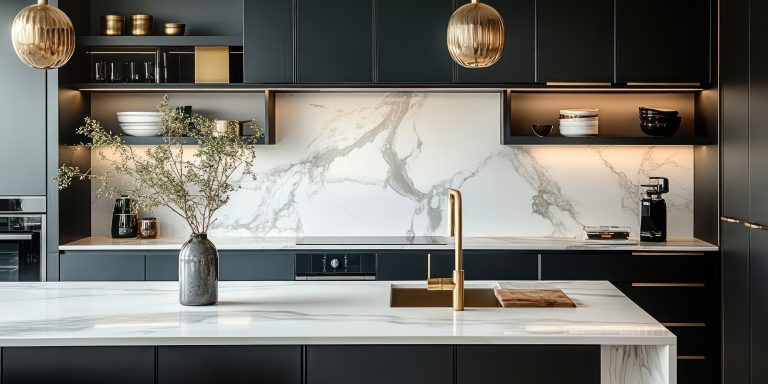
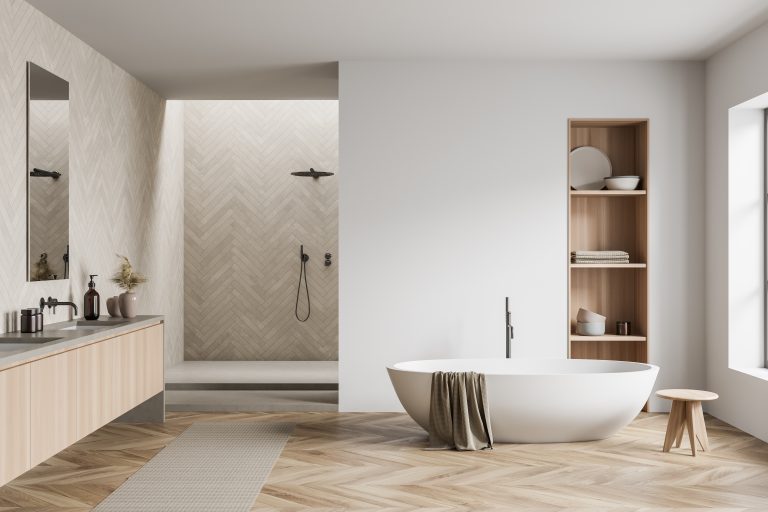
This post is all about How To Arrange Furniture In A Room.
I’ve always believed that the way furniture is arranged can completely change how a room feels. It’s not just about where you put the sofa or how far a chair sits from the coffee table; it’s about creating a space that feels balanced, easy to move through, and effortlessly stylish. Many people overthink how to arrange furniture in a room, but with a bit of planning and an understanding of how your space works, it becomes a creative and rewarding process.
Whether you’re furnishing a new home or reworking a space that’s starting to feel off, knowing how to arrange furniture in a room is the first step toward achieving a comfortable and harmonious flow. In this guide, we’ll look at practical ways to turn any room into one that looks great and functions beautifully.

I. Understand Your Space Before You Start
Before you start moving furniture around, take a step back and study the room. Every space has its own rhythm, its proportions, angles, and flow. Understanding those details gives you a foundation to build on before deciding how to arrange furniture in a room.
Start by measuring everything. Knowing the exact length and width of your space helps you avoid overcrowding and ensures each piece has room to breathe. It’s also useful to measure your larger furniture pieces, so you can visualise how they’ll fit before any heavy lifting begins.
Next, identify the focal points in the room. Maybe it’s a fireplace, a large window with a view, or a statement piece of art. Centring your layout around that focal point creates a natural anchor for the rest of your decorating decisions.
Finally, consider the movement patterns, the paths people take when entering and walking through the room. A good layout keeps those pathways clear and intuitive, which makes the room feel open rather than cluttered. When thinking about how to arrange furniture in a room, always prioritise flow over symmetry. Natural movement should guide your design choices just as much as style.

II. Define the Purpose and Focal Point of the Room
Once you understand the dimensions and flow of your space, the next step is to define what the room is meant to do. Every room should have a clear purpose, and how you define it plays a huge role in how to arrange furniture in a room effectively. The goal here isn’t to overcomplicate things; it’s about knowing how you want to live in the space so your layout supports that naturally.
Start by asking yourself what happens most often in this room. Is it a place to relax with family, host friends, or focus on work? Once the main function is clear, you can make smarter decisions about furniture placement. For example, a living room designed for conversation might centre around a pair of sofas facing each other, while a reading nook might revolve around a comfortable chair near a window. Thinking this way keeps your choices purposeful and cohesive.
Next comes the focal point, the detail that instantly draws attention. It could be architectural, like a fireplace or large window, or something you introduce through design, like an oversized piece of art or a statement light fixture. When deciding how to arrange furniture in a room, always start with your focal point first. Place your largest furniture piece to complement it, then position smaller pieces to enhance balance and visual flow throughout the space.
A room with a clear purpose and well-defined focal point always feels more intentional. Even if you eventually add layers with décor, rugs, and lighting, your layout will have a solid foundation to build upon.

III. Choose the Right Furniture for the Space
Even the best layout can’t shine if the furniture doesn’t suit the room. Choosing the right pieces is just as important as deciding how to arrange furniture in a room because the size, shape, and style of each item influence how the space functions and feels. The goal isn’t to fill every corner, it’s to select furniture that complements the room’s proportions and purpose.
Start with scale. A common mistake is bringing in pieces that are either too large or too small for the room. Oversized furniture can overwhelm the space, while undersized pieces make it feel sparse and disconnected. If your room is small, opt for streamlined furniture with visible legs to create a sense of airiness. In a larger space, choose a few substantial items to ground the layout.
Next, think about balance. Once you’ve determined how to arrange furniture in a room based on your focal point, consider how each piece interacts with the others. Pair heavier furniture, like a sofa or bed, with lighter pieces, such as open-framed chairs or slim side tables, to create visual harmony. You’re aiming for a mix of heights, shapes, and materials that feels interesting yet cohesive.
Function should guide every choice. Ask yourself how each item enhances the way the room is used. A low-profile coffee table might make sense for a lounge-style living area, while a round table could fit better in a tighter space where movement is important. Let the practical needs of your lifestyle direct what stays and what goes.
When you’re intentional about your selections, arranging furniture stops feeling like a puzzle and starts becoming a design decision that reflects your taste and the way you live.

IV. Plan the Layout Strategically
Once you’ve chosen the right furniture, it’s time to put everything together. Planning the layout is where your room starts to take shape, and understanding how to arrange furniture in a room with both intention and flexibility makes all the difference. A well-planned layout allows every piece to serve a purpose while maintaining the room’s natural rhythm.
Start with the Largest Pieces
Begin by positioning the biggest items first, like the sofa in your living room or the bed in your bedroom. These anchor the space and help you visualise proportions before adding smaller pieces. Think of these items as the core that guides everything else. Once they’re in place, you can experiment with side tables, accent chairs, or lamps until the space feels balanced and comfortable.

Maintain Clear Pathways
Good flow is essential. As you decide how to arrange furniture in a room, keep at least two to three feet of walking space between major pieces. This ensures the layout feels open and easy to move through, no matter how large or small the area may be. Furniture should guide movement intuitively, not obstruct it. Avoid pushing everything against the walls just to create space; sometimes, floating a sofa or chair closer to the centre can make a room feel more inviting and better proportioned.

Play with Symmetry and Asymmetry
There’s no single formula for balance. Symmetry, like matching lamps or chairs, creates order and a sense of calm, making it ideal for formal or traditional spaces. Asymmetry, on the other hand, adds energy and a more natural, modern rhythm. When experimenting with how to arrange furniture in a room, mix both approaches. For instance, balance a larger sofa with two smaller chairs across from it, or balance a substantial table with lighter accessories on the opposite side. The key is visual equilibrium rather than perfect mirroring.

By approaching furniture placement strategically, anchoring the space, allowing room for movement, and balancing visual weight, you create a layout that feels effortless and well thought-out. It’s this combination of structure and flow that turns any arrangement into a room that truly works.
V. Optimise for Comfort and Functionality
Even the most stylish layout won’t feel right if it isn’t comfortable to live in. Once the major pieces are in place, focus on how the room actually functions day to day. Comfort and purpose go hand in hand, and knowing how to arrange furniture in a room with those two elements in mind is what brings a layout from “nice” to genuinely enjoyable.
Create Natural Conversation Zones
For shared spaces like living or family rooms, think about how people interact. Sofas and chairs should face each other in a way that encourages conversation, not distance. If the room is large, create smaller zones—like a reading corner or a cozy seating area by a window—so the layout feels welcoming from every angle.
When thinking about how to arrange furniture in a room to support connection, try positioning pieces close enough that people don’t have to raise their voices to talk. Then, add accent tables within reach and soft lighting that makes the space feel inviting once the sun goes down.

Balance Practical Needs with Visual Flow
Functionality isn’t just about movement; it’s about how comfortably the room supports your daily activities. Make sure surfaces, outlets, and lighting work together with your layout rather than against it. For example, keep a clear path from the sofa to any nearby table lamps or side tables, and ensure chairs can easily pull out from a dining table without bumping into walls or other furniture.
As you refine how to arrange furniture in a room that fits your lifestyle, pay attention to how you actually use the space. Are you constantly reaching too far for a drink? Does one corner feel underused? Small adjustments can dramatically improve how comfortably a room works for you.

Layer Comfort Through Design Details
Once the functional layout is set, find subtle ways to make it feel warm and inviting. Add an area rug large enough to tie the main seating pieces together. Use throw pillows or textured fabrics to bring in softness without overwhelming the design. The little things, like a well-placed ottoman or the right reading lamp, often make the biggest impact on how livable a room feels.
Comfort doesn’t have to sacrifice style. When you understand the balance between form and function, it becomes second nature to know how to arrange furniture in a room that truly feels like home.

VI. Add Style Through Accessories and Lighting
After your layout feels comfortable and functional, it’s time to bring in character. Accessories, lighting, and a few thoughtful design choices complete the space and help tie everything together. The key to mastering how to arrange furniture in a room isn’t just placement; it’s how you finish the layout in a way that feels layered and intentional.
Use Lighting to Define the Space
Lighting is one of the most powerful tools you have. It not only sets the mood but also helps define different zones within the same room. Combine ambient lighting (overhead fixtures or recessed lights) with task lighting (floor and table lamps) and accent lighting (sconces or spotlights) to create depth.
If you’re thinking about how to arrange furniture in a room where lighting plays a big role, position lamps near seats, desks, and reading areas, so light falls where it’s needed most. Avoid relying solely on overhead light; it can make even a well-designed layout feel flat. Layering lighting sources ensures every part of the room feels cosy and well thought out.

Incorporate Rugs, Artwork, and Texture
Accessories aren’t an afterthought; they complete the story your layout begins. Rugs are fundamental because they anchor conversation areas and help define scale. Make sure at least the front legs of your main pieces (sofas or chairs) rest on the rug to unify the furniture visually.
Artwork should reflect the mood of the room rather than compete with it. A large piece above a sofa can echo the furniture’s proportions, while smaller pieces look best grouped intentionally rather than scattered. Textiles like cushions, throws, and curtains introduce warmth while allowing you to adjust tone or colour without major changes.
When you already know how to arrange furniture in a room, styling becomes the fun part, where personal taste meets structure. The right mix of soft furnishings and statement décor brings depth and balance to everything you’ve set up.

Keep It Balanced, Not Overdone
A thoughtfully styled room should still feel livable. Editing is just as important as adding. Step back once you’ve layered in accessories and see where the eye naturally travels. If one side of the room feels heavy or crowded, remove or rearrange items until there’s breathing room again.
Finding that sweet spot where décor enhances rather than overwhelms is part of understanding how to arrange furniture in a room that feels polished but honest, comfortable without losing visual interest.

VII. Common Mistakes to Avoid
Even with the best intentions, it’s easy to make small layout decisions that throw off balance, comfort, or visual flow. Understanding what to avoid is just as valuable as learning how to arrange furniture in a room effectively. These are the missteps that can make your space feel less cohesive, and how to fix them.
Pushing Everything Against the Walls
This is one of the most frequent mistakes people make. It might seem like the easiest way to create space, but pulling furniture away from the walls, even slightly, actually makes a room feel larger. Floating a sofa or a few chairs closer to the centre helps define conversation areas and gives the layout depth and movement. Think of empty wall space as breathing room, not wasted space.

Ignoring Scale and Proportion
When learning how to arrange furniture in a room, scale is everything. A huge sectional in a small living room or tiny artwork above a wide sofa can make the entire layout feel off-balance. Mix larger anchor pieces with medium or smaller accents to create a layered and proportionate composition. Rug size also matters; too small, and the furniture looks adrift; too large, and it overwhelms the flow.

Blocking Natural Light and Doorways
Light and access are non-negotiable. Placing furniture in front of windows or doorways can make the space feel cramped and awkward. As you decide how to arrange furniture in a room, look for ways to enhance natural light rather than obstruct it. Lower-profile pieces, like benches or open shelving, placed near windows can allow sunlight to filter through without blocking the view.

Forgetting About Function
A beautiful room that doesn’t work for everyday life never quite feels right. Every piece should serve a purpose, whether it’s seating for a specific activity or storage that supports how you use the space. Revisit your layout from a functional standpoint periodically, since life changes and your furniture arrangement should adapt with it.
The more mindful you are about avoiding these pitfalls, the easier it becomes to instinctively know how to arrange furniture in a room that looks polished, feels practical, and functions smoothly day to day.
VIII. Room‑Specific Layout Tips
While the fundamentals of design apply across every space, the details can shift depending on the type of room you’re working with. Once you understand how to arrange furniture in a room generally, it’s easier to adapt those principles to meet the needs of different areas in your home.
Living Room
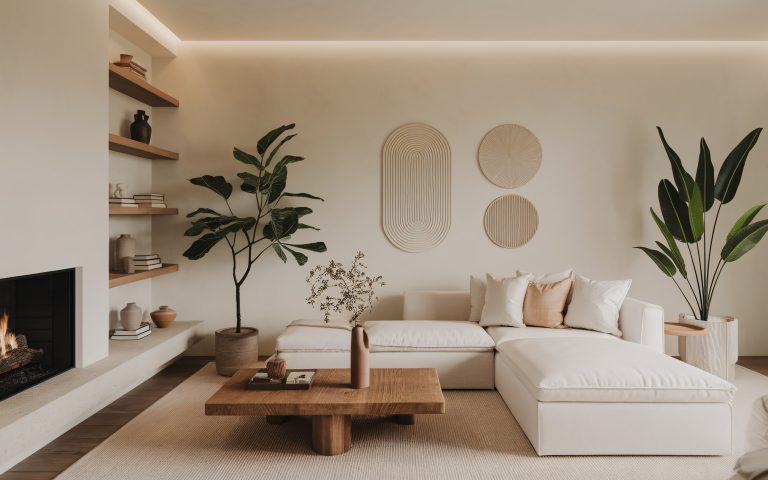
The living room often functions as the social heart of a home, so start by establishing your main gathering zone. Anchor the space with a sofa or sectional, then build around it with accent chairs and tables that encourage conversation. Leave open pathways to doorways and adjoining rooms, and keep your focal point, whether a fireplace, television, or window view, at the centre of the arrangement.

Bedroom
In the bedroom, comfort takes the lead. The bed should act as the visual anchor, ideally placed on the longest wall opposite the doorway. Keep plenty of clearance on both sides for movement and bedside tables. When thinking about how to arrange furniture in a room like a bedroom, balance larger storage pieces, such as dressers or wardrobes, with softer elements like rugs or curtains to create a calm, inviting feel.

Dining Room
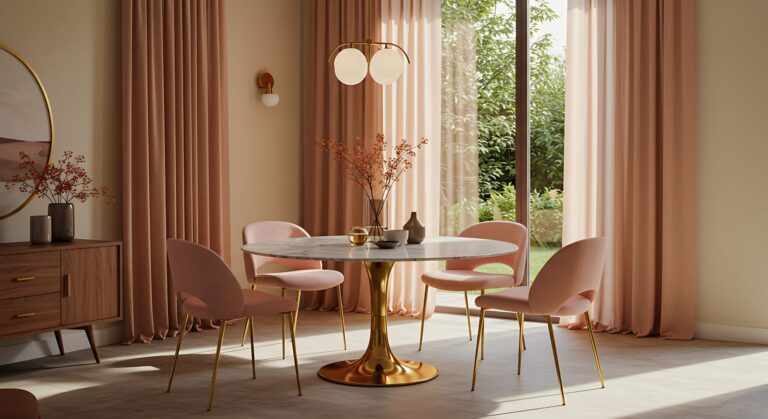
Dining rooms thrive on balance and accessibility. Position your table so chairs can easily slide in and out without bumping against walls or other furniture. A rug under the dining table should extend at least 24 inches beyond the chair legs to define the area visually. Lighting plays an important role here too; a pendant or chandelier centred above the table anchors the setup beautifully.

Small or Multifunctional Spaces
Compact or hybrid rooms require creative thinking. Use furniture that does double duty, an ottoman with storage, a fold‑out desk, or nesting tables, to save space without sacrificing usability. Float key pieces away from walls when possible to maintain a feeling of openness. In smaller areas, every inch counts, so focus on proportion and function first; style will follow naturally.

Whether it’s a living room, bedroom, or dining area, the same principles apply: start with purpose, respect scale, and keep flow at the forefront. Once you understand how to arrange furniture in a room to fit each space’s unique function, design choices become less about rules and more about rhythm.
Designing a room that truly works is part creativity, part strategy. Once you understand how to arrange furniture in a room, the whole process starts to feel far less intimidating. It’s about looking at your space thoughtfully, studying proportions, flow, and the way you actually live, then blending those elements into something both functional and beautiful.