This post is all about Cabinet Light Fixtures.
Good kitchen lighting doesn’t just make your space look nice; it completely transforms how it feels and functions. Among all the design elements that often get overlooked, cabinet light fixtures might be one of the most powerful and practical upgrades you can make. They bring a warm glow to your kitchen, highlight details you’ve carefully chosen, and add a layer of depth that single overhead lighting can miss.
The beauty of well-placed cabinet lighting is that it serves both aesthetic and functional purposes. Whether you’re illuminating a workspace under your cabinets or softly accenting glass-front displays, the right fixtures can instantly elevate your kitchen’s character. And the best part is, you don’t need a complete renovation to make a noticeable impact, just smart lighting choices that suit your style and layout.
Why Cabinet Light Fixtures Matter in Kitchen Design
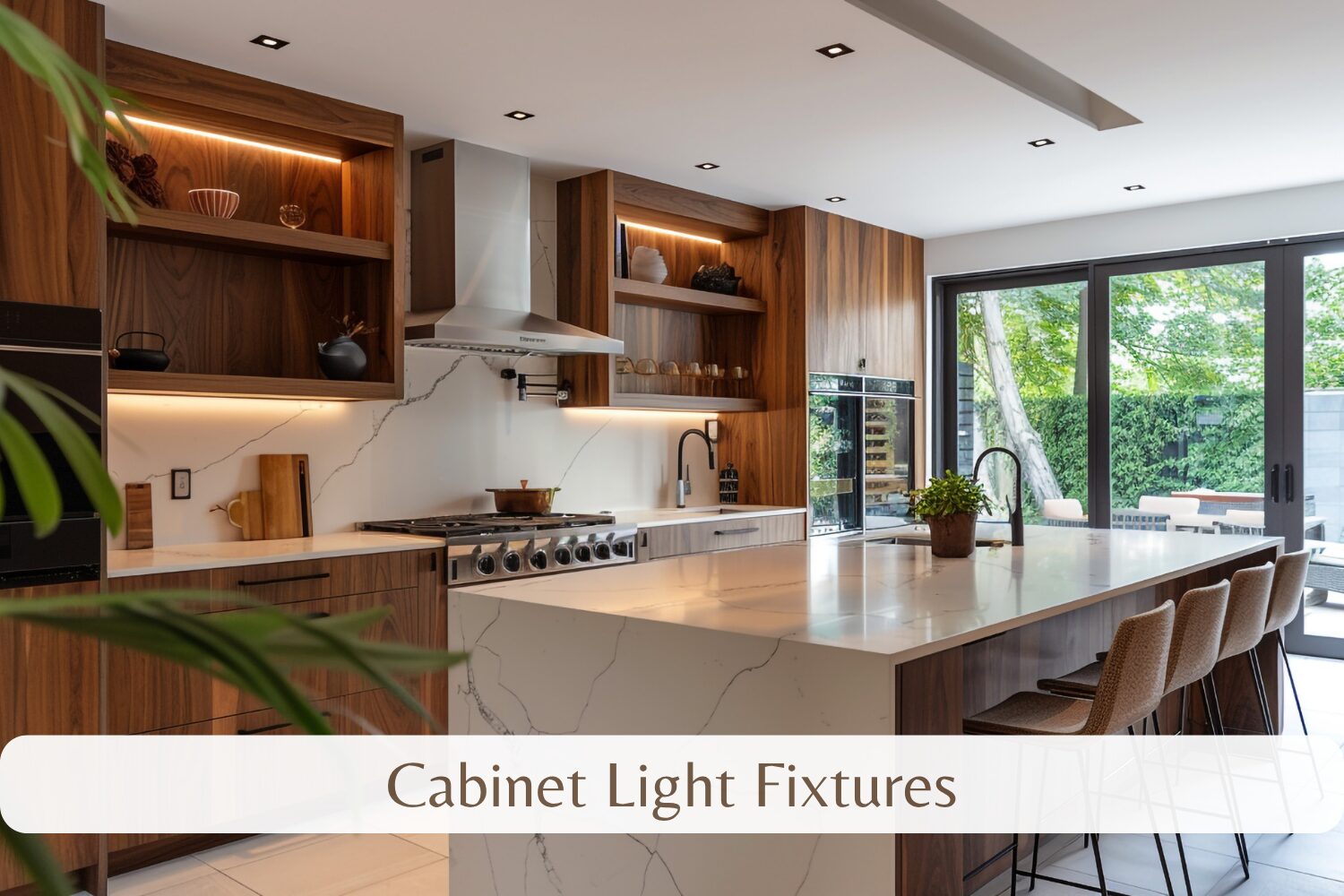
Lighting in a kitchen does more than help you see what you’re doing; it defines the atmosphere and adds balance to the space. Cabinet light fixtures in particular create the kind of layered illumination that makes a kitchen feel polished and thoughtfully designed. Good lighting should complement your cabinetry, countertops, and colour palette, not compete with them.
The practical benefits are immediate. Under-cabinet lights eliminate shadows on countertops, making food preparation safer and more comfortable. In-cabinet lights add visibility for dishes and glassware while creating subtle highlights that draw attention to your favourites. Over-cabinet lighting, on the other hand, gives your kitchen depth by creating a gentle glow that can make ceilings appear higher. Collectively, these layers of light work together to add warmth and sophistication without overwhelming the space.
From a design perspective, cabinet lighting also helps create zones within your kitchen. For example, accenting cabinets above a breakfast bar with a soft light can define that area as its own cosy nook. Even small kitchens can benefit from strategically adding cabinet light fixtures, which make the space appear larger and more inviting.
If you think of your kitchen as a canvas, cabinet lighting is what helps the details come alive. It’s not just about brightness; it’s about intention, balance, and how light moves through your space.
Types of Cabinet Light Fixtures
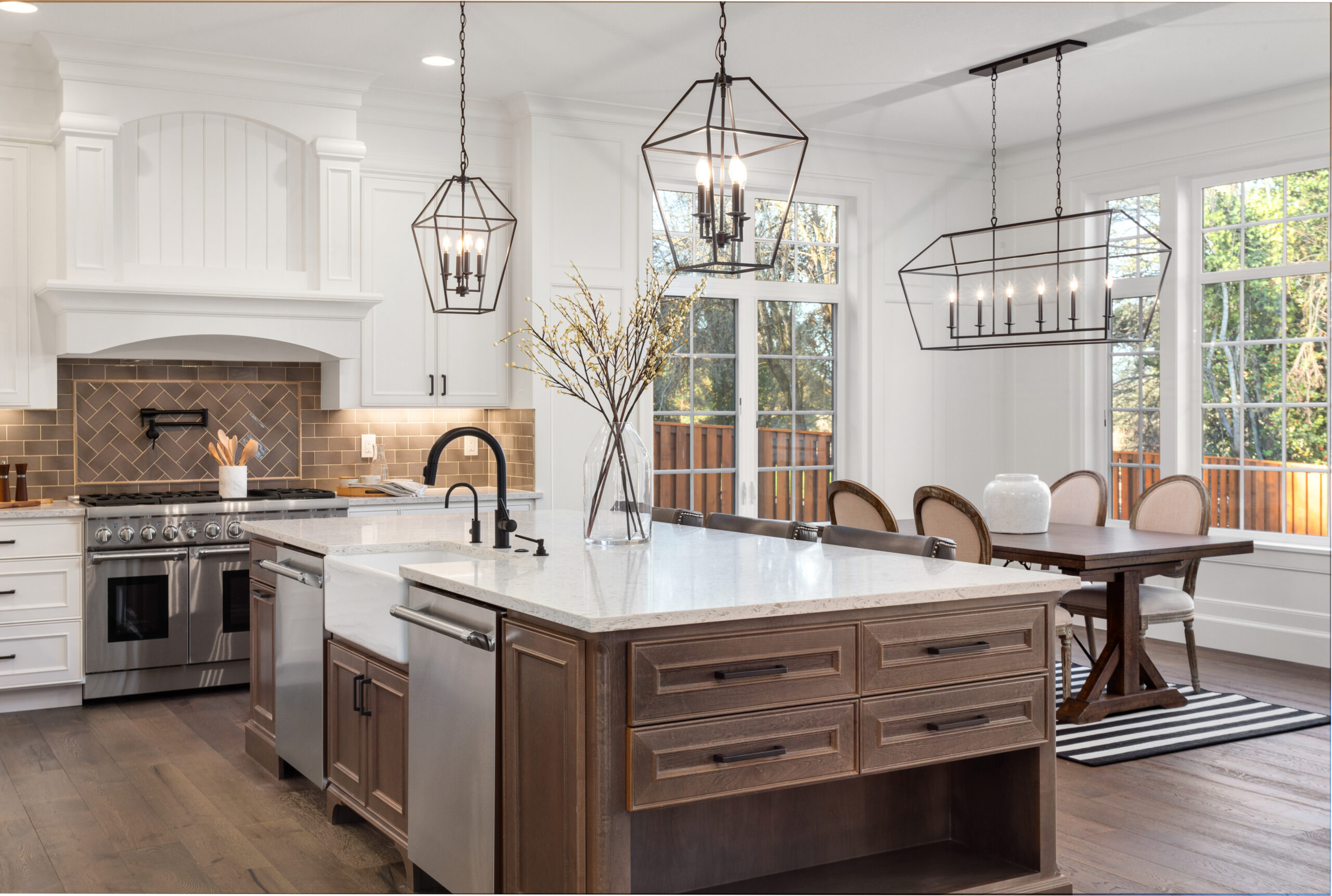
Choosing the right cabinet light fixtures isn’t only about brightness or cost; it’s about finding the best style and placement for both your kitchen’s design and your daily needs. Every type of fixture serves a slightly different purpose, and when used together, they bring out the full potential of your space. Let’s look at the most common options and how to use them effectively.
1. Under-Cabinet Light Fixtures
These are the most popular options, and for good reason. Under-cabinet lighting provides direct task illumination, perfect for chopping vegetables, reading recipes, or simply creating a clean, inviting workspace.
LED strip lights are sleek and easy to hide beneath upper cabinets, while puck lights offer bright, focused light for smaller areas. If you prefer even, continuous light, linear light bars are excellent for consistent brightness across the whole counter.
From an aesthetic perspective, under-cabinet light fixtures create beautiful contrast, especially if you have darker countertops. The glow softens shadows and highlights the natural tones and textures of your materials.
Pro Tip: Choose LED cabinet light fixtures with adjustable colour temperature so you can switch between warm and cool tones depending on the time of day or the ambience you want.

2. In-Cabinet Light Fixtures
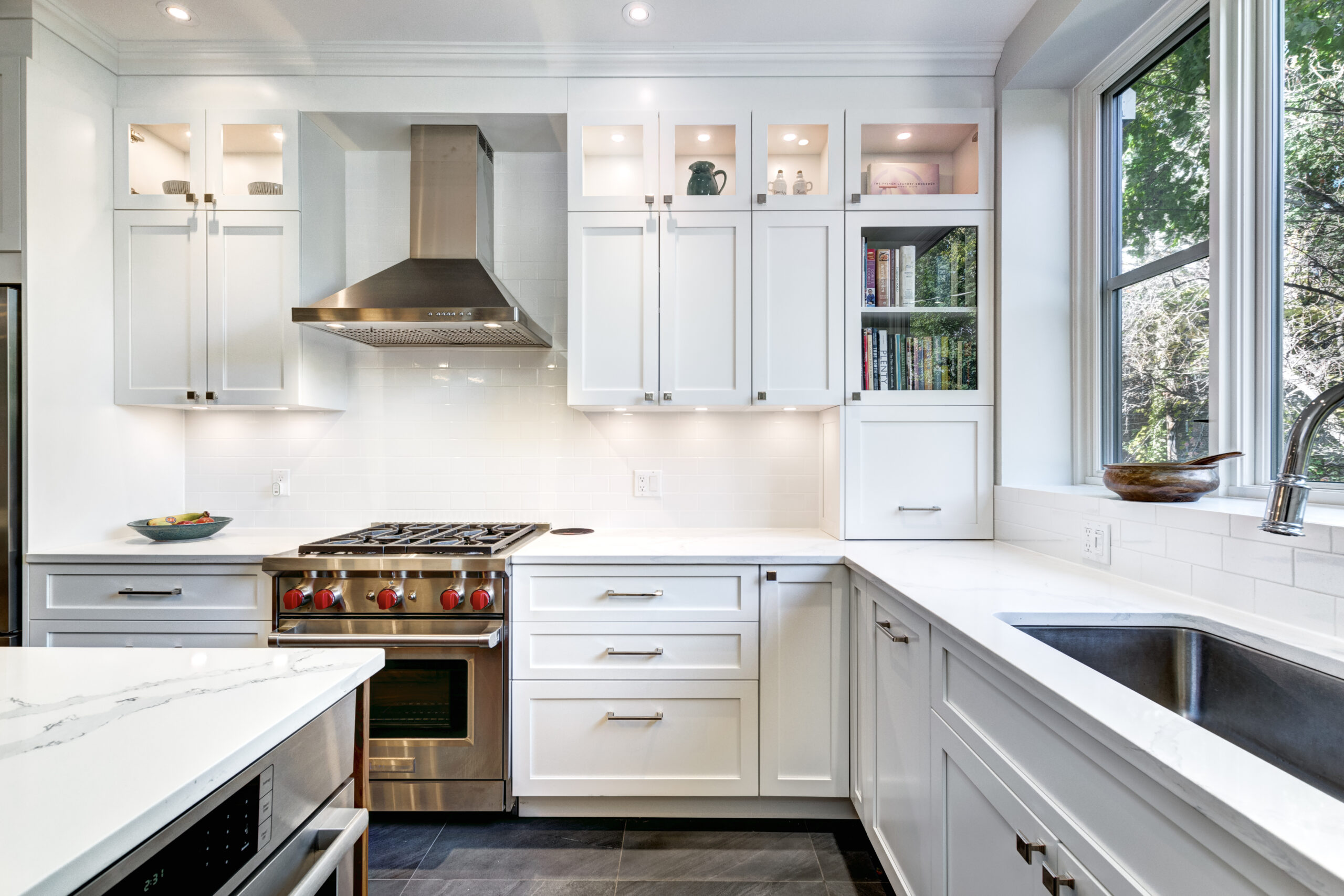
If you have open shelving or glass-front cabinets, in-cabinet lighting adds instant depth and sophistication. It brings attention to the items you love most, whether that’s a collection of glassware or a row of neatly stacked dishes.
Small, low-heat LED puck lights or slim light strips installed along the inside edge or top of your cabinet can provide just enough illumination to highlight what’s inside without being harsh. This is where lighting turns from functional to decorative. These cabinet light fixtures make your kitchen feel curated and thoughtfully layered.
3. Over-Cabinet Light Fixtures
Often underused, over-cabinet lighting provides a soft, ambient glow that bounces off the ceiling and fills the room with warmth. This type of lighting is especially effective in kitchens with tall ceilings; it draws the eye upward and visually expands the space.
Over-cabinet LED light fixtures can also help balance the brightness from other light sources, creating a more even overall tone. It’s subtle but surprisingly transformative, making your kitchen feel cosy in the evening while still maintaining an open and spacious look.
4. Toe-Kick and Base Cabinet Lights
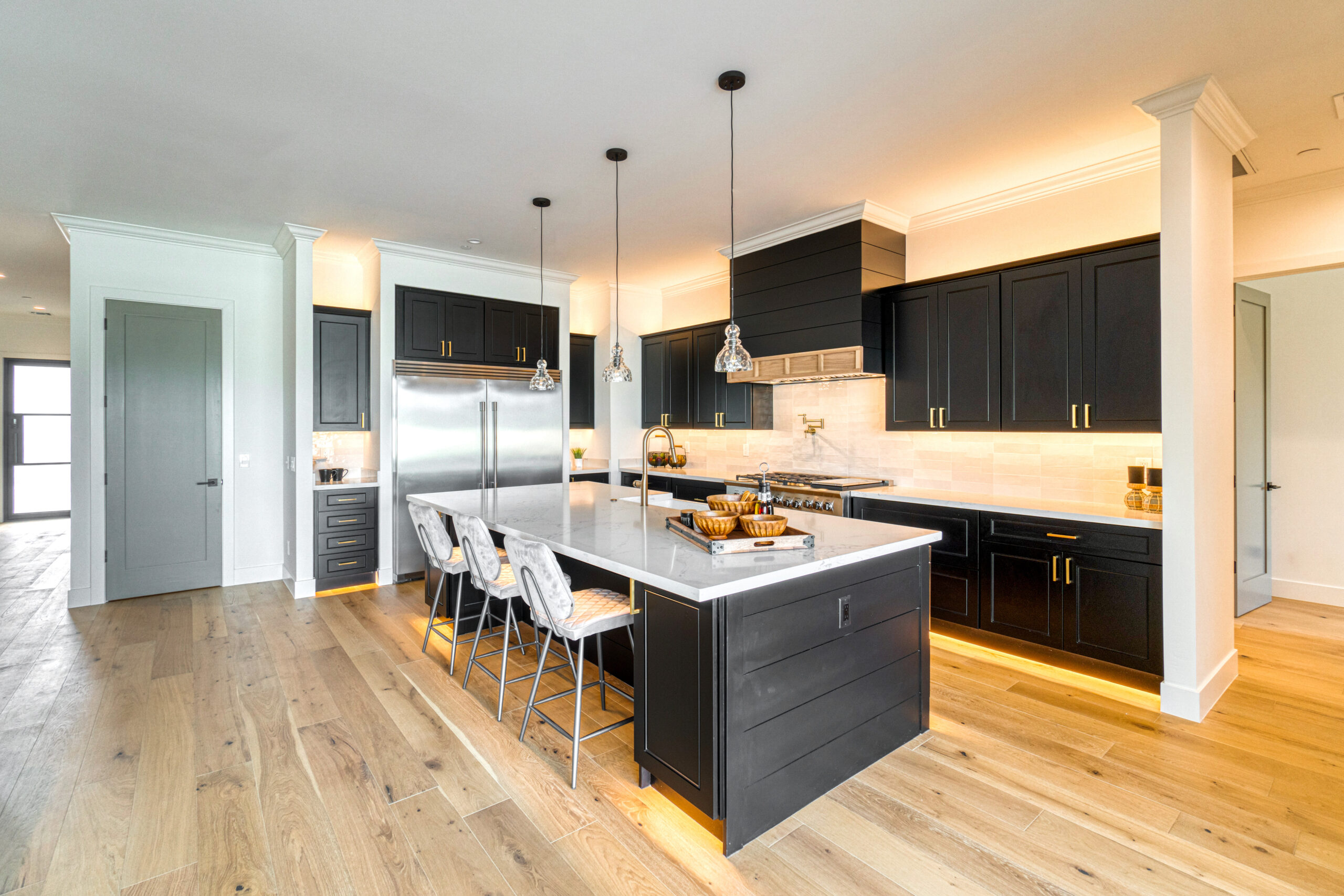
For a modern touch, consider adding lighting along the bottom edge of your base cabinets. Often referred to as toe-kick lighting, this subtle detail helps define the architecture of your kitchen while adding a soft, ambient light source at floor level.
It’s also practical, perfect for late-night walks into the kitchen without turning on bright overhead lights. You can even install motion sensors for hands-free functionality. These cabinet light fixtures might not stand out at first glance, but they contribute significantly to the layered, professional look of a well-lit kitchen.

When used thoughtfully, each of these lighting types adds its own character and function to your kitchen. Combining them allows you to control mood, depth, and practicality. The key is balance, enough light to enhance the atmosphere without overwhelming it.
Choosing the Right Cabinet Light Fixtures for Your Kitchen
Finding the best cabinet light fixtures for your kitchen isn’t just about aesthetics; it’s about making choices that fit your lifestyle, the atmosphere you want, and the way you use your space. The right setup should blend seamlessly into your design, providing function without stealing attention. Here’s how to narrow down your options thoughtfully.
1. Start with Purpose and Placement
Before you buy anything, think about why you want cabinet lighting. Is it mainly for task lighting on countertops? To add depth and mood to the room? Or to highlight decorative features inside glass cabinets?
Each purpose points to a slightly different fixture type. For instance, if you often cook at night or early in the morning, under-cabinet lights are essential. If your kitchen doubles as an entertaining space, accent lighting, like over-cabinet or in-cabinet fixtures, adds that inviting glow.
2. Choose the Right Brightness and Colour Temperature
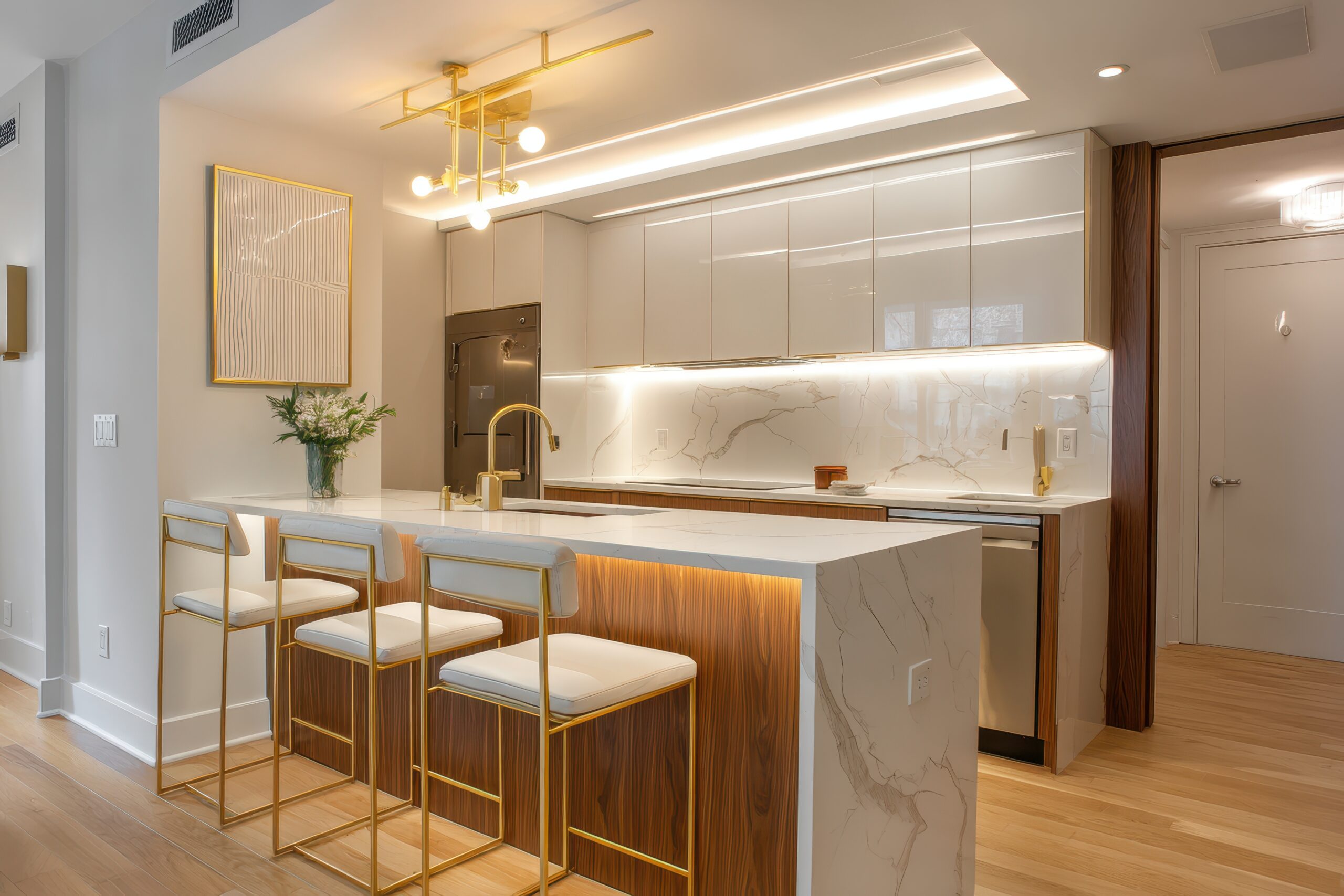
Light colour and intensity completely change the mood of a kitchen. Warm white tones (2700K–3000K) create a cosy, welcoming atmosphere, while cool white tones (4000K–5000K) look cleaner and more contemporary, great for modern kitchens with glossy finishes.
If you want flexibility, consider dimmable or colour-adjustable LED cabinet light fixtures. These allow you to shift the tone throughout the day, from bright task lighting to softer evening ambience.
3. Think About Energy Efficiency and Longevity
LEDs are the go-to for cabinet light fixtures because they’re long-lasting, energy-efficient, and produce minimal heat. This makes them safe for enclosed or small areas and ideal for kitchens where lights may stay on for extended periods.
Beyond saving energy, LEDs also hold their brightness and colour consistency much longer than halogen or fluorescent options, which means fewer replacements and less maintenance.
4. Integrate Smart Lighting Features
Smart home technology isn’t just for gadgets; it’s become a meaningful part of interior design. You can now install smart cabinet light fixtures that connect to Wi-Fi or home assistants, letting you adjust brightness or colour through voice commands or apps.
If wiring feels intimidating, look for rechargeable or plug-in versions controlled remotely. The key is convenience and adaptability, lighting that fits seamlessly into your routine.

5. Make Sure It Matches Your Design Aesthetic
Every kitchen has a personality. Sleek brushed metal fixtures fit perfectly in a modern space, while small, round puck lights with a warm glow may suit a classic or farmhouse-inspired design better.
Try to match the finish of your cabinet light fixtures with your cabinetry hardware or faucet for a cohesive look. It’s a subtle detail, but those are often what make a room feel well thought out.
6. Plan for Installation Practicalities
Not all fixtures require complicated wiring. Adhesive LED strips, low-voltage plug-ins, or battery-operated lights can make installation quick and renter-friendly. If you plan to hardwire your lights, always ensure proper electrical safety or hire a professional installer.
When planning placement, prioritise even light distribution. Avoid dark corners or overly bright spots that draw attention for the wrong reason. The goal is to enhance, not distract.
Selecting cabinet lighting might seem like a small detail compared to selecting countertops or appliances, but it contributes enormously to the overall feel of your kitchen. Thoughtful cabinet light fixtures add not only brightness but also balance, warmth, and depth, the finishing touch that turns a functional room into a designed space.
Installation and Placement Tips
Once you’ve chosen your cabinet light fixtures, the next step is all about positioning and installation. Lighting placement determines how well your kitchen is illuminated, how comfortable it feels to use, and how visually balanced the space looks overall. The goal is to create functional lighting that feels effortless, where everything is well-lit but nothing looks harsh or misplaced.
1. Plan Lighting Placement Before Installation
Think of lighting in layers. Before installing anything, take a few minutes to stand in your kitchen during different times of day and see where shadows naturally fall. This helps identify the spots that truly need more light—often under upper cabinets, in corner prep areas, or under floating shelves.
Under-cabinet lights should be mounted toward the front edge of the cabinet bottom, not in the centre. This placement ensures the light spreads evenly across the countertop without casting unwanted shadows from the cabinet face.
Over-cabinet light fixtures should sit close enough to the wall or ceiling to produce an even wash of light rather than a harsh, directional beam. If you’re using strip lights, try installing them at a slight angle so they distribute light smoothly upward.
2. Choose the Right Power Source for Your Setup
There are three main ways to power cabinet light fixtures: hardwired, plug-in, and battery-operated.
- Hardwired lighting provides the cleanest look since there are no visible cords. It’s a great choice for a permanent upgrade, especially during remodels.
- Plug-in fixtures are perfect for DIY installations. Just make sure there’s an accessible outlet behind or under your cabinets.
- Battery-operated fixtures are ideal for renters or smaller accent areas, particularly when you want to avoid running wires.
For even greater flexibility, consider cabinet light fixtures with rechargeable batteries and motion sensors; they’re easy to maintain and energy-efficient.

3. Think About Light Layering and Balance
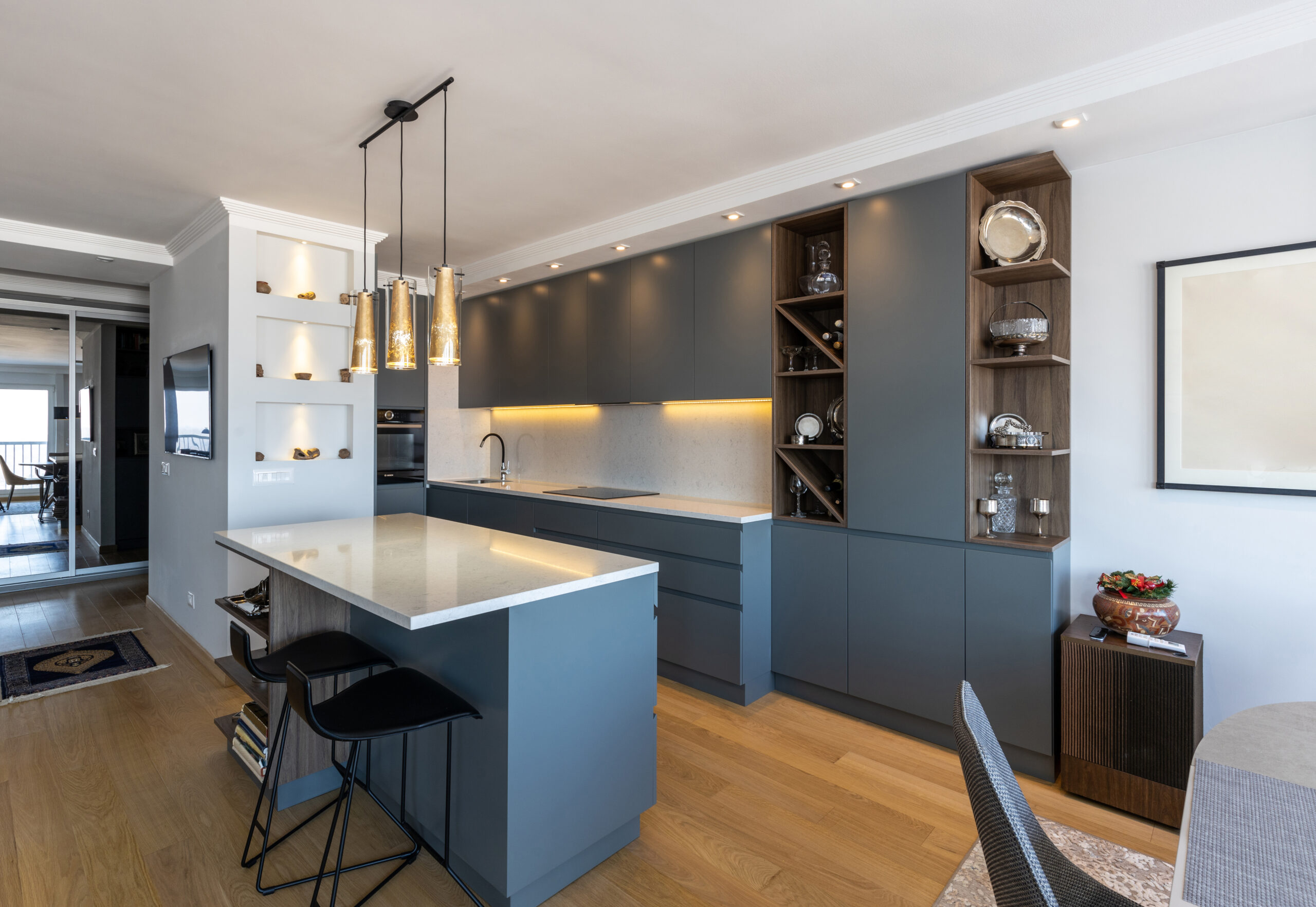
Lighting should never come from just one direction. When you layer lighting, using a mix of under-cabinet, in-cabinet, and over-cabinet fixtures, you bring dimension to your space and eliminate the flatness that a single overhead source can create.
For example, pairing under-cabinet task lights with over-cabinet ambient lights softens transitions between surfaces and reduces visual clutter. Don’t be afraid to mix warm and neutral white tones either; a balanced combination prevents your kitchen from feeling too sterile or too dim.
Pro Tip: For a seamless look, keep all cabinet light fixtures on the same brightness scale or connect them to a dimmer switch for easy adjustment.
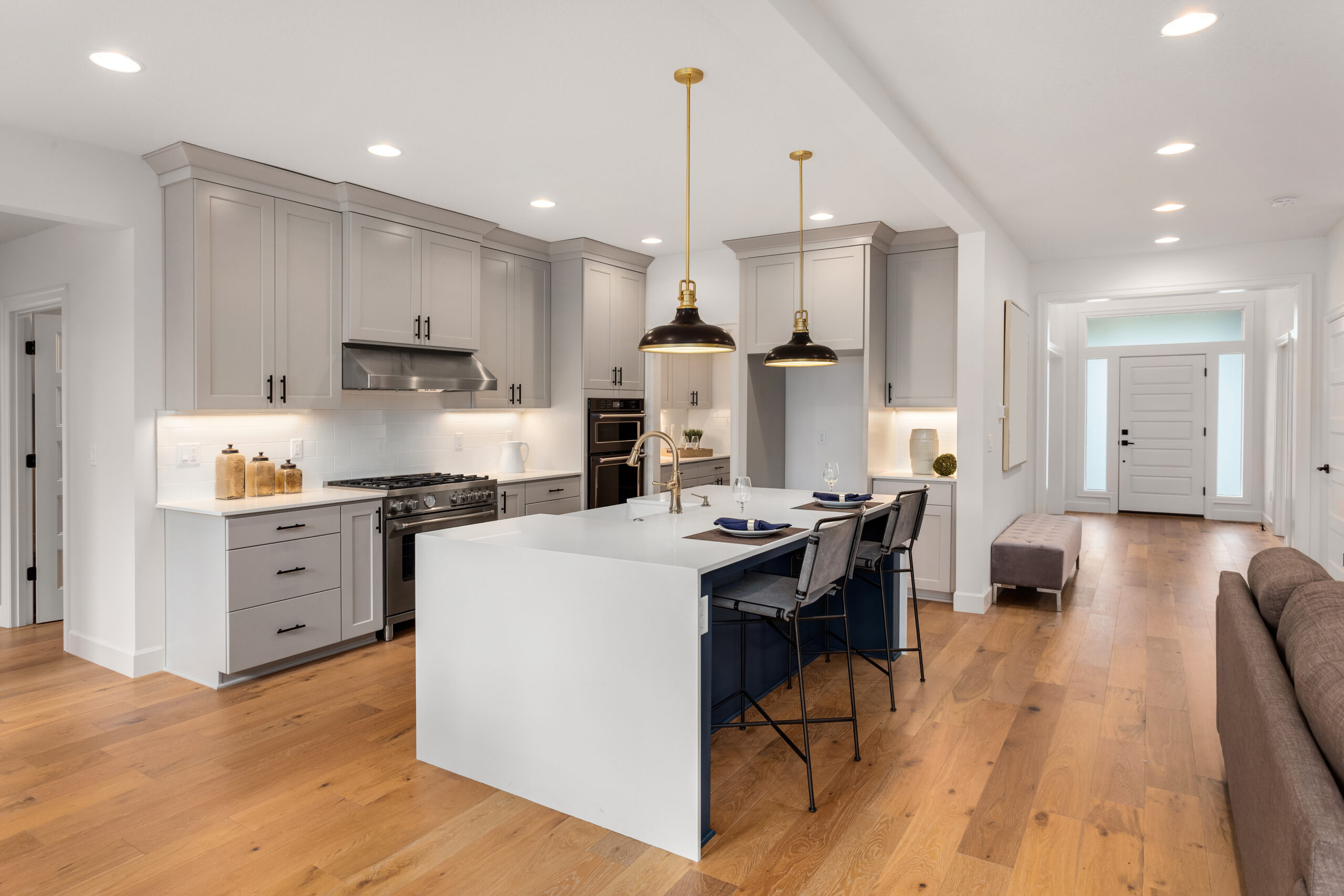
4. Prioritise Safety and Clean Finishing
If you’re opting for a wired setup, ensure cords and transformers are properly hidden or secured behind cabinetry. Cable management clips and channels help maintain a clean look and protect wires from moisture or heat exposure.
Avoid placing lights too close to appliances that produce steam or heat, like stovetops, to prevent damage or discolouration. And if your lighting connects to existing circuits, double-check the load capacity or consult an electrician to avoid overloading.
It might sound meticulous, but proper wiring and tidy cable management make your cabinet light fixtures look intentionally designed, not like an afterthought.

5. Fine-Tune After Installation
Once everything is installed, take time to observe your kitchen lighting both day and night. Look at how shadows shift, how the lights reflect off surfaces, and whether any areas feel too dim or too bright.
Small adjustments, like repositioning a light bar or choosing warmer LEDs, can make a big difference. Remember, cabinet lighting should enhance your kitchen’s natural beauty, not overpower it.
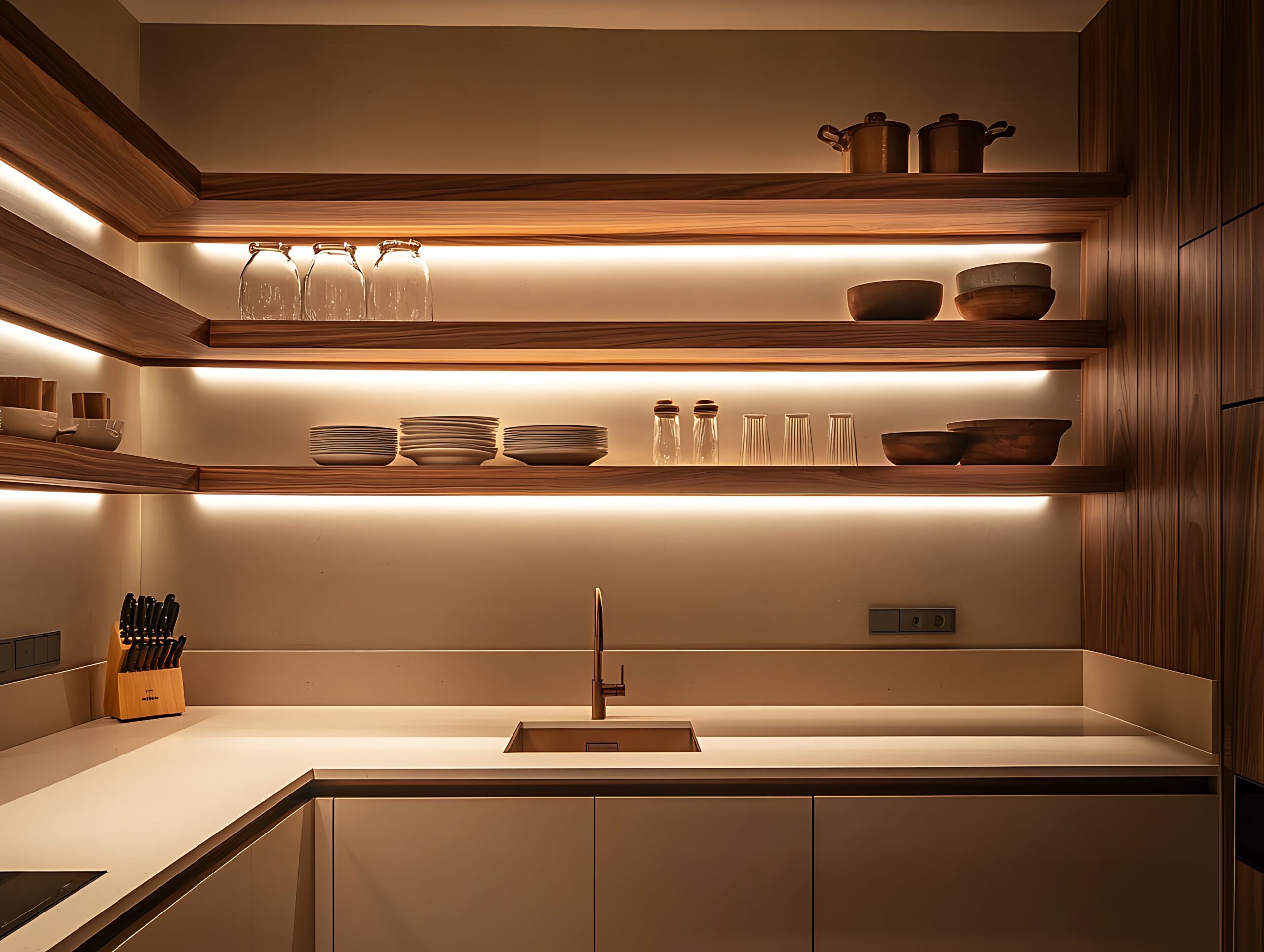
Thoughtful installation is where your cabinet light fixtures truly come to life. When done right, they’ll blend so seamlessly into the design that visitors might not even notice them at first, but they’ll definitely notice how beautiful and balanced your kitchen feels.
Styling Inspiration and Design Ideas
Cabinet light fixtures do far more than illuminate a workspace; they define atmosphere, highlight texture, and add personality. Whether your kitchen is minimal and modern or cosy and traditional, lighting helps express that style with subtle precision. This section explores creative and practical ways to use cabinet lighting as a design feature, not just a functional tool.
1. Modern and Minimalist Kitchens
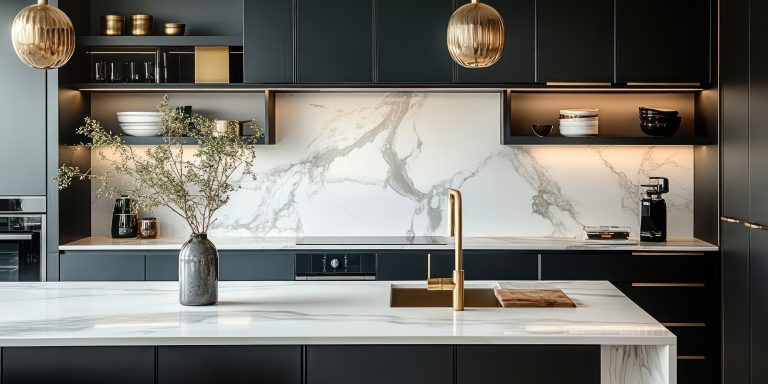
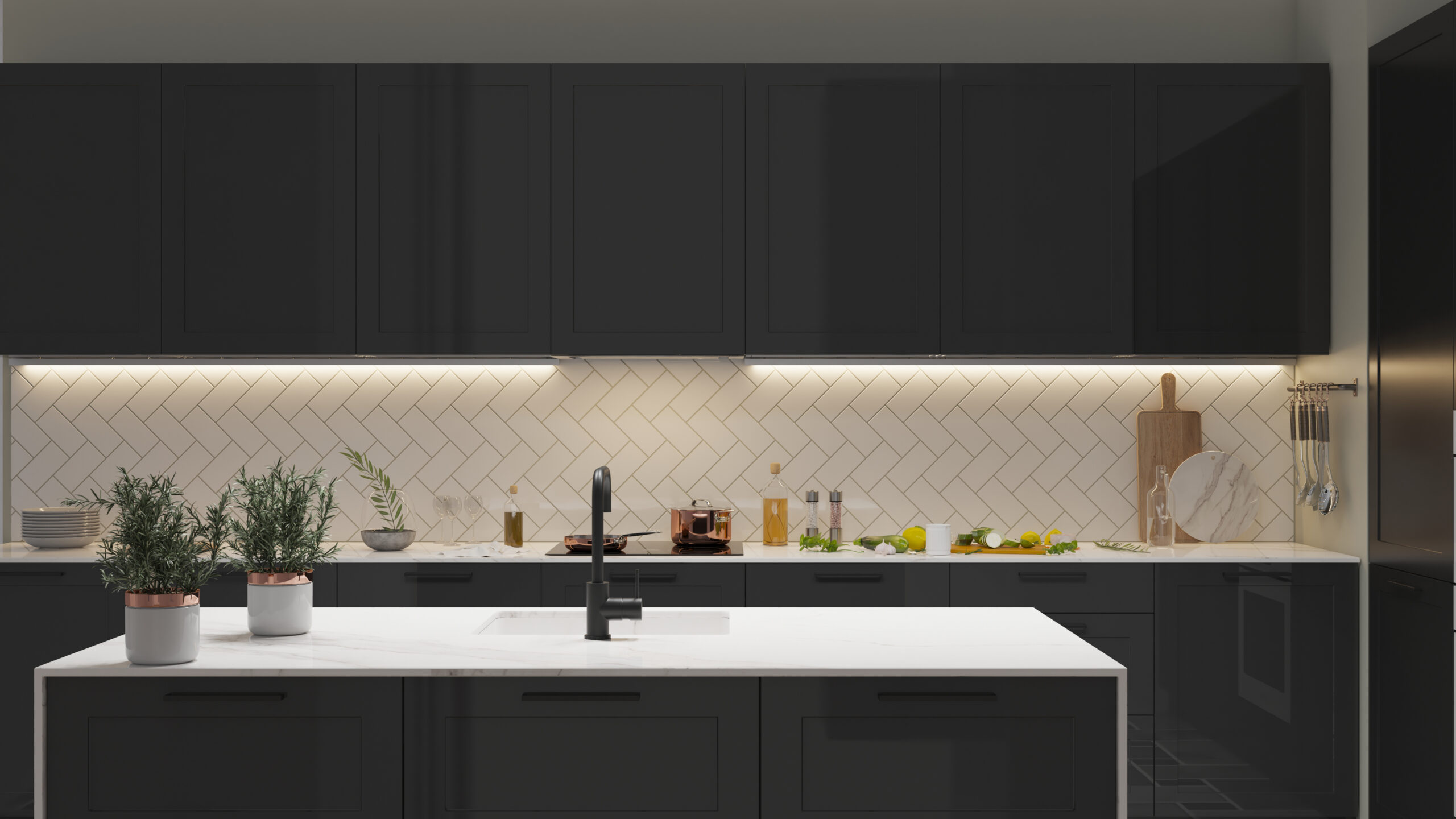
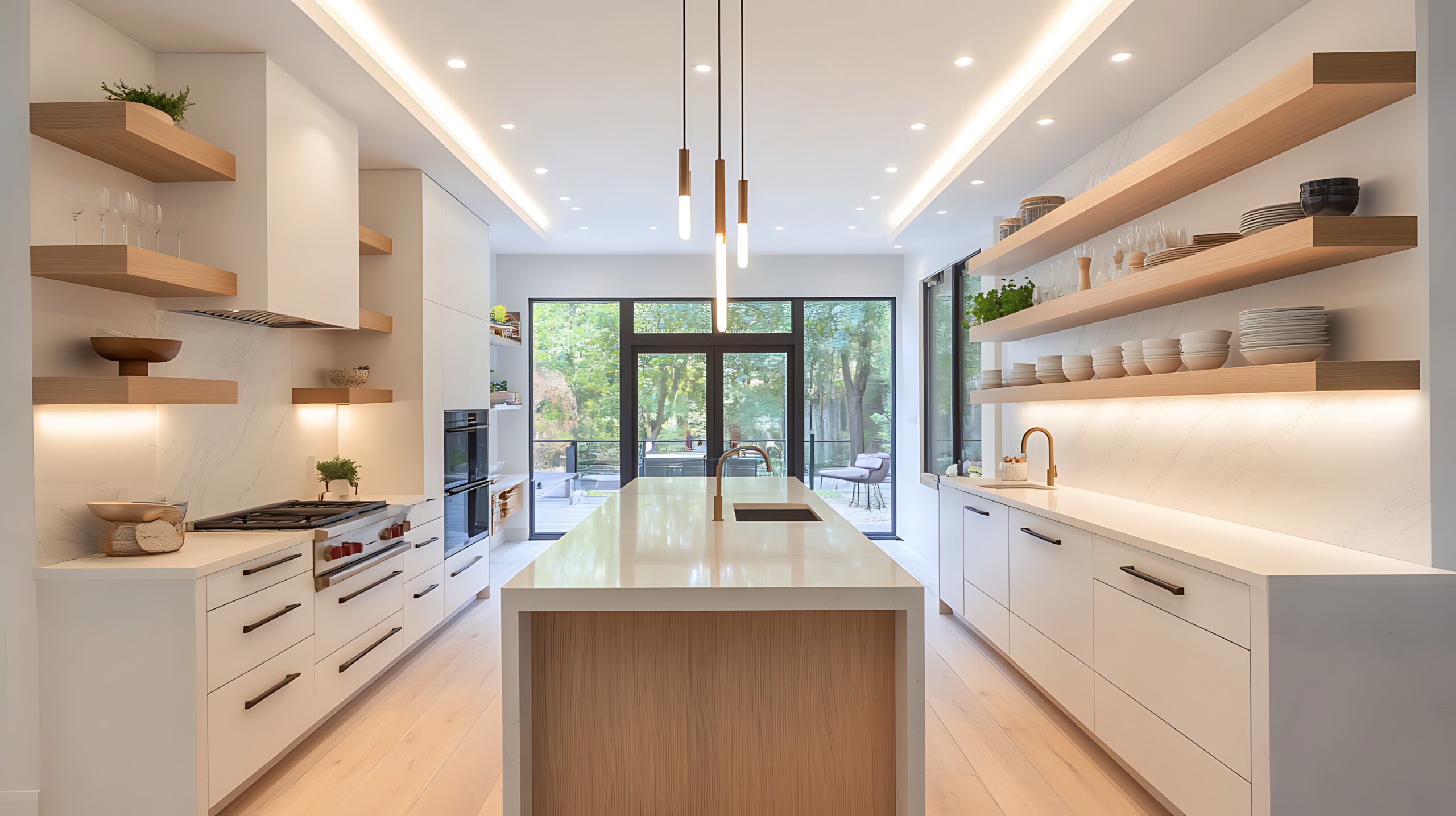
In modern kitchens, streamline everything, including light. Slim LED strips or recessed linear fixtures emphasise clean lines and flat surfaces, keeping the look sharp and simple. Use cool or neutral white tones to highlight sleek finishes like glossy cabinets, stainless steel, or matte quartz countertops.
To keep the look elegant rather than sterile, balance your cooler under-cabinet light with a warm ambient glow above your cabinets. It softens the transition between hard surfaces and brings warmth back into the space.
2. Rustic or Farmhouse-Inspired Kitchens
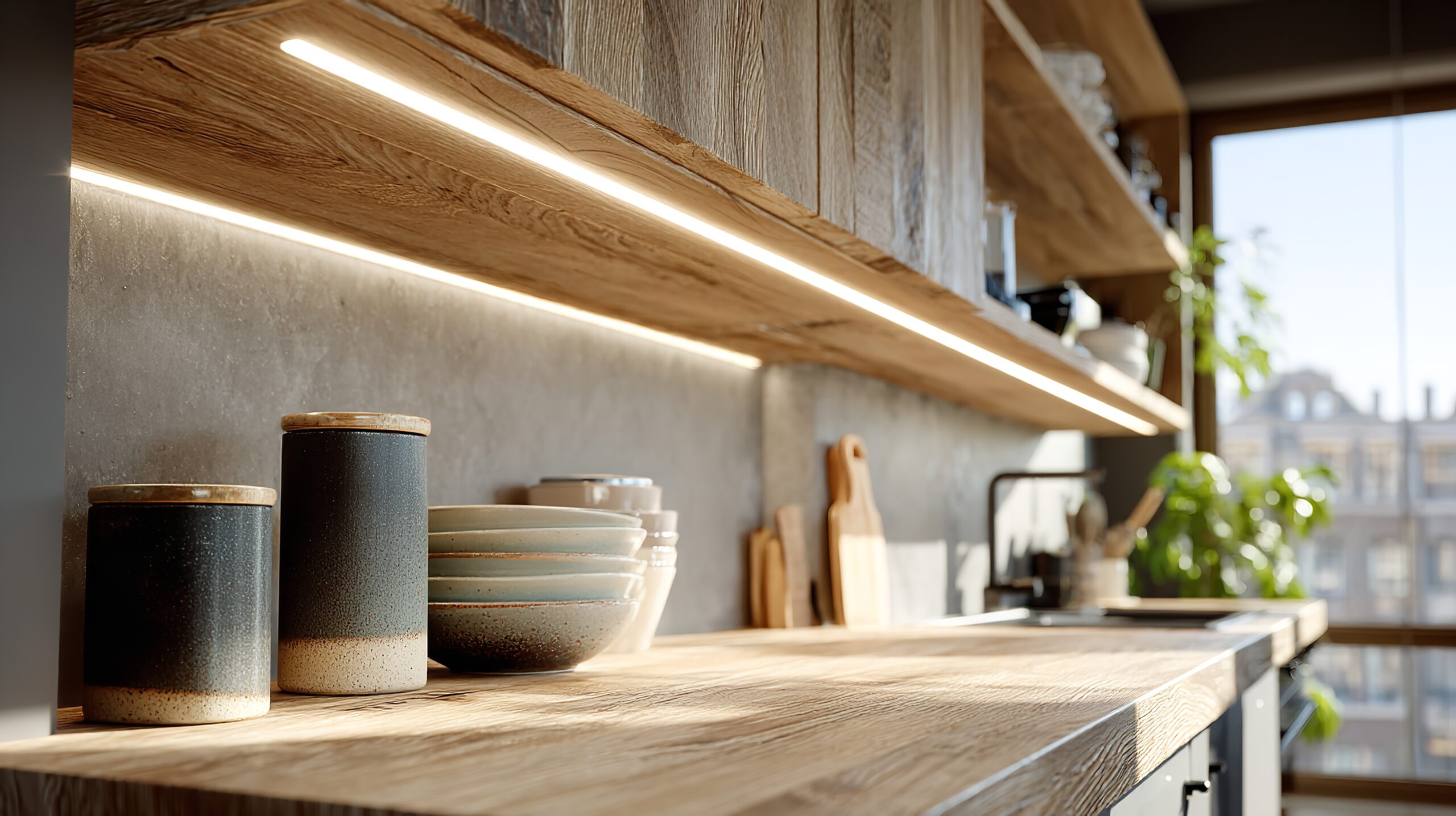
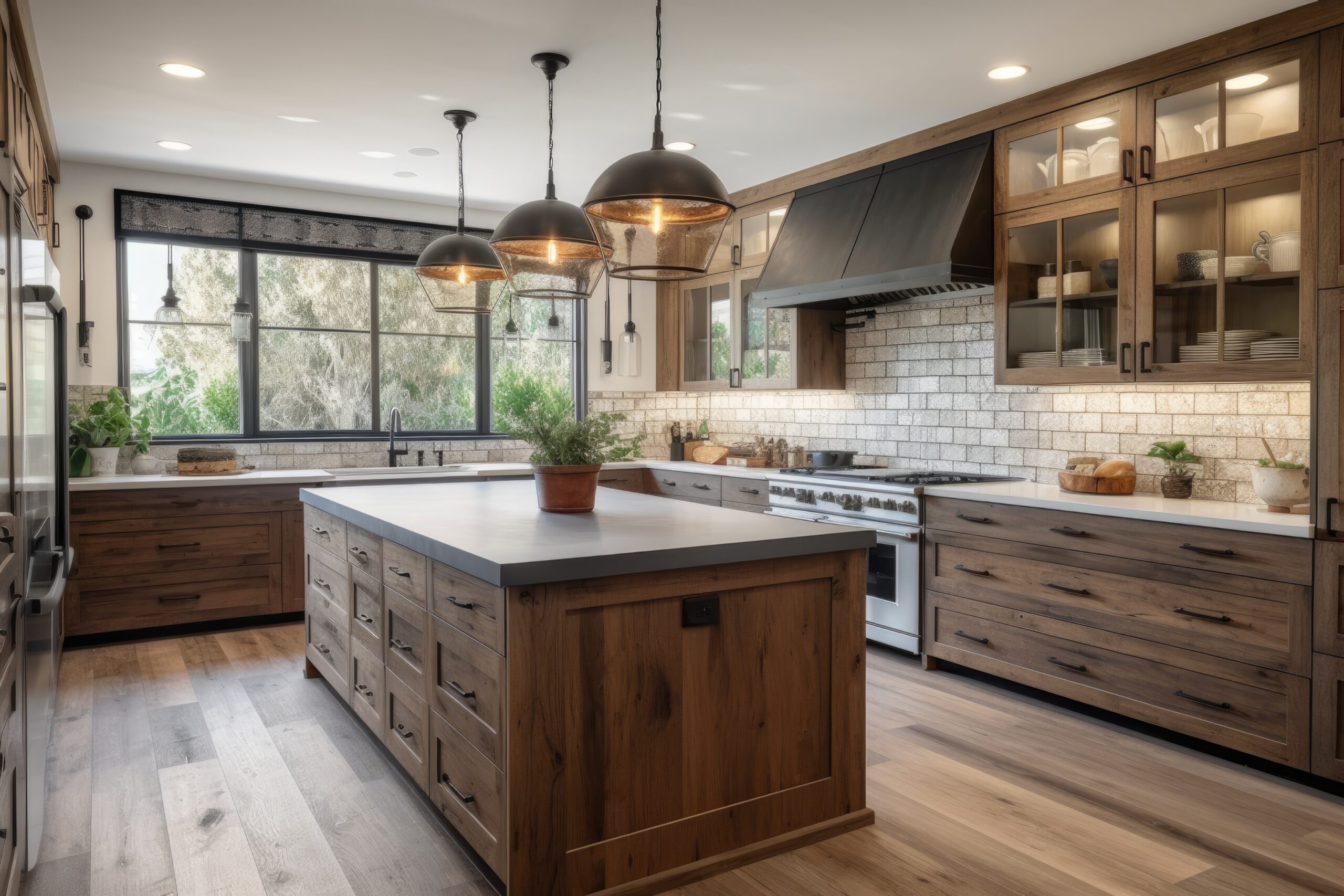
For farmhouse and rustic styles, cabinet light fixtures can play a key role in showcasing texture. Aim for warm-toned LEDs that bring out the richness of wood grain, brick, or stone backsplashes.
Opt for in-cabinet or under-shelf lights that gently wash your cabinetry rather than creating sharp points of light. Vintage-style fixtures or subtle bronze finishes can complement exposed beams and reclaimed wood materials beautifully.
3. Transitional and Classic Kitchens
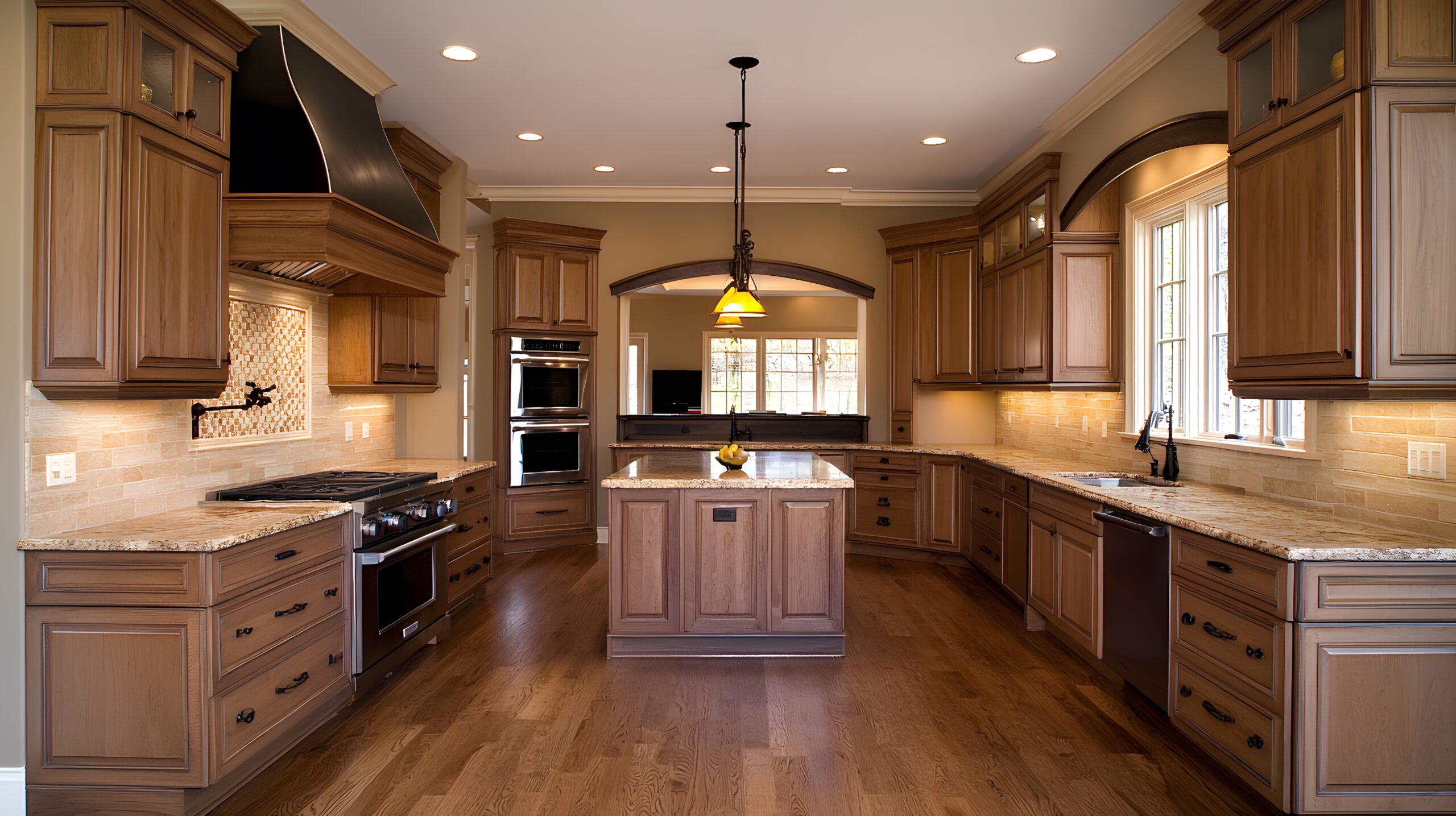
A transitional kitchen balances elegance with practicality. Here, lighting should feel timeless and integrated. Use soft, neutral white cabinet light fixtures under upper cabinets paired with in-cabinet lighting that showcases glass-front displays or decorative dishes.
This type of layered light adds dimension to the space while remaining subtle. The result: a kitchen that feels elevated, not overdesigned.
4. Small Kitchen Solutions
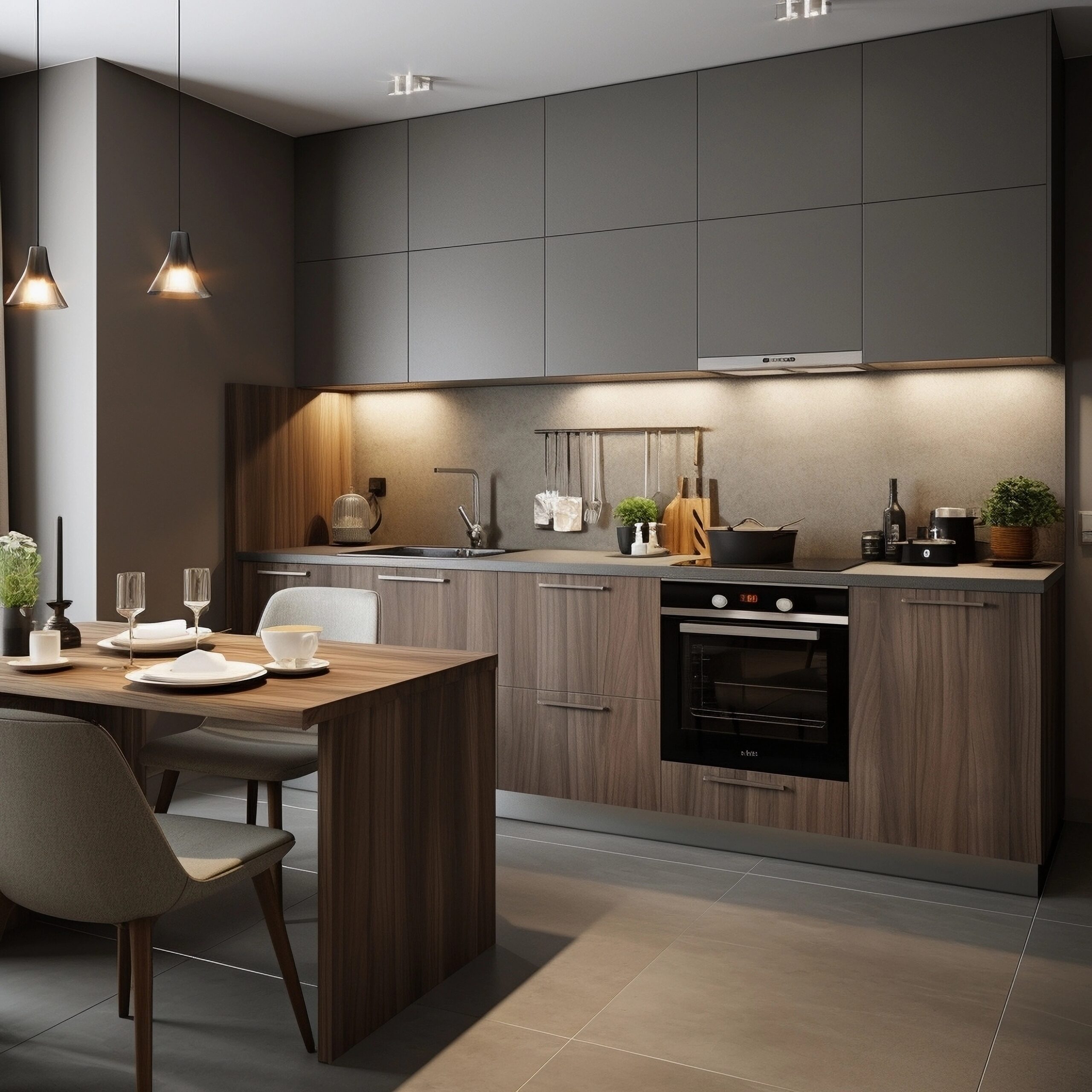
Lighting becomes even more important in compact kitchens. Cabinet light fixtures can visually expand tight spaces by reducing shadows and revealing depth in corners.
If your kitchen lacks natural light, try daylight-mimicking LEDs (around 3500K–4000K colour temperature) to brighten the room without feeling harsh. For maximum visual impact, run continuous LED strips under cabinets and along the toe-kick line. This draws the eye across the full width of the room and makes it appear wider.
5. Statement Lighting for Contemporary Designs
If you lean toward bolder, design-forward interiors, use your cabinet lighting as a creative accent rather than a background element. Consider RGB LEDs that subtly shift tone or hue for different moods, soft amber for evening, crisp white for daytime, or even a muted colour wash during gatherings.
Pair these cabinet light fixtures with reflective surfaces like glass, tile, or lacquered finishes to amplify depth and motion in your design.

6. Seasonal or Occasion-Based Lighting
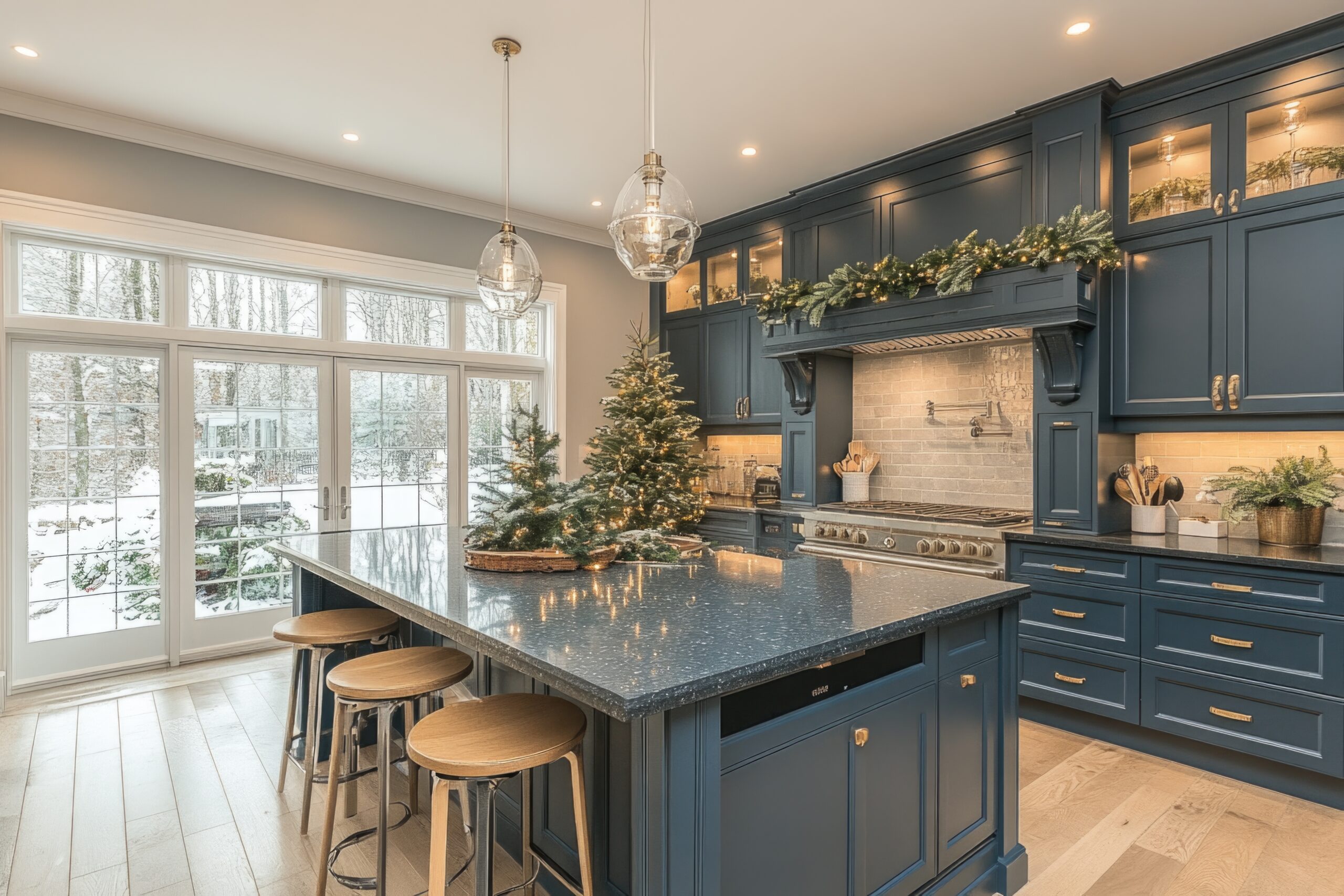
Cabinet lighting can be playful too. Dimmable and adjustable colour-temperature LEDs allow you to change your kitchen’s vibe instantly. During the holidays, slightly warmer tones create a cosy feel for gatherings. For summer dinners, cooler light keeps things crisp and fresh.
If you entertain frequently, under-cabinet and in-cabinet lights can double as ambient mood lighting, no extra décor necessary.
The best designs always come down to thoughtful layering and subtlety. Cabinet light fixtures should feel like an integral part of the space, not an afterthought or purely functional component. With careful selection and placement, your lighting becomes its own design language, enhancing every surface and detail it touches.
Maintenance Tips for Cabinet Light Fixtures
After you’ve spent time selecting, installing, and styling your cabinet light fixtures, a bit of regular maintenance keeps them looking and performing their best. Cabinet lighting doesn’t demand much upkeep, but a few simple habits can help preserve brightness, colour consistency, and longevity, so your kitchen always feels as vibrant and welcoming as the day you installed it.
1. Keep Fixtures Clean and Dust-Free
Cabinet lighting, especially under-cabinet fixtures, naturally collects dust and kitchen residue over time. Even a thin layer of buildup can reduce light output and change the colour tone of your LEDs.
Every few weeks, gently wipe fixtures with a soft, slightly damp microfiber cloth. Avoid harsh cleaning sprays, especially anything containing ammonia, alcohol, or abrasive ingredients, as they can damage finishes or cloud light diffusers.
For tighter spaces or light bars enclosed under cabinetry, a small handheld duster or compressed air works well. If you have removable diffusers or covers, clean them separately with mild soap and warm water, then dry completely before reinstalling.
2. Check for Loose Wires or Connectors
After months (or years) of use, vibration from cabinet doors and drawers can sometimes loosen connectors or shift wiring slightly, especially with adhesive LED strips. If you notice flickering or inconsistent lighting, start by checking connections before assuming a light has burned out.
For plug-in or battery-operated cabinet light fixtures, inspect cords for wear and confirm batteries are properly seated. Taking a few minutes once or twice a year to check the wiring helps prevent small issues from turning into full replacements later on.
3. Replace LEDs in Sets (When Necessary)
High-quality LED fixtures can last for years, but in time, even LEDs dim slightly. If a few lights fade or stop working, replace them in sets or zones. That helps maintain consistent brightness and colour across your kitchen, especially important if you mix warm and cool tones.
When possible, use the same brand and model as your existing cabinet light fixtures to ensure a perfect colour match. Manufacturers can have subtle variations in tone, even when specs appear identical.
4. Maintain Consistent Light Quality
If your lighting starts to feel uneven, one side too bright or slightly cooler, try rebalancing colour temperature settings or adjusting dimmers. Smart fixtures make this especially easy, as most allow remote calibration or scheduling.
For kitchens with both warm and cool-toned bulbs, make sure your cabinet light fixtures complement the overhead lighting tone. This keeps the overall look consistent and comfortable, rather than disjointed or overly contrasting.
5. Monitor for Heat and Moisture Exposure
Cabinets near ovens or stovetops naturally experience more heat and steam. Over time, excess moisture can wear down seals or adhesives on LED strips. If possible, choose fixtures with moisture-resistant covers in these areas and check periodically for condensation buildup.
Ensuring proper airflow, like leaving a small gap behind cabinet backings, also helps LEDs last longer and maintain stable performance.
6. Review Any Automation or Timer Settings
If you use timers, motion sensors, or smart systems, revisit those settings occasionally. It’s easy to forget about dimmer programs or custom scenes once you’ve used them for a while. Updating them ensures your lighting still matches your current habits and needs, especially if your kitchen use changes with the seasons.
Adjust scheduling so cabinet light fixtures turn on slightly before evening shadows fall and off after consistent overnight hours. It’s a small but satisfying detail that makes the space feel thoughtfully maintained.
A clean, balanced, and well-maintained lighting setup does more than look good; it ensures comfort, reliability, and efficiency every day. With a little attention now and then, your cabinet light fixtures will continue adding beauty and warmth to your kitchen long after installation day.
Good lighting has a way of tying everything together, and cabinet light fixtures are often the detail that makes a kitchen truly shine. They bring out colours, textures, and finishes that might otherwise go unnoticed. More importantly, they make your kitchen a space you want to spend time in, relaxed, bright, and thoughtfully designed.