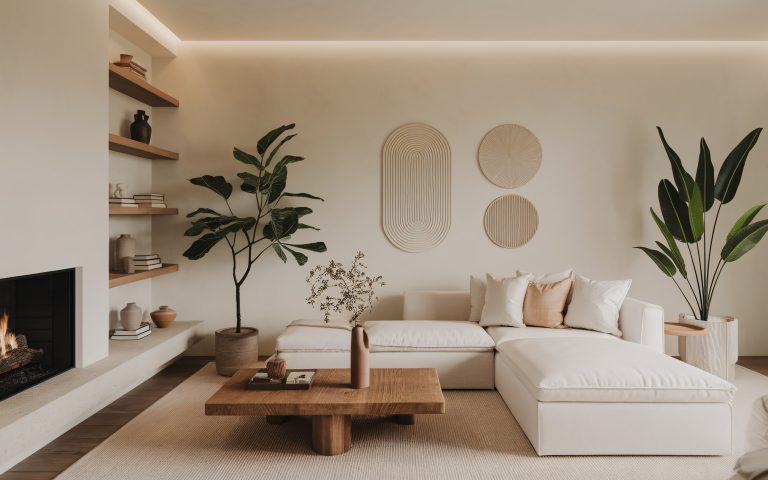
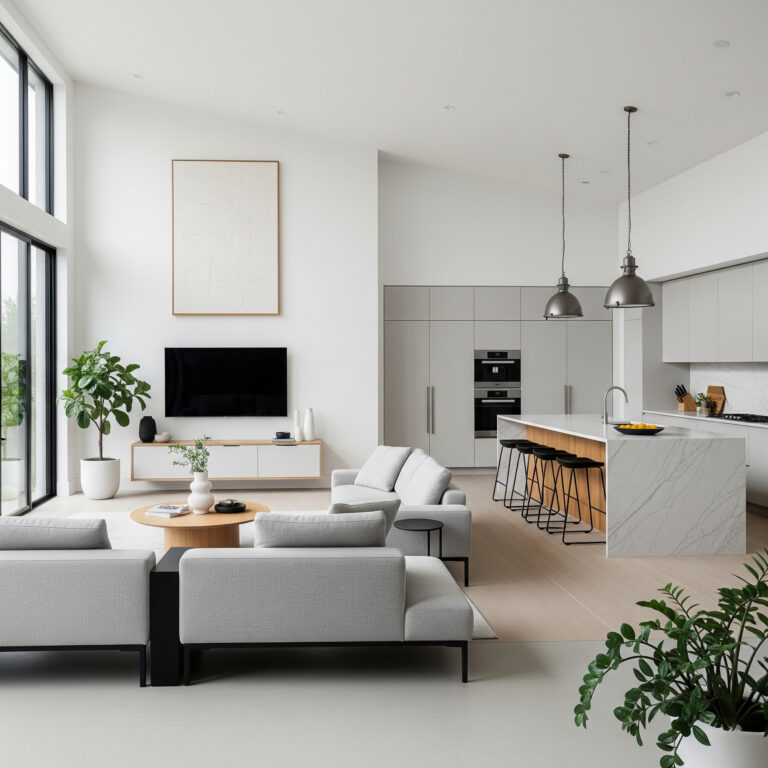
This post is all about how to arrange living room furniture with tv and fireplace.
I have always enjoyed helping people figure out how to arrange living room furniture with TV and a fireplace, because it is one of those design challenges that almost every home runs into at some point. When both elements are competing for attention, the room can quickly feel awkward or unfinished if the layout is not thought through properly.
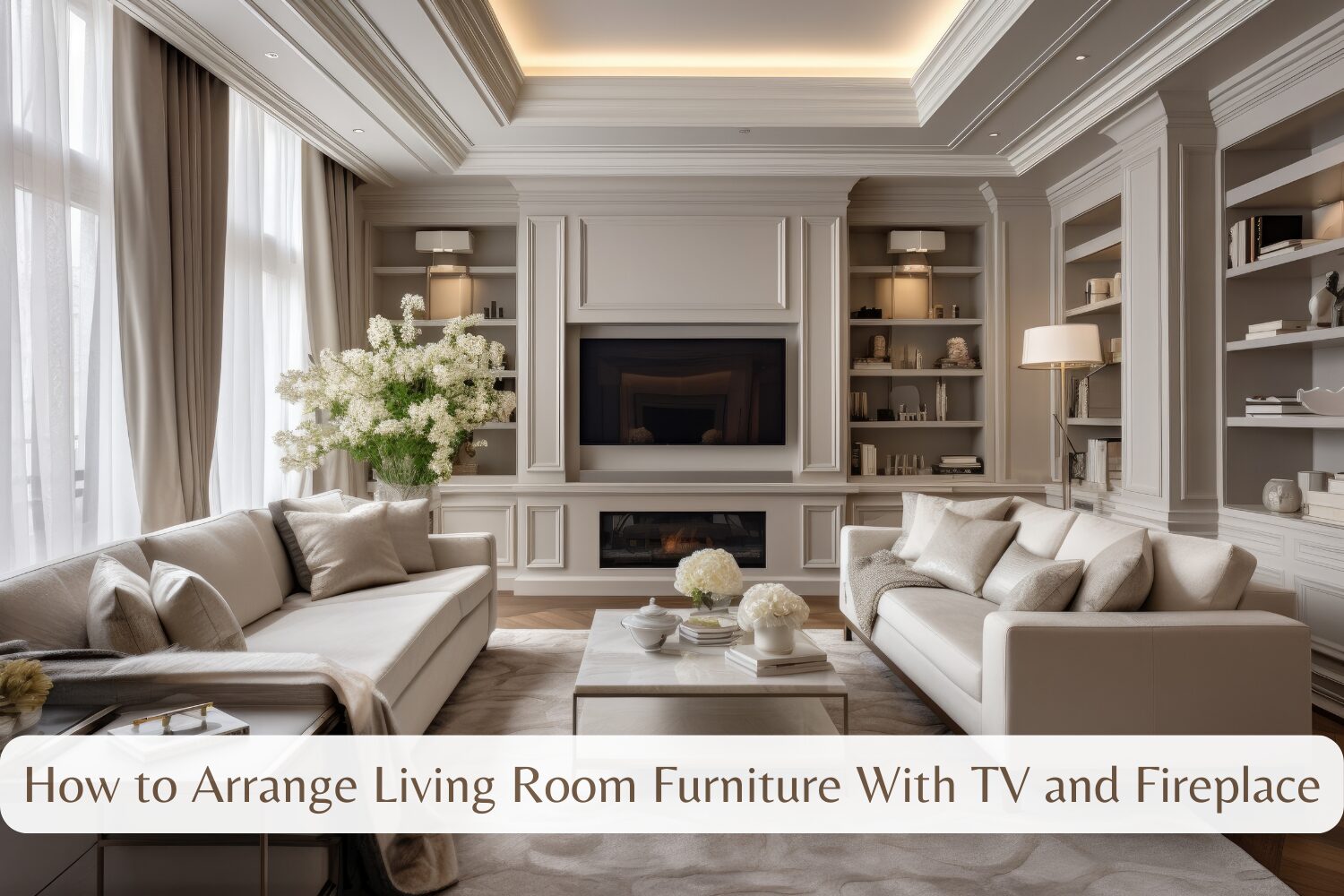
In this post, I will walk you through clear, practical ways to approach a living room that includes both a TV and a fireplace. You will learn how to identify the main focal point, position your furniture for comfort, and create a layout that feels intentional rather than forced. This is the same advice I rely on when planning my own spaces, and it works just as well in small living rooms as it does in open-plan homes.
This post is all about how to arrange living room furniture with tv and fireplace.
Understanding the Challenges of a Living Room With TV and Fireplace
When people ask how to arrange living room furniture with tv and fireplace, the real issue is usually that both elements demand attention. Each one naturally wants to be the focal point, and if they are not handled carefully, the room can end up feeling split or uncomfortable to use.
One of the biggest challenges is deciding where the seating should face. A fireplace invites conversation and warmth, while the TV encourages a more direct, forward-facing layout. Trying to give both equal importance without a plan often leads to sofas pushed against walls, chairs floating without purpose, or awkward viewing angles.
Another factor to consider is scale and placement. Fireplaces are often fixed in position, while TVs have more flexibility. If the TV is mounted too high, placed too far to the side, or positioned without considering sightlines, the entire room can feel out of balance. Add walkways, doorways, and windows into the mix, and it becomes clear why this layout can feel tricky.
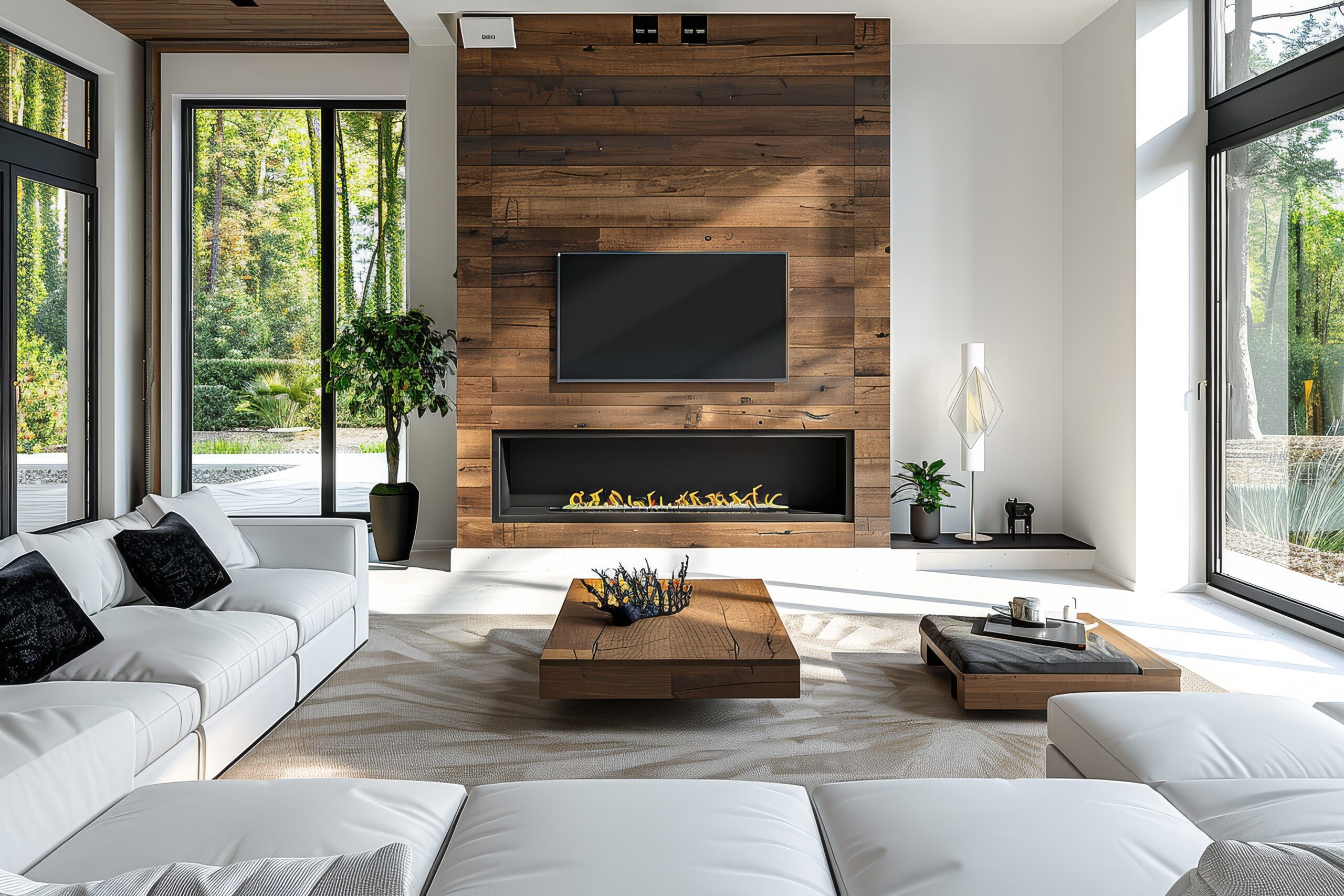
The good news is that once you understand why these challenges exist, it becomes much easier to solve them. With a clear focal point, thoughtful furniture placement, and a layout that suits how you actually use the room, arranging a living room with a TV and fireplace can feel straightforward rather than overwhelming.
Best Practices for Arranging Living Room Furniture With TV and Fireplace
Before jumping into specific layouts, it helps to understand a few core principles that apply to almost every living room with a TV and fireplace. These basics will guide your decisions and make it much easier to create a space that feels comfortable, balanced, and practical.
Decide on the Primary Focal Point First
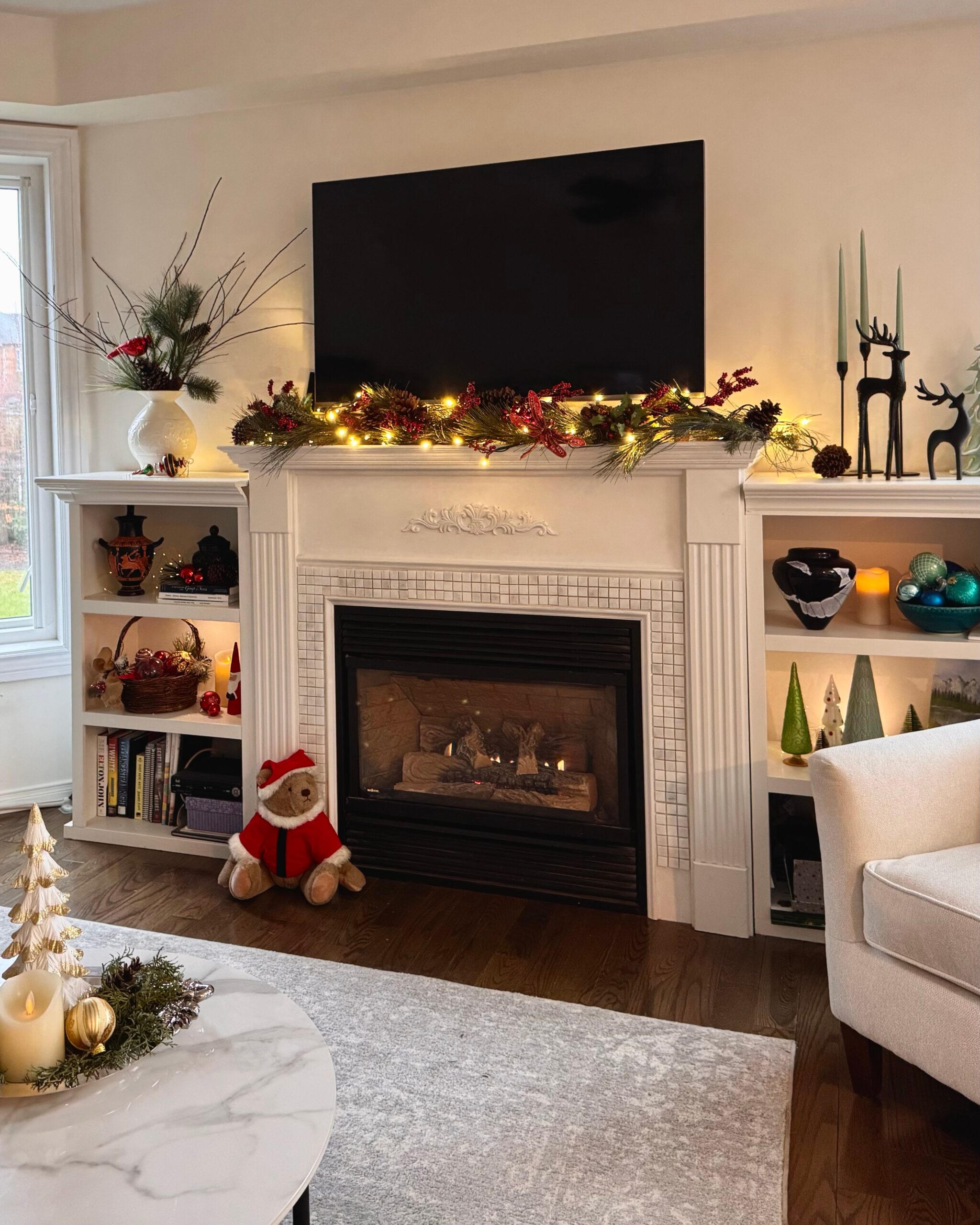
One of the most important steps in learning how to arrange living room furniture with tv and fireplace is choosing which feature takes priority. In most homes, it will be either the TV or the fireplace, rarely both equally.
If your living room is used mainly for watching TV, the TV should guide the layout, with the fireplace acting as a supporting feature. If the room is more about relaxing, entertaining, or enjoying the atmosphere, the fireplace often becomes the main focus. Making this decision early prevents furniture from being awkwardly angled or from trying to face two directions at once.
Keep Viewing Angles and Comfort in Mind
Comfort should always come before styling. Seating needs to be positioned so that watching TV feels natural and not strained, while still allowing the fireplace to be enjoyed without twisting or craning your neck.
Aim to keep sofas and chairs within a reasonable distance from the TV, with the screen close to eye level when seated. If the TV is mounted above a fireplace, be mindful of the height and consider using tilting mounts or lowering the seating to improve viewing comfort. These small adjustments make a big difference in how the room feels day to day.
Create Balance Without Blocking the Space
A well-arranged living room should feel open and easy to move through. Avoid pushing all furniture against the walls, but also make sure nothing blocks the fireplace or interrupts natural walkways.
Rugs are particularly useful here. They help anchor the seating area and visually connect the TV, fireplace, and furniture into one cohesive zone. Side tables, coffee tables, and accent chairs should support the layout, not compete with it.
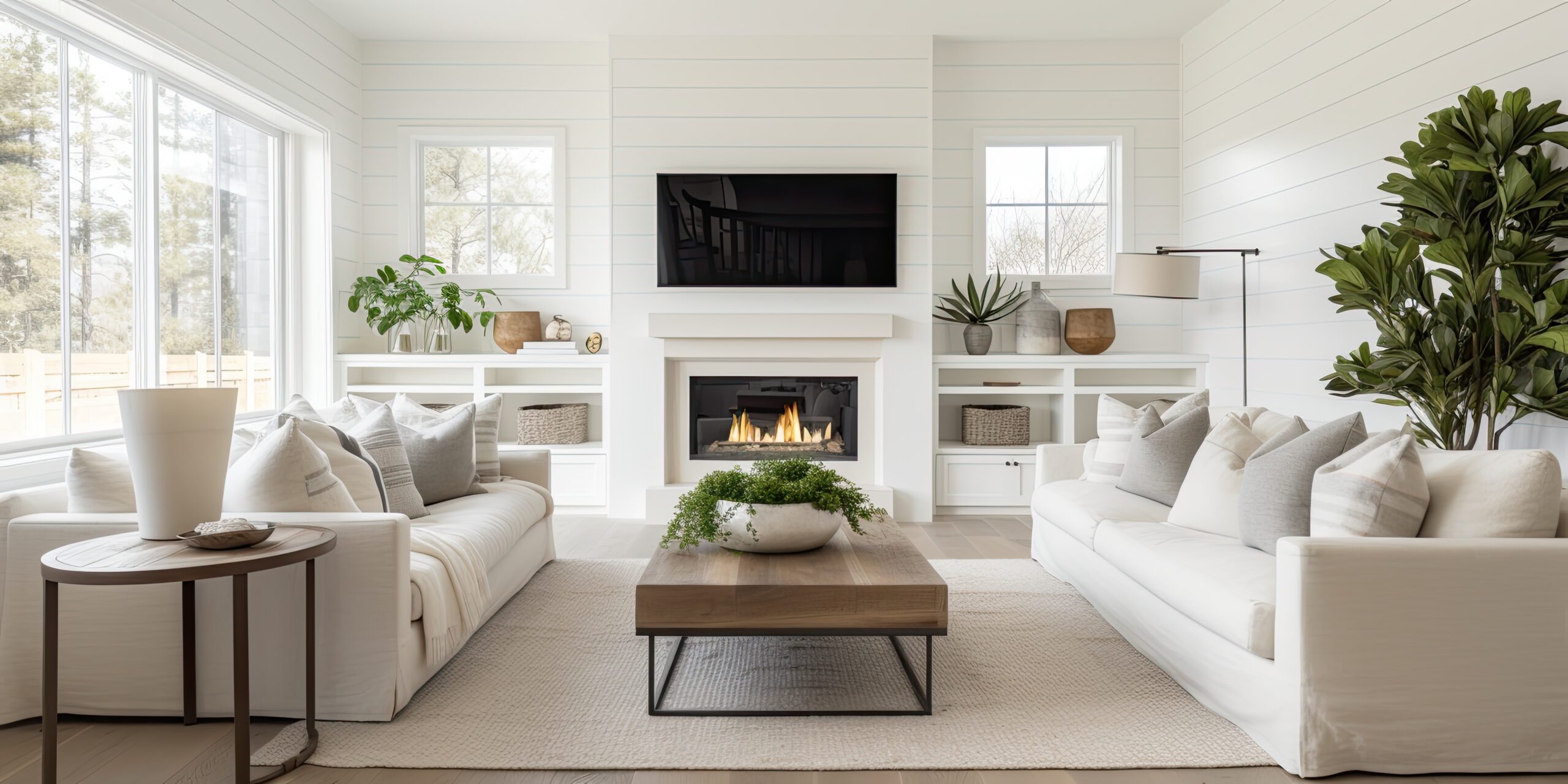
Keeping these best practices in mind will make the layouts in the next section much easier to visualise and adapt to your own home. Once the foundation is right, choosing the best furniture arrangement becomes a lot more intuitive.
7 Best Layouts for Living Rooms With TV and Fireplace
Now that the basics are clear, it is time to look at practical layouts you can actually use. These options cover a range of room sizes and styles, and each one is designed to help you confidently decide how to arrange living room furniture with TV and fireplace without second-guessing every placement.
1. Fireplace as the Main Focus With the TV Mounted Above
This layout works well when the fireplace is already the strongest feature in the room and you want a clean, streamlined look.
The sofa is placed directly facing the fireplace, creating a natural gathering point. Additional seating, such as armchairs or a loveseat, can be angled slightly towards the centre to keep the layout open and conversational. Mounting the TV above the fireplace keeps everything contained on one wall, which is helpful in smaller rooms.
The key here is height. The TV should not be mounted too high, as that can make viewing uncomfortable over time. If this is your preferred setup, consider a slimmer mantel or a wall mount that allows a slight downward tilt.
2. TV and Fireplace on Adjacent Walls
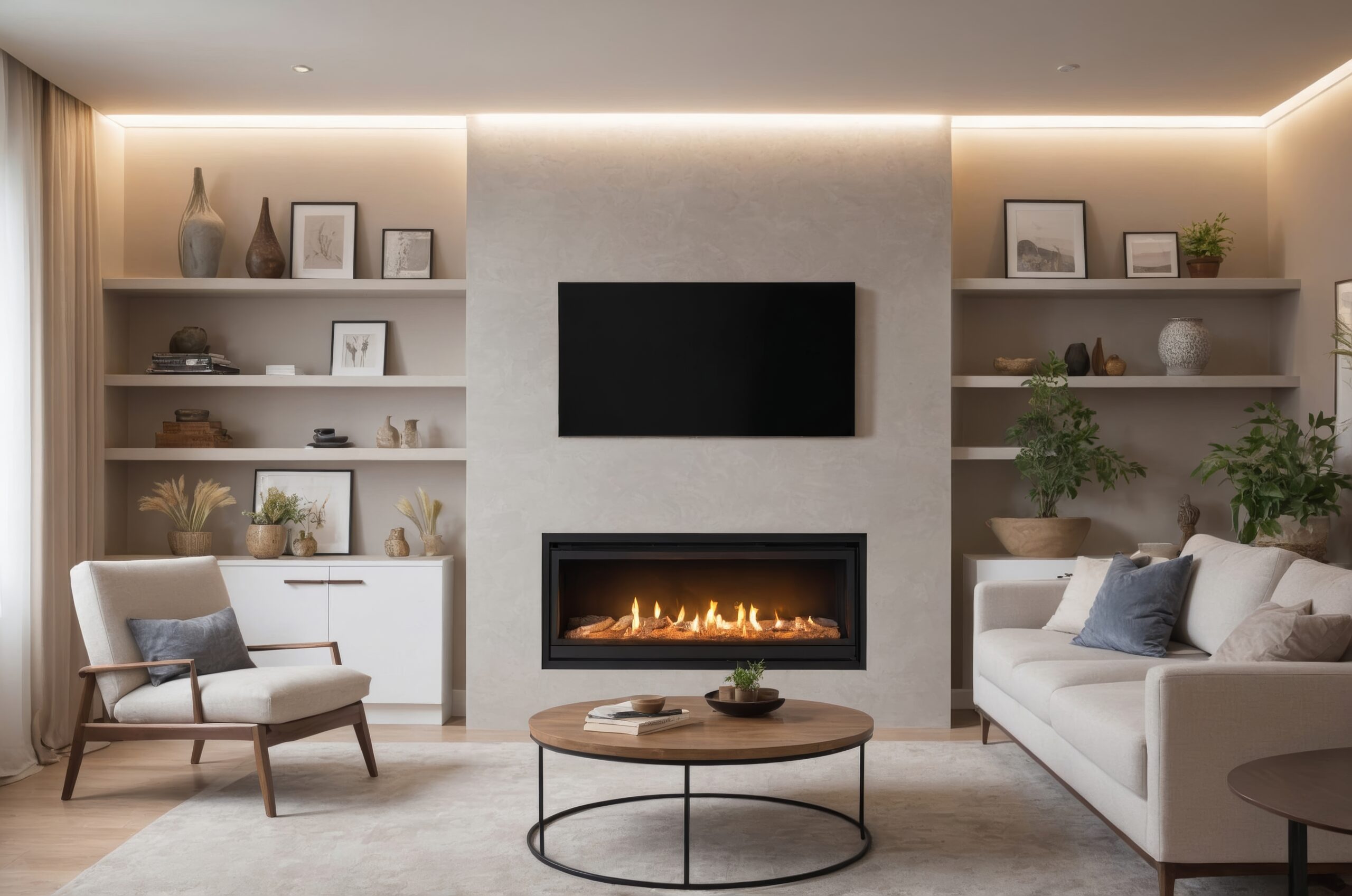
When the TV and fireplace sit on neighbouring walls, you have more flexibility with furniture placement.
A sofa or sectional can be positioned to face one feature directly, while still having a clear line of sight to the other. Chairs can be used to soften the angle and create a cohesive seating zone that connects both focal points. This approach feels relaxed and works especially well in medium to large living rooms.
This layout is a great option if you enjoy watching TV but also want the fireplace to remain a visible and inviting part of the room.
3. TV as the Primary Focus With Fireplace as a Secondary Feature
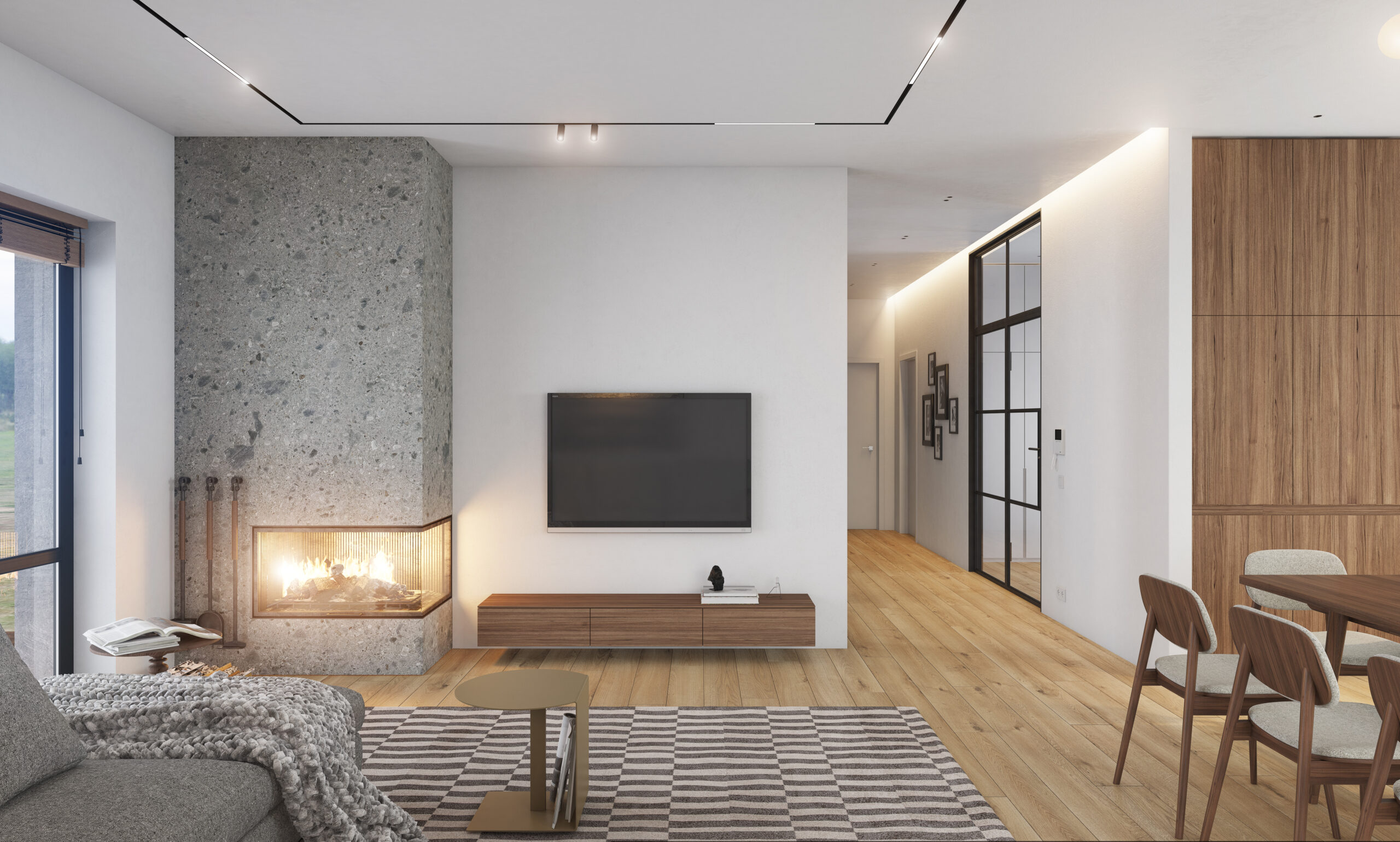
In homes where the living room is used daily for TV viewing, this layout often makes the most sense.
The main sofa faces the TV directly, ensuring comfortable viewing. The fireplace is treated as a secondary feature, styled with artwork, décor, or lighting so it still feels intentional without dominating the layout. Additional seating can be placed to maintain balance without pulling attention away from the TV.
This is a practical solution for families or casual living spaces where comfort and usability are the priority.
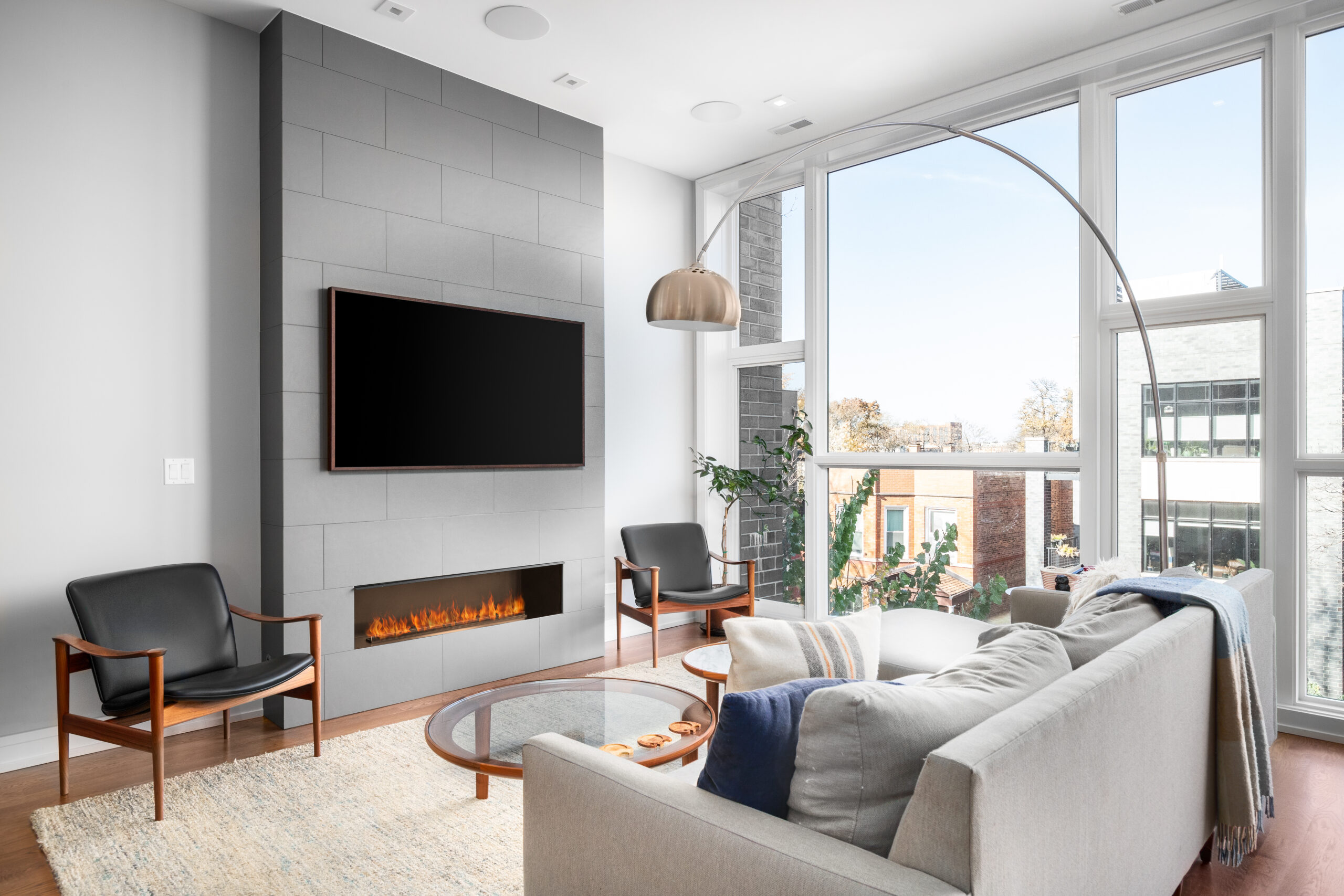
4. Floating Furniture Between the TV and Fireplace
Floating furniture works best in larger or open plan living rooms where walls are not the natural anchor points.
In this layout, the sofa sits away from the walls, usually facing the TV, with the fireplace positioned behind or opposite. A rug helps define the seating area, while a console table behind the sofa can add structure and storage. This arrangement allows both the TV and fireplace to feel connected to the space without competing.
It is a strong choice if you want your living room to feel intentional and well-zoned.
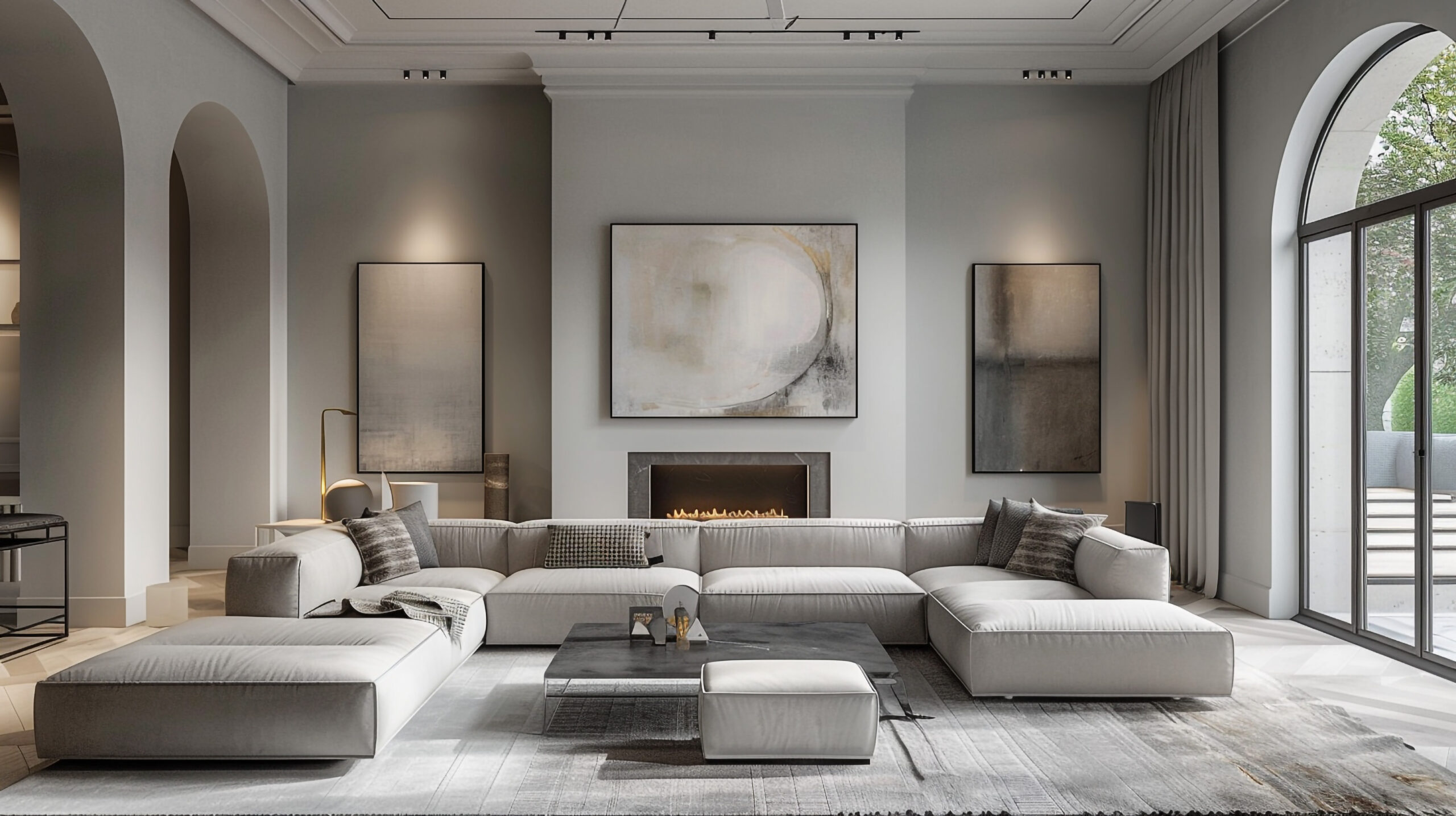
5. L Shaped Sectional Facing Both the TV and Fireplace
An L shaped sectional can solve many layout challenges in one move.
By positioning the sectional so that one side faces the TV and the other side faces the fireplace, you create a flexible seating arrangement that works for both everyday use and entertaining. A central coffee table anchors the layout, while keeping the rest of the furniture minimal prevents the space from feeling crowded.
This is a comfortable, family friendly option that still feels well thought out.
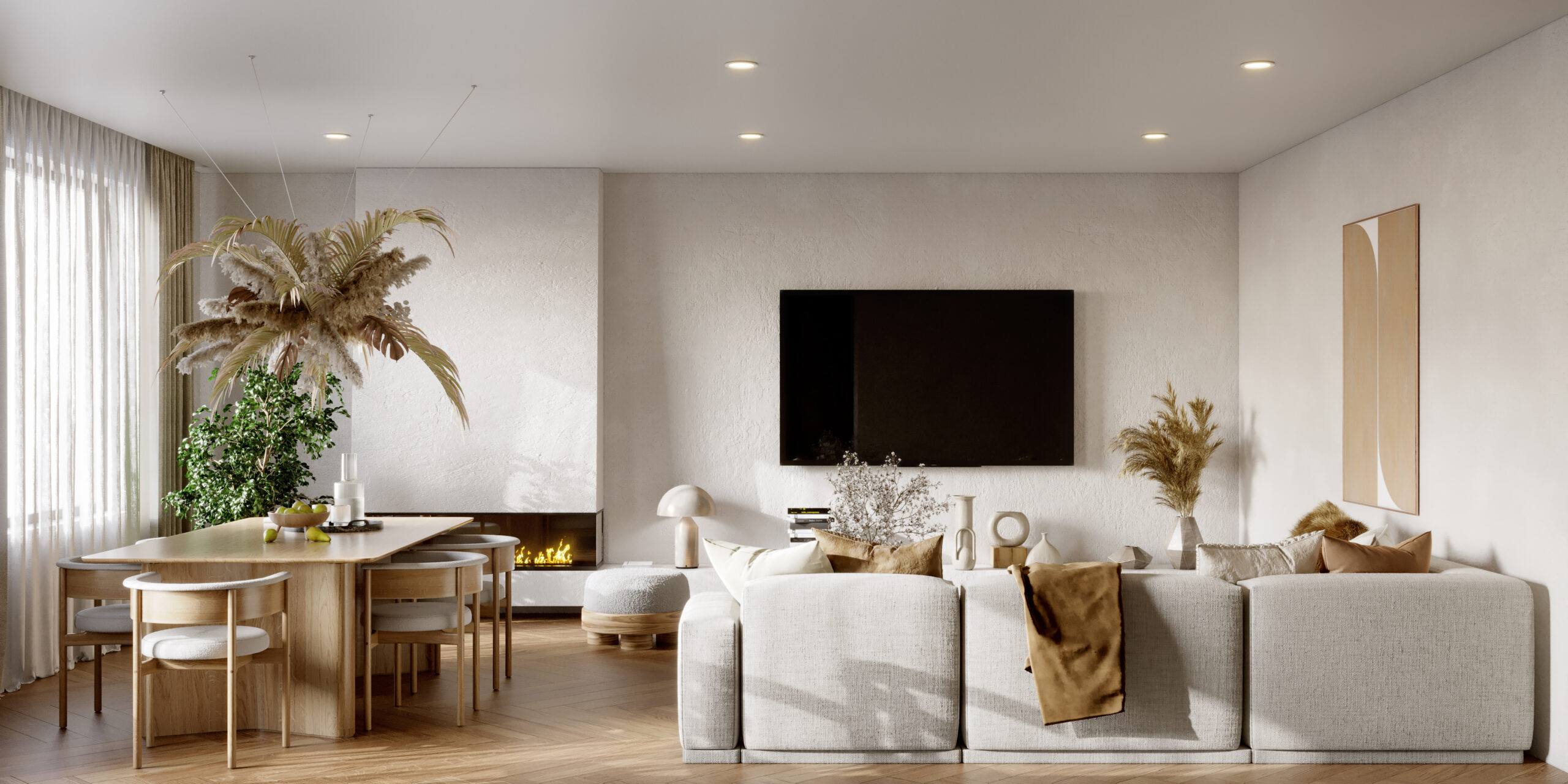
6. Symmetrical Layout for a More Formal Living Room
If your living room leans more formal, symmetry can bring a sense of order and calm.
This layout typically centres the fireplace, with matching sofas or armchairs facing each other. The TV can be mounted discreetly or placed to the side so it does not disrupt the symmetry. This approach works best in rooms that are used more for entertaining or relaxing rather than constant TV viewing.
It is a good reminder that not every living room needs to revolve around the TV.
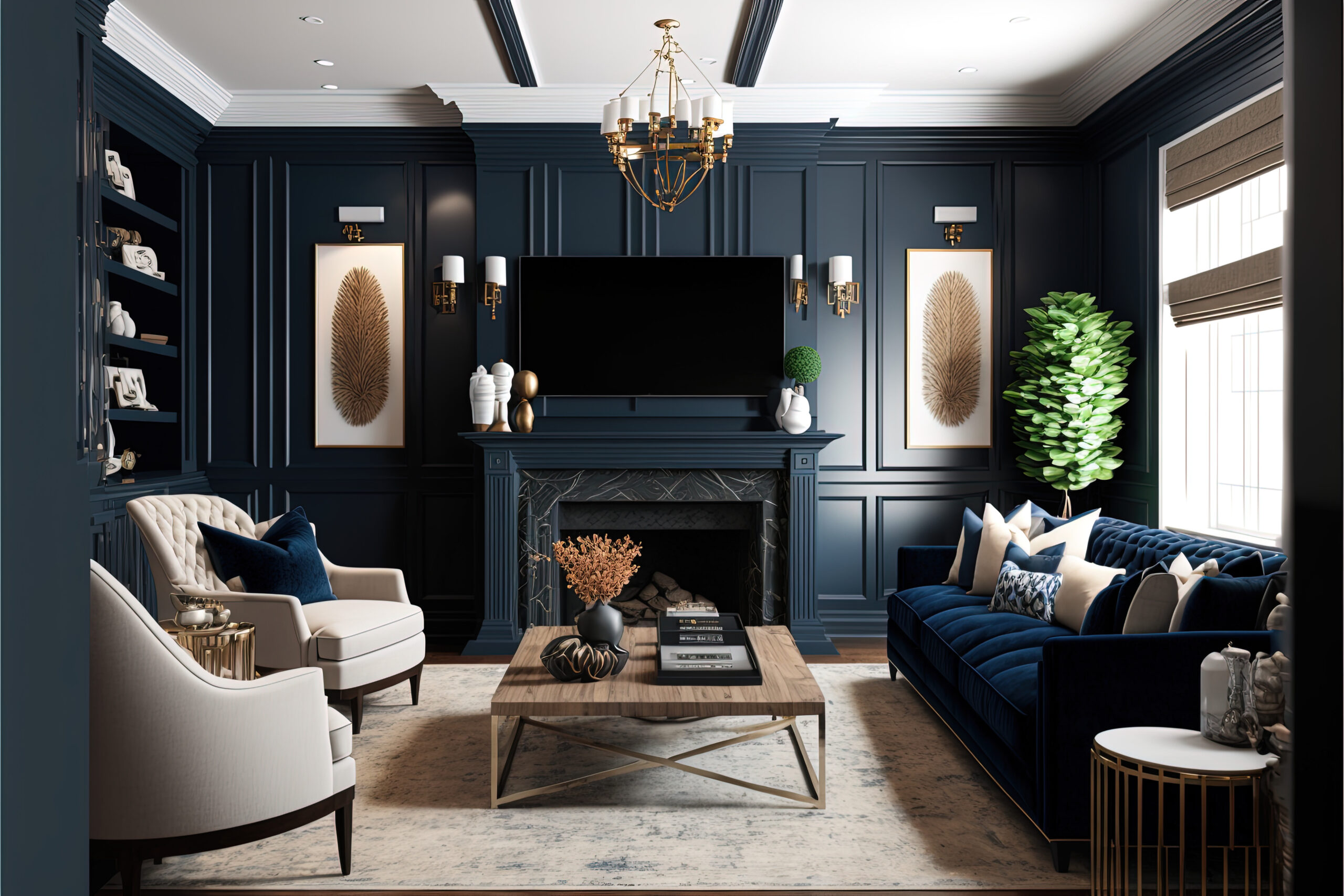
7. Small Living Room Layout With TV and Fireplace
In smaller living rooms, simplicity is key.
Wall mounting the TV frees up floor space, while compact sofas or apartment sized sectionals help keep the room feeling open. Furniture should be placed with clear intention, focusing on one main seating area rather than trying to fit too much in.
With the right proportions and a clear layout, even a small room can comfortably accommodate both a TV and a fireplace.
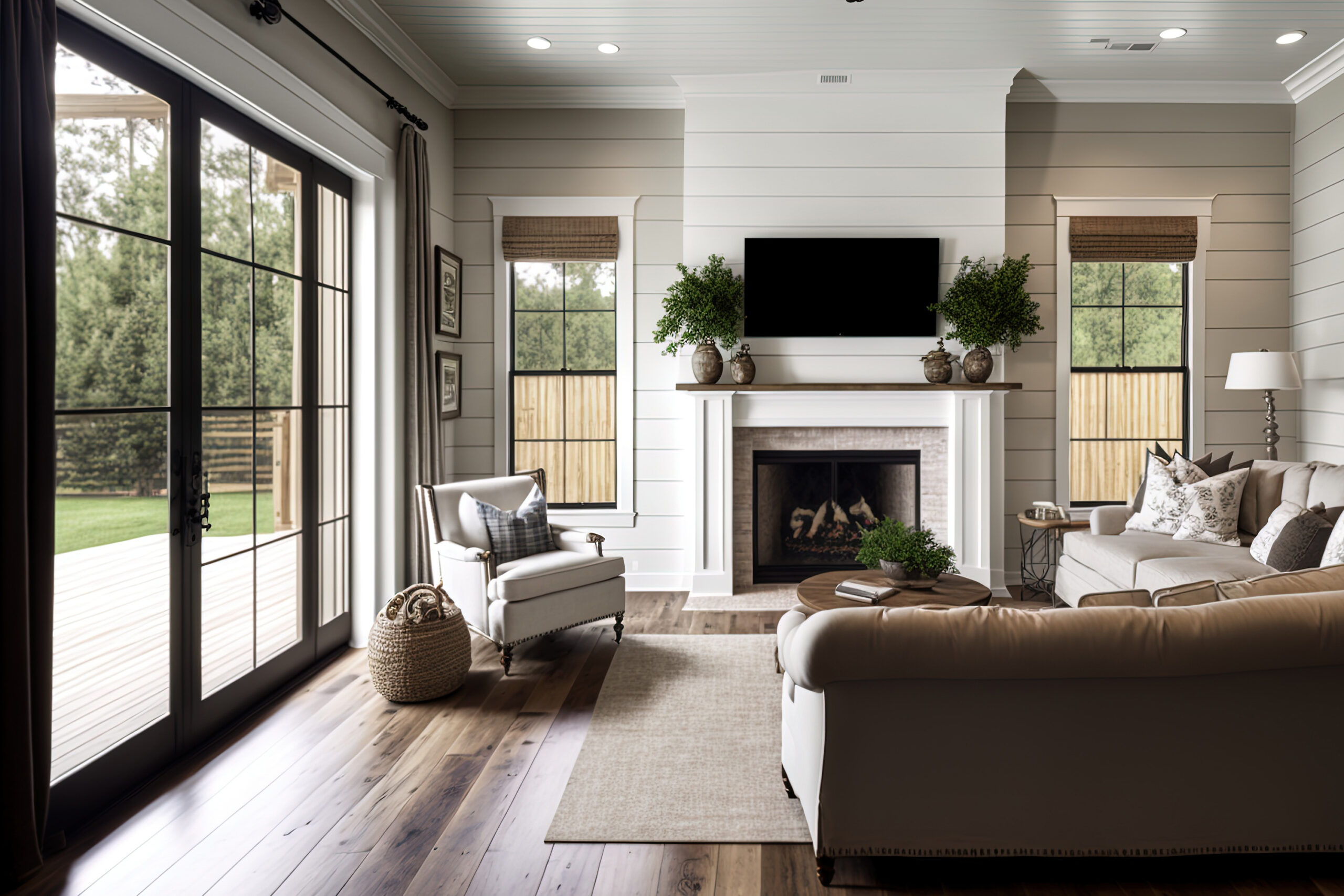
These layouts are meant to be adapted, not followed rigidly. Every room has its own quirks, but once you understand these options, choosing how to arrange living room furniture with tv and fireplace becomes far less complicated and much more intuitive.
Common Mistakes to Avoid When Arranging Living Room Furniture With TV and Fireplace
Even with a solid layout in mind, a few common missteps can throw off the entire room. Being aware of these will help you avoid frustration and make better decisions as you fine tune your space.
Mounting the TV Too High
This is one of the most frequent issues I see. While mounting the TV above a fireplace can look neat, it often places the screen well above comfortable eye level. Over time, this can make watching TV feel awkward rather than relaxing. If this setup is unavoidable, look for ways to minimise the height difference through lower seating or adjustable mounts.
Trying to Give Both Features Equal Priority
When learning how to arrange living room furniture with tv and fireplace, it is tempting to design the room so everything faces both features perfectly. In reality, this rarely works. Choosing one primary focal point creates clarity and allows the furniture to feel intentional instead of conflicted.
Pushing All Furniture Against the Walls
This is especially common in rooms that already feel tricky to arrange. While it might seem like it opens up space, it often has the opposite effect. Pulling furniture slightly away from the walls helps define the seating area and creates a more balanced relationship between the TV, fireplace, and furniture.
Blocking the Fireplace or Walkways
Fireplaces should remain visually clear and easy to access. Placing furniture too close can disrupt both the look and the function of the room. The same applies to walkways. A good layout allows people to move through the space without weaving around chairs or tables.
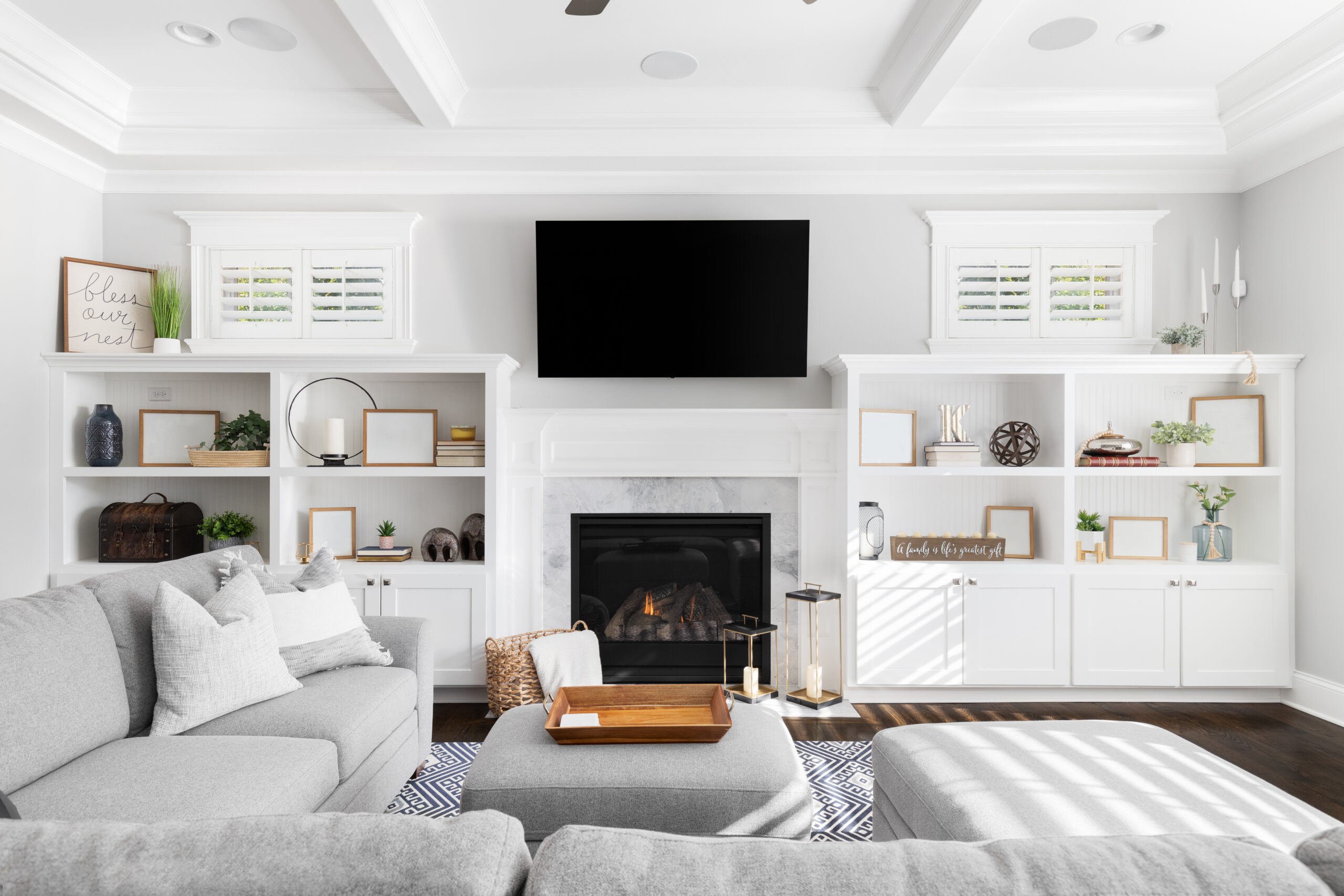
Avoiding these mistakes makes a noticeable difference. Once they are out of the way, the room naturally feels calmer and more comfortable to use.
Final Thoughts on How to Arrange Living Room Furniture With TV and Fireplace
There is no single right answer when it comes to how to arrange living room furniture with tv and fireplace. The best layout is the one that supports how you actually use the space while still feeling visually balanced.
By choosing a clear focal point, paying attention to comfort, and using furniture to guide the flow of the room, you can create a living room that works for everyday life and still looks considered. Take these layouts as a starting point, adjust them to suit your room, and trust that small changes can have a big impact on how the space feels overall.
Frequently Asked Questions About Arranging a Living Room With TV and Fireplace
To wrap things up, here are some of the most common questions that come up when people are working out how to arrange living room furniture with tv and fireplace. These answers should help clear up any lingering uncertainty and give you extra confidence in your layout choices.
Can the TV and fireplace be on the same wall?
Yes, they can, and this is often done in smaller living rooms or where wall space is limited. The key is keeping proportions in check. Make sure the TV is not mounted too high and that the fireplace surround is simple enough to avoid visual clutter. If possible, choose a low profile fireplace or a streamlined mantel to keep the setup feeling balanced.
How high should a TV be if it is above a fireplace?
Ideally, the centre of the TV should be close to seated eye level. When the TV is above a fireplace, this is not always achievable, but it is still worth minimising the height difference. As a general guide, the lower edge of the TV should sit as close to the mantel as safely possible, and the overall viewing angle should not force you to tilt your head upward.
Is it better to face the sofa towards the TV or the fireplace?
This depends entirely on how the room is used. If TV watching is a daily activity, the sofa should face the TV. If the room is more about relaxing or entertaining, facing the fireplace often feels more natural. In some layouts, such as with sectionals or angled seating, it is possible to acknowledge both without compromising comfort.
What is the best layout for a small living room with a TV and fireplace?
In smaller spaces, simplicity works best. Wall mounting the TV, choosing compact furniture, and avoiding unnecessary pieces helps keep the room open. Focus on one main seating area and let the TV and fireplace support that layout rather than competing for attention.
If you take one thing away from this guide, let it be this: understanding how to arrange living room furniture with tv and fireplace is less about strict rules and more about creating a space that feels comfortable, balanced, and easy to live in. Once those elements are in place, the room naturally comes together.