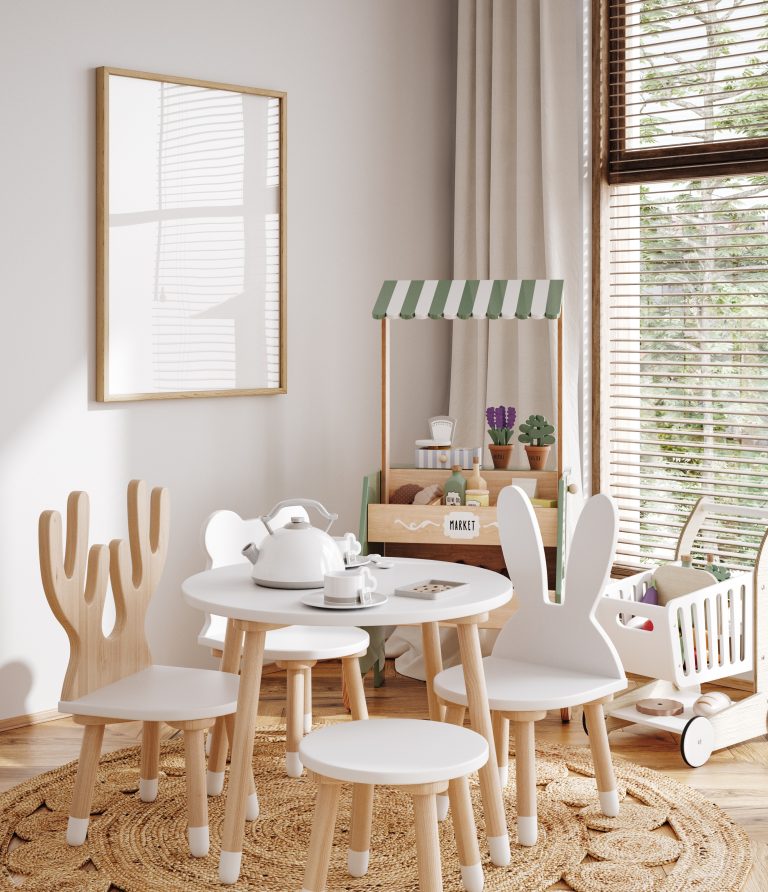
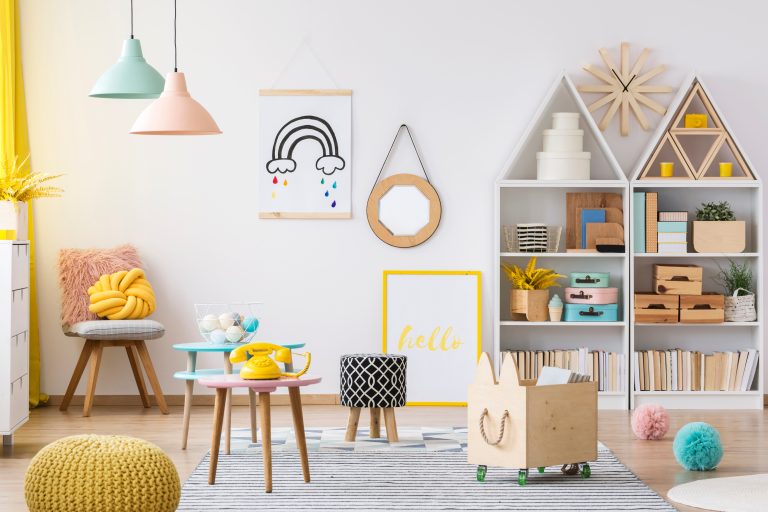
Kids Toy Room Ideas: Creative & Organised Play Spaces

Kids Toy Room Ideas: Creative & Organised Play Spaces

Creating a functional kids’ toy room requires thoughtful planning that balances organisation with imagination. A well-designed play space not only keeps toys contained but also fosters creativity, independence, and development.

Whether you’re working with a dedicated room or carving out a corner of your living space, the principles of effective toy room design remain consistent: accessible storage, defined activity areas, and systems that grow with your child.

Kids Toy Room

1. Planning Your Kids Toy Room: The Essentials

Before purchasing storage containers or deciding on a colour scheme, take time to evaluate your specific needs. The most successful kids’ toy room designs begin with thoughtful planning.

  • Assess your available space – Measure your area and note any architectural features that could impact your design
  • Observe play patterns – Watch how your child interacts with their toys and what activities they gravitate toward
  • Consider traffic flow – Allow adequate movement space between activity zones
  • Plan for flexibility – Design a kids’ toy room that can evolve as interests change
  • Establish a realistic budget – Prioritise essential organisational elements before decorative features

The most effective kids’ toy room designs balance visual appeal with practical functionality. Begin by dividing your space into activity zones based on how your child plays. A reading corner, building zone, creative area, and active play space create natural divisions that help children understand where different activities take place.

kids toy room organized

Pro tip: Before purchasing new storage solutions, take inventory of what toys need organising. Categories often include building blocks, creative supplies, books, pretend play items, and active toys.

2. Storage Solutions That Grow With Your Child

The foundation of any successful kids’ toy room is appropriate storage. Effective toy organisation systems should be both accessible to children and visually appealing.

Open shelving works particularly well for frequently used items and can double as display space in your kids’ toy room. Consider these options for different toy categories:

  • Low, open shelves for daily-use toys that encourage independent access
  • Closed cabinets for items that require adult supervision or create visual clutter
  • Clear bins for collections like building blocks or toy vehicles
  • Soft baskets for stuffed animals and dress-up clothes
  • Book displays that show covers rather than spines for young readers

What makes a kids’ toy room truly functional is a labelling system appropriate for your child’s age. For pre-readers, use picture labels with corresponding images on bins. As children grow, transition to written labels that they can read independently.

toy room floor plan activity zones

Pro tip: Modular storage systems allow your kids’ toy room to evolve as your child grows. Choose pieces that can be reconfigured or repurposed rather than age-specific furniture with limited longevity.

3. Flooring and Surface Considerations

The physical foundation of your kid’s toy room deserves careful consideration. Flooring needs to withstand creative messes, active play, and frequent cleaning.

Ideal flooring options for a kids’ toy room include:

  • Luxury vinyl planks – Waterproof, durable, and available in attractive designs
  • Low-pile carpeting – Offers comfort for floor play while being relatively easy to clean
  • Large washable area rugs – Provide comfort over hardwood or tile
  • Interlocking foam tiles – Create cushioned areas for active play
  • Laminate flooring – Offers durability at a lower price point than hardwood

Wall surfaces in a kids’ toy room should balance aesthetics with practicality. Consider washable paint in a satin or semi-gloss finish that allows for wiping away inevitable marks. Magnetic paint or chalkboard sections create interactive areas that contain creative expression in designated spaces.

kids toy room storage solutions

Pro tip: In multi-purpose spaces, use area rugs to define the kids’ toy room zone within a larger room. This creates a visual boundary that helps children understand where playthings belong.

4. Creating Activity Zones in Your Kids’ Toy Room

A well-designed kids’ toy room incorporates distinct areas that support different types of play. Each zone should include appropriate storage, surfaces, and materials specific to the activity.

Reading Nook Essentials

Create a cosy reading corner in your kids’ toy room with:

  • Comfortable seating (child-sized armchair, floor cushions, or bean bags)
  • Good lighting (preferably natural light supplemented with task lighting)
  • Forward-facing book displays that highlight covers
  • Soft textiles that invite settling in with a book

Art and Craft Corner Setup

Dedicate a creative space in your kids’ toy room with:

  • A washable work surface at an appropriate height
  • Organised supplies in accessible containers
  • Display space for completed artwork
  • Adequate lighting for detail work
  • Protective covering for surfaces if needed

Building and Construction Zone

Support constructive play in your kids’ toy room with:

  • Clear containers organised by piece type or set
  • Flat building surfaces (LEGO tables, play mats)
  • Display shelves for completed constructions
  • Comfortable floor space for larger structures

toy room flooring options comparidon

Pro tip: When designing zones in your kid’s toy room, consider acoustic properties. Place quieter activities like reading further from active play areas to allow simultaneous use by multiple children.

5. Display and Rotation Systems

A thoughtfully designed kids’ toy room includes intentional display areas that showcase special items and children’s creations. These displays serve multiple purposes: highlighting achievements, inspiring creativity, and creating visual interest in the space.

Effective display solutions for a kids’ toy room include:

  • Gallery wall systems with easily changeable frames for rotating artwork
  • Floating shelves at child height for displaying collections or creations
  • Shadow boxes for three-dimensional items or special collections
  • Wire systems with clips for frequently changing displays
  • Museum-style display stands for showcasing current building projects

Implementing a toy rotation system keeps your kids’ toy room fresh and engaging while preventing overwhelm. Consider storing approximately one-third of toys out of sight, rotating them every few weeks to maintain interest while keeping the volume of visible toys manageable.

childrens toy room reading nook

Pro tip: When designing your kids’ toy room, create a dedicated “display zone” where children can showcase their current projects without fear of them being dismantled or put away during cleanup time.

6. Lighting Your Kids’ Toy Room

Proper lighting transforms a kids’ toy room from functional to inspirational. A well-lit play space supports different activities while creating atmosphere and visual interest.

Consider these lighting elements for your kids’ toy room:

  • Natural light – Position activity areas near windows when possible
  • Overhead lighting – Provide even, ambient illumination throughout the space
  • Task lighting – Add directed light for reading corners and craft areas
  • Decorative lighting – Incorporate string lights or novelty fixtures that enhance the room’s theme
  • Night lighting – Install dim options for evening transitions or nighttime comfort

The most effective kids’ toy room lighting plans include multiple sources at different heights. This layered approach creates a warm environment while ensuring adequate brightness for different activities.

creative play zones kids toy room

Pro tip: In a kids’ toy room, consider cord management and safety features when selecting lighting. Wall-mounted options eliminate floor cords, while LED fixtures provide brightness without heat concerns.

7. Small Space Solutions

Not every home can accommodate a dedicated kids’ toy room, but even small spaces can incorporate organised play areas with strategic planning.

Maximise limited space with these kids’ toy room solutions:

  • Vertical storage – Utilise wall space with tall bookcases and mounted organisers
  • Under-bed storage – Choose beds with built-in drawers or use rolling containers underneath
  • Door-hanging organisers – Use over-door systems for small toys or supplies
  • Dual-purpose furniture – Select ottomans with storage, desks with shelving, or benches with bins
  • Corner solutions – Maximise overlooked corner spaces with custom shelving or activity stations

When creating a kids’ toy room in a shared space, clearly define boundaries using area rugs, bookcases as room dividers, or designated cabinets that close when playtime ends.

toy room art display wall

Pro tip: In apartments or small homes, create a “portable kids toy room” concept using dedicated containers that can be moved between spaces as needed, maintaining organisation while adapting to space limitations.

8. Theme and Décor Ideas That Inspire Play

Aesthetics matter in a kids’ toy room—not just for visual appeal, but because thoughtful design can stimulate imagination and engagement. The most successful play spaces balance personality with functionality.

When selecting a theme for your kids’ toy room, consider:

  • Longevity – Choose concepts that can evolve as your child grows
  • Neutrality – Select base elements that work with changing interests
  • Flexibility – Incorporate themes through easily-changed accessories rather than permanent fixtures
  • Child input – Involve children in age-appropriate decisions to increase their ownership of the space
  • Colour psychology – Understand how different hues affect mood and behaviour

A well-designed kids’ toy room often uses colour strategically rather than overwhelmingly. Consider a neutral base palette with colourful accents that can be updated. This approach creates a visually calm environment while still offering personality and interest.

kids toy room lighting options

Pro tip: Rather than character-specific themes that may quickly fall out of favour, consider concept-based themes for your kids’ toy room, such as nature, adventure, or creativity, that can adapt as interests evolve.

9. Organisation Systems That Work

Creating a kids’ toy room is one achievement; maintaining it is another. Successful play spaces incorporate systems that make ongoing organisation manageable for both parents and children.

Effective kids’ toy room maintenance strategies include:

  • Consistent categories – Group similar items together in logical categories
  • Clear visual systems – Use consistent colours, labels, or symbols for different toy types
  • Appropriate independence – Design storage that children can manage without assistance
  • Regular reset times – Establish daily quick-cleanup and weekly deeper organisation routines
  • One-in-one-out policy – Maintain toy volume by removing items when new ones enter the rotation

Labelling deserves special attention in any kids’ toy room organisation system. For younger children, use picture labels that clearly show what belongs where. As children develop reading skills, transition to word labels that support literacy development.

small space toy room solutions

Pro tip: In a well-designed kids’ toy room, incorporate a “halfway house” basket for items that need parental help to put away. This teaches responsibility while acknowledging developmental capabilities.

10. Real Family Examples: Kids Toy Rooms That Work

While every family’s needs differ, examining successful kids’ toy room solutions provides valuable inspiration. The following examples demonstrate how core principles adapt to different situations.

Small Space Solution

A 6×8-foot dedicated area transformed into a complete kids’ toy room by:

  • Using full-height wall storage
  • Implementing a fold-down activity table
  • Creating vertical display systems
  • Utilising under-furniture storage
  • Employing a strict rotation system to limit visible toys

Shared Sibling Space

A kids’ toy room designed for multiple ages incorporating:

  • Colour-coded storage for each child
  • Height-appropriate activity zones
  • Lockable storage for materials needing supervision
  • Flexible furniture arrangement for varying play styles
  • Designated personal spaces within the shared room

Budget Transformation

An impressive kids’ toy room created with limited funds by:

  • Repurposing existing furniture with paint
  • Using inexpensive plastic bins with custom labels
  • DIY wall organisation systems
  • Strategic lighting upgrades
  • Creative use of wall space for both storage and play

toy room organization labeling system

Pro tip: The most successful kids’ toy room designs prioritise organisational infrastructure first, with decorative elements added after the functional systems are established.

Conclusion

Creating an effective kids’ toy room involves balancing practical organisation with spaces that inspire creativity and independent play. The most successful designs consider not just current needs but how the space will evolve as children grow.

Key takeaways for designing your kids’ toy room include:

  • Start with clear zones based on your child’s play patterns
  • Prioritise accessible, intuitive storage systems
  • Create visual calm through thoughtful design choices
  • Implement maintenance routines that grow with your child
  • Allow flexibility for changing interests and developmental needs

Remember that a well-designed kids’ toy room serves multiple purposes: containing toy clutter, supporting development through appropriate play opportunities, and creating an environment where children can exercise independence and creativity.

By applying these principles, you can create a kids’ toy room that works for your unique space, budget, and family needs, transforming toy chaos into an organised, inspiring environment that benefits both children and parents.

kids toy room themed decor ideas

Brilliant Playroom Organization Ideas for Busy Families

Brilliant Playroom Organization Ideas for Busy Families

Best playroom organization ideas to keep your house organized.

playroom organization

Let’s be honest, keeping a playroom organized can feel like a never-ending battle, especially for busy families. Toys seem to multiply overnight, and what starts as a tidy space quickly transforms into a chaotic landscape of building blocks, dolls, and art supplies.

But don’t worry, achieving and maintaining playroom organization isn’t an impossible dream. This post is packed with practical playroom organization ideas designed to make cleanup quick, easy, and even fun for both kids and parents. Get ready to transform your playroom from a source of stress into a haven of fun and creativity!

Best Playroom Organization Tips!

Declutter Before You Organize

The First Step: Decluttering Your Playroom

Before diving into bins, baskets, and labels, there’s one crucial step that will make all your playroom organization efforts significantly more effective: decluttering. It might seem counterintuitive to add another task to your to-do list but trust us, this is the foundation of successful playroom organization. A clutter-free space is much easier to organize and maintain in the long run. So, how do you tackle the mountain of toys?

Start by sorting through everything. Be honest with yourself – are there toys your children have outgrown? Are there broken toys that can’t be repaired? Are there duplicates or toys that rarely get played with? Create three piles: one for donating, one for selling (if you’re feeling ambitious), and one for discarding. This process not only improves playroom organization but also teaches children valuable lessons about letting go and appreciating what they have. Once you’ve decluttered, you’ll have a much clearer picture of what needs to be organized and what storage solutions will work best for your family.

decluttering playroom

Zoning for Defined Play Areas

Create Zones for Different Activities

Now that you’ve decluttered and have a clearer view of your play space, it’s time to implement one of the most effective playroom organization ideas: zoning. Zoning involves dividing your playroom into designated areas for different types of play. This not only helps with playroom organization by containing specific toys in their designated areas, but it also encourages more focused and imaginative play.

Think about the types of activities your children enjoy. Do they love building elaborate structures with blocks? Do they have a passion for arts and crafts? Is there a budding bookworm in the family? Based on their interests, you can create zones such as a building block area, an arts & crafts station, a reading nook, a dress-up corner, or a board game area.

kids playroom ideas

Clearly defining these zones makes it easier for children to find what they’re looking for and, more importantly, makes cleanup a breeze. When it’s time to tidy up, they know exactly where each toy belongs, reducing the overwhelming feeling and making playroom organization a much less daunting task. For example, all the building blocks go back to the block area, art supplies return to the art station, and books go back to the reading nook. This simple strategy can dramatically improve the overall playroom organization and create a more harmonious and functional play space.

Storage Solutions: Bins, Baskets, and Beyond

Clever Storage Solutions for Maximum Playroom Organization

With your playroom zoned and ready for action, it’s time to tackle the next essential element of playroom organization: storage. Choosing the right storage solutions can make or break your efforts to maintain a tidy and functional play space. The key is to select options that are both practical and accessible for little hands.

toy storage solutions

Bins, baskets, and containers are your best friends when it comes to playroom organization. Clear bins are particularly helpful as they allow children to easily see what’s inside, eliminating the need to rummage and create a mess. For younger children, labelling bins with both pictures and words can further enhance playroom organization and encourage them to put things away independently. Categorise toys by type – building blocks, dolls, cars, art supplies – and assign a designated bin or basket for each category. This makes it simple for children to find what they’re looking for and just as easy to put away when they’re finished. Consider using different coloured bins for different zones to add an extra layer of visual organization to your playroom. Beyond bins and baskets, explore other storage options like drawers, cubbies, and hanging organizers to maximize space and keep everything neatly tucked away. Remember, effective storage is the backbone of a successful playroom organization.

Vertical Space: Reaching New Heights of Organization

Utilizing Vertical Space for Efficient Playroom Organization

When it comes to playroom organization, don’t forget to look up! Utilizing vertical space is a game-changer, especially in smaller playrooms. Walls offer valuable real estate for storage and can significantly enhance your playroom organization efforts.

playroom storage ideas

Install wall shelves to display books, showcase favourite toys, and store smaller items in attractive baskets or containers. Choose shelves that are sturdy and appropriately sized for the items you plan to store. Floating shelves are a great option for a modern look, while traditional bookcases offer ample storage space. For younger children, ensure that lower shelves are within easy reach so they can access their toys independently. Consider using wall-mounted organizers for art supplies, dress-up clothes, or even sports equipment. These organizers not only maximize vertical space but also keep items neatly contained and off the floor, contributing to a more organized and functional playroom. By thinking vertically, you can free up valuable floor space for play and create a more visually appealing and efficiently organized playroom.

Furniture that Works as Hard as You Do

Choosing the Right Furniture for Playroom Organization and Functionality

The furniture you select for your playroom can play a significant role in its overall organization. Opt for pieces that not only look good but also work hard to maximize storage and functionality. This is a key element of effective playroom organization.

Multi-purpose furniture is a must-have for any well-organized playroom. Look for ottomans with hidden storage compartments, benches with built-in drawers, or play tables with storage underneath. These clever pieces provide valuable storage space while also serving their primary function. A storage bench, for example, can provide seating while also concealing toys, blankets, or games. A play table with drawers can store art supplies, building blocks, or other small toys, keeping them within easy reach during playtime. When selecting furniture, consider the size and layout of your playroom. Choose pieces that are appropriately scaled and don’t overwhelm the space. Child-sized furniture is also a great option, as it allows children to access their toys and belongings independently, fostering a sense of ownership and responsibility in maintaining playroom organization.

Toy Rotation: Keeping it Fresh and Engaging

Toy Rotation: A Secret Weapon for Playroom Organization and Engagement

Even the most organized playroom can start to feel stale if children are constantly surrounded by the same toys. This is where toy rotation comes in – a brilliant strategy for both playroom organization and keeping kids engaged and excited about their toys.

small playroom organizaton

The concept is simple: instead of having all toys available at all times, store a portion of them away in labelled bins or boxes. Every few weeks or months, swap out the toys, bring out the stored toys and put away the ones that have been in regular rotation. This not only reduces the visual clutter in the playroom, contributing to a more organized and less overwhelming environment, but it also reintroduces toys that may have been forgotten, sparking renewed interest and extending their lifespan. Toy rotation is a fantastic way to manage the sheer volume of toys many children accumulate, making playroom organization more manageable and playtime more exciting. It also encourages more focused play, as children are presented with a smaller, more curated selection of toys at any given time. This simple strategy can be a game-changer for maintaining a tidy and engaging playroom.

Cleanup Strategies: Making it Easy and Fun

Easy Cleanup Strategies for a Stress-Free Playroom

Maintaining playroom organization isn’t just about having the right storage solutions; it’s also about establishing routines and strategies that make cleanup a manageable and even enjoyable part of the day. After all, even the most organized playroom will eventually succumb to the inevitable tide of toys if cleanup isn’t a regular practice.

playroom organization hacks

One of the most effective playroom organization strategies is to establish designated cleanup times. This could be before dinner, before bedtime, or any other time that works well for your family’s schedule. Making cleanup a regular part of the routine helps children understand that it’s an expected part of playtime. But cleanup doesn’t have to be a chore. In fact, it can be an opportunity for fun and learning! Try turning cleanup into a game. Set a timer and see how quickly everyone can put their toys away. Play some upbeat music to make it more energetic. Or create a reward system for a consistently tidy playroom. Visual cues can also be incredibly helpful for playroom organization, especially for younger children. Label bins and shelves with pictures and words so children know exactly where each toy belongs. Colour coding can also be a fun and effective way to help children identify where things go. By making cleanup a regular, engaging activity, you can maintain playroom organization and teach children valuable life skills at the same time.

Creating and maintaining a well-organized playroom is a worthwhile investment for any busy family. Effective playroom organization not only reduces stress and clutter but also fosters a more positive and productive play environment for children.

By implementing these playroom organization ideas – from decluttering and zoning to utilizing clever storage solutions and establishing consistent cleanup routines – you can transform your playroom from a chaotic mess into a haven of fun and creativity. Remember, a well-organized playroom benefits the entire family, creating a more harmonious and enjoyable home environment.