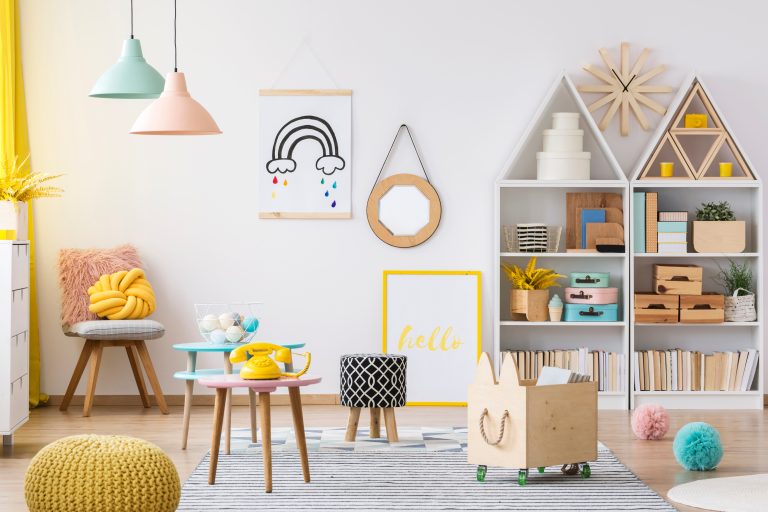
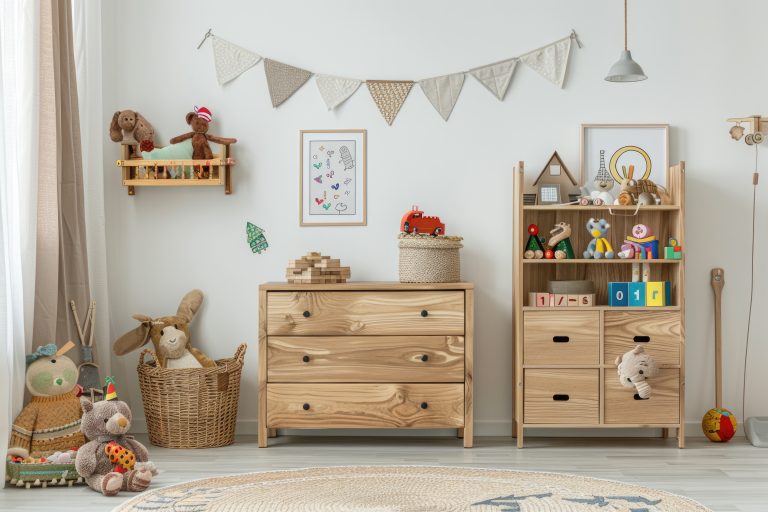
Designing a space that feels personal and full of character starts here, and these bedroom ideas for girls are the perfect inspiration. Whether you’re refreshing a cosy nook or planning a complete makeover, finding the right balance between style and comfort makes all the difference.
Every girl deserves a room that reflects her personality, a space that feels both inspiring and restful. In this post, you’ll discover 25 creative and practical ideas that make designing easier and more enjoyable. From wall colours and furniture choices to thoughtful décor touches, these tips will help you transform any bedroom into a dream space.
This post is all about bedroom ideas for girls.
Colour Themes That Define Personality
Colour sets the mood for any space. When exploring bedroom ideas for girls, it’s smart to begin with a strong colour palette. Colour can influence how the room feels: calming, bright, warm, or cool, and it helps balance the design as the room evolves over time.
Soft and Dreamy Pastels
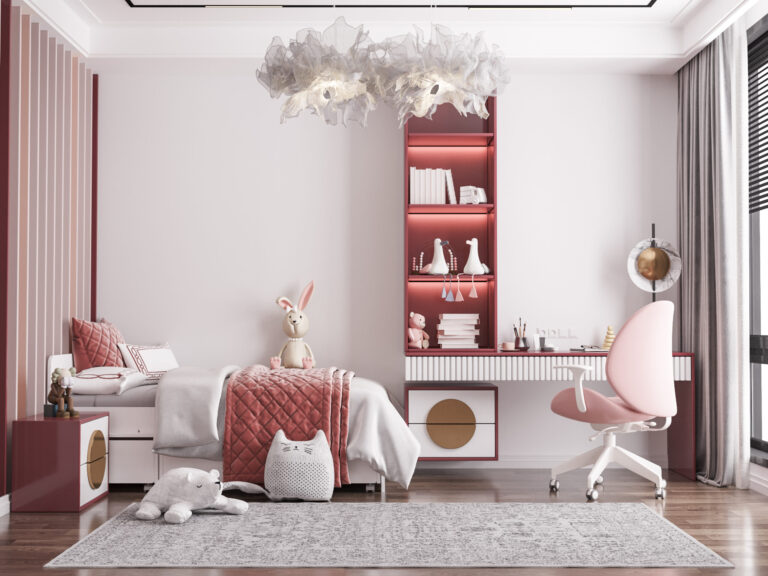
Pastel tones such as blush pink, mint, and lavender remain favourites. They create a calm, soothing vibe. However, pairing them with modern accents, such as timber or brass, prevents the look from feeling too traditional. For example, a pale pink wall works beautifully with white oak furniture and minimal accessories.
Vibrant and Bold Palettes
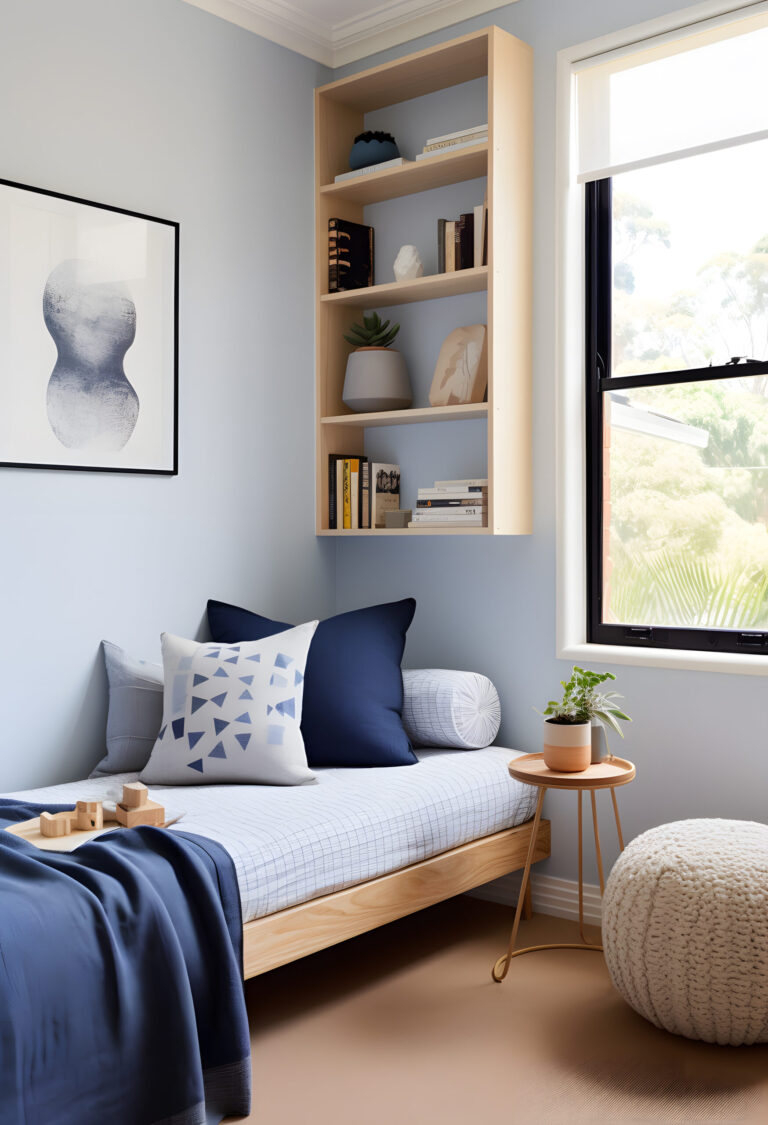
Brighter shades like coral, mustard, or navy can express confidence and energy. Moreover, bold colours are perfect for adding personality to a simple space. Use them sparingly through bedding, artwork, or a feature wall to keep the design balanced.
Neutral and Timeless Shades
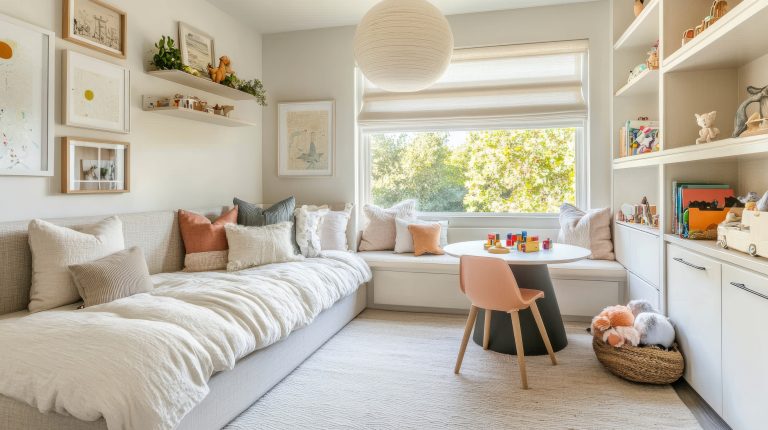
Neutral tones suit almost any style. Cream, grey, and beige create a fresh canvas that allows patterns and textures to shine. Therefore, use soft fabrics; linen, cotton, or wool, to make the space feel warm. Even a neutral palette feels special when layered with thoughtful details.
To personalise the colour choice, start with one meaningful item, such as a favourite artwork or patterned duvet cover. Then, let that guide the rest of your shades. This approach ensures the room feels coordinated yet relaxed.
Furniture That Brings Function and Style
Furniture shapes both the look and the function of a room. When creating bedroom ideas for girls, good furniture choices balance practicality with personality. Well-planned pieces maximise space while keeping the room inviting and uncluttered.
Plan for Everyday Use
Start by thinking about how the room is used. For young girls, lower shelving, toy storage, and cosy seating make daily life easier. However, for teens, adding a desk or study nook encourages focus and independence. Multifunctional furniture, such as a bed with drawers or an ottoman with storage, keeps the space tidy and versatile.
Choose a Bed That Sets the Tone
The bed is usually the centrepiece of any bedroom. A canopy or daybed can create a dreamy and soft atmosphere. On the other hand, a simple timber frame adds warmth and structure. Moreover, selecting quality bedding can make even the most minimal bed look inviting and stylish.
Mix and Match for Character
Avoid the temptation to buy matching furniture sets. Mixing different finishes, such as timber, metal, or painted wood, adds personality. For example, pair a natural oak desk with a white bedside table and a linen chair. This combination feels curated rather than staged.
Small details make a big difference. Drawer handles, light fittings, and small décor pieces can help tie the look together. When everything has a consistent tone or finish, the result feels cohesive and natural.
Balance Comfort and Style
Furniture should feel comfortable without becoming bulky. Light-coloured pieces help smaller bedrooms look airy. Conversely, darker furniture suits larger rooms by adding weight and contrast. Ultimately, the right mix of comfort and design turns a simple space into something special.
Creative Wall Décor and Accents
Walls are a blank canvas full of design potential. When working on bedroom ideas for girls, creative wall décor allows personality to shine through. With a few thoughtful touches, you can completely change the mood of a space without major renovations.
Add Colour and Pattern
Colour and pattern set the tone right away. For example, an accent wall painted in a darker shade of the room’s palette can create depth. Wallpaper is another great option. Choose subtle florals or soft geometric prints for a calm, timeless look. However, for older girls, bold murals or abstract designs add personality and energy.
Removable decals are an easy way to experiment. They work well for younger girls who often want change as they grow. Moreover, they’re affordable and quick to replace, making them a smart solution for evolving tastes.
Create a Gallery Wall
A gallery wall adds charm and movement to any bedroom. Mix framed art, photos, and mirrors for variety. Keep spacing varied to build visual interest. For example, blending gold frames with timber ones feels stylish yet relaxed. This approach provides personalisation without requiring new furniture.
Add floating shelves if space allows. They double as both decoration and storage. Small items such as plants or books can break up the arrangement and make the wall feel balanced.
Incorporate Lighting Accents
Lighting is an underrated part of wall décor. String lights or small sconces can soften the overall mood. They also highlight design details such as artwork or textured wallpaper. Therefore, using light sources creatively can make the space feel cosy and layered.
Keep It Flexible
Choose wall décor that can evolve over time. Magnetic boards, cork panels, or wire grids allow for easy refreshes. As interests change, artwork and photos can be rearranged without leaving marks. This ensures the space always feels personal and current.
Themes That Inspire Every Age Group
Themes help guide design choices while leaving room for creativity. When developing bedroom ideas for girls, a theme can bring structure to the room and make decision‑making easier. The key is to choose one that can evolve as styles and interests change.
Stylish Princess Inspiration
A princess‑inspired bedroom can feel elegant without being overly sweet. Soft pinks, blush tones, and delicate fabrics create a dream‑like mood. However, using natural textures such as linen or rattan keeps the look balanced and modern. Metallic accents also add warmth and light without becoming too bold.
Boho‑Chic Comfort
A boho‑chic bedroom celebrates creativity and freedom. Think woven wall hangings, layered rugs, and relaxed bedding. Moreover, soft earthy tones and natural materials make the space feel comfortable and lived‑in. Because this style is flexible, it grows easily with the person using it.
Scandinavian Simplicity
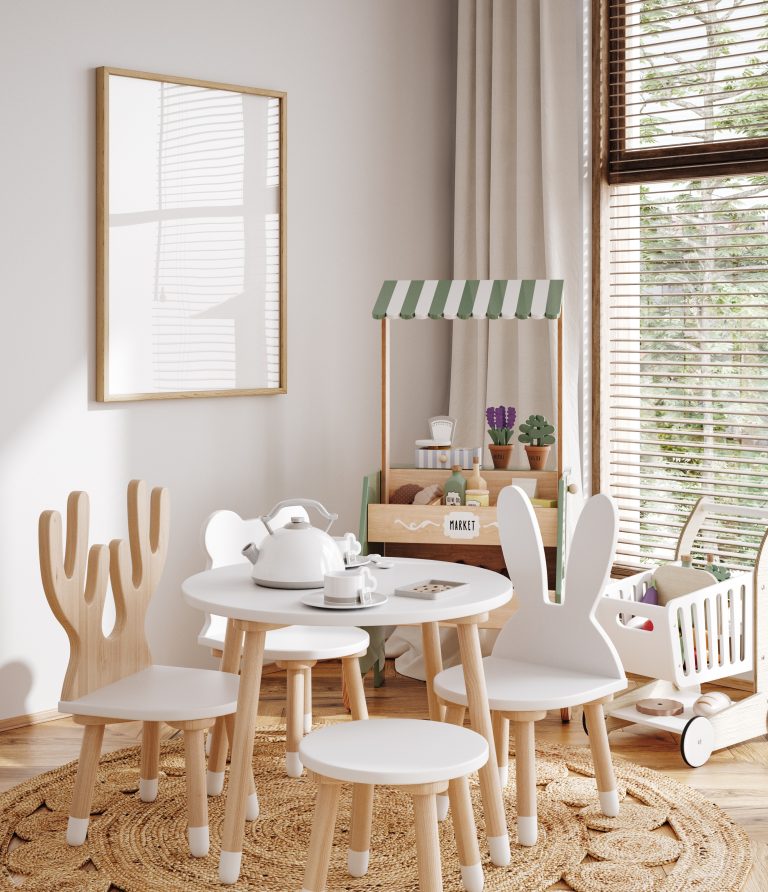
Scandinavian style focuses on clean lines and light. White walls, pale timber furniture, and warm greys create a calm and open space. For example, you can pair a white desk with a rattan chair to bring warmth into the simplicity. This theme works well for older girls who prefer a modern yet cosy setting.
Nature‑Inspired Calm
Greenery and nature‑inspired designs always bring a peaceful energy. Consider floral prints, leafy artwork, or even a small indoor plant collection. Natural light enhances this look, making the space feel fresh and positive. Therefore, this theme is perfect for anyone who loves an outdoorsy vibe.
Modern Teen Elegance
For a more sophisticated feel, modern teen elegance balances comfort with style. Deep colours such as navy or dusty mauve pair beautifully with soft lighting and minimal clutter. Moreover, textured fabrics and a few statement pieces, like an accent chair or pendant light, complete the design.
Themes are just starting points. Mixing elements from two or three styles often leads to the most authentic results. The goal is to create a room that feels personal, comfortable, and timeless.
Accessorising for Personality
Accessories turn a beautiful room into a space that truly feels lived in. When planning bedroom ideas for girls, they provide a chance to add texture, warmth, and individuality. Choosing the right accents can make even a simple design look layered and complete.
Layer Textiles for Comfort
Start with soft furnishings such as bedding, cushions, and throws. Mixing fabrics like linen, cotton, and velvet adds warmth and depth. For example, a neutral linen quilt paired with patterned cushions can create a cosy, inviting mood. Moreover, these items are easy to update over time, which keeps the room feeling fresh.
Rugs are another way to anchor the space. They add comfort underfoot and tie colours together. Patterned or textured rugs introduce personality, while plain ones keep things calm. Therefore, select one that complements your theme and colour palette.
Use Lighting as Décor
Lighting doubles as a functional and decorative element. For a warm, soft glow, consider bedside lamps with fabric shades. String or fairy lights can add charm, while wall sconces provide structure. Combining these layers helps define different parts of the room, such as reading corners or study areas.
Add Personal Items
Display items that tell a story and reflect personality. Framed photos, art prints, small plants, and even travel mementos make the room feel personal. You can combine pieces of different heights and textures for balance. For example, group a candle, a photo frame, and a vase on a bedside table to create subtle visual interest.
Accessories don’t need to match perfectly. A mix of styles and materials gives a naturally curated look. However, to avoid clutter, leave small areas of empty space that let your design breathe.
Lighting That Creates the Mood
Lighting shapes how a space feels and functions. When designing bedroom ideas for girls, lighting plays a key role in creating an atmosphere. The right setup makes the room practical during the day and soothing at night.
Layer Different Light Sources
Using several light sources adds flexibility. Overhead lights provide general brightness, but they can feel harsh on their own. Therefore, combine a ceiling fixture with smaller lamps or wall-mounted sconces. For example, a pendant light paired with a small bedside lamp feels both stylish and balanced.
Accent lighting is also valuable. It highlights artwork, decorative shelves, or textural walls. Moreover, it creates depth by drawing the eye to design features that deserve attention.
Add Character with Decorative Lights
For a whimsical touch, consider fairy lights, LED strips, or lanterns. These soft lights make the room feel warm and personal. They work best along headboards, mirrors, or window frames. However, choose warm-toned bulbs rather than cold white for a cosy effect.
Statement lighting can serve as a focal point. A chandelier or unique pendant brings instant personality. Moreover, stylish lighting elevates even simple décor by adding visual texture and gentle contrast.
Maximise Natural Light
Natural light enhances colour and makes the room feel open. If possible, use sheer curtains to let sunlight through while maintaining privacy. Position mirrors opposite windows to bounce light around the space. This technique brightens dark corners without adding new fixtures.
Set the Evening Mood
Soft, warm lighting is ideal for winding down. Use dimmable bulbs or add lamps with adjustable settings to control brightness. Therefore, the room transitions smoothly from study time to rest.
The best lighting designs combine practicality, comfort, and gentle emotion. When layered well, lighting supports every part of daily life while keeping the bedroom beautifully inviting.
DIY Touches and Personal Projects
DIY projects add originality and warmth to a room. When creating bedroom ideas for girls, handmade touches make the space feel personal and creative. They allow you to craft something meaningful while keeping the design unique.
Start with Small Projects
Begin with simple updates that make an immediate impact. Painting a headboard, creating custom wall art, or decorating picture frames are great starting points. For example, stencil patterns can refresh plain furniture with minimal cost or effort. Moreover, these small projects let your design evolve naturally.
If you prefer an easy wall update, try peel‑and‑stick wallpaper or decals. These are ideal for experimenting with patterns and colours. They also remove easily, which is helpful as styles change over time.
Refresh Old Furniture
Upcycling gives old furniture new life. Therefore, repaint a bedside table or sand and stain an old desk for a brand‑new look. Mix painted surfaces with natural timber for added texture. This approach reduces waste and creates a one‑of‑a‑kind piece that adds charm and individuality.
Add Handmade Details
Small crafts bring personality to every corner. Try weaving a simple wall hanging, painting plant pots, or sewing cushion covers. These minor touches add warmth and can be tailored to match any theme. For older girls, even swapping knobs or handles on drawers can make furniture feel new.
Balance DIY with Structure
Too many handmade pieces can overwhelm a design. Keep the mix balanced by combining DIY items with polished store‑bought décor. This helps the space feel curated rather than cluttered. Moreover, a few handcrafted details show creativity without overpowering the rest of the design.
DIY projects are a practical and personal way to express style. They remind us that home design doesn’t need to be perfect—it just needs to feel authentic.
Luxe Finishing Touches
Every great room deserves those final details that bring it all together. When refining bedroom ideas for girls, luxe finishing touches elevate the design without losing comfort. These subtle additions can make a big visual difference while keeping the space calm and cohesive.
Layer Textures for Depth
Texture instantly adds richness. For example, pair a velvet cushion with a soft linen throw and a jute rug. The mix of materials creates dimension and warmth. Moreover, layering textures prevents neutral colour schemes from feeling flat or sterile.
A canopy over the bed can introduce softness and a sense of privacy. Likewise, a plush rug underfoot grounds the space. These tactile elements make the room feel complete while keeping it cosy.
Add Thoughtful Statement Pieces
Statement décor draws the eye without overwhelming the room. Choose one or two standout items, such as a beautiful mirror, framed artwork, or a sculptural lamp. However, avoid overcrowding; leaving negative space allows those pieces to shine.
Metallic accents can also add quiet sophistication. Gold, brass, or bronze details catch the light beautifully. For example, a metallic picture frame or lamp base can create instant refinement.
Incorporate Scent and Atmosphere
A subtle scent can lift the entire mood of a bedroom. Candles, diffusers, or fresh flowers bring a sensory layer that enhances relaxation. Therefore, choose light fragrances such as vanilla, citrus, or lavender to maintain a balanced feel.
Even the smallest decorative choices, like how cushions are arranged or where lamps are positioned, affect the overall flow. Pay attention to these details to achieve a polished finish that still feels effortless.
Keep It Simple and Intentional
Luxury doesn’t mean excess. Often, restraint highlights quality. A well‑chosen piece, clear surfaces, and balanced textures create an elegant yet comfortable space. Moreover, simplicity ensures the design remains timeless and adaptable.
Designing a bedroom that feels personal, stylish, and comfortable is about finding balance. Throughout these bedroom ideas for girls, we explored how colour, furniture, décor, and lighting work together to create a cohesive space. Each idea can be adapted to suit different ages, styles, and room sizes, proving that great design always begins with thoughtful choices.
This post is all about Boys’ Bedroom Decorating Ideas.
Creating a bedroom that truly works for boys at different stages of their lives has become one of my favourite design challenges. After years of working with families, I’ve learned that boys’ bedroom decorating ideas need to strike that perfect balance between what looks good and what actually functions in daily life. The key is understanding that a five-year-old’s dream space looks nothing like what a teenager needs, and that’s exactly how it should be.
The most rewarding part of designing boys’ bedrooms is watching how the right environment can support their growth and interests. Whether you’re dealing with a toddler who needs a safe play space or a teen craving independence, the principles remain the same: create a room that works hard while looking great. Let’s dive into age-specific ideas that will help you transform any boys’ bedroom into a space they want to spend time in.
Toddler Boys Bedroom Decorating Ideas (Ages 2-5)
This age group presents unique opportunities and challenges. Toddlers are discovering the world at lightning speed, and their bedrooms need to keep pace while maintaining safety as the top priority. The best boys’ bedroom decorating ideas for this age focus on creating an environment that encourages exploration without constant worry.
Safety-First Design Elements
When designing for toddlers, every decision starts with safety. Rounded furniture corners aren’t just a nice-to-have – they’re essential when you’re dealing with newly mobile kids who haven’t quite mastered spatial awareness. I always recommend securing tall pieces like dressers and bookshelves directly to the wall. It takes maybe 30 minutes but provides years of peace of mind.
Material choices matter more than ever at this age. Look for furniture with non-toxic finishes and low-VOC paints. Natural wood pieces often work beautifully here, adding warmth while checking all the safety boxes. Storage should sit at child height – think low cubbies and open bins rather than high shelves they’ll be tempted to climb.
Theme Ideas That Grow
The trick with toddler themes is choosing something with staying power. Animal safari themes work particularly well because they can evolve from cute cartoon animals to more realistic wildlife photography as your child grows. Removable wall decals make this transition painless – no repainting required when interests shift.
Space exploration offers another versatile option. Start with friendly planets and rocket ships, then transition to actual constellation maps and NASA photography later. Glow-in-the-dark stars on the ceiling remain cool well into elementary school, making them a solid investment.
Transportation themes give you endless flexibility. Wall-mounted shelves can display toy cars now and model collections later. A road-themed rug might seem toddler-specific, but paired with the right furniture, it can anchor the room for years.
Colour Schemes That Work
The colour palette sets the foundation for all your boys’ bedroom decorating ideas. Primary colours paired with plenty of white create energy without overwhelming the space. This combination also photographs well – something to consider if you’re planning to document your child’s growth.
Soft blues and greens with natural wood tones offer a calmer alternative that still feels appropriately youthful. These nature-inspired palettes tend to age well, requiring only accessory updates as your child grows. Plus, they provide a neutral backdrop for the inevitable collection of colourful toys and books.
The beauty of designing for toddlers lies in the freedom to be playful while building a foundation that will serve them for years. Smart boys’ bedroom decorating ideas at this stage save you from complete overhauls down the road, letting you focus on small updates that reflect their evolving interests.
Primary School Boys Bedroom Decorating Ideas (Ages 6-10)
This is where things get interesting. Elementary school boys have developed distinct personalities and interests, but they’re still changing rapidly. The bedroom transforms from primarily a sleep space into a multipurpose hub for homework, hobbies, and hanging out with friends. Boys’ bedroom decorating ideas for this age need to accommodate all these functions without feeling cluttered or overwhelmed.
Study Space Integration
The homework zone becomes non-negotiable once school starts in earnest. Desk placement near natural light makes afternoon homework sessions less of a battle – trust me on this one. A window-adjacent setup also gives kids something pleasant to look at during those inevitable daydreaming moments.
Built-in shelving or floating shelves above the desk keep supplies within reach while maximising floor space. Cork boards or magnetic strips turn the wall into a rotating gallery for artwork, achievement certificates, and important reminders. This vertical storage approach is one of those boys’ bedroom decorating ideas that pays dividends as schoolwork multiplies each year.
Consider an adjustable desk chair that can grow with your child. Yes, it’s an investment, but proper ergonomics matters when they’re spending more time at their desk. Add a desk lamp with adjustable positioning, and you’ve created a study space that actually supports focus.
Popular Themes That Resonate
Sports themes dominate this age group, and for good reason. Jersey displays double as decor and motivation, while sports equipment can become functional art when properly mounted. A basketball hoop on the back of the door or a wall-mounted ball holder turns their passion into practical storage.
Adventure and outdoor themes tap into that elementary school wanderlust. Map wallpaper creates an instant focal point – go for vintage-style maps that feel sophisticated enough to last into the teen years. Add some camping-inspired elements like a reading tent or rope details, and you’ve got a room that encourages imagination.
For the building enthusiasts, a dedicated LEGO station with display shelves transforms their hobby into room decor. Clear containers for sorting pieces paired with a large building surface create an organised system that makes cleanup almost enjoyable. Almost.
Gaming interests often emerge during these years. Creating a small gaming setup with proper cable management and comfortable seating sets the stage for responsible screen time while keeping the overall room design cohesive.
Storage Solutions That Actually Work
Under-bed storage becomes your secret weapon during elementary school. Rolling drawers slide out easily for toy access and, more importantly, slide back under for quick cleanup. This is especially valuable in smaller bedrooms where every square foot counts.
Labelled bins aren’t just for organisation fanatics. When everything has a designated spot, kids can maintain their own space with minimal nagging. Use picture labels for younger kids, transitioning to words as reading skills develop. These simple boys’ bedroom decorating ideas teach life skills while keeping chaos at bay.
Wall-mounted organisers work brilliantly for collections – whether it’s action figures, trading cards, or rocks from every family hike. Display storage serves double duty, showing off treasures while keeping surfaces clear for actual use.
Preteen Boys Bedroom Decorating Ideas (Ages 11-13)
The preteen years mark a significant shift. Suddenly, your kid cares deeply about how their room looks – and more importantly, what their friends think about it. Boys’ bedroom decorating ideas for this age need to thread the needle between childhood comfort and emerging independence.
Transitional Design Elements
Neutral base colours become your best friend during these years. A sophisticated grey or navy wall provides a mature backdrop that works with changing interests. Accent walls offer a way to add personality without committing to a full room of bold colour. Consider geometric patterns or subtle textures that feel current without being too trendy.
Modular furniture starts making serious sense now. Pieces that can be reconfigured, expanded, or repurposed give you flexibility as needs change. A modular desk system might start as a homework station and evolve into a gaming setup or music production area.
Tech integration can’t be ignored at this age. Plan for multiple devices with adequate outlets and USB ports. Cable management solutions prevent the room from looking like an electronics store explosion. Built-in charging stations keep devices organised and reduce the “where’s my charger” drama.
Personal Expression Takes Centre Stage
Gallery walls become a preteen’s autobiography. Instead of fighting the poster phase, embrace it with a designated display area. Cheap frames from discount stores elevate posters from dorm-room tacky to intentional decor. Mix in some floating shelves for trophies, collectibles, or whatever they’re into this month.
Customisable elements give preteens ownership over their space. Pin boards, pegboards, or grid panels allow for constant rearranging without damaging walls. This flexibility is crucial when interests shift from dinosaurs to skateboarding seemingly overnight.
The key to preteen boys’ bedroom decorating ideas is creating a framework that allows for personal expression while maintaining some design cohesion. Set the bones of the room with quality basics, then let them personalise with accessories and display items.
Social Spaces
Friend time becomes increasingly important during the preteen years, and the bedroom often serves as headquarters. Bean bags or floor cushions create casual seating that’s easy to rearrange for different activities. Skip the giant ones that eat up the entire room – medium-sized options provide flexibility without dominating the space.
A small entertainment area doesn’t require a massive TV or elaborate setup. A modest screen mounted on the wall with a compact gaming console shelf below keeps things organised. Add some floor seating, and you’ve created a hangout spot that doesn’t overwhelm the room’s other functions.
Consider how the room flows when friends are over. Is there clear space to move around? Can they access snacks and drinks without traipsing through the entire house? These practical boys’ bedroom decorating ideas make your home the preferred hangout spot while maintaining some semblance of order.
Teenage Boys Bedroom Decorating Ideas (Ages 14-18)
The teenage bedroom becomes a true personal sanctuary. Privacy, independence, and self-expression drive every design decision. At this stage, boys’ bedroom decorating ideas need to respect their emerging adulthood while still functioning within your home’s overall structure.
Sophisticated Design Approach
Gone are the primary colours and cartoon characters. Teenage boys gravitate toward mature colour palettes – charcoal grey, navy, black, and deep greens dominate. These darker tones can work beautifully with the right lighting and textural elements to prevent the room from feeling cave-like.
Industrial or minimalist aesthetics appeal to many teens. Exposed shelving, metal accents, and clean lines create a grown-up feel without breaking the budget. Quality bedding becomes important, not just for comfort but as a design element. A well-made bed with coordinating pillows instantly elevates the entire room.
Window treatments deserve real consideration now. Blackout curtains or quality blinds support better sleep patterns (crucial for teenagers) while adding a finished look to the space. Choose materials that can handle some neglect – let’s be realistic about teenage maintenance habits.
Functional Zones
The teenage bedroom pulls triple or quadruple duty. A dedicated study area with proper task lighting becomes essential as academic demands increase. Position the desk to minimise distractions – facing a wall often works better than facing the bed or entertainment area.
Gaming and entertainment setups require thoughtful planning. Proper ventilation for electronics, comfortable seating that supports good posture, and storage for games and accessories keep the area functional. Sound management matters too – consider positioning and possibly some acoustic panels if gaming sessions get intense.
Some teenagers want a workout space in their rooms. A corner with a pull-up bar, resistance bands, or small weights can work without overwhelming the space. A mirror (full-length if possible) serves both workout needs and general getting-ready purposes.
Music practice space depends on the instrument, but even drummers can work with electronic kits and headphones. Wall-mounted guitar hangers turn instruments into decor while keeping them accessible for practice.
Privacy and Independence
Shared bedrooms require creative solutions. Room dividers – from curtains to bookshelves – create personal zones within the shared space. Each side can reflect individual style while maintaining some cohesion through colour or furniture choices.
Personal mini-fridge areas have become increasingly popular. A small bar fridge with a coffee maker or water station gives teens independence while keeping midnight snack runs contained. Position this area away from electronics and include a small surface for food prep.
These teenage boys’ bedroom decorating ideas acknowledge the reality of adolescent life while creating a space that supports their growth into young adults.
Universal Boys Bedroom Decorating Ideas
Some design elements work regardless of age, forming the backbone of adaptable boys’ bedroom decorating ideas that evolve with your child.
Lighting Solutions
Layered lighting transforms any bedroom from basic to exceptional. Start with ambient lighting – overhead fixtures that provide general illumination without harsh shadows. Add task lighting for specific activities: desk lamps for homework, reading lights by the bed, and focused lighting for hobby areas.
Accent lighting adds personality. LED strips under shelves or behind monitors create an atmosphere without taking up space. Smart bulbs let kids control colour and intensity, giving them ownership over their environment. Dimmer switches on overhead lights support different moods and activities throughout the day.
Consider natural light management too. Sheer curtains maintain privacy while letting daylight in. Position mirrors to bounce light into darker corners, making the room feel larger and more welcoming.
Budget-Friendly Updates
Not every improvement requires a complete overhaul. Paint remains the most impactful budget update – an accent wall can completely shift a room’s energy for under $50. Choose colours that complement existing furniture rather than fighting against it.
DIY headboard projects offer another high-impact, low-cost option. Reclaimed wood, painted pegboard, or even creative wall decals can create a custom focal point. These projects also provide opportunities for kids to participate in the transformation of their room.
Repurposed furniture gets new life with simple updates. Sand and repaint that hand-me-down dresser, add new hardware to tired cabinets, or use contact paper to refresh shelving. These boys’ bedroom decorating ideas teach resourcefulness while achieving designer looks.
Textile changes provide instant updates. New bedding, curtains, or an area rug can shift the entire room’s style without touching the furniture. Keep the investment pieces neutral and update softer elements as interests change.
Storage That Works at Any Age
Vertical storage maximisation should be your mantra regardless of room size. Floor-to-ceiling shelving units, wall-mounted organisers, and over-door solutions multiply storage without eating floor space. The key is making vertical storage accessible – step stools for younger kids, strategic placement for teens.
Multi-purpose furniture earns its keep in boys’ bedrooms. Storage ottomans, beds with built-in drawers, and desks with shelving units provide hidden storage while maintaining clean lines. These pieces grow with kids, serving different purposes as needs change.
Closet organisation systems transform chaotic wardrobes into functional storage. Adjustable shelving, double rods, and drawer units maximise every inch. Add labels or clear containers to maintain organisation – even teenagers appreciate being able to find what they need quickly.
The best boys’ bedroom decorating ideas recognise that storage needs evolve, but the principles remain constant: accessibility, visibility, and flexibility create systems kids will actually use.
Common Mistakes to Avoid
After years of working on boys’ bedroom decorating ideas, I’ve seen certain pitfalls trip up even the most well-intentioned parents. Learning from these common mistakes saves time, money, and frustration down the road.
Themes That Date Quickly
That elaborate dinosaur mural might seem perfect for your four-year-old, but it becomes an expensive regret when they’re suddenly into space exploration six months later. Instead of permanent themed elements, use removable decals, bedding, and accessories to capture current interests. Paint walls in colours that complement the theme rather than depicting it directly. This approach lets you update the room’s personality without starting from scratch.
Ignoring Natural Light Sources
I’ve walked into too many boys’ bedrooms where furniture blocks windows or heavy curtains create perpetual twilight. Natural light affects mood, sleep patterns, and overall room atmosphere. Position key furniture pieces to take advantage of daylight, and choose window treatments that offer privacy without eliminating light completely. Your kids’ energy levels and homework focus will thank you.
Choosing Furniture That Can’t Grow
That race car bed looks adorable now, but it’s headed for the curb in two years. Invest in quality basic pieces – a solid wood bed frame, a sturdy dresser, a desk that adjusts – and let accessories carry the style. Boys’ bedroom decorating ideas should account for rapid growth spurts and changing needs. A twin bed might work for a six-year-old, but consider jumping to a full size if space allows.
Neglecting Adequate Storage Planning
“We’ll figure out storage later” becomes a recipe for chronic messiness. Every item entering the room needs a designated home. Plan storage solutions before the room fills with stuff. Include a mix of open and closed storage – display shelves for treasures, closed bins for the less photogenic necessities. Remember that boys tend to accumulate collections, sports equipment, and electronic accessories at alarming rates.
Forgetting About Ventilation and Air Quality
Electronics, teenage boys, and closed doors create a perfect storm for stuffy rooms. Ensure adequate air circulation with ceiling fans, air purifiers, or simply keeping pathways clear for air movement. Position desks and beds away from heating vents that blast hot air directly on occupants. These practical considerations make the difference between a room they want to inhabit and one they escape from.
Creating the perfect boys’ bedroom isn’t about following a rigid formula or copying Pinterest-perfect spaces. The best boys’ bedroom decorating ideas blend your child’s personality with practical design principles that stand the test of time. Whether you’re designing for a bouncing toddler or a brooding teenager, the fundamentals remain consistent: functionality, adaptability, and personal expression.
Looking for the best tips and tricks to decorate a small bedroom for a girl? You are in the right place!
There’s something uniquely satisfying about transforming a small bedroom into a space that feels both functional and magical. When figuring out how to decorate a small bedroom for a girl, the challenge isn’t just about making things fit—it’s about creating a room that reflects her personality while maximising every square inch.
After years of designing children’s spaces, I’ve learned that small bedrooms often become the most creative and cherished rooms in a home. The constraints push us to think more intentionally about each element we include. Whether you’re working with a tiny box room or just trying to make better use of limited space, the strategies in this guide will help you create a bedroom that grows with your daughter and makes the most of what you have.
We’ll cover everything from smart furniture choices to visual tricks that make rooms feel larger, plus organisation systems that actually work in real life. Let’s dive into the practical solutions that make small bedroom design achievable and enjoyable.
The Best Ways To Decorate a Small Bedroom For a Girl!
Understanding the Space
Before you buy a single piece of furniture or choose a paint colour, taking the time to understand your space truly will save you from costly mistakes and frustration down the road. This foundational step makes all the difference when learning how to decorate a small bedroom for a girl effectively.
Measuring and Planning
Start by grabbing a tape measure and recording every dimension—not just the floor space, but also ceiling height, window placement, and door swing. These numbers become your roadmap. I always create a simple floor plan on graph paper (or use a free online tool if you prefer digital). Mark where electrical outlets and light switches are located, as these will influence furniture placement more than you might think.
Pay special attention to any architectural quirks like sloped ceilings, alcoves, or built-in features. What might seem like an obstacle often becomes an opportunity for creative storage or a cosy reading nook. Natural light sources deserve extra consideration too—you’ll want to avoid blocking windows with tall furniture, and positioning the bed to catch morning light can make wake-ups easier.
Age-Appropriate Considerations
Here’s where things get interesting. A bedroom for a six-year-old has vastly different needs than one for a teenager, yet in small spaces, we need designs that can evolve. Think about your daughter’s current stage and what’s coming next.
For younger girls (ages 4-8), floor space for play remains crucial. They need accessible storage they can manage independently—think low shelves and bins they can reach without climbing. Their clothing storage needs are relatively simple, but toy storage can quickly become overwhelming without good systems in place.
Tweens (ages 9-12) start needing more sophisticated storage for hobbies, collections, and an expanding wardrobe. Homework becomes a bigger part of life, so a proper study area moves up the priority list. They’re also developing stronger opinions about style, so flexibility in decor becomes important.
Teenagers require maximum privacy and personal expression. Storage needs shift toward clothing, accessories, and tech gadgets. Study space becomes non-negotiable, and they’ll likely want areas for socialising with friends. The key is creating a design foundation that can adapt as these needs change without requiring a complete overhaul every few years.
Consider what can stay constant (like quality furniture pieces in neutral finishes) and what can easily change (like bedding, wall art, and accessories). This approach not only saves money but also teaches valuable lessons about working within constraints—something we all face regardless of room size.
Essential Space-Saving Furniture Solutions
When square footage is limited, every furniture choice matters. The secret to mastering how to decorate a small bedroom for a girl lies in selecting pieces that work twice as hard without overwhelming the space. Let’s explore the options that deliver the most impact.
Multi-Functional Beds
The bed typically dominates any bedroom, and in small spaces, it needs to earn its footprint. Loft beds remain one of my go-to recommendations because they essentially double your usable space. The area underneath becomes prime real estate for a study zone, reading corner, or additional storage. Modern loft designs have come a long way from the basic metal frames—you’ll find options with built-in desks, shelving units, and even small wardrobes integrated into the structure.
Captain’s beds offer another smart solution, especially for younger girls who might not be ready for the height of a loft. These beds incorporate drawers directly into the base, eliminating the need for a separate dresser. The deeper drawers work perfectly for bulky items like sweaters and jeans, while smaller compartments handle socks, underwear, and accessories.
For rooms that occasionally need to accommodate sleepovers, trundle beds provide sleeping space for a guest without a permanent floor space commitment. The lower bed tucks away completely when not in use. Some trundle designs even feature drawers instead of a second mattress, giving you storage flexibility.
Wall-mounted Murphy beds might sound extreme, but in truly tiny rooms, they’re game-changers. During the day, the entire bed folds up against the wall, freeing the floor for play, study, or exercise. Modern Murphy beds often include shelving or desk surfaces that remain accessible when the bed is stored.
Smart Storage Solutions
Vertical space is your best friend in small bedrooms. Floor-to-ceiling shelving units maximise storage without eating up precious floor area. Open shelving works well for books and displaying items, while incorporating some bins or baskets on the shelves helps hide clutter. The key is maintaining a visual breathing room—not every inch needs to be packed.
Under-bed storage often goes underutilised. If you’re not using a captain’s bed, slide-out boxes or bins on wheels make this space easily accessible. Clear containers let you see contents at a glance, while fabric boxes maintain a softer aesthetic. Vacuum storage bags work wonders for out-of-season clothing or extra bedding.
Over-door organisers have evolved beyond basic shoe holders. You’ll find options designed for everything from hair accessories to school supplies. The back of the bedroom door can hold an incredible amount without taking up any space. Just ensure the organiser doesn’t interfere with the door closing properly.
When it comes to closets, built-in systems typically offer more efficient use of space than freestanding wardrobes. However, if you’re renting or can’t modify the existing closet, modular closet organisers can transform even the smallest closet into a storage powerhouse. Double hanging rods instantly double hanging space for shorter items like shirts and skirts.
Compact Study Areas
Every girl needs a dedicated space for homework, crafts, or hobbies, regardless of room size. Wall-mounted desks provide a work surface without legs that clutter the floor. These can be as simple as a shelf with brackets or as sophisticated as fold-down units with integrated storage.
Corner spaces often go unused but make perfect study spots. L-shaped desks designed for corners maximise surface area while maintaining good traffic flow through the room. Pair with a compact, ergonomic chair that can slide completely under the desk when not in use.
For the ultimate in flexibility, consider fold-down desk options. These mount to the wall and fold flat when not needed. Some designs include small shelves or corkboards on the underside, turning the closed desk into a display area. This works particularly well in rooms where the study area needs to do double duty as a vanity or craft station.
Floating shelves above the desk area keep supplies within reach without cluttering the work surface. Install them at heights appropriate for your daughter’s reach, and consider adding small containers or desktop organisers to maintain order. Good task lighting is crucial—wall-mounted swing-arm lamps save desk space while providing adjustable illumination.
The beauty of these solutions is their adaptability. As homework needs increase through the school years, the study area can evolve without requiring major furniture changes. Start with the basics and add organisational elements as needed.
Colour Schemes and Visual Tricks
The right colour choices and visual strategies can make a small bedroom feel significantly larger and more inviting. While personal preference plays a role, understanding how colours and patterns affect our perception of space helps you make informed decisions when figuring out how to decorate a small bedroom for a girl.
Colour Psychology for Small Spaces
Light, neutral base colours remain the gold standard for small rooms—and for good reason. Whites, soft greys, and pale beiges reflect light and create an airy feeling. But this doesn’t mean the room needs to feel bland or impersonal. The trick is using these neutrals as your canvas and adding personality through accents.
If your daughter has her heart set on pink, purple, or any bold colour, there are smart ways to incorporate them without overwhelming the space. Consider painting just one accent wall in her favourite shade, or better yet, use that colour in bedding, curtains, and accessories that can easily change as her tastes evolve. Another approach is choosing muted versions of preferred colours—dusty rose instead of hot pink, or sage green rather than bright lime.
The ceiling often gets forgotten, but in small rooms, it matters. Painting it the same colour as the walls (or just slightly lighter) eliminates the visual break and makes the room feel taller. If you’re feeling adventurous, a very pale blue or lavender on the ceiling can create a dreamy, expansive effect.
Creating Visual Space
Mirrors work like magic in small bedrooms. A large mirror on one wall instantly doubles the visual space and bounces light around the room, creating a sense of depth and dimension. Position mirrors to reflect windows or attractive focal points rather than clutter. Full-length mirrors serve double duty for outfit checks while making the room feel larger.
Vertical elements draw the eye upward and emphasise height over limited floor space. This could mean floor-to-ceiling curtains (hung close to the ceiling, not just above the window), vertical striped wallpaper on an accent wall, or tall, narrow furniture pieces. The goal is to create visual lines that stretch the perception of space.
Maintaining colour flow throughout the room prevents the choppy feeling that makes spaces feel smaller. This doesn’t mean everything must match—rather, colours should relate to each other harmoniously. If the bedding features navy and coral, echo those colours in artwork, storage bins, or desk accessories.
Lighting Design
Good lighting can transform a small bedroom from cramped to cosy. The layered approach works best: ambient lighting for general illumination, task lighting for specific activities, and accent lighting for the atmosphere. In small spaces, each fixture needs to multitask.
Wall sconces free up bedside table space while providing a reading light. Swing-arm styles offer adjustability without bulk. For younger girls, fun-shaped sconces (like flowers or stars) add personality without cluttering surfaces. Install them with independent switches for easy control.
String lights aren’t just for holidays—they create a magical ambience with minimal space impact. LED strips under floating shelves provide both accent lighting and subtle task lighting. Battery-operated options eliminate cord clutter and can go anywhere. Just avoid overdoing it—too many light sources can feel chaotic in small spaces.
Natural light deserves special attention. Keep window treatments simple and functional. Light-filtering cellular shades provide privacy while maximising daylight. If using curtains, mount the rod close to the ceiling and extend it beyond the window frame—this makes windows appear larger and allows maximum light when curtains are open.
Practical Decorating Strategies
Now that we’ve covered the foundational elements, let’s dive into decorating strategies that bring personality and function together. These approaches help you create a room that feels complete and intentional, not cluttered or overwhelming.
Wall Utilisation
In small bedrooms, walls become valuable real estate for both storage and self-expression. Floating shelves offer display space without the visual weight of bookcases. Arrange them asymmetrically for visual interest, mixing books with small plants, photos, and treasures. The key is leaving breathing room—aim to fill shelves only 60-70% for an organised, intentional look.
Pegboards have shed their garage workshop image and become stylish organisation solutions. Paint them to match the wall for a subtle look, or in an accent colour for pop. The beauty lies in their flexibility—hooks, shelves, and bins can be rearranged as needs change. They work brilliantly above desks for school supplies or near the door for bags and accessories.
Gallery walls let personality shine without taking up any floor space. Mix frames of different sizes, but stick to a cohesive colour scheme for the frames themselves. Include a combination of photos, artwork, quotes, and even small mirrors. The trick for small rooms is keeping the overall shape contained—a rectangular or square grouping feels more organised than pieces scattered across the wall.
Textile Choices
Textiles offer the easiest way to update a room’s look without major investment or space commitment. In small bedrooms, they need to work harder by adding style while maintaining practicality.
Bedding sets the tone of the room, so choose wisely. Avoid overly busy patterns that can make small spaces feel chaotic. Instead, opt for simple patterns or solids with interesting textures. Layering different textures—a smooth duvet, chunky knit throw, and velvet pillows—adds visual interest without overwhelming patterns.
Window treatments affect both the room’s appearance and functionality. In small rooms, simplicity wins. Roman shades or roller blinds take up minimal space when raised. If using curtains, choose lightweight fabrics that don’t add bulk. Hanging them high and wide makes windows appear larger and maximises natural light.
Area rugs help define zones in multi-purpose rooms. In a small bedroom, one rug partially under the bed unifies the sleeping area. If space allows, a small rug in a contrasting texture can define a reading corner or play area. Just ensure rugs are properly sized—too small looks awkward, while too large can make the room feel cramped.
Personal Touches
The magic of learning how to decorate a small bedroom for a girl comes alive when you add those personal elements that make the space uniquely hers. The challenge is incorporating personality without creating clutter—every item should feel intentional and special.
Displaying collections requires creative thinking in small spaces. Instead of spreading items across multiple surfaces, create one impactful display area. Shadow boxes work wonderfully for small treasures like shells, pins, or tiny figurines. Floating shelves with picture ledges let her rotate artwork and photos without committing to nail holes. For larger collections, consider displaying only favourites and storing the rest in pretty boxes that can be switched out seasonally.
Rotating displays keep the room fresh without accumulating clutter. Create a simple system—perhaps a clipboard wall where new artwork can easily replace old, or a wire grid with clips for photos and mementos. This approach lets her room evolve with her interests without requiring major changes or additional storage.
DIY projects add personality without overwhelming small spaces. Focus on projects that enhance existing elements: decorating plain storage boxes, creating custom drawer pulls, or painting a design on the back of a bookshelf. These touches feel special without adding bulk to the room.
Organisation Systems That Work
Even the best design falls apart without solid organisation. In small bedrooms, systems need to be simple enough for daily use yet flexible enough to grow with changing needs.
Closet Maximisation
Most small bedrooms come with equally small closets, but smart organisation can triple their capacity. Start by installing double hanging rods—one high, one low. This immediately doubles hanging space for shorter items like shirts, skirts, and folded pants. Use the floor space for a small shoe rack or storage boxes.
Closet organiser systems don’t require major renovation. Affordable options include hanging shelves, over-the-rod baskets, and cascading hangers. The key is creating designated spots for different categories: school clothes, weekend wear, and special occasions. This makes morning routines smoother and helps maintain order.
Seasonal rotation keeps closets manageable. Store out-of-season clothing in vacuum bags under the bed or on high closet shelves. This practice not only frees up prime closet real estate but also teaches valuable lessons about living with less and caring for belongings.
Daily Organisation
The difference between a room that stays tidy and one that constantly feels chaotic often comes down to simple daily systems. Every item needs a home, and that home needs to make sense for how the item gets used.
Create drop zones for everyday items. Hooks near the door for backpacks and jackets prevent pile-ups on the floor. A small tray on the desk corrals hair ties, lip balm, and other pocket items. These designated spots should require minimal effort—if it’s complicated, it won’t stick.
Homework stations need clear organisation to support good study habits. Desktop organisers keep pens and pencils accessible but contained. Magazine files work perfectly for organising papers by subject. A simple inbox/outbox system helps track assignments and prevent important papers from getting lost in the shuffle.
Morning routines run smoother with planning. Consider setting up a small station with outfit planning in mind—hooks for tomorrow’s clothes, a basket for accessories, a mirror for final checks. This reduces morning stress and keeps the rest of the room tidier.
Maintaining Order
The best organisational system fails without buy-in from its users. Age-appropriate methods make maintenance more likely. Younger girls respond well to picture labels and colour coding. Tweens might prefer prettier labels or chalkboard tags that they can update. Teenagers usually want systems that look more sophisticated—think minimalist labels or no labels at all if categories are clear.
Weekly resets prevent small messes from becoming overwhelming. Pick a consistent time—Sunday evenings work well—for a quick tidy session. This isn’t deep cleaning, just returning items to their homes and doing a quick declutter. Making it routine removes the drama and keeps the room functional.
Involve her in creating and maintaining systems. When she helps decide where things go, she’s more likely to keep them there. This also provides natural opportunities to reassess what’s working and what needs adjustment as her needs change.
Budget-Friendly Implementation
Creating an amazing small bedroom doesn’t require an unlimited budget. Smart planning and strategic choices can deliver high impact without breaking the bank.
Priority Investment Pieces
When budgets are tight, knowing where to splurge versus save makes all the difference. Quality matters most for items that see daily heavy use: the bed frame, mattress, and desk chair. These pieces should last through years of growth and use. A solid wood bed frame might cost more initially, but it will outlast several board versions.
Save money on elements that can easily change: bedding, curtains, wall art, and decorative accessories. These items let you update the room’s look as tastes change without major expense. Storage bins, picture frames, and desk accessories from budget retailers work just as well as expensive versions.
Consider the long view when making purchases. That trendy-shaped bookshelf might seem perfect now, but will it still work in three years? Neutral, classic pieces in quality materials provide better value over time.
DIY Solutions
Some of the best small bedroom solutions come from creative DIY projects. Repurposing existing furniture saves money and often yields more personalised results. An old dresser can become a desk by adding a wood top. Basic bookshelves transform into built-in-looking storage with crown moulding and paint.
Simple projects can have a major impact. Paint one wall with chalkboard paint to create an ever-changing art display. Use washi tape to create removable wall designs. Build simple floating shelves from boards and brackets. These projects let her participate in creating her space while keeping costs down.
Shopping Smart
Timing purchases strategically can yield significant savings. Back-to-school sales offer great deals on desk accessories and organisation supplies. End-of-season clearances provide opportunities to stock up on bedding and decor. Black Friday, Boxing Day and End of Year sales typically offer the best prices on bedroom furniture.
Measure everything twice before purchasing. Nothing wastes money faster than furniture that doesn’t fit or function as expected in the actual space. Keep measurements on your phone for unexpected shopping opportunities.
Consider alternative sources: online marketplaces for gently used furniture, wholesale clubs for storage solutions, and craft stores for DIY supplies. Sometimes the perfect piece comes from unexpected places.
Room Layout Examples
Seeing how these principles apply to specific room configurations helps visualise possibilities for your own space. Let’s look at common small bedroom layouts and how to maximise each one.
The 8×10 Bedroom Layout
This classic small bedroom size presents clear challenges but also opportunities. The key lies in choosing appropriately scaled furniture and arranging it to maintain flow. Place the bed along the longest wall, ideally opposite the door, for the best sight lines. A twin or small full bed leaves room for other essentials.
In this layout, a corner desk maximises floor space while providing an adequate work surface. Wall-mounted shelves above the desk keep supplies handy without cluttering. A tall, narrow dresser fits better than a wide one, and over-door hooks handle daily-use items like robes and bags.
Traffic flow matters intensely in tight spaces. Ensure there’s a clear path from the door to the bed and desk. At least 24 inches of walkway prevents that cramped feeling and makes cleaning easier.
The Long Narrow Room
Narrow rooms require different strategies than square ones. Avoid lining all furniture along the walls like a bowling alley—this emphasises the tunnel effect. Instead, create zones that break up the length.
Place the bed at one end, perhaps with a low bookshelf at its foot to create separation. Use the middle section for a study area or reading nook. The far end might hold a dresser or play area. This arrangement creates distinct spaces within the room.
Horizontal elements help counteract the narrow feeling. A horizontal stripe on one wall, curtains hung wider than the window, or a row of pictures at eye level all help the room feel less corridor-like.
Rooms with Sloped Ceilings
Attic bedrooms and rooms with sloped ceilings require working with, not against, the architecture. Place the bed where the ceiling height is lowest—you don’t need full height for sleeping. This leaves higher areas for activities requiring standing room.
Built-in storage along knee walls maximises otherwise awkward spaces. Custom solutions aren’t always necessary—low bookshelves or storage cubes often fit perfectly. Use the highest part of the room for a desk or dresser where standing access matters.
These rooms often feel cozy rather than cramped when decorated thoughtfully. Embrace the unique architecture with strategic lighting that highlights interesting angles. Paint sloped ceilings the same colour as walls to minimise choppy feelings.
Creating a beautiful, functional small bedroom for a girl isn’t about having more space—it’s about using existing space intelligently. Throughout this guide, we’ve explored how to decorate a small bedroom for a girl using practical strategies that work in real life, not just in magazines.
Creating a functional kids’ toy room requires thoughtful planning that balances organisation with imagination. A well-designed play space not only keeps toys contained but also fosters creativity, independence, and development.
Whether you’re working with a dedicated room or carving out a corner of your living space, the principles of effective toy room design remain consistent: accessible storage, defined activity areas, and systems that grow with your child.
1. Planning Your Kids Toy Room: The Essentials
Before purchasing storage containers or deciding on a colour scheme, take time to evaluate your specific needs. The most successful kids’ toy room designs begin with thoughtful planning.
Assess your available space – Measure your area and note any architectural features that could impact your design
Observe play patterns – Watch how your child interacts with their toys and what activities they gravitate toward
Consider traffic flow – Allow adequate movement space between activity zones
Plan for flexibility – Design a kids’ toy room that can evolve as interests change
Establish a realistic budget – Prioritise essential organisational elements before decorative features
The most effective kids’ toy room designs balance visual appeal with practical functionality. Begin by dividing your space into activity zones based on how your child plays. A reading corner, building zone, creative area, and active play space create natural divisions that help children understand where different activities take place.
Pro tip: Before purchasing new storage solutions, take inventory of what toys need organising. Categories often include building blocks, creative supplies, books, pretend play items, and active toys.
2. Storage Solutions That Grow With Your Child
The foundation of any successful kids’ toy room is appropriate storage. Effective toy organisation systems should be both accessible to children and visually appealing.
Open shelving works particularly well for frequently used items and can double as display space in your kids’ toy room. Consider these options for different toy categories:
Low, open shelves for daily-use toys that encourage independent access
Closed cabinets for items that require adult supervision or create visual clutter
Clear bins for collections like building blocks or toy vehicles
Soft baskets for stuffed animals and dress-up clothes
Book displays that show covers rather than spines for young readers
What makes a kids’ toy room truly functional is a labelling system appropriate for your child’s age. For pre-readers, use picture labels with corresponding images on bins. As children grow, transition to written labels that they can read independently.
Pro tip: Modular storage systems allow your kids’ toy room to evolve as your child grows. Choose pieces that can be reconfigured or repurposed rather than age-specific furniture with limited longevity.
3. Flooring and Surface Considerations
The physical foundation of your kid’s toy room deserves careful consideration. Flooring needs to withstand creative messes, active play, and frequent cleaning.
Ideal flooring options for a kids’ toy room include:
Luxury vinyl planks – Waterproof, durable, and available in attractive designs
Low-pile carpeting – Offers comfort for floor play while being relatively easy to clean
Large washable area rugs – Provide comfort over hardwood or tile
Interlocking foam tiles – Create cushioned areas for active play
Laminate flooring – Offers durability at a lower price point than hardwood
Wall surfaces in a kids’ toy room should balance aesthetics with practicality. Consider washable paint in a satin or semi-gloss finish that allows for wiping away inevitable marks. Magnetic paint or chalkboard sections create interactive areas that contain creative expression in designated spaces.
Pro tip: In multi-purpose spaces, use area rugs to define the kids’ toy room zone within a larger room. This creates a visual boundary that helps children understand where playthings belong.
4. Creating Activity Zones in Your Kids’ Toy Room
A well-designed kids’ toy room incorporates distinct areas that support different types of play. Each zone should include appropriate storage, surfaces, and materials specific to the activity.
Reading Nook Essentials
Create a cosy reading corner in your kids’ toy room with:
Comfortable seating (child-sized armchair, floor cushions, or bean bags)
Good lighting (preferably natural light supplemented with task lighting)
Forward-facing book displays that highlight covers
Soft textiles that invite settling in with a book
Art and Craft Corner Setup
Dedicate a creative space in your kids’ toy room with:
A washable work surface at an appropriate height
Organised supplies in accessible containers
Display space for completed artwork
Adequate lighting for detail work
Protective covering for surfaces if needed
Building and Construction Zone
Support constructive play in your kids’ toy room with:
Clear containers organised by piece type or set
Flat building surfaces (LEGO tables, play mats)
Display shelves for completed constructions
Comfortable floor space for larger structures
Pro tip: When designing zones in your kid’s toy room, consider acoustic properties. Place quieter activities like reading further from active play areas to allow simultaneous use by multiple children.
5. Display and Rotation Systems
A thoughtfully designed kids’ toy room includes intentional display areas that showcase special items and children’s creations. These displays serve multiple purposes: highlighting achievements, inspiring creativity, and creating visual interest in the space.
Effective display solutions for a kids’ toy room include:
Gallery wall systems with easily changeable frames for rotating artwork
Floating shelves at child height for displaying collections or creations
Shadow boxes for three-dimensional items or special collections
Wire systems with clips for frequently changing displays
Museum-style display stands for showcasing current building projects
Implementing a toy rotation system keeps your kids’ toy room fresh and engaging while preventing overwhelm. Consider storing approximately one-third of toys out of sight, rotating them every few weeks to maintain interest while keeping the volume of visible toys manageable.
Pro tip: When designing your kids’ toy room, create a dedicated “display zone” where children can showcase their current projects without fear of them being dismantled or put away during cleanup time.
6. Lighting Your Kids’ Toy Room
Proper lighting transforms a kids’ toy room from functional to inspirational. A well-lit play space supports different activities while creating atmosphere and visual interest.
Consider these lighting elements for your kids’ toy room:
Natural light – Position activity areas near windows when possible
Overhead lighting – Provide even, ambient illumination throughout the space
Task lighting – Add directed light for reading corners and craft areas
Decorative lighting – Incorporate string lights or novelty fixtures that enhance the room’s theme
Night lighting – Install dim options for evening transitions or nighttime comfort
The most effective kids’ toy room lighting plans include multiple sources at different heights. This layered approach creates a warm environment while ensuring adequate brightness for different activities.
Pro tip: In a kids’ toy room, consider cord management and safety features when selecting lighting. Wall-mounted options eliminate floor cords, while LED fixtures provide brightness without heat concerns.
7. Small Space Solutions
Not every home can accommodate a dedicated kids’ toy room, but even small spaces can incorporate organised play areas with strategic planning.
Maximise limited space with these kids’ toy room solutions:
Vertical storage – Utilise wall space with tall bookcases and mounted organisers
Under-bed storage – Choose beds with built-in drawers or use rolling containers underneath
Door-hanging organisers – Use over-door systems for small toys or supplies
Dual-purpose furniture – Select ottomans with storage, desks with shelving, or benches with bins
Corner solutions – Maximise overlooked corner spaces with custom shelving or activity stations
When creating a kids’ toy room in a shared space, clearly define boundaries using area rugs, bookcases as room dividers, or designated cabinets that close when playtime ends.
Pro tip: In apartments or small homes, create a “portable kids toy room” concept using dedicated containers that can be moved between spaces as needed, maintaining organisation while adapting to space limitations.
8. Theme and Décor Ideas That Inspire Play
Aesthetics matter in a kids’ toy room—not just for visual appeal, but because thoughtful design can stimulate imagination and engagement. The most successful play spaces balance personality with functionality.
When selecting a theme for your kids’ toy room, consider:
Longevity – Choose concepts that can evolve as your child grows
Neutrality – Select base elements that work with changing interests
Flexibility – Incorporate themes through easily-changed accessories rather than permanent fixtures
Child input – Involve children in age-appropriate decisions to increase their ownership of the space
Colour psychology – Understand how different hues affect mood and behaviour
A well-designed kids’ toy room often uses colour strategically rather than overwhelmingly. Consider a neutral base palette with colourful accents that can be updated. This approach creates a visually calm environment while still offering personality and interest.
Pro tip: Rather than character-specific themes that may quickly fall out of favour, consider concept-based themes for your kids’ toy room, such as nature, adventure, or creativity, that can adapt as interests evolve.
9. Organisation Systems That Work
Creating a kids’ toy room is one achievement; maintaining it is another. Successful play spaces incorporate systems that make ongoing organisation manageable for both parents and children.
Effective kids’ toy room maintenance strategies include:
Consistent categories – Group similar items together in logical categories
Clear visual systems – Use consistent colours, labels, or symbols for different toy types
Appropriate independence – Design storage that children can manage without assistance
Regular reset times – Establish daily quick-cleanup and weekly deeper organisation routines
One-in-one-out policy – Maintain toy volume by removing items when new ones enter the rotation
Labelling deserves special attention in any kids’ toy room organisation system. For younger children, use picture labels that clearly show what belongs where. As children develop reading skills, transition to word labels that support literacy development.
Pro tip: In a well-designed kids’ toy room, incorporate a “halfway house” basket for items that need parental help to put away. This teaches responsibility while acknowledging developmental capabilities.
10. Real Family Examples: Kids Toy Rooms That Work
While every family’s needs differ, examining successful kids’ toy room solutions provides valuable inspiration. The following examples demonstrate how core principles adapt to different situations.
Small Space Solution
A 6×8-foot dedicated area transformed into a complete kids’ toy room by:
Using full-height wall storage
Implementing a fold-down activity table
Creating vertical display systems
Utilising under-furniture storage
Employing a strict rotation system to limit visible toys
Shared Sibling Space
A kids’ toy room designed for multiple ages incorporating:
Colour-coded storage for each child
Height-appropriate activity zones
Lockable storage for materials needing supervision
Flexible furniture arrangement for varying play styles
Designated personal spaces within the shared room
Budget Transformation
An impressive kids’ toy room created with limited funds by:
Repurposing existing furniture with paint
Using inexpensive plastic bins with custom labels
DIY wall organisation systems
Strategic lighting upgrades
Creative use of wall space for both storage and play
Pro tip: The most successful kids’ toy room designs prioritise organisational infrastructure first, with decorative elements added after the functional systems are established.
Conclusion
Creating an effective kids’ toy room involves balancing practical organisation with spaces that inspire creativity and independent play. The most successful designs consider not just current needs but how the space will evolve as children grow.
Key takeaways for designing your kids’ toy room include:
Start with clear zones based on your child’s play patterns
Prioritise accessible, intuitive storage systems
Create visual calm through thoughtful design choices
Implement maintenance routines that grow with your child
Allow flexibility for changing interests and developmental needs
Remember that a well-designed kids’ toy room serves multiple purposes: containing toy clutter, supporting development through appropriate play opportunities, and creating an environment where children can exercise independence and creativity.
By applying these principles, you can create a kids’ toy room that works for your unique space, budget, and family needs, transforming toy chaos into an organised, inspiring environment that benefits both children and parents.
Best playroom organization ideas to keep your house organized.
Let’s be honest, keeping a playroom organized can feel like a never-ending battle, especially for busy families. Toys seem to multiply overnight, and what starts as a tidy space quickly transforms into a chaotic landscape of building blocks, dolls, and art supplies.
But don’t worry, achieving and maintaining playroom organization isn’t an impossible dream. This post is packed with practical playroom organization ideas designed to make cleanup quick, easy, and even fun for both kids and parents. Get ready to transform your playroom from a source of stress into a haven of fun and creativity!
Best Playroom Organization Tips!
Declutter Before You Organize
The First Step: Decluttering Your Playroom
Before diving into bins, baskets, and labels, there’s one crucial step that will make all your playroom organization efforts significantly more effective: decluttering. It might seem counterintuitive to add another task to your to-do list but trust us, this is the foundation of successful playroom organization. A clutter-free space is much easier to organize and maintain in the long run. So, how do you tackle the mountain of toys?
Start by sorting through everything. Be honest with yourself – are there toys your children have outgrown? Are there broken toys that can’t be repaired? Are there duplicates or toys that rarely get played with? Create three piles: one for donating, one for selling (if you’re feeling ambitious), and one for discarding. This process not only improves playroom organization but also teaches children valuable lessons about letting go and appreciating what they have. Once you’ve decluttered, you’ll have a much clearer picture of what needs to be organized and what storage solutions will work best for your family.
Zoning for Defined Play Areas
Create Zones for Different Activities
Now that you’ve decluttered and have a clearer view of your play space, it’s time to implement one of the most effective playroom organization ideas: zoning. Zoning involves dividing your playroom into designated areas for different types of play. This not only helps with playroom organization by containing specific toys in their designated areas, but it also encourages more focused and imaginative play.
Think about the types of activities your children enjoy. Do they love building elaborate structures with blocks? Do they have a passion for arts and crafts? Is there a budding bookworm in the family? Based on their interests, you can create zones such as a building block area, an arts & crafts station, a reading nook, a dress-up corner, or a board game area.
Clearly defining these zones makes it easier for children to find what they’re looking for and, more importantly, makes cleanup a breeze. When it’s time to tidy up, they know exactly where each toy belongs, reducing the overwhelming feeling and making playroom organization a much less daunting task. For example, all the building blocks go back to the block area, art supplies return to the art station, and books go back to the reading nook. This simple strategy can dramatically improve the overall playroom organization and create a more harmonious and functional play space.
Storage Solutions: Bins, Baskets, and Beyond
Clever Storage Solutions for Maximum Playroom Organization
With your playroom zoned and ready for action, it’s time to tackle the next essential element of playroom organization: storage. Choosing the right storage solutions can make or break your efforts to maintain a tidy and functional play space. The key is to select options that are both practical and accessible for little hands.
Bins, baskets, and containers are your best friends when it comes to playroom organization. Clear bins are particularly helpful as they allow children to easily see what’s inside, eliminating the need to rummage and create a mess. For younger children, labelling bins with both pictures and words can further enhance playroom organization and encourage them to put things away independently. Categorise toys by type – building blocks, dolls, cars, art supplies – and assign a designated bin or basket for each category. This makes it simple for children to find what they’re looking for and just as easy to put away when they’re finished. Consider using different coloured bins for different zones to add an extra layer of visual organization to your playroom. Beyond bins and baskets, explore other storage options like drawers, cubbies, and hanging organizers to maximize space and keep everything neatly tucked away. Remember, effective storage is the backbone of a successful playroom organization.
Vertical Space: Reaching New Heights of Organization
Utilizing Vertical Space for Efficient Playroom Organization
When it comes to playroom organization, don’t forget to look up! Utilizing vertical space is a game-changer, especially in smaller playrooms. Walls offer valuable real estate for storage and can significantly enhance your playroom organization efforts.
Install wall shelves to display books, showcase favourite toys, and store smaller items in attractive baskets or containers. Choose shelves that are sturdy and appropriately sized for the items you plan to store. Floating shelves are a great option for a modern look, while traditional bookcases offer ample storage space. For younger children, ensure that lower shelves are within easy reach so they can access their toys independently. Consider using wall-mounted organizers for art supplies, dress-up clothes, or even sports equipment. These organizers not only maximize vertical space but also keep items neatly contained and off the floor, contributing to a more organized and functional playroom. By thinking vertically, you can free up valuable floor space for play and create a more visually appealing and efficiently organized playroom.
Furniture that Works as Hard as You Do
Choosing the Right Furniture for Playroom Organization and Functionality
The furniture you select for your playroom can play a significant role in its overall organization. Opt for pieces that not only look good but also work hard to maximize storage and functionality. This is a key element of effective playroom organization.
Multi-purpose furniture is a must-have for any well-organized playroom. Look for ottomans with hidden storage compartments, benches with built-in drawers, or play tables with storage underneath. These clever pieces provide valuable storage space while also serving their primary function. A storage bench, for example, can provide seating while also concealing toys, blankets, or games. A play table with drawers can store art supplies, building blocks, or other small toys, keeping them within easy reach during playtime. When selecting furniture, consider the size and layout of your playroom. Choose pieces that are appropriately scaled and don’t overwhelm the space. Child-sized furniture is also a great option, as it allows children to access their toys and belongings independently, fostering a sense of ownership and responsibility in maintaining playroom organization.
Toy Rotation: Keeping it Fresh and Engaging
Toy Rotation: A Secret Weapon for Playroom Organization and Engagement
Even the most organized playroom can start to feel stale if children are constantly surrounded by the same toys. This is where toy rotation comes in – a brilliant strategy for both playroom organization and keeping kids engaged and excited about their toys.
The concept is simple: instead of having all toys available at all times, store a portion of them away in labelled bins or boxes. Every few weeks or months, swap out the toys, bring out the stored toys and put away the ones that have been in regular rotation. This not only reduces the visual clutter in the playroom, contributing to a more organized and less overwhelming environment, but it also reintroduces toys that may have been forgotten, sparking renewed interest and extending their lifespan. Toy rotation is a fantastic way to manage the sheer volume of toys many children accumulate, making playroom organization more manageable and playtime more exciting. It also encourages more focused play, as children are presented with a smaller, more curated selection of toys at any given time. This simple strategy can be a game-changer for maintaining a tidy and engaging playroom.
Cleanup Strategies: Making it Easy and Fun
Easy Cleanup Strategies for a Stress-Free Playroom
Maintaining playroom organization isn’t just about having the right storage solutions; it’s also about establishing routines and strategies that make cleanup a manageable and even enjoyable part of the day. After all, even the most organized playroom will eventually succumb to the inevitable tide of toys if cleanup isn’t a regular practice.
One of the most effective playroom organization strategies is to establish designated cleanup times. This could be before dinner, before bedtime, or any other time that works well for your family’s schedule. Making cleanup a regular part of the routine helps children understand that it’s an expected part of playtime. But cleanup doesn’t have to be a chore. In fact, it can be an opportunity for fun and learning! Try turning cleanup into a game. Set a timer and see how quickly everyone can put their toys away. Play some upbeat music to make it more energetic. Or create a reward system for a consistently tidy playroom. Visual cues can also be incredibly helpful for playroom organization, especially for younger children. Label bins and shelves with pictures and words so children know exactly where each toy belongs. Colour coding can also be a fun and effective way to help children identify where things go. By making cleanup a regular, engaging activity, you can maintain playroom organization and teach children valuable life skills at the same time.
Creating and maintaining a well-organized playroom is a worthwhile investment for any busy family. Effective playroom organization not only reduces stress and clutter but also fosters a more positive and productive play environment for children.
By implementing these playroom organization ideas – from decluttering and zoning to utilizing clever storage solutions and establishing consistent cleanup routines – you can transform your playroom from a chaotic mess into a haven of fun and creativity. Remember, a well-organized playroom benefits the entire family, creating a more harmonious and enjoyable home environment.