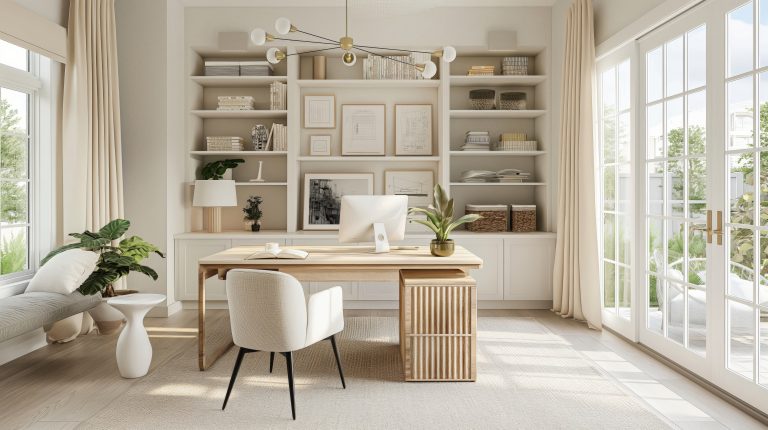
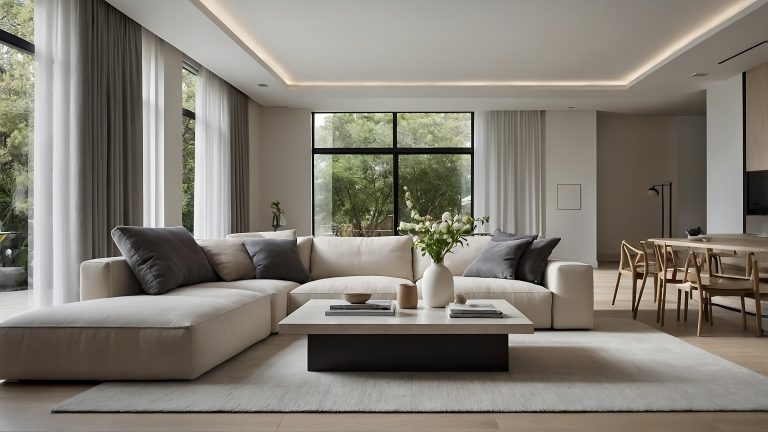
Designing a space that feels personal and full of character starts here, and these bedroom ideas for girls are the perfect inspiration. Whether you’re refreshing a cosy nook or planning a complete makeover, finding the right balance between style and comfort makes all the difference.
Every girl deserves a room that reflects her personality, a space that feels both inspiring and restful. In this post, you’ll discover 25 creative and practical ideas that make designing easier and more enjoyable. From wall colours and furniture choices to thoughtful décor touches, these tips will help you transform any bedroom into a dream space.
This post is all about bedroom ideas for girls.
Colour Themes That Define Personality
Colour sets the mood for any space. When exploring bedroom ideas for girls, it’s smart to begin with a strong colour palette. Colour can influence how the room feels: calming, bright, warm, or cool, and it helps balance the design as the room evolves over time.
Soft and Dreamy Pastels
Pastel tones such as blush pink, mint, and lavender remain favourites. They create a calm, soothing vibe. However, pairing them with modern accents, such as timber or brass, prevents the look from feeling too traditional. For example, a pale pink wall works beautifully with white oak furniture and minimal accessories.
Vibrant and Bold Palettes
Brighter shades like coral, mustard, or navy can express confidence and energy. Moreover, bold colours are perfect for adding personality to a simple space. Use them sparingly through bedding, artwork, or a feature wall to keep the design balanced.
Neutral and Timeless Shades
Neutral tones suit almost any style. Cream, grey, and beige create a fresh canvas that allows patterns and textures to shine. Therefore, use soft fabrics; linen, cotton, or wool, to make the space feel warm. Even a neutral palette feels special when layered with thoughtful details.
To personalise the colour choice, start with one meaningful item, such as a favourite artwork or patterned duvet cover. Then, let that guide the rest of your shades. This approach ensures the room feels coordinated yet relaxed.
Furniture That Brings Function and Style
Furniture shapes both the look and the function of a room. When creating bedroom ideas for girls, good furniture choices balance practicality with personality. Well-planned pieces maximise space while keeping the room inviting and uncluttered.
Plan for Everyday Use
Start by thinking about how the room is used. For young girls, lower shelving, toy storage, and cosy seating make daily life easier. However, for teens, adding a desk or study nook encourages focus and independence. Multifunctional furniture, such as a bed with drawers or an ottoman with storage, keeps the space tidy and versatile.
Choose a Bed That Sets the Tone
The bed is usually the centrepiece of any bedroom. A canopy or daybed can create a dreamy and soft atmosphere. On the other hand, a simple timber frame adds warmth and structure. Moreover, selecting quality bedding can make even the most minimal bed look inviting and stylish.
Mix and Match for Character
Avoid the temptation to buy matching furniture sets. Mixing different finishes, such as timber, metal, or painted wood, adds personality. For example, pair a natural oak desk with a white bedside table and a linen chair. This combination feels curated rather than staged.
Small details make a big difference. Drawer handles, light fittings, and small décor pieces can help tie the look together. When everything has a consistent tone or finish, the result feels cohesive and natural.
Balance Comfort and Style
Furniture should feel comfortable without becoming bulky. Light-coloured pieces help smaller bedrooms look airy. Conversely, darker furniture suits larger rooms by adding weight and contrast. Ultimately, the right mix of comfort and design turns a simple space into something special.
Creative Wall Décor and Accents
Walls are a blank canvas full of design potential. When working on bedroom ideas for girls, creative wall décor allows personality to shine through. With a few thoughtful touches, you can completely change the mood of a space without major renovations.
Add Colour and Pattern
Colour and pattern set the tone right away. For example, an accent wall painted in a darker shade of the room’s palette can create depth. Wallpaper is another great option. Choose subtle florals or soft geometric prints for a calm, timeless look. However, for older girls, bold murals or abstract designs add personality and energy.
Removable decals are an easy way to experiment. They work well for younger girls who often want change as they grow. Moreover, they’re affordable and quick to replace, making them a smart solution for evolving tastes.
Create a Gallery Wall
A gallery wall adds charm and movement to any bedroom. Mix framed art, photos, and mirrors for variety. Keep spacing varied to build visual interest. For example, blending gold frames with timber ones feels stylish yet relaxed. This approach provides personalisation without requiring new furniture.
Add floating shelves if space allows. They double as both decoration and storage. Small items such as plants or books can break up the arrangement and make the wall feel balanced.
Incorporate Lighting Accents
Lighting is an underrated part of wall décor. String lights or small sconces can soften the overall mood. They also highlight design details such as artwork or textured wallpaper. Therefore, using light sources creatively can make the space feel cosy and layered.
Keep It Flexible
Choose wall décor that can evolve over time. Magnetic boards, cork panels, or wire grids allow for easy refreshes. As interests change, artwork and photos can be rearranged without leaving marks. This ensures the space always feels personal and current.
Themes That Inspire Every Age Group
Themes help guide design choices while leaving room for creativity. When developing bedroom ideas for girls, a theme can bring structure to the room and make decision‑making easier. The key is to choose one that can evolve as styles and interests change.
Stylish Princess Inspiration
A princess‑inspired bedroom can feel elegant without being overly sweet. Soft pinks, blush tones, and delicate fabrics create a dream‑like mood. However, using natural textures such as linen or rattan keeps the look balanced and modern. Metallic accents also add warmth and light without becoming too bold.
Boho‑Chic Comfort
A boho‑chic bedroom celebrates creativity and freedom. Think woven wall hangings, layered rugs, and relaxed bedding. Moreover, soft earthy tones and natural materials make the space feel comfortable and lived‑in. Because this style is flexible, it grows easily with the person using it.
Scandinavian Simplicity
Scandinavian style focuses on clean lines and light. White walls, pale timber furniture, and warm greys create a calm and open space. For example, you can pair a white desk with a rattan chair to bring warmth into the simplicity. This theme works well for older girls who prefer a modern yet cosy setting.
Nature‑Inspired Calm
Greenery and nature‑inspired designs always bring a peaceful energy. Consider floral prints, leafy artwork, or even a small indoor plant collection. Natural light enhances this look, making the space feel fresh and positive. Therefore, this theme is perfect for anyone who loves an outdoorsy vibe.
Modern Teen Elegance
For a more sophisticated feel, modern teen elegance balances comfort with style. Deep colours such as navy or dusty mauve pair beautifully with soft lighting and minimal clutter. Moreover, textured fabrics and a few statement pieces, like an accent chair or pendant light, complete the design.
Themes are just starting points. Mixing elements from two or three styles often leads to the most authentic results. The goal is to create a room that feels personal, comfortable, and timeless.
Accessorising for Personality
Accessories turn a beautiful room into a space that truly feels lived in. When planning bedroom ideas for girls, they provide a chance to add texture, warmth, and individuality. Choosing the right accents can make even a simple design look layered and complete.
Layer Textiles for Comfort
Start with soft furnishings such as bedding, cushions, and throws. Mixing fabrics like linen, cotton, and velvet adds warmth and depth. For example, a neutral linen quilt paired with patterned cushions can create a cosy, inviting mood. Moreover, these items are easy to update over time, which keeps the room feeling fresh.
Rugs are another way to anchor the space. They add comfort underfoot and tie colours together. Patterned or textured rugs introduce personality, while plain ones keep things calm. Therefore, select one that complements your theme and colour palette.
Use Lighting as Décor
Lighting doubles as a functional and decorative element. For a warm, soft glow, consider bedside lamps with fabric shades. String or fairy lights can add charm, while wall sconces provide structure. Combining these layers helps define different parts of the room, such as reading corners or study areas.
Add Personal Items
Display items that tell a story and reflect personality. Framed photos, art prints, small plants, and even travel mementos make the room feel personal. You can combine pieces of different heights and textures for balance. For example, group a candle, a photo frame, and a vase on a bedside table to create subtle visual interest.
Accessories don’t need to match perfectly. A mix of styles and materials gives a naturally curated look. However, to avoid clutter, leave small areas of empty space that let your design breathe.
Lighting That Creates the Mood
Lighting shapes how a space feels and functions. When designing bedroom ideas for girls, lighting plays a key role in creating an atmosphere. The right setup makes the room practical during the day and soothing at night.
Layer Different Light Sources
Using several light sources adds flexibility. Overhead lights provide general brightness, but they can feel harsh on their own. Therefore, combine a ceiling fixture with smaller lamps or wall-mounted sconces. For example, a pendant light paired with a small bedside lamp feels both stylish and balanced.
Accent lighting is also valuable. It highlights artwork, decorative shelves, or textural walls. Moreover, it creates depth by drawing the eye to design features that deserve attention.
Add Character with Decorative Lights
For a whimsical touch, consider fairy lights, LED strips, or lanterns. These soft lights make the room feel warm and personal. They work best along headboards, mirrors, or window frames. However, choose warm-toned bulbs rather than cold white for a cosy effect.
Statement lighting can serve as a focal point. A chandelier or unique pendant brings instant personality. Moreover, stylish lighting elevates even simple décor by adding visual texture and gentle contrast.
Maximise Natural Light
Natural light enhances colour and makes the room feel open. If possible, use sheer curtains to let sunlight through while maintaining privacy. Position mirrors opposite windows to bounce light around the space. This technique brightens dark corners without adding new fixtures.
Set the Evening Mood
Soft, warm lighting is ideal for winding down. Use dimmable bulbs or add lamps with adjustable settings to control brightness. Therefore, the room transitions smoothly from study time to rest.
The best lighting designs combine practicality, comfort, and gentle emotion. When layered well, lighting supports every part of daily life while keeping the bedroom beautifully inviting.
DIY Touches and Personal Projects
DIY projects add originality and warmth to a room. When creating bedroom ideas for girls, handmade touches make the space feel personal and creative. They allow you to craft something meaningful while keeping the design unique.
Start with Small Projects
Begin with simple updates that make an immediate impact. Painting a headboard, creating custom wall art, or decorating picture frames are great starting points. For example, stencil patterns can refresh plain furniture with minimal cost or effort. Moreover, these small projects let your design evolve naturally.
If you prefer an easy wall update, try peel‑and‑stick wallpaper or decals. These are ideal for experimenting with patterns and colours. They also remove easily, which is helpful as styles change over time.
Refresh Old Furniture
Upcycling gives old furniture new life. Therefore, repaint a bedside table or sand and stain an old desk for a brand‑new look. Mix painted surfaces with natural timber for added texture. This approach reduces waste and creates a one‑of‑a‑kind piece that adds charm and individuality.
Add Handmade Details
Small crafts bring personality to every corner. Try weaving a simple wall hanging, painting plant pots, or sewing cushion covers. These minor touches add warmth and can be tailored to match any theme. For older girls, even swapping knobs or handles on drawers can make furniture feel new.
Balance DIY with Structure
Too many handmade pieces can overwhelm a design. Keep the mix balanced by combining DIY items with polished store‑bought décor. This helps the space feel curated rather than cluttered. Moreover, a few handcrafted details show creativity without overpowering the rest of the design.
DIY projects are a practical and personal way to express style. They remind us that home design doesn’t need to be perfect—it just needs to feel authentic.
Luxe Finishing Touches
Every great room deserves those final details that bring it all together. When refining bedroom ideas for girls, luxe finishing touches elevate the design without losing comfort. These subtle additions can make a big visual difference while keeping the space calm and cohesive.
Layer Textures for Depth
Texture instantly adds richness. For example, pair a velvet cushion with a soft linen throw and a jute rug. The mix of materials creates dimension and warmth. Moreover, layering textures prevents neutral colour schemes from feeling flat or sterile.
A canopy over the bed can introduce softness and a sense of privacy. Likewise, a plush rug underfoot grounds the space. These tactile elements make the room feel complete while keeping it cosy.
Add Thoughtful Statement Pieces
Statement décor draws the eye without overwhelming the room. Choose one or two standout items, such as a beautiful mirror, framed artwork, or a sculptural lamp. However, avoid overcrowding; leaving negative space allows those pieces to shine.
Metallic accents can also add quiet sophistication. Gold, brass, or bronze details catch the light beautifully. For example, a metallic picture frame or lamp base can create instant refinement.
Incorporate Scent and Atmosphere
A subtle scent can lift the entire mood of a bedroom. Candles, diffusers, or fresh flowers bring a sensory layer that enhances relaxation. Therefore, choose light fragrances such as vanilla, citrus, or lavender to maintain a balanced feel.
Even the smallest decorative choices, like how cushions are arranged or where lamps are positioned, affect the overall flow. Pay attention to these details to achieve a polished finish that still feels effortless.
Keep It Simple and Intentional
Luxury doesn’t mean excess. Often, restraint highlights quality. A well‑chosen piece, clear surfaces, and balanced textures create an elegant yet comfortable space. Moreover, simplicity ensures the design remains timeless and adaptable.
Designing a bedroom that feels personal, stylish, and comfortable is about finding balance. Throughout these bedroom ideas for girls, we explored how colour, furniture, décor, and lighting work together to create a cohesive space. Each idea can be adapted to suit different ages, styles, and room sizes, proving that great design always begins with thoughtful choices.
This post is all about Kitchen Pantry Door Storage.
A well‑designed kitchen makes everyday life easier, and that’s exactly where kitchen pantry door storage comes in. It’s one of those clever interior design tricks that turns overlooked space into something functional, organised, and effortlessly stylish.
In this guide, we’ll explore creative ways to use your pantry door for storage, not just for functionality, but also for design harmony. You’ll learn practical ideas for different kitchen styles, expert tips on how to choose and style your setup, and a few insider design tricks that make all the difference. Whether your kitchen is compact or spacious, these ideas will help you find more room and create a cleaner, more cohesive space that feels like your own.
This post is all about Kitchen Pantry Door Storage.
Why Kitchen Pantry Door Storage Matters
The great thing about kitchen pantry door storage is that it’s one of the easiest ways to reclaim usable space without changing the basic layout of your kitchen. It’s efficient, cost‑effective, and instantly rewarding. Most people underestimate how much vertical space a standard pantry door provides, yet that’s exactly where some of your most frequently used items could live.
From a design perspective, it’s not just about squeezing in a few extra shelves. It’s about creating a more intuitive kitchen, one where function meets form. A well‑designed door storage system naturally streamlines your cooking routine by keeping essentials within reach while visually decluttering countertops and cupboards. That interplay between ease and order makes a noticeable difference, especially in smaller kitchens or open‑concept layouts where every detail contributes to the overall look and flow of the space.
If you’re short on storage or simply want your pantry to look and feel more intentional, start by assessing your door. Think about what you access most: spices, condiments, snacks, or cleaning supplies, and imagine how they could be arranged vertically, rather than stashed away in a deep shelf. It’s a small adjustment that often creates a big impact.
Types of Kitchen Pantry Door Storage Solutions
The key to creating effective kitchen pantry door storage is matching the right type of organiser to your space and lifestyle. There isn’t a one‑size‑fits‑all approach here; what works well in a busy family kitchen might not be ideal for a small apartment. Let’s look at a few reliable solutions that blend functionality with style.
1. Over‑the‑Door Racks and Organisers
For most kitchens, over‑the‑door racks are the easiest entry point into door storage. They’re simple to install, usually with no drilling required, and they make excellent use of the door’s height. You’ll find them in a variety of materials, from sleek chrome to matte black finishes, which means they can blend seamlessly with nearly any interior style.
If you’re tight on pantry shelf space, these racks can hold anything from spices and snacks to smaller cooking oils or jars. They’re especially handy for renters who can’t make permanent changes, but still want functional, attractive pantry door storage.
2. Custom Door Shelving
If you’re after something more built‑in and cohesive, custom door shelving is a smart investment. These can be designed to match your cabinetry, giving your pantry a polished, integrated look. Custom setups also tend to handle heavier items, such as canned goods or glass jars, without wobbling or warping over time.
From an interior design perspective, custom shelving allows you to maintain consistency in colour, finish, and overall kitchen aesthetic. It’s also a chance to get creative: you can play with shelf depths, mix open racks with bins, or even add discreet built‑in lighting for a soft glow when you open the door.
3. Hanging Baskets and Hooks
Sometimes, a simple solution is all you need. Hanging baskets or hooks on the inside of your pantry door are perfect for frequently used items, small produce bags, cleaning gloves, or lightweight kitchen tools. Wire baskets offer a more open, airy look, while woven styles can add warmth and texture to your kitchen pantry door storage setup.
If you like a natural, lived‑in aesthetic, this approach is both functional and visually appealing. It’s also easy to adjust or rearrange as your storage needs change.
4. Magnetic or Pegboard Systems
For those who prefer a clean, modern, or industrial design style, magnetic and pegboard setups can be game‑changers. Magnetic panels are excellent for holding metal spice tins or small tools, while pegboards create a flexible system that can be rearranged whenever you want to refresh your layout.
What’s great about these systems is how customisable they are. You can add shelves, hooks, or small containers as needed, all while keeping a sleek, minimalist profile that suits contemporary kitchens perfectly.
When you choose the type that best fits your space, you set the foundation for a pantry that truly works for you. The next step is refining which design will complement your kitchen’s layout and overall aesthetic.
How to Choose the Right Pantry Door Storage for Your Kitchen
Selecting the right kitchen pantry door storage solution depends on more than just the available space; it’s about how you use your kitchen day‑to‑day and what kind of look you want to achieve. A well‑chosen setup should feel like it belongs, not simply like an add‑on. Here’s how to make that decision with intention and confidence.
1. Start by Measuring and Assessing Your Space
Before buying or installing anything, measure your pantry door’s height and width carefully. Check how much clearance you have when the door opens fully, especially if it swings near cabinets or appliances. These small details determine how deep your shelves or baskets can be without causing frustration later on.
If you’re working with a sliding or French pantry door, you’ll have to get a little creative. In those cases, look for slim, low‑profile organisers or interior‑mounted systems that don’t interfere with door movement.
2. Define the Purpose of Your Door Storage
Think about what items you reach for every day. Are you looking to organise spices, snacks, or baking supplies? Maybe you need a home for cleaning products or reusable grocery bags. Defining the purpose will help you choose the right structure: narrow spice racks for small containers, deeper wire shelves for snacks, or hooks for lightweight tools.
The beauty of kitchen pantry door storage is that it can adapt to meet your exact needs. When you treat the door as another functional part of your design, it becomes an organiser that helps you move through your kitchen more efficiently.
3. Consider Weight and Durability
It’s tempting to load every inch of your new pantry door with jars and cans, but keep balance in mind. Check the weight limits of your chosen storage system and avoid overloading. Over‑the‑door racks and hanging baskets are intended for lighter items, while custom shelving can handle heavier products more comfortably.
Choosing durable materials, like metal with a powder‑coated finish or sturdy wood, ensures your investment lasts. And since kitchen environments can get humid, particularly near cooking areas, opting for moisture‑resistant finishes can help maintain your system’s appearance over time.
4. Align with Your Kitchen’s Overall Style
Even functional storage deserves to look good. Think about your kitchen’s colour palette, hardware, and overall style. Matte black racks blend seamlessly into modern designs, while natural wood tones complement rustic or transitional interiors. Clear acrylic bins can also add a more streamlined, contemporary touch.
Your kitchen pantry door storage doesn’t have to stand out; it should flow naturally with the rest of your space. Done right, it becomes an understated design element that quietly enhances both practicality and aesthetics.
Once you’ve narrowed down your options, it’s time to focus on the fun part, styling. The next section will dive into how to add personality and polish to your pantry door system while keeping it functional and well-organised.
Design and Styling Tips for a Cohesive Look
Good kitchen pantry door storage isn’t just about adding shelves and baskets; it’s about creating visual harmony. The best storage setups look intentional, as if they were always part of your kitchen’s design, not something you attached later. This section focuses on how to style your pantry door so it feels both functional and aesthetically refined.
1. Keep It Cohesive with Colour and Material
Start by aligning your storage materials with your kitchen’s existing finishes. If you have warm wood cabinetry, consider natural wood or woven baskets to tie the look together. In a modern space with clean lines and cooler tones, you might lean toward matte metal, acrylic, or glass containers for a streamlined effect.
This simple attention to tone and texture keeps your pantry door storage from looking like a random collection of organisers. Instead, it becomes a natural extension of your design story.
2. Label Everything (But Keep It Subtle)
Labels aren’t just functional; they can also add a touch of design polish. Simple, uniform labelling gives your pantry a clean, professional look and helps everyone in the household keep things organised.
Use minimal typography or clear adhesive labels for a modern, uncluttered aesthetic. Chalkboard tags or handwritten labels can soften the look if you prefer something more casual.
3. Mix Open and Closed Storage
Balance is key when it comes to door organisation. Open shelves keep frequently used items within easy reach, while small bins or baskets can hide less attractive essentials, like refills, packets, or snacks.
If you want to maintain visual calm, stick to three or four container styles that coordinate but don’t perfectly match; this creates visual interest without looking busy. Remember, your kitchen pantry door storage should support both order and beauty.
4. Add Lighting for Function and Ambience
A bit of lighting can elevate even the simplest setup. Battery‑powered LED strips or motion‑activated puck lights can instantly make your pantry feel more luxurious. Not only do they make it easier to see what’s on each shelf, they also highlight your organisation system, subtly turning a practical feature into a design detail.
Lighting is particularly useful if your pantry is in a darker corner of the kitchen. When thoughtfully placed, it adds both visibility and warmth, making the space feel more inviting.
A well‑styled pantry door not only saves space but also enhances your kitchen’s overall look. It’s one of those small improvements that quietly elevates how a space feels to live in. Next, we’ll go over how to keep everything functional and tidy in the long run.
Maintenance and Organisation Tips
Once your kitchen pantry door storage is set up and looking great, keeping it organised is the real key to making it last. The goal isn’t perfection; it’s creating a system that stays functional and easy to maintain. With a few small habits, you can keep your pantry door as tidy as the day you installed it.
1. Declutter Regularly
Every few months, take a few minutes to reassess what’s hanging on the door. Items have a way of drifting into spaces simply because there’s room for them. Start by removing everything and giving the shelves or baskets a quick wipe‑down. Then, only put back what you actually use.
This periodic reset keeps your pantry door storage purposeful and prevents it from becoming another overstuffed corner of your kitchen.
2. Group Similar Items Together
Organisation works best when it’s intuitive. Keep breakfast items together, spices in one zone, and cleaning supplies in another. Grouping similar products reduces visual clutter and makes it easier to maintain the layout you worked hard to create.
If you’re using bins or baskets, label them so that every item has a clear home. Over time, these small details make the system effortless to keep up with.
3. Avoid Overloading Shelves
As practical as kitchen pantry door storage is, it still has its limits. Too much weight can strain hinges or cause racks to sag over time. Keep heavier products, like large jars or cans, on your main pantry shelves, and use the door for lightweight items.
Evenly distributing weight not only protects the door but also preserves its smooth operation, which adds to the longevity of your setup.
4. Refresh the Look Seasonally
A little refresh can go a long way in keeping your pantry door inspiring. Swap out bins, update labels, or add new shelf liners for a quick change. This can be as simple as introducing different materials, like woven textures in summer or dark metal finishes in winter, to subtly update your kitchen’s appearance without a full redesign.
This small maintenance step not only keeps the space feeling fresh but also makes you more likely to stay organised.
Maintaining a clean and organised kitchen pantry door storage system doesn’t need to be a chore. With mindful upkeep and a clear structure, your pantry will continue to serve as both a design feature and a functional space for everyday living.
Budget-Friendly vs. Custom Solutions
One of the great things about kitchen pantry door storage is its flexibility; you can create a stylish, organised system on just about any budget. Whether you prefer simple DIY upgrades or want a fully integrated custom design, there’s a smart solution that fits your space, aesthetic, and lifestyle.
1. Budget-Friendly and DIY Options
If you’re starting small or working within a modest budget, there are plenty of ways to make a big impact without spending much. Over‑the‑door racks, adhesive hooks, or adjustable baskets can all transform your pantry door in a single afternoon.
These ready‑made options are ideal if you rent your home or simply want an affordable, low‑commitment way to test how door storage works for your routine. Many of these systems can be adjusted or layered over time, which makes them both cost‑effective and adaptable.
To make a DIY approach feel polished, stick to a cohesive colour scheme and consistent container style. It’s not about how much you spend, it’s about thoughtful design choices that make even simple materials look intentional.
2. Semi-Custom Systems
Semi‑custom options are a great middle ground. You can purchase modular storage components, like adjustable shelving systems or pegboard panels, and configure them to your exact space. Many brands now offer kits that can be mixed and matched, giving you the flexibility of customisation without the price tag of a fully bespoke installation.
Visually, semi‑custom systems also elevate your pantry’s look. Choose finishes and details that echo your kitchen hardware for a coordinated feel without needing professional carpentry.
3. Custom-Built Door Storage
If long‑term quality and seamless aesthetics are your priorities, investing in custom pantry door storage can be well worth it. A professional design allows you to match cabinetry finishes exactly, optimise every inch of usable space, and accommodate heavier or specialty items with ease.
Custom builds also open creative opportunities; hidden lighting, built‑in pullouts, or even soft‑close shelving can make your pantry door feel like a true design feature. While the upfront cost is higher, the end result often adds both daily convenience and long‑term value to your kitchen.
When choosing between budget, semi‑custom, or fully custom solutions, think about your long‑term goals. If your home is temporary or frequently updated, a modifiable system is likely the best fit. If you’re designing your forever home, a tailored, built‑in approach can be an investment that continues to pay off for years.
What makes kitchen pantry door storage so satisfying is how transformative it can be without requiring a full renovation. With a bit of planning, you can reinvent one of the kitchen’s most overlooked surfaces into something both useful and beautiful. Whether you choose simple over‑the‑door baskets or a custom-built-in system, every well-organised inch adds to your kitchen’s comfort and flow.
This post is all about How To Arrange Furniture In A Room.
I’ve always believed that the way furniture is arranged can completely change how a room feels. It’s not just about where you put the sofa or how far a chair sits from the coffee table; it’s about creating a space that feels balanced, easy to move through, and effortlessly stylish. Many people overthink how to arrange furniture in a room, but with a bit of planning and an understanding of how your space works, it becomes a creative and rewarding process.
Whether you’re furnishing a new home or reworking a space that’s starting to feel off, knowing how to arrange furniture in a room is the first step toward achieving a comfortable and harmonious flow. In this guide, we’ll look at practical ways to turn any room into one that looks great and functions beautifully.
I. Understand Your Space Before You Start
Before you start moving furniture around, take a step back and study the room. Every space has its own rhythm, its proportions, angles, and flow. Understanding those details gives you a foundation to build on before deciding how to arrange furniture in a room.
Start by measuring everything. Knowing the exact length and width of your space helps you avoid overcrowding and ensures each piece has room to breathe. It’s also useful to measure your larger furniture pieces, so you can visualise how they’ll fit before any heavy lifting begins.
Next, identify the focal points in the room. Maybe it’s a fireplace, a large window with a view, or a statement piece of art. Centring your layout around that focal point creates a natural anchor for the rest of your decorating decisions.
Finally, consider the movement patterns, the paths people take when entering and walking through the room. A good layout keeps those pathways clear and intuitive, which makes the room feel open rather than cluttered. When thinking about how to arrange furniture in a room, always prioritise flow over symmetry. Natural movement should guide your design choices just as much as style.
II. Define the Purpose and Focal Point of the Room
Once you understand the dimensions and flow of your space, the next step is to define what the room is meant to do. Every room should have a clear purpose, and how you define it plays a huge role in how to arrange furniture in a room effectively. The goal here isn’t to overcomplicate things; it’s about knowing how you want to live in the space so your layout supports that naturally.
Start by asking yourself what happens most often in this room. Is it a place to relax with family, host friends, or focus on work? Once the main function is clear, you can make smarter decisions about furniture placement. For example, a living room designed for conversation might centre around a pair of sofas facing each other, while a reading nook might revolve around a comfortable chair near a window. Thinking this way keeps your choices purposeful and cohesive.
Next comes the focal point, the detail that instantly draws attention. It could be architectural, like a fireplace or large window, or something you introduce through design, like an oversized piece of art or a statement light fixture. When deciding how to arrange furniture in a room, always start with your focal point first. Place your largest furniture piece to complement it, then position smaller pieces to enhance balance and visual flow throughout the space.
A room with a clear purpose and well-defined focal point always feels more intentional. Even if you eventually add layers with décor, rugs, and lighting, your layout will have a solid foundation to build upon.
III. Choose the Right Furniture for the Space
Even the best layout can’t shine if the furniture doesn’t suit the room. Choosing the right pieces is just as important as deciding how to arrange furniture in a room because the size, shape, and style of each item influence how the space functions and feels. The goal isn’t to fill every corner, it’s to select furniture that complements the room’s proportions and purpose.
Start with scale. A common mistake is bringing in pieces that are either too large or too small for the room. Oversized furniture can overwhelm the space, while undersized pieces make it feel sparse and disconnected. If your room is small, opt for streamlined furniture with visible legs to create a sense of airiness. In a larger space, choose a few substantial items to ground the layout.
Next, think about balance. Once you’ve determined how to arrange furniture in a room based on your focal point, consider how each piece interacts with the others. Pair heavier furniture, like a sofa or bed, with lighter pieces, such as open-framed chairs or slim side tables, to create visual harmony. You’re aiming for a mix of heights, shapes, and materials that feels interesting yet cohesive.
Function should guide every choice. Ask yourself how each item enhances the way the room is used. A low-profile coffee table might make sense for a lounge-style living area, while a round table could fit better in a tighter space where movement is important. Let the practical needs of your lifestyle direct what stays and what goes.
When you’re intentional about your selections, arranging furniture stops feeling like a puzzle and starts becoming a design decision that reflects your taste and the way you live.
IV. Plan the Layout Strategically
Once you’ve chosen the right furniture, it’s time to put everything together. Planning the layout is where your room starts to take shape, and understanding how to arrange furniture in a room with both intention and flexibility makes all the difference. A well-planned layout allows every piece to serve a purpose while maintaining the room’s natural rhythm.
Start with the Largest Pieces
Begin by positioning the biggest items first, like the sofa in your living room or the bed in your bedroom. These anchor the space and help you visualise proportions before adding smaller pieces. Think of these items as the core that guides everything else. Once they’re in place, you can experiment with side tables, accent chairs, or lamps until the space feels balanced and comfortable.
Maintain Clear Pathways
Good flow is essential. As you decide how to arrange furniture in a room, keep at least two to three feet of walking space between major pieces. This ensures the layout feels open and easy to move through, no matter how large or small the area may be. Furniture should guide movement intuitively, not obstruct it. Avoid pushing everything against the walls just to create space; sometimes, floating a sofa or chair closer to the centre can make a room feel more inviting and better proportioned.
Play with Symmetry and Asymmetry
There’s no single formula for balance. Symmetry, like matching lamps or chairs, creates order and a sense of calm, making it ideal for formal or traditional spaces. Asymmetry, on the other hand, adds energy and a more natural, modern rhythm. When experimenting with how to arrange furniture in a room, mix both approaches. For instance, balance a larger sofa with two smaller chairs across from it, or balance a substantial table with lighter accessories on the opposite side. The key is visual equilibrium rather than perfect mirroring.
By approaching furniture placement strategically, anchoring the space, allowing room for movement, and balancing visual weight, you create a layout that feels effortless and well thought-out. It’s this combination of structure and flow that turns any arrangement into a room that truly works.
V. Optimise for Comfort and Functionality
Even the most stylish layout won’t feel right if it isn’t comfortable to live in. Once the major pieces are in place, focus on how the room actually functions day to day. Comfort and purpose go hand in hand, and knowing how to arrange furniture in a room with those two elements in mind is what brings a layout from “nice” to genuinely enjoyable.
Create Natural Conversation Zones
For shared spaces like living or family rooms, think about how people interact. Sofas and chairs should face each other in a way that encourages conversation, not distance. If the room is large, create smaller zones—like a reading corner or a cozy seating area by a window—so the layout feels welcoming from every angle.
When thinking about how to arrange furniture in a room to support connection, try positioning pieces close enough that people don’t have to raise their voices to talk. Then, add accent tables within reach and soft lighting that makes the space feel inviting once the sun goes down.
Balance Practical Needs with Visual Flow
Functionality isn’t just about movement; it’s about how comfortably the room supports your daily activities. Make sure surfaces, outlets, and lighting work together with your layout rather than against it. For example, keep a clear path from the sofa to any nearby table lamps or side tables, and ensure chairs can easily pull out from a dining table without bumping into walls or other furniture.
As you refine how to arrange furniture in a room that fits your lifestyle, pay attention to how you actually use the space. Are you constantly reaching too far for a drink? Does one corner feel underused? Small adjustments can dramatically improve how comfortably a room works for you.
Layer Comfort Through Design Details
Once the functional layout is set, find subtle ways to make it feel warm and inviting. Add an area rug large enough to tie the main seating pieces together. Use throw pillows or textured fabrics to bring in softness without overwhelming the design. The little things, like a well-placed ottoman or the right reading lamp, often make the biggest impact on how livable a room feels.
Comfort doesn’t have to sacrifice style. When you understand the balance between form and function, it becomes second nature to know how to arrange furniture in a room that truly feels like home.
VI. Add Style Through Accessories and Lighting
After your layout feels comfortable and functional, it’s time to bring in character. Accessories, lighting, and a few thoughtful design choices complete the space and help tie everything together. The key to mastering how to arrange furniture in a room isn’t just placement; it’s how you finish the layout in a way that feels layered and intentional.
Use Lighting to Define the Space
Lighting is one of the most powerful tools you have. It not only sets the mood but also helps define different zones within the same room. Combine ambient lighting (overhead fixtures or recessed lights) with task lighting (floor and table lamps) and accent lighting (sconces or spotlights) to create depth.
If you’re thinking about how to arrange furniture in a room where lighting plays a big role, position lamps near seats, desks, and reading areas, so light falls where it’s needed most. Avoid relying solely on overhead light; it can make even a well-designed layout feel flat. Layering lighting sources ensures every part of the room feels cosy and well thought out.
Incorporate Rugs, Artwork, and Texture
Accessories aren’t an afterthought; they complete the story your layout begins. Rugs are fundamental because they anchor conversation areas and help define scale. Make sure at least the front legs of your main pieces (sofas or chairs) rest on the rug to unify the furniture visually.
Artwork should reflect the mood of the room rather than compete with it. A large piece above a sofa can echo the furniture’s proportions, while smaller pieces look best grouped intentionally rather than scattered. Textiles like cushions, throws, and curtains introduce warmth while allowing you to adjust tone or colour without major changes.
When you already know how to arrange furniture in a room, styling becomes the fun part, where personal taste meets structure. The right mix of soft furnishings and statement décor brings depth and balance to everything you’ve set up.
Keep It Balanced, Not Overdone
A thoughtfully styled room should still feel livable. Editing is just as important as adding. Step back once you’ve layered in accessories and see where the eye naturally travels. If one side of the room feels heavy or crowded, remove or rearrange items until there’s breathing room again.
Finding that sweet spot where décor enhances rather than overwhelms is part of understanding how to arrange furniture in a room that feels polished but honest, comfortable without losing visual interest.
VII. Common Mistakes to Avoid
Even with the best intentions, it’s easy to make small layout decisions that throw off balance, comfort, or visual flow. Understanding what to avoid is just as valuable as learning how to arrange furniture in a room effectively. These are the missteps that can make your space feel less cohesive, and how to fix them.
Pushing Everything Against the Walls
This is one of the most frequent mistakes people make. It might seem like the easiest way to create space, but pulling furniture away from the walls, even slightly, actually makes a room feel larger. Floating a sofa or a few chairs closer to the centre helps define conversation areas and gives the layout depth and movement. Think of empty wall space as breathing room, not wasted space.
Ignoring Scale and Proportion
When learning how to arrange furniture in a room, scale is everything. A huge sectional in a small living room or tiny artwork above a wide sofa can make the entire layout feel off-balance. Mix larger anchor pieces with medium or smaller accents to create a layered and proportionate composition. Rug size also matters; too small, and the furniture looks adrift; too large, and it overwhelms the flow.
Blocking Natural Light and Doorways
Light and access are non-negotiable. Placing furniture in front of windows or doorways can make the space feel cramped and awkward. As you decide how to arrange furniture in a room, look for ways to enhance natural light rather than obstruct it. Lower-profile pieces, like benches or open shelving, placed near windows can allow sunlight to filter through without blocking the view.
Forgetting About Function
A beautiful room that doesn’t work for everyday life never quite feels right. Every piece should serve a purpose, whether it’s seating for a specific activity or storage that supports how you use the space. Revisit your layout from a functional standpoint periodically, since life changes and your furniture arrangement should adapt with it.
The more mindful you are about avoiding these pitfalls, the easier it becomes to instinctively know how to arrange furniture in a room that looks polished, feels practical, and functions smoothly day to day.
VIII. Room‑Specific Layout Tips
While the fundamentals of design apply across every space, the details can shift depending on the type of room you’re working with. Once you understand how to arrange furniture in a room generally, it’s easier to adapt those principles to meet the needs of different areas in your home.
Living Room
The living room often functions as the social heart of a home, so start by establishing your main gathering zone. Anchor the space with a sofa or sectional, then build around it with accent chairs and tables that encourage conversation. Leave open pathways to doorways and adjoining rooms, and keep your focal point, whether a fireplace, television, or window view, at the centre of the arrangement.
Bedroom
In the bedroom, comfort takes the lead. The bed should act as the visual anchor, ideally placed on the longest wall opposite the doorway. Keep plenty of clearance on both sides for movement and bedside tables. When thinking about how to arrange furniture in a room like a bedroom, balance larger storage pieces, such as dressers or wardrobes, with softer elements like rugs or curtains to create a calm, inviting feel.
Dining Room
Dining rooms thrive on balance and accessibility. Position your table so chairs can easily slide in and out without bumping against walls or other furniture. A rug under the dining table should extend at least 24 inches beyond the chair legs to define the area visually. Lighting plays an important role here too; a pendant or chandelier centred above the table anchors the setup beautifully.
Small or Multifunctional Spaces
Compact or hybrid rooms require creative thinking. Use furniture that does double duty, an ottoman with storage, a fold‑out desk, or nesting tables, to save space without sacrificing usability. Float key pieces away from walls when possible to maintain a feeling of openness. In smaller areas, every inch counts, so focus on proportion and function first; style will follow naturally.
Whether it’s a living room, bedroom, or dining area, the same principles apply: start with purpose, respect scale, and keep flow at the forefront. Once you understand how to arrange furniture in a room to fit each space’s unique function, design choices become less about rules and more about rhythm.
Designing a room that truly works is part creativity, part strategy. Once you understand how to arrange furniture in a room, the whole process starts to feel far less intimidating. It’s about looking at your space thoughtfully, studying proportions, flow, and the way you actually live, then blending those elements into something both functional and beautiful.
This post is all about Kitchen Shelving Unit With Doors.
Good kitchen design, at its core, is about balance: finding practical storage solutions that also enhance the way a space feels. A kitchen shelving unit with doors is one of those pieces that makes a noticeable difference; it keeps the essentials close at hand while concealing the items you don’t want on display. The result is a kitchen that feels calm, streamlined, and put together.
This guide will explore why choosing a shelving unit with doors is such a smart investment, the different types and styles available, how to position them within your space, and what to look for before you buy. Whether you’re working with a compact kitchen or a generous floor plan, there’s a way to maximise storage without adding clutter.
Why Choose a Kitchen Shelving Unit With Doors?
A kitchen shelving unit with doors offers more than just a place to put things; it changes how your kitchen functions day to day. Behind closed doors, you can store away the less photogenic items: mismatched mugs, small appliances, or stacks of pantry goods. By removing visual clutter, the kitchen immediately feels more spacious and thoughtfully designed.
From a designer’s perspective, one of the biggest advantages of these units is their ability to define a cleaner visual rhythm in the room. Instead of open shelves that often look overcrowded, a unit with doors gives you control over what’s seen and what’s hidden. This makes the kitchen more inviting without requiring constant tidying.
They’re also incredibly versatile, which is why they work in nearly any setting. In smaller kitchens, a streamlined unit with doors can create order without dominating valuable square footage. In larger kitchens, multiple units can be used to create symmetry or integrate seamlessly with cabinetry. The flexibility makes them a practical design element worth considering, no matter the size of your space.
Types of Kitchen Shelving Units With Doors
Not every kitchen works the same way, and that’s where the variety of shelving units really shines. The right choice depends not only on the size of your kitchen but also on how you prefer to use the space.
Wall-Mounted Units
Wall-mounted shelving units with doors are a smart way to use vertical space. By installing them above countertops or along empty walls, you free up valuable floor area while increasing storage capacity. They’re especially useful in compact kitchens where every inch counts.
A wall-mounted kitchen shelving unit with doors also creates symmetry and balance above a work surface. Choosing finishes that match your cabinetry will help the unit blend seamlessly into the design, or you can opt for a contrasting material to turn it into a focal point.
Freestanding Units
Freestanding units are all about flexibility. Unlike built-ins, these pieces can be repositioned, which is ideal if you’re renting or anticipate rearranging your kitchen layout in the future. They can serve as a standalone furniture piece, sometimes even doubling as a stylish sideboard in an open-plan kitchen-dining area.
The variety of freestanding kitchen shelving units with doors available means you can easily find one that complements your existing furniture while providing the additional storage you need. This adaptability makes them a versatile choice for many different lifestyles.
Built-In Cabinet Units
For those looking for a truly integrated solution, built-in units provide a polished, intentional finish. A built-in kitchen shelving unit with doors can be designed to blend flawlessly with your cabinetry, creating one cohesive look that feels timeless.
These units can extend all the way to the ceiling, providing valuable vertical storage that makes full use of the kitchen’s proportions. While they require more planning and typically come at a higher cost, their longevity and seamless appearance often justify the investment.
Design Styles to Consider
While functionality is the main benefit of a kitchen shelving unit with doors, design should never be an afterthought. The style of your unit can influence the mood of the entire kitchen. Matching it with your chosen aesthetic ensures storage feels like part of the design rather than a compromise.
Modern Minimalist
Sleek surfaces and clean lines define the modern look. A minimalist kitchen shelving unit with doors often features flat-panel doors with discreet or integrated handles. Neutral colours like white, grey, or matte black work beautifully, and the simplicity enhances a sense of calm in the kitchen.
Rustic Farmhouse
If warmth and character are your goals, a rustic farmhouse style is the way to go. Shaker-style doors, natural wood finishes, and slightly distressed textures add personality while keeping things practical. A kitchen shelving unit with doors in this style feels inviting and layered, especially when paired with open shelving or classic ceramic details.
Industrial Chic
An industrial-inspired kitchen often blends metal, darker tones, and raw finishes. A shelving unit with doors in this style might include steel frames, glass fronts, or a matte black finish. It’s bold, practical, and makes a statement without being overwhelming.
Classic Contemporary
For those who prefer a balance between tradition and modern design, classic contemporary is a versatile choice. Glossy finishes, subtle trim, and timeless colours like navy, cream, or soft grey allow a kitchen shelving unit with doors to feel both current and enduring. This style also complements a wide range of countertop and backsplash options, making it an adaptable design direction.
Practical Considerations Before Buying
Choosing a kitchen shelving unit with doors isn’t just about the look; it’s about making sure the piece works for your space, your daily life, and your long-term needs.
Size & Proportion
The scale of your shelving unit matters as much as its style. A unit that’s too large can overwhelm a compact kitchen, while something too small may not provide the right amount of storage. Take precise measurements of the area you want to use and consider how door openings will interact with nearby counters, walls, or appliances.
Material & Durability
The longevity of your shelving unit will depend heavily on the materials used.
Solid wood: Timeless and durable, though often at a higher cost.
MDF or laminate: Budget-friendly with plenty of finish options, though less resilient over time.
Metal or mixed materials: Strong, modern, and great for an industrial look.
When selecting a kitchen shelving unit with doors, think about how much wear the piece will get. Everyday access to heavy items like cookware calls for sturdier construction than light-duty storage.
Storage Needs
Consider what you’ll be storing before you buy. Deep shelves with adjustable heights are ideal if you want to accommodate everything from tall pantry items to small dishware. Interior dividers, pull-out drawers, or baskets can make a unit even more functional.
A kitchen shelving unit with doors should meet your storage habits, not force you to fit your items into a rigid structure.
Door Functionality
This often gets overlooked, but makes a big difference in daily use. Hinged doors need room to swing open, which may not be practical in a narrow kitchen. Sliding or bi-folding doors are excellent alternatives if space is tight, offering easier access without blocking walkways.
Ventilation & Intended Use
If you’re storing ingredients like potatoes, onions, or spices, a unit with subtle ventilation is helpful to keep items fresh. For dinnerware or cookware, solid doors work best to protect against dust and grease. Matching the design to usage guarantees your kitchen shelving unit with doors is as practical as it is attractive.
Placement & Layout Ideas
Where you position a kitchen shelving unit with doors can completely change both the flow and function of your space. The right placement ensures your storage solution feels harmonious with the kitchen layout.
Above-Counter Storage
Mounting a shelving unit with doors above the counter is one of the most common (and practical) placements. It keeps everyday items accessible but hidden, turning counter space into a clear, uncluttered surface. It also creates visual balance by framing the work area below.
Floor-to-Ceiling Units
For kitchens with higher ceilings, a floor-to-ceiling kitchen shelving unit with doors is a brilliant way to maximise vertical space. Not only does it increase storage dramatically, but it can also create a striking, architectural feature – almost like a statement wall.
Integrated into the Island
A smart way to add concealed storage is by incorporating shelving units with doors into a kitchen island. It makes use of what’s often an underutilised space and keeps the main cabinetry uncluttered. This placement works particularly well for storing items you want near your prep area but out of sight – like extra cookware or small appliances.
Making Use of Corners
Corners are notorious for becoming wasted space, but they can accommodate a specialised kitchen shelving unit with doors designed for angled or L-shaped layouts. Corner units turn awkward spots into practical storage, helping the kitchen feel more connected from one end to the other.
Styling Tips From a Designer’s Perspective
A kitchen shelving unit with doors already gives you the benefit of reducing visible clutter – but styling goes beyond hiding things away. Thoughtful design choices can make your shelving feel intentional, cohesive, and even elevate it as a feature within the kitchen.
Coordinate Finishes and Hardware
Matching the finish of your unit’s handles or knobs with your kitchen’s existing fixtures, such as taps, cabinet pulls, or pendant lights, creates visual consistency. For example, matte black handles can tie in with dark fittings elsewhere, while brushed brass adds a subtle warmth.
Balance Open and Closed Storage
One effective design trick is blending closed-door shelving with some open elements. Use the closed sections for all the practical items and reserve visible spots for neatly styled pieces like ceramics or cookbooks. This creates contrast and makes the space feel lighter while keeping the look visually organised.
Incorporate Lighting
Subtle lighting transforms storage into a design feature. LED strips installed inside or under a shelving unit highlight its details while providing functional illumination. It’s a small detail that makes the kitchen shelving unit with doors feel bespoke and elevated.
Keep the Surrounding Area Minimal
Countertops near your unit should stay uncluttered to reinforce the clean look that closed cabinetry creates. A single decorative piece, such as a vase or bowl, is enough to soften the space without overwhelming it.
Use Colour Strategically
If you’d like your shelving unit to blend in seamlessly, choose a finish that matches your cabinetry or wall colour. For more impact, choose a contrasting colour that draws the eye, creating a standout feature without disrupting balance.
Budgeting & Where to Shop
A kitchen shelving unit with doors can range from an affordable, ready-made piece to a fully bespoke installation. Knowing where to allocate your budget ensures you end up with a choice that not only fits your design vision but also holds up well over time.
Setting a Realistic Budget
Consider how your shelving fits into the bigger picture of your kitchen investment. Ready-made options offer quick, affordable solutions, while custom-built units are a long-term investment that enhances both design and function.
Ready-Made Units
Pros: Affordable, widely available, easy to install.
Cons: Limited customisation and durability.
Mid-Range Semi-Custom Units
Pros: More flexibility in finishes, hardware, and dimensions.
Cons: Slightly higher cost and wait times.
Bespoke or Built-In Units
Pros: Fully customisable, seamless integration, maximised use of space.
Specialist Kitchen Showrooms: Broader choices in finishes and layouts.
Cabinetmakers/Joiners: For fully tailored, built-in solutions.
Online Retailers: Convenient, but always double-check quality and sizing.
A kitchen thrives when it balances beauty with utility, and a kitchen shelving unit with doors is one of the best tools for achieving that harmony. By offering hidden storage, these units minimise visual clutter, improve organisation, and provide the flexibility to suit kitchens of every size and style.
The kitchen island has evolved into something truly spectacular in today’s homes. Modern kitchen island bench designs now deliver the perfect combination of style and practicality that transforms how we use our kitchens. As open-concept living continues to dominate home design, these versatile workspaces have become the defining feature of many kitchens—the place where everything happens.
What makes modern kitchen island bench designs so valuable is their ability to multitask. They’re prep stations for cooking, dining spots for casual meals, storage solutions for kitchen essentials, and social hubs for entertaining. The best designs strike the ideal balance between visual appeal and functional design.
In this guide, I’ll walk you through 25 distinctive modern kitchen island bench designs that successfully merge style with purpose. Whether you’re planning a complete kitchen renovation or simply seeking fresh ideas, these carefully selected designs showcase the innovation possible in today’s kitchens.
1. Minimalist Modern Kitchen Island Bench Designs
Design 1: Sleek Waterfall Edge Island
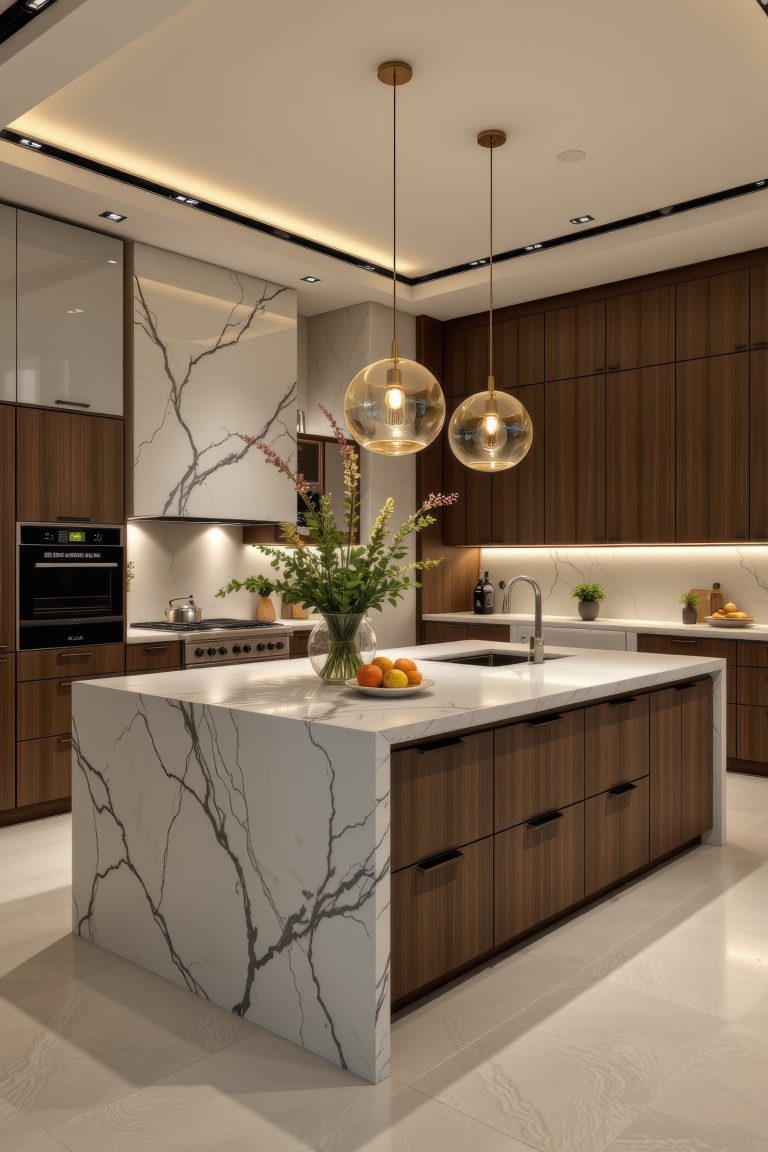
Waterfall edges have become one of the most sought-after features in modern kitchen island bench designs. This elegant approach features countertop material that flows seamlessly down the sides of the island, creating a dramatic visual effect that highlights quality materials and clean lines.
Materials like quartz, marble, and concrete work beautifully for this application
The continuous surface creates a sculptural, high-end appearance
White, light grey, and matte black finishes enhance the minimalist aesthetic
Veined materials add visual interest while maintaining the clean design
Beyond aesthetics, waterfall edges offer practical benefits too—they protect cabinetry and provide a smooth surface that’s easy to clean, which is particularly valuable in busy kitchen areas.
Pro Tip: When planning waterfall edges in modern kitchen island bench designs, pay attention to pattern matching at corners. That perfect alignment makes all the difference in achieving a truly seamless look.
Design 2: Floating Island Bench
Creating a sense of lightness and space, floating island benches seem to defy gravity while maintaining full functionality. These modern kitchen island bench designs use clever structural supports to minimise visual bulk, making them perfect for smaller kitchens or spaces where you want an airy feel.
The floating effect can be achieved through:
Recessed base cabinets that create shadow lines
Cantilevered countertop extensions
Strategic lighting underneath the island
Support structures concealed within a central cabinet block
The space beneath partially floating islands improves foot clearance for barstool seating and creates a more spacious feel throughout the kitchen. This approach works wonderfully in contemporary spaces where clean lines are key to the design.
Design 3: Monochromatic Block Island
Bold and impressive, monochromatic block islands make powerful statements in modern kitchens. These substantial modern kitchen island bench designs use a single colour throughout—from cabinetry to countertops—creating a unified volume that anchors the kitchen space.
Dark tones like charcoal, navy, or forest green create dramatic focal points
All-white designs deliver crisp, clean aesthetics
Matte finishes reduce visual distraction and enhance the monolithic appearance
Consistent materials strengthen the overall impact
The key to successful monochromatic islands is subtle textural variation—using the same colour across different materials creates depth without breaking the colour cohesion. It’s a look that’s both sophisticated and eye-catching.
Pro Tip: With monochromatic modern kitchen island bench designs, consider minimal hardware or push-to-open mechanisms to maintain those clean, uninterrupted lines.
Design 4: Hidden Storage Minimalist Island
Minimalism doesn’t mean sacrificing functionality—it’s about concealing it thoughtfully. These sleek modern kitchen island bench designs maintain clean external lines while housing extensive storage solutions inside.
Key features include:
Handle-free cabinet fronts with push-latch mechanisms
Continuous panels that conceal individual drawers
Clever internal organisers that maximise space efficiency
What makes these islands particularly successful is how they balance visual simplicity with practical kitchen needs. For busy households, this combination of aesthetics and utility proves especially valuable.
Design 5: Thin-Profile Cantilevered Island
For spaces where visual lightness is important, thin-profile cantilevered islands offer an elegant solution. These modern kitchen island bench designs feature ultra-slim countertops (often just 12-20mm thick) that extend beyond their supporting structure, creating a sophisticated floating appearance.
Material selection is crucial for these designs:
Engineered quartz and porcelain provide strength at minimal thickness
Steel reinforcement helps support extended cantilevers
Edge detailing should emphasise the thinness of the material
The cabinet base requires careful engineering to support the overhang
The result is an island that appears almost weightless while providing all the functionality you need—a perfect example of how modern kitchen island bench designs can move beyond traditional kitchen conventions.
2. Multi-Functional Modern Kitchen Island Bench Designs
Design 6: Island with Integrated Dining Table
Bridging kitchen and dining functions, islands with integrated tables are among the most practical modern kitchen island bench designs for today’s lifestyles. These versatile pieces acknowledge how social our kitchens have become while making efficient use of available space.
Integration can take several forms:
Extended countertops at standard table height (30″)
Connected but distinct surfaces at different heights
Pull-out or flip-up table sections for flexibility
Material transitions that visually separate the prep and dining zones
The key to success with these designs is clearly defining the different functional areas while maintaining overall design cohesion. For instance, a stone prep surface might transition to wood for the dining area, signalling different uses while preserving design harmony.
Pro Tip: When planning dining features in modern kitchen island bench designs, allow at least 24″ of knee space depth and approximately 24-30″ width per person for comfortable seating.
Design 7: Workstation Island with Prep Sinks
For serious cooking enthusiasts, workstation islands bring professional-grade functionality to home kitchens. These modern kitchen island bench designs incorporate specialised features centred around a well-positioned prep sink with dedicated zones for different kitchen tasks.
Essential elements include:
Secondary sink with accessories like cutting boards and colanders
Designated areas for chopping, cleaning, and assembly
Convenient knife storage near prep areas
Easily accessible waste disposal
The arrangement should follow natural workflow patterns, with waste disposal near cleaning areas and prep surfaces adjacent to cooking zones. This thoughtful organisation makes cooking more efficient and enjoyable in busy kitchens.
Design 8: Cooking-Focused Island with Integrated Cooktop
Moving your cooking surface to the island creates a more social cooking experience and dramatically changes kitchen workflow. These modern kitchen island bench designs centre around an integrated cooktop, transforming the island into the primary cooking zone.
Key considerations for cooking islands include:
Proper ventilation through overhead or downdraft systems
Heat-resistant countertop materials around the cooking surface
Convenient access to cooking utensils and ingredients
Safe clearance zones around hot cooking areas
When designed thoughtfully, cooking islands allow the chef to face guests while preparing meals rather than turning their back to the room. This social-facing orientation makes cooking more interactive and enjoyable, especially when entertaining.
Pro Tip: For these modern kitchen island bench designs, consider a slightly deeper countertop (36-42″ vs. standard 24″) to create safe buffer zones around the cooking surface.
Design 9: Breakfast Bar Island with Appliance Garage
Morning routines become more efficient with breakfast bar islands that incorporate dedicated zones for morning essentials. These modern kitchen island bench designs feature comfortable seating paired with smart storage for small appliances and breakfast items.
Effective breakfast bar islands include:
Comfortable counter-height or bar-height seating
Appliance garages with roll-up doors for coffee makers and toasters
Dedicated drawers for breakfast essentials like utensils and napkins
Easily accessible outlets for powering appliances
The appliance garage component is particularly valuable as it allows quick access to frequently used items without permanently sacrificing counter space. When breakfast is finished, simply close the garage door for a clean, uncluttered look.
Design 10: Multi-Level Work and Entertainment Island
Adding height variation to your island creates visual interest while clearly defining different functional zones. These dynamic modern kitchen island bench designs feature two or more distinct levels that serve specific purposes.
Common configurations include:
Standard 36″ counter height for food prep areas
Raised 42″ bar height for casual dining and guest seating
Lowered 30″ table height sections for comfortable dining
Small elevated platforms to separate sink areas from food prep zones
The level changes not only differentiate functional areas but also add architectural interest to the kitchen. They can also provide practical benefits like splash protection between wet and dry zones.
3. Material-Forward Modern Kitchen Island Bench Designs
Design 11: Mixed Material Island (Wood and Stone)
Combining contrasting materials creates islands with depth, character, and visual warmth. These modern kitchen island bench designs typically pair the practicality of stone work surfaces with the warmth and tactile quality of wood elements.
Successful material combinations include:
Marble or quartz tops with wood waterfall edges or bases
Wooden butcher block sections integrated into stone countertops
Stone surrounds with wooden breakfast bar extensions
Dark stone with light wood or vice versa for dramatic contrast
The material transition points become design features in themselves, highlighting the intentional nature of the combination. These transitions often align with functional changes—wood for seating areas, stone for prep zones.
Pro Tip: When combining materials in modern kitchen island bench designs, keep other kitchen elements simpler to let the island be the focal point of material interest.
Design 12: Concrete Statement Island
Industrial chic meets modern sophistication with concrete islands. These modern kitchen island bench designs leverage concrete’s versatility and unique aesthetic to create distinctive, personalised spaces.
The appeal of concrete islands comes from:
Ability to be cast in any shape or size for custom configurations
Options for integrated features like drainboards or trivets
A variety of finishes, from polished to matte to textured
Unique patina that develops character over time
Modern concrete mixes have overcome many of the material’s traditional limitations, offering improved stain resistance and reduced porosity. The result is a surface that combines industrial character with practical functionality.
Design 13: Marble Luxury Island
Nothing says luxury quite like marble, and as the centrepiece of modern kitchen island bench designs, it makes a powerful statement. With its natural veining and luminous quality, marble creates islands of unparalleled elegance.
Key considerations for marble islands include:
Selecting the right variety—from subtle Carrara to dramatic Calacatta
Book-matching veining for high-impact visual continuity
Edge profile options that highlight the stone’s thickness
Proper sealing to protect against stains and etching
While marble requires more maintenance than some alternatives, many homeowners find its timeless beauty worth the extra care. For those concerned about maintenance, marble-look quartz and porcelain offer similar aesthetics with greater durability.
Design 14: Metal-Accented Island
Incorporating metal elements adds sophistication and visual interest to modern kitchen island bench designs. Whether it’s a full metal base or thoughtful accents, metallic elements bring a refined, current aesthetic to the kitchen.
Popular metal applications include:
Brass or copper banding around the edges or bases
Stainless steel or blackened steel structural supports
Metal mesh or perforated panel inserts
Metallic tile facings on island sides
The reflective quality of metals adds dimension to the kitchen space, catching and playing with light in ways that other materials don’t. This luminosity creates visual movement that enlivens the entire kitchen.
Pro Tip: With metal elements in modern kitchen island bench designs, consider how the finish will evolve over time. While some metals develop a patina, others maintain their original appearance with proper care.
Design 15: Glass and Illuminated Islands
Creating drama through light and transparency, glass elements transform modern kitchen island bench designs into stunning focal points. These islands incorporate illuminated components and translucent materials for eye-catching effects.
Innovative approaches include:
Backlit onyx or translucent stone panels
LED-illuminated glass shelving or dividers
Frosted glass cabinet fronts with internal lighting
Light wells within the island structure
These illuminated features can be purely decorative or surprisingly functional—lighting up work areas, creating ambient mood lighting, or making cabinet contents more visible. The effect is particularly striking in evening hours when other lighting is dimmed.
4. Space-Optimising Modern Kitchen Island Bench Designs
Design 16: Mobile Kitchen Island Bench
Flexibility is the hallmark of mobile islands, which adapt to changing needs through portability. These modern kitchen island bench designs feature quality casters that allow the island to be repositioned as needed.
Key features of effective mobile islands include:
Heavy-duty locking casters that prevent unwanted movement
Lightweight yet sturdy construction materials
Multi-purpose work surfaces that are suited to various tasks
Compact footprints that navigate through doorways and around furniture
For homes where space is at a premium or needs change frequently, these adaptable islands provide valuable workspace without permanent commitment to a single layout.
Design 17: Expandable/Collapsible Island
Adaptability reaches new heights with expandable islands that transform based on your needs. These innovative modern kitchen island bench designs feature extendable sections that can be deployed when needed and tucked away when not in use.
Expansion mechanisms include:
Pull-out work surfaces that extend from the main structure
Fold-down tabletops that provide additional dining space
Nesting components that slide out for more workspace
Modular sections that can be reconfigured as needed
The genius of these designs lies in their ability to serve multiple purposes throughout the day—compact during regular use, expanded for entertaining or special projects. This versatility makes them ideal for smaller homes where space must work harder.
Pro Tip: When considering expandable modern kitchen island bench designs, pay special attention to the quality of the extension mechanisms—they should operate smoothly and lock securely in both positions.
Design 18: Corner-Fitting Island Designs
Making the most of challenging kitchen layouts, corner islands turn awkward spaces into functional assets. These specialised modern kitchen island bench designs are shaped to fit into L-configured kitchens, maximising previously underutilised corner areas.
Effective corner islands feature:
Angled or curved designs that follow architectural lines
Traffic flow patterns that work with the natural movement through the space
Strategic storage that utilises the deeper corner sections
Work surfaces positioned for optimal accessibility
By conforming to the kitchen’s architecture rather than fighting against it, these islands create more usable space while maintaining good traffic flow—a win-win for functionality and design.
Design 19: Narrow Galley Kitchen Islands
Long and slim, these modern kitchen island bench designs are tailored specifically for galley and corridor kitchens where width is limited but length is available. They provide valuable workspace without compromising necessary walkways.
Design considerations include:
Maintaining a minimum 36″ clearance on all sides for safe passage
Emphasising length rather than width (typically 18-24″ wide)
Incorporating slim storage solutions like bottle pulls and narrow drawers
Linear design elements that enhance the sense of flow
These islands often become the organising spine of the kitchen, with work zones arranged along their length in a logical sequence that supports efficient cooking workflows.
Design 20: Multi-Function Peninsula Alternative
Blurring the line between island and peninsula, these hybrid modern kitchen island bench designs connect to the kitchen perimeter at one end while maintaining the accessible character of an island. They’re ideal for kitchens where a full island won’t fit, but additional workspace is needed.
Key benefits include:
Reduced clearance requirements (only three sides need access)
Added stability through the wall connection
Potential for additional upper storage or display at the connected end
Efficient use of space in smaller kitchens
This approach provides many of the advantages of both peninsulas (stability, storage potential) and islands (accessibility, social orientation) in a single design solution.
5. Innovative Modern Kitchen Island Bench Designs
Design 21: Smart Technology Integrated Island
Embracing the digital age, tech-integrated islands incorporate electronic innovations directly into the structure. These forward-thinking modern kitchen island bench designs feature technologies that enhance convenience and functionality.
Popular tech integrations include:
Built-in wireless charging stations for devices
Touch-control panels for lighting and appliance operation
Built-in speakers and entertainment systems
Smart displays for recipes and household management
These technological elements are typically integrated discreetly, maintaining the island’s clean aesthetic while adding significant functional value. The result is a space that feels contemporary yet remains visually uncluttered.
Pro Tip: When planning tech-integrated modern kitchen island bench designs, ensure adequate power sources and consider future-proofing with conduits that allow updating as technology evolves.
Design 22: Sustainable Material Island
Eco-conscious design takes centre stage with islands constructed from environmentally responsible materials. These modern kitchen island bench designs prioritise sustainability without sacrificing style or functionality.
Sustainable approaches include:
Reclaimed wood for bases or countertops
Recycled glass or paper composite surfaces
Bamboo or other rapidly renewable materials
Zero-VOC finishes and adhesives
Beyond material selection, these islands often incorporate energy-efficient features like LED lighting and water-saving fixtures. The result is a beautiful focal point with reduced environmental impact, increasingly important to many homeowners.
Design 23: Artistic Statement Island
For those seeking truly unique spaces, artistic statement islands transform kitchen workspaces into functional sculptures. These bold modern kitchen island bench designs incorporate creative elements that elevate the island from a functional object to an art piece.
Artistic approaches include:
Sculptural bases with organic or geometric forms
Custom-carved decorative elements
Artist-designed tile work or mosaics
Unusual material combinations with strong visual impact
While maintaining essential functionality, these islands prioritise aesthetic expression, becoming conversation pieces that define the kitchen’s character. They work particularly well in homes where the kitchen opens to living areas, serving as a bridge between utilitarian and social spaces.
Design 24: Indoor-Outdoor Transitional Island
Blurring the boundary between interior and exterior spaces, transitional islands extend the kitchen’s functionality into outdoor living areas. These specialised modern kitchen island bench designs are positioned at the threshold between indoor and outdoor spaces, often incorporating pass-through elements.
Key features include:
Weather-resistant materials on the exterior-facing side
Pass-through windows or counters for serving outdoor areas
Dual-sided storage accessible from both environments
Continuous countertop materials that visually connect spaces
For homes in temperate climates or with significant outdoor living space, these islands create a seamless flow between cooking and entertaining zones, enhancing the overall living experience.
Design 25: Family-Focused Activity Island
Recognising the kitchen’s role as a family hub, these modern kitchen island bench designs incorporate features that support various family activities beyond cooking. They’re designed to accommodate homework, crafts, games, and other household functions.
Family-friendly features include:
Height-adjustable sections for users of different ages
Dedicated charging stations for devices
Easy-clean surfaces that withstand art projects and homework
Storage for school supplies and family activity materials
These thoughtfully designed islands acknowledge that in many homes, the kitchen island serves as command central for family life, not just cooking. By intentionally designing for these multiple uses, they better serve the real-life needs of busy households.
Whether you’re drawn to the sleek lines of waterfall edges, the practicality of integrated appliances, or the sustainability of eco-friendly materials, there’s a perfect island design to complement your home and lifestyle. By carefully considering how you use your kitchen and what matters most to you, you can select or create a modern kitchen island bench design that will serve as the centrepiece of your home for years to come.