How to Design a Dark Dining Room: Ideas for a Space That’s Cosy, Not Cramped

How to Design a Dark Dining Room: Ideas for a Space That’s Cosy, Not Cramped

This post is all about Dark Dining Room Ideas.

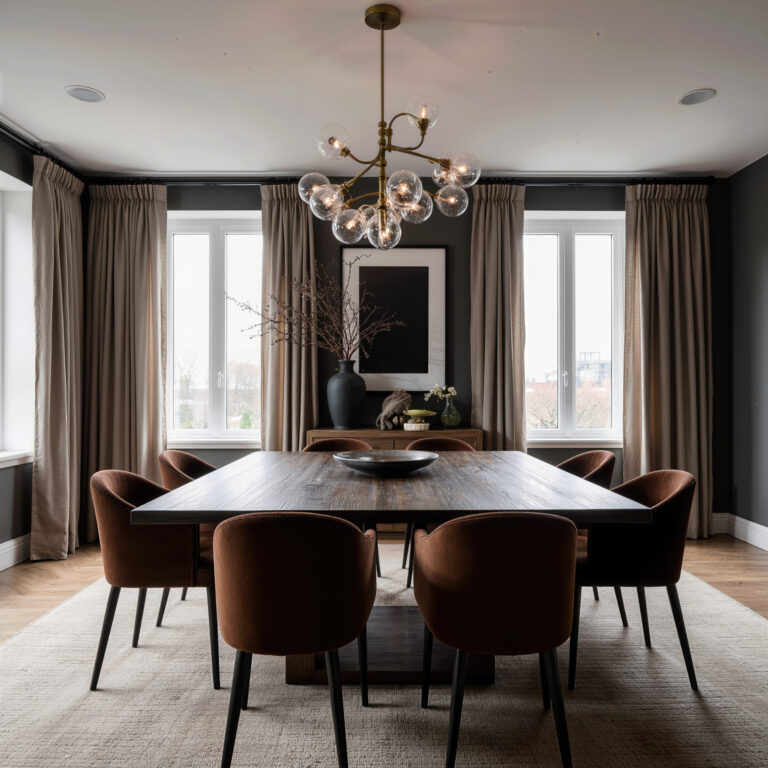
There’s something undeniably captivating about a dark dining room. The depth, the mood, the quiet confidence, it all creates a sense of intimacy that lighter spaces sometimes struggle to achieve. Designing with darker tones isn’t about making a bold statement for the sake of it; it’s about building an atmosphere that feels grounded and inviting.

dark dining room ideas

That said, working with dark palettes can be tricky. Without balance, a space can quickly shift from warm and cocoon-like to heavy and confined. The good news? With the right approach, you can design a dining room that feels both dramatic and alive. In this post, we’ll explore practical dark dining room ideas that help you achieve that balance for a space that feels cosy, not cramped, and perfect for unrushed dinners or quiet evenings in.

Read this post for the best Dark Dining Room Ideas.

Understanding the Appeal of a Dark Dining Room

If you’ve ever stepped into a room with deep, moody tones, you know how instantly the mood shifts. Dark interiors draw you in; they feel layered, sophisticated, and deeply personal. In a dining room, those qualities translate into an environment that invites conversation and slows the rhythm of the day.

One of the most common misconceptions about dark spaces is that they make rooms feel small. The truth is, dark dining room ideas often create the perception of depth when handled correctly. Deep hues soften edges, making the boundaries of the room feel less defined, and therefore more expansive. The key is to balance shadow and light.

A thoughtfully designed dark dining room isn’t about creating a perfect showroom; it’s about designing a mood. Think of dark walls as a backdrop for texture, tone, and light to interact. Add contrast with natural materials; wood, brass, or soft fabrics, to bring warmth into the space. This balance is what transforms “dark” from heavy to harmonious.

moody dark dining room palette

Transitioning from inspiration to execution, let’s move into selecting the right tones, the foundation of every great dark dining room design.

Choosing the Right Dark Tones

Choosing the right colour palette is where dark dining room ideas really start to take shape. The hues you pick determine not only the overall aesthetic but also how the room feels when you’re standing in it. It’s less about selecting the “darkest” tone and more about understanding the kind of atmosphere you want to create.

Warm vs. Cool Dark Shades

Warm dark shades, like deep olive, espresso brown, or navy with a touch of warmth, tend to make a dining room feel grounded and comforting. They pair beautifully with warm woods, soft lighting, and golden accents. Cool, moody tones, on the other hand, charcoal, graphite, or deep blue-greys, are ideal if you’re aiming for a more modern, dramatic look with clean edges.

Whichever direction you choose, consistency is key. Let one dominant dark colour lead the way, then support it with subtle variations or complementary tones. This creates visual depth instead of a flat, monotone surface.

warm dark dining room colours

Creating Balance with Accent Colours

A well-designed dark dining room isn’t about the walls alone; it’s about what surrounds them. Introducing contrast through lighter or reflective accents prevents the space from feeling overly heavy. Think of creamy whites, soft taupes, aged brass, or even a touch of blush or terracotta. These accents catch the light, adding dimension to the darker backdrop.

You can apply this idea through accessories, lighting fixtures, or even the dining chairs themselves. For example, light linen upholstery instantly softens a deep wall colour and gives the room a sense of visual breath. The goal is harmony, where dark and light elements coexist, each enhancing the other.

Texture Over Pattern

An often-overlooked trick for pulling off dark dining room ideas is to rely on texture rather than busy patterns. Dark walls highlight surface details beautifully, so think about velvet, matte paint, natural wood grain, or soft textiles. These tactile finishes reflect light softly and subtly, giving depth and life to the room without visual clutter.

cool dark dining room tones

Lighting Strategies to Brighten the Mood

Lighting is the element that makes or breaks any dark interior, and this is especially true for dining spaces. It’s the bridge between dramatic design and day-to-day comfort. The best dark dining room ideas don’t try to fight against the darkness; they work with it, using light to highlight texture, shape, and atmosphere.

A dark wall colour can actually enhance lighting if it’s layered thoughtfully. Instead of one overhead fixture, consider a blend of light sources that guide the room’s mood throughout the day.

Layer Your Lighting

You’ll want to think about lighting in layers: ambient, task, and accent.

  • Ambient lighting: This is your overall glow. Think pendant lights or a chandelier that sets the tone. Warm bulbs (around 2700K) complement dark tones beautifully, keeping the space soft rather than stark.
  • Task lighting: Wall sconces or console lamps near serving areas help keep things functional. These smaller pools of light prevent any one area from looking flat.
  • Accent lighting: A low-intensity lamp or subtle under-shelf LEDs can draw attention to surfaces or textures. And never underestimate candlelight, its flicker feels timeless against rich wall colours.

When these layers overlap gently, the result is a subtle rhythm of light and shadow. It’s what gives a dark dining room that enveloping, intimate character without ever feeling dim or oppressive.

lighting for dark dining room

Reflect and Amplify Light

Light reflection is one of the simplest, but most effective, strategies to open up a moody room. Mirrors, metallic finishes, and glass elements bounce light naturally while fitting right into a dark colour palette. You don’t need to overdo it; a single large mirror on one wall, or glass accessories on a sideboard, can shift the atmosphere entirely.

Even glossy or satin finishes on a dark wall can help distribute light softly. The key is balance: too much reflection breaks the cosy mood; too little and the space feels flat.

layered lighting dark dining room

Make Dimmers Non-Negotiable

A dimmer switch is your best friend in a dark dining room. It allows you to soften or brighten the mood as needed; bright for family meals, low and intimate for evenings. It’s a small upgrade that completely changes how dark tones behave, giving you the flexibility to adjust the atmosphere instantly.

Furniture and Layout Tips for a Spacious Feel

When working with darker palettes, furniture selection and layout are what keep a room feeling balanced. Colour alone can set the tone, but it’s the shapes, materials, and negative space that determine whether your dining room feels inviting or visually heavy. The best dark dining room ideas treat the room like a living, breathing composition, one that leaves space for light and movement.

Keep the Foundation Streamlined

Furniture that feels visually light helps offset the richness of darker tones. Choose dining tables with elegant, clean lines rather than bulky bases. Chairs with slender legs or open backs will feel less intrusive in a smaller or darker space. If your dining room is compact, round or oval tables encourage flow and keep corners from crowding the eye.

When it comes to finishes, mid- to dark-toned wood can blend seamlessly with a moody palette. The key is subtle contrast, enough to separate pieces from the walls without creating a stark divide.

reflective surfaces dark dining room

Reflective and Transparent Touches

Incorporating reflective or transparent materials is another way to keep a dark dining room open and dynamic. A glass-top table, glossy sideboard, or acrylic-accented chairs gently bounce light while maintaining cohesion with the darker aesthetic. Think of them as structural highlights, functional but designed to breathe life into the room.

Even metallic finishes on furniture legs, mirror-panel sideboards, or subtle gilding on the frame of artwork can catch just enough light to lift the atmosphere without clashing with deeper hues.

furniture layout dark dining room

Leave Room to Breathe

Spacing matters just as much as style. Aim for enough distance between furniture to allow easy movement, especially if your dining area connects to another part of the home. Overcrowding dark tones makes a room feel static and small, while deliberate spacing gives it flow and elegance.

A well-placed rug can also define zones within an open-plan setup, framing your dining area without weighing it down. Choose textures that complement the wall tone, woven fibres or subtle patterns that anchor the space without competing for attention.

spacious dark dining room design

Textures, Materials, and Finishing Touches

Texture is where a dark dining room really finds its soul. You can have the perfect colour palette and layout, but it’s the materials, the way light hits them, the way they feel, that give the room dimension and warmth. Many of the most successful dark dining room ideas build their depth through contrast, not colour alone.

Layer for Depth

When everything in a dark space is smooth and matte, the result can feel a bit flat. Layering textures brings movement and energy to the room. Pair velvet or linen upholstery with a natural wood table. Add a wool rug or woven runner for softness underfoot. Even a hint of metallic, like a burnished brass or antique bronze detail, can catch light beautifully against matte surfaces.

The goal isn’t to overwhelm the room with variety but to create tactile richness, where every element feels considered and cohesive.

textures materials dark dining room

Mix Matte and Gloss Finishes

A thoughtful mix of finishes can make an enormous difference. Use matte walls as a background to highlight reflective surfaces, such as glassware, polished ceramics, or a metallic pendant light. Glossy textures help dark designs come alive by subtly catching and dispersing light, preventing the palette from looking too dense.

Even modest touches, like a lacquered sideboard or high-sheen candle holder, can lift the entire scheme without breaking the moody aesthetic.

velvet and wood dining room interior

Let Artwork and Accessories Tell a Story

Accessories should feel intentional. In dark spaces, every object has more visual presence, so it’s worth curating carefully. A large-scale piece of artwork in muted tones or line drawings can anchor a wall without cluttering it. Table décor should be minimal, perhaps a sculptural bowl, a cluster of candles, or a statement vase.

Avoid filling every surface; a touch of empty space allows each texture and shape to stand out. This restraint keeps the atmosphere relaxed rather than busy.

matte and gloss finishes dark dining room

Accessorising Without Overcrowding

It’s easy to get swept up in decorating once your colours, lighting, and furniture are in place, but restraint is where dark interiors truly come to life. In a darker space, every detail carries more weight. The best dark dining room ideas balance visual impact with breathing room, allowing textures and tones to shine through.

Choose Statement Pieces Thoughtfully

Not every surface needs a centrepiece, and not every wall needs art. Focus on one or two focal points: a striking pendant light, a sculptural vase, or a piece of dramatic artwork. These moments of emphasis anchor the room and give the eye somewhere to rest.

An oversized art piece works beautifully in a dark dining room because it reads as calm and intentional rather than busy. Stick with muted or tonal artwork that complements your palette; vivid colours can sometimes feel jarring against deeper backgrounds.

minimalist dark dining room decor

Edit the Tabletop

The dining table should look lived in, not staged. A few well-chosen objects, candles, ceramics, or a simple runner, can bring a balanced sense of warmth. If you’re using darker tableware, add contrast with lighter linens or textured placemats to break up the depth.

Less is more here. A little negative space allows the room’s natural character, colour, light, and texture to take the lead. This simplicity reinforces the cosy, understated feel that defines truly successful dark dining room designs.

dark dining room accessories australia

Integrate Natural Elements

Adding natural details is an effortless way to bring warmth into darker environments. A vase of seasonal greenery or dried stems introduces organic contrast to strong colour blocks. The textures of nature: wood, rattan, stone, ground the space and soften the impact of deep hues.

The idea is a subtle connection rather than clutter; each piece should feel like it belongs to the story the room is telling.

cosy dark dining room inspiration

Common Mistakes to Avoid

Even the most carefully planned interiors can lose their charm if a few key details are overlooked. Dark spaces are especially sensitive to lighting, balance, and proportion, so avoiding a few common pitfalls can make a big difference. Think of these as gentle guidelines that keep your design intentional rather than overwhelming.

1. Relying on Only One Light Source

A single overhead light is rarely enough. It might illuminate the room, but it flattens everything else, the colours, the textures, even the atmosphere. Successful dark dining room ideas always use layered lighting to create mood and depth. Combine ambient light with accent and task lighting, so the glow feels dynamic, not harsh or uneven.

2. Ignoring Reflective Surfaces

Without reflection, dark tones can become too static. Gloss finishes, mirrors, or subtle metallics help move light around and stop the room from feeling boxed in. The key is moderation; just a few reflective details in the right places can lift the space beautifully.

3. Overdecorating the Space

Dark dining rooms are most beautiful when they’re allowed to breathe. Adding too many accessories, wall decorations, or furniture pieces can make the room feel cramped. Leave intentional blank space on tables, walls, and even floors. This open balance is what turns moody into serene.

4. Forgetting About the Ceiling and Floor

A cohesive dark room doesn’t stop at the walls. Ignoring the ceiling or floor can make a space feel incomplete. Try introducing subtle contrast, a soft rug to anchor the table, or a ceiling in a complementary shade that echoes your colour palette. These surfaces help tie the atmosphere together without adding visual clutter.

Designing a dark dining room is about more than colour; it’s about atmosphere. Deep hues lay the foundation, but it’s the balance of light, texture, and thoughtful placement that brings the space to life. When done right, a dark dining room feels warm, cocooning, and quietly luxurious, never gloomy or confined.

The 9 Step Formula for How to Choose a Wall Colour You’ll Love

The 9 Step Formula for How to Choose a Wall Colour You’ll Love

Introduction

One of the most exciting parts of decorating your home is learning how to choose a wall colour that truly fits your space. The right shade can make a room feel calm, warm, bold, or bright; it sets the tone for everything else in your design.

how to choose a wall colour

Choosing paint isn’t just about what looks good on a swatch. It’s about how colour interacts with light, furniture, and the overall mood of your home. With so many options out there, it’s easy to feel unsure where to start, but by following a simple step-by-step approach, you can make smart choices that look and feel right. This guide breaks down the 9 steps that will help you confidently find a wall colour that complements your space and your personal style.

Read Along To Learn How To Choose A Wall Colour.

Step 1 – Get Inspired by Your Space

Before you even think about paint chips or sample pots, start by looking at what’s already in your room. Every element in your space, furniture, flooring, fabrics, and artwork, offers clues to the colours that will naturally work well together.

When figuring out how to choose a wall colour, let your current space be your guide.

A few ways to find colour inspiration:

  • Look closely at your furniture and décor. What tones stand out in your favourite pieces?
  • Notice your flooring. Warm timber floors often pair beautifully with earthy neutrals, while cool tiles look great with soft greys and blues.
  • Study your artwork or textiles. Cushions, rugs, and wall art can inspire accent tones or overall palettes.
  • Save what catches your eye. Use Pinterest or mood boards to collect images that capture the feeling you want in your room.

Once you’ve gathered some inspiration, notice any patterns; are you drawn to warm, earthy tones or cooler, coastal shades? This gives you a good starting point for exploring specific paint colours later on.

Pro Tip:

Hold paint cards or small colour samples next to key items in your room (like your sofa, flooring, or curtains). Seeing tones side by side helps clarify which direction to take before you even open a tin of paint.

wall colour inspiration ideas

Step 2 – Understand Natural and Artificial Light

Light is one of the biggest influences on how a wall colour looks once it’s on your walls. The same shade can appear completely different in a north-facing room compared to a cosy, low-light space. This is why understanding how light affects colour is a key part of learning how to choose a wall colour that actually works for your home.

Start by observing your space at different times of day. Watch how the light moves and shifts, and notice whether it tends to be warm and golden or cooler and more neutral.

Here’s how to factor light into your choice:

  • North-facing rooms: Usually receive softer, cooler light. They often suit warmer tones like beige, taupe, or creamy whites that add warmth.
  • East-facing rooms: Catch the morning sun, which can make colours look brighter early in the day and cooler in the afternoon.
  • West-facing rooms: Tend to glow in the afternoon with a warmer hue, so soft blues and greys can balance that richness.
  • South-facing rooms: Get strong, consistent light, so most colours work well, though you may want to avoid pure whites that can feel stark.

Artificial light plays a role too. Bulbs with a yellow tint (warm light) will bring out warm undertones in your paint, while cool LED lighting can make blues or greys appear sharper.

Pro Tip:

Always test your paint samples on at least two walls and look at them during different times of day. What looks perfect in daylight might feel completely different under evening light, so take the time to live with your samples before deciding.

natural and artificial light on wall colours

Step 3 – Learn About Undertones

Once you’ve considered light, it’s time to understand what’s really happening underneath each colour. Undertones are the subtle hues within a paint colour that can shift its overall look, and they’re often what makes or breaks your decision when learning how to choose a wall colour.

Even when two paints look “white” or “grey,” they may have very different undertones. One might lean slightly blue, while another has a hint of yellow or pink. The key is noticing these subtle variations and understanding how they interact with your furnishings and light.

A simple guide to undertones:

  • Warm undertones: Include red, yellow, or orange bases. These create a cosy, welcoming feel.
  • Cool undertones: Include blue, green, or violet bases. These tend to feel fresh, calm, and airy.
  • Neutral undertones: Sit somewhere in between. Ideal when you want a balanced backdrop that works with both warm and cool décor.

When comparing paint cards, place them next to a true white sheet of paper to reveal their undertones more easily. This trick helps you see which direction the colour leans without being influenced by surrounding tones.

Pro Tip:

If you’re unsure, test a few shades within the same colour family on your wall. Seeing them side by side will quickly show which feels best with your natural light and existing décor.

paint undertones explained

Step 4 – Align Colour with Mood and Purpose

Every room in your home has a purpose, and the colour on the walls should support that. When you’re deciding how to choose a wall colour, think beyond just how it looks; consider how you want the space to feel. Colour affects mood more than most people realise. A soothing tone can calm a busy mind, while something more vibrant can uplift your energy.

Here’s a quick guide to matching mood with space:

  • Bedrooms: Soft, muted tones like warm greys, sage greens, or gentle blues encourage rest and relaxation.
  • Living areas: Warm neutrals and mid-tone colours make spaces feel inviting and cosy.
  • Kitchens: Crisp whites, light greys, or pale yellows can create a sense of cleanliness and vibrancy.
  • Home offices: Greens and blues support focus and balance, both calming yet slightly energising.
  • Bathrooms: Lighter, airy shades can make small areas feel more open and fresh.

When it comes to how to choose a wall colour, the goal is to match the emotional energy of the room to the function of the space. A colour that’s perfect for your study may not suit the relaxed, restful vibe of a bedroom.

Pro Tip:

If you’re drawn to a bold or dark shade, consider using it on one feature wall rather than the entire room. It gives character and depth without overpowering the space.

choosing wall colour for mood and purpose

Step 5 – Consider the Room’s Style and Architecture

The architectural design of your home plays a big role in how different colours behave. A wall colour that looks stunning in a sleek apartment might feel completely out of place in a heritage-style home. This step in how to choose a wall colour is about letting the structure and style of your home guide your palette.

Consider these points:

  • Classic or heritage homes: Rich creams, muted greens, and soft blues often complement traditional details like wainscoting or high ceilings.
  • Modern spaces: Clean neutrals, crisp whites, or dramatic contrasts such as charcoal and pale grey align well with streamlined designs.
  • Coastal or relaxed interiors: Natural tones like sand, stone, and muted aqua enhance light and openness.
  • Industrial-style settings: Charcoal greys, muted browns, and warm whites tie in with the textures of concrete and metal.

By aligning your choices with your home’s features, you’ll create a colour story that feels organic and unified rather than forced.

Pro Tip:

Don’t forget fixed features like flooring, cabinetry, and trim. These are often expensive to change, so choose a wall colour that complements them instead of competing.

matching wall colour to home style

Step 6 – Test Paint Samples Properly

Even the most carefully chosen paint colour looks different once it’s on your actual walls. Light, texture, and the size of the space all influence perception. This is one of the most important parts of learning how to choose a wall colour that truly fits your space.

How to test your samples effectively:

  • Paint directly on the wall: Use at least a 60cm patch on different walls, especially where light changes.
  • Label your samples: Include both colour name and brand so you can easily compare later.
  • View at different times: Look at the samples in morning light, midday brightness, and evening lamplight.
  • Live with it: Spend a few days around the samples to see how they feel before committing.

Stepping back and seeing those patches under different conditions gives a realistic idea of how the colour interacts with the rest of your room.

Pro Tip:

Avoid painting over old colours when testing, as they can distort how your new sample reads. Instead, prime a small area first or use large sample sheets to get a true sense of tone.

testing wall paint samples

Step 7 – Balance with the Rest of Your Palette

Once your wall colour samples are looking promising, it’s time to step back and see how they fit within your room’s overall palette. A paint colour never stands alone; it needs to work in harmony with every other tone in the space. Getting this balance right is central to understanding how to choose a wall colour that feels cohesive and intentional.

Think about these key points:

  • Use the 60-30-10 rule:
    • 60% main colour (usually the walls)
    • 30% secondary colour (like furniture or curtains)
    • 10% accent colour (decor, cushions, artwork)
  • Check the undertones across materials: Make sure your wall colour’s undertone doesn’t clash with flooring, cabinetry, or metal finishes.
  • Repeat colours subtly: Pull a shade from artwork, fabric, or a rug into your wall colour to create a sense of flow.
  • Keep contrast in mind: A bit of difference between your wall colour and trim or ceiling colour adds dimension and polish.

Balancing colours doesn’t mean everything has to match; rather, it’s about creating an easy visual rhythm throughout the room. When learning how to choose a wall colour, trust that small details, like the reflection of a rug’s tone or brass hardware, can subtly affect how a paint colour reads.

Pro Tip:

If you’re unsure about how your colour palette ties together, lay fabrics, materials, and paint swatches side by side on a flat surface. Step back and look at them as a single unit; this simple trick can reveal imbalances before you commit.

balancing room colour palette

Step 8 – Think About Finish and Paint Quality

Finish can completely change how a wall colour looks and performs. Even with the perfect shade, the wrong finish can alter the feel or practicality of your space. When exploring how to choose a wall colour, make sure to also think about sheen, durability, and how each finish behaves under light.

Common paint finishes and where they work best:

  • Matte / Flat: Hides imperfections beautifully, ideal for bedrooms and living rooms.
  • Low Sheen / Eggshell: A soft glow that’s easy to maintain, perfect for hallways and family areas.
  • Satin: Smooth and slightly reflective, great for kitchens or bathrooms due to its washable surface.
  • Semi-gloss / Gloss: Best for trims, doors, and cabinetry — durable and easy to wipe clean.

Higher-quality paint often has stronger pigments and better coverage, which means fewer coats and a longer-lasting result. If you want a rich, even finish that truly shows off your chosen shade, investing in good paint quality pays off.

Pro Tip:

When testing samples, try them in the finish you plan to use. The sheen level can subtly lighten or darken how you perceive the colour once it’s fully dry.

wall paint finishes guide

Step 9 – Trust Your Gut

After all the testing, comparing, and analysing, sometimes the best decision is the one that simply feels right. Decorating is both art and intuition, and the process of learning how to choose a wall colour should always reflect your personal taste and connection to your home.

A few things to keep in mind:

  • You’re the one living in the space, pick what feels comfortable to you.
  • Trends come and go, but timeless combinations rooted in what you love always last.
  • If a colour makes you smile when you walk into the room, that’s usually the one.

Design decisions blend logic with emotion. You’ve considered light, undertones, style, and balance; now give yourself permission to enjoy the choice rather than second-guess it.

Pro Tip:

Paint is one of the simplest things to change in a home, so don’t stress too much. If your first choice doesn’t feel perfect, you can always adjust the tone later.

trusting your gut when choosing wall colour

Bonus Tips – Bringing Your Wall Colour Choice to Life

Once you’ve followed all nine steps and found a colour you love, the next phase is making it work in your home. Choosing paint is one thing, but applying it thoughtfully and styling the room around it can make all the difference. Here are a few expert tips to help bring your chosen shade to life.

1. Start with a Clean Canvas

Before painting, make sure your walls are properly prepped; clean, smooth, and primed if necessary. A well-prepared surface helps your paint go on evenly and makes the true colour shine through.

2. Use Paint in More Creative Ways

You don’t have to limit your colour to walls. Consider:

  • Painting trim or ceilings in a softer or bolder version of your wall colour for subtle depth.
  • Using colour zoning to define areas in an open-plan space, like painting half a wall or framing a workspace.
  • Creating contrast with painted features, such as doors or shelving, to give visual interest.

3. Test Paint in the Largest Format Possible

If small swatches still leave you uncertain, try painting large sample boards instead. You can move them around the room without committing right away. Seeing a bigger sample makes undertones and lighting shifts much easier to notice.

4. Don’t Forget the Ceiling and Trim

Your ceiling and trim colours can dramatically influence how the wall shade reads.

  • A white or light ceiling makes a room feel higher and more open.
  • Matching the ceiling and walls in a soft neutral creates a cocooned, modern look.
  • Choosing an off-white trim instead of bright white avoids stark contrast and feels softer overall.

5. Give Your Eyes Time to Adjust

Colours interact with everything around them, and your perception may shift once the whole room is painted. Live with the colour for a few days before deciding whether it feels just right. Sometimes it takes time to appreciate how it transforms with different light and furnishings.

interior design paint tips australia

Choosing your wall colour doesn’t need to be overwhelming. With the right process, it can be a creative, rewarding experience. These nine steps show how to choose a wall colour is really about understanding your space, balancing light and texture, and trusting your instincts.

11 Different Interior Themes Defined (+ How to Nail Each Style)

11 Different Interior Themes Defined (+ How to Nail Each Style)

This post is all about different interior themes.

Exploring different interior themes is one of the most exciting parts of designing or refreshing a home. Every style tells a story, through colours, materials and the atmosphere it creates.

different interior themes

Choosing a style that truly fits your space can be overwhelming, especially when there are so many influences to draw from. This guide breaks down 11 different interior themes, clearly defining what makes each one unique and how to capture the essence of every style in your own home. Whether you’re drawn to clean, modern lines or layered, rustic warmth, this post is designed to help you translate that vision into a space that feels authentic and cohesive.

This post is all about Different Interior Themes.

The Importance of Understanding Different Interior Themes

Before diving into specific styles, it’s worth pausing to understand why knowing about different interior themes really matters. Your home’s design is more than just how it looks; it shapes how a space feels and how you interact with it every day.

When you understand the defining features of different interior themes, you can make more intentional design decisions. It becomes easier to identify what resonates with you, avoid mismatched choices, and create a space that feels cohesive and well thought out. Without this understanding, decorating can easily turn into a mix of trends that don’t quite work together.

Design knowledge gives you confidence. You start to recognise what makes a room calming, what introduces warmth, and how elements like texture, scale, and colour can completely change how a space feels. Over time, this awareness helps you move from simply copying styles to creating rooms that truly reflect your personality and lifestyle.

understanding different interior themes

1. Modern Minimalist

Sleek, simple and functional, the modern minimalist theme is one of the most recognised among the different interior themes seen in contemporary homes. It focuses on clarity and calm, using only what’s necessary to create a balanced, uncluttered space.

What Defines This Theme

Modern minimalism celebrates open space and understated design. You’ll often see crisp white walls, smooth surfaces, and restrained colour palettes. Every element has a purpose, and the overall goal is to eliminate visual noise.

modern minimalist interior theme

How to Nail Modern Minimalism

  • Keep the palette simple: Stick to three core colours, typically neutrals, with the occasional accent tone.
  • Invest in quality essentials: Choose well-made pieces that stand out for their simplicity.
  • Embrace negative space: Don’t feel the need to fill every wall or surface; empty space is part of the design.
  • Incorporate texture: Add depth through subtle textures like linen, timber or stone.

By focusing on restraint and careful curation, this theme brings a sense of calm and order to your home. Among all the different interior themes, modern minimalism encourages the idea that less can indeed be more when every detail is considered.

2. Scandinavian

Rooted in simplicity and comfort, Scandinavian design is one of the most timeless and versatile among the different interior themes. Known for its bright spaces and clean lines, it strikes a beautiful balance between function and warmth, creating rooms that feel both airy and inviting.

What Defines This Theme

The Scandinavian theme grew out of a lifestyle that values practicality, nature, and calm. Think white or soft neutral walls, pale timber accents, and plenty of natural light. It’s minimalist, but not stark; each room is carefully layered to feel homely rather than cold. Linen, wool, and rattan are staple materials, while greenery and subtle decor add a sense of life.

scandinavian interior theme

How to Nail Scandinavian Style

  • Start with light: Emphasise natural light wherever possible, use sheer curtains or leave windows uncovered.
  • Balance warmth and simplicity: Combine sleek furniture with cosy textiles like knitted throws or sheepskin rugs.
  • Stick to natural materials: Prioritise timber, wool, and cotton over synthetics for that organic, refined feel.
  • Add a touch of greenery: Indoor plants soften the clean lines and bring in a bit of the outdoors.

What makes this style stand out among the different interior themes is its effortless combination of minimalism and comfort. Scandinavian interiors remind us that beauty often comes from simplicity, natural textures, and thoughtful design choices that make a space feel calm yet lived in.

3. Industrial

Bold, raw and full of character, the industrial style has become one of the most distinctive among the different interior themes. Originally inspired by converted warehouses and lofts, this look celebrates the beauty of exposed materials and a no-fuss approach to design.

What Defines This Theme

Industrial interiors showcase what often lies beneath the surface, exposed brick walls, visible pipes, concrete floors and steel details. It’s a theme built on contrast: rough textures paired with sleek finishes, and vintage pieces set against modern elements. The colour palette is typically muted, featuring greys, browns and black tones that ground the space with an urban edge.

industrial interior theme

How to Nail Industrial Style

  • Highlight raw materials: Celebrate imperfections; exposed beams, brick walls or concrete benchtops should be visible rather than hidden.
  • Mix old and new: Combine vintage furniture or factory-style lighting with modern décor for balance.
  • Keep the palette simple: Stick to earthy, neutral tones, then add warmth through wood or leather accents.
  • Go for an open layout: Industrial design thrives in open, uncluttered spaces that let materials shine.

Among the different interior themes, industrial style stands out for its authenticity and timeless appeal. It embraces a sense of honesty in design; nothing is overly polished, yet every detail feels deliberate. The result is a space that’s bold, lived in, and effortlessly cool.

4. Bohemian (Boho)

Free-spirited, colourful and full of texture, the Bohemian style is one of the most expressive among the different interior themes. It’s for those who love a relaxed, layered look that feels personal and lived in, rather than carefully curated.

What Defines This Theme

Boho interiors celebrate individuality. The aesthetic draws influence from global design, mixing patterns, cultures and eras with ease. Expect rich textiles, woven furnishings, and lots of greenery. The palette ranges from earthy neutrals to vibrant jewel tones, often mixed together to create a collected, laid-back atmosphere.

bohemian interior theme

How to Nail Bohemian Style

  • Layer with intention: Mix rugs, throws, and cushions in varied prints and textures to create depth.
  • Embrace imperfection: Let your decor evolve naturally. Mismatched, handcrafted pieces add character.
  • Show personality: Include items that mean something to you, such as travel finds or vintage treasures.
  • Add natural elements: Rattan, jute, and macramé work beautifully with lush indoor plants.

What makes Boho so beloved among the different interior themes is its freedom; there are no strict rules. The goal is to craft a space that reflects who you are and what you love. Each layer tells a story, blending comfort, creativity and a touch of wanderlust in the most effortless way.

5. Farmhouse (Modern Farmhouse)

Warm, welcoming and full of charm, the farmhouse style is one of the most comforting among the different interior themes. It combines rustic character with modern touches, creating spaces that feel timeless yet fresh.

What Defines This Theme

Farmhouse interiors are all about warmth and simplicity. They celebrate natural materials, think reclaimed timber, soft fabrics, and handwoven details. The traditional elements, like vintage doors, shiplap walls, and exposed beams, are often balanced with contemporary furniture or lighting to keep things feeling current. The colour palette is neutral and inviting, featuring shades of white, cream, beige and soft grey, often accented with black for definition.

farmhouse interior theme

How to Nail Farmhouse Style

  • Mix old and new: Blend antique or rustic pieces with modern fixtures, a weathered dining table with sleek pendant lights, for example.
  • Focus on comfort: Choose plush seating and relaxed textiles; the room should feel lived in and inviting.
  • Highlight natural materials: Timber beams, linen curtains, and jute rugs all help bring that earthy texture to the forefront.
  • Keep colours soft: Stick with warm neutrals, and add contrast through darker metal finishes or natural wood tones.

Among the different interior themes, modern farmhouse stands out for its ability to feel grounded without being heavy. It evokes a sense of home, lived-in, layered, and effortlessly welcoming, while still maintaining a refined edge.

6. Mid-Century Modern

Effortlessly cool and undeniably timeless, Mid-Century Modern is one of the most recognisable of the different interior themes. Its appeal lies in the simplicity of form, the warmth of natural materials, and the sense of optimism it brings to a space.

What Defines This Theme

Emerging in the mid-20th century, this style focuses on functionality, clean lines, and organic shapes. Furniture often features tapered wooden legs, smooth curves, and minimal ornamentation. Colour palettes mix earthy tones with bold accents; mustard, teal, or burnt orange are common choices. This theme also embraces an indoor-outdoor connection, with open layouts and large windows that invite natural light.

mid-century modern interior theme

How to Nail Mid-Century Modern Style

  • Choose iconic shapes: Look for furniture with sleek, simple lines. Think statement chairs, sideboards, and low coffee tables.
  • Mix playful and practical: Keep decor minimal but allow one or two standout pieces to take centre stage.
  • Incorporate wood tones: Teak, walnut and oak are key materials that give warmth and authenticity.
  • Add a pop of colour: Accent cushions or artwork in retro hues bring the space to life without overwhelming it.

Among the different interior themes, Mid-Century Modern remains a favourite for its nostalgic charm and enduring versatility. It captures the essence of great design: balanced, thoughtful, and always fresh, no matter the decade.

7. Coastal

Light, relaxed, and effortlessly breezy, the coastal style is one of the most refreshing among the different interior themes. Inspired by seaside living, it brings the calm and simplicity of the coast into the home, making every day feel like a breath of fresh air.

What Defines This Theme

The coastal theme focuses on light, space, and natural textures. Its palette is soft and soothing with crisp whites, sandy neutrals, and gentle shades of blue at its core. Furniture often features clean lines and lightweight materials, while decor includes elements like woven baskets, linen cushions, and driftwood accents. It’s not about filling a room with nautical motifs, but rather capturing that relaxed, sunlit feeling of the shoreline.

coastal interior theme

How to Nail Coastal Style

  • Let in natural light: Keep windows uncovered or use light linen curtains to enhance the brightness and openness.
  • Use soft, natural colours: Whites, beiges, and blues create that fresh, coastal atmosphere.
  • Incorporate texture: Think jute rugs, woven pendants, and raw timber details.
  • Keep it uncluttered: Simplicity is key; choose pieces that feel easy and intentional, not overwhelming.

Among the different interior themes, coastal design stands out for its laid-back elegance and timeless charm. It’s the perfect approach if you love interiors that feel calm, unpretentious, and inspired by nature’s beauty.

8. Japandi

Minimal, warm, and deeply intentional, Japandi style is one of the most elegant and harmonious among the different interior themes. It blends the simplicity of Japanese design with the cosiness of Scandinavian interiors, resulting in spaces that feel calm, balanced, and beautifully understated.

What Defines This Theme

Japandi design centres on the idea of wabi-sabi, finding beauty in imperfection, combined with Scandinavian functionality. The look is refined but not cold, natural but never overly rustic. Expect muted earth tones, sleek furniture with organic shapes, and a focus on craftsmanship and quality. Every piece serves a purpose, and clutter is kept to a minimum.

japandi interior theme

How to Nail Japandi Style

  • Keep it simple: Choose essential furniture and decor, leaving plenty of negative space for visual calm.
  • Layer natural materials: Mix light timbers, ceramics, linen, and stone for soft contrast and warmth.
  • Stick to muted tones: Neutral hues like beige, taupe, grey, and soft black define the palette.
  • Embrace craftsmanship: Prioritise quality materials and well-made pieces that last.

Among the different interior themes, Japandi resonates for its serenity and purpose. It invites you to slow down, appreciate the details, and create a home that feels grounded, thoughtful, and timeless.

9. Art Deco

Elegant, bold and full of glamour, Art Deco is one of the most expressive and luxurious among the different interior themes. Emerging in the early 20th century, it’s a style that celebrates opulence, symmetry, and statement design.

What Defines This Theme

Art Deco is instantly recognisable for its geometric patterns, rich colours and metallic finishes. Think gold, brass, marble, and lacquered wood paired with plush fabrics like velvet or silk. Statement lighting, curved edges, and architectural details are all signatures of this look. The overall effect is sophisticated and dramatic; every element feels intentional and confident.

art deco interior theme

How to Nail Art Deco Style

  • Play with geometry: Choose furniture and decor with angular lines or bold shapes for instant visual impact.
  • Go bold but balanced: Mix deep jewel tones with metallic highlights; emerald, navy, and gold work beautifully together.
  • Incorporate luxe materials: Velvet, glass, marble, and brass add texture and elegance.
  • Add statement pieces: A sculptural lamp, ornate mirror, or chandelier can become the centrepiece of the room.

Among the different interior themes, Art Deco stands apart for its glamour and precision. It’s perfect for anyone who appreciates the artistry of design and wants to make their space feel both sophisticated and full of character.

10. Traditional

Timeless, refined, and full of character, the traditional style remains one of the most enduring among the different interior themes. It draws inspiration from classic European interiors, offering a sense of structure, symmetry, and elegance that never goes out of style.

What Defines This Theme

Traditional design focuses on balance and harmony. You’ll often see rich wood tones, detailed mouldings, and furnishings with graceful lines. Patterns like damask, florals, and stripes are common, complemented by warm, muted colours, think creams, soft golds, and deep blues or greens. Accessories and decor pieces are chosen purposefully, creating a polished yet inviting atmosphere.

traditional interior theme

How to Nail Traditional Style

  • Keep symmetry in mind: Arrange furniture and decor in balanced pairs for a cohesive, graceful layout.
  • Choose classic materials: Polished timber, brass details, and quality upholstery define this look.
  • Embrace layering: Use rugs, curtains, and cushions to add richness and depth without overwhelming the space.
  • Mix patterns thoughtfully: Coordinate prints with similar tones or motifs to maintain a sense of harmony.

Among the different interior themes, traditional design shines for its enduring beauty and sense of comfort. It feels intentional and complete, celebrating craftsmanship and a timeless approach to decorating that always feels just right.

11. Eclectic

Vibrant, personal, and full of character, the eclectic style is one of the most creative among the different interior themes. It’s all about mixing influences, eras, and textures in a way that feels cohesive yet never overly planned, a curated expression of individuality through design.

What Defines This Theme

Eclectic interiors combine seemingly contrasting elements while still maintaining visual harmony. Colours, patterns, and materials can vary widely, but there’s always a unifying thread, whether that’s a consistent colour palette, a particular texture, or a common design feature. The goal isn’t randomness; it’s balance through contrast. Spaces often feel layered, collected, and full of story.

eclectic interior theme

How to Nail Eclectic Style

  • Find a common thread: Use a repeating colour, shape, or texture to tie different elements together.
  • Mix with purpose: Combine modern and vintage pieces, but edit carefully to avoid visual clutter.
  • Layer thoughtfully: Rugs, artwork, cushions, and lighting can all work together to add dimension and interest.
  • Show personality: Showcase decor that reflects who you are. Books, art, and treasures collected over time give your space unmistakable character.

Among the different interior themes, eclectic design is the one that breaks the rules gracefully. It allows personal taste to take centre stage while still feeling cohesive and balanced. Done well, it creates a space that feels meaningful, dynamic, and entirely your own.

How to Choose Your Interior Theme

Once you’re familiar with the variety of different interior themes, the next step is narrowing down which one (or combination) feels right for your home. This process isn’t about following strict rules; it’s about discovering your personal aesthetic and how you want your space to function.

Start by paying attention to what you’re naturally drawn to. Browse photos of interiors, visit showrooms, or take note of textures and colours that make you feel comfortable. If you lean toward simplicity, a modern minimalist or Japandi theme might suit you. If you love character and warmth, perhaps farmhouse or eclectic fits better.

It’s also helpful to think about lifestyle and practicality. A family home may benefit from durable materials and cosy textures, while an apartment might suit cleaner lines and open layouts. Don’t be afraid to blend influences; many of the most interesting spaces borrow from multiple styles while keeping a cohesive feel through colour or texture.

how to choose an interior theme

Taking time to explore how different interior themes align with your taste and lifestyle will make decorating less overwhelming and far more rewarding. It ensures every choice you make feels deliberate, harmonious, and true to how you want your home to feel.

Exploring these different interior themes offers so much more than just design inspiration. It’s about finding a style that reflects how you want to live, the colours, textures, and layouts that make your home feel uniquely yours. Each theme has its own mood, purpose, and personality, from the calm of Japandi and Scandinavian styles to the expressive energy of Bohemian and Eclectic spaces.

Designing the Perfect Modern Minimalist Interior Design Living Room

Designing the Perfect Modern Minimalist Interior Design Living Room

This post is all about Modern Minimalist Interior Design Living Room.

A modern minimalist interior design living room is more than just a trend; it’s a reflection of how we live today. Clean lines, open spaces, and thoughtful details come together to create a space that feels both calm and purposeful. As design continues to move towards simplicity with intention, the minimalist approach has become a favourite for those seeking balance and functionality in their homes.

modern minimalist interior design living room

When it comes to decorating a living room with a minimalist touch, the goal is to make every piece count. It’s not about stripping everything away, but about creating harmony through space, light, and texture. This post will walk you through the essentials, from choosing the right colours and furniture to introducing warmth and character without clutter.

Whether you’re redesigning your space or just making a few thoughtful updates, these ideas will help you achieve the clean, refined look that defines modern minimalism.

This post is all about Modern Minimalist Interior Design Living Room.

What Defines a Modern Minimalist Living Room

At its essence, a modern minimalist living room blends simplicity with comfort. It’s a style centred on clarity; clean lines, functional furnishings, and a sense of openness. The design invites you to embrace fewer, better-quality pieces that make a strong visual impact without overwhelming the space.

The beauty of a modern minimalist interior design living room lies in the balance between form and function. Neutral tones set a calming backdrop, while subtle textures, like a woven rug or a timber accent, bring warmth and interest. Every element serves a purpose, from the low-slung sofa that encourages relaxation to the structured coffee table that anchors the room.

This kind of interior design isn’t about living with less for the sake of it, but rather about living with intention. By removing visual noise and focusing on practicality, you create an atmosphere that naturally feels more open and considered. The end result is a space that looks refined yet comfortable, modern yet timeless.

modern minimalist living room style

Choosing the Right Colour Palette

The colour palette is the foundation of any modern minimalist living room interior design. It sets the tone, influences mood, and ties every element together. In minimalist spaces, colours are more than decoration; they’re the building blocks that bring balance and calm. Starting with a neutral base allows the eye to rest and helps the space feel cohesive, spacious, and timeless.

When selecting your palette, consider shades such as soft whites, warm greys, gentle taupes, or muted beige tones. These hues create a clean backdrop that lets furniture and architectural details stand out. If you prefer a little more contrast, darker accents, like charcoal or deep coffee tones, can add depth without overpowering the minimal aesthetic. The key is to maintain harmony and avoid overly saturated colours that disrupt the serenity of the space.

Texture plays a big part in keeping a neutral room from feeling flat. Think about mixing materials such as linen upholstery, woven throws, timber floors, or stone finishes. A minimalist palette works beautifully with natural textures, giving the room warmth and character. It’s the subtle differences in surface and tone that make the space feel inviting rather than stark.

To bring personality to your modern minimalist interior design living room, try introducing a carefully chosen accent colour. Soft sage, dusty blue, or even a muted terracotta can provide just enough contrast to make your space feel personal. Use these accents sparingly, perhaps in cushions, artwork, or decorative ceramics, so they enhance rather than compete with the calm of the main palette.

In short, the right colour palette for a minimalist living room should make the space feel grounded, soothing, and uncluttered. Once you’ve established a base that feels right, the rest of your design decisions will fall into place more naturally.

minimalist living room colour palette

Selecting Minimalist Furniture That Maximises Space

Furniture is the backbone of any modern minimalist interior design living room, and the right choices can completely transform how a space feels and functions. In minimalist design, furniture isn’t just about appearance; it’s about purpose. Each piece should serve a clear function while still contributing to the overall harmony of the room.

Start by considering the essential pieces: a comfortable sofa with clean lines, a sturdy coffee table, and a few well-placed seating options if space allows. Look for low-profile designs that create a sense of openness. Sofas and chairs with slim legs help maintain visual flow, while modular or sectional options offer flexibility without cluttering the room. When possible, invest in timeless, high-quality pieces rather than trendy furniture that may quickly feel outdated.

A modern minimalist interior design living room thrives on balance and proportion. Pay attention to scale; oversized furniture can overwhelm the simplicity of the room, while items that are too small might make it feel incomplete. Arrange furniture so that there’s plenty of space to move around freely, keeping sightlines open and uncluttered. This not only makes the room appear larger but also creates a sense of calm and ease.

Storage is another key element that often goes overlooked. Opt for multifunctional pieces, think coffee tables or benches with hidden compartments, or media units with soft-close drawers that conceal electronics. This allows you to maintain a clean, minimal look without sacrificing practicality. Built-in shelving or custom cabinetry can also be a great way to keep books and décor neatly organised while blending seamlessly into the design.

When it comes to materials, keep the palette consistent with the rest of your design. Light timbers, matte finishes, and natural fabrics complement the simplicity of minimalism beautifully. Try to avoid overly ornate designs or pieces with too many embellishments. The goal is to create a cohesive environment where every piece contributes to the overall sense of calm.

Finally, don’t forget comfort. Minimalism shouldn’t feel cold or uninviting; it’s about simplifying your surroundings so the essentials shine. Choose furniture that feels good to use, not just good to look at, and remember that negative space (the areas around and between furniture) is just as important as the furniture itself.

minimalist living room furniture ideas

Lighting: The Key to a Welcoming Minimalist Feel

Lighting is one of the most powerful tools in any modern minimalist interior design living room. It influences how the space feels, whether it’s calm and airy or warm and intimate. In minimalist interiors, where every detail counts, lighting serves both a practical and aesthetic purpose. It enhances architectural features, brings depth to neutral palettes, and helps define different areas within an open layout.

Start with natural light wherever possible. Large windows, sheer curtains, and uncluttered spaces encourage sunlight to flow in freely, making the room feel open and refreshing. Avoid heavy drapes or dark blinds that block light. If privacy is a concern, opt for translucent fabrics or layered window coverings that diffuse sunlight softly throughout the day.

Artificial lighting should be layered thoughtfully. A well-designed lighting plan usually includes three layers:

  • Ambient lighting for general illumination, think ceiling-mounted lights, recessed fittings, or large pendant lamps with simple designs.
  • Task lighting for reading or focused activities, such as a sleek floor lamp beside the sofa or a table lamp on a side console.
  • Accent lighting to highlight artwork

Each source should complement the others without overwhelming the simplicity of the design. The aim is to create a soft, balanced glow rather than harsh spots of light.

In a modern minimalist interior design living room, the fixtures themselves are an extension of the aesthetic. Choose lighting designs with clean lines and minimal ornamentation. Black, white, or brushed metal finishes often suit minimalist spaces well, while timber or glass can add natural elegance. The key is subtlety; light fittings should highlight, not compete with, the overall design.

Dimmers are an excellent addition if you want flexibility. They allow you to shift the mood from bright and energising during the day to soft and relaxing in the evening. The ability to control brightness makes minimalist spaces feel more dynamic and comfortable without adding visual clutter.

Finally, consider warmth. While bright white light complements the crispness of modern design, a warmer tone (between 2700K–3000K) often feels more inviting. This slight golden hue enhances natural materials and softens sharp lines, creating a welcoming atmosphere that’s both modern and liveable.

modern minimalist living room lighting

Minimalist Decoration and Accents

Decor plays an essential role in a modern minimalist interior design living room, but the key is restraint. In spaces defined by clean lines and simplicity, every decorative element should feel intentional and serve a purpose. Instead of filling shelves and tables with accessories, minimalism invites you to slow down and choose pieces that add meaning, texture, or personality without disturbing the room’s sense of calm.

Start with a neutral base and think about layering subtle details rather than crowding the space. A soft throw draped over the arm of a sofa, a textured wool rug underfoot, or a simple ceramic vase on a coffee table can introduce warmth and tactility. These small additions make the living room feel inviting without detracting from its understated elegance.

Artworks are another powerful way to express personality in a minimalist space. Opt for one or two statement pieces, perhaps an abstract painting or black-and-white photograph, rather than filling every wall. The extra breathing room around art allows it to stand out and maintains the clean, structured feel that defines a minimalist home. Similarly, sculptures or handcrafted objects in natural materials can add depth and interest, as long as they’re used sparingly.

Nature also plays beautifully into modern minimalist interiors. A single indoor plant, such as a fiddle leaf fig or a sculptural monstera, introduces organic form and colour while complementing the simplicity of the design. Consider positioning greenery near natural light sources to emphasise that connection to the outdoors. Just remember, less is more; one or two well-placed plants often achieve a stronger effect than several scattered around.

When choosing décor, focus on cohesion. Every element, from cushions and rugs to lamps and accessories, should align with your colour palette and materials. The goal is visual harmony, not uniformity. Small contrasts in tone or texture, like pairing a matte ceramic vase with a woven jute rug, help the space feel layered yet restrained.

In a modern minimalist interior design living room, decoration isn’t about filling space; it’s about curating it. Each item should earn its place, contributing to a sense of balance, warmth, and quiet sophistication. The right accents elevate simplicity into a timeless and personal style.

minimalist living room decor accents

Clever Storage Solutions

In any modern minimalist interior design living room, clutter is the enemy of calm. A minimalist space thrives when everything has a place and surfaces stay clear. Thoughtful storage isn’t just about tidiness; it’s part of the overall design. Concealed and multifunctional storage options help maintain the minimalist aesthetic while ensuring your home feels lived-in and practical, not sparse.

Start by looking for storage that blends seamlessly into the architecture of the room. Built-in shelving, wall-mounted units, or hidden compartments can keep belongings out of sight while preserving clean lines. Floating cabinets are particularly effective in minimalist spaces because they appear lighter and help the room feel more open. Choose pieces with flat panels or push-to-open mechanisms to maintain that sleek, uninterrupted look.

Multi-purpose furniture is another great way to integrate storage without adding bulk. Coffee tables with lift-up tops, side tables with drawers, or ottomans with hidden compartments allow you to store remotes, magazines, and blankets discreetly. These designs serve dual functions; they provide comfort and practicality without compromising visual simplicity.

If you prefer open shelving, keep it curated. Limit display items to a few carefully selected pieces, perhaps a stack of design books, a plant, or a single ceramic object. This allows your modern minimalist interior design living room to retain structure while still showing a touch of personality. The trick is to leave plenty of negative space so the shelves don’t appear overcrowded.

Cable management also makes a surprising difference. Minimalism relies on clarity and neatness, so hiding cords and chargers is worth the effort. Built-in channels, cable covers, or even wireless accessories can help maintain an uncluttered look. Small details like this separate a room that looks minimalist from one that truly feels minimalist.

Finally, think vertically. Floor-to-ceiling shelving or cabinetry maximises height and provides generous storage without eating into floor area. When finished in the same tone as the walls, these units practically disappear, a hallmark of great minimalist design.

By incorporating clever storage solutions, you preserve the balance between functionality and style. It’s this harmony that defines a true modern minimalist interior design living room, one that feels serene, purposeful, and effortlessly put together.

minimalist living room storage solutions

Common Mistakes to Avoid

Even the most well-intentioned design plans can lose their way, especially when aiming for a modern minimalist interior design living room. Minimalism might seem simple at first glance, but achieving that airy, balanced feel takes thoughtful planning. Avoiding a few common mistakes can help you maintain a clean, cohesive look that feels both comfortable and inviting.

1. Overdecorating or Underdecorating

One of the biggest traps is misunderstanding what minimalism really means. It’s not about having nothing in your space, but about having the right things. Overdecorating quickly leads to clutter, while an overly sparse room can feel cold and unwelcoming. The goal is to strike a balance, curate a few stand-out pieces and allow room for visual breathing space. Every item should add either function or quiet beauty.

2. Mixing Too Many Styles or Materials

Minimalist design thrives on consistency. Introducing too many design styles, colours, or textures can easily disrupt the harmony. Try to keep the materials palette restrained; for example, pairing stone, wood, and metal works beautifully when done in moderation. Avoid mixing ornate pieces with minimalist furniture, as it can break the aesthetic flow of your modern minimalist interior design living room.

minimalist living room materials and textures

3. Ignoring Functionality

Minimalism is as much about practicality as it is about looks. A room that’s visually pleasing but uncomfortable or impractical doesn’t reflect true minimalist principles. Choose furniture that not only fits the aesthetic but also supports how you live, whether it’s storage for books, comfortable seating, or surfaces that serve daily activities. Simplicity doesn’t mean sacrificing comfort.

modern minimalist living room design

4. Poor Lighting Choices

Lighting makes or breaks the ambience of a minimalist space. Relying on a single overhead fixture or overly bright lighting can make the room feel harsh. As covered earlier, layering your lighting, ambient, task, and accent, ensures depth and warmth. Stick with fixtures that complement your design rather than compete with it.

5. Forgetting About Texture and Warmth

A room with all-smooth surfaces and plain finishes can quickly feel sterile. Texture adds life and dimension to minimalism. Introduce soft textiles, textured walls, or natural materials to soften edges and bring comfort. The aim is serenity, not emptiness.

By recognising and avoiding these pitfalls, you ensure your modern minimalist interior design living room feels naturally cohesive, calm, and thoughtfully designed, exactly as it should.

Creating a modern minimalist interior design living room is about so much more than achieving a stylish look; it’s about cultivating a space that feels calm, intentional, and genuinely livable. By focusing on quality over quantity, thoughtful lighting, cohesive colour palettes, and smart storage, you can design a living area that functions beautifully without losing warmth or personality.

Cool Boys Bedroom Decorating Ideas for Every Age

Cool Boys Bedroom Decorating Ideas for Every Age

This post is all about Boys’ Bedroom Decorating Ideas.

Creating a bedroom that truly works for boys at different stages of their lives has become one of my favourite design challenges. After years of working with families, I’ve learned that boys’ bedroom decorating ideas need to strike that perfect balance between what looks good and what actually functions in daily life. The key is understanding that a five-year-old’s dream space looks nothing like what a teenager needs, and that’s exactly how it should be.

The most rewarding part of designing boys’ bedrooms is watching how the right environment can support their growth and interests. Whether you’re dealing with a toddler who needs a safe play space or a teen craving independence, the principles remain the same: create a room that works hard while looking great. Let’s dive into age-specific ideas that will help you transform any boys’ bedroom into a space they want to spend time in.

Boys bedroom decorating ideas

Toddler Boys Bedroom Decorating Ideas (Ages 2-5)

This age group presents unique opportunities and challenges. Toddlers are discovering the world at lightning speed, and their bedrooms need to keep pace while maintaining safety as the top priority. The best boys’ bedroom decorating ideas for this age focus on creating an environment that encourages exploration without constant worry.

Safety-First Design Elements

When designing for toddlers, every decision starts with safety. Rounded furniture corners aren’t just a nice-to-have – they’re essential when you’re dealing with newly mobile kids who haven’t quite mastered spatial awareness. I always recommend securing tall pieces like dressers and bookshelves directly to the wall. It takes maybe 30 minutes but provides years of peace of mind.

Material choices matter more than ever at this age. Look for furniture with non-toxic finishes and low-VOC paints. Natural wood pieces often work beautifully here, adding warmth while checking all the safety boxes. Storage should sit at child height – think low cubbies and open bins rather than high shelves they’ll be tempted to climb.

toddler bedroom safety furniture storage

Theme Ideas That Grow

The trick with toddler themes is choosing something with staying power. Animal safari themes work particularly well because they can evolve from cute cartoon animals to more realistic wildlife photography as your child grows. Removable wall decals make this transition painless – no repainting required when interests shift.

Space exploration offers another versatile option. Start with friendly planets and rocket ships, then transition to actual constellation maps and NASA photography later. Glow-in-the-dark stars on the ceiling remain cool well into elementary school, making them a solid investment.

Transportation themes give you endless flexibility. Wall-mounted shelves can display toy cars now and model collections later. A road-themed rug might seem toddler-specific, but paired with the right furniture, it can anchor the room for years.

Colour Schemes That Work

The colour palette sets the foundation for all your boys’ bedroom decorating ideas. Primary colours paired with plenty of white create energy without overwhelming the space. This combination also photographs well – something to consider if you’re planning to document your child’s growth.

Soft blues and greens with natural wood tones offer a calmer alternative that still feels appropriately youthful. These nature-inspired palettes tend to age well, requiring only accessory updates as your child grows. Plus, they provide a neutral backdrop for the inevitable collection of colourful toys and books.

boys bedroom themes gallery toddler

The beauty of designing for toddlers lies in the freedom to be playful while building a foundation that will serve them for years. Smart boys’ bedroom decorating ideas at this stage save you from complete overhauls down the road, letting you focus on small updates that reflect their evolving interests.

Primary School Boys Bedroom Decorating Ideas (Ages 6-10)

This is where things get interesting. Elementary school boys have developed distinct personalities and interests, but they’re still changing rapidly. The bedroom transforms from primarily a sleep space into a multipurpose hub for homework, hobbies, and hanging out with friends. Boys’ bedroom decorating ideas for this age need to accommodate all these functions without feeling cluttered or overwhelmed.

Study Space Integration

The homework zone becomes non-negotiable once school starts in earnest. Desk placement near natural light makes afternoon homework sessions less of a battle – trust me on this one. A window-adjacent setup also gives kids something pleasant to look at during those inevitable daydreaming moments.

Built-in shelving or floating shelves above the desk keep supplies within reach while maximising floor space. Cork boards or magnetic strips turn the wall into a rotating gallery for artwork, achievement certificates, and important reminders. This vertical storage approach is one of those boys’ bedroom decorating ideas that pays dividends as schoolwork multiplies each year.

Consider an adjustable desk chair that can grow with your child. Yes, it’s an investment, but proper ergonomics matters when they’re spending more time at their desk. Add a desk lamp with adjustable positioning, and you’ve created a study space that actually supports focus.

boys study corner natural light desk

Popular Themes That Resonate

Sports themes dominate this age group, and for good reason. Jersey displays double as decor and motivation, while sports equipment can become functional art when properly mounted. A basketball hoop on the back of the door or a wall-mounted ball holder turns their passion into practical storage.

Adventure and outdoor themes tap into that elementary school wanderlust. Map wallpaper creates an instant focal point – go for vintage-style maps that feel sophisticated enough to last into the teen years. Add some camping-inspired elements like a reading tent or rope details, and you’ve got a room that encourages imagination.

For the building enthusiasts, a dedicated LEGO station with display shelves transforms their hobby into room decor. Clear containers for sorting pieces paired with a large building surface create an organised system that makes cleanup almost enjoyable. Almost.

Gaming interests often emerge during these years. Creating a small gaming setup with proper cable management and comfortable seating sets the stage for responsible screen time while keeping the overall room design cohesive.

Storage Solutions That Actually Work

Under-bed storage becomes your secret weapon during elementary school. Rolling drawers slide out easily for toy access and, more importantly, slide back under for quick cleanup. This is especially valuable in smaller bedrooms where every square foot counts.

Labelled bins aren’t just for organisation fanatics. When everything has a designated spot, kids can maintain their own space with minimal nagging. Use picture labels for younger kids, transitioning to words as reading skills develop. These simple boys’ bedroom decorating ideas teach life skills while keeping chaos at bay.

Wall-mounted organisers work brilliantly for collections – whether it’s action figures, trading cards, or rocks from every family hike. Display storage serves double duty, showing off treasures while keeping surfaces clear for actual use.

creative storage solutions boys bedroom

Preteen Boys Bedroom Decorating Ideas (Ages 11-13)

The preteen years mark a significant shift. Suddenly, your kid cares deeply about how their room looks – and more importantly, what their friends think about it. Boys’ bedroom decorating ideas for this age need to thread the needle between childhood comfort and emerging independence.

Transitional Design Elements

Neutral base colours become your best friend during these years. A sophisticated grey or navy wall provides a mature backdrop that works with changing interests. Accent walls offer a way to add personality without committing to a full room of bold colour. Consider geometric patterns or subtle textures that feel current without being too trendy.

Modular furniture starts making serious sense now. Pieces that can be reconfigured, expanded, or repurposed give you flexibility as needs change. A modular desk system might start as a homework station and evolve into a gaming setup or music production area.

Tech integration can’t be ignored at this age. Plan for multiple devices with adequate outlets and USB ports. Cable management solutions prevent the room from looking like an electronics store explosion. Built-in charging stations keep devices organised and reduce the “where’s my charger” drama.

preteen bedroom tech startup neutral colours

Personal Expression Takes Centre Stage

Gallery walls become a preteen’s autobiography. Instead of fighting the poster phase, embrace it with a designated display area. Cheap frames from discount stores elevate posters from dorm-room tacky to intentional decor. Mix in some floating shelves for trophies, collectibles, or whatever they’re into this month.

Customisable elements give preteens ownership over their space. Pin boards, pegboards, or grid panels allow for constant rearranging without damaging walls. This flexibility is crucial when interests shift from dinosaurs to skateboarding seemingly overnight.

The key to preteen boys’ bedroom decorating ideas is creating a framework that allows for personal expression while maintaining some design cohesion. Set the bones of the room with quality basics, then let them personalise with accessories and display items.

Social Spaces

Friend time becomes increasingly important during the preteen years, and the bedroom often serves as headquarters. Bean bags or floor cushions create casual seating that’s easy to rearrange for different activities. Skip the giant ones that eat up the entire room – medium-sized options provide flexibility without dominating the space.

A small entertainment area doesn’t require a massive TV or elaborate setup. A modest screen mounted on the wall with a compact gaming console shelf below keeps things organised. Add some floor seating, and you’ve created a hangout spot that doesn’t overwhelm the room’s other functions.

Consider how the room flows when friends are over. Is there clear space to move around? Can they access snacks and drinks without traipsing through the entire house? These practical boys’ bedroom decorating ideas make your home the preferred hangout spot while maintaining some semblance of order.

teenage boys hangout area seating

Teenage Boys Bedroom Decorating Ideas (Ages 14-18)

The teenage bedroom becomes a true personal sanctuary. Privacy, independence, and self-expression drive every design decision. At this stage, boys’ bedroom decorating ideas need to respect their emerging adulthood while still functioning within your home’s overall structure.

Sophisticated Design Approach

Gone are the primary colours and cartoon characters. Teenage boys gravitate toward mature colour palettes – charcoal grey, navy, black, and deep greens dominate. These darker tones can work beautifully with the right lighting and textural elements to prevent the room from feeling cave-like.

Industrial or minimalist aesthetics appeal to many teens. Exposed shelving, metal accents, and clean lines create a grown-up feel without breaking the budget. Quality bedding becomes important, not just for comfort but as a design element. A well-made bed with coordinating pillows instantly elevates the entire room.

Window treatments deserve real consideration now. Blackout curtains or quality blinds support better sleep patterns (crucial for teenagers) while adding a finished look to the space. Choose materials that can handle some neglect – let’s be realistic about teenage maintenance habits.

teenage bedroom industrial design sophisticated

Functional Zones

The teenage bedroom pulls triple or quadruple duty. A dedicated study area with proper task lighting becomes essential as academic demands increase. Position the desk to minimise distractions – facing a wall often works better than facing the bed or entertainment area.

Gaming and entertainment setups require thoughtful planning. Proper ventilation for electronics, comfortable seating that supports good posture, and storage for games and accessories keep the area functional. Sound management matters too – consider positioning and possibly some acoustic panels if gaming sessions get intense.

Some teenagers want a workout space in their rooms. A corner with a pull-up bar, resistance bands, or small weights can work without overwhelming the space. A mirror (full-length if possible) serves both workout needs and general getting-ready purposes.

Music practice space depends on the instrument, but even drummers can work with electronic kits and headphones. Wall-mounted guitar hangers turn instruments into decor while keeping them accessible for practice.

Privacy and Independence

Shared bedrooms require creative solutions. Room dividers – from curtains to bookshelves – create personal zones within the shared space. Each side can reflect individual style while maintaining some cohesion through colour or furniture choices.

Personal mini-fridge areas have become increasingly popular. A small bar fridge with a coffee maker or water station gives teens independence while keeping midnight snack runs contained. Position this area away from electronics and include a small surface for food prep.

These teenage boys’ bedroom decorating ideas acknowledge the reality of adolescent life while creating a space that supports their growth into young adults.

multi functional teenage bedroom layout

Universal Boys Bedroom Decorating Ideas

Some design elements work regardless of age, forming the backbone of adaptable boys’ bedroom decorating ideas that evolve with your child.

Lighting Solutions

Layered lighting transforms any bedroom from basic to exceptional. Start with ambient lighting – overhead fixtures that provide general illumination without harsh shadows. Add task lighting for specific activities: desk lamps for homework, reading lights by the bed, and focused lighting for hobby areas.

Accent lighting adds personality. LED strips under shelves or behind monitors create an atmosphere without taking up space. Smart bulbs let kids control colour and intensity, giving them ownership over their environment. Dimmer switches on overhead lights support different moods and activities throughout the day.

Consider natural light management too. Sheer curtains maintain privacy while letting daylight in. Position mirrors to bounce light into darker corners, making the room feel larger and more welcoming.

boys bedroom lighting comparison layers

Budget-Friendly Updates

Not every improvement requires a complete overhaul. Paint remains the most impactful budget update – an accent wall can completely shift a room’s energy for under $50. Choose colours that complement existing furniture rather than fighting against it.

DIY headboard projects offer another high-impact, low-cost option. Reclaimed wood, painted pegboard, or even creative wall decals can create a custom focal point. These projects also provide opportunities for kids to participate in the transformation of their room.

Repurposed furniture gets new life with simple updates. Sand and repaint that hand-me-down dresser, add new hardware to tired cabinets, or use contact paper to refresh shelving. These boys’ bedroom decorating ideas teach resourcefulness while achieving designer looks.

Textile changes provide instant updates. New bedding, curtains, or an area rug can shift the entire room’s style without touching the furniture. Keep the investment pieces neutral and update softer elements as interests change.

Storage That Works at Any Age

Vertical storage maximisation should be your mantra regardless of room size. Floor-to-ceiling shelving units, wall-mounted organisers, and over-door solutions multiply storage without eating floor space. The key is making vertical storage accessible – step stools for younger kids, strategic placement for teens.

Multi-purpose furniture earns its keep in boys’ bedrooms. Storage ottomans, beds with built-in drawers, and desks with shelving units provide hidden storage while maintaining clean lines. These pieces grow with kids, serving different purposes as needs change.

Closet organisation systems transform chaotic wardrobes into functional storage. Adjustable shelving, double rods, and drawer units maximise every inch. Add labels or clear containers to maintain organisation – even teenagers appreciate being able to find what they need quickly.

bedroom storage transformation organised closet

The best boys’ bedroom decorating ideas recognise that storage needs evolve, but the principles remain constant: accessibility, visibility, and flexibility create systems kids will actually use.

Common Mistakes to Avoid

After years of working on boys’ bedroom decorating ideas, I’ve seen certain pitfalls trip up even the most well-intentioned parents. Learning from these common mistakes saves time, money, and frustration down the road.

Themes That Date Quickly

That elaborate dinosaur mural might seem perfect for your four-year-old, but it becomes an expensive regret when they’re suddenly into space exploration six months later. Instead of permanent themed elements, use removable decals, bedding, and accessories to capture current interests. Paint walls in colours that complement the theme rather than depicting it directly. This approach lets you update the room’s personality without starting from scratch.

Ignoring Natural Light Sources

I’ve walked into too many boys’ bedrooms where furniture blocks windows or heavy curtains create perpetual twilight. Natural light affects mood, sleep patterns, and overall room atmosphere. Position key furniture pieces to take advantage of daylight, and choose window treatments that offer privacy without eliminating light completely. Your kids’ energy levels and homework focus will thank you.

Choosing Furniture That Can’t Grow

That race car bed looks adorable now, but it’s headed for the curb in two years. Invest in quality basic pieces – a solid wood bed frame, a sturdy dresser, a desk that adjusts – and let accessories carry the style. Boys’ bedroom decorating ideas should account for rapid growth spurts and changing needs. A twin bed might work for a six-year-old, but consider jumping to a full size if space allows.

Neglecting Adequate Storage Planning

“We’ll figure out storage later” becomes a recipe for chronic messiness. Every item entering the room needs a designated home. Plan storage solutions before the room fills with stuff. Include a mix of open and closed storage – display shelves for treasures, closed bins for the less photogenic necessities. Remember that boys tend to accumulate collections, sports equipment, and electronic accessories at alarming rates.

Forgetting About Ventilation and Air Quality

Electronics, teenage boys, and closed doors create a perfect storm for stuffy rooms. Ensure adequate air circulation with ceiling fans, air purifiers, or simply keeping pathways clear for air movement. Position desks and beds away from heating vents that blast hot air directly on occupants. These practical considerations make the difference between a room they want to inhabit and one they escape from.

boys bedroom styles mood board

Creating the perfect boys’ bedroom isn’t about following a rigid formula or copying Pinterest-perfect spaces. The best boys’ bedroom decorating ideas blend your child’s personality with practical design principles that stand the test of time. Whether you’re designing for a bouncing toddler or a brooding teenager, the fundamentals remain consistent: functionality, adaptability, and personal expression.