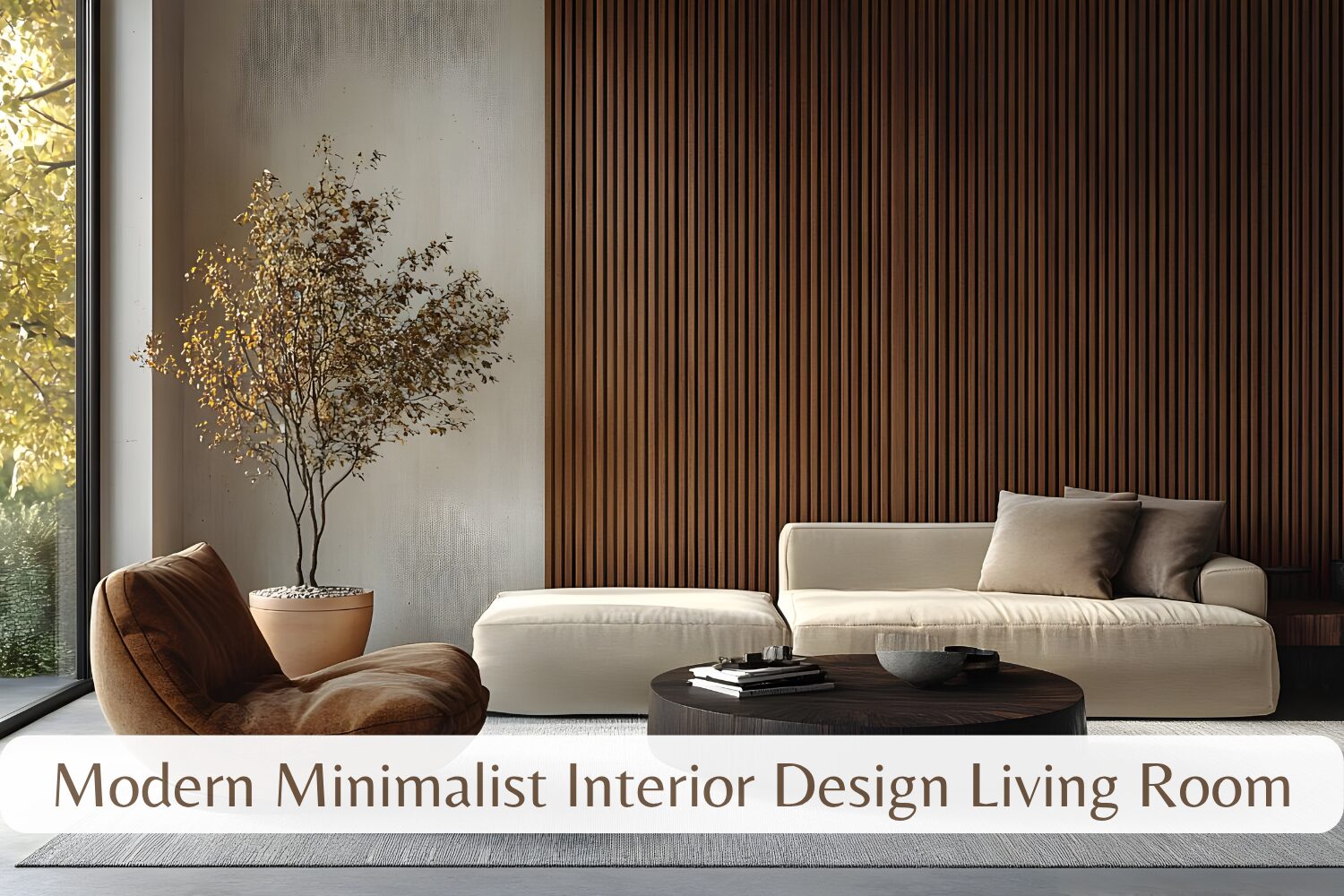
This post is all about Modern Minimalist Interior Design Living Room.
A modern minimalist interior design living room is more than just a trend; it’s a reflection of how we live today. Clean lines, open spaces, and thoughtful details come together to create a space that feels both calm and purposeful. As design continues to move towards simplicity with intention, the minimalist approach has become a favourite for those seeking balance and functionality in their homes.
When it comes to decorating a living room with a minimalist touch, the goal is to make every piece count. It’s not about stripping everything away, but about creating harmony through space, light, and texture. This post will walk you through the essentials, from choosing the right colours and furniture to introducing warmth and character without clutter.
Whether you’re redesigning your space or just making a few thoughtful updates, these ideas will help you achieve the clean, refined look that defines modern minimalism.
This post is all about Modern Minimalist Interior Design Living Room.
What Defines a Modern Minimalist Living Room
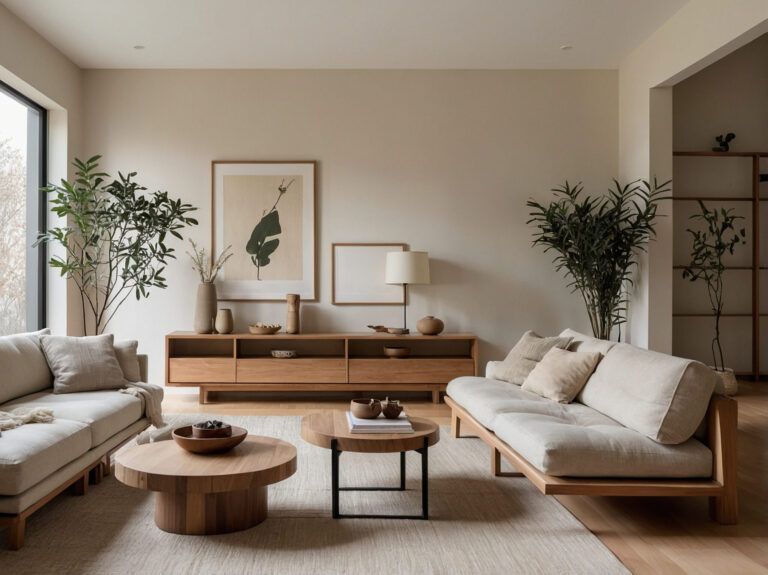
At its essence, a modern minimalist living room blends simplicity with comfort. It’s a style centred on clarity; clean lines, functional furnishings, and a sense of openness. The design invites you to embrace fewer, better-quality pieces that make a strong visual impact without overwhelming the space.
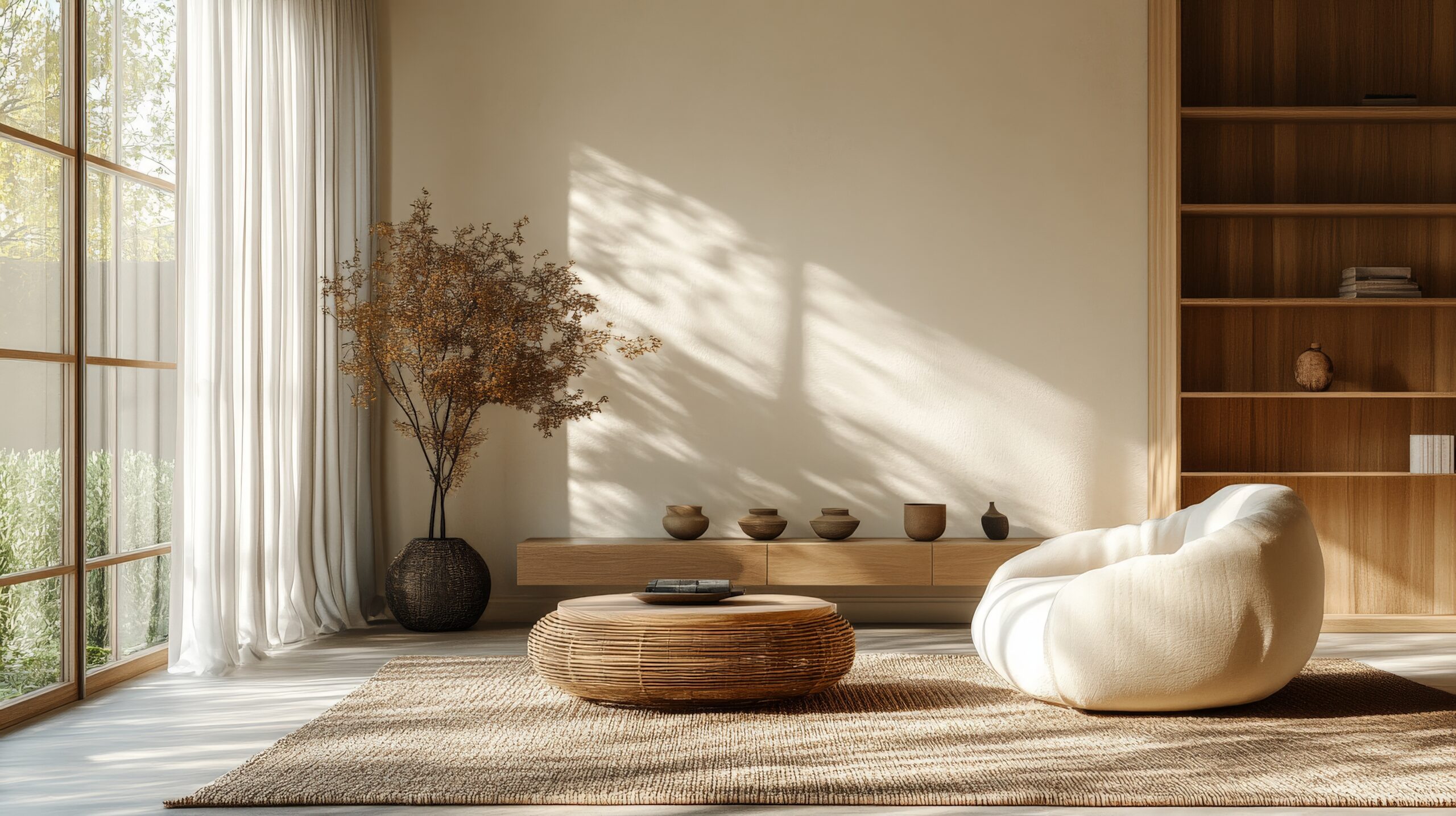
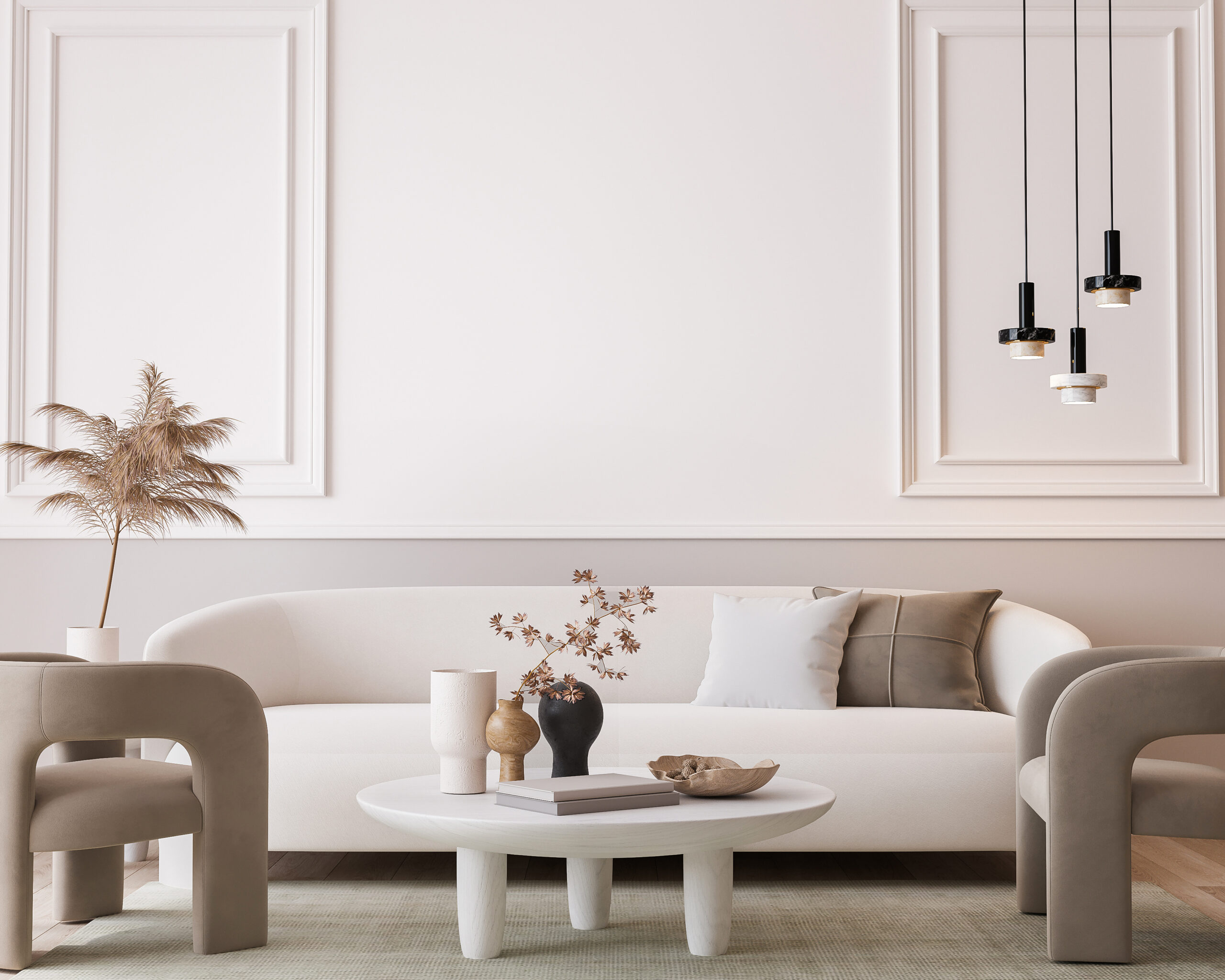
The beauty of a modern minimalist interior design living room lies in the balance between form and function. Neutral tones set a calming backdrop, while subtle textures, like a woven rug or a timber accent, bring warmth and interest. Every element serves a purpose, from the low-slung sofa that encourages relaxation to the structured coffee table that anchors the room.
This kind of interior design isn’t about living with less for the sake of it, but rather about living with intention. By removing visual noise and focusing on practicality, you create an atmosphere that naturally feels more open and considered. The end result is a space that looks refined yet comfortable, modern yet timeless.
Choosing the Right Colour Palette
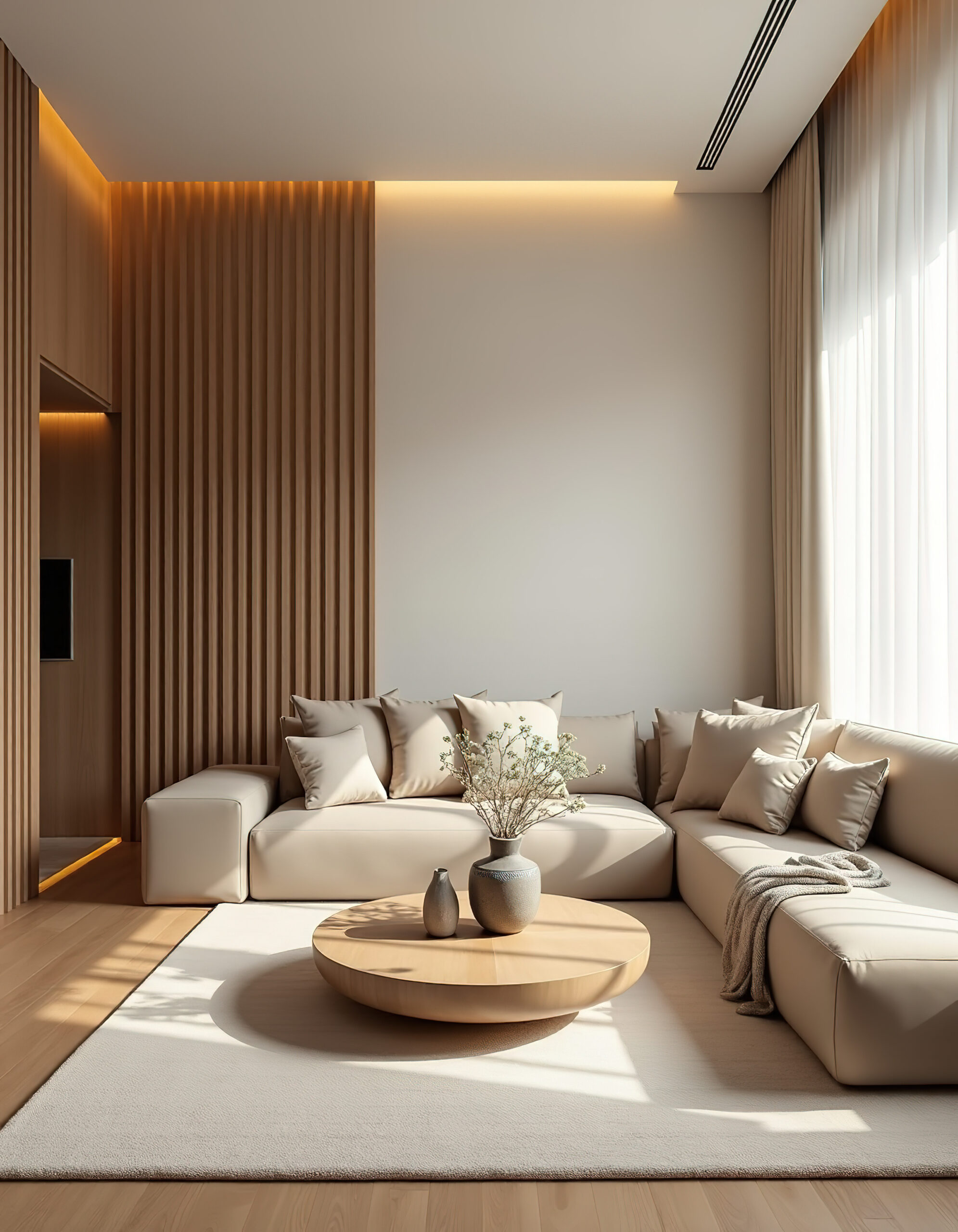
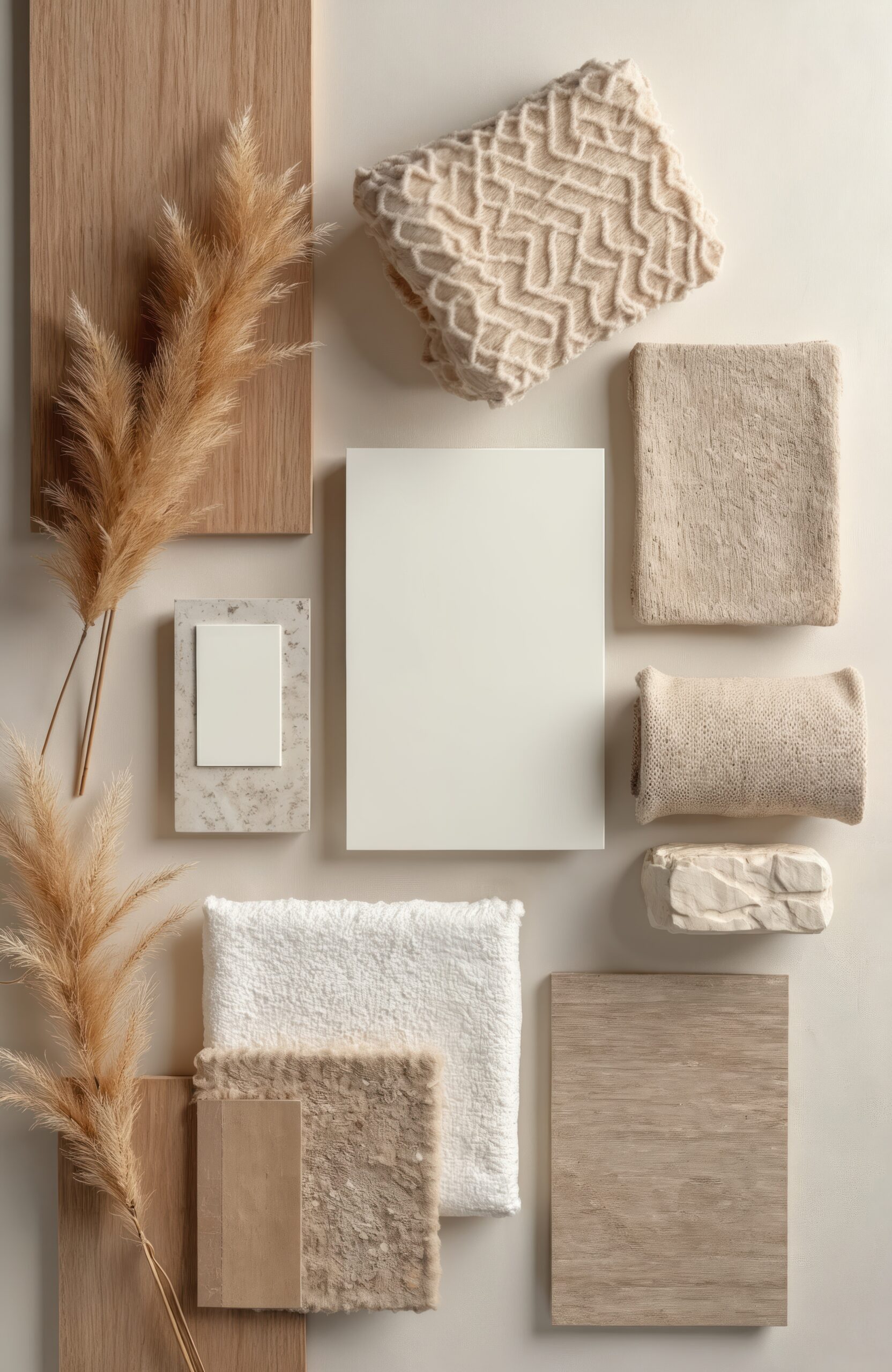
The colour palette is the foundation of any modern minimalist living room interior design. It sets the tone, influences mood, and ties every element together. In minimalist spaces, colours are more than decoration; they’re the building blocks that bring balance and calm. Starting with a neutral base allows the eye to rest and helps the space feel cohesive, spacious, and timeless.
When selecting your palette, consider shades such as soft whites, warm greys, gentle taupes, or muted beige tones. These hues create a clean backdrop that lets furniture and architectural details stand out. If you prefer a little more contrast, darker accents, like charcoal or deep coffee tones, can add depth without overpowering the minimal aesthetic. The key is to maintain harmony and avoid overly saturated colours that disrupt the serenity of the space.
Texture plays a big part in keeping a neutral room from feeling flat. Think about mixing materials such as linen upholstery, woven throws, timber floors, or stone finishes. A minimalist palette works beautifully with natural textures, giving the room warmth and character. It’s the subtle differences in surface and tone that make the space feel inviting rather than stark.
To bring personality to your modern minimalist interior design living room, try introducing a carefully chosen accent colour. Soft sage, dusty blue, or even a muted terracotta can provide just enough contrast to make your space feel personal. Use these accents sparingly, perhaps in cushions, artwork, or decorative ceramics, so they enhance rather than compete with the calm of the main palette.
In short, the right colour palette for a minimalist living room should make the space feel grounded, soothing, and uncluttered. Once you’ve established a base that feels right, the rest of your design decisions will fall into place more naturally.
Selecting Minimalist Furniture That Maximises Space
Furniture is the backbone of any modern minimalist interior design living room, and the right choices can completely transform how a space feels and functions. In minimalist design, furniture isn’t just about appearance; it’s about purpose. Each piece should serve a clear function while still contributing to the overall harmony of the room.
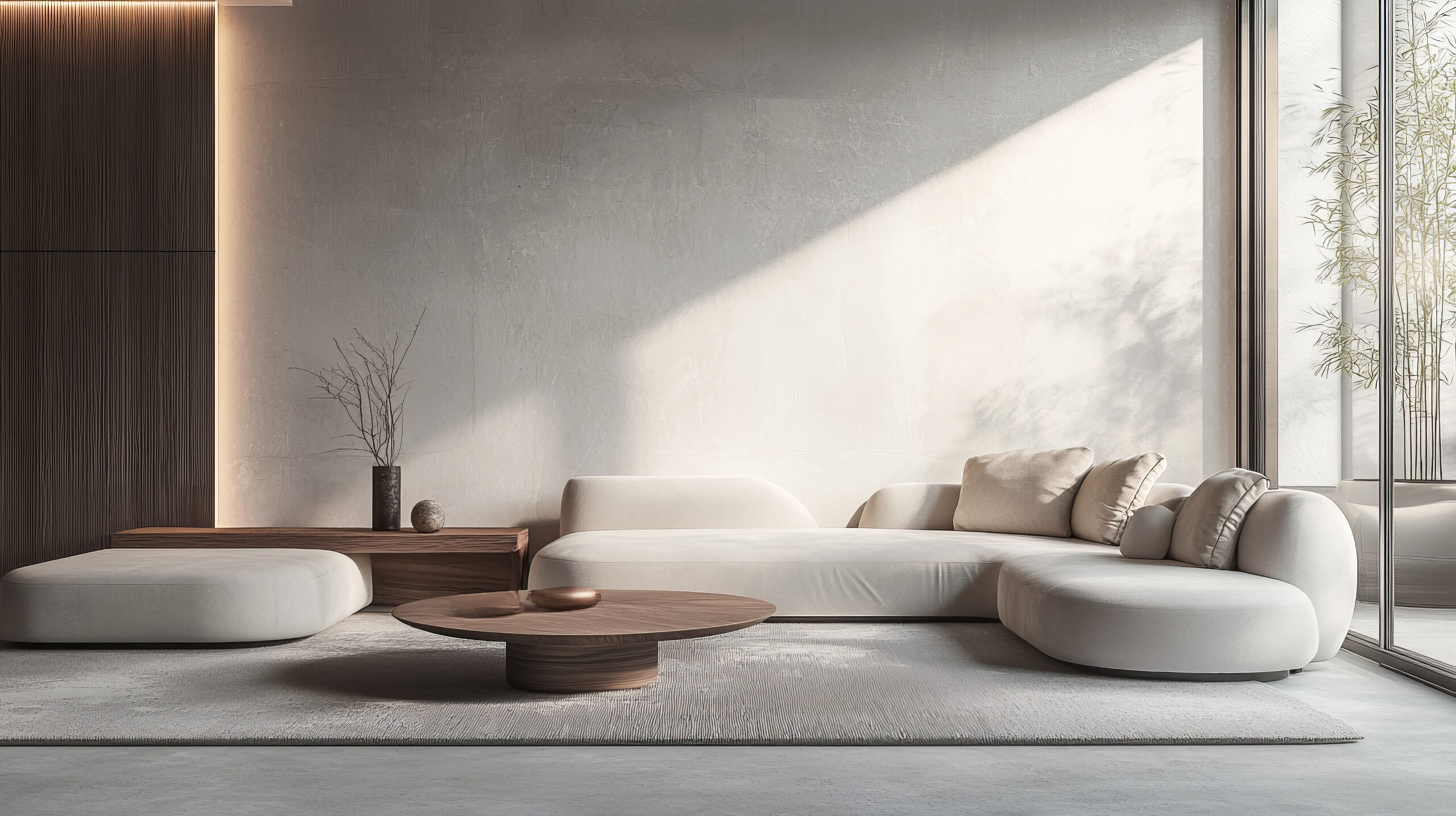
Start by considering the essential pieces: a comfortable sofa with clean lines, a sturdy coffee table, and a few well-placed seating options if space allows. Look for low-profile designs that create a sense of openness. Sofas and chairs with slim legs help maintain visual flow, while modular or sectional options offer flexibility without cluttering the room. When possible, invest in timeless, high-quality pieces rather than trendy furniture that may quickly feel outdated.
A modern minimalist interior design living room thrives on balance and proportion. Pay attention to scale; oversized furniture can overwhelm the simplicity of the room, while items that are too small might make it feel incomplete. Arrange furniture so that there’s plenty of space to move around freely, keeping sightlines open and uncluttered. This not only makes the room appear larger but also creates a sense of calm and ease.
Storage is another key element that often goes overlooked. Opt for multifunctional pieces, think coffee tables or benches with hidden compartments, or media units with soft-close drawers that conceal electronics. This allows you to maintain a clean, minimal look without sacrificing practicality. Built-in shelving or custom cabinetry can also be a great way to keep books and décor neatly organised while blending seamlessly into the design.
When it comes to materials, keep the palette consistent with the rest of your design. Light timbers, matte finishes, and natural fabrics complement the simplicity of minimalism beautifully. Try to avoid overly ornate designs or pieces with too many embellishments. The goal is to create a cohesive environment where every piece contributes to the overall sense of calm.
Finally, don’t forget comfort. Minimalism shouldn’t feel cold or uninviting; it’s about simplifying your surroundings so the essentials shine. Choose furniture that feels good to use, not just good to look at, and remember that negative space (the areas around and between furniture) is just as important as the furniture itself.
Lighting: The Key to a Welcoming Minimalist Feel
Lighting is one of the most powerful tools in any modern minimalist interior design living room. It influences how the space feels, whether it’s calm and airy or warm and intimate. In minimalist interiors, where every detail counts, lighting serves both a practical and aesthetic purpose. It enhances architectural features, brings depth to neutral palettes, and helps define different areas within an open layout.
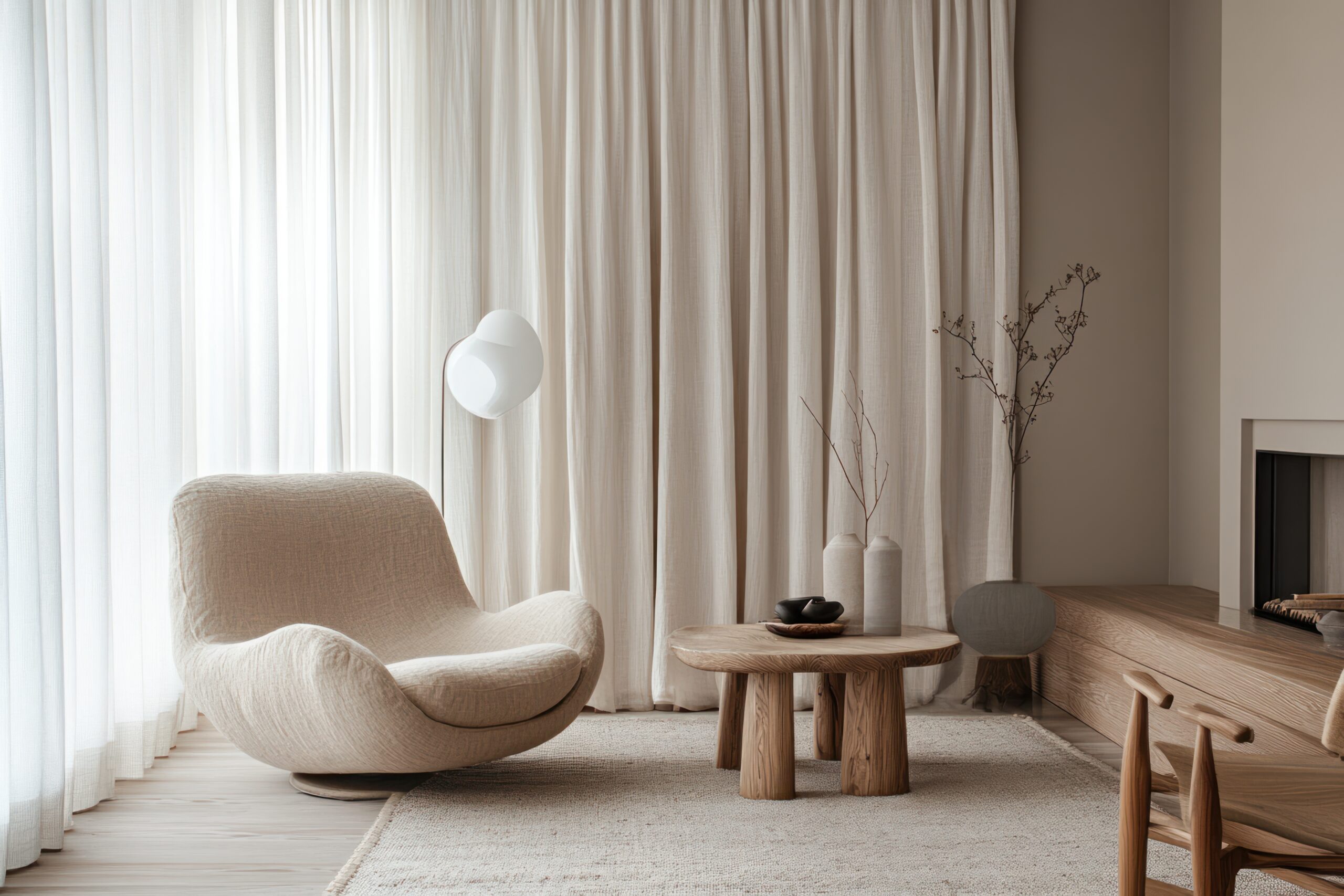
Start with natural light wherever possible. Large windows, sheer curtains, and uncluttered spaces encourage sunlight to flow in freely, making the room feel open and refreshing. Avoid heavy drapes or dark blinds that block light. If privacy is a concern, opt for translucent fabrics or layered window coverings that diffuse sunlight softly throughout the day.
Artificial lighting should be layered thoughtfully. A well-designed lighting plan usually includes three layers:
- Ambient lighting for general illumination, think ceiling-mounted lights, recessed fittings, or large pendant lamps with simple designs.
- Task lighting for reading or focused activities, such as a sleek floor lamp beside the sofa or a table lamp on a side console.
- Accent lighting to highlight artwork
Each source should complement the others without overwhelming the simplicity of the design. The aim is to create a soft, balanced glow rather than harsh spots of light.
In a modern minimalist interior design living room, the fixtures themselves are an extension of the aesthetic. Choose lighting designs with clean lines and minimal ornamentation. Black, white, or brushed metal finishes often suit minimalist spaces well, while timber or glass can add natural elegance. The key is subtlety; light fittings should highlight, not compete with, the overall design.
Dimmers are an excellent addition if you want flexibility. They allow you to shift the mood from bright and energising during the day to soft and relaxing in the evening. The ability to control brightness makes minimalist spaces feel more dynamic and comfortable without adding visual clutter.
Finally, consider warmth. While bright white light complements the crispness of modern design, a warmer tone (between 2700K–3000K) often feels more inviting. This slight golden hue enhances natural materials and softens sharp lines, creating a welcoming atmosphere that’s both modern and liveable.
Minimalist Decoration and Accents
Decor plays an essential role in a modern minimalist interior design living room, but the key is restraint. In spaces defined by clean lines and simplicity, every decorative element should feel intentional and serve a purpose. Instead of filling shelves and tables with accessories, minimalism invites you to slow down and choose pieces that add meaning, texture, or personality without disturbing the room’s sense of calm.
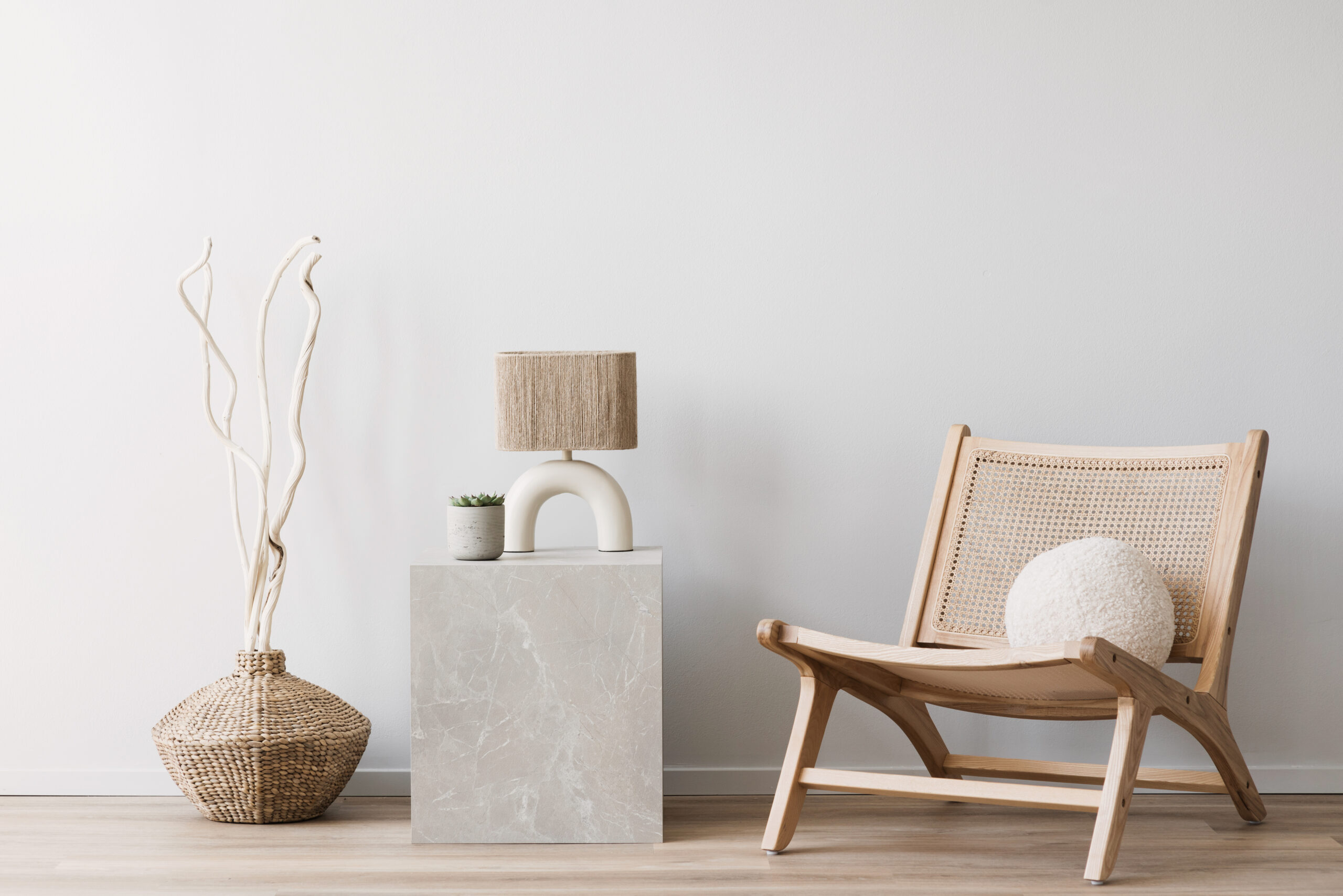
Start with a neutral base and think about layering subtle details rather than crowding the space. A soft throw draped over the arm of a sofa, a textured wool rug underfoot, or a simple ceramic vase on a coffee table can introduce warmth and tactility. These small additions make the living room feel inviting without detracting from its understated elegance.
Artworks are another powerful way to express personality in a minimalist space. Opt for one or two statement pieces, perhaps an abstract painting or black-and-white photograph, rather than filling every wall. The extra breathing room around art allows it to stand out and maintains the clean, structured feel that defines a minimalist home. Similarly, sculptures or handcrafted objects in natural materials can add depth and interest, as long as they’re used sparingly.
Nature also plays beautifully into modern minimalist interiors. A single indoor plant, such as a fiddle leaf fig or a sculptural monstera, introduces organic form and colour while complementing the simplicity of the design. Consider positioning greenery near natural light sources to emphasise that connection to the outdoors. Just remember, less is more; one or two well-placed plants often achieve a stronger effect than several scattered around.
When choosing décor, focus on cohesion. Every element, from cushions and rugs to lamps and accessories, should align with your colour palette and materials. The goal is visual harmony, not uniformity. Small contrasts in tone or texture, like pairing a matte ceramic vase with a woven jute rug, help the space feel layered yet restrained.
In a modern minimalist interior design living room, decoration isn’t about filling space; it’s about curating it. Each item should earn its place, contributing to a sense of balance, warmth, and quiet sophistication. The right accents elevate simplicity into a timeless and personal style.
Clever Storage Solutions
In any modern minimalist interior design living room, clutter is the enemy of calm. A minimalist space thrives when everything has a place and surfaces stay clear. Thoughtful storage isn’t just about tidiness; it’s part of the overall design. Concealed and multifunctional storage options help maintain the minimalist aesthetic while ensuring your home feels lived-in and practical, not sparse.
Start by looking for storage that blends seamlessly into the architecture of the room. Built-in shelving, wall-mounted units, or hidden compartments can keep belongings out of sight while preserving clean lines. Floating cabinets are particularly effective in minimalist spaces because they appear lighter and help the room feel more open. Choose pieces with flat panels or push-to-open mechanisms to maintain that sleek, uninterrupted look.
Multi-purpose furniture is another great way to integrate storage without adding bulk. Coffee tables with lift-up tops, side tables with drawers, or ottomans with hidden compartments allow you to store remotes, magazines, and blankets discreetly. These designs serve dual functions; they provide comfort and practicality without compromising visual simplicity.
If you prefer open shelving, keep it curated. Limit display items to a few carefully selected pieces, perhaps a stack of design books, a plant, or a single ceramic object. This allows your modern minimalist interior design living room to retain structure while still showing a touch of personality. The trick is to leave plenty of negative space so the shelves don’t appear overcrowded.
Cable management also makes a surprising difference. Minimalism relies on clarity and neatness, so hiding cords and chargers is worth the effort. Built-in channels, cable covers, or even wireless accessories can help maintain an uncluttered look. Small details like this separate a room that looks minimalist from one that truly feels minimalist.
Finally, think vertically. Floor-to-ceiling shelving or cabinetry maximises height and provides generous storage without eating into floor area. When finished in the same tone as the walls, these units practically disappear, a hallmark of great minimalist design.
By incorporating clever storage solutions, you preserve the balance between functionality and style. It’s this harmony that defines a true modern minimalist interior design living room, one that feels serene, purposeful, and effortlessly put together.
Common Mistakes to Avoid
Even the most well-intentioned design plans can lose their way, especially when aiming for a modern minimalist interior design living room. Minimalism might seem simple at first glance, but achieving that airy, balanced feel takes thoughtful planning. Avoiding a few common mistakes can help you maintain a clean, cohesive look that feels both comfortable and inviting.
1. Overdecorating or Underdecorating
One of the biggest traps is misunderstanding what minimalism really means. It’s not about having nothing in your space, but about having the right things. Overdecorating quickly leads to clutter, while an overly sparse room can feel cold and unwelcoming. The goal is to strike a balance, curate a few stand-out pieces and allow room for visual breathing space. Every item should add either function or quiet beauty.
2. Mixing Too Many Styles or Materials
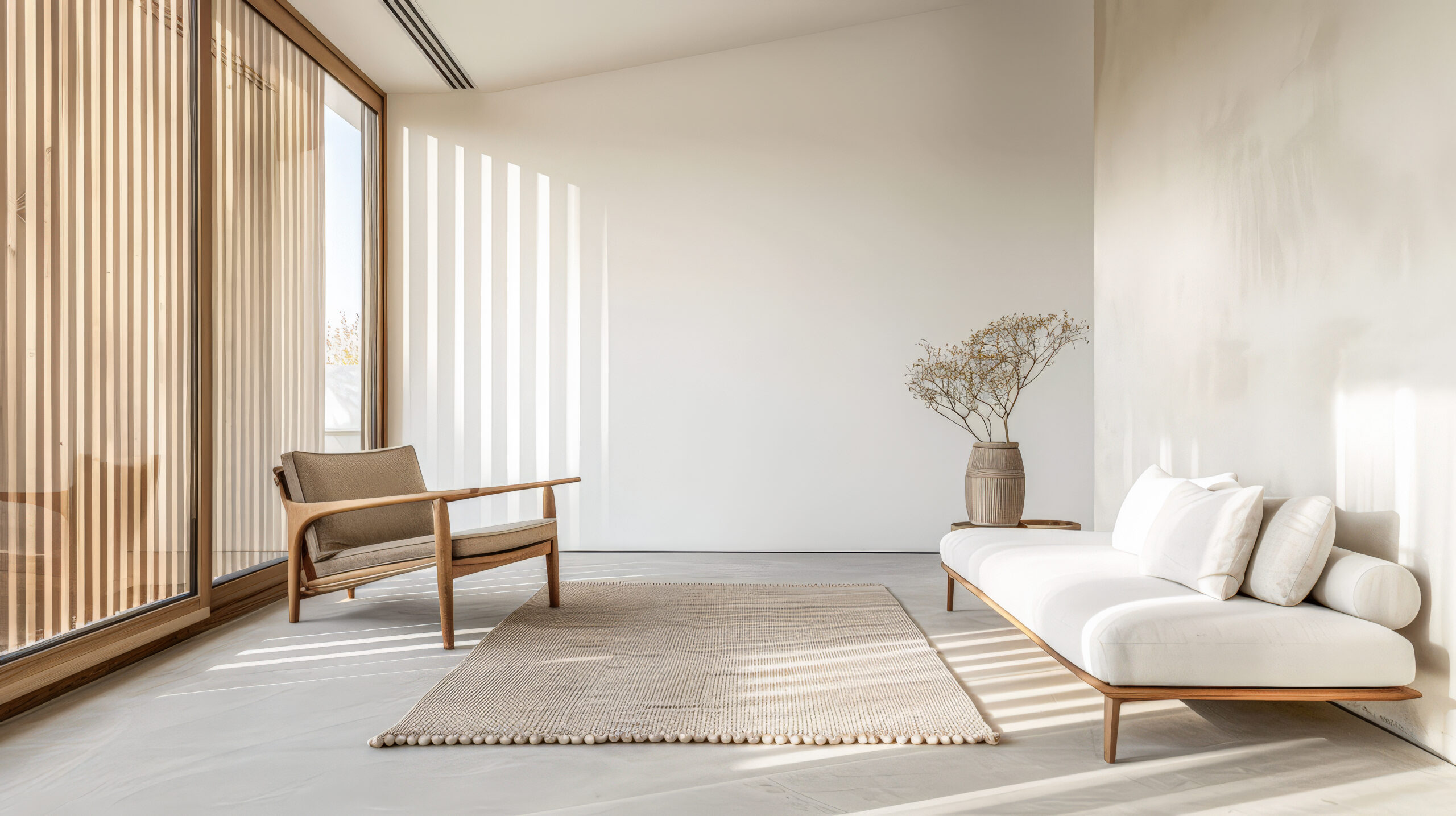
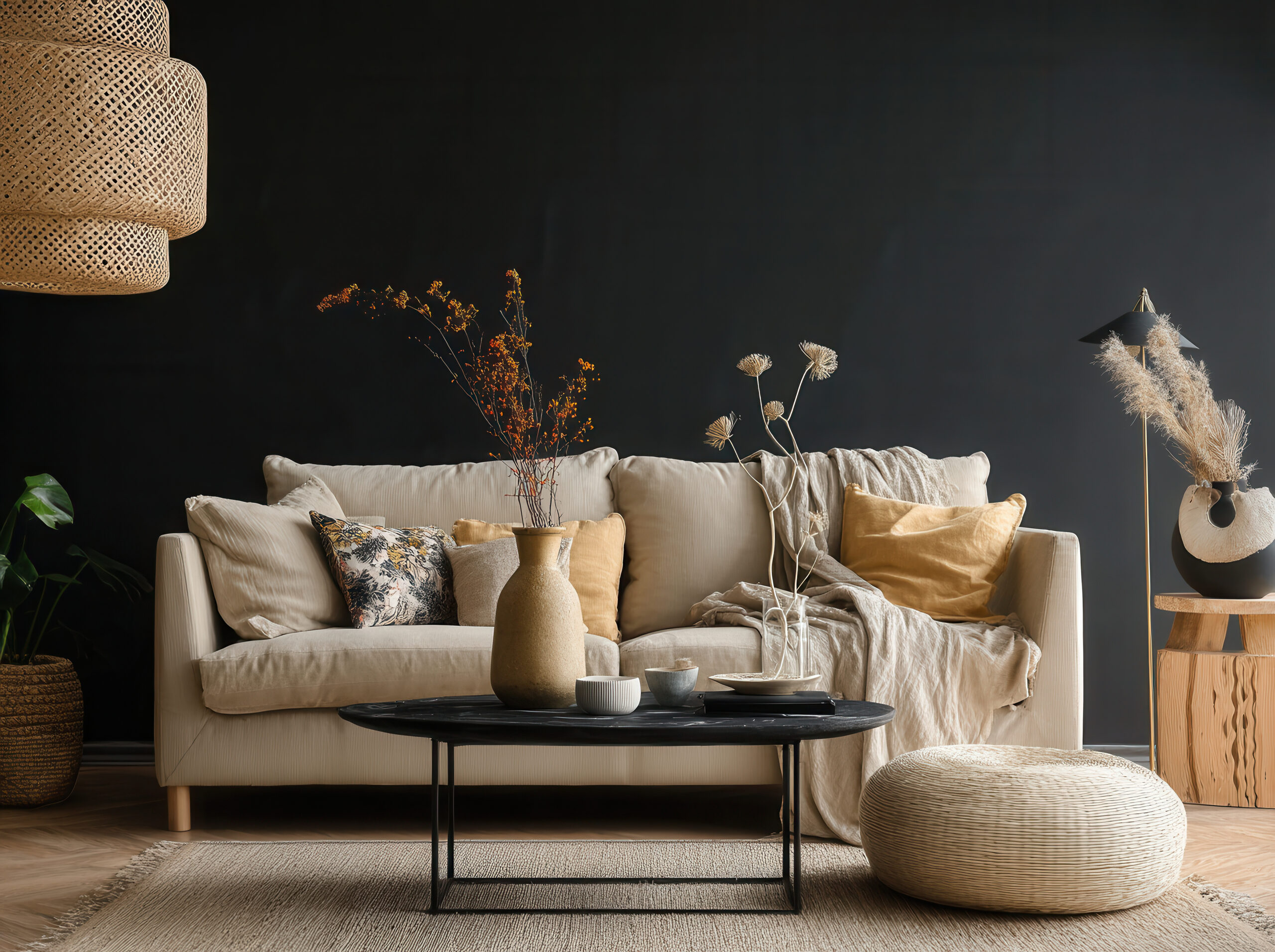
Minimalist design thrives on consistency. Introducing too many design styles, colours, or textures can easily disrupt the harmony. Try to keep the materials palette restrained; for example, pairing stone, wood, and metal works beautifully when done in moderation. Avoid mixing ornate pieces with minimalist furniture, as it can break the aesthetic flow of your modern minimalist interior design living room.
3. Ignoring Functionality
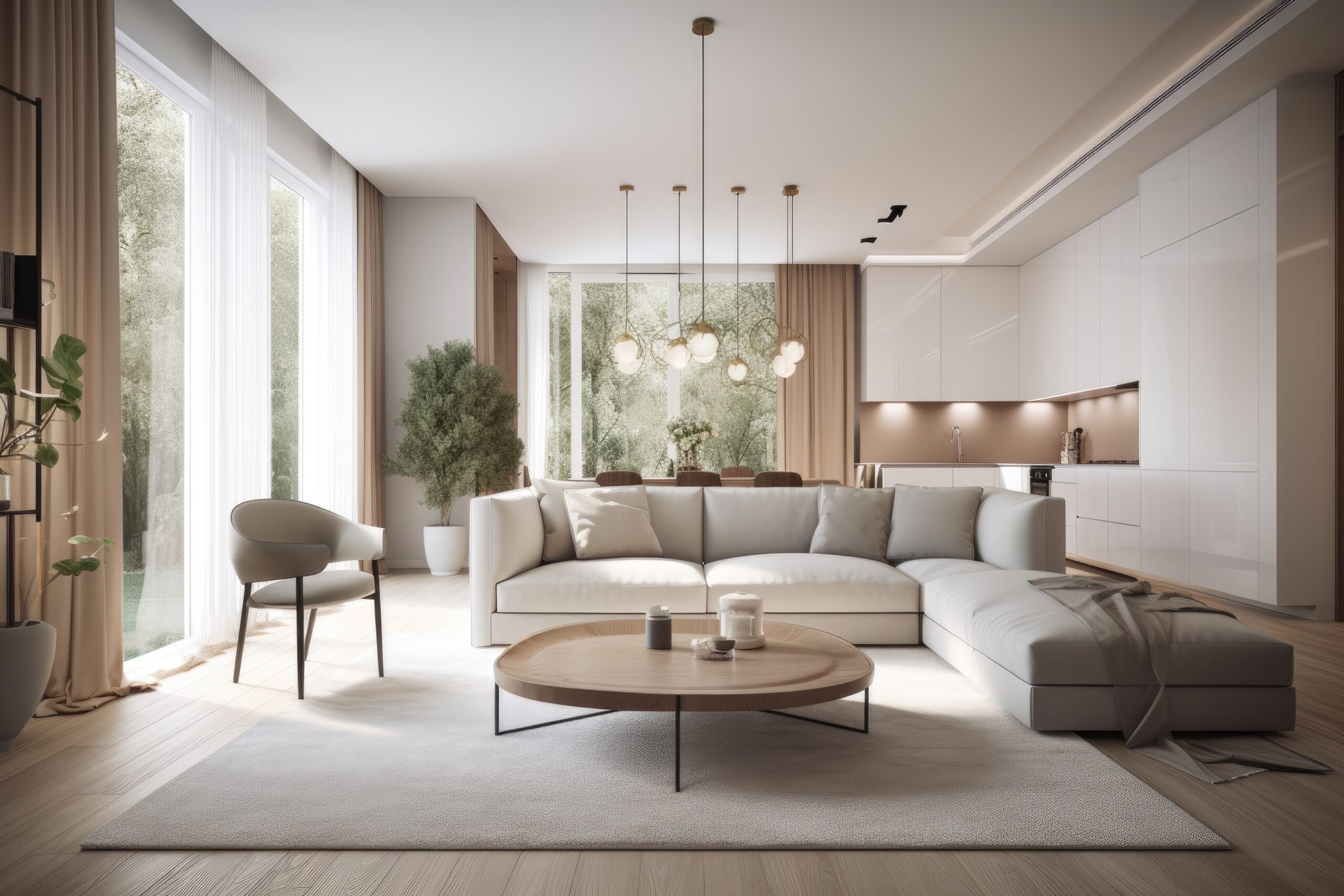
Minimalism is as much about practicality as it is about looks. A room that’s visually pleasing but uncomfortable or impractical doesn’t reflect true minimalist principles. Choose furniture that not only fits the aesthetic but also supports how you live, whether it’s storage for books, comfortable seating, or surfaces that serve daily activities. Simplicity doesn’t mean sacrificing comfort.
4. Poor Lighting Choices
Lighting makes or breaks the ambience of a minimalist space. Relying on a single overhead fixture or overly bright lighting can make the room feel harsh. As covered earlier, layering your lighting, ambient, task, and accent, ensures depth and warmth. Stick with fixtures that complement your design rather than compete with it.
5. Forgetting About Texture and Warmth
A room with all-smooth surfaces and plain finishes can quickly feel sterile. Texture adds life and dimension to minimalism. Introduce soft textiles, textured walls, or natural materials to soften edges and bring comfort. The aim is serenity, not emptiness.
By recognising and avoiding these pitfalls, you ensure your modern minimalist interior design living room feels naturally cohesive, calm, and thoughtfully designed, exactly as it should.
Creating a modern minimalist interior design living room is about so much more than achieving a stylish look; it’s about cultivating a space that feels calm, intentional, and genuinely livable. By focusing on quality over quantity, thoughtful lighting, cohesive colour palettes, and smart storage, you can design a living area that functions beautifully without losing warmth or personality.