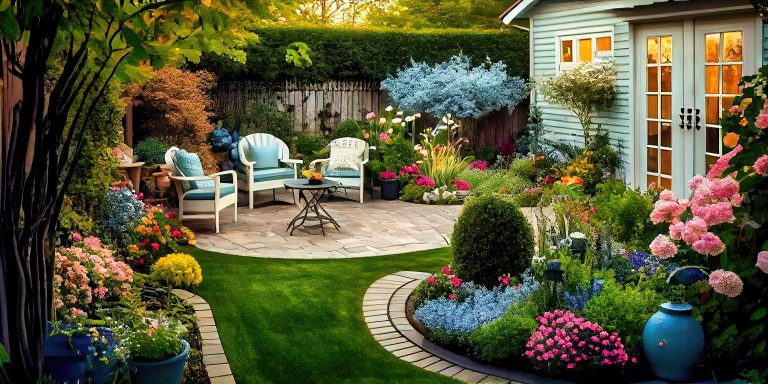
Your Complete Garden Planning Guide for a Beautiful Yard

Your Complete Garden Planning Guide for a Beautiful Yard

Read along for the ultimate garden planning guide.

garden planning


Imagine stepping into your backyard and being greeted by a vibrant oasis of colour and fragrance. A well-designed garden can be a source of immense joy, providing a peaceful retreat and a connection to nature. But achieving this idyllic scene doesn’t happen by chance. Effective garden planning is the key to transforming your outdoor space into the beautiful yard you’ve always dreamed of.

This comprehensive guide will equip you with the knowledge and tools you need to embark on your garden planning journey, covering everything from assessing your space to choosing the right plants and maintaining your garden’s beauty for years to come.

The Best Garden Planning Tips!

1: Assessing Your Space and Resources for Effective Garden Planning

Understanding Your Canvas

Before you even consider picking up a trowel, the first step in garden planning is to thoroughly assess your existing space and resources. Understanding your yard’s unique characteristics will lay the foundation for a successful and thriving garden. This initial phase of garden planning might seem tedious, but it’s crucial for making informed decisions down the line.

Begin by analysing the sunlight exposure in different areas of your yard. Some plants thrive in full sun, while others prefer shade. Observe how the sunlight moves across your yard throughout the day. A simple sun map can be incredibly helpful during the garden planning process.

backyard landscaping plans

Next, evaluate your soil type and drainage. Different plants have different soil preferences. Is your soil sandy, clay-like, or loamy? Does the water pool after rain, or does it drain quickly? Knowing the answers to these questions will guide your plant selection and garden planning decisions.

Accurate measurements are essential for effective garden planning. Measure the available space for planting, taking into account existing features like trees, fences, and structures. This will help you determine how many plants you can accommodate and how to arrange them effectively.

Finally, consider your budget and available time for garden maintenance. Garden planning should be realistic. Choose plants that fit your lifestyle and resources. A low-maintenance garden might be ideal if you have limited time. Careful garden planning from the outset will prevent frustration and ensure a garden you can enjoy for years to come.

2: Defining Your Garden Style and Purpose

Visualising Your Dream Garden

With a clear understanding of your yard’s characteristics, the next stage of garden planning involves defining your garden’s style and purpose. This is where you let your creativity bloom and envision the garden of your dreams. What kind of atmosphere do you want to create? What do you hope to achieve with your garden?

Explore different garden styles to find one that resonates with you. Do you prefer the structured elegance of a formal garden, the charming informality of a cottage garden, or the clean lines of a contemporary garden? Researching various styles will provide inspiration and help you narrow down your preferences.

garden layout ideas

Consider the primary purpose of your garden. Are you primarily interested in growing colorful flowers for visual appeal? Do you envision a bountiful vegetable garden to provide fresh produce for your table? Or perhaps you seek a tranquil retreat for relaxation and contemplation? Defining your garden’s purpose is a crucial element of garden planning.

Your personal preferences and lifestyle should also play a significant role in your garden planning process. Do you enjoy spending time outdoors tending to your plants, or do you prefer a low-maintenance garden? Think about how you plan to use your garden space. Will it be a place for entertaining guests, or a private sanctuary for quiet enjoyment? Effective garden planning aligns your garden with your individual needs and desires.

3: Choosing the Right Plants for Your Garden Plan

Selecting Your Green Companions

Now comes the exciting part of garden planning: choosing the plants that will bring your vision to life! With countless plant varieties available, it’s essential to select plants that are well-suited to your specific climate, soil conditions, and garden style.

Thorough research is key to successful garden planning. Consult local gardening resources, nurseries, or online databases to identify plants that thrive in your region. Consider factors such as average temperatures, rainfall, and frost dates. Choosing plants adapted to your local climate will significantly increase their chances of survival and minimise the need for extensive care.

When selecting plants, pay attention to their size, growth habit, and flowering season. Do you want tall, stately plants or low-growing groundcovers? Do you prefer plants with vibrant blooms or interesting foliage? Consider the timing of their flowering periods to ensure a continuous display of colour throughout the growing season.

small garden design ideas

A diverse selection of plants is essential for a healthy and visually appealing garden. Incorporating a variety of species not only adds interest but also promotes biodiversity and resilience. Think about companion planting, a technique where certain plants are grown together to benefit each other. Some combinations can deter pests, improve soil health, or even enhance the flavor of vegetables. Successful garden planning involves considering these ecological interactions.

4: Creating a Functional and Aesthetic Garden Layout

Designing Your Garden’s Blueprint

With your plant selection finalised, the next phase of garden planning involves creating a functional and aesthetically pleasing layout. This is where you’ll determine the precise placement of each plant and other elements within your garden space.

Start by sketching a garden plan on paper or using online garden planning tools. This visual representation will help you organise your thoughts and ensure that all the elements work together harmoniously. Indicate the location of existing features like trees, fences, and structures, and then begin placing your chosen plants within the available space.

garden design plans

Consider the flow and accessibility of different areas within your garden. Create pathways that allow you to easily navigate through the space and access different sections for maintenance. Think about how you want to move through the garden and where you might want to pause and enjoy the scenery.

Focal points and visual pathways are essential elements of effective garden planning. A focal point can be a striking plant, a sculpture, or a water feature that draws the eye and creates a sense of visual interest. Visual pathways, created through the arrangement of plants and hardscaping elements, guide the eye through the garden and create a sense of depth and perspective.

Hardscaping elements such as paths, patios, and retaining walls play a crucial role in defining the structure and functionality of your garden. These features not only enhance the aesthetic appeal but also provide practical benefits like improved drainage and erosion control. Incorporate hardscaping elements strategically into your garden plan to create distinct areas and enhance the overall design.

5: Preparing the Soil and Planting Your Garden

Bringing Your Garden to Life

With your garden plan in place, it’s time to get your hands dirty and start preparing the soil for planting. This crucial step in garden planning ensures that your plants have the best possible start and sets the stage for healthy growth.

Amend the soil with compost or other organic matter to improve its structure, fertility, and drainage. This is a fundamental aspect of garden planning, as healthy soil is the foundation of a thriving garden. Spread a layer of compost over the planting area and work it into the existing soil using a garden fork or tiller.

flower garden plan

Follow proper planting techniques for different plant types. Some plants prefer to be planted in shallow holes, while others require deeper planting. Pay attention to the spacing recommendations for each plant to avoid overcrowding and ensure adequate air circulation.

Water thoroughly after planting to help the roots establish themselves in the new soil. Consistent watering is especially important during the first few weeks after planting. Mulch around plants to retain moisture, suppress weeds, and regulate soil temperature. Mulching is a valuable garden planning technique that reduces maintenance and promotes healthy plant growth.

6: Maintaining Your Garden’s Beauty

Nurturing Your Garden’s Growth

Once your garden is planted, ongoing maintenance is essential for preserving its beauty and ensuring its long-term health. This final stage of garden planning involves developing a regular routine to provide your plants with the care they need to thrive.

Develop a watering schedule based on plant needs and weather conditions. Some plants require frequent watering, while others are more drought-tolerant. Monitor the soil moisture regularly and adjust your watering schedule accordingly.

Fertilise plants regularly to provide them with the nutrients they need for optimal growth. Choose a fertiliser that is appropriate for the types of plants in your garden. Follow the instructions on the fertiliser packaging carefully to avoid over-fertilising, which can harm your plants.

diy garden design

Prune plants to maintain their shape, encourage flowering, and remove dead or diseased branches. Pruning is an important aspect of garden planning, as it helps to keep your plants healthy and looking their best.

Regularly monitor your garden for pests and diseases. Early detection is key to preventing widespread infestations or infections. Take appropriate action if you notice any signs of pests or diseases, such as using organic pest control methods or removing affected plant parts. Ongoing garden planning is essential for long-term success.

7: Adapting Your Garden Plan Over Time

Embracing the Evolution of Your Garden

One of the most important things to remember about garden planning is that gardens are dynamic and ever-changing. As your plants grow and mature, your garden will evolve, and your garden planning should evolve along with it. Embrace this process of change and be prepared to adapt your garden plan over time.

Acknowledge that some plants may grow larger than anticipated, while others may not perform as well as expected. Be prepared to relocate plants, divide overgrown perennials, or even remove plants that are not thriving. Flexibility is key to successful long-term garden planning.

Consider the seasonal changes and adapt your maintenance accordingly. Different seasons require different approaches to watering, fertilising, and pest control. Incorporate seasonal tasks into your garden planning, such as preparing your garden for winter or planting spring bulbs.

landscape design for begginers

Don’t be afraid to experiment with new plants and design ideas. As you gain experience with garden planning, you may discover new plants that you love or develop new design preferences. Be open to trying new things and incorporating them into your garden plan. A garden is a living canvas, and garden planning is an ongoing process of learning and experimentation.


Creating a beautiful and thriving garden is a rewarding journey that begins with careful garden planning. By following the steps outlined in this guide, you can transform your outdoor space into a haven of beauty and tranquility. Remember that successful garden planning involves understanding your space, choosing the right plants, creating a functional layout, and providing ongoing maintenance.

Cozy Winter Patio Ideas: Create a Year-Round Outdoor Haven

Cozy Winter Patio Ideas: Create a Year-Round Outdoor Haven

This post is all about Winter Patio Ideas.

Winter Patio Ideas

Think patios are just for summer? Think again! They can be magical winter retreats, too. The idea of enjoying the outdoors doesn’t have to fade with the summer sun; in fact, your patio holds untapped potential to become a cozy, inviting sanctuary even during the coldest months.

This blog post will guide you through transforming your outdoor space into a warm, comfortable, and stylish haven that you can enjoy all year round. From selecting the right heating options to adding stylish decor and ensuring weather protection, we’ll explore a wealth of practical and creative winter patio ideas to create a unique extension of your home.

Best Winter Patio Ideas

Why Extend Your Patio Season? The Benefits of a Winter Outdoor Space

The perception of patios as purely summer spaces often leads to them being neglected once the temperatures drop. However, embracing your patio all year round unlocks a wealth of benefits for both your home and your well-being. Imagine the crisp, clean air filling your lungs as you enjoy a starlit dinner on your own heated patio or sipping a warm cup of coffee on a cold winter’s morning, without having to leave the comfort of your home. A winter patio provides a unique way to experience the outdoors, offering a refreshing change of scenery and a much-needed connection to nature, even on chilly days.

Beyond the aesthetic appeal, extending your patio season allows for increased functional space. Instead of being confined indoors, you have an added area for entertaining, relaxing, or even working from home. The flexibility this provides can be a welcome change for those with a busy schedule, allowing a refreshing escape without the need to leave the house. Plus, it creates a distinct atmosphere for hosting guests during the holiday season or a cozy spot to spend time with family after a long day.

Beyond the functional, the benefits of outdoor time during winter significantly impact your mental and emotional well-being. Sunlight, even on colder days, helps boost your mood and reduces the effects of seasonal changes. Creating a cozy winter patio can provide an invaluable opportunity to recharge and alleviate stress. Instead of spending time and money travelling to expensive resorts, you can make your home an even more enjoyable place to be all year. The ability to connect with nature in a comfortable setting will ultimately have a positive effect on your overall well-being. By transforming your patio into a functional and enjoyable outdoor winter space, you’re not just adding square footage to your home; but investing in a lifestyle that promotes relaxation, entertainment, and connection to the outdoors, regardless of the season.

Outdoor Winter Space


Essential Heating Solutions for Your Winter Patio Ideas

Creating a comfortable winter patio hinges on having adequate heating solutions. Without effective warmth, your outdoor space will be less inviting, no matter how stylishly it’s decorated. There are a variety of options to choose from, each with their own pros and cons. The right choice for you will depend on your budget, patio size, and personal preferences. Let’s explore some of the most popular and effective heating solutions:

Fire Pits & Outdoor Fireplaces

The timeless allure of a crackling fire makes fire pits and outdoor fireplaces incredibly appealing for a winter patio. Fire pits come in various styles and sizes, from portable models to built-in structures that create a focal point in your outdoor space. You can choose from wood-burning options that offer the authentic feel of a real fire, gas fire pits that provide more convenience, or propane fire pits that are versatile and mobile. When selecting a fire pit, consider the materials, such as steel, copper, or stone, and be mindful of safety precautions, especially if you have children or pets. Ensure adequate space around the fire pit, especially if you have any flammable materials nearby. The type of fuel used will also determine the cost and maintenance required. Outdoor fireplaces, whether built-in or freestanding, provide an even more substantial source of warmth and add elegance to your winter patio, becoming a central point for warmth and style.

Outdoor Heating

Patio Heaters

Patio heaters offer a practical and convenient way to warm up your winter patio. These devices come in different types, including electric, propane, and natural gas models. Electric heaters are often infrared or radiant and are easy to operate but may require a nearby power source. Propane heaters are popular for their portability, allowing you to move them around your patio as needed. Natural gas heaters offer a reliable and consistent source of heat and are better for those with natural gas lines. When selecting a patio heater, consider the heat output, usually measured in BTUs (British Thermal Units), and the coverage area it can effectively heat. Choose a heater that’s appropriate for the size of your space and be sure to consider safety guidelines for proper use. A heater that can be controlled with a remote is a bonus for convenience.

Patio Heaters

Radiant Heat Options

For those undertaking major patio renovations, underfloor radiant heating is a luxurious option. These systems involve installing heating elements beneath the patio surface, providing consistent warmth that rises from the ground. Though more costly and complex to install, radiant heat is highly efficient, provides an even distribution of heat, and eliminates the need for bulky heating equipment on your patio. This method also doesn’t rely on fans or blowers, eliminating any noise associated with heat sources.

Outdoor Rugs & Textiles as Insulation

Beyond heat sources, the use of durable outdoor rugs and textiles can significantly enhance the warmth and comfort of your winter patio. Select outdoor rugs made from weather-resistant materials like polypropylene or sisal-look synthetics. These materials not only add style but also provide insulation underfoot, making it more comfortable to walk on the patio. Choose rugs with a higher pile for added warmth and texture to enhance the cozy feel. Layering blankets and throws on your patio furniture adds an extra layer of warmth and visual appeal. Choose materials like wool and cotton for natural warmth, or synthetic options like fleece or faux fur for water resistance and easy care. Using durable, easy-to-clean textiles is crucial for the outdoors, and it allows you to add your own style.

Outdoor Textiles

Setting the Mood: Elevating Your Winter Patio’s Style

The right decor is just as important as heating when creating a cozy winter patio. The decorations you choose will help shape the overall atmosphere and make it inviting and comfortable. Let’s take a look at lighting, seasonal decor, and seating arrangements:

The Magic of Layered Lighting

Lighting plays a crucial role in creating a warm and inviting ambiance on your winter patio. Avoid using harsh, single-source lighting, and instead layer multiple light sources for an inviting glow. String lights with warm white bulbs are a popular choice for adding a touch of whimsy and sparkle. Lanterns with flameless candles or real candles (when safely used) can add a soft, flickering light that’s reminiscent of cozy evenings. Directional spotlights strategically placed on plants or art pieces can highlight special features in your outdoor space. Consider using decorative lamps to create focal points of light, adding more texture and design. By combining different lighting sources and styles, you can transform your patio into a magical space. The type and tone of lighting will greatly affect the overall feel.

Layered Lighting

Embracing Seasonal Decor

Adding seasonal decor is a wonderful way to infuse your winter patio with festive charm. Incorporate natural elements like evergreen garlands, pinecones, and berries for a beautiful and rustic look. Use gourds and branches to add a subtle fall or winter design. Don’t be afraid to add a touch of sparkle with metallic accents or shimmering fabrics. For the holidays, you can add festive decorations like lights, ornaments, and wreaths, but ensure that they are made for outdoor use. When using seasonal decorations, aim to create a welcoming ambiance, but don’t feel pressured to go overboard unless you want to.

Seasonal Decor

The Importance of Comfortable Seating

Comfortable seating is essential for creating an inviting winter patio. Choose furniture made from weather-resistant materials like rattan, metal, or treated wood that can withstand cold and moisture. Opt for deep cushions and throw pillows with removable, washable covers to make it easy to keep your seating areas clean and inviting. Consider cushions made with quick-dry fabrics to minimize water absorption. Providing adequate seating for your needs is important, especially if you are entertaining.

Outdoor Seating

Image Suggestion: An image featuring a luxurious outdoor seating area with ample cushions and throws, showcasing comfort and style.

Preparing Your Patio for Winter’s Challenges

Protecting your winter patio from the harsh weather is crucial for its longevity and your enjoyment. Taking some simple steps now will save you time, money, and hassle later. Let’s take a look at some key areas:

1: Invest in high-quality furniture covers made from waterproof and UV-resistant materials. These covers will shield your furniture from rain, snow, ice, and the damaging effects of the sun. Apply waterproof treatments to wood surfaces and other susceptible materials, following the manufacturer’s instructions. Clear your patio of any items that could be damaged by winter weather, including electronics, delicate decor, or potted plants that aren’t cold-hardy. In preparation for storms or heavy snowfall, make sure to secure any loose items on your patio.

2: Sweeping or blowing leaves and debris regularly will prevent buildup and staining. Clean your patio surface with appropriate cleaners (consider pressure washing for a deep clean). Protect wooden surfaces with sealant or stain. Keep a close eye out for ice build-up and address any slippery spots immediately. Make sure to routinely store any cushions, pillows, or other sensitive items that cannot withstand the harsh winter weather.

3: If your budget allows, consider a covered patio or awning to provide additional protection from the elements. The added layer of protection not only prolongs the life of your patio furniture and accessories, but it also increases the use of your space in any weather.

Weatherproofing

Image Suggestion: A picture of patio furniture with protective covers on, or someone preparing the patio for a winter storm using a sealant. This should show the practical preparation for winter weather.

Creating a Cozy Winter Patio on a Budget

You don’t need to spend a fortune to create a cozy winter patio. There are numerous ways to transform your outdoor space without breaking the bank. Let’s explore a few ideas:

Repurposing and Recycling

Look around your home and garden for items that you can repurpose. Old pallets can be turned into unique seating or coffee tables. Glass jars can be transformed into charming lanterns by adding tealights or battery-operated lights. Thrift stores often have gently used furniture that can be refinished for your winter patio. Look for creative ways to reuse items you already have, adding both personality and reducing expenses. A little creativity goes a long way in making your space unique and wallet-friendly.

DIY Patio

Image Suggestion: A before-and-after photo showing the transformation of repurposed materials, such as pallets turned into seating, on a winter patio.

Simple DIY Projects

There are many simple DIY projects that can add character and coziness to your winter patio. Try painting existing flower pots in bright and seasonal colors. Make your own simple string lights with inexpensive string and lights, or even repurpose Christmas lights. Create DIY outdoor pillows by sewing together fabric scraps, or adding a new cover to an existing pillow. These projects are simple and fun, allowing you to add personal touches while also keeping to your budget.

Smart Shopping Strategies

Look for deals and discounts on seasonal items during the off-season. End-of-year clearance sales are a great way to find discounted furniture, heaters, and other accessories. Second-hand marketplaces can also be an invaluable resource for finding budget-friendly outdoor items. With patience and smart shopping techniques, you can create a stunning winter patio without breaking your budget.

Adding Special Touches to Your Winter Patio

To fully enjoy your cozy winter patio, consider incorporating these additional elements that elevate the ambiance and comfort:

Music and Sound

Adding soft, calming music can greatly enhance the relaxed vibe of your winter patio. Consider investing in an outdoor speaker that blends well with your existing outdoor aesthetic and is also weatherproof. Listen to your favorite tunes or the relaxing sounds of nature to add to the serene atmosphere you have created.

The Scent of the Season

The sense of smell can greatly impact the ambiance of your space. Using scented candles, essential oil diffusers, or outdoor incense to fill your winter patio with warm and inviting seasonal scents will add an extra layer of comfort. Consider scents like pine, cinnamon, or vanilla for a cozy and festive touch. Be sure to practice all safety tips when using candles, and diffusers.

Seasonal Scents

Outdoor Games

If you are interested in incorporating some activity into your space, try setting up an outdoor game area. Even on colder days, some fun and friendly competition can add to your winter patio. Consider setting up an outdoor game like a large chess set, cornhole, or even a simple board game that can be played on your outdoor table.

Outdoor Activities

Creating a cozy winter patio is not just about extending your outdoor season; it’s about creating a space that promotes relaxation, enjoyment, and connection with nature throughout the year. The possibilities are endless, from selecting the right heating solutions to incorporating stylish decor, weatherproofing your space, and finding budget-friendly ways to create a cozy haven. Embrace the cooler months and unlock the full potential of your patio by experimenting with the ideas discussed in this guide.