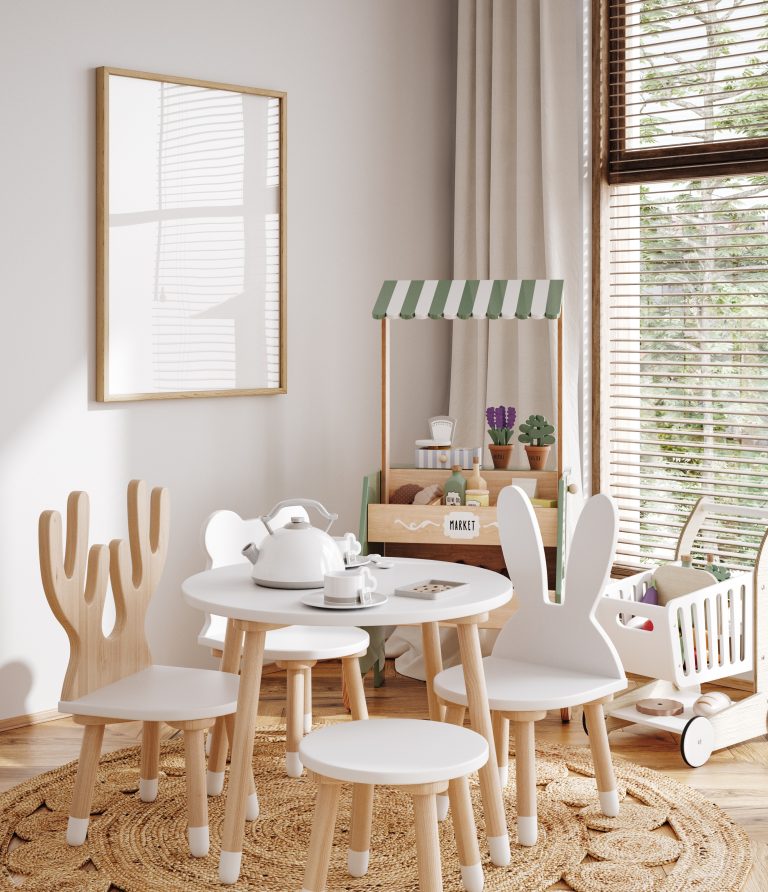
Kids Toy Room Ideas: Creative & Organised Play Spaces

Kids Toy Room Ideas: Creative & Organised Play Spaces

Creating a functional kids’ toy room requires thoughtful planning that balances organisation with imagination. A well-designed play space not only keeps toys contained but also fosters creativity, independence, and development.

Whether you’re working with a dedicated room or carving out a corner of your living space, the principles of effective toy room design remain consistent: accessible storage, defined activity areas, and systems that grow with your child.

Kids Toy Room

1. Planning Your Kids Toy Room: The Essentials

Before purchasing storage containers or deciding on a colour scheme, take time to evaluate your specific needs. The most successful kids’ toy room designs begin with thoughtful planning.

  • Assess your available space – Measure your area and note any architectural features that could impact your design
  • Observe play patterns – Watch how your child interacts with their toys and what activities they gravitate toward
  • Consider traffic flow – Allow adequate movement space between activity zones
  • Plan for flexibility – Design a kids’ toy room that can evolve as interests change
  • Establish a realistic budget – Prioritise essential organisational elements before decorative features

The most effective kids’ toy room designs balance visual appeal with practical functionality. Begin by dividing your space into activity zones based on how your child plays. A reading corner, building zone, creative area, and active play space create natural divisions that help children understand where different activities take place.

kids toy room organized

Pro tip: Before purchasing new storage solutions, take inventory of what toys need organising. Categories often include building blocks, creative supplies, books, pretend play items, and active toys.

2. Storage Solutions That Grow With Your Child

The foundation of any successful kids’ toy room is appropriate storage. Effective toy organisation systems should be both accessible to children and visually appealing.

Open shelving works particularly well for frequently used items and can double as display space in your kids’ toy room. Consider these options for different toy categories:

  • Low, open shelves for daily-use toys that encourage independent access
  • Closed cabinets for items that require adult supervision or create visual clutter
  • Clear bins for collections like building blocks or toy vehicles
  • Soft baskets for stuffed animals and dress-up clothes
  • Book displays that show covers rather than spines for young readers

What makes a kids’ toy room truly functional is a labelling system appropriate for your child’s age. For pre-readers, use picture labels with corresponding images on bins. As children grow, transition to written labels that they can read independently.

toy room floor plan activity zones

Pro tip: Modular storage systems allow your kids’ toy room to evolve as your child grows. Choose pieces that can be reconfigured or repurposed rather than age-specific furniture with limited longevity.

3. Flooring and Surface Considerations

The physical foundation of your kid’s toy room deserves careful consideration. Flooring needs to withstand creative messes, active play, and frequent cleaning.

Ideal flooring options for a kids’ toy room include:

  • Luxury vinyl planks – Waterproof, durable, and available in attractive designs
  • Low-pile carpeting – Offers comfort for floor play while being relatively easy to clean
  • Large washable area rugs – Provide comfort over hardwood or tile
  • Interlocking foam tiles – Create cushioned areas for active play
  • Laminate flooring – Offers durability at a lower price point than hardwood

Wall surfaces in a kids’ toy room should balance aesthetics with practicality. Consider washable paint in a satin or semi-gloss finish that allows for wiping away inevitable marks. Magnetic paint or chalkboard sections create interactive areas that contain creative expression in designated spaces.

kids toy room storage solutions

Pro tip: In multi-purpose spaces, use area rugs to define the kids’ toy room zone within a larger room. This creates a visual boundary that helps children understand where playthings belong.

4. Creating Activity Zones in Your Kids’ Toy Room

A well-designed kids’ toy room incorporates distinct areas that support different types of play. Each zone should include appropriate storage, surfaces, and materials specific to the activity.

Reading Nook Essentials

Create a cosy reading corner in your kids’ toy room with:

  • Comfortable seating (child-sized armchair, floor cushions, or bean bags)
  • Good lighting (preferably natural light supplemented with task lighting)
  • Forward-facing book displays that highlight covers
  • Soft textiles that invite settling in with a book

Art and Craft Corner Setup

Dedicate a creative space in your kids’ toy room with:

  • A washable work surface at an appropriate height
  • Organised supplies in accessible containers
  • Display space for completed artwork
  • Adequate lighting for detail work
  • Protective covering for surfaces if needed

Building and Construction Zone

Support constructive play in your kids’ toy room with:

  • Clear containers organised by piece type or set
  • Flat building surfaces (LEGO tables, play mats)
  • Display shelves for completed constructions
  • Comfortable floor space for larger structures

toy room flooring options comparidon

Pro tip: When designing zones in your kid’s toy room, consider acoustic properties. Place quieter activities like reading further from active play areas to allow simultaneous use by multiple children.

5. Display and Rotation Systems

A thoughtfully designed kids’ toy room includes intentional display areas that showcase special items and children’s creations. These displays serve multiple purposes: highlighting achievements, inspiring creativity, and creating visual interest in the space.

Effective display solutions for a kids’ toy room include:

  • Gallery wall systems with easily changeable frames for rotating artwork
  • Floating shelves at child height for displaying collections or creations
  • Shadow boxes for three-dimensional items or special collections
  • Wire systems with clips for frequently changing displays
  • Museum-style display stands for showcasing current building projects

Implementing a toy rotation system keeps your kids’ toy room fresh and engaging while preventing overwhelm. Consider storing approximately one-third of toys out of sight, rotating them every few weeks to maintain interest while keeping the volume of visible toys manageable.

childrens toy room reading nook

Pro tip: When designing your kids’ toy room, create a dedicated “display zone” where children can showcase their current projects without fear of them being dismantled or put away during cleanup time.

6. Lighting Your Kids’ Toy Room

Proper lighting transforms a kids’ toy room from functional to inspirational. A well-lit play space supports different activities while creating atmosphere and visual interest.

Consider these lighting elements for your kids’ toy room:

  • Natural light – Position activity areas near windows when possible
  • Overhead lighting – Provide even, ambient illumination throughout the space
  • Task lighting – Add directed light for reading corners and craft areas
  • Decorative lighting – Incorporate string lights or novelty fixtures that enhance the room’s theme
  • Night lighting – Install dim options for evening transitions or nighttime comfort

The most effective kids’ toy room lighting plans include multiple sources at different heights. This layered approach creates a warm environment while ensuring adequate brightness for different activities.

creative play zones kids toy room

Pro tip: In a kids’ toy room, consider cord management and safety features when selecting lighting. Wall-mounted options eliminate floor cords, while LED fixtures provide brightness without heat concerns.

7. Small Space Solutions

Not every home can accommodate a dedicated kids’ toy room, but even small spaces can incorporate organised play areas with strategic planning.

Maximise limited space with these kids’ toy room solutions:

  • Vertical storage – Utilise wall space with tall bookcases and mounted organisers
  • Under-bed storage – Choose beds with built-in drawers or use rolling containers underneath
  • Door-hanging organisers – Use over-door systems for small toys or supplies
  • Dual-purpose furniture – Select ottomans with storage, desks with shelving, or benches with bins
  • Corner solutions – Maximise overlooked corner spaces with custom shelving or activity stations

When creating a kids’ toy room in a shared space, clearly define boundaries using area rugs, bookcases as room dividers, or designated cabinets that close when playtime ends.

toy room art display wall

Pro tip: In apartments or small homes, create a “portable kids toy room” concept using dedicated containers that can be moved between spaces as needed, maintaining organisation while adapting to space limitations.

8. Theme and Décor Ideas That Inspire Play

Aesthetics matter in a kids’ toy room—not just for visual appeal, but because thoughtful design can stimulate imagination and engagement. The most successful play spaces balance personality with functionality.

When selecting a theme for your kids’ toy room, consider:

  • Longevity – Choose concepts that can evolve as your child grows
  • Neutrality – Select base elements that work with changing interests
  • Flexibility – Incorporate themes through easily-changed accessories rather than permanent fixtures
  • Child input – Involve children in age-appropriate decisions to increase their ownership of the space
  • Colour psychology – Understand how different hues affect mood and behaviour

A well-designed kids’ toy room often uses colour strategically rather than overwhelmingly. Consider a neutral base palette with colourful accents that can be updated. This approach creates a visually calm environment while still offering personality and interest.

kids toy room lighting options

Pro tip: Rather than character-specific themes that may quickly fall out of favour, consider concept-based themes for your kids’ toy room, such as nature, adventure, or creativity, that can adapt as interests evolve.

9. Organisation Systems That Work

Creating a kids’ toy room is one achievement; maintaining it is another. Successful play spaces incorporate systems that make ongoing organisation manageable for both parents and children.

Effective kids’ toy room maintenance strategies include:

  • Consistent categories – Group similar items together in logical categories
  • Clear visual systems – Use consistent colours, labels, or symbols for different toy types
  • Appropriate independence – Design storage that children can manage without assistance
  • Regular reset times – Establish daily quick-cleanup and weekly deeper organisation routines
  • One-in-one-out policy – Maintain toy volume by removing items when new ones enter the rotation

Labelling deserves special attention in any kids’ toy room organisation system. For younger children, use picture labels that clearly show what belongs where. As children develop reading skills, transition to word labels that support literacy development.

small space toy room solutions

Pro tip: In a well-designed kids’ toy room, incorporate a “halfway house” basket for items that need parental help to put away. This teaches responsibility while acknowledging developmental capabilities.

10. Real Family Examples: Kids Toy Rooms That Work

While every family’s needs differ, examining successful kids’ toy room solutions provides valuable inspiration. The following examples demonstrate how core principles adapt to different situations.

Small Space Solution

A 6×8-foot dedicated area transformed into a complete kids’ toy room by:

  • Using full-height wall storage
  • Implementing a fold-down activity table
  • Creating vertical display systems
  • Utilising under-furniture storage
  • Employing a strict rotation system to limit visible toys

Shared Sibling Space

A kids’ toy room designed for multiple ages incorporating:

  • Colour-coded storage for each child
  • Height-appropriate activity zones
  • Lockable storage for materials needing supervision
  • Flexible furniture arrangement for varying play styles
  • Designated personal spaces within the shared room

Budget Transformation

An impressive kids’ toy room created with limited funds by:

  • Repurposing existing furniture with paint
  • Using inexpensive plastic bins with custom labels
  • DIY wall organisation systems
  • Strategic lighting upgrades
  • Creative use of wall space for both storage and play

toy room organization labeling system

Pro tip: The most successful kids’ toy room designs prioritise organisational infrastructure first, with decorative elements added after the functional systems are established.

Conclusion

Creating an effective kids’ toy room involves balancing practical organisation with spaces that inspire creativity and independent play. The most successful designs consider not just current needs but how the space will evolve as children grow.

Key takeaways for designing your kids’ toy room include:

  • Start with clear zones based on your child’s play patterns
  • Prioritise accessible, intuitive storage systems
  • Create visual calm through thoughtful design choices
  • Implement maintenance routines that grow with your child
  • Allow flexibility for changing interests and developmental needs

Remember that a well-designed kids’ toy room serves multiple purposes: containing toy clutter, supporting development through appropriate play opportunities, and creating an environment where children can exercise independence and creativity.

By applying these principles, you can create a kids’ toy room that works for your unique space, budget, and family needs, transforming toy chaos into an organised, inspiring environment that benefits both children and parents.

kids toy room themed decor ideas

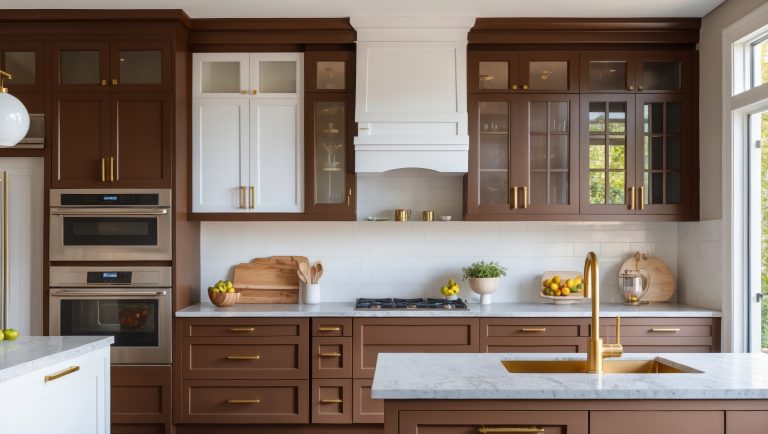
15 Smart Kitchen Organisation Ideas That Actually Work

15 Smart Kitchen Organisation Ideas That Actually Work

This post is all about Kitchen organisation ideas.

Is your kitchen more chaos than cooking? We get it! The heart of the home often becomes a battleground of overflowing drawers, mismatched containers, and countertops buried under clutter. It’s frustrating and time-consuming, and frankly, cooking and meal prep can feel more like a chore than a joy. Dreaming of a kitchen where everything has its place, where you can easily find that spice jar or the right-sized lid without a scavenger hunt?

By the time you’re done reading this, you’ll have a toolbox of ideas and inspiration, ready to transform your kitchen into a well-organised space that will save you time, reduce frustration, and, ultimately, make your life a little bit easier. Ready to reclaim your kitchen? Let’s dive in!

Smart Kitchen Organisation Ideas

Ready to reclaim your kitchen? Let’s dive into 15 kitchen organisation ideas you can implement today to create a more functional and enjoyable space.

Drawer Dividers for Utensil Harmony

Organized Kitchen Drawer Using Dividers

We’ve all been there – the utensil drawer that’s a chaotic jumble of spoons, spatulas, and that one whisk you can never seem to find. The simple solution? Drawer dividers! These handy tools are absolute game-changers when it comes to keeping things separate and easy to find. Not only does this help you locate what you need quickly and reduce clutter, but it also prevents your utensils from scratching and clanging against each other. Plus, when each item has a designated space, you’ll save time not having to dig around in messy drawers, keeping the kitchen cleaner and your stress levels lower! Think of it as giving each utensil its own tiny, perfectly-sized home.

For versatility and style, look for expandable dividers, preferably made from natural materials like bamboo, that can easily adjust to fit your drawers. The adjustability ensures a good fit, and bamboo will add an element of elegance, or if you’d rather a modern option, consider clear acrylic dividers to give it a clean feel.

Vertical Storage: Tiered Shelves and Risers

Tiered Shelves in Cabinet

When it comes to kitchens, you might often find yourself limited on space, but using vertical space wisely is essential for maximising space and getting items up and out of the way. Tiered shelves and risers are your secret weapon for cabinets and countertops! They work by elevating items, allowing you to easily see and reach those things that get pushed to the back. These aren’t just for your pantry; try using them to organise spice jars on your countertop, or to make stacks of plates or cups more visible and easy to reach in your cabinets. This method makes use of that often-overlooked height, prevents items from becoming lost in the shuffle, and makes everything so much easier to grab. No more stacking and toppling – everything has its place.

Look for a tiered shelf or riser that will maximise the vertical space in your cabinets, with shelves spaced in ways that can store more items in them. Or choose ones made with durable materials that can help showcase some of your most-used kitchen tools and essentials on your counter.

Pull-Out Shelves in Cabinets

Pull Out Cabinet with Kitchen Supplies

Reaching the items at the back of deep cabinets can often feel like a daunting task. But with pull-out shelves, those awkward spots suddenly become functional and easy to access. These shelves slide out smoothly, bringing everything right to you, saving you from the hassle of rummaging blindly. They’re particularly great for storing heavier pots, pans, or bulky items, preventing them from getting lost in the far corners.

By maximising storage space from the front to the back, it can help avoid double-storing the same things. Pull-out shelves will transform those frustrating areas into a more efficient and accessible storage solution. They are easy to install on any cabinet, and make sure your storage is not in vain, and nothing will ever be lost in the back of those hard-to-reach cabinets. While you don’t buy pull-out cabinets off the shelf, consider implementing a solution to easily slide them out to reach even the back of your kitchen cabinets.

Cabinet Door Organisers

Cabinet Door Storage

Don’t let that valuable real estate inside your cabinet doors go to waste! Cabinet door organisers are incredibly versatile, providing a place to store a variety of kitchen essentials you’d otherwise leave on the counter or stuffed into a drawer. They’re especially great for awkward, thin items like cutting boards, foil, wraps, or even cleaning supplies. By mounting organisers to your cabinet doors, you’re utilising unused space, keeping your items accessible but hidden away from the counter, which is helpful when keeping the kitchen more neat and tidy. Consider it as doubling your storage without taking up any more space!

For an all-around, versatile solution, we suggest an over-the-door organiser with multiple tiers and compartments. Look for a sturdy design with secure hooks to ensure it can hold its weight, as well as varied compartments to fit foil, wraps, and even cleaning supplies to ensure they stay in place while closed.

Utilise Clear Containers for Pantries and Fridges

Pantry Clear Containers

Transparency is key when it comes to effective kitchen organisation. Using clear containers for both your pantry and refrigerator allows you to instantly see what you have, preventing you from overbuying and letting food go to waste. Ditch the opaque packaging and swap to jars for your dry goods to maximise freshness and the visual of seeing the product, or consider organising produce using see-through bins for the refrigerator to better see what’s in there and group them by type. These clear containers not only help you see what needs to be used, but they also create a more uniform and visually appealing space. They bring a sense of calm to chaos and encourage you to eat what you have, ultimately reducing waste and saving you money. It’s about taking the guesswork out of the storage and having a visually organised look at your pantry.

For dry goods, we recommend using classic, well-sealing glass jars; they are beautiful and functional for storage, and if you choose a matching set of see-through bins in various shapes and sizes for your refrigerator and pantry, this will help maintain a clean and sophisticated look.

Label Everything Clearly

Labeled Kitchen Storage

Even with the best intentions for clear containers and visible storage, it’s easy to lose track of what’s what in your kitchen, so labelling is absolutely vital for lasting organisation. Clearly labelling all of your containers, drawers, and bins ensures that the system doesn’t break down over time, and especially helps any additional help in the home to also participate in keeping the space tidy.

Whether it’s a simple waterproof label for identifying the spices or a handwritten label on storage jars with the date the item was purchased, having your storage organised is half the battle, but making sure the labelling is consistent can be the key to keeping a well-organised kitchen.

Utilise Wall Space: Hooks & Hanging Racks

Kitchen Hanging Racks With Utensils

In many kitchens, wall space is often an underutilised resource. Why let your walls be blank when they can be the perfect place to keep utensils, pots, or even cutting boards within easy reach? Hooks and hanging racks can free up drawer and countertop space, providing you with convenient storage that’s not only functional but also adds character to your kitchen.

From sleek metallic racks for hanging your pots and pans to stylish hooks for your most-used utensils, utilising wall space allows you to see what you have and prevents items from being buried in drawers and cabinets. This also adds an element of charm and display to the functional kitchen space, so that your kitchen essentials are not only convenient but beautiful.

Rolling Cart Kitchen Storage

Rolling Kitchen Storage Cart

Need a little extra storage, but don’t want to commit to a permanent addition? Consider a rolling cart! This versatile piece is your flexible friend in the kitchen, providing extra storage wherever you need it, whenever you need it. Whether you need a temporary kitchen island for prep space, extra storage during gatherings, or just a handy place to keep your frequently-used items, a rolling cart provides an all-around movable and convenient solution. They’re perfect for small kitchens where space is limited, or can serve as a secondary prep area in larger kitchens. They’re also incredibly easy to customise with baskets and containers. It’s a convenient and effective option for a kitchen in a small space, or can serve as the perfect addition in a larger one, to provide even more storage to meet all your needs.

Look for a well-built cart that rolls easily and is suited to the aesthetic of your kitchen with sturdy shelves to handle your varying kitchen tools. For a sleek, modern aesthetic, metal rolling carts work wonderfully. Choose one based on its durability and what storage needs you may have for the kitchen space.

The Power of a Lazy Susan

Lazy Susan in Kitchen Cabinet

Corner cabinets – the bane of many kitchen organisers! The items you put in the corners end up being forgotten, since they are harder to see and difficult to reach, but fear no more! The simple solution to corner storage is to bring in the Lazy Susan. This rotating turntable makes reaching anything that might be tucked into the back of your cabinet suddenly effortless. You can also place them on your countertops, and they also work great in the fridge for storing sauces or spices that often get forgotten. They bring everything to the front so you’re no longer blindly searching or losing items in the back of hard-to-reach cabinets or counter space. This will keep your items from being lost and forgotten about and ensure that you are getting the full use of your space.

Opt for a tiered or multi-level lazy susan, or try a variety of them for different uses. Bamboo is a stylish and sustainable option, while plastic is a great, durable and easy-to-clean pick. Consider your colour aesthetic and overall style when choosing a Lazy Susan to use, to be sure it matches with your existing kitchen pieces. You can find a great range at a store like the Container Store or Bed Bath & Beyond. Consider choosing a rotating tray based on where you might plan to store and use this kitchen storage.

Pot and Pan Lid Organiser

Pot and Pan Lid Organizer

Let’s face it, pot and pan lids are the awkward items in our kitchens. They’re often stored haphazardly, creating a noisy, clanging mess in drawers or cabinets. They seem to pile up and make a dishevelled scene if left untamed. A dedicated pot and pan lid organiser can bring order and peace into this chaotic storage situation. These organisers keep your lids separated and neatly arranged, preventing scratches and making it easy to find the right one when you need it.

By having a specific place for these notoriously clumsy kitchen items, you’re optimising your space and making meal prep a much smoother and organised experience. This not only avoids damage but keeps those items from flying out every time the drawer or cabinet is opened. Look for adjustable organisers that can accommodate different lid sizes and thicknesses, or try using vertical racks to stand the lids up in the cabinet. Consider the spacing between the vertical bars to make sure it will properly hold and keep them in place without falling out 

The Magic of the Dish Drying Rack

Kitchen Dish Drying Rack

Leaving dishes to dry on the counter can be inconvenient and create a cluttered mess, and no one wants to deal with a wet countertop from soggy drying dishes. The simple solution? A stylish and efficient dish drying rack! This will provide an immediate and convenient solution to dry your dishes properly and efficiently, instead of having a chaotic array of wet dishes left on the counter to dry. This simple piece not only keeps the counter space free and tidy, but also makes the post-meal cleanup so much easier. Consider how often dishes are washed and if your drying solution is actually functional for your needs and your space, because a simple solution can help avoid a lot of clutter in the kitchen.

Consider what kind of drying rack fits into your style and space. If you’re limited on counter space, there are a variety of slim and efficient designs, such as foldable or roll-up drying racks that can be stowed away when not in use. For those with a more permanent need, a sleek dish rack with a built-in tray can create a contemporary style while efficiently keeping your dishes properly organised.

Under the Sink Organisation

Under the Sink Organization

The space under the sink often ends up being a chaotic catch-all, a messy area that’s often neglected, but this area is one of the most crucial parts to get organised. From cleaning supplies, dish soap, and sometimes extra sponges and paper towels get haphazardly shoved under the sink, but it doesn’t have to be. Consider lining the bottom of your under-the-sink cabinet with a waterproof liner or tray to protect the cabinet from spills, and use caddies or organisers to neatly group similar items together, such as cleaning sprays, cloths, and dish soap. Adding a tiered organiser can maximise space by using the vertical height under the sink to bring smaller items forward so they are not lost in the back.

By adding small adjustments and creating organisation under your kitchen sink, you create a smooth, streamlined process of accessing your kitchen supplies to maintain a tidier kitchen. Look for sturdy, waterproof organisers with handles that make it easy to take supplies out of the cabinet, or consider a tiered organiser to make the most out of your vertical space. You can often find great caddy sets or drawers from the Container Store.

First in, First Out Pantry Rotation

First in First Out Pantry System

How often do you reach into the back of your pantry and find something expired? It’s a common issue when you just pile new items in front of the old ones, but the “First In, First Out” method (FIFO) can help to prevent that! This involves making a habit of using the oldest items first before reaching for the new ones. When you come back from the grocery store, always move your older products forward and put the newer purchases behind them. This can help to reduce food waste and save money by making sure food items don’t get lost and forgotten about in the back of the pantry. Implementing FIFO doesn’t have to be complicated; it’s just a matter of shifting your habits and adding new food purchases to the back, so that older items get used first and avoid expiry dates.

Create Zones

Kitchen Baking Zone with Organization Products

Thinking of your kitchen as a series of functional zones can be a game-changer for efficiency. Instead of scattered chaos, think of designating different parts of your kitchen to specific tasks: a baking zone, a coffee station, a prep zone, etc. Having these clearly defined zones can streamline how you navigate and use your kitchen for each specific need. Keep all your baking supplies in one area – measuring cups, flour, sugar – so they’re ready for any baking adventure you decide to embark on. Designating a specific spot for a particular need can help to prevent things from being misplaced, make meal prep easier, and keep everything organised since it always returns to the same spot. You’ll notice a huge difference when each zone is established and maintained.

Regularly Declutter

Final Organized Kitchen Result

Finally, even the most organised kitchens need regular decluttering. It’s easy to accumulate items that you simply don’t use or need and to slowly forget about old items that start to take up valuable space. Take a few minutes regularly to purge out items that no longer have a purpose in your kitchen, whether that is a random utensil you never use, a mismatched container you forgot you owned, or old food that expired.

By doing this routinely, you prevent the build-up of clutter that can inevitably lead to a kitchen that’s no longer organised. Incorporate decluttering into a simple routine by using the FIFO system, or spend 10 minutes each week to quickly see if there’s anything you can let go of from the pantry, fridge, or your cabinets. A consistently decluttered space is key to a consistently organised kitchen and home.

By implementing these 15 kitchen organisation ideas, you can transform your space into a more functional and enjoyable environment. Remember, a well-organised kitchen is not just about aesthetics, but about making daily life easier and more efficient.