by Kesaa Interiors | Living Room, ROOMS
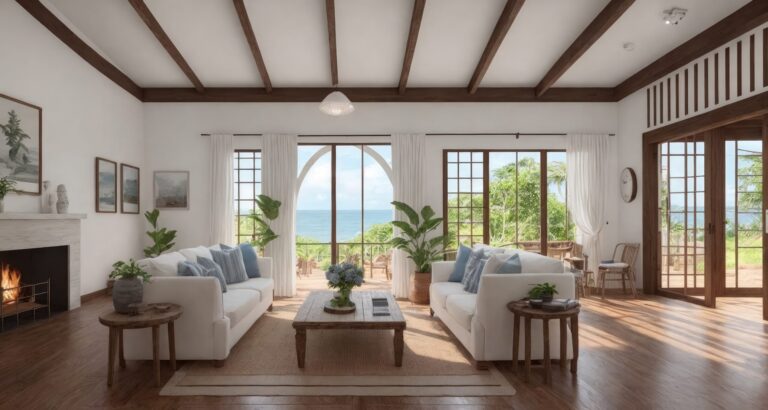
This post is all about how to arrange living room furniture with tv and fireplace.
I have always enjoyed helping people figure out how to arrange living room furniture with TV and a fireplace, because it is one of those design challenges that almost every home runs into at some point. When both elements are competing for attention, the room can quickly feel awkward or unfinished if the layout is not thought through properly.
In this post, I will walk you through clear, practical ways to approach a living room that includes both a TV and a fireplace. You will learn how to identify the main focal point, position your furniture for comfort, and create a layout that feels intentional rather than forced. This is the same advice I rely on when planning my own spaces, and it works just as well in small living rooms as it does in open-plan homes.
This post is all about how to arrange living room furniture with tv and fireplace.
Understanding the Challenges of a Living Room With TV and Fireplace
When people ask how to arrange living room furniture with tv and fireplace, the real issue is usually that both elements demand attention. Each one naturally wants to be the focal point, and if they are not handled carefully, the room can end up feeling split or uncomfortable to use.
One of the biggest challenges is deciding where the seating should face. A fireplace invites conversation and warmth, while the TV encourages a more direct, forward-facing layout. Trying to give both equal importance without a plan often leads to sofas pushed against walls, chairs floating without purpose, or awkward viewing angles.
Another factor to consider is scale and placement. Fireplaces are often fixed in position, while TVs have more flexibility. If the TV is mounted too high, placed too far to the side, or positioned without considering sightlines, the entire room can feel out of balance. Add walkways, doorways, and windows into the mix, and it becomes clear why this layout can feel tricky.
The good news is that once you understand why these challenges exist, it becomes much easier to solve them. With a clear focal point, thoughtful furniture placement, and a layout that suits how you actually use the room, arranging a living room with a TV and fireplace can feel straightforward rather than overwhelming.
Best Practices for Arranging Living Room Furniture With TV and Fireplace
Before jumping into specific layouts, it helps to understand a few core principles that apply to almost every living room with a TV and fireplace. These basics will guide your decisions and make it much easier to create a space that feels comfortable, balanced, and practical.
Decide on the Primary Focal Point First
One of the most important steps in learning how to arrange living room furniture with tv and fireplace is choosing which feature takes priority. In most homes, it will be either the TV or the fireplace, rarely both equally.
If your living room is used mainly for watching TV, the TV should guide the layout, with the fireplace acting as a supporting feature. If the room is more about relaxing, entertaining, or enjoying the atmosphere, the fireplace often becomes the main focus. Making this decision early prevents furniture from being awkwardly angled or from trying to face two directions at once.
Keep Viewing Angles and Comfort in Mind
Comfort should always come before styling. Seating needs to be positioned so that watching TV feels natural and not strained, while still allowing the fireplace to be enjoyed without twisting or craning your neck.
Aim to keep sofas and chairs within a reasonable distance from the TV, with the screen close to eye level when seated. If the TV is mounted above a fireplace, be mindful of the height and consider using tilting mounts or lowering the seating to improve viewing comfort. These small adjustments make a big difference in how the room feels day to day.
Create Balance Without Blocking the Space
A well-arranged living room should feel open and easy to move through. Avoid pushing all furniture against the walls, but also make sure nothing blocks the fireplace or interrupts natural walkways.
Rugs are particularly useful here. They help anchor the seating area and visually connect the TV, fireplace, and furniture into one cohesive zone. Side tables, coffee tables, and accent chairs should support the layout, not compete with it.
Keeping these best practices in mind will make the layouts in the next section much easier to visualise and adapt to your own home. Once the foundation is right, choosing the best furniture arrangement becomes a lot more intuitive.
7 Best Layouts for Living Rooms With TV and Fireplace
Now that the basics are clear, it is time to look at practical layouts you can actually use. These options cover a range of room sizes and styles, and each one is designed to help you confidently decide how to arrange living room furniture with TV and fireplace without second-guessing every placement.
1. Fireplace as the Main Focus With the TV Mounted Above
This layout works well when the fireplace is already the strongest feature in the room and you want a clean, streamlined look.
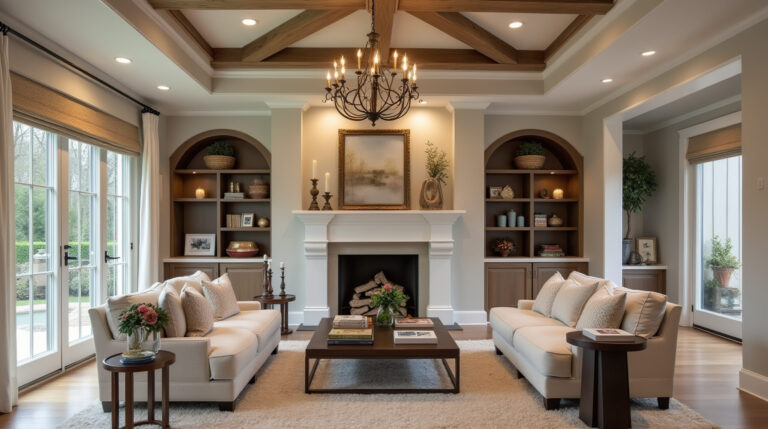
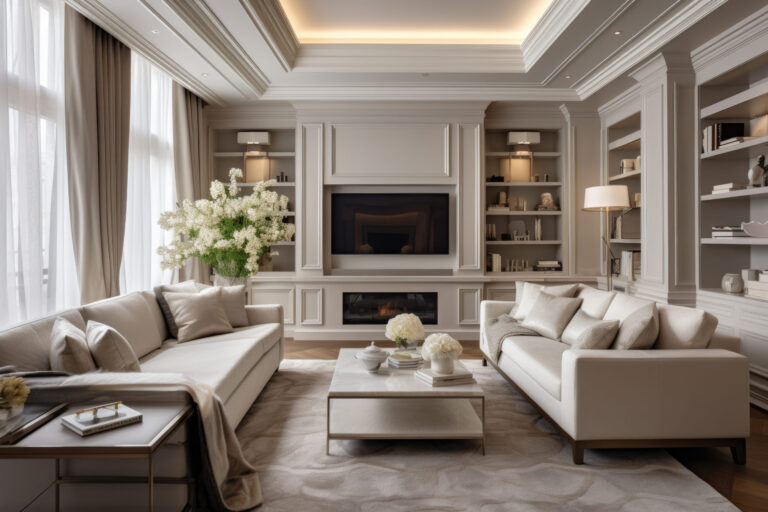
The sofa is placed directly facing the fireplace, creating a natural gathering point. Additional seating, such as armchairs or a loveseat, can be angled slightly towards the centre to keep the layout open and conversational. Mounting the TV above the fireplace keeps everything contained on one wall, which is helpful in smaller rooms.
The key here is height. The TV should not be mounted too high, as that can make viewing uncomfortable over time. If this is your preferred setup, consider a slimmer mantel or a wall mount that allows a slight downward tilt.
2. TV and Fireplace on Adjacent Walls
When the TV and fireplace sit on neighbouring walls, you have more flexibility with furniture placement.
A sofa or sectional can be positioned to face one feature directly, while still having a clear line of sight to the other. Chairs can be used to soften the angle and create a cohesive seating zone that connects both focal points. This approach feels relaxed and works especially well in medium to large living rooms.
This layout is a great option if you enjoy watching TV but also want the fireplace to remain a visible and inviting part of the room.
3. TV as the Primary Focus With Fireplace as a Secondary Feature
In homes where the living room is used daily for TV viewing, this layout often makes the most sense.
The main sofa faces the TV directly, ensuring comfortable viewing. The fireplace is treated as a secondary feature, styled with artwork, décor, or lighting so it still feels intentional without dominating the layout. Additional seating can be placed to maintain balance without pulling attention away from the TV.
This is a practical solution for families or casual living spaces where comfort and usability are the priority.
4. Floating Furniture Between the TV and Fireplace
Floating furniture works best in larger or open plan living rooms where walls are not the natural anchor points.
In this layout, the sofa sits away from the walls, usually facing the TV, with the fireplace positioned behind or opposite. A rug helps define the seating area, while a console table behind the sofa can add structure and storage. This arrangement allows both the TV and fireplace to feel connected to the space without competing.
It is a strong choice if you want your living room to feel intentional and well-zoned.
5. L Shaped Sectional Facing Both the TV and Fireplace
An L shaped sectional can solve many layout challenges in one move.
By positioning the sectional so that one side faces the TV and the other side faces the fireplace, you create a flexible seating arrangement that works for both everyday use and entertaining. A central coffee table anchors the layout, while keeping the rest of the furniture minimal prevents the space from feeling crowded.
This is a comfortable, family friendly option that still feels well thought out.
6. Symmetrical Layout for a More Formal Living Room
If your living room leans more formal, symmetry can bring a sense of order and calm.
This layout typically centres the fireplace, with matching sofas or armchairs facing each other. The TV can be mounted discreetly or placed to the side so it does not disrupt the symmetry. This approach works best in rooms that are used more for entertaining or relaxing rather than constant TV viewing.
It is a good reminder that not every living room needs to revolve around the TV.
7. Small Living Room Layout With TV and Fireplace
In smaller living rooms, simplicity is key.
Wall mounting the TV frees up floor space, while compact sofas or apartment sized sectionals help keep the room feeling open. Furniture should be placed with clear intention, focusing on one main seating area rather than trying to fit too much in.
With the right proportions and a clear layout, even a small room can comfortably accommodate both a TV and a fireplace.
These layouts are meant to be adapted, not followed rigidly. Every room has its own quirks, but once you understand these options, choosing how to arrange living room furniture with tv and fireplace becomes far less complicated and much more intuitive.
Common Mistakes to Avoid When Arranging Living Room Furniture With TV and Fireplace
Even with a solid layout in mind, a few common missteps can throw off the entire room. Being aware of these will help you avoid frustration and make better decisions as you fine tune your space.
Mounting the TV Too High
This is one of the most frequent issues I see. While mounting the TV above a fireplace can look neat, it often places the screen well above comfortable eye level. Over time, this can make watching TV feel awkward rather than relaxing. If this setup is unavoidable, look for ways to minimise the height difference through lower seating or adjustable mounts.
Trying to Give Both Features Equal Priority
When learning how to arrange living room furniture with tv and fireplace, it is tempting to design the room so everything faces both features perfectly. In reality, this rarely works. Choosing one primary focal point creates clarity and allows the furniture to feel intentional instead of conflicted.
Pushing All Furniture Against the Walls
This is especially common in rooms that already feel tricky to arrange. While it might seem like it opens up space, it often has the opposite effect. Pulling furniture slightly away from the walls helps define the seating area and creates a more balanced relationship between the TV, fireplace, and furniture.
Blocking the Fireplace or Walkways
Fireplaces should remain visually clear and easy to access. Placing furniture too close can disrupt both the look and the function of the room. The same applies to walkways. A good layout allows people to move through the space without weaving around chairs or tables.
Avoiding these mistakes makes a noticeable difference. Once they are out of the way, the room naturally feels calmer and more comfortable to use.
Final Thoughts on How to Arrange Living Room Furniture With TV and Fireplace
There is no single right answer when it comes to how to arrange living room furniture with tv and fireplace. The best layout is the one that supports how you actually use the space while still feeling visually balanced.
By choosing a clear focal point, paying attention to comfort, and using furniture to guide the flow of the room, you can create a living room that works for everyday life and still looks considered. Take these layouts as a starting point, adjust them to suit your room, and trust that small changes can have a big impact on how the space feels overall.
Frequently Asked Questions About Arranging a Living Room With TV and Fireplace
To wrap things up, here are some of the most common questions that come up when people are working out how to arrange living room furniture with tv and fireplace. These answers should help clear up any lingering uncertainty and give you extra confidence in your layout choices.
Can the TV and fireplace be on the same wall?
Yes, they can, and this is often done in smaller living rooms or where wall space is limited. The key is keeping proportions in check. Make sure the TV is not mounted too high and that the fireplace surround is simple enough to avoid visual clutter. If possible, choose a low profile fireplace or a streamlined mantel to keep the setup feeling balanced.
How high should a TV be if it is above a fireplace?
Ideally, the centre of the TV should be close to seated eye level. When the TV is above a fireplace, this is not always achievable, but it is still worth minimising the height difference. As a general guide, the lower edge of the TV should sit as close to the mantel as safely possible, and the overall viewing angle should not force you to tilt your head upward.
Is it better to face the sofa towards the TV or the fireplace?
This depends entirely on how the room is used. If TV watching is a daily activity, the sofa should face the TV. If the room is more about relaxing or entertaining, facing the fireplace often feels more natural. In some layouts, such as with sectionals or angled seating, it is possible to acknowledge both without compromising comfort.
What is the best layout for a small living room with a TV and fireplace?
In smaller spaces, simplicity works best. Wall mounting the TV, choosing compact furniture, and avoiding unnecessary pieces helps keep the room open. Focus on one main seating area and let the TV and fireplace support that layout rather than competing for attention.
If you take one thing away from this guide, let it be this: understanding how to arrange living room furniture with tv and fireplace is less about strict rules and more about creating a space that feels comfortable, balanced, and easy to live in. Once those elements are in place, the room naturally comes together.
by Kesaa Interiors | DESIGN GUIDES, ROOMS, Style Guides
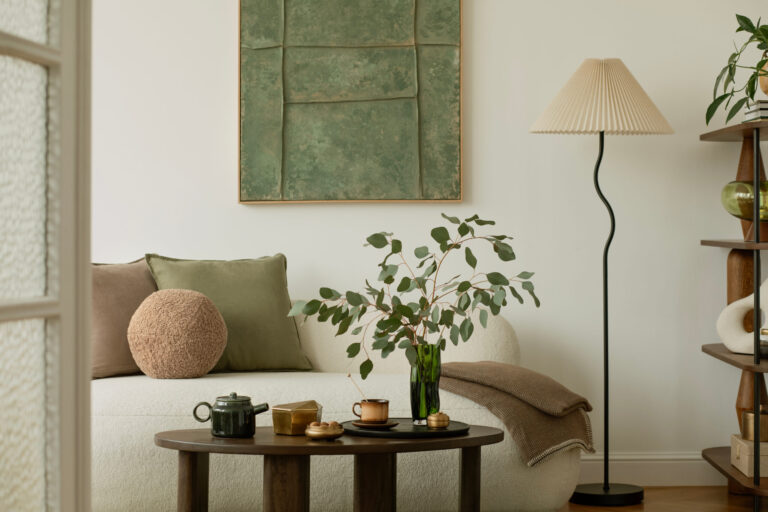
Rustic minimalist interior design is one of those styles that feels immediately grounding. I’ve always been drawn to interiors that feel calm, warm, and intentional, and this approach delivers exactly that without feeling overdesigned or sterile. It strips a space back to what truly matters, then adds just enough natural texture to make it feel lived-in and welcoming.
At its core, rustic minimalist interior design is about balance. It combines the clarity and restraint of minimalism with the warmth of rustic materials like wood, stone, and natural textiles. The result is a space that feels simple but not empty, refined but never cold. This guide breaks down how the style works, what defines it, and how to apply it in a way that feels natural and sustainable over time.
The Core Philosophy Behind Rustic Minimalist Interior Design
Rustic minimalist interior design isn’t about following rules or copying a specific look. It’s about understanding the principles behind the style so every choice feels intentional. When these two design approaches come together, they create spaces that are both functional and deeply comfortable.
Minimalism: Fewer Pieces, Better Choices
Minimalism in this context isn’t about empty rooms or harsh simplicity. It’s about editing. Every piece in a rustic minimalist interior should earn its place, either through function, craftsmanship, or lasting visual appeal. Furniture is selected for quality and proportion, not quantity, and layouts are kept open so the space can breathe.
Clean lines, uncluttered surfaces, and thoughtful spacing are essential. This creates a sense of visual calm that makes a room easier to live in day to day. Storage is often subtle and built-in, helping the space stay organised without drawing attention to itself.
Rustic Design: Warmth Through Natural Materials
Rustic elements are what keep minimalism from feeling stark. Natural materials bring warmth, depth, and a sense of authenticity that polished finishes can’t replicate. Wood with visible grain, stone with natural variation, and textiles like linen or wool add texture without adding clutter.
Imperfections are part of the appeal. Slightly uneven surfaces, aged finishes, and handmade details create visual interest in a restrained way. These elements ground the space and connect it to nature, which is a key reason rustic minimalist interior design feels so calming.
Where Rustic and Minimalist Design Meet
The real strength of rustic minimalist interior design lies in the contrast between simplicity and texture. Minimalism provides structure and clarity, while rustic elements soften the overall look. One doesn’t overpower the other when done well.
A simple room layout becomes more inviting with a solid wood table or a textured linen sofa. At the same time, limiting decorative elements keeps those materials from feeling heavy or overwhelming. This balance allows the space to feel intentional, timeless, and comfortable without relying on trends.
Key Elements of Rustic Minimalist Interior Design
Once you understand the philosophy behind rustic minimalist interior design, the next step is knowing how to translate it into actual design choices. This style relies on a small set of elements used thoughtfully. When these elements work together, the space feels cohesive, warm, and intentionally simple rather than sparse.
Colour Palette: Calm, Warm, and Naturally Grounded
Colour plays a quiet but important role in rustic minimalist interior design. The palette is intentionally restrained, allowing materials and textures to take the lead. Soft whites, warm creams, light beiges, and muted greys form a clean base that reflects light and keeps spaces feeling open.
Earth tones work best as subtle accents rather than bold statements. Shades inspired by clay, sand, stone, and weathered wood add depth without disrupting the calm. Darker tones can be used sparingly to create contrast, often through furniture or architectural details rather than paint.
The goal isn’t to make the space monochromatic, but to keep transitions between colours gentle and natural so nothing feels visually jarring.
Materials That Define the Style
Materials are where rustic minimalist interior design really comes to life. Natural finishes bring character without requiring decorative excess. Wood is often the anchor, whether it’s used in flooring, furniture, ceiling beams, or shelving. Reclaimed or lightly finished wood adds warmth and visual interest while still feeling refined.
Stone, concrete, and clay introduce subtle variation and texture. These materials work especially well in kitchens and bathrooms, where they add a sense of permanence and craftsmanship. Natural fabrics like linen, cotton, and wool soften the harder surfaces and help balance the overall look.
Avoid overly glossy or synthetic finishes when possible. Matte, tactile surfaces age better and align more naturally with the understated aesthetic this style is known for.
Furniture: Simple Forms with Substance
Furniture in rustic minimalist interior design is understated but never flimsy. Clean silhouettes keep the space visually calm, while solid construction ensures each piece feels grounded and lasting. This is a style that favours fewer, well-made pieces over filling a room quickly.
Low-profile sofas, solid wood tables, and straightforward seating work especially well. Decorative details are minimal, but craftsmanship is visible. Furniture often feels slightly heavier or more substantial, which adds to the grounded, relaxed atmosphere without overpowering the space.
When selecting furniture, focus on proportion and function first. A single well-chosen piece can define a room far more effectively than multiple decorative items.
Texture Instead of Decoration
Rather than relying on decorative objects, rustic minimalist interior design uses texture to create visual interest. This approach keeps spaces feeling intentional and uncluttered while still avoiding flatness. A woven rug, a linen throw, or a textured wall finish can add depth without competing for attention.
Mixing rough and smooth surfaces is key. Pairing stone with soft fabric or raw wood with clean plaster creates a contrast that feels natural and balanced. These subtle layers make the space feel complete without needing additional decor.
This focus on texture also makes rooms feel more comfortable and livable, which is one of the reasons this style works so well in everyday spaces.
How to Decorate Each Room in a Rustic Minimalist Home
Applying rustic minimalist interior design room by room helps the style feel intentional rather than repetitive. Each space has its own function, but the same core principles apply throughout: simplicity, warmth, and thoughtful restraint. The key is allowing each room to feel complete without overworking it.
Rustic Minimalist Living Room
The living room is often where rustic minimalist interior design is most visible. This space benefits from a neutral foundation paired with a few strong, natural elements. Walls are typically light and understated, allowing furniture and materials to take center stage.
Furniture should be arranged to encourage openness and flow. A simple sofa, a solid wood coffee table, and one or two supporting pieces are usually enough. Decorative items are kept minimal, often limited to a ceramic vessel, a book stack, or a subtle natural accent. Negative space plays an important role here, helping the room feel calm and balanced.
Rustic Minimalist Kitchen
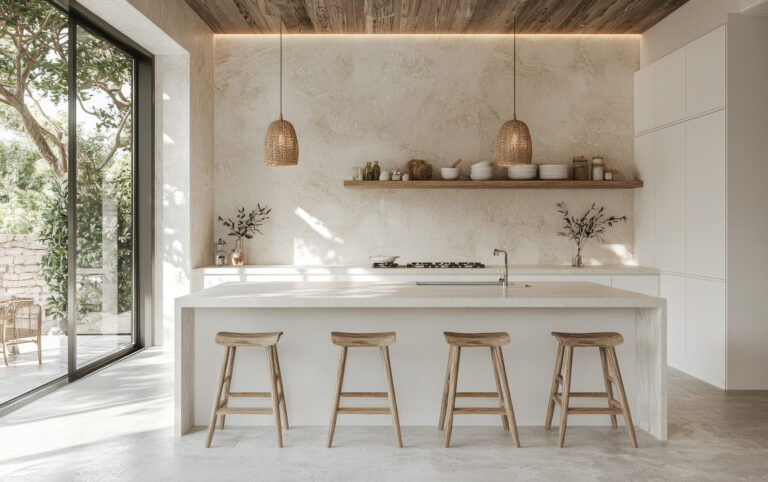
In a rustic minimalist kitchen, function and material choice are closely connected. Cabinetry is usually simple in design, with flat or lightly detailed fronts in wood or neutral tones. Open shelving can work well when kept intentional and uncluttered, showcasing everyday items rather than decor.
Natural materials do much of the visual work. Wood, stone, and concrete surfaces bring warmth and texture, while matte hardware keeps the look grounded. Countertops are left mostly clear, reinforcing the minimalist approach while making the space practical for daily use.
Rustic Minimalist Bedroom
Bedrooms designed with rustic minimalist interior design tend to feel especially restful. The focus is on comfort and simplicity, starting with a restrained colour palette and natural textiles. A solid wood bed frame or platform bed often anchors the room without dominating it.
Bedding layers add softness through linen or cotton in neutral tones. Nightstands and lighting are kept minimal, and storage is subtle to avoid visual noise. Decorative elements are limited, often relying on texture rather than objects to create interest.
Rustic Minimalist Bathroom
Bathrooms benefit from the clean, material-driven approach of rustic minimalist interior design. Stone, concrete, or plaster finishes create a sense of quiet luxury without excess. Wood accents add warmth, especially when balanced with simple fixtures and neutral tones.
Storage is typically integrated or concealed, keeping surfaces clear and functional. Lighting is soft and practical, reinforcing the spa-like feel that this style naturally creates.
Lighting in Rustic Minimalist Interior Design
In rustic minimalist interior design, lighting plays a subtle but essential role. Natural light is prioritised wherever possible, so window treatments are usually light and minimal. Sheer curtains or simple shades allow daylight to filter in without blocking the view.
Artificial lighting is warm and understated. Fixtures are simple in form, often in natural or matte finishes. Rather than using multiple decorative lights, the focus is on creating an even, comfortable glow that supports the calm atmosphere of the space.
Decor and Accessories: What to Add and What to Avoid
Decor in rustic minimalist interior design should feel deliberate, not decorative for its own sake. Accessories are used sparingly and chosen for their material, form, or usefulness. When done well, decor supports the space rather than competing with it.
What Works Well
A small number of well-chosen pieces can add warmth and personality without disrupting the calm of the room. Handmade ceramics, simple pottery, and woven baskets fit naturally within this style because they add texture and function at the same time. Objects with organic shapes or subtle imperfections feel especially at home here.
Wall decor is typically minimal. One thoughtfully placed piece of art or a simple framed textile can be enough. Plants also work well when kept restrained, adding life and softness without overwhelming the space.
What to Avoid
Overdecorating is one of the easiest ways to lose the essence of rustic minimalist interior design. Too many objects, even if they fit the style individually, can quickly make a space feel cluttered. Trend-driven decor, overly ornate items, and high-contrast accessories tend to pull attention away from the materials and structure of the room.
It’s also worth avoiding decor that lacks a clear purpose. If an object doesn’t contribute visually, functionally, or emotionally, it usually doesn’t belong in this style.
Common Mistakes to Avoid with Rustic Minimalist Interior Design
Even with the best intentions, rustic minimalist interior design can miss the mark if the balance isn’t right. One common issue is creating a space that feels too bare or impersonal. Minimalism should still feel comfortable, and rustic elements are there to provide that warmth.
Another mistake is leaning too heavily into rustic features. Excessive reclaimed wood, heavy finishes, or too many textured surfaces can overwhelm the minimalist foundation. Scale and proportion matter, especially when using strong materials.
Finally, ignoring lighting can flatten an otherwise well-designed space. Without proper lighting, textures and materials lose their depth, and the room can feel colder than intended.
How to Start Creating a Rustic Minimalist Home
Transitioning to rustic minimalist interior design works best when approached gradually. Start by decluttering and removing anything that doesn’t serve a clear purpose. This creates a clean foundation and makes it easier to see what the space truly needs.
Next, establish a neutral base with consistent colours and finishes. From there, introduce a few key furniture pieces made from natural materials. Texture can be layered slowly through textiles, lighting, and subtle accessories. Editing along the way is just as important as adding, ensuring the space stays balanced as it evolves.
Why Rustic Minimalist Interior Design Feels Timeless
Rustic minimalist interior design avoids trends by focusing on materials and principles that age well. Natural finishes develop character over time, and simple forms remain relevant regardless of shifting design preferences. This makes the style adaptable and long-lasting.
Because the emphasis is on quality, comfort, and intention, spaces designed this way tend to feel just as good years later as they do at the start. The result is a home that feels calm, grounded, and genuinely livable.
Rustic minimalist interior design is well-suited to those who value simplicity without sacrificing warmth. It encourages thoughtful choices, meaningful materials, and spaces that support everyday living rather than visual excess.
by Kesaa Interiors | DECOR & DIY, Dining Room, Lighting & Accessories, ROOMS
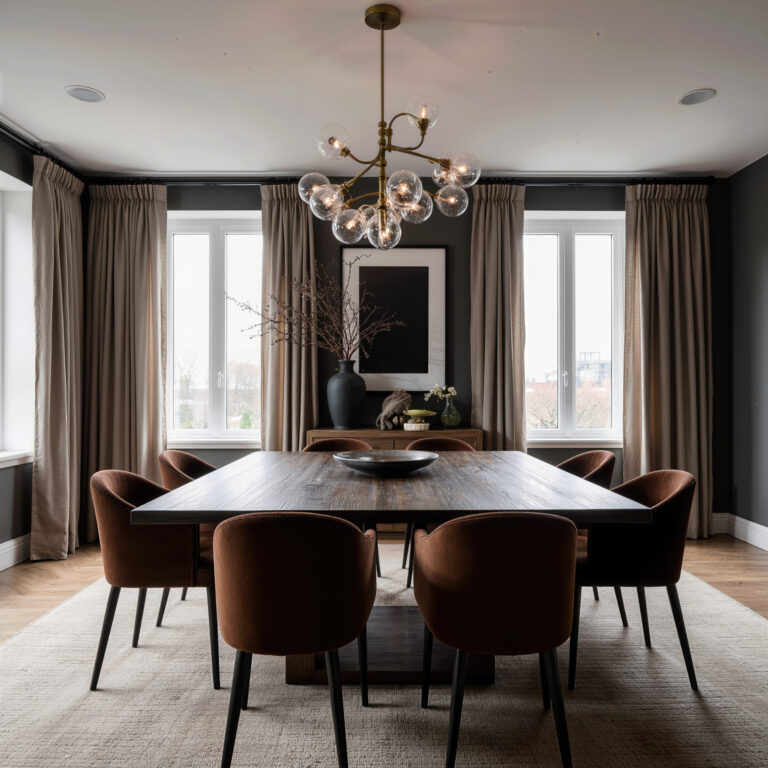
I have always been drawn to how modern dining room drapes can completely shift the look and feel of a space, often more than people expect from something as simple as window treatments.
In this post, I am sharing practical and design‑focused ideas to help you choose drapes that actually enhance your dining room rather than just filling a functional gap. From understanding how drapes influence light and proportion to spotting styles that feel current without being trend‑driven, this guide is designed to make your decisions easier and more confident. Whether you are refreshing an existing space or starting from scratch, these ideas will help you see your dining room with fresh eyes.
This post is all about the best modern dining room drapes to consider.
Why Modern Dining Room Drapes Matter in Interior Design
Modern dining room drapes do much more than cover a window. They help define the atmosphere of the room, control how light moves through the space, and tie together furniture, finishes, and colour choices in a way that feels intentional.
One of the biggest design advantages of drapes is their ability to add softness to a dining room, which is often filled with hard surfaces like timber tables, chairs, and flooring. The right drapery can balance those elements while still keeping the overall look clean and contemporary. Length, fabric choice, and how the drapes are hung all play a role in whether a dining room feels refined, relaxed, or overly heavy.
Drapes also influence how spacious a room feels. Floor‑to‑ceiling panels can visually lift the ceiling, while wider panels make windows appear larger. This is especially important in modern interiors, where proportion and simplicity are key. When chosen thoughtfully, modern dining room drapes become part of the architecture of the space rather than an afterthought.
Understanding the impact drapes have on light, scale, and mood sets the foundation for choosing styles that truly elevate your dining area, which is exactly what the next sections will explore.
How to Choose the Right Modern Dining Room Drapes
Choosing modern dining room drapes is less about following strict rules and more about understanding how different elements work together in your space. When the fabric, colour, and fit are right, drapes feel effortless and intentional rather than decorative for the sake of it.
Fabric Choices for a Modern Look
Fabric is one of the first things I look at because it sets the tone straight away. For modern dining rooms, natural and lightly textured fabrics tend to work best. Linen and linen blends are popular for a reason. They drape beautifully, soften the space, and let light filter through without feeling heavy. Sheer fabrics are ideal if you want to maximise daylight while still adding privacy, especially in open or light‑filled homes.
If your dining room needs a bit more warmth or structure, heavier fabrics like cotton blends or velvet can still feel modern when kept simple and well-tailored. The key is avoiding overly shiny or stiff materials, which can date a space quickly.
Choosing Colours That Feel Contemporary
Colour plays a big role in how modern dining room drapes are perceived. Neutrals like soft whites, warm beiges, greys, and taupes are easy to live with and work well in most interiors. They also allow furniture and lighting to take centre stage.
That said, drapes are a great opportunity to introduce deeper tones if the rest of the room is fairly restrained. Colours like olive, charcoal, or muted blue can add depth without overwhelming the space. The trick is to think about how the drapes relate to the walls, flooring, and dining table rather than treating them as a standalone feature.
Getting the Length and Hanging Style Right
Length and placement can make or break modern dining room drapes. Floor‑length panels are usually the best option, as they create a cleaner, more polished look. Hanging drapes closer to the ceiling, rather than directly above the window frame, helps draw the eye upward and makes the room feel more spacious.
In terms of hardware, simple rods or ceiling‑mounted tracks suit modern interiors best. Hidden tracks are especially effective if you prefer a minimal finish, while slim rods in black or brushed metal can add subtle contrast.
Once these foundational choices are in place, it becomes much easier to explore specific modern dining room drapes ideas that elevate the space without overcomplicating the design.
15 Modern Dining Room Drapes Ideas to Elevate Your Space
This is where modern dining room drapes really start to shine. Each of the ideas below focuses on a different way drapes can enhance your dining room, whether you prefer something light and understated or a look with more presence and contrast.
1. Floor‑to‑Ceiling Sheer Drapes
Sheer drapes hung from the ceiling to the floor instantly make a dining room feel taller and more open. They soften incoming light without blocking it, which is ideal for daytime dining areas. This style works especially well in modern homes that prioritise natural light and clean lines.
2. Neutral Linen Drapes for a Relaxed Modern Feel
Linen drapes in soft neutral tones are a go‑to for modern dining rooms. They add texture without drawing too much attention, allowing the dining table and chairs to remain the focal point. This option suits spaces that lean towards Scandinavian, coastal, or minimalist design.
3. Bold Coloured Drapes as a Feature Element
If your dining room is mostly neutral, bold drapes can add personality without clutter. Deep greens, navy, or warm earthy tones work well in modern interiors when paired with simple furniture and lighting. Keeping the fabric matte helps maintain a contemporary feel.
4. Charcoal or Black Drapes for a Sleek Look
Darker modern dining room drapes create a strong, confident look, particularly in spaces with good natural light. Black or charcoal panels pair well with timber, metal, and stone finishes, giving the dining room a refined, modern edge.
5. Layered Drapes for Flexibility and Depth
Layering sheer panels with heavier drapes offers both practicality and visual interest. This approach allows you to adjust light levels throughout the day while also adding depth to the window area. Keeping both layers in complementary tones ensures the look stays modern rather than busy.
6. Minimalist Drapes with Ceiling‑Mounted Tracks
Ceiling‑mounted tracks keep the focus on the drapes themselves rather than the hardware. This option is ideal for modern dining rooms where clean lines and simplicity are key. It also helps create the illusion of higher ceilings.
7. Textured Drapes for Subtle Interest
Textured fabrics such as lightly woven or slubbed materials add character without relying on bold patterns. This is a great option if you want modern dining room drapes that feel considered but not overpowering.
8. Neutral Drapes with Black Hardware
Pairing soft, neutral drapes with black rods or brackets introduces contrast in a controlled way. This combination works well in contemporary and industrial‑inspired dining rooms.
9. Soft Grey Drapes for Versatility
Grey drapes are incredibly adaptable and suit both warm and cool colour palettes. They offer a modern alternative to white while still feeling light and refined, especially in dining rooms with mixed materials.
10. Earth‑Tone Drapes for Warmth
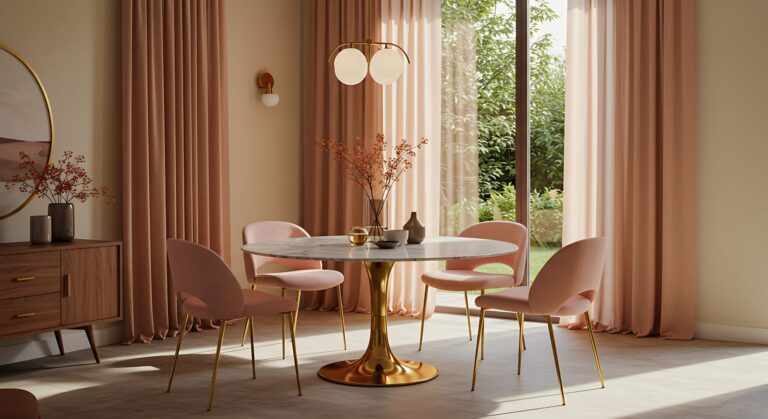
Earthy shades like taupe, clay, and olive bring warmth to modern dining spaces. These colours pair beautifully with timber tables and natural finishes, creating a grounded and welcoming atmosphere.
11. Subtle Patterned Drapes
Modern patterns tend to be understated. Think fine lines, soft geometrics, or tonal designs. Patterned drapes can add interest while still feeling cohesive within a modern dining room.
12. Light‑Filtering Drapes for Open‑Plan Homes
In open‑plan layouts, light‑filtering drapes help define the dining area without closing it off. They maintain openness while adding a sense of structure to the space.
13. Monochromatic Drapes That Blend with the Walls
Matching drapes closely to the wall colour creates a seamless look that feels calm and contemporary. This approach works particularly well in smaller dining rooms where visual continuity matters.
14. High‑Contrast Drapes to Frame the Dining Area
High‑contrast modern dining room drapes can be used to frame the dining space, especially in open layouts. This helps visually anchor the dining table and makes the area feel more defined.
15. Tailored Drapes for a Polished Finish
Well‑measured, properly tailored drapes always look better than off‑the‑shelf options that do not quite fit. Custom‑length panels sit neatly on the floor and elevate the entire room with minimal effort.
Common Mistakes to Avoid with Modern Dining Room Drapes
Even well‑intentioned choices can hold a dining room back if a few key details are overlooked. Being aware of these common issues will help your modern dining room drapes feel considered and well-balanced rather than awkward or unfinished.
Hanging Drapes Too Low
One of the most frequent mistakes is hanging drapes directly above the window frame. This can shorten the visual height of the room. Mounting rods or tracks closer to the ceiling creates a more modern look and helps the space feel taller and more open.
Choosing the Wrong Fabric Weight
Fabric that is too heavy can overwhelm a dining room, especially if the space is on the smaller side or lacks natural light. On the other hand, very lightweight fabrics may not hang well or provide enough presence. Modern dining room drapes work best when the fabric weight suits the scale and light levels of the room.
Not Using Enough Width
Drapes that are too narrow tend to look skimpy and unfinished. Full, generously wide panels create soft folds and a more refined finish, even when the drapes are open. This is especially important for modern interiors, where proportions matter.
Ignoring How Light Is Used in the Space
Dining rooms are used at different times of day, so it is important to consider how much light you want to let in or block out. Drapes should support how the room functions, whether that means filtering daylight, reducing glare, or creating a more intimate atmosphere in the evening.
Modern dining room drapes are one of those design elements that quietly shape how a space feels day to day. When chosen with intention, they add softness, improve proportion, and bring the whole dining room together without needing extra decoration.
by Kesaa Interiors | DESIGN GUIDES, How-To Guides
This post is all about the perfect spring colour scheme.
Freshening up your home with a new spring colour scheme is one of the most effective ways to capture the season’s lightness and warmth. Spring is a time for renewal, and your interiors can reflect that energy through colour, bringing softness, brightness, and vibrancy into your everyday spaces.
As the seasons change, updating your home’s palette can completely shift its atmosphere. In this post, we’ll explore how to choose colours that not only feel right but also complement your space and lighting. You’ll learn how to mix tones confidently, draw inspiration from nature, and find the right balance between trend and timelessness. Whether you’re repainting, redecorating, or simply refreshing a few details, this guide will help you create a cohesive look that feels joyful and natural this season.
This Post Is All About The Perfect Spring Colour Scheme.
Step 1: Understand the Mood You Want to Create
Before diving into paint charts or fabric swatches, it’s important to think about the mood you want your home to evoke. Every colour affects how a space feels. Soft greens bring calm, muted yellows and blush tones add warmth, while light blues and whites create a sense of openness. Choosing a spring colour scheme starts with understanding the feeling you want to live with every day.
When building a palette, start with an anchor colour, something that feels right for your personality and the natural light in your home. From there, layer in complementary shades to enhance depth and flow. For instance, a palette of sage, cream, and soft terracotta can create a grounded yet refreshing atmosphere.
Think about how you use each room as well. A living space might benefit from energy and lightness, while a bedroom often calls for soothing, understated tones. Let your spring colour scheme support the emotion of each space rather than distract from it. This approach ensures that your home feels balanced and welcoming through every season.
Step 2: Draw Inspiration from Nature and Trends
Spring offers an incredible palette if you take cues directly from nature. Think about the soft greens of new leaves, delicate blush petals, and the gentle blues of a clear morning sky. These natural tones are not only timeless but also form the foundation of a well-balanced spring colour scheme that feels effortless and organic.
Using nature as a reference point helps keep your colours grounded. For example, you might draw inspiration from the layered hues of a garden; a combination of pale lilac, warm cream, and earthy beige can evoke the feeling of early spring blooms. When these tones are brought indoors, they create a calm and inviting setting that mirrors the season’s beauty without feeling overstyled.
Design trends can also be a great way to refresh your approach. Each year brings new interpretations of spring colours, often with subtle twists that modernise classic palettes. This year, tones like sage green, muted coral, and buttery yellow are all in focus. They pair beautifully with neutrals and can be introduced through small accents such as cushions, throws, or artwork before fully committing to paint or upholstery.
When building your spring colour scheme, balance is key. Aim for a combination of three to five shades: one dominant colour, two secondary tones, and a few accent colours for contrast. This structure ensures your interiors feel cohesive but never flat. If you find your palette leaning too heavily toward one shade family, pull in a subtle complementary tone to harmonise it.
By blending inspiration from both nature and current design directions, you’ll create a spring colour scheme that feels fresh yet enduring. It’s about capturing the essence of the season in a way that reflects your own taste and home, rather than chasing temporary trends.
Step 3: Consider Your Home’s Lighting and Space
Even the most beautiful colour can look completely different once it’s on your walls. Light plays a huge role in how your chosen spring colour scheme appears throughout the day, so it’s important to understand how natural and artificial lighting influences your palette.
North-facing rooms, especially in Australia, often receive softer, cooler light. These spaces benefit from warmer undertones like dusty peach, buttery cream, or muted coral to balance the coolness. South-facing rooms, on the other hand, can handle cooler hues such as pale blue, sage, or soft grey-green that stay serene and fresh. If you’re unsure, paint a few test patches on your walls and observe them at different times of day: morning, midday, and evening, to see how they shift under changing light.
Smaller rooms tend to feel more open when lighter shades are used, while larger, sun-filled areas can handle deeper or more saturated tones without feeling heavy. When finalising your spring colour scheme, think about the direction of your windows and how much natural light your rooms receive. Even the colour temperature of your light bulbs, whether warm or cool, can subtly change how your palette reads.
This step is all about observation and testing. Don’t rush the process. Seeing how colours react in your own environment ensures you’ll love them in every type of light. A thoughtfully chosen spring colour scheme should feel vibrant in daylight yet comfortable and cosy once the evening sets in.
Step 4: Coordinate with Existing Furniture and Décor
Once you’ve narrowed down your palette, the next step is ensuring that your new spring colour scheme works in harmony with your existing furniture and décor. This is where good design really comes together, creating flow between what you already have and the fresh touches you’re adding for the season.
Start by identifying the core tones in your furniture and larger décor pieces. If your sofa is a warm beige or soft grey, it can act as the perfect foundation for almost any set of accent colours. Introduce your spring colour scheme through layers: cushions, rugs, curtains, art, or even floral arrangements. These smaller elements allow you to explore colour freely without major changes.
For instance, if you love gentle greens and blush tones, you might pair pale green linen cushions with subtle pink ceramics and natural wood finishes. If your furniture leans more modern or monochromatic, pastel accents in coral, lilac, or butter yellow can instantly uplift the mood without clashing.
Balance is key. Try to distribute colour evenly around the room rather than concentrating it in one area. Repeating a tone, for example, through a patterned rug, a print on the wall, or a throw, helps tie the room together visually. This repetition makes your spring colour scheme feel well-planned and cohesive, rather than randomly added.
Finally, don’t be afraid to mix old and new. Layering pieces you already love with lighter spring accents creates a feeling of familiarity and freshness at the same time. A well-coordinated spring colour scheme doesn’t just update your space, it enhances what’s already there and brings new life to your home.
Step 5: Test, Sample, and Finalise Your Palette
Even when you feel confident about your choices, testing your colours before committing is an essential step in perfecting your spring colour scheme. What looks ideal on a screen or in a paint sample booklet can appear very different when applied to real surfaces under your home’s lighting conditions.
Start by selecting two or three variations of each colour you’re considering, for instance, a few different shades of soft green, pale blue, or blush. Apply generous test patches on several walls so you can see them in full daylight, at dusk, and under artificial light. Observe not only how the colour changes but also how it interacts with your furniture, flooring, and other materials in the room.
If you’re updating textiles, try placing fabric samples next to one another and against existing finishes. This helps you visualise how your spring colour scheme will flow through different textures and surfaces. Digital design tools can also be useful companions. Many paint brands and interior apps let you preview a space with selected colours, giving you a rough sense of how your room might look before you pick up a brush.
Once you’ve spent a few days living with your chosen shades and seeing them under varying conditions, finalise your selections by focusing on what consistently feels right. Trust your instincts, if a tone makes the space feel fresh, inviting, and reflective of the season, it’s likely the perfect fit. A carefully tested spring colour scheme not only looks balanced but also feels personal and harmonious within your home.
Step 6: Final Touches – Bringing Your Spring Colour Scheme to Life
With your colours chosen and tested, it’s time to bring your home together through thoughtful styling and subtle details. This is where your spring colour scheme truly comes to life when shades, textures, and personal touches blend naturally to create a space that feels consistent and uplifting.
Start by introducing your palette through décor that adds personality and comfort. Textiles are an effortless way to do this; use lightweight curtains, textured throws, or new cushions that echo your chosen hues. Incorporating natural textures like linen, rattan, jute, or light timber enhances the airy feel that’s perfect for spring.
Greenery also plays an important role. Fresh plants or floral arrangements not only connect you back to nature but also link beautifully with your spring colour scheme, reinforcing the sense of freshness throughout your home. Even a single vase of seasonal flowers can tie a look together and anchor your colour palette with ease.
Pay attention to small styling details. Artwork, tableware, and candles are subtle ways to repeat key tones around the space. For example, if you’ve chosen a palette of sage, blush, and cream, a ceramic piece or a framed print in one of those shades keeps the visual rhythm consistent. These elements don’t have to match perfectly; slight variations of tone and texture often make a room feel more natural and lived in.
The goal is to achieve a sense of effortless cohesion, where nothing feels overly coordinated but everything feels like it belongs together. Once your spring colour scheme is applied through paint, textiles, and accents, take a step back and let the space breathe. A well-balanced room doesn’t need to be filled with colour everywhere; sometimes, restraint is what allows your palette to shine.
Choosing the right spring colour scheme is about more than just picking pretty shades; it’s about creating an atmosphere that feels fresh, balanced, and reflective of the season. By understanding how colour affects mood, drawing inspiration from nature, and considering your home’s lighting, you can build a palette that works beautifully across every room.
by Kesaa Interiors | DESIGN GUIDES, Style Guides
This post is all about Interior Design Ideas For Beach House.
I’ve always believed that the best interior design ideas for beach house living start with how a space makes you feel: relaxed, inspired, and effortlessly connected to the coast. The beauty of modern coastal design is that it captures this sense of freedom while remaining polished and liveable.
Designing a beach house should feel as natural as the ocean breeze that drifts through it. In this post, we’ll explore how to create spaces that blend sophistication with the easy charm of coastal life. You’ll find practical tips on colour, texture, and materials that elevate a room without overcomplicating it. Whether you live by the water or simply love the calm of a coastal aesthetic, these ideas will help you design a space that feels like a retreat every day.
This post is all about interior design ideas for beach house living.
What Is Modern Coastal Interior Design?
When we think about modern coastal design, it’s less about seashell collections and more about simplicity, light, and texture. The goal is to build an environment that feels open and unpretentious but still thoughtfully layered. What makes this approach so appealing is its balance, the mix of natural materials, airy colour palettes, and relaxed layouts that encourage slow living.
You’ll often see elements like pale timber floors, woven furniture, and linen fabrics used to evoke a calm feeling. Soft whites, sandy neutrals, and ocean-inspired blues create a seamless connection between indoors and outdoors. From there, subtle contrasts, like black accents in lighting or a sleek contemporary piece of art, add definition without overwhelming the space.
Modern coastal interiors are also known for their flow. Each room should feel linked by tone and atmosphere, with plenty of breathing space between pieces of furniture. The idea is to let natural light do most of the work and use furnishings that invite rather than dominate.
At its core, modern coastal style is about grounding beauty in simplicity. As we move through the next sections, we’ll explore specific ways to capture that quiet sophistication, starting with colour palettes and textures that make every room feel calm yet elevated.
Coastal-Inspired Colour Schemes and Textures
Choosing the right colour palette is the foundation of any great beach house design. When you’re considering interior design ideas for beach house spaces, it’s important to think about how colour and texture interact with natural light. Every shade takes on a new character depending on the time of day and how it reflects off the sea outside your window. The goal is to create harmony, a visual rhythm that feels grounded, soothing, and timeless rather than overtly themed.
The Palette of the Coast
Modern coastal design leans towards understated tones that mimic the beach itself. Think of crisp whites, warm beige, driftwood greys, and the occasional sun-faded blue. These hues help maintain that clean, open feeling while still adding warmth. Using different shades of a single colour family can add dimension, for instance, pairing creamy white walls with soft grey linen curtains or layering off-white tones in furnishings.
Avoid heavy contrasts or overly bright colours that can disrupt the relaxed flow. Instead, let the view do the talking and allow your interiors to quietly echo it. A good way to achieve this is to start with a neutral base and then introduce small pops of coastal-inspired colours through decorative elements such as cushions, throws, or artwork.
Texture: The Secret Ingredient
If colour sets the tone, texture brings your design to life. Natural materials are key to creating depth in a coastal space; woven jute rugs, rattan chairs, linen upholstery, and light oak furniture all contribute to that lived-in, organic feel. Layering these textures keeps the atmosphere from feeling flat, particularly when working with a restrained palette.
Introducing tactile elements, such as raw timber or stone, can also enhance the sense of connection to nature. Even small touches, like a coarse linen throw over a clean-lined sofa or a ceramic lamp with a matte finish, can transform the mood of a room.
When thinking about interior design ideas for beach house living, remember that contrast doesn’t have to come from colour alone; subtle differences in texture can be far more effective. Mixing soft fabrics with rougher surfaces, for example, gives a space quiet sophistication while keeping it approachable.
Chic Interior Design Ideas for Beach House Rooms
Creating flow between rooms is one of the most important parts of interior design ideas for beach house living. Each space should connect to the next, carrying that same light, effortless feel while still having its own character. Here’s how to bring modern coastal style into key areas of your home, one room at a time.
The Living Room – Relaxed, Airy, and Inviting
The living room is usually the first place where coastal energy comes alive. Keep it open and breathable with a layout that prioritises comfort and natural light. When selecting furniture, think clean lines and soft edges, pieces that feel relaxed but still refined. A large, slipcovered sofa in a pale linen, complemented by a woven accent chair or timber coffee table, sets the foundation for modern coastal living.
Layer natural textures through rugs and cushions to soften the look. A touch of black or iron in light fittings or side tables can add contrast without feeling heavy. Avoid clutter so the space feels calm, not curated to perfection.
For styling, keep décor minimal and meaningful, such as ceramic vases, palm arrangements, or simple glassware. Let the view or lighting be the hero. If your living room doesn’t have access to coastal outlooks, bring the outside in through indoor plants or artwork that mimics ocean hues.
The Kitchen – Warmth and Coastal Functionality
The kitchen often serves as the heart of the beach house, and modern coastal design translates beautifully here. Start with a light foundation: soft white cabinetry, natural stone benchtops, and brushed nickel or brass fixtures. These materials reflect light beautifully while maintaining durability.
For those who enjoy a more natural aesthetic, light timber cabinets paired with matte hardware create warmth and ease. Shelving made from reclaimed wood can display ceramics, woven baskets, or glass jars filled with coastal finds. The secret is balance, enough detail to feel considered, but not so much that it becomes busy.
Lighting is critical. Pendant lights made from natural fabrics or woven materials will tie the space back to the coastal palette. Add a jute runner or small herb pots to connect texture and freshness.
The Bedroom – Calm and Coastal Retreat
For the bedroom, aim for tranquillity. Think of it as your private sanctuary that extends the relaxed tone found in the rest of your beach house. Use breathable natural linens in muted tones, complemented by soft curtains that let in light but maintain privacy. Avoid anything too structured; instead, allow fabrics and finishes to flow naturally.
A timber or rattan bedhead can introduce subtle coastal charm, and a simple rug can ground the space. Keep décor minimal, a ceramic bedside lamp, a simple artwork featuring water or sand tones, and layered bedding for a sense of comfort.
Incorporating small details like diffusers with sea salt or citrus notes, or a woven basket for throws, can make the space feel cohesive without overdoing the theme. This balance is at the heart of interior design ideas for beach house living, natural beauty elevated through considered simplicity.
The Bathroom – Breezy and Functional
Bathrooms in a modern coastal home are all about light and texture. Choose tiles in neutral shades with subtle variation; white, sand, or pebble-inspired tones work beautifully. Add warmth through timber accents or woven accessories like storage baskets. If you have the space for it, a large frameless mirror enhances brightness and gives that spa-like effect.
Consider brushed brass or matte black fixtures for a sleek, modern contrast. Keep counters clutter-free with only a few essential items, such as natural soaps or simple ceramic containers. Even in small spaces, a few well-chosen textures can capture the clean, organic feel of coastal design.
Choosing the Right Furniture and Décor for a Modern Beach House
Once your colour palette and room layout are set, the next step is selecting the right furniture and décor to reinforce your coastal atmosphere. This part of the process is where personality and comfort come together. Thoughtful choices can transform ordinary spaces into tranquil retreats that celebrate the beauty of coastal living. The best interior design ideas for beach house interiors always balance practicality with warmth; pieces should not only look good but also feel inviting.
Furniture: Effortless Comfort Meets Natural Form
In modern coastal interiors, furniture design should feel open and breathable. Avoid anything too ornate or heavy, as these can make a space feel cluttered and enclosed. Instead, look for items that combine organic materials with gentle curves and streamlined shapes.
Opt for timber finishes such as oak, ash, or reclaimed wood, paired with soft linen or cotton upholstery. Modular seating arrangements work well in living areas, giving flexibility if your beach house serves as both a private escape and a place for guests. Keep low-profile furniture to maintain sightlines to outdoor views.
A mix of woven and upholstered furniture ensures balance, rattan chairs, cane side tables, or a jute ottoman all tie into the theme without overwhelming the room.
Décor: Subtle Layers, Not Themes
Coastal décor often works best when it feels effortless. Instead of filling spaces with obvious beach motifs, use accents that reinforce the mood through material and texture. Soft artworks featuring abstract seascapes, glass or ceramic vases, or statement lighting made from woven or matte-finished materials all contribute to the look without feeling literal.
When in doubt, lean towards craftsmanship over quantity. A single large statement piece often makes more of an impact than multiple small items competing for attention. Incorporate organic elements, driftwood-inspired lamp bases, stone bowls, or woven trays, to maintain that connection to nature.
Lighting: Soft, Warm, and Versatile
Lighting plays a surprisingly central role in bringing coastal interiors to life. Natural light sets the tone during the day, so avoid blocking it with heavy curtains. Use light fabrics like sheer linen that move gently with the breeze. For evenings, layer your lighting with a combination of ceiling pendants, wall sconces, and table lamps to mimic the soft, transitional light that defines the coast.
Think woven pendant lights above a dining table, soft-glow lamps in corners, and dimmable lighting that adjusts easily from daytime brightness to evening ambience. Each lighting source contributes to the relaxed rhythm of modern coastal living.
Finishing Touches – Personalising Your Coastal Home
Every great design scheme needs those small details that make it feel uniquely yours. The most memorable interior design ideas for beach house living always include an element of warmth, touches that reflect the people who inhabit the space. Personalising your coastal home doesn’t mean cluttering it with ornaments; it’s about thoughtful storytelling through textures, colour, and placement.
Adding Personality Without Losing Balance
Modern coastal design is subtle, so any personal elements should enhance the overall feel rather than distract from it. Choose a few statement pieces that have meaning, artwork by local painters, vintage marine-inspired prints, or handmade ceramics that reflect the natural tones of the coast. These add depth and authenticity without overpowering the calmness you’ve built.
You could also incorporate natural pieces collected from coastal walks, such as smooth stones, coral, or driftwood, styled sparingly on a console or coffee table. The idea is not to create a display but to weave those objects naturally into the setting.
Styling for Simplicity
Styling a beach house relies on restraint. The best way to keep your space feeling fresh is to edit regularly, remove items that don’t add purpose or harmony. Group décor in threes for visual balance and mix heights and textures so arrangements look layered but not cluttered.
Think soft throws folded neatly in a woven basket beside the sofa, or a bowl filled with seashells on an entry table. Let negative space be part of the design; open areas amplify that coastal sense of calm. Plants also play an important role; soft greenery like palm fronds or eucalyptus blends beautifully with natural materials and gives a subtle sense of movement.
Creating a Mood That Feels Like Home
Scents and sound can influence how a space feels just as much as design. A candle or diffuser with coastal notes like sea salt, cedarwood, or fresh linen reinforces your visual theme. Soft background music, like acoustic or instrumental tracks, can also help build the atmosphere without distraction.
Lighting again plays a key role here. Keep lamps warm-toned for evenings, creating a soft glow that complements your textures and colours. This layered approach to mood-setting transforms a lovely space into a sanctuary.
Embrace the Chic & Coastal Lifestyle
Designing a beach house is about more than choosing colours or furniture; it’s about creating an environment that lets you unwind and reconnect with what matters. The beauty of modern coastal design lies in its balance of simplicity and refinement, in how it blends nature with contemporary comfort.
By focusing on texture, tone, and light, you can craft a space that feels both curated and truly personal. Whether you’re refreshing one room or reimagining your entire home, each of these interior design ideas for beach house living can guide you toward a look that embodies calm, understated luxury.
Living the Coastal Way Every Day
At its heart, a coastal home is about ease, the way morning light spills into a room, how the breeze moves through open windows, and how your surroundings encourage calm without losing sophistication. The most effective interior design ideas for beach house living are those that adapt to your lifestyle while maintaining a strong sense of place.
When designing or refreshing your space, remember that perfection isn’t the goal. It’s about crafting a home that reflects the unique rhythm of coastal life, where textures, tones, and materials feel connected to the landscape around you. The key is harmony: soft layers, natural light, and a breathable aesthetic that invites you to slow down.
Practical Steps to Keep Your Coastal Space Timeless
Once your home is styled, the work doesn’t stop there. Coastal interiors thrive when they evolve gently over time rather than remaining static. Swap out small items seasonally; cushions, throws, or greenery, to freshen the palette without altering the foundation. Maintain a consistent thread of natural texture and neutral colour to ensure your look always feels cohesive.
If your beach house doubles as a year-round home, lean into materials that age gracefully, such as linen, solid timber, and untreated stone. These build character with time, adding to the charm of relaxed coastal living. Little adjustments, such as shifting artwork, rotating objects, or updating lighting, can keep your interiors alive without losing their essence.
Carrying the Coastal Mindset Beyond Design
The beauty of embracing interior design ideas for beach house living is that it often inspires a more mindful approach to everyday routines. Thoughtful design naturally fosters slower mornings, peaceful evenings, and a deeper appreciation for your surroundings.
Whether you live by the sea or simply want to bring its serenity into an inland home, coastal style offers a daily reminder to breathe, simplify, and enjoy what feels authentic. Design, after all, isn’t just about aesthetics; it’s about how your environment supports the way you live.
This post is all about interior design ideas for beach house living, a guide to creating calm, light-filled spaces that celebrate Australia’s coastal beauty in a modern and timeless way.