How to Decorate a Living Room Step by Step (Beginner’s Guide)

How to Decorate a Living Room Step by Step (Beginner’s Guide)

This post is all about How to decorate a living room step by step.

The living room is where life happens. It’s where we unwind after long days, gather with friends, and create countless memories. Yet for many homeowners, decorating this central space feels overwhelming. I’ve spent over a decade helping people transform their living rooms. I’ve learned that the key isn’t having an unlimited budget or innate design talent—it’s following a clear, systematic approach.

Learning how to decorate a living room step by step removes the guesswork and helps you make confident decisions. Instead of randomly buying pieces that might not work together, you’ll develop a cohesive plan that reflects your lifestyle and personality. This guide breaks down the entire process into manageable phases, from initial planning to those final styling touches that pull everything together.

Whether you’re starting with an empty room or refreshing an existing space, these steps will help you create a living room that’s both beautiful and functional. No design degree required—just a willingness to follow the process and trust your instincts along the way.

How to decorate a living room step by step

Step 1: Assess Your Space and Set Clear Goals

Before choosing a single paint colour or furniture piece, you need to understand what you’re working with. This foundational step often gets skipped, but it’s crucial for decorating a living room that actually works for your life.

Taking Stock of Your Space

Start by grabbing a measuring tape and a notebook. Document every dimension—wall lengths, ceiling height, window and door placements—and note where your electrical outlets and cable connections are located. These practical details will guide every decision you make later.

room measurments guide diagram

Pay attention to architectural features too. That awkward corner or structural column might seem like a challenge now, but it could become a design opportunity. Maybe it’s the perfect spot for a reading chair or a place to showcase tall plants. Understanding your room’s quirks helps you work with them rather than against them.

Understanding How You’ll Actually Use the Room

Here’s where many people get tripped up—they design for a fantasy lifestyle instead of their real one. If you have young kids, that pristine white sofa might not be your best choice. Love hosting game nights? You’ll need flexible seating arrangements and good lighting. Work from home occasionally? Consider incorporating a small desk area that doesn’t dominate the space.

Think about your daily routines. Do you watch TV every evening? The layout should support comfortable viewing angles. Prefer reading? Plan for task lighting and a cosy corner. When you understand how to decorate a living room step by step based on actual use, you create a space that enhances your life rather than complicating it.

Analysing Natural Light Patterns

Spend a day observing how light moves through your room. Where does the morning sun hit? Which areas stay dim in the afternoon? This information shapes everything from paint colour choices to furniture placement. North-facing rooms need warmer colours to counteract cool light, while south-facing spaces can handle cooler tones.

room sun position guide diagram

Setting a Realistic Budget

Money talk isn’t glamorous, but it’s essential. Determine your total budget, then break it down: roughly 30% for major furniture, 20% for lighting, 15% for window treatments, 15% for accessories and art, and keep 20% as a buffer. This framework keeps you from blowing everything on a gorgeous sofa while forgetting you need lamps and curtains.

Remember, you don’t need to buy everything at once. Prioritise the essentials—seating, lighting, and window treatments—then layer in accessories over time. Quality basics with budget-friendly accents often look better than trying to furnish everything cheaply at once.

Creating Your Project Timeline

Decorating doesn’t happen overnight, especially if you’re doing it right. Map out a realistic timeline. Furniture delivery alone can take 8-12 weeks for custom pieces. Paint needs proper drying time between coats. If you’re planning any electrical work for new lighting, that needs to happen before painting.

same room different styles

By thoroughly assessing your space and setting clear goals, you’ve laid the groundwork for every decision ahead. This might feel like a lot of prep work, but trust me—spending time on this foundation saves countless headaches later. Now you’re ready to move into the fun part: defining your style and making design choices that bring your vision to life.

Step 2: Define Your Design Style and Create a Vision

Now that you understand your space and needs, it’s time to figure out what you actually want your living room to look and feel like. This step is where many people freeze up, worried about making the “wrong” choice. Here’s the thing—there’s no wrong choice if it reflects who you are and how you live.

Discovering Your Personal Style

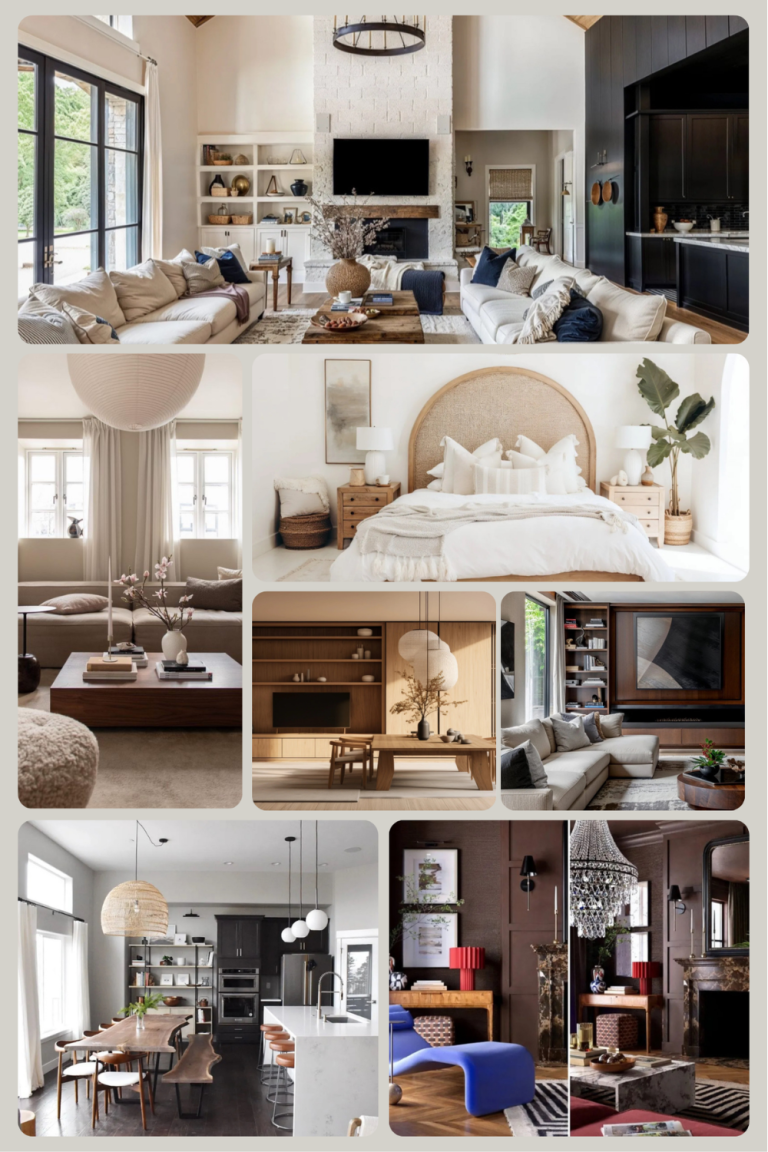
Start by collecting images of living rooms that make you stop scrolling. Pinterest, design magazines, even screenshots from your favourite shows—gather them all. After collecting 20-30 images, patterns will emerge. Maybe you’re drawn to rooms with lots of natural wood and cosy textiles. Or perhaps sleek lines and minimal colour palettes keep catching your eye.

design vision board examples

Don’t worry about naming your style yet. Focus on identifying what elements consistently appeal to you:

  • Colour preferences (bright and bold vs. neutral and subtle)
  • Material choices (warm woods vs. cool metals)
  • Overall feeling (cosy and layered vs. clean and minimal)
  • Pattern tolerance (mix of prints vs. solid colours)

Understanding Major Design Styles

While you don’t need to follow any style rigidly, knowing the basics helps you communicate what you want and shop more effectively. Here are the styles I see requested most often:

Modern/Contemporary: Clean lines, neutral colours, minimal accessories. The furniture has simple silhouettes, and the overall feel is uncluttered. Great for those who find peace in simplicity.

Traditional: Classic furniture shapes, rich colours, balanced symmetry. Think rolled-arm sofas, matching table lamps, and formal arrangements. Perfect if you love timeless elegance.

Transitional: The sweet spot between traditional and contemporary. You get the comfort of classic pieces with cleaner lines and updated colours. This style is incredibly livable and never looks dated.

Scandinavian: Light woods, white walls, cosy textures, and functional beauty. If you want a bright, airy space that still feels warm, this might be your direction.

Industrial: Raw materials, exposed elements, darker colours. Metal and wood combinations, vintage pieces, and an urban edge define this look.

living room layout ideas

Creating Your Vision Board

Once you’ve identified your preferences, create a focused vision board for your specific living room. This isn’t just pretty pictures—it’s your roadmap for how to decorate a living room step by step. Include:

  • 3-5 full-room images that capture your desired vibe
  • Close-ups of textures and materials you love
  • Your colour palette (we’ll refine this in the next step)
  • Furniture styles that appeal to you
  • Lighting fixtures that fit your aesthetic

Digital tools like Canva or even a simple Pinterest board work great. The goal is to have a visual reference you can check when making decisions. That gorgeous velvet chair might be on sale, but does it fit your vision?

Avoiding Common Style Pitfalls

The biggest mistake I see? Trying to incorporate too many styles because you like elements of each. Your living room isn’t a design museum—it needs cohesion. Follow the 80/20 rule: 80% of your room should reflect your primary style, with 20% for accent pieces that add personality.

Another trap is choosing a style that doesn’t match your lifestyle. That all-white, minimalist living room looks stunning in photos, but if you have three dogs and love surrounding yourself with books and plants, you’re setting yourself up for frustration.

Considering Your Home’s Architecture

Your living room doesn’t exist in isolation. Consider your home’s architectural style and the flow from adjacent spaces. An ultra-modern living room might feel jarring in a 1920s bungalow with original mouldings. This doesn’t mean you can’t have contemporary furniture, but you’ll want to choose pieces that respect the home’s character.

modern traditional architecture blend

Making It Personal

Whatever style direction you choose, remember that the best living rooms tell a story about the people who live there. Your style foundation should leave room for:

  • Travel souvenirs and meaningful objects
  • Family photos and personal artwork
  • Collections and hobbies
  • Books, plants, and things that bring you joy

These personal touches are what transform a styled space into a home. They’re not afterthoughts—plan for them from the beginning.

By the end of this step, you should have a clear vision of your living room’s style direction. This vision will guide every choice from here on, making the process of learning how to decorate a living room step by step much more straightforward. Next, we’ll translate this vision into a functional floor plan that brings your style to life.

Step 3: Plan Your Layout and Traffic Flow

With your style vision clear, it’s time to tackle one of the most crucial aspects of living room design—the layout. Even the most beautiful furniture and decor won’t save a room with poor flow. Getting this right transforms how your space functions daily.

Finding Your Focal Point

Every well-designed living room needs a focal point—that one element that naturally draws the eye and anchors the entire space. Sometimes it’s obvious: a fireplace, a wall of windows with a stunning view, or built-in shelving. Other times, you’ll need to create one.

natural versus created focal points

If your room lacks a natural focal point, consider these options:

  • A large piece of artwork or a gallery wall
  • An entertainment centre or a mounted TV
  • A statement furniture piece
  • An accent wall with bold colours or wallpaper

Once identified, your furniture arrangement should acknowledge and enhance this focal point, not compete with it. That doesn’t mean everything faces one direction like a waiting room—it means creating a layout that feels balanced around this anchor.

Understanding Conversation Flow

The best living rooms encourage easy conversation. When figuring out how to decorate a living room step by step, remember that seating arrangements make or break the room’s social function. Keep these guidelines in mind:

  • Place seating 8-10 feet apart for comfortable conversation
  • Avoid forcing people to shout across the room or crane their necks
  • Create multiple seating groups in larger rooms
  • Ensure every seat has a surface nearby for drinks or books

Think about how conversations naturally happen. People need to see each other without straining, but also want the option to break eye contact naturally. Angled chairs, L-shaped sectionals, and mixed seating types all help create this dynamic.

Mapping Traffic Patterns

Before placing a single piece of furniture, trace the natural paths through your room. How do you enter? Where do you go from there? Are there doorways to other rooms? These invisible pathways need to stay clear, at least 3 feet wide for main routes, and 2 feet for secondary paths.

traffic flow patterns diagram

Common traffic flow mistakes include:

  • Blocking the natural path from entry to seating
  • Creating obstacle courses around coffee tables
  • Forcing people to squeeze between furniture
  • Ignoring the path to frequently used areas (like built-ins or windows)

The Power of Floating Furniture

Here’s where I see the biggest transformation in rooms—pulling furniture away from walls. Yes, even in small spaces. Floating your sofa even 12 inches from the wall creates depth and improves flow. It also gives you space for a console table, better lamp placement, or simply easier cleaning.

In larger rooms, floating furniture becomes essential. Create intimate zones rather than lining everything against the perimeter. A sofa floating in the centre with a console table behind it can define the living area while maintaining flow to other parts of the room.

Using Rugs to Define Spaces

Area rugs are your secret weapon for layout success. They ground furniture groupings and define zones within larger spaces. The key is sizing—too small, and your room looks disjointed. Follow these rules:

  • The front legs of all major seating should sit on the rug
  • Leave 8-24 inches of bare floor around the rug’s perimeter
  • In small rooms, a large rug can make the space feel bigger
  • Multiple rugs can define different zones in open-plan spaces

correct rug sizing guide

Testing Your Layout

Before moving heavy furniture, test your layout plan. Use painter’s tape to mark furniture footprints on the floor. Live with it for a day. Walk through your normal routines. Sit in the taped “chairs” and check sightlines. This simple step saves backaches and prevents costly mistakes.

For tech-savvy planners, free apps like Floorplanner or even graph paper work well. Draw your room to scale (1/4 inch = 1 foot is standard), then cut out scaled furniture pieces to arrange and rearrange.

Accommodating Different Activities

Modern living rooms multitask. Your layout needs to support various activities without requiring furniture reshuffling. Consider:

For TV watching: Ensure comfortable viewing angles from the main seating. The TV centre should be at seated eye level, typically 42-48 inches from the floor.

For reading: Position a chair near natural light with a side table for books and drinks. Add a floor lamp for evening reading.

For games or homework: An ottoman with a tray or nesting tables provides surfaces that can disappear when not needed.

For entertaining: Create seating clusters that can merge for larger gatherings. Lightweight accent chairs or poufs offer flexible extra seating.

same room activity configurations

Small Room Strategies

Decorating a small living room step by step requires extra attention to the layout. Every inch counts, but that doesn’t mean cramming in undersized furniture. Instead:

  • Choose one normal-sized sofa over multiple small chairs
  • Use vertical space with tall bookcases or floating shelves
  • Select furniture with exposed legs to maintain sight lines
  • Consider dual-purpose pieces like storage ottomans

The goal is to make your small room feel as spacious as possible while meeting all your needs.

With your layout planned, you’ve created the bones of a functional living room. This foundation ensures that no matter how beautiful your colour choices or accessories, the room will work for daily life. Next, we’ll build on this practical layout with colour choices that bring your style vision to life.

Step 4: Choose Your Colour Palette

Colour sets the entire mood of your living room. It’s what people subconsciously react to first, even before they notice your furniture or layout. The right palette can make a small room feel spacious, a dark room feel bright, or a cold room feel cozy. Let’s break down how to decorate a living room step by step through strategic colour choices.

Understanding the 60-30-10 Rule

This classic design principle takes the guesswork out of colour distribution. Here’s how it works:

  • 60% Dominant Colour: This is your room’s main colour, typically used on walls and large furniture pieces. Usually a neutral or muted tone that won’t overwhelm you.
  • 30% Secondary Colour: Found in upholstery, curtains, and larger accessories. This colour supports and complements your dominant shade.
  • 10% Accent Colour: Your pop of personality through pillows, artwork, and small accessories. This can be bold since it’s used sparingly.

colour distribution 60 30 10

For example, you might have soft grey walls and a grey sofa (60%), navy curtains and a patterned rug incorporating navy (30%), and mustard yellow pillows with brass accents (10%). The proportions keep everything balanced while allowing personality to shine through.

Building Your Palette

Start with what you can’t change. Do you have wood floors? Their undertone (warm or cool) influences everything else. Keeping a favourite sofa? Its colour becomes part of your palette. Working around existing elements is part of learning how to decorate a living room step by step in real-world situations.

Consider these factors when selecting colours:

Natural Light: North-facing rooms get cool, indirect light that can make colours appear greyer. Warm these spaces with colours that have yellow or red undertones. South-facing rooms get warm, direct light and can handle cooler colours.

Room Size: Light colours reflect light and make spaces feel larger. Dark colours absorb light, creating intimacy but potentially making rooms feel smaller. That said, a small room painted in a rich, dark colour can feel incredibly sophisticated—it’s about intention.

Ceiling Height: Paint ceilings lighter than walls to add perceived height. In rooms with very high ceilings, a darker ceiling colour can make the space feel more intimate.

room size colour perception

Testing Colours in Your Space

Never choose paint colours under store lighting. What looks perfect at the hardware store can be completely different in your living room. Here’s my tested process:

  1. Buy samples of your top 3-4 paint choices
  2. Paint large swatches (at least 2×2 feet) on different walls
  3. Observe them at different times of day
  4. Live with them for at least 48 hours
  5. Notice how they look with your lighting on

Pay attention to undertones—that “perfect grey” might look purple in your north-facing room or green next to your warm wood floors. This testing phase prevents expensive mistakes and disappointment.

Working with Neutrals

Neutrals get a bad reputation for being boring, but they’re actually complex and sophisticated. Today’s neutrals go far beyond beige:

  • Warm Neutrals: Creams, taupes, warm greys, and greiges create cosy, inviting spaces
  • Cool Neutrals: Pure whites, cool greys, and soft blacks offer a modern, crisp feel
  • Natural Neutrals: Colours pulled from nature, like sage, clay, or sand, add subtle personality

The beauty of a neutral base? You can completely change your room’s personality by swapping accessories. That neutral sofa becomes bohemian with colourful pillows or sophisticated with monochromatic styling.

neutral room three styling ways

Adding Colour Strategically

If you love colour but feel nervous about commitment, start small. Ways to incorporate colour without it getting overwhelming:

  • Accent Wall: One colourful wall creates impact without dominating
  • Colourful Sofa: A statement piece that anchors the room
  • Window Treatments: Curtains or Roman shades add softness and colour
  • Area Rug: Brings multiple colours together at floor level
  • Artwork: Large pieces or gallery walls introduce colour at eye level

Remember, colour doesn’t mean bright. Deep jewel tones, muted historical colours, or sophisticated earth tones all add richness without screaming for attention.

Creating Colour Flow

Your living room shouldn’t feel disconnected from the rest of your home. Create flow by:

  • Repeating one colour from adjoining spaces
  • Using varying intensities of the same colour family
  • Carrying neutral base colours throughout
  • Adding consistent accent colours in different rooms

This doesn’t mean every room matches—it means they have a conversation with each other.

The Psychology of Colour

Understanding how colours affect mood helps you create the right atmosphere:

Blues and Greens: Calming, peaceful, good for relaxation
Warm Neutrals: Comforting, versatile, broadly appealing
Rich Jewel Tones: Sophisticated, dramatic, creates intimacy
Bright Colours: Energising but potentially overwhelming in large doses
Monochromatic Schemes: Serene, sophisticated, easy to execute

colour families mood effects

Common Colour Mistakes to Avoid

  • Matching everything too perfectly (it looks flat)
  • Ignoring undertones when mixing colours
  • Choosing colours in isolation without considering the whole room
  • Following trends that don’t suit your space or style
  • Being too safe and ending up with a bland, personality-free room

Your colour palette is the thread that ties your entire living room together. With these colours established, you’re ready to select furniture that brings your vision to life while working within your carefully planned layout. The next step transforms your colour palette and floor plan into a fully furnished, functional space.

Step 5: Select and Purchase Furniture

This is where your planning pays off. With your layout mapped and colours chosen, furniture selection becomes strategic rather than overwhelming. The key to learning how to decorate a living room step by step is making each furniture decision build upon the last, creating a cohesive whole.

Starting with the Sofa

Your sofa is the living room’s anchor piece—get this right, and everything else falls into place. Consider these factors:

Size: Measure your doorways, hallways, and stairs before falling in love with anything. That perfect sectional won’t matter if it can’t make it into your room. For the room itself, your sofa should be proportional—not so large it dominates, not so small it looks lost.

Style: Your sofa should align with your chosen design direction but remain somewhat timeless. Trendy shapes date quickly, and sofas are expensive to replace. Classic silhouettes with updated fabric choices give you flexibility.

Comfort: Sit on it. Really sit on it—the way you actually lounge at home. Deep seats work for tall people, but can be uncomfortable for shorter folks. Firm cushions maintain their shape but might feel stiff to some. There’s no universal “comfortable” sofa.

sofa buying style guide

Fabric: Consider your real life. Performance fabrics have revolutionised upholstery—they look like linen or velvet but resist stains and wear. Leather develops character over time but requires specific care. Patterns hide wear but limit your accessory options.

Choosing Secondary Seating

Once your sofa is selected, add seating that complements without matching. Options include:

  • Accent Chairs: Introduce pattern, colour, or texture. Swivel chairs add function.
  • Ottoman: Provides extra seating, a footrest, or a coffee table alternative
  • Bench: Great for narrow spaces or under windows
  • Pouf: Lightweight, movable seating for flexible arrangements

Mix heights and shapes for visual interest. Two identical chairs flanking a fireplace create formal balance, while mismatched chairs feel more collected and casual.

Coffee Table Considerations

The coffee table often trips people up. Follow these guidelines:

Height: Should be within 2 inches of your sofa seat height (typically 16-18 inches)
Length: About 2/3 of your sofa’s length looks proportional
Distance: 14-18 inches from the sofa—close enough to reach, far enough to walk around
Shape: Round or oval tables improve flow in tight spaces. Rectangular works in most settings. Consider nesting tables for flexibility.

coffee table spacing diagram

Material matters, too. Glass keeps sight lines open in small spaces. Wood adds warmth. Stone or metal brings sophisticated weight. Consider how the material relates to other elements in your room.

Storage Solutions

Living rooms need to be beautiful AND functional. Build in storage from the start:

Media Storage: Even in our streaming age, you need somewhere for remotes, game controllers, and that router you’re hiding. Media consoles with closed storage keep clutter invisible.

Display Storage: Open shelving, bookcases, or étagères showcase books and treasures while adding vertical interest. Mix displayed items with hidden storage boxes for practical balance.

Hidden Storage: Ottomans with lift tops, side tables with drawers, or console tables with baskets underneath. Every piece can work harder.

Quality Versus Budget

Here’s where I’ll be straight with you—furniture quality matters, but you need to be strategic about where to splurge. My priority list for how to decorate a living room step by step on any budget:

Splurge on:

  • Sofa (you’ll use it daily for years)
  • One quality accent chair (better than two cheap ones)
  • Window treatments (custom often looks significantly better)

Save on:

  • Accent tables (easily updated as styles change)
  • Decorative accessories
  • Throw pillows (buy covers, not whole pillows)
  • Lamps (unless they’re statement pieces)

Consider vintage or secondhand for:

  • Wood furniture (often better quality than new)
  • Accent chairs (reupholstering costs less than buying quality new)
  • Unique pieces that add character

high low mixing examples

Online Versus In-Store Shopping

Both have advantages. Online offers endless options and often better prices, but you can’t assess comfort or true colour. In-store lets you experience pieces but limits selection. My approach:

  • Visit stores to understand what styles and scales work for you
  • Sit on sofas and chairs to know what feels comfortable
  • Order fabric samples online before purchasing
  • Read reviews focusing on comfort and durability
  • Check return policies carefully
  • Measure everything twice

Timing Your Purchases

Furniture shopping requires patience. Custom pieces take 8-16 weeks. Even in-stock items might need 2-4 weeks for delivery. Plan accordingly:

  1. Order your sofa first (longest lead time)
  2. Purchase a rug and window treatments
  3. Add tables and secondary seating
  4. Layer in lighting and accessories

This staged approach also helps your budget and lets you live in the space before making final decisions.

Making It All Work Together

As you select each piece, reference your vision board and colour palette. Every furniture item should feel like part of the same story. That doesn’t mean matching sets—it means intentional coordination. Mix wood tones but keep them in the same warmth family. Vary shapes but maintain similar visual weight. Combine different metals, but limit yourself to two finishes.

With your major furniture pieces selected and ordered, your room is taking shape. The bones are in place. Next, we’ll add the lighting layers that will truly bring your space to life, making it functional for every activity and beautiful at every time of day.

Step 6: Layer Your Lighting

Good lighting transforms a living room from flat and one-dimensional to warm and inviting. Yet it’s often treated as an afterthought. When learning how to decorate a living room step by step, lighting deserves as much attention as your sofa selection. Done right, it makes every other design choice look better.

Understanding the Three Layers

Professional designers think about lighting in layers, each serving a different purpose:

Ambient Lighting: This is your general illumination—the replacement for natural light when the sun goes down. Usually comes from overhead fixtures, recessed lights, or torcheres that bounce light off the ceiling. Without good ambient light, rooms feel cave-like.

Task Lighting: Focused light for specific activities. Reading lamps beside chairs, picture lights above artwork, or pendant lights over a console. Task lighting prevents eye strain and makes your room functional.

Accent Lighting: The jewellery of lighting—purely decorative elements that add sparkle and highlight special features. Think uplights behind plants, LED strips under floating shelves, or decorative sconces flanking artwork.

cosy living room decor ideas

Planning Your Lighting Layout

Start by mapping activities in your room. Where will people read? Where do you need light for games or puzzles? Which architectural features deserve highlighting? This functional approach ensures beautiful lighting that actually works for daily life.

For most living rooms, aim for 5-7 light sources. That might sound excessive, but remember—you won’t use them all at once. Multiple sources give you the flexibility to create different moods. A typical layout might include:

  • Overhead fixture or recessed lights (4-6 in larger rooms)
  • Table lamps flanking the sofa
  • Floor lamp by the reading chair
  • Accent light for artwork or plants
  • Console or buffet lamp for an ambient glow

Choosing the Right Fixtures

Overhead Lighting: If you’re stuck with a builder-grade ceiling fan or dated fixture, replacing it makes an immediate impact. Choose a size that relates to your room—too small looks skimpy, too large overwhelms. For 12-foot ceilings or higher, consider a fixture with adjustable height.

Table Lamps: Height matters more than style. When seated, the bottom of the shade should be at eye level. This prevents glare while providing good reading light. For sofa end tables, 26-30 inches tall usually works. Matching pairs create formal symmetry while coordinating but different lamps feel more collected.

proper lamp height guide

Floor Lamps: These add height and can illuminate dark corners. Arc floor lamps reach over seating without requiring a side table. Pharmacy-style lamps offer adjustable task lighting. Torcheres provide ambient light by washing walls and ceilings.

The Dimmer Difference

If you do one electrical upgrade, make it dimmers. They transform basic fixtures into mood lighting and extend bulb life. Every overhead light should be dimmable. For lamps, use three-way bulbs or smart bulbs you can control from your phone.

Speaking of smart bulbs—they’re game changers for renters or anyone who can’t rewire. Change the colour temperature from energizing daylight to cozy warm white. Set scenes for different activities. Some even sync with movies or music.

Getting Colour Temperature Right

Nothing ruins a carefully designed room faster than mismatched light colours. All bulbs in view together should be the same temperature:

  • 2700 K- 3000 K (Warm White): Cozy, residential feel. Flatter’s warm colour palettes.
  • 3500 K- 4000 K (Neutral White): Clean but not harsh. Works with any colour scheme.
  • 5000K+ (Daylight): Energising but can feel commercial. Best for task lighting only.

Most living rooms look best in the 2700 K- 3000 K range, especially in the evening. If you need a brighter light for tasks, use adjustable fixtures rather than mixing temperatures.

lighting colour temperature comparison

Common Lighting Mistakes

Over-relying on overhead lights: One ceiling fixture creates harsh shadows and unflattering light. Layer multiple sources instead.

Ignoring scale: Tiny lamps on massive tables or huge fixtures in small rooms throw off proportions.

Placing lamps too low: Table lamps shorter than 24 inches rarely provide good light. Stack books underneath if needed.

Forgetting about outlets: Plan lamp placement around existing outlets or budget for adding more. Extension cords running everywhere ruin the look.

All matching fixtures: While coordinating finishes is good, identical fixtures everywhere feel like a hotel.

Natural Light Management

Don’t forget about controlling natural light. How to decorate a living room step by step includes managing daylight too:

  • Sheer curtains filter harsh sun while maintaining brightness
  • Blackout shades on windows that get direct sun to prevent glare and fading
  • Mirrors positioned opposite windows amplify natural light
  • Light-coloured walls and ceilings bounce daylight deeper into rooms

Creating Lighting Scenes

The magic happens when you combine different light sources for different moods:

Entertaining: All ambient lights at 75%, accent lights on, task lights off
Movie watching: All lights dimmed to 25% or off, bias lighting behind the TV
Reading: Task light on, ambient lights at 50%, others off
Everyday evening: Mix of ambient and task at comfortable levels

four lighting scene moods

Budget-Friendly Lighting Updates

Great lighting doesn’t require rewiring or expensive fixtures:

  • Replace lampshades for instant updates (white or cream lining reflects more light)
  • Add battery-operated picture lights to highlight artwork
  • Use plug-in pendant lights for rental-friendly ceiling fixtures
  • Install dimmer switches (easier than you think)
  • Add LED strips under shelves or behind furniture for an ambient glow

With your lighting plan in place, your room can transition from bright and energising during the day to warm and intimate at night. This flexibility is what makes a living room truly livable. Next, we’ll add the finishing touches that make your well-lit room feel complete and personally yours.

Step 7: Add Window Treatments

Window treatments do triple duty in your living room—they control light, provide privacy, and contribute significantly to your design aesthetic. Yet they’re often an afterthought, purchased in a rush when you realise neighbours can see straight in. When learning how to decorate a living room step by step, planning window treatments early ensures they enhance rather than detract from your overall design.

Function First

Before falling for beautiful fabrics, determine what you actually need from your window treatments:

Privacy Requirements: Street-level windows facing neighbours need different solutions than second-story windows overlooking trees. Consider when you need privacy—just at night, or during the day too?

Light Control: Do you get harsh afternoon sun that makes TV watching impossible? Morning light that wakes you too early if you’re near the living room? Or do you have precious little natural light you want to maximise?

Insulation: Windows are major sources of heat loss in winter and heat gain in summer. The right treatments can significantly impact your comfort and energy bills.

Sound Dampening: If you live on a busy street, heavy curtains can help muffle outside noise.

window treatment function

Choosing Your Style

Once you understand your functional needs, select treatments that align with your design aesthetic:

Curtains/Drapes: Soft and traditional, they add texture and can make windows appear larger when mounted high and wide. Full-length panels create elegance, while cafe curtains offer charm. Choose lined curtains for better light control and a more polished appearance from the outside.

Roman Shades: Tailored and classic, they provide a clean look when raised and good coverage when lowered. Available in countless fabrics to coordinate with any design style. Inside mount for a built-in look, outside mount to make windows appear larger.

Roller/Solar Shades: Modern and minimal, perfect for contemporary spaces. Solar shades filter light while maintaining views. Blackout options are available for media rooms. Motorised versions offer ultimate convenience.

Blinds: Wood blinds add warmth and work with many design styles. Faux wood offers durability and moisture resistance. Avoid aluminium mini-blinds—they rarely look high-end.

Layering: Combine treatments for maximum flexibility. Sheers for daytime privacy with curtains for nighttime. Blinds for light control with decorative panels for softness.

window treatment style examples

Getting Measurements Right

Incorrect measurements are the fastest way to make expensive window treatments look cheap. Here’s how to measure for professional results:

For Curtains:

  • Mount brackets 4-6 inches above the window frame (or halfway between the window and the ceiling for drama)
  • Extend the rod 8-12 inches beyond the frame on each side
  • For length, choose kissing the floor (1/2 inch above), breaking slightly (1-2 inch puddle), or floating (ending at the sill or apron)
  • Order panels that are 2- 2.5x your window width for proper fullness

For Shades and Blinds:

  • Inside mount: Measure width at the top, middle, and bottom—use the narrowest measurement
  • Outside mount: Add 2-3 inches on each side for light blockage
  • Consider obstacles like window cranks or locks

Never assume windows are the same size—measure each one individually.

Material Considerations

Fabric choice impacts both function and appearance:

Linen: Casual elegance, filters light beautifully, wrinkles naturally
Cotton: Versatile, easy to clean, good for any style
Velvet: Luxurious, excellent insulation, blocks light well
Silk: Formal and elegant, but fades in direct sun (consider faux silk)
Polyester Blends: Durable, fade-resistant, often budget-friendly

fabric texture comparison swatches

Colour and Pattern Strategy

Your window treatments should enhance your colour scheme, not fight with it:

  • Matching walls: Makes windows recede and rooms feel larger
  • Contrasting colour: Creates focal points and adds drama
  • Patterns: Use solid treatments if you have patterned furniture, or vice versa
  • Texture: Even solid colours can add interest through texture

Remember to order fabric samples and view them in your actual room light before committing to expensive treatments.

Professional Touches

Details separate custom-looking treatments from obviously store-bought:

Proper Hanging: Iron or steam before hanging. Curtains should hang straight, not bunch at the bottom.

Quality Hardware: Rods and brackets should complement your room’s metal finishes. The diameter should relate to fabric weight—heavier fabrics need substantial rods.

Finishing Details: Curtain rings make panels easy to open and close. Tiebacks or holdbacks keep panels neat when open. Valances can hide mechanics but are used sparingly—they can date a room.

Common Window Treatment Mistakes

Hanging too low: Mounting right at the window frame makes the ceiling feel lower
Skimpy panels: Narrow curtains that barely cover windows when closed look cheap
Wrong length: Too-short curtains are the equivalent of flood pants
Ignoring the view from outside: Mismatched treatments look chaotic from the street
Over-accessorising: Skip the swags, jabots, and excessive layers

window hanging mistakes corrected

Budget-Friendly Options

Great window treatments don’t require custom pricing:

  • Buy longer, inexpensive panels and hem them for the perfect length
  • Use electrical conduit or plumbing pipes for industrial-style curtain rods
  • Layer inexpensive sheers with ready-made panels for a custom look
  • Paint or stain wooden blinds to coordinate with your colour scheme
  • Buy basic roman shades and add trim for personality

Timing and Installation

Order window treatments early in your decorating process, custom options can take 6-8 weeks. Install them before arranging furniture to avoid disrupting your layout. If drilling into walls makes you nervous, many handypeople can install treatments quickly and ensure they’re level.

With window treatments in place, your room’s envelope is complete. Natural light is controlled, privacy is ensured, and your windows enhance rather than detract from your design. Now comes the fun part—adding the art, accessories, and personal touches that transform a well-designed room into your unique living space.

Step 8: Incorporate Art and Accessories

This is where your living room transforms from a furniture showroom into a home with personality. Accessories and art are what tell your story, but they’re also where many people freeze up or go overboard. The key to mastering how to decorate a living room step by step is approaching accessories with the same intentionality you brought to furniture selection.

Starting with Art

Art doesn’t have to mean expensive gallery pieces. What matters is choosing pieces that resonate with you and displaying them thoughtfully:

Scale Matters: The most common mistake is hanging art that’s too small. Above a sofa, artwork should be 2/3 to 3/4 of the sofa’s width. Over a console, leave 4-8 inches of space on each side. When in doubt, go larger or create a grouping.

Hanging Height: The centre of the artwork should hit at eye level—typically 57-60 inches from the floor. In living rooms where people are usually seated, you might hang slightly lower. Above furniture, leave 6-8 inches between the piece’s top and the art’s bottom.

art sizing hanging heights

Creating Gallery Walls: These add major personality but require planning:

  • Cut paper templates of your frames and tape them to the wall first
  • Keep 2-3 inches between pieces for breathing room
  • Mix sizes but maintain visual balance
  • Include non-art elements like mirrors or dimensional objects
  • Stick to a consistent frame colour or style for cohesion

Beyond Framed Art: Think creatively:

  • Textile art or vintage rugs as wall hangings
  • Floating shelves with rotating displays
  • Large-scale photography or maps
  • Sculptural pieces on pedestals
  • Oversized mirrors that act as art

Styling Surfaces

Every flat surface in your living room is a styling opportunity, but restraint prevents clutter:

Coffee Table Styling:

  • Start with a tray to corral smaller items
  • Layer heights: books stacked horizontally, a small object on top, something tall like flowers
  • Include something living (a plant or flowers)
  • Leave 2/3 of the surface clear for function
  • Mix materials: wood, metal, glass, ceramic

coffee table styling steps

Console and Side Tables:

  • Create triangular compositions with varying heights
  • Anchor with a lamp or a tall object
  • Add medium-height items like picture frames or small plants
  • Include low elements like decorative boxes or stacked books
  • Keep the scale proportional to the furniture

Bookshelf Styling:

  • Mix vertical and horizontal book placement
  • Break up books with decorative objects
  • Leave some breathing room—don’t pack every inch
  • Group books by colour for impact or mix for a casual feel
  • Hide clutter in attractive boxes or baskets

The Power of Plants

Nothing brings life to a room quite like actual living things. Plants add colour, texture, and improve air quality:

Choosing the Right Plants:

  • Consider light levels: snake plants and pothos tolerate low light, while fiddle leaf figs need bright conditions
  • Match plant size to space: a single large floor plant makes more impact than scattered small ones
  • Mix heights and leaf shapes for interest
  • Use consistent planters that coordinate with your colour scheme

Placement Strategy:

  • Fill empty corners with tall floor plants
  • Add height to console displays with medium plants
  • Cluster small plants on shelves or window sills
  • Hang plants in corners to draw the eye up

plant placement ideas guide

Incorporating Personal Items

The difference between a styled space and a home is personal meaning. Include items that tell your story:

Displaying Collections: Whether it’s pottery, vintage cameras, or seashells, group collections for impact rather than scattering them. Odd numbers feel more natural. Display on shelves, in shadow boxes, or on dedicated surfaces.

Family Photos: Mix frame styles within the same colour family. Create gallery walls mixing sizes, or display a collection on a console. Avoid cluttering every surface with photos—choose key locations for maximum impact.

Travel Souvenirs: Display thoughtfully rather than creating a cluttered “museum.” Group items by colour, material, or region. Rotate displays seasonally to enjoy everything without overwhelming the space.

Textile Layers

Soft accessories add comfort and tie colour schemes together:

Throw Pillows:

  • Use odd numbers for casual appeal (3 or 5 per sofa)
  • Mix patterns by varying scale: one large pattern, one medium, one small or solid
  • Include different textures: smooth cotton, nubby linen, plush velvet
  • Don’t match your sofa exactly—coordinate instead
  • Invest in quality inserts, change covers seasonally

Throws:

  • Drape casually over sofa backs or arms
  • Fold neatly and place over the ottoman corners
  • Choose materials that invite touching
  • Keep one easily accessible for actual use

pillow arrangement throw styling

Editing and Restraint

The secret to professional-looking accessorising? Knowing when to stop:

The Rule of Three: Group accessories in odd numbers, typically three. Three different heights, three complementary colours, and three varying textures.

Negative Space: What you don’t fill is as important as what you do. Every surface doesn’t need styling. Not every wall doesn’t needs art. Let your room breathe.

Rotation Strategy: Own more accessories than you display. Rotate seasonally or when you need a refresh. This prevents accumulation and keeps your room feeling fresh.

Common Accessory Mistakes

  • Pushing everything against the walls instead of layering depths
  • Hanging art too high (remember, eye level!)
  • Using accessories that are too small for the space
  • Matching everything too perfectly (looks catalogue-stiff)
  • Ignoring the view from your room’s entrance

Pulling It All Together

Step back and evaluate your accessorised room:

  • Does it feel balanced from different viewpoints?
  • Are your colours distributed throughout, not clustered in one area?
  • Is there a mix of heights, textures, and materials?
  • Can you still use the surfaces functionally?
  • Does it feel like you, not a showroom?

With art and accessories in place, your living room should feel complete but not cluttered, styled but still functional. The final steps will ensure your beautifully designed room stays that way while serving your daily life.

Step 9: Final Styling and Bringing It All Together

You’ve selected furniture, layered lighting, hung window treatments, and added art. Now comes the crucial final phase—the styling details that elevate your living room from “nicely decorated” to magazine-worthy. This is where learning how to decorate a living room step by step really pays off, as you fine-tune each element to work in harmony.

The Final Layer: Sensory Details

Great rooms engage all the senses, not just sight. These finishing touches make spaces feel truly lived-in:

Scent: A subtle room fragrance creates an immediate impression. Skip overwhelming air fresheners for:

  • Quality candles in complementary vessels
  • Fresh flowers or eucalyptus stems
  • Reed diffusers tucked discreetly on shelves
  • Cedar blocks in baskets for natural freshness

Sound: Consider your room’s acoustics. Hard surfaces echo; soft furnishings absorb sound. If your room feels echo-y, add:

  • Thick curtains
  • Upholstered furniture
  • Area rugs
  • Wall tapestries or fabric art

Touch: Vary textures throughout the room to create interest and comfort:

  • Smooth leather next to nubby linen
  • Soft velvet against rough jute
  • Cool metal with warm wood
  • Plush areas balanced with sleek surfaces

texture combination detail shots

Creating Cohesion

With all elements in place, ensure everything feels intentional and connected:

Colour Threading: Your accent colour should appear at least three times around the room at different heights. If you have navy pillows, perhaps add a navy lampshade and navy binding on your curtains. This creates visual flow.

Metal Consistency: Limit yourself to two metal finishes maximum. If your lighting is brass and chrome, ensure all visible metals fall into these categories. Mixed metals work when intentional, and look sloppy when random.

Style Consistency: Every piece doesn’t need to match your dominant style perfectly, but outliers should feel intentional. That antique chest works in your modern room if other elements bridge the gap, perhaps through colour or material.

Styling for Real Life

The best-designed living rooms work for everyday life, not just photo shoots:

Functional Beauty:

  • Keep attractive baskets near seating for quick toy cleanup
  • Use beautiful boxes on consoles to hide remotes
  • Choose coffee table books you actually want to read
  • Place coasters within reach of every seat

Easy Maintenance:

  • Washable pillow covers for easy refreshing
  • Scotch-guard treatment on susceptible fabrics
  • Furniture pads under all legs to protect the floors
  • Storage solutions that make tidying natural

living room storage solutions

The Photography Test

Step outside and re-enter your room with fresh eyes. Then take photos from multiple angles—cameras reveal what our eyes overlook:

  • Is there visual balance from the entrance?
  • Do sight lines feel clear or cluttered?
  • Are there any “dead zones” that need attention?
  • Does the lighting photograph well?

Photos also help you remember what works when you need to reassemble after cleaning or rearranging.

Seasonal Adjustments

A well-designed room can transition through seasons with minimal changes:

Summer: Lighten throw pillows, swap heavy throws for linen, add fresh flowers, maximise natural light

Fall: Introduce warmer textures, layer cosy throws, add amber lighting, and display seasonal branches

Winter: Maximum cosiness with faux fur, rich textures, candlelight, darker accent colours

Spring: Fresh colours in accessories, lighter curtains if layered, bright flowers, simplified surfaces

These changes keep your room feeling fresh without major overhauls or expenses.

Living In Your Design

The first few weeks in your newly decorated room are crucial. Pay attention to:

What’s Working:

  • Which seats get used the most?
  • Is task lighting adequate?
  • Can you reach surfaces easily?
  • Does traffic flow feel natural?

What Needs Adjusting:

  • Lamps that need relocating for better function
  • Art that needs raising or lowering
  • Furniture that blocks pathways
  • Accessories that create clutter

Don’t be afraid to make adjustments. How to decorate a living room step by step includes refining based on real use.

styled versus lived in room

Maintaining Your Design

A beautiful room stays that way with simple routines:

Daily (5 minutes):

  • Fluff and arrange pillows
  • Fold and place the throws
  • Clear surfaces of daily clutter
  • Quick straightening of accessories

Weekly (20 minutes):

  • Dust surfaces and vacuum
  • Water plants
  • Refresh flowers if needed
  • Wipe down the coffee table and side tables

Monthly:

  • Vacuum under furniture
  • Clean lampshades
  • Dust art and high shelves
  • Rearrange accessories slightly for freshness

Seasonally:

  • Deep clean upholstery
  • Wash pillow covers and throws
  • Edit accessories
  • Update seasonal elements

When to Call in Help

Sometimes professional help makes sense:

  • Mounting heavy art or mirrors safely
  • Custom window treatment installation
  • Electrical work for new outlets or fixtures
  • Upholstery cleaning for investment pieces

The cost often prevents bigger mistakes or damage.

Embracing Evolution

Your living room should grow with you. The beauty of following a thoughtful process is that you can:

  • Swap accessories as your taste evolves
  • Update paint colours without starting over
  • Change one major piece while maintaining cohesion
  • Add new finds that complement your foundation

Your Living Room Transformation

Congratulations—you’ve learned how to decorate a living room step by step and created a space that’s both beautiful and functional. From that initial assessment through final styling, each phase is built upon the last to create a cohesive, personal space.

Remember:

  • Good design takes time—don’t rush the process
  • Function always trumps form—beauty that doesn’t work isn’t beautiful
  • Your room should reflect your life, not magazine perfection
  • Small adjustments can make big differences
  • Living rooms are for living—enjoy yours!

The best part? You now have the knowledge and confidence to tackle any room in your home. The principles you’ve learned—assessing needs, defining style, planning layouts, layering elements, and styling with purpose—apply everywhere. Your living room was just the beginning.

22 Different Interior Design Styles Explained (+ How to Choose Yours)

22 Different Interior Design Styles Explained (+ How to Choose Yours)

When it comes to decorating your home, understanding different interior design styles is crucial. As an interior designer with over a decade of experience, I’ve seen countless clients feel overwhelmed when trying to define their style preferences. With 22 different interior design styles to explore, it’s no wonder many feel stuck! But don’t worry – I’m here to break down each style in a way that actually makes sense, helping you identify what truly speaks to you.

22 different interior design styles

How to Use This Guide

Before we dive into exploring all 22 different interior design styles, let me share how to make the most of this guide. Think of it as your design roadmap. I’ve organised these styles into broader categories to make them easier to digest. While reading through each style, pay attention to your initial reactions. Which spaces make you think, “I could live there”? Which ones make you want to scroll past quickly? These gut reactions are incredibly valuable in determining your personal style.

Traditional Design Styles

Let’s start our journey through interior design styles with the classics. Traditional design styles have stood the test of time for good reason – they bring a sense of history, elegance, and proven livability to our homes.

1. Classic Traditional

When clients ask me about Traditional style, I often describe it as the equivalent of a perfectly tailored suit in the fashion world – timeless, sophisticated, and always appropriate. This style carries the wisdom of generations of design, refined over centuries to create spaces that feel both elegant and wonderfully livable.

Classic traditional living room design

What makes Traditional style special is its attention to detail and commitment to creating balanced, harmonious spaces. It’s the perfect choice for those who appreciate classic literature, fine wine, and things that get better with age.

Key Characteristics:
  • Symmetrical arrangements
  • Rich wood tones in furniture pieces
  • Elegant curves and detailed woodwork
  • Refined textiles like silk, velvet, and leather
  • Architectural details
  • Classic artwork and accessories
Colour Palettes: Traditional design embraces rich, time-tested colours
Primary Colours:
  • Warm neutrals
  • Deep reds
  • Navy blues
  • Forest greens
  • Rich browns
Accent Colours:
  • Burgundy
  • Gold
  • Deep purple
  • Hunter green
  • Warm cream

Traditional furniture and materials

Materials That Define the Style:
  • Mahogany and cherry woods
  • Crystal and glass
  • Polished brass
  • Fine silk and velvet
  • Oriental rugs
  • Damask fabrics
  • Carved wood

Pro Tip: Don’t feel like every piece needs to be an antique. I always tell clients that traditional style works beautifully with reproductions, as long as they’re high quality and stay true to classic proportions.

Furniture Elements:
  • Wing-back chairs
  • Claw-foot tables
  • Tufted upholstery
  • Queen Anne legs
  • Roll-arm sofas
  • China cabinets
  • Writing desks
  • Carved bed frames

Traditional furniture arrangement ideas

Space Planning:
Traditional rooms require thoughtful arrangement:
  • Symmetrical furniture placement
  • Formal conversation areas
  • Clear traffic patterns
  • Balanced room layouts
  • Designated seating groups
  • Formal dining arrangements
  • Reading nooks
  • Display areas for collections
Styling Guidelines:
  • Use pairs to create symmetry
  • Layer window treatments
  • Include classic artwork
  • Display family heirlooms
  • Add fresh flowers
  • Incorporate table lamps
  • Use rich throw pillows
  • Feature oriental rugs
Common Mistakes to Avoid:
  • Overcrowding rooms
  • Using matched sets exclusively
  • Forgetting about comfort
  • Making it feel too formal
  • Overlooking lighting layers
  • Using poor quality reproductions

2. French Country

Let’s explore one of my favourite traditional styles – French Country. This style has a magical way of making any space feel like a charming cottage in Provence, no matter where you actually live.

French country kitchen interior

What makes French Country special is its ability to blend elegance with rustic charm. Unlike formal French design, this style embraces imperfection and celebrates the beauty of everyday life. It’s where sophistication meets comfort, and believe me, it’s a beautiful marriage.

Key Characteristics:
  • Soft, curved lines
  • Distressed finishes
  • Mix of formal and rustic elements
  • Warm wood tones
  • Natural stone
  • Hand-painted details
  • Wrought iron accents
Colour Palettes: French Country colours are inspired by the French countryside
Primary Colours:
  • Warm whites
  • Creamy neutrals
  • Soft golds
  • Terra cotta
  • Gentle blues
Accent Colours:
  • Lavender
  • Sunny yellow
  • Sage green
  • Rustic red
  • Soft black
Materials That Define the Style:
  • Natural stone flooring
  • Exposed wooden beams
  • Wrought iron
  • Natural linens
  • Cotton toile
  • Ceramic tiles
  • Copper and brass

Pro Tip: When designing French Country spaces, always remember authenticity is key. Don’t be afraid of a few chips in your painted furniture or wear marks on your wooden table – these “imperfections” add character and charm.

Furniture Elements:
  • Carved wooden armoires
  • Upholstered dining chairs
  • Painted dressers
  • Farmhouse tables
  • Bergère chairs
  • Curved sofas
  • Woven chairs

French country decor materials

Pattern Play:
French Country embraces specific patterns:
  • Toile de Jouy
  • Florals
  • Stripes
  • Checks
  • Provincial prints
  • Damask
  • Plaids
Essential Decor Elements:
  • Ceramic pitchers
  • Woven baskets
  • Fresh and dried herbs
  • Copper cookware
  • Vintage signs
  • Provincial artwork
  • Fresh flowers
Space Planning:
French Country design emphasises:
  • Comfortable gathering spaces
  • Kitchen as the heart of home
  • Indoor-outdoor flow
  • Intimate seating areas
  • Natural light
  • Practical workspace
  • Cosy corners

French country furniture layouts

3. Victorian

Let’s step back in time to one of the most opulent of our traditional styles – Victorian design. This style is all about embracing decoration, detail, and drama in the most sophisticated way possible.

Victorian parlor interior design

What makes Victorian style unique is its celebration of abundance and ornamentation. This style emerged during Queen Victoria’s reign (1837-1901), when showing off one’s wealth and taste through interior design was not just acceptable – it was expected. Think of it as the maximalist’s dream come true.

Key Characteristics:
  • Ornate decorative elements
  • Multiple patterns and textures
  • Rich, dark colour palettes
  • Layered window treatments
  • Abundant accessories
  • High ceilings
  • Intricate millwork
  • Heavy furniture pieces
Colour Palettes: Victorian design embraces rich, dramatic colours
Primary Colours:
  • Deep jewel tones
  • Burgundy
  • Forest green
  • Royal purple
  • Rich brown
Accent Colours:
  • Gold
  • Deep red
  • Sapphire blue
  • Bronze
  • Black
Materials That Define the Style:
  • Dark, polished woods
  • Velvet and silk
  • Crystal
  • Marble
  • Brass and bronze
  • Detailed wallpapers
  • Oriental rugs
  • Lace

Pro Tip: When designing Victorian spaces for modern living, always remember that you can honour the style’s ornate nature while still editing for today’s lifestyle. Not every surface needs to be covered!

Furniture Elements:
  • Button-tufted sofas
  • Carved wooden pieces
  • Fainting couches
  • Wingback chairs
  • Ottoman footstools
  • Heavy draperies
  • Ornate beds
  • China cabinets

Victorian furniture and accessories

Architectural Details:
  • Crown molding
  • Ceiling medallions
  • Carved doorways
  • Bay windows
  • Decorative fireplace mantels
  • Wainscoting
  • Detailed trim work
  • Stained glass
Pattern Play:
Victorian style loves layering patterns:
  • Damask
  • Florals
  • Stripes
  • Plaids
  • Oriental designs
  • Gothic motifs
  • Nature-inspired patterns
Essential Decor Elements:
  • Crystal chandeliers
  • Heavy curtains with tassels
  • Oil paintings in gilded frames
  • Decorative mirrors
  • Plants in ornate stands
  • China collections
  • Family portraits
  • Books and globes

Victorian home architectural details

Space Planning:
Victorian rooms require thoughtful arrangement:
  • Formal furniture groupings
  • Conversation areas
  • Display spaces for collections
  • Reading nooks
  • Music corners
  • Clear pathways
  • Symmetrical layouts
Modern Interpretation:
Here’s how I help clients adapt Victorian style for contemporary living:
  • Lighter colour palettes
  • Selected ornate pieces
  • Updated textiles
  • Modern lighting options
  • Simplified window treatments
  • Edited accessories
  • Functional spaces

Modern & Contemporary Styles

Now let’s shift gears completely as we explore designs that embrace clean lines, minimalism, and contemporary living. These styles represent a dramatic departure from traditional ornamentation, focusing instead on the principle that form follows function.

4. Modern

Let me clear up something I discuss with clients almost daily – Modern design isn’t just about being current or trendy. It’s actually a distinct style that emerged in the early to mid-20th century, revolutionising how we think about interior design.

Modern minimalist interior design

What makes Modern style special is its groundbreaking approach to design. Think of it as the moment when interior design broke free from the past and embraced new materials, technologies, and ways of living. It’s like the difference between classical and jazz music – both beautiful, but with completely different rules and expressions.

Key Characteristics:
  • Clean, straight lines
  • Minimal ornamentation
  • Open floor plans
  • Form follows function
  • Industrial materials
  • Absence of clutter
  • Integration with nature
  • Emphasis on horizontal and vertical lines
Colour Palettes: Modern design takes a deliberate approach to colour
Primary Colours:
  • White
  • Black
  • Grey
  • Earth tones
  • Natural wood tones
Accent Colours:
  • Primary colours (red, blue, yellow)
  • Rust orange
  • Forest green
  • Deep brown
  • Muted metallics
Materials That Define the Style:
  • Steel
  • Glass
  • Concrete
  • Natural wood
  • Leather
  • Molded plywood
  • Chrome
  • Plastic

Pro Tip: When designing modern spaces, every piece should earn its place through both function and form. If it doesn’t serve a purpose or contribute to the overall aesthetic, it doesn’t belong.

Furniture Elements:
  • Low-profile seating
  • Platform beds
  • Moulded plastic chairs
  • Chrome-framed furniture
  • Built-in storage
  • Floating cabinets
  • Glass tables
  • Leather loungers

Modern furniture materials

Architectural Elements:
  • Floor-to-ceiling windows
  • Exposed structural elements
  • Flat roofs
  • Open floor plans
  • Built-in furniture
  • Minimal trim work
  • Clean-lined fireplaces
  • Indoor-outdoor connection
Lighting:
Modern lighting is crucial to the style:
  • Architectural fixtures
  • Track lighting
  • Simple pendant lights
  • Floor lamps with clean lines
  • Task lighting
  • Hidden indirect lighting
  • Statement chandeliers

Modern open concept layout

Space Planning:
Modern design emphasises:
  • Open concept living
  • Uncluttered spaces
  • Clear sight lines
  • Functional zones
  • Connection to the outdoors
  • Minimal barriers
  • Thoughtful negative space
  • Strategic furniture placement

5. Contemporary

Moving through our exploration of modern design styles, let’s talk about Contemporary – and here’s something I’m always explaining to clients: while Modern is a specific style, Contemporary is ever-evolving, reflecting what’s current right now.

Contemporary living room design

What makes Contemporary style unique is its ability to adapt and change. Think of it as design’s equivalent to current fashion – it borrows from various styles and trends while maintaining a fresh, of-the-moment feel. As someone who’s designed countless contemporary spaces, I can tell you it’s one of the most flexible and exciting styles to work with.

Key Characteristics:
  • Clean, sophisticated lines
  • Mix of textures and materials
  • State-of-the-art features
  • Emphasis on negative space
  • Subtle sophistication
  • Technology integration
  • Artistic elements
  • Sustainability focus
Colour Palettes:
Contemporary design typically features:
Primary Colours:
  • Whites
  • Grays
  • Blacks
  • Taupes
  • Neutral metallics
Accent Colours:
  • Bold jewel tones
  • Unexpected colour pops
  • Trending colours
  • Nature-inspired hues
  • Sophisticated pastels
Materials That Define the Style:
  • Mixed metals
  • Textured fabrics
  • Sustainable materials
  • Glass
  • Composite materials
  • Natural stone
  • Engineered wood
  • Smart materials

Pro Tip: In contemporary spaces, invest in quality staple pieces with clean lines, then add personality through easily changeable accessories and art. This allows the space to evolve with trends.

Furniture Elements:
  • Streamlined upholstery
  • Mixed material pieces
  • Multi-functional furniture
  • Statement lighting
  • Geometric shapes
  • Innovative storage
  • Tech-integrated pieces
  • Comfort-focused designs

Contemporary interior finishes

Signature Features:
  • Smart home integration
  • Sustainable elements
  • Abstract art
  • Statement lighting
  • Mixed metal finishes
  • Textural contrasts
  • Indoor plants
  • Architectural details
Space Planning:
Contemporary spaces prioritise:
  • Flexible layouts
  • Multi-functional areas
  • Technology zones
  • Entertainment spaces
  • Work-from-home solutions
  • Indoor-outdoor flow
  • Social gathering areas
  • Private retreats

Contemporary space planning

Styling Elements:
  • Large-scale art
  • Minimal accessories
  • Natural elements
  • Geometric patterns
  • Textural layers
  • Strategic colour pops
  • Innovative lighting
  • Tech-savvy solutions
Modern Interpretation:
What makes Contemporary design special today:
  • Integration of smart home features
  • Sustainable materials and practices
  • Flexible spaces for modern living
  • Balance of comfort and style
  • Mix of old and new elements
  • Focus on wellness
  • Outdoor living integration

6. Minimalist

Let’s explore one of the most misunderstood of our 22 different interior design styles – Minimalist design. It’s not just about having less stuff; it’s about being intentional with every single element you include.

Minimalist home interior

What makes the Minimalist style special is its focus on the essential. Think of it as the design equivalent of a perfectly edited novel – every element must serve a purpose, and anything that doesn’t enhance the space is removed. It’s about creating calm through clarity.

Key Characteristics:
  • “Less is more” philosophy
  • Clean, purposeful lines
  • Monochromatic colour schemes
  • Intentional negative space
  • Quality over quantity
  • Functional design
  • Clutter-free surfaces
  • Hidden storage solutions
Colour Palettes: Minimalist design embraces a restricted palette
Primary Colours:
  • Pure whites
  • Soft whites
  • Light grays
  • Charcoal
  • Black
Accent Colours:
  • Single bold accents
  • Natural wood tones
  • Concrete grays
  • Earth tones
  • Muted metallics
Materials That Define the Style:
  • Smooth woods
  • Polished concrete
  • Glass
  • Steel
  • Natural stone
  • High-quality textiles
  • Matte finishes
  • Simple textures

Pro Tip: When designing minimalist spaces, I always remind clients that every item should earn its place. Ask yourself, “Does this piece serve a purpose, either functional or aesthetic?”

Furniture Elements:
  • Simple, clean-lined pieces
  • Built-in storage
  • Platform beds
  • Hidden hardware
  • Multi-functional furniture
  • Low-profile seating
  • Floating shelves
  • Streamlined tables

Minimalist storage solutions

Storage Solutions:
This is crucial in minimalist design:
  • Hidden closets
  • Built-in cabinets
  • Drawer organisers
  • Wall-mounted solutions
  • Under-bed storage
  • Seamless closet doors
  • Organised pantries
  • Multi-functional pieces
Space Planning:
Minimalist spaces require:
  • Clear traffic patterns
  • Breathing room between pieces
  • Strategic furniture placement
  • Uncluttered surfaces
  • Defined zones
  • Natural light maximisation
  • Simple window treatments
  • Thoughtful negative space

Minimalist furniture essentials

Styling Guidelines:
  1. Keep surfaces 90% clear
  2. Choose artwork carefully
  3. Limit decorative objects
  4. Focus on form and function
  5. Embrace empty space
  6. Use texture for interest
  7. Maintain clean lines
Common Mistakes to Avoid:
  1. Creating cold, uninviting spaces
  2. Forgetting about texture
  3. Overlooking storage needs
  4. Making spaces feel sterile
  5. Sacrificing comfort for style
  6. Ignoring personality completely

Industrial & Urban Styles

Now let’s explore styles that celebrate city living and architectural elements. These styles embrace raw materials and urban aesthetics while creating wonderfully livable spaces.

7. Industrial

One of the most exciting transformations I’ve witnessed in my design career is how industrial spaces have evolved from actual factories to some of the most sought-after residential designs. This style tells a story of urban renewal and architectural appreciation.

Industrial loft living space

What makes Industrial style unique is its honest approach to materials and architecture. Think of it as the design equivalent of a documentary film – it reveals and celebrates the true nature of a space rather than trying to hide it.

Key Characteristics:
  • Exposed structural elements
  • Raw materials
  • Open floor plans
  • High ceilings
  • Large windows
  • Visible systems (pipes, ducts, etc.)
  • Metal fixtures
  • Weathered finishes
Colour Palettes: Industrial design embraces natural material colours
Primary Colours:
  • Concrete greys
  • Rust browns
  • Metal silvers
  • Brick reds
  • Deep blacks
Accent Colours:
  • Navy blue
  • Forest green
  • Burnt orange
  • Weathered brass
  • Copper tones
Materials That Define the Style:
  • Exposed brick
  • Concrete
  • Steel beams
  • Cast iron
  • Reclaimed wood
  • Metal pipe
  • Wire mesh
  • Aged leather

Pro Tip: When designing industrial spaces, don’t fight the building’s bones. If you have exposed pipes or ductwork, celebrate them rather than trying to hide them.

Furniture Elements:
  • Metal-framed furniture
  • Leather seating
  • Reclaimed wood tables
  • Rolling carts
  • Factory-style lighting
  • Workshop stools
  • Steel shelving
  • Vintage industrial pieces

Industrial style materials

Architectural Features:
  • Exposed brick walls
  • Concrete floors
  • Visible support beams
  • Industrial windows
  • Open ductwork
  • Metal staircases
  • Warehouse doors
  • High ceilings
Space Planning:
Industrial spaces need:
  • Flexible layouts
  • Defined zones in open plans
  • Multiple seating areas
  • Work spaces
  • Entertainment zones
  • Clear traffic patterns
  • Conversation areas
  • Multi-functional spaces

Industrial furniture arrangement

8. Urban Modern

Let’s explore Urban Modern style – a sophisticated evolution of industrial design that perfectly captures contemporary city living. This style masterfully balances metropolitan edge with comfortable living.

Urban modern apartment

What makes Urban Modern special is how it takes the energy of city life and transforms it into livable, sophisticated spaces. Think of it as the perfect blend of industrial edge, modern sophistication, and contemporary comfort – ideal for those who love city living but want their home to feel like a refined sanctuary.

Key Characteristics:
  • Clean architectural lines
  • Mixed materials
  • City influences
  • Smart storage solutions
  • Sophisticated colour schemes
  • Contemporary artwork
  • Strategic lighting
  • Functional luxury
Colour Palettes: Urban Modern embraces city-inspired colours
Primary Colours:
  • Concrete gray
  • Charcoal
  • Pure white
  • Soft black
  • Warm neutrals
Accent Colours:
  • Deep blues
  • Urban green
  • Manhattan brown
  • Steel blue
  • Bronze metallics
Materials That Define the Style:
  • Polished concrete
  • Sleek metals
  • Engineered wood
  • Glass
  • Leather
  • Microfiber
  • High-gloss finishes
  • Textured wallcoverings

Pro Tip: In Urban Modern spaces, invest in multi-functional pieces. When you’re dealing with city-sized spaces, every piece needs to work twice as hard.

Furniture Elements:
  • Low-profile sofas
  • Modular seating
  • Built-in storage
  • Statement lighting
  • Multi-functional pieces
  • Floating shelves
  • Glass dining tables
  • Contemporary beds

Urban modern materials palette

Technology Integration:
Urban Modern embraces smart living:
  • Hidden TV solutions
  • Integrated sound systems
  • Smart home features
  • Automated window treatments
  • Modern climate control
  • Tech charging stations
  • Smart lighting
  • Security features
Space Planning:
Urban spaces require:
  • Maximised floor plans
  • Flexible layouts
  • Work-from-home zones
  • Entertainment areas
  • Dining solutions
  • Storage optimisation
  • City view enhancement
  • Traffic flow consideration

Urban modern space planning

Styling Elements:
  • Contemporary art
  • City photography
  • Geometric patterns
  • Metal accents
  • Textural contrasts
  • Statement pieces
  • Urban-inspired decor
  • Strategic mirrors
Design Solutions:
Common urban challenges and solutions:
  • Small space maximisation
  • Storage integration
  • Privacy solutions
  • Noise reduction
  • Light optimisation
  • Multi-functional areas
  • Entertainment spaces
  • Work-life balance

Mid-Century & Scandinavian Styles

Let’s explore styles that revolutionised design through simplicity, functionality, and connection to nature.

9. Mid-Century Modern

Of all 22 different interior design styles we’re exploring, Mid-Century Modern holds a special place in design history. This style’s enduring popularity isn’t just about nostalgia – it’s about timeless, functional beauty.

Mid-century modern living room

What makes Mid-Century Modern special is its perfect balance of form and function. Born roughly between the 1940s and 1970s, this style revolutionised how we think about home design. Think of it as the moment when interior design became democratic – beautiful, functional design for everyone.

Key Characteristics:
  • Clean, organic lines
  • Minimal ornamentation
  • Mixed materials
  • Indoor-outdoor connection
  • Geometric patterns
  • Contrasting textures
  • Functionality focus
  • Statement lighting
Colour Palettes: Mid-Century Modern embraces both neutral and bold colours
Primary Colours:
  • Warm whites
  • Natural woods
  • Earthy browns
  • Charcoal gray
  • Black accents
Accent Colours:
  • Mustard yellow
  • Burnt orange
  • Olive green
  • Teal blue
  • Brick red
Materials That Define the Style:
  • Walnut and teak woods
  • Molded plastic
  • Glass
  • Steel
  • Brass
  • Leather
  • Vinyl
  • Textured fabrics

Pro Tip: When designing Mid-Century spaces, you don’t need to fill your home with vintage pieces. Quality modern reproductions can work beautifully alongside authentic pieces.

Furniture Elements:
  • Eames-style chairs
  • Platform sofas
  • Tulip tables
  • Floating credenzas
  • Tapered legs
  • Egg chairs
  • Organic shapes
  • Built-in cabinetry

Mid-century furniture classics

Signature Elements:
  • Sunburst clocks
  • Sputnik chandeliers
  • Abstract art
  • Geometric patterns
  • Bar carts
  • Plant stands
  • Room dividers
  • Statement lighting
Space Planning:
Mid-Century spaces emphasise:
  • Open floor plans
  • Conversation areas
  • Indoor-outdoor flow
  • Multiple seating zones
  • Clear sight lines
  • Natural light
  • Functional zones
  • Social spaces

Mid-century room layout

10. Scandinavian

Let’s explore one of the most popular and enduring of our 22 different interior design styles – Scandinavian design. This style is about much more than just white walls and IKEA furniture.

Scandinavian interior design

What makes Scandinavian design special is its focus on creating bright, functional spaces that promote well-being. Born in Nordic countries where winter daylight is precious, this style masterfully combines beauty with practicality while emphasising connection to nature.

Key Characteristics:
  • Light and airy spaces
  • Minimal decor
  • Natural materials
  • Functional design
  • Clean lines
  • Cosy elements (hygge)
  • Abundant light
  • Clutter-free surfaces
Colour Palettes: Scandinavian design embraces light, natural colours
Primary Colours:
  • Crisp whites
  • Soft greys
  • Pale woods
  • Light beiges
  • Gentle blacks
Accent Colours:
  • Sage green
  • Dusty blue
  • Pale pink
  • Soft yellow
  • Muted terracotta
Materials That Define the Style:
  • Light woods (especially pine and birch)
  • Natural textiles
  • Wool
  • Leather
  • Sheepskin
  • Linen
  • Stone
  • Glass

Pro Tip: When designing Scandinavian spaces, always remember that creating hygge (cosy comfort) is just as important as maintaining minimalism. It’s about finding that perfect balance.

Furniture Elements:
  • Clean-lined sofas
  • Wooden dining sets
  • Platform beds
  • Built-in storage
  • Reading nooks
  • Window seats
  • Functional workspaces
  • Simple chairs

Scandinavian furniture elements

Textile Elements:
Creating warmth through:
  • Chunky knit throws
  • Natural fibre rugs
  • Simple curtains
  • Sheepskin throws
  • Linen upholstery
  • Cotton pillows
  • Woven textiles
  • Natural fibre carpets
Creating Hygge:
Essential elements for cosiness:
  • Candles
  • Soft lighting
  • Reading corners
  • Natural elements
  • Comfortable seating
  • Warm textures
  • Personal touches
  • Indoor plants

Scandinavian hygge styling

Space Planning:
Scandinavian spaces require:
  • Maximised natural light
  • Clear pathways
  • Functional zones
  • Storage solutions
  • Social areas
  • Quiet corners
  • Work spaces
  • Family areas
Modern Interpretation:
How to make Scandinavian style work today:
  • Smart storage solutions
  • Technology integration
  • Multi-functional furniture
  • Sustainable materials
  • Modern conveniences
  • Family-friendly solutions
  • Work-from-home spaces
  • Entertainment areas

Bohemian & Global Styles

Let’s explore styles that celebrate cultural diversity, personal expression, and artistic freedom.

11. Bohemian

Of all the styles we’re exploring, Bohemian (or ‘Boho’) is perhaps the most free-spirited and personal. This style is less about following rules and more about breaking them creatively.

Bohemian living room design

What makes Bohemian style special is its celebration of individuality and artistic expression. Think of it as the design equivalent of jazz improvisation – there’s an underlying structure, but the beauty comes from personal interpretation and unexpected combinations.

Key Characteristics:
  • Layer upon layer of textures
  • Mixed patterns
  • Global influences
  • Collected items
  • Plants and natural elements
  • Rich colours
  • Personal mementos
  • Artistic expression
Colour Palettes: Bohemian style embraces bold, varied colours
Primary Colours:
  • Jewel tones
  • Earth tones
  • Deep browns
  • Rich reds
  • Warm oranges
Accent Colours:
  • Emerald green
  • Peacock blue
  • Purple
  • Gold
  • Turquoise
Materials That Define the Style:
  • Natural fibers
  • Woven textiles
  • Rattan and bamboo
  • Vintage fabrics
  • Mixed woods
  • Metallic accents
  • Crystal
  • Glass

Pro Tip: When creating Bohemian spaces, start with a neutral base, then layer in colours, patterns, and meaningful pieces over time. It should look collected, not decorated.

Furniture Elements:
  • Low-slung seating
  • Floor cushions
  • Vintage pieces
  • Hanging chairs
  • Mixed dining chairs
  • Carved wooden pieces
  • Layered rugs
  • Statement headboards

Bohemian textiles and patterns

Textiles and Patterns:
Essential to Boho style:
  • Persian rugs
  • Suzani fabrics
  • Ikat prints
  • Macramé
  • Tapestries
  • Kilim pillows
  • Moroccan textiles
  • Indian block prints
Decorative Elements:
  • Plants (lots of them!)
  • Global artifacts
  • Crystals and geodes
  • Vintage maps
  • Musical instruments
  • Art books
  • Handmade pieces
  • Gallery walls

Bohemian furniture arrangement

12. Global

As we continue exploring our 22 different interior design styles, let’s dive into Global style – a sophisticated approach to incorporating worldwide design influences. This style is about creating thoughtful, culturally-rich interiors that tell stories of places and traditions.

Global style interior design

What makes Global style special is its ability to weave together influences from different cultures while maintaining respect for their origins. Think of it as creating a well-curated museum of your world travels, but in a way that’s completely livable and personal.

Key Characteristics:
  • Cultural artwork
  • Handcrafted elements
  • Rich textures
  • Traditional patterns
  • Natural materials
  • Meaningful accessories
  • Mixed metals
  • Authentic pieces
Colour Palettes: Global style embraces rich, earth-inspired colours
Primary Colours:
  • Spice market reds
  • Terra cotta
  • Deep browns
  • Rich golds
  • Warm neutrals
Accent Colours:
  • Indigo blue
  • Saffron yellow
  • Mediterranean blue
  • Desert rose
  • Forest green
Materials That Define the Style:
  • Hand-carved woods
  • Hammered metals
  • Natural fibers
  • Handwoven textiles
  • Ceramic tiles
  • Stone
  • Leather
  • Silk

Pro Tip: When designing Global spaces, remember that authenticity is key. One genuine piece tells a better story than multiple mass-produced “global-inspired” items.

Furniture Elements:
  • Hand-carved chairs
  • Low seating options
  • Wooden chests
  • Metal-worked tables
  • Floor cushions
  • Painted cabinets
  • Prayer benches
  • Intricate screens

Global decor elements

Cultural Elements:
Thoughtful incorporation of:
  • African masks
  • Moroccan lanterns
  • Indian textiles
  • Chinese ceramics
  • Turkish rugs
  • Japanese screens
  • Mexican pottery
  • Persian carpets
Space Planning:
Global spaces require:
  • Conversation areas
  • Display spaces
  • Meditation corners
  • Social gathering spots
  • Cultural zones
  • Reading nooks
  • Collection displays
  • Flexible seating

Global furniture mixing

Styling Guidelines:
  1. Mix textures thoughtfully
  2. Layer patterns carefully
  3. Create visual stories
  4. Group similar items
  5. Balance colours
  6. Include natural elements
  7. Add meaningful lighting
  8. Create focal points
Common Mistakes to Avoid:
  1. Over-mixing cultures
  2. Using inauthentic pieces
  3. Creating a bazaar look
  4. Forgetting about comfort
  5. Overlooking quality
  6. Missing personal connection

Coastal & Mediterranean Styles

Let’s explore styles that bring the essence of waterfront living and sun-drenched shores into our homes.

13. Coastal

Of all the styles we’re discussing, coastal design instantly transports you to a more relaxed state of mind. This style is about much more than seashells and anchors.

Coastal style living room

What makes Coastal style special is its ability to create a vacation-like atmosphere while maintaining sophistication and livability. Think of it as bottling the feeling of a perfect beach day and infusing it into your daily living space.

Key Characteristics:
  • Light and airy spaces
  • Natural light abundance
  • Ocean-inspired colours
  • Relaxed furnishings
  • Natural textures
  • Clean lines
  • Beachy elements
  • Uncluttered spaces
Colour Palettes: Coastal design draws from nature’s seaside palette
Primary Colours:
  • Crisp whites
  • Sandy beiges
  • Ocean blues
  • Soft greys
  • Driftwood taupes
Accent Colours:
  • Sea glass green
  • Coral pink
  • Navy blue
  • Shell pink
  • Seafoam
Materials That Define the Style:
  • Weathered wood
  • Natural fibers
  • Linen
  • Cotton
  • Rope
  • Seagrass
  • Jute
  • Glass

Pro Tip: When designing coastal spaces, suggest the beach rather than recreate it literally. One beautiful piece of coral on a coffee table speaks volumes more than a room full of seashells.

Furniture Elements:
  • Slipcovered sofas
  • Woven chairs
  • Painted wood pieces
  • Glass-top tables
  • Upholstered headboards
  • Window seats
  • Rattan accents
  • Built-in storage

Coastal decor materials

Textile Choices:
  • Cotton duck
  • Linen
  • Performance fabrics
  • Natural fibre rugs
  • Textured throws
  • Striped pillows
  • Woven blinds
  • Light curtains
Essential Elements:
  • Natural fibre rugs
  • Woven baskets
  • Glass vessels
  • Driftwood pieces
  • Abstract seascapes
  • White ceramics
  • Beach grass
  • Mirror accents

Coastal furniture arrangement

14. Mediterranean

Let’s explore Mediterranean style – a design approach that captures the warmth and romance of seaside villas in Italy, Spain, and Greece. This style is about creating spaces that feel both luxurious and incredibly livable.

Mediterranean villa interior

What makes Mediterranean style special is its ability to blend indoor and outdoor living while celebrating craftsmanship and natural materials. Think of it as bringing the sun-drenched charm of the Mediterranean coast into your daily life, complete with all the texture and warmth that implies.

Key Characteristics:
  • Textured walls
  • Arched doorways
  • Terra cotta tiles
  • Wrought iron details
  • Indoor-outdoor flow
  • Warm colours
  • Hand-crafted elements
  • Natural materials
Colour Palettes: Mediterranean design embraces sun-warmed colours
Primary Colours:
  • Terra cotta
  • Warm whites
  • Sandy beiges
  • Ocean blues
  • Olive greens
Accent Colours:
  • Burnt orange
  • Deep reds
  • Sea blue
  • Cypress green
  • Golden yellow
Materials That Define the Style:
  • Terra cotta
  • Natural stone
  • Wrought iron
  • Ceramic tiles
  • Carved wood
  • Marble
  • Copper
  • Mosaic tiles

Pro Tip: When designing Mediterranean spaces, always remember that authenticity in materials is key. One real terra cotta floor will add more character than any amount of faux finishing.

Furniture Elements:
  • Heavy wooden pieces
  • Wrought iron beds
  • Carved details
  • Upholstered dining chairs
  • Built-in seating
  • Wooden benches
  • Ornate occasional tables
  • Outdoor furniture

Mediterranean design elements

Architectural Elements:
  • Stucco walls
  • Arched windows
  • Carved doors
  • Exposed beams
  • Tiled roofs
  • Stone floors
  • Column details
  • Courtyard connections
Decorative Features:
  • Colourful tiles
  • Pottery and urns
  • Iron light fixtures
  • Fountain features
  • Mediterranean art
  • Ceramic plates
  • Fresh herbs
  • Olive trees

Mediterranean room layout

Space Planning:
Mediterranean homes emphasise:
  • Flow between spaces
  • Outdoor living areas
  • Formal dining spaces
  • Gathering spots
  • Kitchen as a focal point
  • Courtyard access
  • Natural light
  • View maximisation
Creating Authenticity:
Essential elements for true Mediterranean style:
  1. Use genuine materials
  2. Include water features
  3. Embrace outdoor living
  4. Add handcrafted touches
  5. Include local materials
  6. Create gathering spaces
  7. Incorporate plants
  8. Focus on natural light

Rustic & Farmhouse Styles

Let’s explore styles that celebrate natural materials, simplicity, and a connection to rural living.

15. Rustic

Among our 22 different interior design styles, Rustic design stands out for its raw authenticity. This style is about celebrating nature in its most honest form.

Rustic living room design

What makes Rustic style special is its ability to bring the outdoors in while creating spaces that feel both grounding and cosy. Think of it as living in harmony with nature, where every material tells a story and imperfections are celebrated rather than hidden.

Key Characteristics:
  • Natural materials
  • Rough textures
  • Exposed beams
  • Stone elements
  • Weathered wood
  • Organic shapes
  • Hand-crafted items
  • Natural colour schemes
Colour Palettes: Rustic design draws from nature’s own palette
Primary Colours:
  • Wood browns
  • Stone grays
  • Forest greens
  • Earth tones
  • Warm whites
Accent Colours:
  • Deep reds
  • Hunter green
  • Charcoal
  • Leather brown
  • Copper tones
Materials That Define the Style:
  • Reclaimed wood
  • Natural stone
  • Rough-hewn beams
  • Raw metals
  • Leather
  • Burlap
  • Wool
  • Branch elements

Pro Tip: When designing rustic spaces, remember that authenticity is everything. One genuine piece of weathered wood furniture will add more character than an entire room of faux-distressed items.

Furniture Elements:
  • Log furniture
  • Live-edge tables
  • Leather seating
  • Wooden benches
  • Iron bed frames
  • Stone-based tables
  • Handcrafted pieces
  • Timber storage

Rustic material elements

Architectural Features:
  • Exposed ceiling beams
  • Stone fireplaces
  • Wood-planked walls
  • Rough-hewn columns
  • Natural floors
  • Timber framing
  • Wide plank flooring
  • Stone accents
Styling Elements:
  • Antlers
  • Woven baskets
  • Iron hardware
  • Vintage tools
  • Natural textiles
  • Handwoven rugs
  • Ceramic pottery
  • Native plants

Rustic furniture placement

16. Modern Farmhouse

One of the most popular of our 22 different interior design styles today is Modern Farmhouse. This style perfectly balances rustic charm with contemporary convenience, and that’s exactly why people love it.

Modern farmhouse interior

What makes Modern Farmhouse special is its ability to combine the comfort and warmth of traditional farmhouse style with clean, modern elements. Think of it as taking the best of country living and updating it for today’s lifestyle – comfortable but never cluttered, rustic but never rough.

Key Characteristics:
  • Clean lines with rustic touches
  • Shiplap walls
  • Mixed metals
  • Industrial accents
  • Natural textures
  • Neutral colour palette
  • Vintage elements
  • Modern conveniences
Colour Palettes: Modern Farmhouse embraces a refined neutral palette
Primary Colours:
  • Crisp whites
  • Warm greys
  • Soft blacks
  • Creamy neutrals
  • Natural wood tones
Accent Colours:
  • Navy blue
  • Sage green
  • Iron black
  • Aged brass
  • Weathered bronze
Materials That Define the Style:
  • Painted wood
  • Wrought iron
  • Galvanized metal
  • Natural fibers
  • Cotton
  • Linen
  • Stone
  • Aged brass

Pro Tip: When designing Modern Farmhouse spaces, remember that restraint is key. You want to suggest farmhouse living without creating a country theme park.

Furniture Elements:
  • Slipcovered sofas
  • Windsor chairs
  • Industrial lighting
  • Farmhouse tables
  • Metal bed frames
  • Open shelving
  • Storage ottomans
  • X-back chairs

Farmhouse room layout

Signature Elements:
  • Apron sinks
  • Barn doors
  • Industrial lighting
  • Open shelving
  • Vintage signs
  • Woven baskets
  • Metal hardware
  • Natural textiles
Space Planning:
Modern Farmhouse spaces emphasise:
  • Open concept living
  • Gathering spaces
  • Functional kitchens
  • Mudroom areas
  • Indoor-outdoor flow
  • Family-friendly layouts
  • Entertainment zones
  • Practical storage

Farmhouse style materials

Design Details:
Essential elements include:
  • Board and batten
  • Shiplap walls
  • Exposed beams
  • Industrial hardware
  • Mixed metals
  • Natural wood accents
  • Vintage touches
  • Modern appliances
Styling Guidelines:
  1. Mix old and new pieces
  2. Layer textures thoughtfully
  3. Keep accessories minimal
  4. Include natural elements
  5. Add industrial touches
  6. Maintain clean lines
  7. Incorporate vintage finds
  8. Focus on functionality

Art Deco & Transitional Styles

Let’s explore styles that either celebrate glamorous sophistication or masterfully blend different design elements.

17. Art Deco

Among our 22 different interior design styles, Art Deco stands out for its unabashed glamour and geometric precision. This style is about celebrating luxury, modernity, and artistic expression in its boldest form.

Art Deco living room design

What makes Art Deco special is its perfect balance of sophistication and drama. Born in the 1920s and 1930s, this style represents the height of pre-war elegance. Think of it as the Great Gatsby of interior design – bold, confident, and unapologetically luxurious.

Key Characteristics:
  • Bold geometric patterns
  • Symmetrical designs
  • Stepped forms
  • Sunburst motifs
  • High-gloss finishes
  • Luxurious materials
  • Strong vertical lines
  • Dramatic lighting
Colour Palettes: Art Deco embraces bold, dramatic colours
Primary Colours:
  • Black and white
  • Gold
  • Silver
  • Deep greens
  • Rich blues
Accent Colours:
  • Ruby red
  • Emerald green
  • Sapphire blue
  • Bronze
  • Pearl white
Materials That Define the Style:
  • Polished stone
  • Chrome
  • Brass
  • Mirror
  • Glass
  • Exotic woods
  • Lacquer
  • Velvet

Pro Tip: When designing Art Deco spaces, remember that each piece should feel like a work of art. This style is about making statements, not playing it safe.

Furniture Elements:
  • Curved club chairs
  • Streamlined sofas
  • Mirrored furniture
  • Chrome-based tables
  • Geometric cabinets
  • High-gloss sideboards
  • Built-in shelving
  • Statement seating

Art Deco furniture arrangement

Decorative Features:
  • Tiered chandeliers
  • Wall sconces
  • Geometric mirrors
  • Abstract statuary
  • Zigzag patterns
  • Fan motifs
  • Exotic animal prints
  • Metallic sculptures

Art Deco materials finishes

18. Transitional

Let’s explore Transitional style – one of the most versatile of our 22 different interior design styles. This style is perfect for those who appreciate both traditional and contemporary design but don’t want to commit fully to either.

Transitional style interior

What makes Transitional style special is its ability to bridge different design eras and aesthetics. Think of it as the diplomatic mediator of interior design – it brings peace between traditional and contemporary elements, creating spaces that feel both timeless and current.

Key Characteristics:
  • Balance of traditional and modern
  • Clean lines with classic details
  • Neutral colour palette
  • Sophisticated textures
  • Updated classics
  • Comfortable elegance
  • Refined scale
  • Minimal accessories
Colour Palettes: Transitional design favours refined neutrals
Primary Colours:
  • Warm greys
  • Soft whites
  • Rich creams
  • Gentle taupes
  • Subtle beiges
Accent Colours:
  • Navy blue
  • Chocolate brown
  • Slate grey
  • Muted gold
  • Soft black
Materials That Define the Style:
  • Polished woods
  • Textured fabrics
  • Leather
  • Glass
  • Nickel
  • Bronze
  • Marble
  • Linen

Pro Tip: When designing transitional spaces, focus on texture rather than pattern. This style is about creating interest through layered materials rather than bold prints.

Furniture Elements:
  • Clean-lined sofas
  • Updated wing chairs
  • Glass-top tables
  • Tailored upholstery
  • Modern case goods
  • Traditional silhouettes
  • Neutral ottomans
  • Refined storage pieces

Transitional design elements

Balance Points:
Key areas where traditional meets modern:
  • Curved furniture with straight lines
  • Classic shapes in current fabrics
  • Updated traditional lighting
  • Modern art in traditional frames
  • Clean-lined millwork
  • Simplified traditional patterns
  • Contemporary mirrors
  • Mixed metal finishes
Space Planning:
Transitional spaces require:
  • Balanced furniture groupings
  • Conversation areas
  • Clear traffic patterns
  • Formal and casual zones
  • Negative space
  • Symmetrical layouts
  • Functional flow
  • Comfortable seating

Transitional room layout

Styling Guidelines:
  1. Keep accessories minimal
  2. Focus on quality over quantity
  3. Mix furniture styles thoughtfully
  4. Layer textures carefully
  5. Maintain clean lines
  6. Include traditional touches
  7. Add modern elements
  8. Create visual balance
Common Mistakes to Avoid:
  1. Over-accessorising
  2. Using too many patterns
  3. Mixing too many styles
  4. Forgetting about comfort
  5. Losing balance
  6. Including trendy pieces

Eclectic & Contemporary Craftsman Styles

Let’s explore styles that either celebrate creative mixing or honour traditional craftsmanship with a modern twist.

19. Eclectic

Among our 22 different interior design styles, Eclectic design offers the most creative freedom. This style is like being a DJ of interior design – it’s all about mixing different elements to create something uniquely harmonious.

Eclectic room design

What makes Eclectic style special is its ability to combine different periods, styles, and textures while maintaining a cohesive look. Think of it as creating a beautiful symphony using instruments from different orchestras – it’s about finding harmony in diversity.

Key Characteristics:
  • Mixed design elements
  • Unexpected combinations
  • Personal collections
  • Varied textures
  • Curated displays
  • Multiple periods
  • Artistic expression
  • Thoughtful disorder
Colour Palettes: Eclectic style can embrace any colours, but typically includes
Primary Colours:
  • Unifying base colour
  • Rich neutrals
  • Bold statement hues
  • Earthy tones
  • Dramatic darks
Accent Colours:
  • Jewel tones
  • Bright pops
  • Metallic accents
  • Unexpected combinations
  • Personal favorites
Materials That Define the Style:
  • Mixed woods
  • Various metals
  • Different textiles
  • Glass
  • Stone
  • Ceramic
  • Leather
  • Unique finds

Pro Tip: When designing eclectic spaces, follow the 80/20 rule – 80% cohesion through colour or style, 20% surprise elements that make the space unique.

Furniture Elements:
  • Different period pieces
  • Statement seating
  • Mixed dining chairs
  • Diverse tables
  • Unique storage
  • Collected items
  • Family heirlooms
  • Modern classics

Eclectic style elements

Pattern Play:
Guidelines for mixing patterns:
  • Vary the scale
  • Connect through colour
  • Mix geometrics with organics
  • Balance busy with simple
  • Include texture patterns
  • Combine old and new
  • Layer thoughtfully
  • Create rhythm
Space Planning:
Eclectic spaces need:
  • Clear traffic patterns
  • Defined zones
  • Conversation areas
  • Display spaces
  • Focal points
  • Balance points
  • Visual breaks
  • Personal corners

Eclectic furniture mixing

20. Contemporary Craftsman

As we continue exploring our 22 different interior design styles, let’s look at Contemporary Craftsman – a style that beautifully updates the traditional Arts and Crafts movement for modern living. This style perfectly balances historical charm with current functionality.

Contemporary Craftsman interior

What makes Contemporary Craftsman special is its respect for handcrafted details while embracing modern conveniences. Think of it as taking the soul of the Arts and Crafts movement – quality craftsmanship and natural materials – and adapting it for 21st-century living.

Key Characteristics:
  • Clean architectural lines
  • Natural materials
  • Handcrafted details
  • Built-in features
  • Wood accents
  • Modern amenities
  • Organic elements
  • Quality craftsmanship
Colour Palettes: Contemporary Craftsman embraces nature-inspired colours
Primary Colours:
  • Warm woods
  • Earth tones
  • Sage greens
  • Deep browns
  • Warm greys
Accent Colours:
  • Copper red
  • Forest green
  • Navy blue
  • Bronze
  • Amber
Materials That Define the Style:
  • Quarter-sawn oak
  • Natural stone
  • Hand-forged metal
  • Ceramic tile
  • Stained glass
  • Copper
  • Leather
  • Linen

Pro Tip: When designing Contemporary Craftsman spaces, quality is everything. One well-crafted piece will add more character than multiple mass-produced items.

Furniture Elements:
  • Clean-lined sofas
  • Mission-style chairs
  • Built-in cabinets
  • Window seats
  • Solid wood tables
  • Storage benches
  • Leather upholstery
  • Modern interpretations

Craftsman style materials

Architectural Details:
  • Exposed beams
  • Built-in bookcases
  • Window trim
  • Wainscoting
  • Column details
  • Modern light fixtures
  • Updated hardware
  • Glass accents
Design Elements:
Essential features include:
  • Natural wood trim
  • Geometric patterns
  • Stained glass accents
  • Metal hardware
  • Updated lighting
  • Modern technology
  • Practical storage
  • Indoor-outdoor connection

Craftsman room layout

Space Planning:
Contemporary Craftsman spaces need:
  • Open floor plans
  • Defined rooms
  • Built-in features
  • Reading nooks
  • Work spaces
  • Gathering areas
  • Connection to nature
  • Modern functionality
Modern Interpretation:
How to update Craftsman style:
  1. Lighter wood tones
  2. Modern lighting
  3. Updated hardware
  4. Smart home features
  5. Contemporary fabrics
  6. Simplified details
  7. Open concept adaptation
  8. Modern amenities

21. Tropical

Moving through our 22 different interior design styles, let’s explore Tropical design – a style that brings the essence of paradise into everyday living. This style is about much more than just palm prints and bright colours.

Tropical style living room

What makes Tropical style special is its ability to create a permanent vacation feeling while maintaining sophistication. Think of it as capturing the essence of a luxury island resort but making it completely livable for daily life.

Key Characteristics:
  • Indoor-outdoor flow
  • Natural materials
  • Lush greenery
  • Bright, natural light
  • Bold patterns
  • Relaxed atmosphere
  • Resort-inspired elements
  • Organic textures
Colour Palettes: Tropical design embraces nature’s vibrant colours
Primary Colours:
  • Warm whites
  • Ocean blues
  • Leafy greens
  • Sandy beiges
  • Natural browns
Accent Colours:
  • Coral pink
  • Sunny yellow
  • Bright orange
  • Orchid purple
  • Turquoise
Materials That Define the Style:
  • Rattan
  • Bamboo
  • Wicker
  • Natural fibers
  • Teak wood
  • Linen
  • Cotton
  • Jute

Pro Tip: When designing tropical spaces, I always tell clients that balance is key – you want that paradise feeling without turning your home into a theme park resort.

Furniture Elements:
  • Rattan chairs
  • Bamboo tables
  • Upholstered pieces
  • Wooden ceiling fans
  • Outdoor-inspired seating
  • Plantation chairs
  • Woven furniture
  • Natural wood pieces

Tropical decor elements

Pattern Play:
Signature tropical patterns:
  • Palm leaves
  • Botanical prints
  • Animal prints
  • Tribal motifs
  • Geometric patterns
  • Natural textures
  • Floral designs
  • Island-inspired motifs

Tropical furniture arrangement

Essential Decor Elements:
  • Live plants
  • Natural fibre rugs
  • Woven baskets
  • Carved wood accents
  • Shell collections
  • Local artwork
  • Ceiling fans
  • Water features

22. Japandi

For our final style in our exploration of 22 different interior design styles, let’s discuss Japandi – a beautiful fusion of Japanese and Scandinavian design principles. This hybrid style perfectly combines minimalist aesthetics with cosy functionality.

Japandi interior design

What makes Japandi special is how it marries the warmth of Scandinavian hygge with the minimalist serenity of Japanese design. Think of it as creating the perfect balance between cosy and calm, where every element serves both an aesthetic and functional purpose while maintaining a sense of tranquillity.

Key Characteristics:
  • Minimalist design
  • Natural materials
  • Clean lines
  • Neutral colours
  • Thoughtful empty space
  • Functional beauty
  • Handcrafted elements
  • Sustainable focus
Colour Palettes: Japandi embraces a refined neutral palette
Primary Colours:
  • Warm whites
  • Soft greys
  • Natural wood tones
  • Charcoal
  • Earth tones
Accent Colours:
  • Sage green
  • Pale blush
  • Deep ocean blue
  • Warm rust
  • Muted clay
Materials That Define the Style:
  • Light and dark woods
  • Natural fibers
  • Paper
  • Stone
  • Linen
  • Cotton
  • Ceramic
  • Bamboo

Pro Tip: When designing Japandi spaces, contrast is key – the style works best when you balance light Scandinavian elements with darker Japanese influences.

Furniture Elements:
  • Low-profile sofas
  • Platform beds
  • Clean-lined chairs
  • Minimal coffee tables
  • Built-in storage
  • Natural wood pieces
  • Handcrafted items
  • Multi-functional furniture

Japandi materials textures

Essential Elements:
  • Simple artwork
  • Ceramic vessels
  • Natural textiles
  • Indoor plants
  • Paper lanterns
  • Woven baskets
  • Minimal decor
  • Textural elements
Space Planning:
Japandi spaces require:
  • Uncluttered layouts
  • Functional zones
  • Clear pathways
  • Purposeful furniture
  • Natural light emphasis
  • Cosy corners
  • Storage solutions
  • Peaceful flow

Japandi room layout

Styling Guidelines:
  1. Focus on quality over quantity
  2. Mix light and dark elements
  3. Layer natural textures
  4. Keep accessories minimal
  5. Include handcrafted pieces
  6. Add warmth through textiles
  7. Incorporate plants thoughtfully
  8. Create peaceful vignettes
Common Mistakes to Avoid:
  1. Over-accessorising
  2. Using artificial materials
  3. Forgetting about comfort
  4. Making spaces too stark
  5. Missing storage solutions
  6. Losing cultural balance

The beauty of Japandi lies in its ability to create spaces that are both practical and peaceful, minimal yet warm. It’s perfect for those who appreciate clean lines but don’t want their home to feel cold or uninviting

After exploring these 22 different interior design styles, remember that the perfect style for you might be one of these or a thoughtful combination of several. The key is to choose elements that resonate with your lifestyle and personal taste while creating a space that functions well for your needs.

How to Choose Your Style

Consider these factors when selecting your ideal design style:
  • Your lifestyle needs
  • The architecture of your home
  • Your colour preferences
  • Maintenance requirements
  • Budget considerations
  • Long-term livability
  • Personal comfort level
  • Family needs

Mixing Different Interior Design Styles

Understanding these 22 different interior design styles gives you the freedom to mix and match elements that speak to you. Here’s how to successfully blend styles:

Basic Principles for Mixing Styles:
  • Choose a dominant style (about 70%)
  • Add a secondary style (about 20%)
  • Include accent elements (about 10%)
  • Maintain a consistent colour palette
  • Keep proportions in mind
  • Consider the flow between rooms
  • Focus on quality over quantity
  • Trust your instincts
Common Successful Combinations:
  • Modern + Mid-century
  • Traditional + Contemporary
  • Industrial + Rustic
  • Scandinavian + Japandi
  • Coastal + Modern Farmhouse
  • Bohemian + Global
Things to Avoid When Mixing Styles:
  • Too many competing elements
  • Clashing colour schemes
  • Inconsistent quality levels
  • Forced combinations
  • Overwhelming spaces
  • Losing functionality

As we’ve explored these 22 different interior design styles, remember that creating your perfect space is a journey, not a destination. Whether you’re drawn to the elegance of Traditional, the clean lines of Modern, or a unique combination of several styles, the most important thing is that your home reflects who you are and how you live.

Don’t feel pressured to strictly adhere to any single style. The best spaces are often those that evolve naturally over time, incorporating elements that speak to you while maintaining functionality for your lifestyle.

8 Essentials For a Productive Home Office Design

8 Essentials For a Productive Home Office Design

Want to know what the essentials are for a productive home office design? You have come to the right place to find out!

As an interior designer, I’ve seen firsthand how the right environment can make all the difference, especially when it comes to working from home. With more of us setting up shop in our living spaces, having a productive home office design is crucial.

It’s not just about having a desk and chair; it’s about creating a space that inspires and helps you stay focused. Today, I want to share some tips on how you can transform your home office into a functional and motivating place. Let’s dive in!

productive home office design

Best Productive Home Office Design Essentials!

1. Understanding the Basics of Productive Home Office Design

Creating a productive home office design starts with understanding what you need from your workspace. It’s about more than just aesthetics; it’s about functionality and personal comfort. Here’s how you can start:

  • Identify Your Work Style: Are you someone who thrives in a minimalist setting, or do you need a bit of creative chaos around you? Understanding your work style is key to designing a space that works for you. A productive home office design should cater to your specific needs, whether that means having plenty of storage for your files or a big whiteboard for brainstorming sessions.
  • Balance Aesthetics and Functionality: You want a space that feels inviting and reflects your personal style, but it also needs to support your work habits. Think of it as creating a little haven where you can be your most productive self. Consider the following:
    • Colour Schemes: Choose colours that boost your mood and concentration. Blues and greens are known for their calming effects, while yellows can stimulate creativity.
    • Textures and Materials: Incorporate materials that are both pleasing to the eye and functional. A wooden desk can add warmth, while a glass surface might offer a sleek, modern look.
  • Personalisation: It’s not just about the furniture and decor. It’s about creating an environment that helps you focus and get things done. Add personal touches that make the space uniquely yours:
    • Artwork and Decor: Hang art that inspires you or display items that have personal significance.
    • Plants: Incorporate greenery to improve air quality and add a touch of nature.

home office setup

By understanding these basics, you can start to create a productive home office design that not only looks great but also enhances your work performance. Now, let’s move on to choosing the right location for your home office.

2. Choosing the Right Location

Selecting the perfect spot for your home office is a crucial step in achieving a productive home office design. The location can significantly impact your focus and efficiency, so here’s what to consider:

  • Assess Your Space: Look around your home and identify potential areas for your office. Consider:
    • Natural Light: Spaces with ample natural light can boost your mood and energy levels. Try to position your desk near a window if possible.
    • Quietness: Choose a location away from high-traffic areas to minimise distractions. A spare room or a quiet corner can work wonders.
    • Space Availability: Ensure there’s enough room for your desk, chair, and any additional furniture or equipment you might need.
  • Potential Locations: Depending on your home’s layout, here are some ideas:
    • Spare Room: If you have an extra room, it can be transformed into a dedicated office space.
    • Living Room Corner: Utilise a corner of your living room with a compact desk setup.
    • Converted Closet: A larger closet can be converted into a cosy office nook with some creative shelving and lighting.
  • Considerations for Shared Spaces: If you’re sharing your workspace with others, think about:
    • Privacy: Use room dividers or screens to create a sense of separation.
    • Noise Control: Invest in noise-cancelling headphones or soundproofing materials to maintain focus.

ergonomic workspace

Choosing the right location is foundational to a productive home office design. Once you’ve found your spot, it’s time to think about the furniture that will support your work.

3. Ergonomic Furniture Selection

Ergonomic furniture is essential for maintaining comfort and productivity throughout your workday. Here’s how to choose the right pieces for your productive home office design:

  • Desk Selection: Your desk is the centrepiece of your office, so choose wisely:
    • Size and Shape: Ensure your desk fits comfortably in your space and provides enough surface area for your work essentials.
    • Adjustability: Consider a height-adjustable desk to switch between sitting and standing, promoting better posture and circulation.
  • Chair Considerations: A good chair is crucial for long hours of work:
    • Support and Comfort: Look for chairs with lumbar support and adjustable features to fit your body’s needs.
    • Material and Design: Choose a chair with breathable fabric and a design that complements your office aesthetic.
  • Additional Furniture and Accessories:
    • Footrests and Arm Supports: These can help reduce strain and improve comfort.
    • Storage Solutions: Incorporate shelves, cabinets, or drawers to keep your workspace organised and clutter-free.

inspiring office decor

Investing in ergonomic furniture is a key component of a productive home office design. It ensures that you can work comfortably and efficiently, reducing the risk of strain or injury. Next, let’s explore how lighting can further enhance your workspace.

4. Optimising Lighting for Productivity

Lighting plays a pivotal role in creating a productive home office design. The right lighting can enhance your mood, reduce eye strain, and improve overall productivity. Here’s how to optimise your office lighting:

  • Maximise Natural Light:
    • Positioning: Place your desk near a window to take advantage of natural light, which can boost your mood and energy.
    • Window Treatments: Use sheer curtains or blinds to control glare while still allowing light to filter through.
  • Artificial Lighting Options:
    • Task Lighting: Invest in a good desk lamp with adjustable brightness to focus light where you need it most.
    • Ambient Lighting: Use overhead lights or floor lamps to provide general illumination and reduce shadows.
    • Adjustable Lamps: Consider lamps with adjustable arms and dimmable features to customise lighting based on the time of day and task.
  • Lighting Tips for Different Times of Day:
    • Morning: Use bright, cool-toned lights to energise and wake up.
    • Afternoon: Natural light should be maximised, supplemented with task lighting as needed.
    • Evening: Switch to warmer, softer lighting to help wind down and reduce eye strain.

home office lighting

Optimising your lighting setup is essential for a productive home office design. It not only enhances visibility but also creates a comfortable and inviting atmosphere. Now, let’s look at how organisation can further boost your productivity.

5. Organising for Efficiency

An organised workspace is a cornerstone of a productive home office design. It helps minimise distractions and keeps you focused on your tasks. Here’s how to achieve an efficient setup:

  • Declutter Your Space:
    • Regular Clean-ups: Schedule regular decluttering sessions to keep your workspace tidy.
    • Essential Items Only: Keep only the items you use daily on your desk to avoid unnecessary clutter.
  • Utilise Storage Solutions:
    • Shelves and Cabinets: Install shelves or cabinets to store books, files, and office supplies neatly.
    • Desk Organisers: Use trays, bins, and drawer organisers to keep small items in order.
  • Digital Organisation:
    • File Management: Use digital tools and cloud storage to organise and back up important documents.
    • Task Management Apps: Implement apps to keep track of tasks and deadlines, reducing paper clutter.
  • Personalised Systems:
    • Labelling: Clearly label storage areas to make finding items easier.
    • Colour Coding: Use colour-coded systems for files and folders to quickly identify categories.

office organization

By organising your workspace efficiently, you create a productive home office design that supports your workflow and reduces stress. Next, we’ll explore how personalising your workspace can inspire creativity and motivation.

6. Personalising Your Workspace

Personalising your workspace is a vital aspect of a productive home office design. It not only makes the space feel more inviting but also boosts your creativity and motivation. Here’s how to add personal touches to your office:

  • Incorporate Personal Style:
    • Artwork and Decor: Hang art pieces that inspire you or display personal photos and mementos that bring joy.
    • Colour Schemes: Choose colours that resonate with you and enhance your mood. Whether it’s calming blues or energising yellows, let your personality shine through.
  • Add Greenery:
    • Plants: Introduce indoor plants to improve air quality and add a touch of nature. Consider low-maintenance options like succulents or snake plants.
    • Planters and Pots: Use decorative planters that complement your office decor.
  • Create a Vision Board:
    • Inspiration and Goals: Pin up images, quotes, and goals that inspire you and keep you focused on your aspirations.
    • Rotating Content: Update your board regularly to keep the inspiration fresh and relevant.
  • Comfort and Cosiness:
    • Textiles: Add cushions, throws, or a cosy rug to make the space more comfortable.
    • Scented Candles or Diffusers: Use scents that help you relax and concentrate, like lavender or citrus.

personalized office space

Personalising your workspace is about making it a place where you feel comfortable and inspired. It’s a key element of a productive home office design that reflects who you are. Now, let’s discuss how to seamlessly integrate technology into your office setup.

7. Incorporating Technology and Connectivity

In today’s digital age, technology is an integral part of a productive home office design. Ensuring seamless connectivity and efficient tech integration can significantly enhance your workflow. Here’s how to do it:

  • Reliable Internet Connection:
    • Router Placement: Position your router centrally to ensure strong Wi-Fi coverage throughout your office.
    • Wired Connections: Consider using Ethernet cables for a more stable and faster internet connection.
  • Tech Integration:
    • Cable Management: Use cable organisers or clips to keep cords tidy and out of sight, reducing visual clutter.
    • Charging Stations: Set up a dedicated area for charging devices, keeping them organised and easily accessible.
  • Essential Tech Accessories:
    • Monitors and Stands: Invest in a quality monitor and adjustable stand to improve ergonomics and reduce eye strain.
    • Peripherals: Choose a comfortable keyboard and mouse that suit your work style.
  • Smart Office Solutions:
    • Voice Assistants: Use smart speakers or assistants to set reminders, control lighting, or play music.
    • Automation Tools: Implement software that automates repetitive tasks, freeing up time for more important work.

functional workspace design

Incorporating technology effectively is crucial for a productive home office design. It ensures that your workspace is equipped to handle your daily tasks efficiently. Finally, let’s explore how to maintain a productive atmosphere in your home office.

8. Maintaining a Productive Atmosphere

Creating a productive home office design is just the beginning; maintaining a productive atmosphere is key to long-term success. Here are some strategies to keep your workspace conducive to productivity:

  • Establish a Routine:
    • Consistent Schedule: Set regular work hours to create a sense of structure and discipline.
    • Breaks and Downtime: Schedule short breaks to recharge and prevent burnout. Consider techniques like the Pomodoro Technique to manage time effectively.
  • Minimise Distractions:
    • Noise Control: Use noise-cancelling headphones or white noise machines to block out distractions.
    • Digital Boundaries: Limit social media and non-work-related browsing during work hours to stay focused.
  • Refresh Your Workspace:
    • Regular Updates: Periodically change up your decor or rearrange your furniture to keep the space feeling fresh and inspiring.
    • Seasonal Adjustments: Adapt your workspace to the seasons, such as adding a cosy blanket in winter or fresh flowers in spring.
  • Promote Well-being:
    • Mindfulness Practices: Incorporate mindfulness or meditation practices into your routine to reduce stress and enhance focus.
    • Healthy Habits: Keep water and healthy snacks nearby to stay hydrated and energised throughout the day.
  • Set Boundaries:
    • Work-Life Balance: Clearly define the boundaries between work and personal time, especially if your office is in a shared space.
    • Family and Roommates: Communicate your work schedule to those you live with to minimise interruptions.

remote working environment

Maintaining a productive atmosphere is an ongoing process that requires attention and adaptation. By implementing these strategies, you can ensure that your productive home office design continues to support your work and well-being.

To wrap things up, a productive home office design is all about creating a space that not only looks great but also supports your work habits and personal style. From choosing the right location and furniture to optimising lighting and incorporating technology, each element plays a crucial role in enhancing your productivity. Remember, your workspace should be a reflection of you—comfortable, inspiring, and efficient.