25 Modern Kitchen Island Bench Designs for Style & Functionality

25 Modern Kitchen Island Bench Designs for Style & Functionality

The kitchen island has evolved into something truly spectacular in today’s homes. Modern kitchen island bench designs now deliver the perfect combination of style and practicality that transforms how we use our kitchens. As open-concept living continues to dominate home design, these versatile workspaces have become the defining feature of many kitchens—the place where everything happens.

What makes modern kitchen island bench designs so valuable is their ability to multitask. They’re prep stations for cooking, dining spots for casual meals, storage solutions for kitchen essentials, and social hubs for entertaining. The best designs strike the ideal balance between visual appeal and functional design.

In this guide, I’ll walk you through 25 distinctive modern kitchen island bench designs that successfully merge style with purpose. Whether you’re planning a complete kitchen renovation or simply seeking fresh ideas, these carefully selected designs showcase the innovation possible in today’s kitchens.

Modern kitchen island bench designs

1. Minimalist Modern Kitchen Island Bench Designs

Design 1: Sleek Waterfall Edge Island

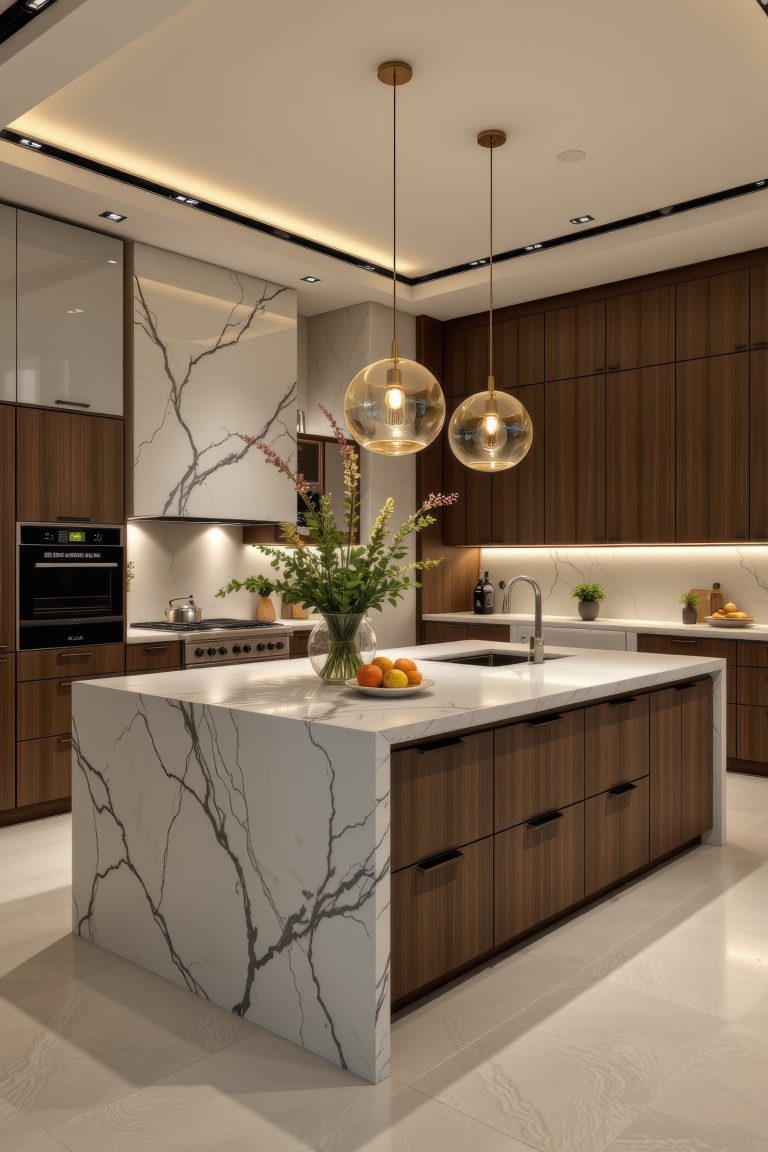
Waterfall edges have become one of the most sought-after features in modern kitchen island bench designs. This elegant approach features countertop material that flows seamlessly down the sides of the island, creating a dramatic visual effect that highlights quality materials and clean lines.

  • Materials like quartz, marble, and concrete work beautifully for this application
  • The continuous surface creates a sculptural, high-end appearance
  • White, light grey, and matte black finishes enhance the minimalist aesthetic
  • Veined materials add visual interest while maintaining the clean design

Beyond aesthetics, waterfall edges offer practical benefits too—they protect cabinetry and provide a smooth surface that’s easy to clean, which is particularly valuable in busy kitchen areas.

Pro Tip: When planning waterfall edges in modern kitchen island bench designs, pay attention to pattern matching at corners. That perfect alignment makes all the difference in achieving a truly seamless look.

waterfall edge kitchen island marble modern design

Design 2: Floating Island Bench

Creating a sense of lightness and space, floating island benches seem to defy gravity while maintaining full functionality. These modern kitchen island bench designs use clever structural supports to minimise visual bulk, making them perfect for smaller kitchens or spaces where you want an airy feel.

The floating effect can be achieved through:

  • Recessed base cabinets that create shadow lines
  • Cantilevered countertop extensions
  • Strategic lighting underneath the island
  • Support structures concealed within a central cabinet block

The space beneath partially floating islands improves foot clearance for barstool seating and creates a more spacious feel throughout the kitchen. This approach works wonderfully in contemporary spaces where clean lines are key to the design.

floating kitchen island benchcontemporary spacious design

Design 3: Monochromatic Block Island

Bold and impressive, monochromatic block islands make powerful statements in modern kitchens. These substantial modern kitchen island bench designs use a single colour throughout—from cabinetry to countertops—creating a unified volume that anchors the kitchen space.

  • Dark tones like charcoal, navy, or forest green create dramatic focal points
  • All-white designs deliver crisp, clean aesthetics
  • Matte finishes reduce visual distraction and enhance the monolithic appearance
  • Consistent materials strengthen the overall impact

The key to successful monochromatic islands is subtle textural variation—using the same colour across different materials creates depth without breaking the colour cohesion. It’s a look that’s both sophisticated and eye-catching.

Pro Tip: With monochromatic modern kitchen island bench designs, consider minimal hardware or push-to-open mechanisms to maintain those clean, uninterrupted lines.

monochromatic balck kitchen island bench modern design

Design 4: Hidden Storage Minimalist Island

Minimalism doesn’t mean sacrificing functionality—it’s about concealing it thoughtfully. These sleek modern kitchen island bench designs maintain clean external lines while housing extensive storage solutions inside.

Key features include:

  • Handle-free cabinet fronts with push-latch mechanisms
  • Continuous panels that conceal individual drawers
  • Clever internal organisers that maximise space efficiency
  • Seamlessly integrated appliances behind matching panels

What makes these islands particularly successful is how they balance visual simplicity with practical kitchen needs. For busy households, this combination of aesthetics and utility proves especially valuable.

hidden storage kitchen island bench minimalist organisation

Design 5: Thin-Profile Cantilevered Island

For spaces where visual lightness is important, thin-profile cantilevered islands offer an elegant solution. These modern kitchen island bench designs feature ultra-slim countertops (often just 12-20mm thick) that extend beyond their supporting structure, creating a sophisticated floating appearance.

Material selection is crucial for these designs:

  • Engineered quartz and porcelain provide strength at minimal thickness
  • Steel reinforcement helps support extended cantilevers
  • Edge detailing should emphasise the thinness of the material
  • The cabinet base requires careful engineering to support the overhang

The result is an island that appears almost weightless while providing all the functionality you need—a perfect example of how modern kitchen island bench designs can move beyond traditional kitchen conventions.

thin profile cantilevered kitchen island bench modern

2. Multi-Functional Modern Kitchen Island Bench Designs

Design 6: Island with Integrated Dining Table

Bridging kitchen and dining functions, islands with integrated tables are among the most practical modern kitchen island bench designs for today’s lifestyles. These versatile pieces acknowledge how social our kitchens have become while making efficient use of available space.

Integration can take several forms:

  • Extended countertops at standard table height (30″)
  • Connected but distinct surfaces at different heights
  • Pull-out or flip-up table sections for flexibility
  • Material transitions that visually separate the prep and dining zones

The key to success with these designs is clearly defining the different functional areas while maintaining overall design cohesion. For instance, a stone prep surface might transition to wood for the dining area, signalling different uses while preserving design harmony.

Pro Tip: When planning dining features in modern kitchen island bench designs, allow at least 24″ of knee space depth and approximately 24-30″ width per person for comfortable seating.

kitchen island bench integrated dining table multifunctional

Design 7: Workstation Island with Prep Sinks

For serious cooking enthusiasts, workstation islands bring professional-grade functionality to home kitchens. These modern kitchen island bench designs incorporate specialised features centred around a well-positioned prep sink with dedicated zones for different kitchen tasks.

Essential elements include:

  • Secondary sink with accessories like cutting boards and colanders
  • Designated areas for chopping, cleaning, and assembly
  • Convenient knife storage near prep areas
  • Easily accessible waste disposal

The arrangement should follow natural workflow patterns, with waste disposal near cleaning areas and prep surfaces adjacent to cooking zones. This thoughtful organisation makes cooking more efficient and enjoyable in busy kitchens.

kitchen island workstation prep sink modern functional design

Design 8: Cooking-Focused Island with Integrated Cooktop

Moving your cooking surface to the island creates a more social cooking experience and dramatically changes kitchen workflow. These modern kitchen island bench designs centre around an integrated cooktop, transforming the island into the primary cooking zone.

Key considerations for cooking islands include:

  • Proper ventilation through overhead or downdraft systems
  • Heat-resistant countertop materials around the cooking surface
  • Convenient access to cooking utensils and ingredients
  • Safe clearance zones around hot cooking areas

When designed thoughtfully, cooking islands allow the chef to face guests while preparing meals rather than turning their back to the room. This social-facing orientation makes cooking more interactive and enjoyable, especially when entertaining.

Pro Tip: For these modern kitchen island bench designs, consider a slightly deeper countertop (36-42″ vs. standard 24″) to create safe buffer zones around the cooking surface.

kitchen island integrated cooktop modern cooking design

Design 9: Breakfast Bar Island with Appliance Garage

Morning routines become more efficient with breakfast bar islands that incorporate dedicated zones for morning essentials. These modern kitchen island bench designs feature comfortable seating paired with smart storage for small appliances and breakfast items.

Effective breakfast bar islands include:

  • Comfortable counter-height or bar-height seating
  • Appliance garages with roll-up doors for coffee makers and toasters
  • Dedicated drawers for breakfast essentials like utensils and napkins
  • Easily accessible outlets for powering appliances

The appliance garage component is particularly valuable as it allows quick access to frequently used items without permanently sacrificing counter space. When breakfast is finished, simply close the garage door for a clean, uncluttered look.

kitchen island breakfast bar appliance garage modern

Design 10: Multi-Level Work and Entertainment Island

Adding height variation to your island creates visual interest while clearly defining different functional zones. These dynamic modern kitchen island bench designs feature two or more distinct levels that serve specific purposes.

Common configurations include:

  • Standard 36″ counter height for food prep areas
  • Raised 42″ bar height for casual dining and guest seating
  • Lowered 30″ table height sections for comfortable dining
  • Small elevated platforms to separate sink areas from food prep zones

The level changes not only differentiate functional areas but also add architectural interest to the kitchen. They can also provide practical benefits like splash protection between wet and dry zones.

multi level kitchen island bench entertainment design

3. Material-Forward Modern Kitchen Island Bench Designs

Design 11: Mixed Material Island (Wood and Stone)

Combining contrasting materials creates islands with depth, character, and visual warmth. These modern kitchen island bench designs typically pair the practicality of stone work surfaces with the warmth and tactile quality of wood elements.

Successful material combinations include:

  • Marble or quartz tops with wood waterfall edges or bases
  • Wooden butcher block sections integrated into stone countertops
  • Stone surrounds with wooden breakfast bar extensions
  • Dark stone with light wood or vice versa for dramatic contrast

The material transition points become design features in themselves, highlighting the intentional nature of the combination. These transitions often align with functional changes—wood for seating areas, stone for prep zones.

Pro Tip: When combining materials in modern kitchen island bench designs, keep other kitchen elements simpler to let the island be the focal point of material interest.

wood stone mixed material kitchen island bench design

Design 12: Concrete Statement Island

Industrial chic meets modern sophistication with concrete islands. These modern kitchen island bench designs leverage concrete’s versatility and unique aesthetic to create distinctive, personalised spaces.

The appeal of concrete islands comes from:

  • Ability to be cast in any shape or size for custom configurations
  • Options for integrated features like drainboards or trivets
  • A variety of finishes, from polished to matte to textured
  • Unique patina that develops character over time

Modern concrete mixes have overcome many of the material’s traditional limitations, offering improved stain resistance and reduced porosity. The result is a surface that combines industrial character with practical functionality.

concrete statement kitchen island bench industrial modern

Design 13: Marble Luxury Island

Nothing says luxury quite like marble, and as the centrepiece of modern kitchen island bench designs, it makes a powerful statement. With its natural veining and luminous quality, marble creates islands of unparalleled elegance.

Key considerations for marble islands include:

  • Selecting the right variety—from subtle Carrara to dramatic Calacatta
  • Book-matching veining for high-impact visual continuity
  • Edge profile options that highlight the stone’s thickness
  • Proper sealing to protect against stains and etching

While marble requires more maintenance than some alternatives, many homeowners find its timeless beauty worth the extra care. For those concerned about maintenance, marble-look quartz and porcelain offer similar aesthetics with greater durability.

luxury marble kitchen island bench veining design

Design 14: Metal-Accented Island

Incorporating metal elements adds sophistication and visual interest to modern kitchen island bench designs. Whether it’s a full metal base or thoughtful accents, metallic elements bring a refined, current aesthetic to the kitchen.

Popular metal applications include:

  • Brass or copper banding around the edges or bases
  • Stainless steel or blackened steel structural supports
  • Metal mesh or perforated panel inserts
  • Metallic tile facings on island sides

The reflective quality of metals adds dimension to the kitchen space, catching and playing with light in ways that other materials don’t. This luminosity creates visual movement that enlivens the entire kitchen.

Pro Tip: With metal elements in modern kitchen island bench designs, consider how the finish will evolve over time. While some metals develop a patina, others maintain their original appearance with proper care.

metal accented kitchen island bench brass detail modern

Design 15: Glass and Illuminated Islands

Creating drama through light and transparency, glass elements transform modern kitchen island bench designs into stunning focal points. These islands incorporate illuminated components and translucent materials for eye-catching effects.

Innovative approaches include:

  • Backlit onyx or translucent stone panels
  • LED-illuminated glass shelving or dividers
  • Frosted glass cabinet fronts with internal lighting
  • Light wells within the island structure

These illuminated features can be purely decorative or surprisingly functional—lighting up work areas, creating ambient mood lighting, or making cabinet contents more visible. The effect is particularly striking in evening hours when other lighting is dimmed.

glass illuminated kitchen island bench lighting modern

4. Space-Optimising Modern Kitchen Island Bench Designs

Design 16: Mobile Kitchen Island Bench

Flexibility is the hallmark of mobile islands, which adapt to changing needs through portability. These modern kitchen island bench designs feature quality casters that allow the island to be repositioned as needed.

Key features of effective mobile islands include:

  • Heavy-duty locking casters that prevent unwanted movement
  • Lightweight yet sturdy construction materials
  • Multi-purpose work surfaces that are suited to various tasks
  • Compact footprints that navigate through doorways and around furniture

For homes where space is at a premium or needs change frequently, these adaptable islands provide valuable workspace without permanent commitment to a single layout.

mobile kitchen island bench wheels flexible modern design

Design 17: Expandable/Collapsible Island

Adaptability reaches new heights with expandable islands that transform based on your needs. These innovative modern kitchen island bench designs feature extendable sections that can be deployed when needed and tucked away when not in use.

Expansion mechanisms include:

  • Pull-out work surfaces that extend from the main structure
  • Fold-down tabletops that provide additional dining space
  • Nesting components that slide out for more workspace
  • Modular sections that can be reconfigured as needed

The genius of these designs lies in their ability to serve multiple purposes throughout the day—compact during regular use, expanded for entertaining or special projects. This versatility makes them ideal for smaller homes where space must work harder.

Pro Tip: When considering expandable modern kitchen island bench designs, pay special attention to the quality of the extension mechanisms—they should operate smoothly and lock securely in both positions.

expandable collapsible kitchen island bench space saving design

Design 18: Corner-Fitting Island Designs

Making the most of challenging kitchen layouts, corner islands turn awkward spaces into functional assets. These specialised modern kitchen island bench designs are shaped to fit into L-configured kitchens, maximising previously underutilised corner areas.

Effective corner islands feature:

  • Angled or curved designs that follow architectural lines
  • Traffic flow patterns that work with the natural movement through the space
  • Strategic storage that utilises the deeper corner sections
  • Work surfaces positioned for optimal accessibility

By conforming to the kitchen’s architecture rather than fighting against it, these islands create more usable space while maintaining good traffic flow—a win-win for functionality and design.

corner fitting kitchen island bench L shaped modern design

Design 19: Narrow Galley Kitchen Islands

Long and slim, these modern kitchen island bench designs are tailored specifically for galley and corridor kitchens where width is limited but length is available. They provide valuable workspace without compromising necessary walkways.

Design considerations include:

  • Maintaining a minimum 36″ clearance on all sides for safe passage
  • Emphasising length rather than width (typically 18-24″ wide)
  • Incorporating slim storage solutions like bottle pulls and narrow drawers
  • Linear design elements that enhance the sense of flow

These islands often become the organising spine of the kitchen, with work zones arranged along their length in a logical sequence that supports efficient cooking workflows.

narrow galley kitchen island bench space efficient design

Design 20: Multi-Function Peninsula Alternative

Blurring the line between island and peninsula, these hybrid modern kitchen island bench designs connect to the kitchen perimeter at one end while maintaining the accessible character of an island. They’re ideal for kitchens where a full island won’t fit, but additional workspace is needed.

Key benefits include:

  • Reduced clearance requirements (only three sides need access)
  • Added stability through the wall connection
  • Potential for additional upper storage or display at the connected end
  • Efficient use of space in smaller kitchens

This approach provides many of the advantages of both peninsulas (stability, storage potential) and islands (accessibility, social orientation) in a single design solution.

multi functional peninsula kitchen island bench connected design

5. Innovative Modern Kitchen Island Bench Designs

Design 21: Smart Technology Integrated Island

Embracing the digital age, tech-integrated islands incorporate electronic innovations directly into the structure. These forward-thinking modern kitchen island bench designs feature technologies that enhance convenience and functionality.

Popular tech integrations include:

  • Built-in wireless charging stations for devices
  • Touch-control panels for lighting and appliance operation
  • Built-in speakers and entertainment systems
  • Smart displays for recipes and household management

These technological elements are typically integrated discreetly, maintaining the island’s clean aesthetic while adding significant functional value. The result is a space that feels contemporary yet remains visually uncluttered.

Pro Tip: When planning tech-integrated modern kitchen island bench designs, ensure adequate power sources and consider future-proofing with conduits that allow updating as technology evolves.

smart technology kitchen island bench charging wireless modern

Design 22: Sustainable Material Island

Eco-conscious design takes centre stage with islands constructed from environmentally responsible materials. These modern kitchen island bench designs prioritise sustainability without sacrificing style or functionality.

Sustainable approaches include:

  • Reclaimed wood for bases or countertops
  • Recycled glass or paper composite surfaces
  • Bamboo or other rapidly renewable materials
  • Zero-VOC finishes and adhesives

Beyond material selection, these islands often incorporate energy-efficient features like LED lighting and water-saving fixtures. The result is a beautiful focal point with reduced environmental impact, increasingly important to many homeowners.

sustainable material kitchen island bench eco friendly modern

Design 23: Artistic Statement Island

For those seeking truly unique spaces, artistic statement islands transform kitchen workspaces into functional sculptures. These bold modern kitchen island bench designs incorporate creative elements that elevate the island from a functional object to an art piece.

Artistic approaches include:

  • Sculptural bases with organic or geometric forms
  • Custom-carved decorative elements
  • Artist-designed tile work or mosaics
  • Unusual material combinations with strong visual impact

While maintaining essential functionality, these islands prioritise aesthetic expression, becoming conversation pieces that define the kitchen’s character. They work particularly well in homes where the kitchen opens to living areas, serving as a bridge between utilitarian and social spaces.

artistic statement kitchen island bench sculptural modern design

Design 24: Indoor-Outdoor Transitional Island

Blurring the boundary between interior and exterior spaces, transitional islands extend the kitchen’s functionality into outdoor living areas. These specialised modern kitchen island bench designs are positioned at the threshold between indoor and outdoor spaces, often incorporating pass-through elements.

Key features include:

  • Weather-resistant materials on the exterior-facing side
  • Pass-through windows or counters for serving outdoor areas
  • Dual-sided storage accessible from both environments
  • Continuous countertop materials that visually connect spaces

For homes in temperate climates or with significant outdoor living space, these islands create a seamless flow between cooking and entertaining zones, enhancing the overall living experience.

indoor outdoor transitional kitchen island bench connected spaces

Design 25: Family-Focused Activity Island

Recognising the kitchen’s role as a family hub, these modern kitchen island bench designs incorporate features that support various family activities beyond cooking. They’re designed to accommodate homework, crafts, games, and other household functions.

Family-friendly features include:

  • Height-adjustable sections for users of different ages
  • Dedicated charging stations for devices
  • Easy-clean surfaces that withstand art projects and homework
  • Storage for school supplies and family activity materials

These thoughtfully designed islands acknowledge that in many homes, the kitchen island serves as command central for family life, not just cooking. By intentionally designing for these multiple uses, they better serve the real-life needs of busy households.

family focused activity kitchen island bench multifunctional modern

Whether you’re drawn to the sleek lines of waterfall edges, the practicality of integrated appliances, or the sustainability of eco-friendly materials, there’s a perfect island design to complement your home and lifestyle. By carefully considering how you use your kitchen and what matters most to you, you can select or create a modern kitchen island bench design that will serve as the centrepiece of your home for years to come.

8 Essentials For a Productive Home Office Design

8 Essentials For a Productive Home Office Design

Want to know what the essentials are for a productive home office design? You have come to the right place to find out!

As an interior designer, I’ve seen firsthand how the right environment can make all the difference, especially when it comes to working from home. With more of us setting up shop in our living spaces, having a productive home office design is crucial.

It’s not just about having a desk and chair; it’s about creating a space that inspires and helps you stay focused. Today, I want to share some tips on how you can transform your home office into a functional and motivating place. Let’s dive in!

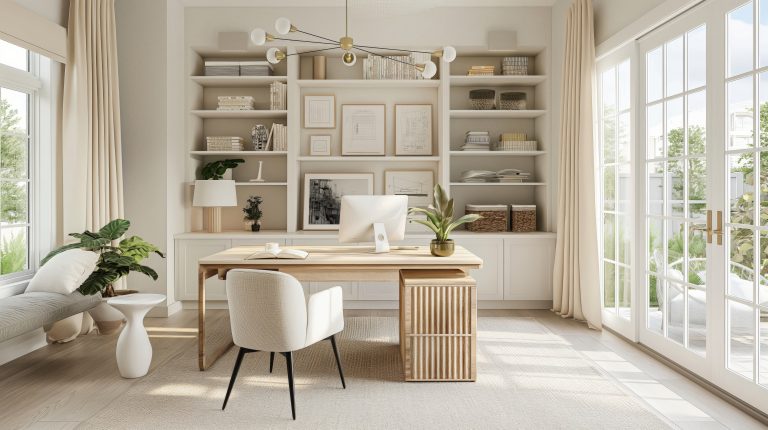
productive home office design

Best Productive Home Office Design Essentials!

1. Understanding the Basics of Productive Home Office Design

Creating a productive home office design starts with understanding what you need from your workspace. It’s about more than just aesthetics; it’s about functionality and personal comfort. Here’s how you can start:

  • Identify Your Work Style: Are you someone who thrives in a minimalist setting, or do you need a bit of creative chaos around you? Understanding your work style is key to designing a space that works for you. A productive home office design should cater to your specific needs, whether that means having plenty of storage for your files or a big whiteboard for brainstorming sessions.
  • Balance Aesthetics and Functionality: You want a space that feels inviting and reflects your personal style, but it also needs to support your work habits. Think of it as creating a little haven where you can be your most productive self. Consider the following:
    • Colour Schemes: Choose colours that boost your mood and concentration. Blues and greens are known for their calming effects, while yellows can stimulate creativity.
    • Textures and Materials: Incorporate materials that are both pleasing to the eye and functional. A wooden desk can add warmth, while a glass surface might offer a sleek, modern look.
  • Personalisation: It’s not just about the furniture and decor. It’s about creating an environment that helps you focus and get things done. Add personal touches that make the space uniquely yours:
    • Artwork and Decor: Hang art that inspires you or display items that have personal significance.
    • Plants: Incorporate greenery to improve air quality and add a touch of nature.

home office setup

By understanding these basics, you can start to create a productive home office design that not only looks great but also enhances your work performance. Now, let’s move on to choosing the right location for your home office.

2. Choosing the Right Location

Selecting the perfect spot for your home office is a crucial step in achieving a productive home office design. The location can significantly impact your focus and efficiency, so here’s what to consider:

  • Assess Your Space: Look around your home and identify potential areas for your office. Consider:
    • Natural Light: Spaces with ample natural light can boost your mood and energy levels. Try to position your desk near a window if possible.
    • Quietness: Choose a location away from high-traffic areas to minimise distractions. A spare room or a quiet corner can work wonders.
    • Space Availability: Ensure there’s enough room for your desk, chair, and any additional furniture or equipment you might need.
  • Potential Locations: Depending on your home’s layout, here are some ideas:
    • Spare Room: If you have an extra room, it can be transformed into a dedicated office space.
    • Living Room Corner: Utilise a corner of your living room with a compact desk setup.
    • Converted Closet: A larger closet can be converted into a cosy office nook with some creative shelving and lighting.
  • Considerations for Shared Spaces: If you’re sharing your workspace with others, think about:
    • Privacy: Use room dividers or screens to create a sense of separation.
    • Noise Control: Invest in noise-cancelling headphones or soundproofing materials to maintain focus.

ergonomic workspace

Choosing the right location is foundational to a productive home office design. Once you’ve found your spot, it’s time to think about the furniture that will support your work.

3. Ergonomic Furniture Selection

Ergonomic furniture is essential for maintaining comfort and productivity throughout your workday. Here’s how to choose the right pieces for your productive home office design:

  • Desk Selection: Your desk is the centrepiece of your office, so choose wisely:
    • Size and Shape: Ensure your desk fits comfortably in your space and provides enough surface area for your work essentials.
    • Adjustability: Consider a height-adjustable desk to switch between sitting and standing, promoting better posture and circulation.
  • Chair Considerations: A good chair is crucial for long hours of work:
    • Support and Comfort: Look for chairs with lumbar support and adjustable features to fit your body’s needs.
    • Material and Design: Choose a chair with breathable fabric and a design that complements your office aesthetic.
  • Additional Furniture and Accessories:
    • Footrests and Arm Supports: These can help reduce strain and improve comfort.
    • Storage Solutions: Incorporate shelves, cabinets, or drawers to keep your workspace organised and clutter-free.

inspiring office decor

Investing in ergonomic furniture is a key component of a productive home office design. It ensures that you can work comfortably and efficiently, reducing the risk of strain or injury. Next, let’s explore how lighting can further enhance your workspace.

4. Optimising Lighting for Productivity

Lighting plays a pivotal role in creating a productive home office design. The right lighting can enhance your mood, reduce eye strain, and improve overall productivity. Here’s how to optimise your office lighting:

  • Maximise Natural Light:
    • Positioning: Place your desk near a window to take advantage of natural light, which can boost your mood and energy.
    • Window Treatments: Use sheer curtains or blinds to control glare while still allowing light to filter through.
  • Artificial Lighting Options:
    • Task Lighting: Invest in a good desk lamp with adjustable brightness to focus light where you need it most.
    • Ambient Lighting: Use overhead lights or floor lamps to provide general illumination and reduce shadows.
    • Adjustable Lamps: Consider lamps with adjustable arms and dimmable features to customise lighting based on the time of day and task.
  • Lighting Tips for Different Times of Day:
    • Morning: Use bright, cool-toned lights to energise and wake up.
    • Afternoon: Natural light should be maximised, supplemented with task lighting as needed.
    • Evening: Switch to warmer, softer lighting to help wind down and reduce eye strain.

home office lighting

Optimising your lighting setup is essential for a productive home office design. It not only enhances visibility but also creates a comfortable and inviting atmosphere. Now, let’s look at how organisation can further boost your productivity.

5. Organising for Efficiency

An organised workspace is a cornerstone of a productive home office design. It helps minimise distractions and keeps you focused on your tasks. Here’s how to achieve an efficient setup:

  • Declutter Your Space:
    • Regular Clean-ups: Schedule regular decluttering sessions to keep your workspace tidy.
    • Essential Items Only: Keep only the items you use daily on your desk to avoid unnecessary clutter.
  • Utilise Storage Solutions:
    • Shelves and Cabinets: Install shelves or cabinets to store books, files, and office supplies neatly.
    • Desk Organisers: Use trays, bins, and drawer organisers to keep small items in order.
  • Digital Organisation:
    • File Management: Use digital tools and cloud storage to organise and back up important documents.
    • Task Management Apps: Implement apps to keep track of tasks and deadlines, reducing paper clutter.
  • Personalised Systems:
    • Labelling: Clearly label storage areas to make finding items easier.
    • Colour Coding: Use colour-coded systems for files and folders to quickly identify categories.

office organization

By organising your workspace efficiently, you create a productive home office design that supports your workflow and reduces stress. Next, we’ll explore how personalising your workspace can inspire creativity and motivation.

6. Personalising Your Workspace

Personalising your workspace is a vital aspect of a productive home office design. It not only makes the space feel more inviting but also boosts your creativity and motivation. Here’s how to add personal touches to your office:

  • Incorporate Personal Style:
    • Artwork and Decor: Hang art pieces that inspire you or display personal photos and mementos that bring joy.
    • Colour Schemes: Choose colours that resonate with you and enhance your mood. Whether it’s calming blues or energising yellows, let your personality shine through.
  • Add Greenery:
    • Plants: Introduce indoor plants to improve air quality and add a touch of nature. Consider low-maintenance options like succulents or snake plants.
    • Planters and Pots: Use decorative planters that complement your office decor.
  • Create a Vision Board:
    • Inspiration and Goals: Pin up images, quotes, and goals that inspire you and keep you focused on your aspirations.
    • Rotating Content: Update your board regularly to keep the inspiration fresh and relevant.
  • Comfort and Cosiness:
    • Textiles: Add cushions, throws, or a cosy rug to make the space more comfortable.
    • Scented Candles or Diffusers: Use scents that help you relax and concentrate, like lavender or citrus.

personalized office space

Personalising your workspace is about making it a place where you feel comfortable and inspired. It’s a key element of a productive home office design that reflects who you are. Now, let’s discuss how to seamlessly integrate technology into your office setup.

7. Incorporating Technology and Connectivity

In today’s digital age, technology is an integral part of a productive home office design. Ensuring seamless connectivity and efficient tech integration can significantly enhance your workflow. Here’s how to do it:

  • Reliable Internet Connection:
    • Router Placement: Position your router centrally to ensure strong Wi-Fi coverage throughout your office.
    • Wired Connections: Consider using Ethernet cables for a more stable and faster internet connection.
  • Tech Integration:
    • Cable Management: Use cable organisers or clips to keep cords tidy and out of sight, reducing visual clutter.
    • Charging Stations: Set up a dedicated area for charging devices, keeping them organised and easily accessible.
  • Essential Tech Accessories:
    • Monitors and Stands: Invest in a quality monitor and adjustable stand to improve ergonomics and reduce eye strain.
    • Peripherals: Choose a comfortable keyboard and mouse that suit your work style.
  • Smart Office Solutions:
    • Voice Assistants: Use smart speakers or assistants to set reminders, control lighting, or play music.
    • Automation Tools: Implement software that automates repetitive tasks, freeing up time for more important work.

functional workspace design

Incorporating technology effectively is crucial for a productive home office design. It ensures that your workspace is equipped to handle your daily tasks efficiently. Finally, let’s explore how to maintain a productive atmosphere in your home office.

8. Maintaining a Productive Atmosphere

Creating a productive home office design is just the beginning; maintaining a productive atmosphere is key to long-term success. Here are some strategies to keep your workspace conducive to productivity:

  • Establish a Routine:
    • Consistent Schedule: Set regular work hours to create a sense of structure and discipline.
    • Breaks and Downtime: Schedule short breaks to recharge and prevent burnout. Consider techniques like the Pomodoro Technique to manage time effectively.
  • Minimise Distractions:
    • Noise Control: Use noise-cancelling headphones or white noise machines to block out distractions.
    • Digital Boundaries: Limit social media and non-work-related browsing during work hours to stay focused.
  • Refresh Your Workspace:
    • Regular Updates: Periodically change up your decor or rearrange your furniture to keep the space feeling fresh and inspiring.
    • Seasonal Adjustments: Adapt your workspace to the seasons, such as adding a cosy blanket in winter or fresh flowers in spring.
  • Promote Well-being:
    • Mindfulness Practices: Incorporate mindfulness or meditation practices into your routine to reduce stress and enhance focus.
    • Healthy Habits: Keep water and healthy snacks nearby to stay hydrated and energised throughout the day.
  • Set Boundaries:
    • Work-Life Balance: Clearly define the boundaries between work and personal time, especially if your office is in a shared space.
    • Family and Roommates: Communicate your work schedule to those you live with to minimise interruptions.

remote working environment

Maintaining a productive atmosphere is an ongoing process that requires attention and adaptation. By implementing these strategies, you can ensure that your productive home office design continues to support your work and well-being.

To wrap things up, a productive home office design is all about creating a space that not only looks great but also supports your work habits and personal style. From choosing the right location and furniture to optimising lighting and incorporating technology, each element plays a crucial role in enhancing your productivity. Remember, your workspace should be a reflection of you—comfortable, inspiring, and efficient.