Master These Interior Design Principles for a Professional Look
Learn how to elevate your home by mastering these Key Interior Design Principles.
Tired of spaces that feel ‘almost there’? The secret to truly professional-looking interiors lies in understanding and applying fundamental interior design principles. Expert designers know how to build with these principles in mind to create spaces that look and feel curated.
This post breaks down those key principles—from balance to rhythm—and shows you how to use them to create stunning, harmonious spaces. You’ll gain practical insights into creating interiors that reflect your personality and stand the test of time. With core interior design principles, you can create your perfect space in no time.
By mastering these interior design principles, you’ll transform your house into a home that reflects your style and impresses everyone who walks through the door. Whether you’re a seasoned DIYer or just starting to explore the world of design, a strong base in interior design principles is just what you need to get started. Let’s dive in and explore the essential interior design principles that will elevate your design skills.
Important Interior Design Principles.
Balance in Interior Design: Achieving Visual Harmony
Balance, a fundamental design concept, is huge in achieving harmony within any living space. The principle of balance is about the equal distribution of visual weight within a space. In design terms, it’s all about visually giving your space a sense of rest. This means carefully arranging furnishings, decor, and colours to create an even distribution of visual impact. When it comes to crucial interior design principles, it’s all about visual appeal.
Why is balance so important in interior design principles? Because it creates a sense of stability, calmness, and visual appeal. Think of it like this: if you were designing a logo or painting, would you just put everything on one side? The balance you learn here isn’t just for furniture; it applies to colour palettes, texture choices, and how to create a satisfying look through this amazing design principle. An unbalanced room can feel unsettling, incomplete, or even jarring. It impacts the mood and comfort of your space more than you might realise. This is why keeping balance as part of your core plan for the design of your home makes all the difference.
There are three primary types of balance in interior design:
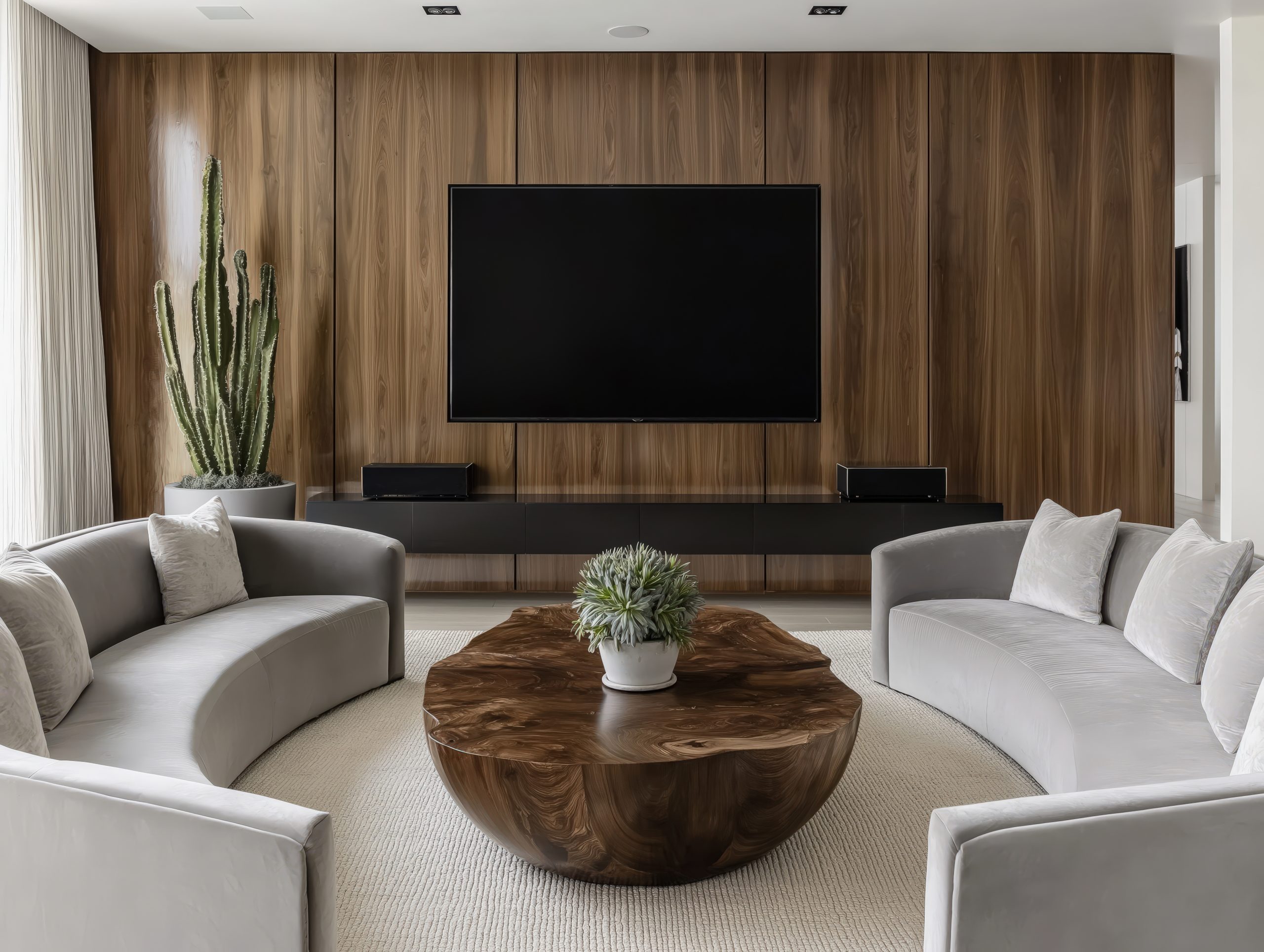
- Symmetrical Balance: (Mirror image; formal and traditional feel) This is the easiest type to identify and implement. In symmetrical balance, one side of the room mirrors the other.
- Examples: A living room with identical sofas flanking a fireplace; matching nightstands and lamps in a bedroom.
- When to use it: For a classic, formal, or peaceful ambience.
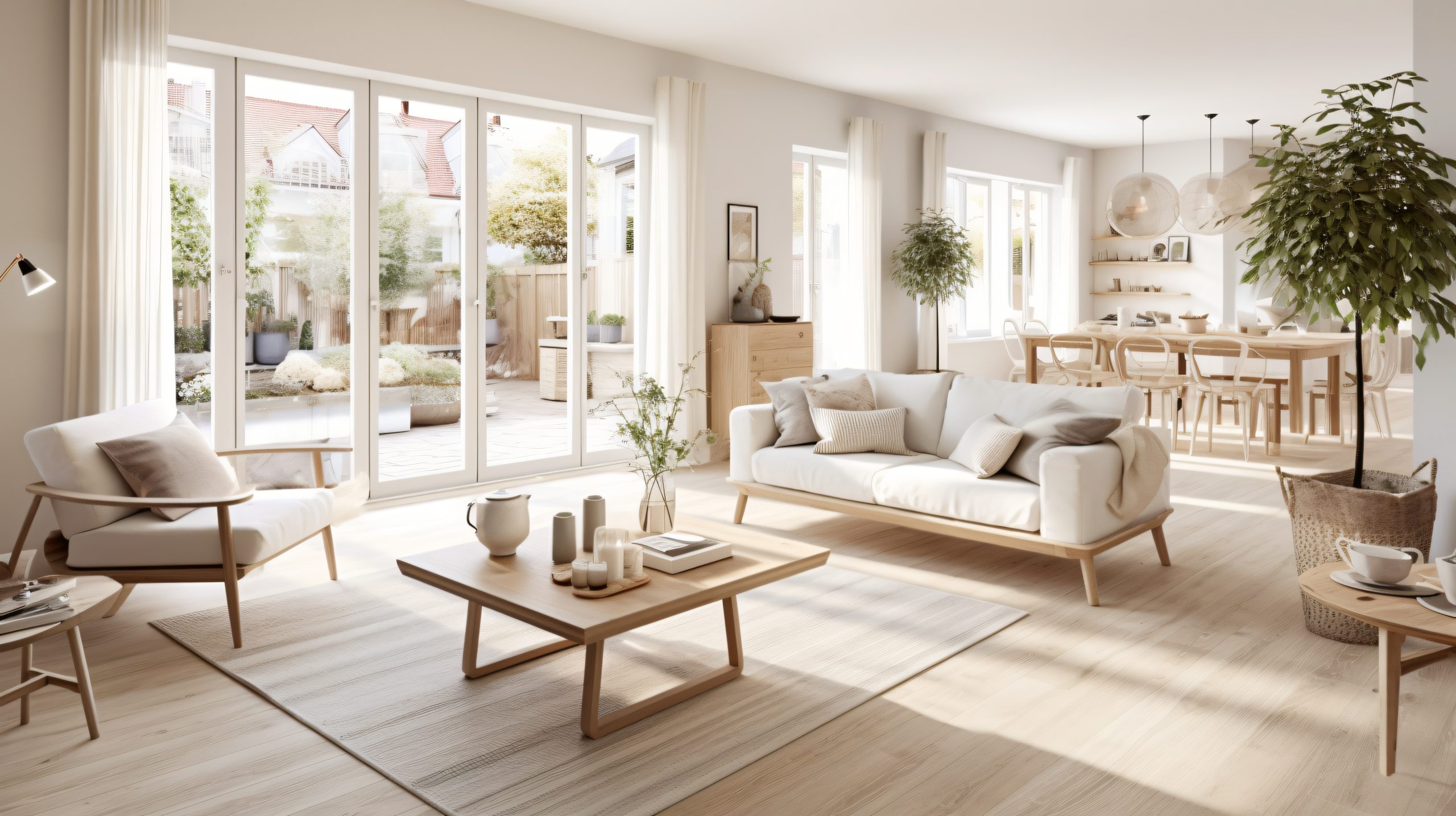
- Picture Suggestion: A well-executed example of symmetrical living room or dining room balance.
- Asymmetrical Balance: (Balance achieved through dissimilar objects of equal visual weight) Asymmetrical balance requires a little more finesse. It relies on placing different objects of varying sizes and shapes to create equilibrium.
- Examples: One large plant balanced by grouping smaller art pieces; A statement sofa with a unique armchair opposite.
- When to use it: For a more relaxed, modern, and dynamic feel. This is why interior design principles like asymmetrical balance are becoming more popular every year.
- Picture Suggestion: A modern living room illustrating asymmetrical balance, showing contrasting but visually weighted elements.
- Radial Balance: (Elements arranged around a central focal point) Think of radial balance as items all pointing to or placed around one point of emphasis in a room. The other type of design is much more natural.
- Examples: A round dining table with chairs surrounding it; a foyer with a circular rug and overhead light fixture.
- When to use it: For a dramatic, focused, and welcoming space. This design brings people together more than the others!
An Actionable Tip to check balance: imagine drawing a line down the centre of your space. Are the elements on either side visually equal in weight, even if they aren’t identical?
A strong understanding of interior design principles like balance can drastically improve your room’s overall feeling and show your home’s true potential! Balance might not be the most common design principle, but it’s one that will leave a lasting effect.
The Importance of Proportion and Scale in Interior Design
Following up on our conversation about balance as it relates to interior design principles, we arrive at proportion and scale, which determine the right size of furniture. Where balance sets the stage, proportion and scale define the players. Understanding how these elements interact is crucial for creating interiors that are not only visually pleasing but also feel comfortable and functional. They can take the visual and feeling of an average space and help make it your dream space.
- Proportion: This refers to the relationship between the sizes of different elements within a space. It’s about ensuring all the components work harmoniously, so it’s the most delicate interior design principle discussed thus far. Often, designers use the golden ratio (approximately 1:1.618) as a guide. This ratio is thought to be inherently pleasing to the eye. You see this design play out a lot in ancient cultures as it’s supposed to represent some level of perfection in what can be created by humans.
- Scale: Scale, on the other hand, considers the size of an object in relation to the human body or other objects in the space. It’s about ensuring that furniture and decor feel appropriately sized and contribute to a harmonious composition. To summarise, scale ensures that your armchair is at a proper height and weight compared to what is typically found. That can also allow for intentional variation if the designer desires it. If you’re not doing anything “wrong”, but it looks wrong? That means scale is an interior design principle you need to study.
Why are proportion and scale important? These interior design principles are vital for several reasons. Good proportion and scale create a sense of harmony and balance in a room. If furniture or decor is the wrong size, it can make the space feel cramped, awkward, or simply “off.” They enhance the overall comfort and functionality of a space. A sofa that’s too large for a room can impede traffic flow, while a rug that’s too small can make a living area feel disjointed. A good grasp of how to measure things in rooms can keep them cohesive in style or feelings, as it allows design for an overall theme in each room.
Let’s consider some examples of misapplication:
- Oversized furniture in a small room makes the room feel cramped and overwhelming. No one will like using your furniture, as the cramped state won’t create a mood or feel welcoming.
- A small rug in a large living room: Feels inadequate and visually disjointed, failing to anchor the space and leaving furniture “floating.” It almost makes things worse when a rug is, in fact, there.
- Tiny artwork above a large sofa: Lost and unbalanced, it fails to make a visual impact and can even look a bit silly.
Here are some tips for correctly applying proportion and scale within interior design principles:
- Measure your space carefully before buying furniture: Know the dimensions of your room to ensure that pieces will fit comfortably and according to their shape.
- Consider ceiling height when choosing furniture and decor: Taller ceilings can handle larger, more dramatic pieces, while lower ceilings may benefit from streamlined and lower-profile furnishings.
- Use painter’s tape to visualise the footprint of furniture on the floor: This simple trick can help you understand how much space furniture will take up before you commit to a purchase.
- The 60-30-10 rule for color palettes. Pick three colours for your colour palette: One primary (60%), one secondary (30%), and the other for accent. This simple guide for colour creates cohesion and balance throughout your room. This can further emphasise a level of professionalism for the designer who uses the golden ratio.
Ultimately, understanding and implementing proportion and scale is a vital element within interior design principles if you want to achieve that polished, professional aesthetic. Like balance, proportion and scale work in tandem to bring harmony and appeal to any living space. When considering where to emphasise that professional look in any room, consider utilising this scale principle to put it into practice.
Creating Harmony Through Rhythm in Your Interior Design
Building upon our discussions of scale and balance and how this creates essential design ideas to work with interior design principles, let’s now dive into rhythm and harmony. These principles guide your guest’s eyes in a design to the parts the designer wishes you to see. These essential ingredients for an even more eye-catching feel allow you to shape rooms like a master artist would use colours on their paint palette. You cannot have professional-level designs without knowing rhythm. The more your rhythms harmonise, the higher you will be perceived with talent as an interior designer.
- Rhythm: As part of the design, rhythm creates a sense of flow and movement, the kind you would get from dancing with someone you can trust. Rhythm is all about repeating aspects such as texture, shape and colour. The repeating makes one part more visible. In rhythm, our eyes can dance about what matters with ease.
- Harmony: This means your room should feel cohesive and well-thought-out. Each piece of furniture, art, or texture choice shouldn’t stand out negatively but should all “harmonise.” Without rhythm, there would be no harmony as one plays the stage for the other. A room should feel well-designed using both of these crucial interior design principles to look its very best.
Why are they essential together, harmony and rhythm in a room design? These interior design principles make all the difference in guiding a person’s sight, creating visual appeal, and making what matters more important more pronounced. These things make living spaces unique and personal, allowing owners to show their character as they design. The best designs not only look good, but they also reflect the identity of a family in ways that a store-purchased catalogue can never provide. How one space is designed as part of these two principles is very important.
Consider a few of the examples of using rhythm:
- Repetition: This means the designers should repeat patterns of similar designs with similar colours and shapes, drawing our eye across different spaces.
- Progression: Start with a focal point in your home, then branch it to the walls as each progresses with more detailed features, such as wallpaper design or shape.
- Contrast: Instead of cohesion with the same colour palettes or shapes, create more of a different approach by contrasting these details with an even sharper focal point.
- Transition: Using a more calm feel, take what is inside your living area and use transition and extend outwards, maybe creating an archway, to move our eyes as the design transitions smoothly to more areas around a room, allowing its cohesive rhythm to play a pivotal role here as part of all interior design principles.
How do you have harmony in your design by using rhythm principles? It can be easy as following the ways to achieve it:
- Sticking to colour themes
- Make your designs the same motifs from floor to ceiling, and don’t just emphasise colours for their focus
- With proper attention, your eyes will gravitate around areas with the best interior design principles you have followed.
Visual Examples can enhance these harmony skills more, showcasing a different effect and feel on different approaches. This will emphasise to your potential customers that if you are a designer yourself, there’s so much they can customise with your skill set. The visual examples below showcase them in an amazing way.
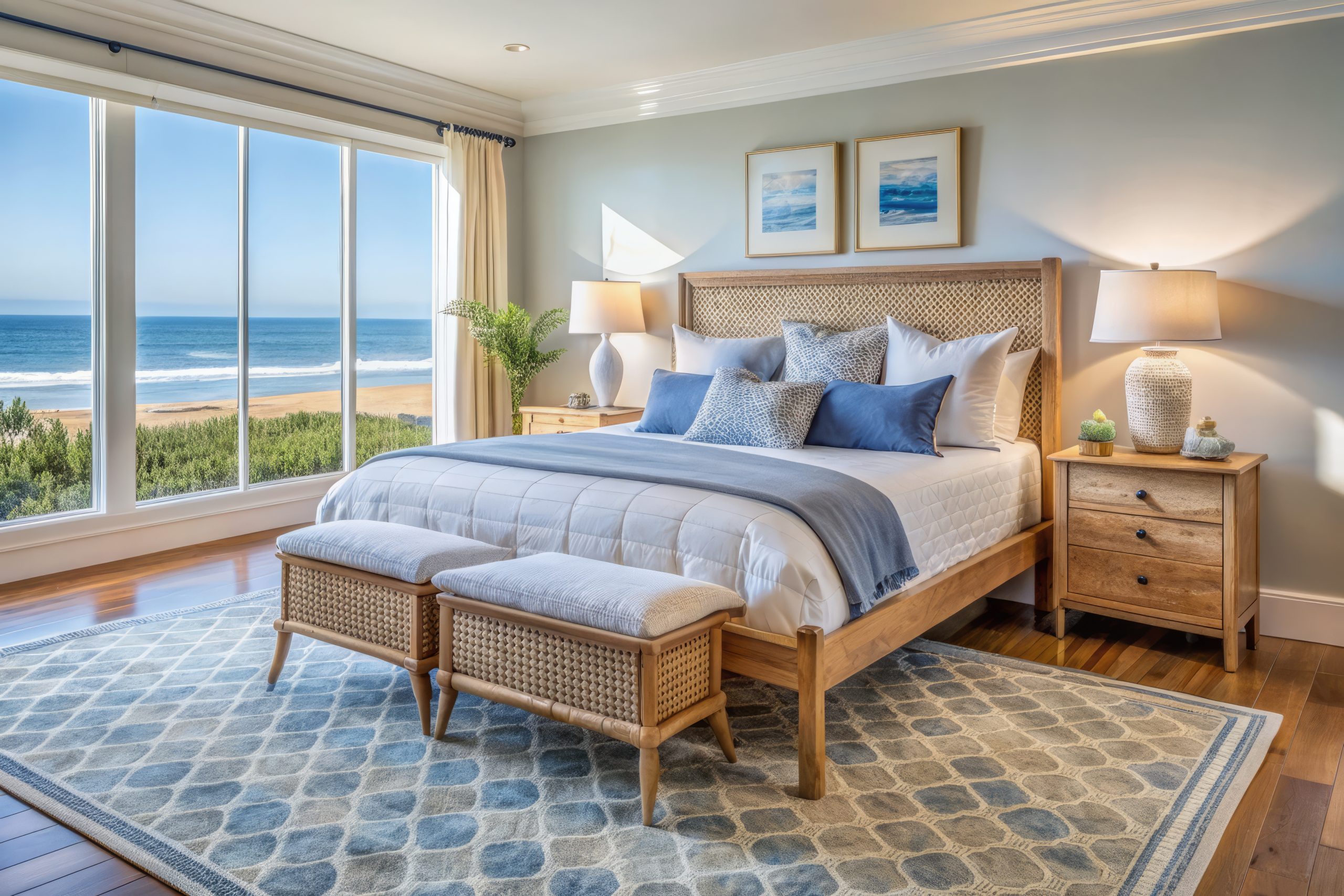
When you master rhythm and harmony together, you demonstrate a sophisticated understanding of the core interior design principles of professional quality. Through the understanding of the two skills discussed above in combination, a sense of style and cohesiveness plays out more effectively for the individual and their overall sense of character to be expressed. With each rhythmic move creating harmony, the final masterpiece speaks a story.
Creating a Captivating Focal Point in Your Interior Space
Following our previous understanding of Harmony and Rhythm with regard to our exploration of interior design principles, we can discuss how a professional-level designer uses their focus points. In a harmonious space, an area draws our eye there with detail that makes a home both more professional and stylish to admire. Combining many things together, such as contrast, proper placement, and light, will be what turns your house into a very personal home that gives your customers more meaning.
A focal point, as it’s called, will use everything inside one space, such as furnishings, to be that centrepiece area people are all going to emphasise around. It’s crucial to note that emphasis plays a part in an overall tone and can influence moods if that’s intended. By not giving things importance, they become, as it is called in photography, a bokeh – it creates areas that lack a bit more emphasis compared to the main points to notice.
There are many times you can see amazing focus, and these examples of focus inside rooms can be learned as part of making these designs yourself. Let us break that apart and explore why this is part of many interior design principles worth understanding.
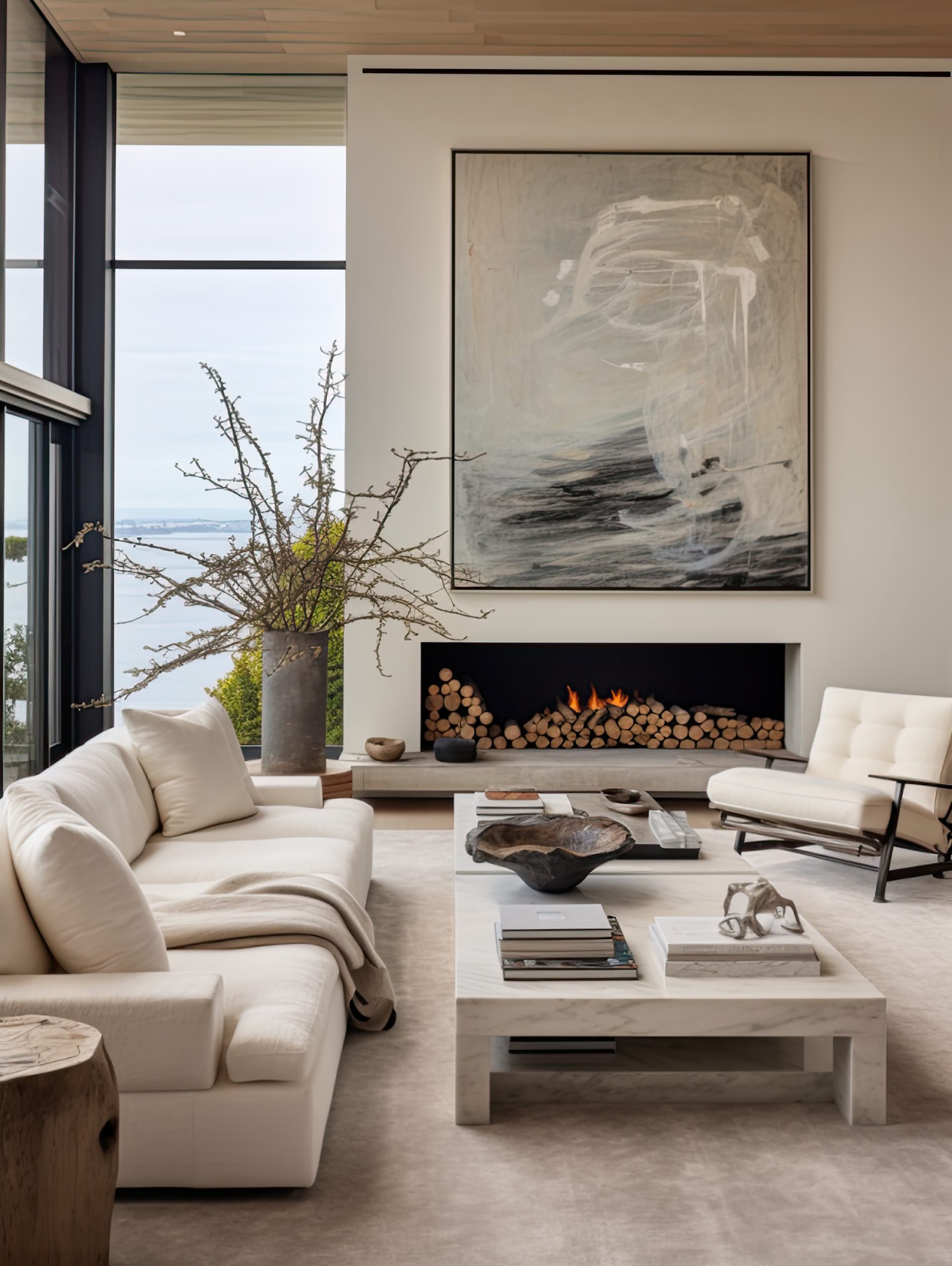
- Having a fireplace creates an old touch with a modern look. It can be a point you draw the person in the very moment they pass through.
- Having a big window that catches the light. Lighting draws people, and the beautiful things they are drawn in make rooms have that attention more easily.
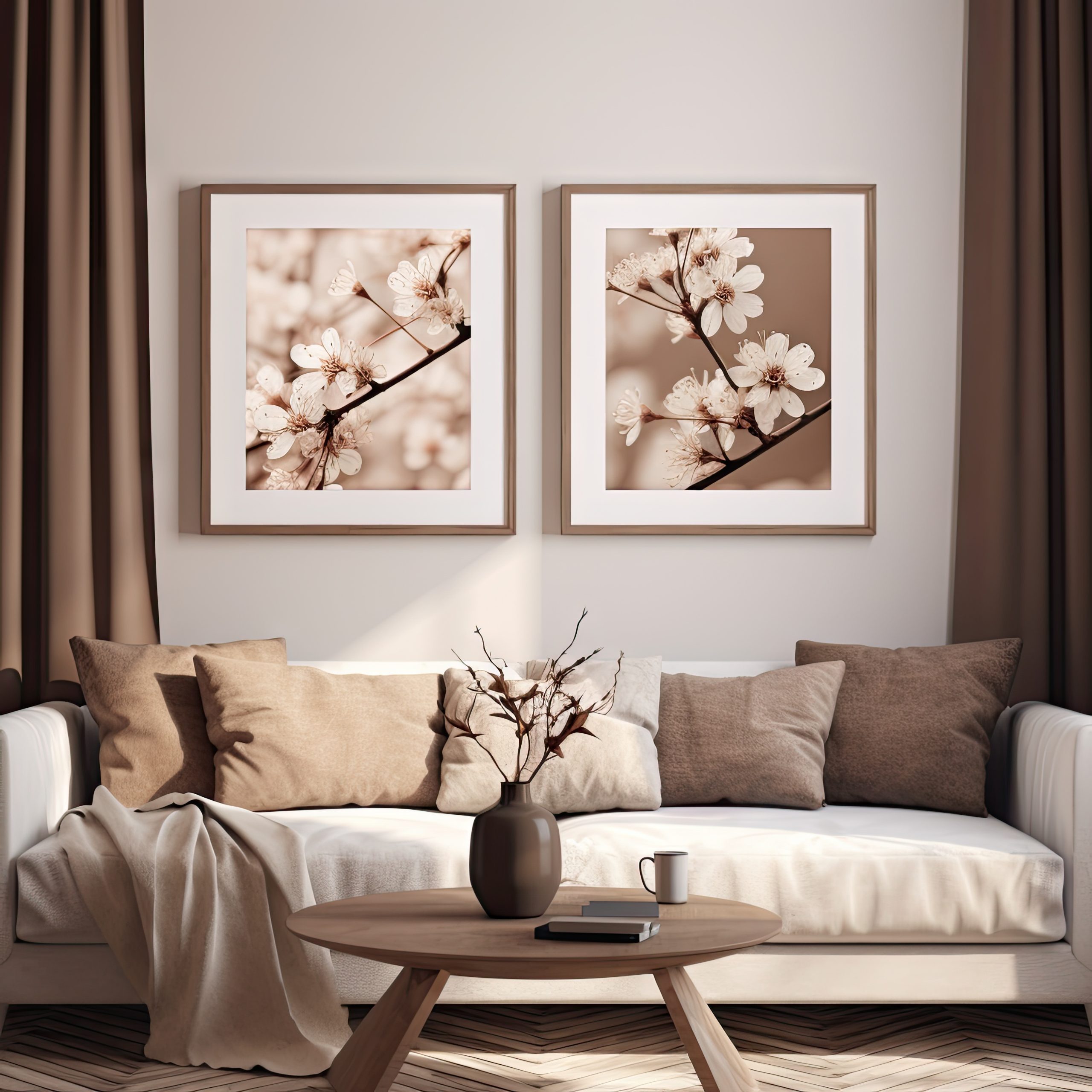
- Adding art pieces such as art to be eye-catching can show a lot about personality or emphasise what that part of character will give attention towards
- Adding lighting is an important trick many artists use as they draw focus towards the character with spotlights. Rooms can emulate this using lights!
By taking any focal area mentioned previously, adding techniques and details can all be learned through the following details:
- With proper planning, placement and position items where attraction would matter right. The point is drawing attention to that thing.
- The other part focuses on making things that give the feeling and vibe around one place that doesn’t quite reflect, such as lighting effects furniture or even shape to a background. Use it.
- Most lights can add a sharp line to draw people to look at what is on walls, such as artistic expression with abstract art or pictures that family would most relate to, such as pictures from around childhood. This detail adds a memory of home to your viewers as a person walks into the house!
Most can often just get tips and start drawing attention, but if they just have the basic grasp or ideas, they will often fall behind what other designers can offer. But we’ve touched on important principles about making the focus a key.
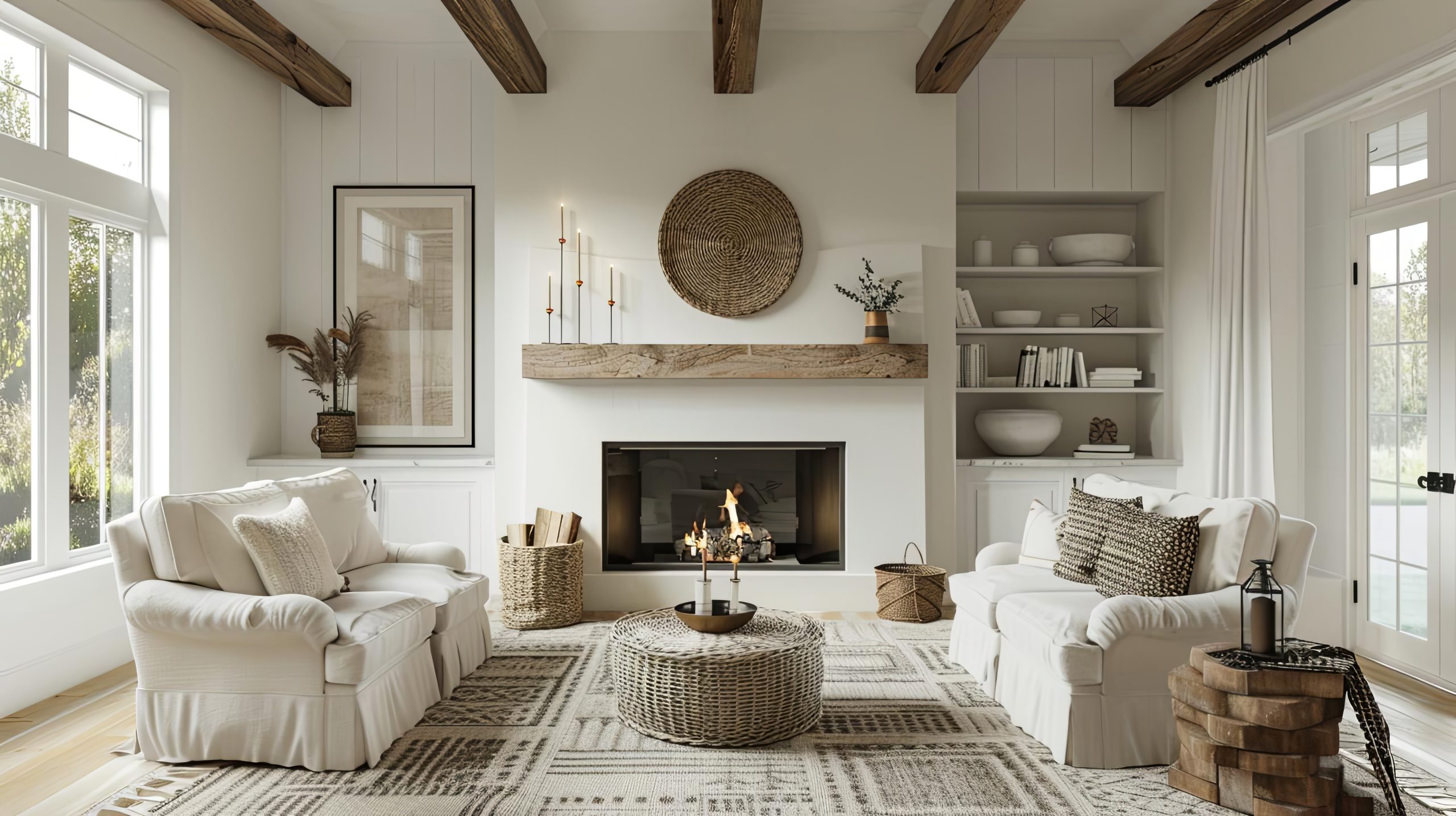
Adding emphasis creates attention with unique parts in homes for guests to look around. Not only do visitors remember those emphases, but these focal zones make it both an appealing look and create proper harmony by telling the story behind what the person represents and wishes to represent to others. The more often one is creative in these kinds of skills, the better designed it becomes.