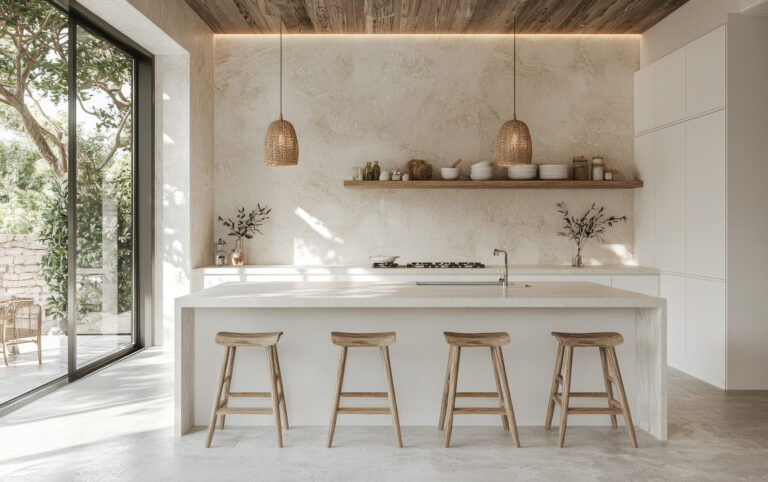
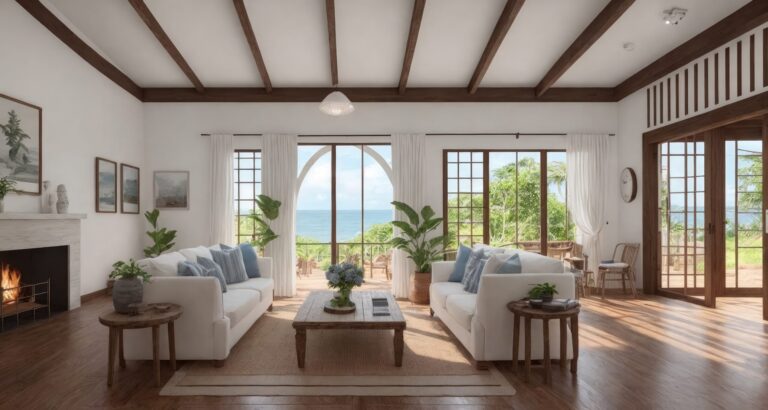
11 Different Interior Themes Defined (+ How to Nail Each Style)

11 Different Interior Themes Defined (+ How to Nail Each Style)

This post is all about different interior themes.

Exploring different interior themes is one of the most exciting parts of designing or refreshing a home. Every style tells a story, through colours, materials and the atmosphere it creates.

different interior themes

Choosing a style that truly fits your space can be overwhelming, especially when there are so many influences to draw from. This guide breaks down 11 different interior themes, clearly defining what makes each one unique and how to capture the essence of every style in your own home. Whether you’re drawn to clean, modern lines or layered, rustic warmth, this post is designed to help you translate that vision into a space that feels authentic and cohesive.

This post is all about Different Interior Themes.

The Importance of Understanding Different Interior Themes

Before diving into specific styles, it’s worth pausing to understand why knowing about different interior themes really matters. Your home’s design is more than just how it looks; it shapes how a space feels and how you interact with it every day.

When you understand the defining features of different interior themes, you can make more intentional design decisions. It becomes easier to identify what resonates with you, avoid mismatched choices, and create a space that feels cohesive and well thought out. Without this understanding, decorating can easily turn into a mix of trends that don’t quite work together.

Design knowledge gives you confidence. You start to recognise what makes a room calming, what introduces warmth, and how elements like texture, scale, and colour can completely change how a space feels. Over time, this awareness helps you move from simply copying styles to creating rooms that truly reflect your personality and lifestyle.

understanding different interior themes

1. Modern Minimalist

Sleek, simple and functional, the modern minimalist theme is one of the most recognised among the different interior themes seen in contemporary homes. It focuses on clarity and calm, using only what’s necessary to create a balanced, uncluttered space.

What Defines This Theme

Modern minimalism celebrates open space and understated design. You’ll often see crisp white walls, smooth surfaces, and restrained colour palettes. Every element has a purpose, and the overall goal is to eliminate visual noise.

modern minimalist interior theme

How to Nail Modern Minimalism

  • Keep the palette simple: Stick to three core colours, typically neutrals, with the occasional accent tone.
  • Invest in quality essentials: Choose well-made pieces that stand out for their simplicity.
  • Embrace negative space: Don’t feel the need to fill every wall or surface; empty space is part of the design.
  • Incorporate texture: Add depth through subtle textures like linen, timber or stone.

By focusing on restraint and careful curation, this theme brings a sense of calm and order to your home. Among all the different interior themes, modern minimalism encourages the idea that less can indeed be more when every detail is considered.

2. Scandinavian

Rooted in simplicity and comfort, Scandinavian design is one of the most timeless and versatile among the different interior themes. Known for its bright spaces and clean lines, it strikes a beautiful balance between function and warmth, creating rooms that feel both airy and inviting.

What Defines This Theme

The Scandinavian theme grew out of a lifestyle that values practicality, nature, and calm. Think white or soft neutral walls, pale timber accents, and plenty of natural light. It’s minimalist, but not stark; each room is carefully layered to feel homely rather than cold. Linen, wool, and rattan are staple materials, while greenery and subtle decor add a sense of life.

scandinavian interior theme

How to Nail Scandinavian Style

  • Start with light: Emphasise natural light wherever possible, use sheer curtains or leave windows uncovered.
  • Balance warmth and simplicity: Combine sleek furniture with cosy textiles like knitted throws or sheepskin rugs.
  • Stick to natural materials: Prioritise timber, wool, and cotton over synthetics for that organic, refined feel.
  • Add a touch of greenery: Indoor plants soften the clean lines and bring in a bit of the outdoors.

What makes this style stand out among the different interior themes is its effortless combination of minimalism and comfort. Scandinavian interiors remind us that beauty often comes from simplicity, natural textures, and thoughtful design choices that make a space feel calm yet lived in.

3. Industrial

Bold, raw and full of character, the industrial style has become one of the most distinctive among the different interior themes. Originally inspired by converted warehouses and lofts, this look celebrates the beauty of exposed materials and a no-fuss approach to design.

What Defines This Theme

Industrial interiors showcase what often lies beneath the surface, exposed brick walls, visible pipes, concrete floors and steel details. It’s a theme built on contrast: rough textures paired with sleek finishes, and vintage pieces set against modern elements. The colour palette is typically muted, featuring greys, browns and black tones that ground the space with an urban edge.

industrial interior theme

How to Nail Industrial Style

  • Highlight raw materials: Celebrate imperfections; exposed beams, brick walls or concrete benchtops should be visible rather than hidden.
  • Mix old and new: Combine vintage furniture or factory-style lighting with modern décor for balance.
  • Keep the palette simple: Stick to earthy, neutral tones, then add warmth through wood or leather accents.
  • Go for an open layout: Industrial design thrives in open, uncluttered spaces that let materials shine.

Among the different interior themes, industrial style stands out for its authenticity and timeless appeal. It embraces a sense of honesty in design; nothing is overly polished, yet every detail feels deliberate. The result is a space that’s bold, lived in, and effortlessly cool.

4. Bohemian (Boho)

Free-spirited, colourful and full of texture, the Bohemian style is one of the most expressive among the different interior themes. It’s for those who love a relaxed, layered look that feels personal and lived in, rather than carefully curated.

What Defines This Theme

Boho interiors celebrate individuality. The aesthetic draws influence from global design, mixing patterns, cultures and eras with ease. Expect rich textiles, woven furnishings, and lots of greenery. The palette ranges from earthy neutrals to vibrant jewel tones, often mixed together to create a collected, laid-back atmosphere.

bohemian interior theme

How to Nail Bohemian Style

  • Layer with intention: Mix rugs, throws, and cushions in varied prints and textures to create depth.
  • Embrace imperfection: Let your decor evolve naturally. Mismatched, handcrafted pieces add character.
  • Show personality: Include items that mean something to you, such as travel finds or vintage treasures.
  • Add natural elements: Rattan, jute, and macramé work beautifully with lush indoor plants.

What makes Boho so beloved among the different interior themes is its freedom; there are no strict rules. The goal is to craft a space that reflects who you are and what you love. Each layer tells a story, blending comfort, creativity and a touch of wanderlust in the most effortless way.

5. Farmhouse (Modern Farmhouse)

Warm, welcoming and full of charm, the farmhouse style is one of the most comforting among the different interior themes. It combines rustic character with modern touches, creating spaces that feel timeless yet fresh.

What Defines This Theme

Farmhouse interiors are all about warmth and simplicity. They celebrate natural materials, think reclaimed timber, soft fabrics, and handwoven details. The traditional elements, like vintage doors, shiplap walls, and exposed beams, are often balanced with contemporary furniture or lighting to keep things feeling current. The colour palette is neutral and inviting, featuring shades of white, cream, beige and soft grey, often accented with black for definition.

farmhouse interior theme

How to Nail Farmhouse Style

  • Mix old and new: Blend antique or rustic pieces with modern fixtures, a weathered dining table with sleek pendant lights, for example.
  • Focus on comfort: Choose plush seating and relaxed textiles; the room should feel lived in and inviting.
  • Highlight natural materials: Timber beams, linen curtains, and jute rugs all help bring that earthy texture to the forefront.
  • Keep colours soft: Stick with warm neutrals, and add contrast through darker metal finishes or natural wood tones.

Among the different interior themes, modern farmhouse stands out for its ability to feel grounded without being heavy. It evokes a sense of home, lived-in, layered, and effortlessly welcoming, while still maintaining a refined edge.

6. Mid-Century Modern

Effortlessly cool and undeniably timeless, Mid-Century Modern is one of the most recognisable of the different interior themes. Its appeal lies in the simplicity of form, the warmth of natural materials, and the sense of optimism it brings to a space.

What Defines This Theme

Emerging in the mid-20th century, this style focuses on functionality, clean lines, and organic shapes. Furniture often features tapered wooden legs, smooth curves, and minimal ornamentation. Colour palettes mix earthy tones with bold accents; mustard, teal, or burnt orange are common choices. This theme also embraces an indoor-outdoor connection, with open layouts and large windows that invite natural light.

mid-century modern interior theme

How to Nail Mid-Century Modern Style

  • Choose iconic shapes: Look for furniture with sleek, simple lines. Think statement chairs, sideboards, and low coffee tables.
  • Mix playful and practical: Keep decor minimal but allow one or two standout pieces to take centre stage.
  • Incorporate wood tones: Teak, walnut and oak are key materials that give warmth and authenticity.
  • Add a pop of colour: Accent cushions or artwork in retro hues bring the space to life without overwhelming it.

Among the different interior themes, Mid-Century Modern remains a favourite for its nostalgic charm and enduring versatility. It captures the essence of great design: balanced, thoughtful, and always fresh, no matter the decade.

7. Coastal

Light, relaxed, and effortlessly breezy, the coastal style is one of the most refreshing among the different interior themes. Inspired by seaside living, it brings the calm and simplicity of the coast into the home, making every day feel like a breath of fresh air.

What Defines This Theme

The coastal theme focuses on light, space, and natural textures. Its palette is soft and soothing with crisp whites, sandy neutrals, and gentle shades of blue at its core. Furniture often features clean lines and lightweight materials, while decor includes elements like woven baskets, linen cushions, and driftwood accents. It’s not about filling a room with nautical motifs, but rather capturing that relaxed, sunlit feeling of the shoreline.

coastal interior theme

How to Nail Coastal Style

  • Let in natural light: Keep windows uncovered or use light linen curtains to enhance the brightness and openness.
  • Use soft, natural colours: Whites, beiges, and blues create that fresh, coastal atmosphere.
  • Incorporate texture: Think jute rugs, woven pendants, and raw timber details.
  • Keep it uncluttered: Simplicity is key; choose pieces that feel easy and intentional, not overwhelming.

Among the different interior themes, coastal design stands out for its laid-back elegance and timeless charm. It’s the perfect approach if you love interiors that feel calm, unpretentious, and inspired by nature’s beauty.

8. Japandi

Minimal, warm, and deeply intentional, Japandi style is one of the most elegant and harmonious among the different interior themes. It blends the simplicity of Japanese design with the cosiness of Scandinavian interiors, resulting in spaces that feel calm, balanced, and beautifully understated.

What Defines This Theme

Japandi design centres on the idea of wabi-sabi, finding beauty in imperfection, combined with Scandinavian functionality. The look is refined but not cold, natural but never overly rustic. Expect muted earth tones, sleek furniture with organic shapes, and a focus on craftsmanship and quality. Every piece serves a purpose, and clutter is kept to a minimum.

japandi interior theme

How to Nail Japandi Style

  • Keep it simple: Choose essential furniture and decor, leaving plenty of negative space for visual calm.
  • Layer natural materials: Mix light timbers, ceramics, linen, and stone for soft contrast and warmth.
  • Stick to muted tones: Neutral hues like beige, taupe, grey, and soft black define the palette.
  • Embrace craftsmanship: Prioritise quality materials and well-made pieces that last.

Among the different interior themes, Japandi resonates for its serenity and purpose. It invites you to slow down, appreciate the details, and create a home that feels grounded, thoughtful, and timeless.

9. Art Deco

Elegant, bold and full of glamour, Art Deco is one of the most expressive and luxurious among the different interior themes. Emerging in the early 20th century, it’s a style that celebrates opulence, symmetry, and statement design.

What Defines This Theme

Art Deco is instantly recognisable for its geometric patterns, rich colours and metallic finishes. Think gold, brass, marble, and lacquered wood paired with plush fabrics like velvet or silk. Statement lighting, curved edges, and architectural details are all signatures of this look. The overall effect is sophisticated and dramatic; every element feels intentional and confident.

art deco interior theme

How to Nail Art Deco Style

  • Play with geometry: Choose furniture and decor with angular lines or bold shapes for instant visual impact.
  • Go bold but balanced: Mix deep jewel tones with metallic highlights; emerald, navy, and gold work beautifully together.
  • Incorporate luxe materials: Velvet, glass, marble, and brass add texture and elegance.
  • Add statement pieces: A sculptural lamp, ornate mirror, or chandelier can become the centrepiece of the room.

Among the different interior themes, Art Deco stands apart for its glamour and precision. It’s perfect for anyone who appreciates the artistry of design and wants to make their space feel both sophisticated and full of character.

10. Traditional

Timeless, refined, and full of character, the traditional style remains one of the most enduring among the different interior themes. It draws inspiration from classic European interiors, offering a sense of structure, symmetry, and elegance that never goes out of style.

What Defines This Theme

Traditional design focuses on balance and harmony. You’ll often see rich wood tones, detailed mouldings, and furnishings with graceful lines. Patterns like damask, florals, and stripes are common, complemented by warm, muted colours, think creams, soft golds, and deep blues or greens. Accessories and decor pieces are chosen purposefully, creating a polished yet inviting atmosphere.

traditional interior theme

How to Nail Traditional Style

  • Keep symmetry in mind: Arrange furniture and decor in balanced pairs for a cohesive, graceful layout.
  • Choose classic materials: Polished timber, brass details, and quality upholstery define this look.
  • Embrace layering: Use rugs, curtains, and cushions to add richness and depth without overwhelming the space.
  • Mix patterns thoughtfully: Coordinate prints with similar tones or motifs to maintain a sense of harmony.

Among the different interior themes, traditional design shines for its enduring beauty and sense of comfort. It feels intentional and complete, celebrating craftsmanship and a timeless approach to decorating that always feels just right.

11. Eclectic

Vibrant, personal, and full of character, the eclectic style is one of the most creative among the different interior themes. It’s all about mixing influences, eras, and textures in a way that feels cohesive yet never overly planned, a curated expression of individuality through design.

What Defines This Theme

Eclectic interiors combine seemingly contrasting elements while still maintaining visual harmony. Colours, patterns, and materials can vary widely, but there’s always a unifying thread, whether that’s a consistent colour palette, a particular texture, or a common design feature. The goal isn’t randomness; it’s balance through contrast. Spaces often feel layered, collected, and full of story.

eclectic interior theme

How to Nail Eclectic Style

  • Find a common thread: Use a repeating colour, shape, or texture to tie different elements together.
  • Mix with purpose: Combine modern and vintage pieces, but edit carefully to avoid visual clutter.
  • Layer thoughtfully: Rugs, artwork, cushions, and lighting can all work together to add dimension and interest.
  • Show personality: Showcase decor that reflects who you are. Books, art, and treasures collected over time give your space unmistakable character.

Among the different interior themes, eclectic design is the one that breaks the rules gracefully. It allows personal taste to take centre stage while still feeling cohesive and balanced. Done well, it creates a space that feels meaningful, dynamic, and entirely your own.

How to Choose Your Interior Theme

Once you’re familiar with the variety of different interior themes, the next step is narrowing down which one (or combination) feels right for your home. This process isn’t about following strict rules; it’s about discovering your personal aesthetic and how you want your space to function.

Start by paying attention to what you’re naturally drawn to. Browse photos of interiors, visit showrooms, or take note of textures and colours that make you feel comfortable. If you lean toward simplicity, a modern minimalist or Japandi theme might suit you. If you love character and warmth, perhaps farmhouse or eclectic fits better.

It’s also helpful to think about lifestyle and practicality. A family home may benefit from durable materials and cosy textures, while an apartment might suit cleaner lines and open layouts. Don’t be afraid to blend influences; many of the most interesting spaces borrow from multiple styles while keeping a cohesive feel through colour or texture.

how to choose an interior theme

Taking time to explore how different interior themes align with your taste and lifestyle will make decorating less overwhelming and far more rewarding. It ensures every choice you make feels deliberate, harmonious, and true to how you want your home to feel.

Exploring these different interior themes offers so much more than just design inspiration. It’s about finding a style that reflects how you want to live, the colours, textures, and layouts that make your home feel uniquely yours. Each theme has its own mood, purpose, and personality, from the calm of Japandi and Scandinavian styles to the expressive energy of Bohemian and Eclectic spaces.

Coastal Bohemian Decor Trends to Inspire Your Next Home Makeover

Coastal Bohemian Decor Trends to Inspire Your Next Home Makeover

There’s something special about a home that feels both calming and full of character. That balance is exactly why coastal bohemian decor has become such a compelling design trend; it brings together the airy, breezy qualities of coastal living with the relaxed artistry of bohemian style. The result is a home that feels light, approachable, and layered with personality.

What I love most about this design approach is how versatile it can be. You don’t need a beachfront property or a carefully curated collection of eclectic finds to get started. By combining the right colours, textures, and natural elements, you can transform any space into one that feels fresh, inviting, and just a little adventurous.

Coastal bohemian decor

The Essentials of Coastal Bohemian Decor

At its core, coastal bohemian decor is all about merging two worlds: the soothing simplicity of coastal interiors and the eclectic, soulful touches of bohemian style. On the coastal side, you’ll find clean lines, open spaces, and a palette inspired by sand, sea, and sky. Think whites, soft pastels, and gentle greys that create a calm foundation. On the bohemian side, there’s a spirit of creativity, woven textures, layered materials, and pieces that feel collected over time.

What makes this style stand out is its flexibility. Start with that coastal minimalism to keep the space feeling open and light, then weave in bohemian accents to add depth and personality. A woven jute rug can ground the room, while a mix of patterned throw pillows brings in colour and playfulness. Even something as simple as a driftwood accessory paired with a handcrafted vase can make the space feel thoughtfully layered without being overdone.

The important thing to remember is balance. Coastal design keeps the look fresh and uncluttered, while bohemian elements add warmth and individuality. When those two meet, the space feels both relaxing and expressive, exactly what a home should be.

coastal boho living room style

Colour Palettes That Set the Mood

When it comes to coastal bohemian decor, the colour palette is where everything starts to come together. Coastal style leans on a mix of breezy neutrals and ocean-inspired hues, while bohemian brings in earthy warmth and vibrant accents. The goal is to let those two worlds play off each other without overwhelming the space.

Think of neutrals like soft sandy beige, warm ivory, and light driftwood grey as your canvas. These shades keep everything grounded and airy, much like a calm beach on an early morning. From there, weave in coastal-inspired tones, muted blues, seafoam greens, and hints of coral that echo the sea and sky without feeling too bold.

Bohemian style introduces playful notes. A pair of mustard-hued pillows, a rust-colored throw, or even touches of terracotta in pottery can give the room character. These colours add depth and warmth, creating a layered look that feels natural and lived-in.

The trick is restraint. A few well-placed accents can make a big impact, especially when the base palette is kept light and open. Instead of trying to pack every shade into a room, choose two or three accent tones and let them repeat subtly in textiles, accessories, or artwork. This way, you get the charm of bohemian colour without losing the calm, airy feeling that coastal design does so well.

coastal bohemian colour palette

Natural Materials & Textures

One of the defining qualities of coastal bohemian decor is how it celebrates natural elements. The materials you choose do more than just set the look; they set the tone for how a room feels when you walk in. Light, breathable, and tactile, these textures create both comfort and visual interest.

Start with the classics of coastal design: rattan chairs, seagrass baskets, jute area rugs, and light oak or weathered wood finishes. These instantly bring in that breezy, beach-inspired atmosphere. The beauty is in their simplicity; they don’t demand attention but create a grounding base that feels natural and easy.

Once those coastal elements are in place, layer in bohemian touches through texture. Think macramé wall hangings, chunky woven throws, hand-loomed pillows, or even a mix of ceramics with earthy finishes. These add depth and character without taking away the lightness of the room.

It’s the interplay between smooth and textured surfaces that makes coastal bohemian decor so inviting. Pair a linen slipcovered sofa with a handwoven throw, or balance sleek white walls with a rough-hewn wood coffee table. This contrast keeps the eye moving through the space, making it feel both cohesive and full of personality.

Pro tip: Keep at least one texture that connects each element in the room. For example, if you use rattan in a chair, let it reappear subtly in a light fixture or basket. That repetition helps tie everything together without feeling too matchy.

natural textures and materials home decor

Furniture & Layout

Furniture plays a crucial role in shaping the flow and functionality of a space, and in coastal bohemian decor, it’s all about striking the right balance between relaxed comfort and artistic detail. The foundation usually leans coastal, light, clean-lined, and comfortable, while bohemian elements come in through eclectic shapes and handcrafted pieces.

Start with a few core furniture selections that feel timeless and airy. A slipcovered sofa in white or cream sets the perfect base, paired with natural wood tables or woven side chairs that introduce warmth without crowding the room. These pieces create a sense of openness that keeps everything from feeling heavy.

Once you have that coastal framework, layer in bohemian influences gradually. A carved wooden side table, a pair of Moroccan-style poufs, or a mix of mismatched chairs can add just the right amount of personality. The key is variety without clutter, mix shapes and textures, but don’t overwhelm the room with too many competing focal points.

When it comes to layout, aim for flow. Leave enough negative space for the room to breathe; it’s what anchors the coastal vibe. Then, use accent furniture and textiles to create gathering spots that invite conversation and relaxation. A low rattan coffee table with layered trays or a cosy reading nook with a vintage chair and woven lamp instantly add that bohemian touch while still feeling grounded in coastal style.

Pro tip: Think in layers, not collections. Instead of buying entire furniture sets, mix individual pieces that complement each other. This gives the effortless, collected-over-time feel that makes coastal bohemian decor both approachable and authentic.

coastal boho furniture layout ideas

Layering Textiles & Patterns

Textiles are where coastal bohemian decor comes to life. They soften the structure of a room, add warmth, and introduce that eclectic, lived-in charm associated with bohemian interiors, while still keeping the airy vibe of coastal design. Done right, textiles are what make a room feel welcoming rather than staged.

Start with foundational fabrics that echo the coastal side: think breezy linen curtains, a soft cotton throw, or neutral upholstery. These pieces keep the atmosphere light and breathable. Once that base is in place, you can bring in the bohemian influence through pattern and layering.

Mix and match pillows in striped, geometric, or globally inspired designs. Layer rugs by starting with a large neutral base, like a jute or sisal rug, and placing a smaller patterned rug on top. Don’t shy away from textures like chunky knits, tassels, or fringe—they add subtle movement and depth without taking over the room.

The key here is moderation. Bohemian style often thrives in mixing patterns, but in a coastal bohemian space, you’ll want balance. Anchor bold textiles with plenty of white space and neutrals to maintain that breezy, relaxed feeling. If you choose a vibrant, patterned throw blanket, let the surrounding fabrics stay more subdued.

Pro tip: Stick with a consistent colour story when layering patterns. For example, if your accent tones are muted coral and seafoam green, let those two colours repeat subtly across pillows, throws, and rugs. This creates continuity, even when the prints and textures vary.

layering bohemian textiles and patterns

Accessorising the Space

Accessories are where coastal bohemian decor really shows personality. They act as the finishing touch, the details that tie the larger furniture and textures together into a cohesive, inviting space. The beauty of this style is that accessories can be both practical and expressive, balancing coastal simplicity with bohemian character.

Start small with natural, tactile items. Woven baskets, driftwood accents, and shells displayed thoughtfully (rather than scattered) can spotlight that coastal connection. These pieces add an organic touch that feels calming and familiar. From the bohemian side, introduce handcrafted ceramics, eclectic vases, and unique artwork that carry a sense of individuality.

Plants are an absolute must in this style. A tall palm in the corner or cascading greenery on a shelf instantly enlivens a space, while dried florals or pampas grass bring earthy softness. The natural element of greenery complements both the coastal freshness and the free-spirited boho look.

When styling shelves, coffee tables, or console tables, lean into the idea of layering instead of symmetry. A stack of design books, a vase with a casual arrangement, and a candle alongside a collected object create dimension without feeling overly styled. This “effortless but intentional” look is the hallmark of coastal bohemian decor.

Pro tip: Be selective. Instead of filling every surface, leave breathing room around accessories. This prevents the space from feeling cluttered and allows each piece to have an impact.

coastal bohemian decor accessories

Lighting & Ambience

Lighting is one of the most transformative elements in any space, and in coastal bohemian decor, it sets the tone for that calm yet vibrant atmosphere. The right lighting doesn’t just brighten a room, it shapes the mood and enhances the textures, colours, and accessories you’ve thoughtfully layered in.

To capture the coastal side, prioritise natural light whenever possible. Keep window treatments light and breathable, linen, sheer cotton, or bamboo shades that filter light without blocking it. This makes the room feel open, easy, and connected to the outdoors.

From the bohemian perspective, accent lighting is where you can get creative. Wicker pendants, rattan floor lamps, handmade ceramic bases, or lantern-style lights add both warmth and personality. Even string lights can feel right at home in this style when placed intentionally, such as along a patio doorway or draped over a reading nook.

The most important thing? Layer your lighting. Instead of relying solely on one overhead fixture, mix ambient, task, and accent lighting. For instance, pair a large natural-fibre pendant lamp with a cosy table lamp on a side table and a few candle lanterns for a soft, atmospheric glow. This layered approach mirrors the depth and warmth of bohemian styling, while the materials and lightness keep it coastal.

Pro tip: Opt for warm-toned bulbs instead of harsh white light. Soft, golden light complements the textures and natural materials that define coastal bohemian decor, making the space feel inviting at any time of day.

rattan lighting and ambient decor

Outdoor Extension of Coastal Bohemian Decor

One of the best parts about coastal bohemian decor is how effortlessly it carries into outdoor spaces. Patios, balconies, or even a small porch can become an extension of your home’s style, creating flow between indoors and out. The key is to bring the same balance of coastal simplicity and bohemian personality into your exterior setup.

Start by grounding the space with comfortable, weather-friendly furniture. Woven lounge chairs or a simple wooden bench with neutral cushions create that light coastal base. Layer it with a patterned outdoor rug, colourful throw pillows, or even a hanging hammock for that laid-back boho vibe.

Accessories also shine outside. Lanterns, string lights, and woven baskets turn outdoor areas into cosy retreats you’ll want to use day and night. If you have the space, a large woven pouf or low table creates an inviting spot for gatherings. Smaller balconies or porches can benefit from just a few thoughtful touches; a hanging plant, macramé wall decor, and a soft throw can completely transform even the smallest corner.

Don’t forget greenery. Potted palms, succulents, or overflowing hanging plants instantly enliven an outdoor space, blending coastal freshness with bohemian wildness. Mix planter materials like terracotta, rattan, or even concrete to add layers of texture that mirror what you’ve done indoors.

Pro tip: Think of your outdoor area as another living room. Choose two or three accent colours that connect with your interior palette so the spaces feel naturally linked. This creates a seamless design story from the inside out.

outdoor coastal boho patio design

DIY Touches & Personalisation

What makes coastal bohemian decor so appealing is that it doesn’t have to look store-bought or overly polished. In fact, the style becomes most interesting when it reflects your own creativity and personality. DIY projects and personal touches are a natural fit here, giving your space authenticity while keeping it unique to you.

For a simple starting point, consider handmade wall decor like macramé hangings or woven baskets. These instantly channel bohemian design while feeling effortless and organic. Driftwood collected from a walk or shell arrangements displayed in a glass jar bring in the coastal side without feeling like kitschy “beach decor.” The goal is subtle, not theme-heavy.

Upcycling is another great way to embrace this look. A vintage dresser can take on a coastal bohemian feel with a fresh coat of paint in a soft, beach-inspired shade and new hardware in matte brass or wood. Even small updates, like swapping plain cabinet pulls for woven or wood-textured ones, make a noticeable difference.

Don’t forget about personal collections. Books, ceramics, or travel finds displayed with intention can add that lived-in, curated energy that bohemian design thrives on. When styled alongside neutral, coastal-inspired backdrops, they create just the right balance of individuality without overtaking the space.

Pro tip: Choose no more than three or four DIY or personal items per room to keep it feeling open and grounded. With coastal bohemian decor, every detail should contribute to a relaxed, collected atmosphere instead of overwhelming it.

diy coastal bohemian home decor

The appeal of coastal bohemian decor lies in its ability to feel both relaxed and expressive at the same time. By blending calming coastal foundations with eclectic boho layers, you end up with a space that’s light, comfortable, and full of character, never too minimal, never too busy. It’s a style that encourages you to embrace natural textures, mix meaningful accessories, and add your own personal touch, all while keeping the home open and peaceful.

Style Guides

Style Guides

Style Guides

FOLLOW ON SOCIALS

How to Design a Dark Dining Room: Ideas for a Space That’s Cosy, Not Cramped

This post is all about Dark Dining Room Ideas. There’s something undeniably captivating about a dark dining room. The depth, the mood, the quiet confidence, it all creates a sense of intimacy that lighter spaces sometimes struggle to achieve. Designing with darker...

Bathroom Under-Sink Vanity Organiser: Your Key to a Clutter-Free and Organised Home

This post is all about Bathroom Vanity Organiser Under Sink. A bathroom vanity organiser under the sink can make an incredible difference in how your bathroom looks and functions. It’s often one of the most overlooked spaces in the home, yet it has the...

Designing the Perfect Modern Minimalist Interior Design Living Room

This post is all about Modern Minimalist Interior Design Living Room. A modern minimalist interior design living room is more than just a trend; it’s a reflection of how we live today. Clean lines, open spaces, and thoughtful details come together to create...

25 Beautiful Bedroom Ideas for Girls to Create Their Perfect Dream Space

This Post Is All About Bedroom Ideas For Girls Designing a space that feels personal and full of character starts here, and these bedroom ideas for girls are the perfect inspiration. Whether you’re refreshing a cosy nook or planning a complete makeover, finding the...

The Ultimate Guide to Kitchen Pantry Door Storage Solutions

This post is all about Kitchen Pantry Door Storage. A well‑designed kitchen makes everyday life easier, and that’s exactly where kitchen pantry door storage comes in. It’s one of those clever interior design tricks that turns overlooked space into something...

10 Best Spring Home Decor Ideas to Refresh Your Space in 2026

This post is all about spring home decor ideas. Spring is the perfect time to breathe new life into your home. As the days get brighter, interiors naturally feel ready for fresh energy, lighter colours, and simple updates that make each room feel inviting again. If...

How to Arrange Furniture in a Room: Expert Tips for a Functional and Stylish Layout

This post is all about How To Arrange Furniture In A Room. I’ve always believed that the way furniture is arranged can completely change how a room feels. It’s not just about where you put the sofa or how far a chair sits from the coffee table; it’s about creating a...

15 Glamorous Art Deco Home Interior Design Ideas for a Luxe Look

15 Glamorous Art Deco Home Interior Design Ideas for a Luxe Look

There’s something undeniably magical about Art Deco interior design that keeps drawing me back to this style. I’ve seen how incorporating Art Deco home interior design ideas can transform an ordinary space into something extraordinary. The style’s perfect blend of glamour and sophistication has captivated homeowners and designers alike for decades. I’m thrilled to share my favourite ways to bring this timeless aesthetic into your home.

I’ll walk you through 15 stunning Art Deco home interior design ideas that can help you achieve that perfect luxe look. Whether you’re planning a complete renovation or looking to add just a touch of that signature Art Deco glamour, these tips will help you create the space you’ve been dreaming of.

Art Decor Home Interior Design Ideas

Geometric Patterns and Bold Lines

If there’s one element that truly defines Art Deco home interior design, it’s the bold use of geometric patterns. These dramatic designs are the heart and soul of the style, and they have an incredible way of transforming even the most basic room into something spectacular.

Here’s my approach to incorporating these patterns:

  • Start with one bold geometric element as your focal point. I always suggest beginning with either wallpaper or a large area rug – these anchor pieces set the tone for the entire space.
  • Layer in angular furniture pieces that echo your main pattern. Think zigzag-patterned throw pillows or a stunning cabinet with geometric overlay.
  • Mix different scales of patterns, but keep them in the same colour family. One of my favourite combinations is pairing a large-scale geometric wallpaper with smaller-patterned cushions or curtains.

art deco geometric pattern interior

Pro tip: If you’re nervous about committing to bold geometric wallpaper, try starting with removable wallpaper panels or focus on incorporating geometric patterns through art pieces and textiles. This is a fantastic way to experiment with Art Deco home interior design ideas without making permanent changes.

Remember, the key to successful Art Deco pattern play is confidence – this isn’t a style for the timid! I always tell my clients that if they’re going to embrace Art Deco, they should embrace it. The beauty of these geometric patterns is that they create an instant focal point and set the stage for all your other Art Deco elements to shine.

These striking patterns aren’t just decorative; they’re conversation starters. The impact of a bold geometric design element is undeniable – it’s exactly the kind of statement we’re looking for with Art Deco home interior design. These patterns command attention and exude confidence, creating spaces that feel both sophisticated and dramatic.

Luxurious Metallics

Nothing says Art Deco home interior design quite like the gleam of metallic finishes. The way metals catch and reflect light adds that essential layer of glamour that’s so characteristic of this style. Gold, brass, and chrome are the holy trinity of Art Deco metallics, and I never tire of seeing how they can elevate a space.

Here’s how I love to incorporate these luxurious elements:

  • Start with your hardware: Door handles, cabinet pulls, and light switches in polished brass or chrome make for an immediate Art Deco upgrade.
  • Layer in larger metallic pieces: Think mirrors with metal frames, side tables with brass legs, or chrome-finished bar carts.
  • Mix your metals thoughtfully: While traditional Art Deco favoured single metal tones, modern interpretations can beautifully blend different metallics – just keep them in the same temperature family.

art deco metallic finishes deco

The key is to distribute these metallic elements evenly throughout your space. I find that treating metals like jewellery for your room works perfectly – they should enhance rather than overwhelm. A metallic ceiling medallion paired with matching wall sconces, for instance, creates a cohesive look that draws the eye around the room.

Pro tip: When incorporating metallics into your Art Deco home interior design ideas, remember that a little shine goes a long way. Balance these gleaming surfaces with rich, matte textures like velvet or wool to create depth and visual interest.

One of my favourite ways to make a statement is with a large metallic piece – perhaps an oversized sunburst mirror or a striking gold-leafed cabinet. These signature pieces become natural focal points while embodying the luxury and drama that make Art Deco so appealing.

Statement Lighting

If there’s one element that can make or break your Art Deco home interior design, it’s lighting. Art Deco lighting fixtures are like functional sculptures, commanding attention whether they’re switched on or off.

The most impactful Art Deco lighting features include:

  • Tiered chandeliers with geometric glass panels
  • Sconces with stepped designs and metallic finishes
  • Pendant lights featuring clean lines and frosted glass

art deco lighting fixtures home

When selecting lighting, look for pieces that incorporate typical Art Deco motifs – sunbursts, fan shapes, and geometric patterns. The right fixture can become the cornerstone of your entire design scheme, informing the rest of your decor choices.

What makes Art Deco lighting so special is its ability to serve as both illumination and art. During the day, these fixtures act as sculptural elements, while at night, they create dramatic shadow plays and lighting effects that transform your space.

Remember, the placement of your lighting is just as important as the fixtures themselves. Consider creating layers of light with a mix of ceiling fixtures, wall sconces, and table lamps. This layered approach not only provides practical illumination but also adds depth and drama, which are essential elements in Art Deco home interior design.

Rich Colour Palettes

The colours you choose for your Art Deco home interior design set the stage for drama and sophistication. What I love most about Art Deco colour schemes is their boldness – these aren’t your typical safe, neutral palettes. Instead, we’re talking about colours that make a statement and leave an impression.

The most striking Art Deco colour combinations include:

  • Deep emerald green paired with gold and black
  • Sapphire blue with silver and cream
  • Ruby red combined with chrome and white
  • Rich tobacco brown with bronze and ivory

art deco color schemes interior

When working with these bold colours, I find it’s best to follow the 60-30-10 rule: 60% of your space in a dominant colour, 30% in a secondary colour, and 10% in an accent colour. This creates balance while maintaining that signature Art Deco drama.

Pro tip: Start with one bold colour you absolutely love and build your palette around it. The walls don’t always need to be the boldest element – a deep-coloured velvet sofa can be just as impactful against neutral walls.

Mirrored Surfaces

Nothing captures the glamour of Art Deco home interior design quite like the strategic use of mirrors and mirrored surfaces. These reflective elements add depth, light, and a touch of Hollywood golden age glamour to any space.

Key ways to incorporate mirrored elements:

  • Install mirror panels with geometric divisions
  • Choose furniture pieces with mirrored accents
  • Add mirrored trays and decorative objects
  • Consider an Art Deco-style mirror as wall art

art deco mirror wall design

The trick with mirrors is to place them thoughtfully. Position them to reflect something interesting – perhaps your statement lighting or a beautiful piece of art. This doubles the impact of your best decorative elements while creating that sought-after Art Deco sparkle.

One word of caution: while mirrors are fantastic, too many can feel overwhelming. I always suggest choosing one or two significant mirrored pieces rather than filling every surface with reflection.

Sophisticated Materials

The materials you choose for your Art Deco home interior design are crucial for creating that luxurious feel. This style is all about combining different textures and surfaces to create a rich, layered effect.

Essential Art Deco materials include:

  • Polished woods (especially exotic varieties)
  • Plush velvets
  • Smooth lacquer finishes
  • High-gloss marble
  • Sleek glass

art deco luxury materials home

The key to working with these materials is contrast. Pair smooth, glossy surfaces with soft, tactile fabrics. Consider a lacquered sideboard topped with velvet-covered boxes, or marble floors softened by a plush geometric rug.

When selecting furniture pieces, look for:

  • High-sheen wood finishes
  • Upholstery in luxurious fabrics
  • Pieces combining different materials
  • Clean lines with sophisticated details

Remember, quality matters in Art Deco design. While there are always ways to achieve the look on a budget, investing in a few key pieces made from authentic materials will elevate your entire space.

Bold Artwork and Wall Panels

Art Deco home interior design isn’t complete without making a statement through your wall treatments. The artwork and wall details of this era were never meant to fade into the background – they’re intended to be bold, dramatic, and impossible to ignore.

Key elements to consider:

  • Large-scale artwork featuring geometric patterns
  • Stylised figures and motifs
  • Decorative wall panels with stepped designs
  • Bold murals with metallic accents
  • Sculptural wall installations

art deco wall panels decor

When selecting artwork, look for pieces that embrace typical Art Deco themes: sunbursts, chevrons, stylised animals, and figurative works with elongated forms. I particularly love how oversized pieces can transform an entire wall into a focal point.

For wall panels, consider:

  • Wood panels with geometric inlays
  • Upholstered panels in luxe fabrics
  • Metal or mirror panels with decorative overlays
  • Painted panels with metallic details

The beauty of Art Deco wall treatments is their versatility. You might opt for a single dramatic mural behind your sofa, or create an entire wall of geometric panels. Whatever you choose, make sure it complements rather than competes with your other Art Deco elements.

Streamlined Furniture

The furniture in Art Deco home interior design tells a story of elegance through form. These pieces are all about clean lines and curved edges, creating a sense of movement while maintaining sophistication.

Essential furniture characteristics include:

  • Curved sofas and club chairs
  • Streamlined silhouettes
  • Built-in seating nooks
  • Furniture with stepped or waterfall edges
  • Pieces that combine different materials

Art Deco Furnioture Living Room

When selecting furniture, I always recommend focusing on:

  • Low-profile pieces with strong horizontal lines
  • Rounded corners and smooth curves
  • Symmetrical arrangements
  • Pieces that make a statement without being bulky

The key to successful Art Deco furniture placement is balance. Create conversation areas that feel intimate yet sophisticated, and don’t be afraid to mix curved pieces with angular ones – this contrast is what makes Art Deco so dynamic.

Pro tip: If you’re working with a smaller space, choose fewer, more impactful pieces rather than trying to squeeze in too many elements. A single spectacular curved sofa can have more impact than multiple smaller pieces.

Remember, comfort shouldn’t be sacrificed for style. The best Art Deco rooms combine visual drama with practical livability. Look for pieces that invite you to sit and stay while maintaining those classic Art Deco lines.

When it comes to upholstery, opt for:

  • Rich, solid colours
  • Geometric patterns
  • Luxurious textures
  • High-quality fabrics that will stand the test of time

The beauty of Art Deco furniture lies in its ability to be both functional and sculptural. Each piece should work as part of your overall design while being striking enough to stand on its own.

Exotic Wood Finishes

The use of luxurious woods is one of the most distinctive features of Art Deco home interior design. These aren’t your everyday wood finishes – we’re talking about spectacular grains and rich colours that immediately elevate a space’s sophistication level.

Key wood varieties to consider:

  • Macassar ebony with its dramatic striped grain
  • Bird’s eye maple for its unique spotted pattern
  • Zebra wood offers bold, natural stripes
  • Burled walnut with its swirling patterns
  • Rosewood for its deep, rich tones

art deco wood finishes interior

The beauty of these woods lies in their natural patterns. Whether it’s through furniture pieces, wall panels, or built-ins, these materials add organic geometry to your Art Deco scheme. I particularly love how they catch the light and create depth in a space.

Using exotic woods effectively:

  • Choose one statement piece as your anchor
  • Mix different woods while keeping finishes consistent
  • Balance dark and light wood tones
  • Consider wood inlays for added detail

Pro tip: If authentic exotic woods are beyond your budget, there are excellent veneers and alternatives available that can create a similar effect. The key is choosing options with strong, distinctive grain patterns.

Statement Staircases

In Art Deco home interior design, staircases aren’t just functional elements – they’re architectural showpieces that can define an entire space. Whether you’re working with a grand curved staircase or a more modest design, there are plenty of ways to incorporate Art Deco elements.

Essential staircase features include:

  • Geometric railings with repeated patterns
  • Chrome or brass handrails
  • Stepped details in the balustrades
  • Dramatic runner patterns
  • Contrasting materials

art deco staircase design home

The most impactful staircase elements combine:

  • Clean lines with decorative details
  • Mixed materials like wood and metal
  • Strategic lighting to highlight design features
  • Pattern play through flooring or runners

When designing or updating a staircase, consider:

  • The visual weight of different elements
  • How light plays off metallic surfaces
  • The balance between plain and decorative components
  • The transition between different levels of your home

Even if you’re working with an existing staircase, there are ways to add Art Deco flair:

  • Update balusters with geometric designs
  • Add metallic accents to handrails
  • Install a bold geometric runner
  • Create drama with wall treatments alongside the stairs

Remember, your staircase should work in harmony with your other Art Deco elements while still making its own statement. Think of it as a piece of functional sculpture that helps tell your home’s design story.

The real magic happens when you combine these architectural elements with thoughtful lighting and decorative details. A well-designed Art Deco staircase catches the eye while guiding it upward, creating a sense of anticipation for what’s to come.

Luxe Window Treatments

Window treatments in Art Deco home interior design are never an afterthought – they’re an integral part of the room’s architecture and overall drama. The right window treatments can frame your views while adding that essential layer of Art Deco sophistication.

Key elements to consider:

  • Layered treatments with sheer and heavy fabrics
  • Strong horizontal banding
  • Metallic hardware and finials
  • Geometric patterns in fabric choices
  • Dramatic height with floor-to-ceiling designs

When selecting window treatments, think about:

  • Heavy silk or velvet for the main curtains
  • Sheer panels with subtle geometric patterns
  • Metal rods with decorative ends
  • Valances with stepped or angular designs
  • Automated systems hidden behind pelmets

Pro tip: Height is crucial in Art Deco design. Mounting curtains close to the ceiling and letting them fall to the floor creates that sought-after sense of drama and luxury.

art deco window treatments decor

The hardware you choose is just as important as the fabric:

  • Choose bold finials that echo other room elements
  • Consider chrome, brass, or black metal finishes
  • Look for geometric shapes in curtain rings and holdbacks
  • Don’t shy away from substantial curtain rods

Floor Design

The floor is your room’s largest surface area, and in Art Deco home interior design, it deserves special attention. A well-designed floor creates a foundation that supports and enhances all your other decorative elements.

Signature flooring options include:

  • Geometric pattern tiles
  • Inlaid wood designs
  • Bold marble patterns
  • High-contrast combinations
  • Luxurious carpets with Art Deco motifs

The key to successful Art Deco flooring lies in:

  • Strong pattern definition
  • Careful material selection
  • Thoughtful layout planning
  • Balance with other room elements

When working with hard surfaces, consider:

  • Contrasting materials like wood and marble
  • Geometric inlays that define spaces
  • Borders that frame room areas
  • Patterns that direct traffic flow

art deco floor pattern design

For those working with carpets and rugs:

  • Choose bold geometric patterns
  • Look for high-quality materials
  • Consider custom designs for the perfect scale
  • Use rugs to define separate areas within a space

Remember, your flooring should work in harmony with your wall treatments and furniture. While it can be bold, it shouldn’t compete with other key elements in your space. Think of it as the sophisticated canvas upon which your Art Deco story unfolds.

Pro tip: If you’re hesitant about committing to permanent patterned flooring, start with a dramatic Art Deco rug. It can provide the same impact while offering flexibility for future changes.

Bathroom Glamour

The bathroom presents a perfect opportunity to fully embrace Art Deco home interior design in all its glamorous glory. This is one space where you can really indulge in luxury and create a stunning private retreat.

Essential Art Deco bathroom elements:

  • Black and white tile combinations
  • Geometric tile patterns
  • Beveled mirrors
  • Chrome or gold fixtures
  • Marble vanity tops
  • Stepped architectural details

What makes an Art Deco bathroom special is attention to detail:

  • Consider a statement vanity mirror with a geometric design
  • Install wall sconces with frosted glass shades
  • Choose fixtures with clean, angular lines
  • Add metallic accents through hardware and accessories

When selecting tiles, think about:

  • Classic black and white combinations
  • Geometric patterns for feature walls
  • Marble with strong veining
  • Contrasting border details
  • Small hexagonal tiles for an authentic period feel

art deco bathroom glamour

Pro tip: Even in smaller bathrooms, you can create impact through thoughtful material choices and strategic placement of mirrors. The key is to maintain balance while incorporating those signature Art Deco elements.

Ceiling Details

In Art Deco home interior design, the ceiling is often referred to as the fifth wall, and it deserves just as much attention as any other surface. A well-designed ceiling can completely transform the feel of a room.

Key ceiling elements include:

  • Stepped crown moulding
  • Geometric ceiling medallions
  • Painted or applied patterns
  • Coffered details
  • Integrated lighting designs

When planning your ceiling design, consider:

  • The room’s height and proportions
  • How light fixtures will integrate
  • The balance with wall treatments
  • The overall scale of patterns

Lighting plays a crucial role in ceiling design:

  • Centre medallions that complement chandeliers
  • Cove lighting to highlight architectural details
  • Recessed lighting positioned to enhance patterns
  • Wall sconces that create interesting shadows

art deco ceiling detail home

Remember that ceiling treatments should enhance rather than overwhelm your space. The goal is to draw the eye upward naturally, creating a sense of height and grandeur while maintaining harmony with the rest of your design elements.

For rooms with lower ceilings:

  • Use lighter colours to create height
  • Keep patterns scaled appropriately
  • Consider subtle metallic details
  • Focus on lighting to create depth

Pro tip: If architectural ceiling details aren’t possible in your space, consider using paint or wallpaper to create pattern and interest. Even simple geometric designs can make a significant impact when executed well.

Accessorising

The art of accessorising in Art Deco home interior design is about selecting pieces that both complement and elevate your space. These finishing touches are what bring personality and completeness to your Art Deco vision.

Key decorative elements to consider:

  • Sculptural table objects in metal or glass
  • Geometric bookends and vases
  • Sunburst or fan-shaped wall decorations
  • Period-inspired clocks
  • Crystal or cut glass decanters
  • Abstract figurines

When selecting accessories, focus on:

  • Quality over quantity
  • Strong shapes and clean lines
  • Materials that reflect light
  • Pieces that tell a story together
  • Scale and proportion

Pro tip: Group accessories in odd numbers and vary their heights. This creates more interesting compositions while maintaining that essential Art Deco balance between order and drama.

art deco accessory styling decor

Remember, every piece should serve a purpose:

  • Choose items that reflect light and add sparkle
  • Include both decorative and functional pieces
  • Mix materials for visual interest
  • Create small vignettes throughout your space

Practical Tips Section

Now that we’ve covered the essential elements, let’s talk about how to bring it all together successfully in your Art Deco home interior design.

Key considerations for implementation:

Budget-Friendly Approaches:

  • Start with one statement piece and build around it
  • Use paint to create geometric patterns
  • Incorporate metallic finishes through accessories
  • Choose quality reproductions for larger pieces
  • Focus on lighting as a transformative element

Mixing Modern and Art Deco:

  • Keep the colour palette consistent
  • Choose modern pieces with Art Deco-inspired lines
  • Use contemporary artwork that echoes Art Deco patterns
  • Balance old and new elements carefully
  • Maintain clean lines throughout

Common mistakes to avoid:

  • Overcrowding spaces with too many patterns
  • Mixing too many different metals
  • Choosing undersized lighting fixtures
  • Forgetting about negative space
  • Overlooking the importance of quality materials

Pro tip: When in doubt, edit. Art Deco style is about making bold statements, but each element needs room to breathe and be appreciated.

Creating a successful Art Deco home interior design isn’t just about following a checklist – it’s about understanding how all these elements work together to create something truly spectacular. Whether you’re incorporating just a few Art Deco touches or going all-in with a complete transformation, the key is to maintain balance while embracing the style’s inherent drama.