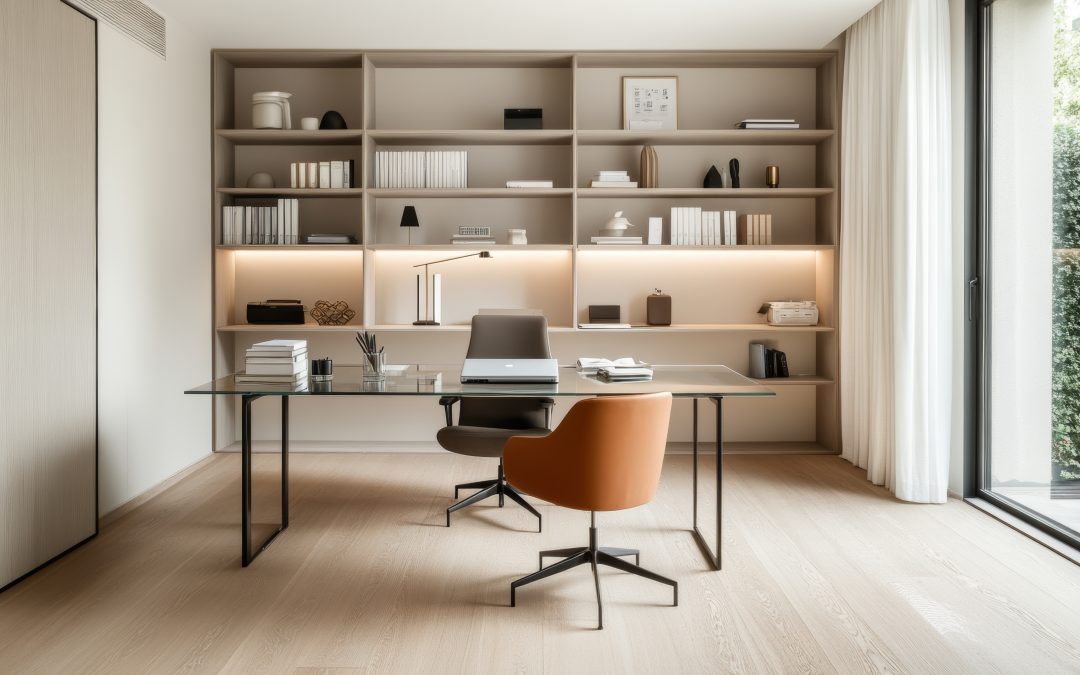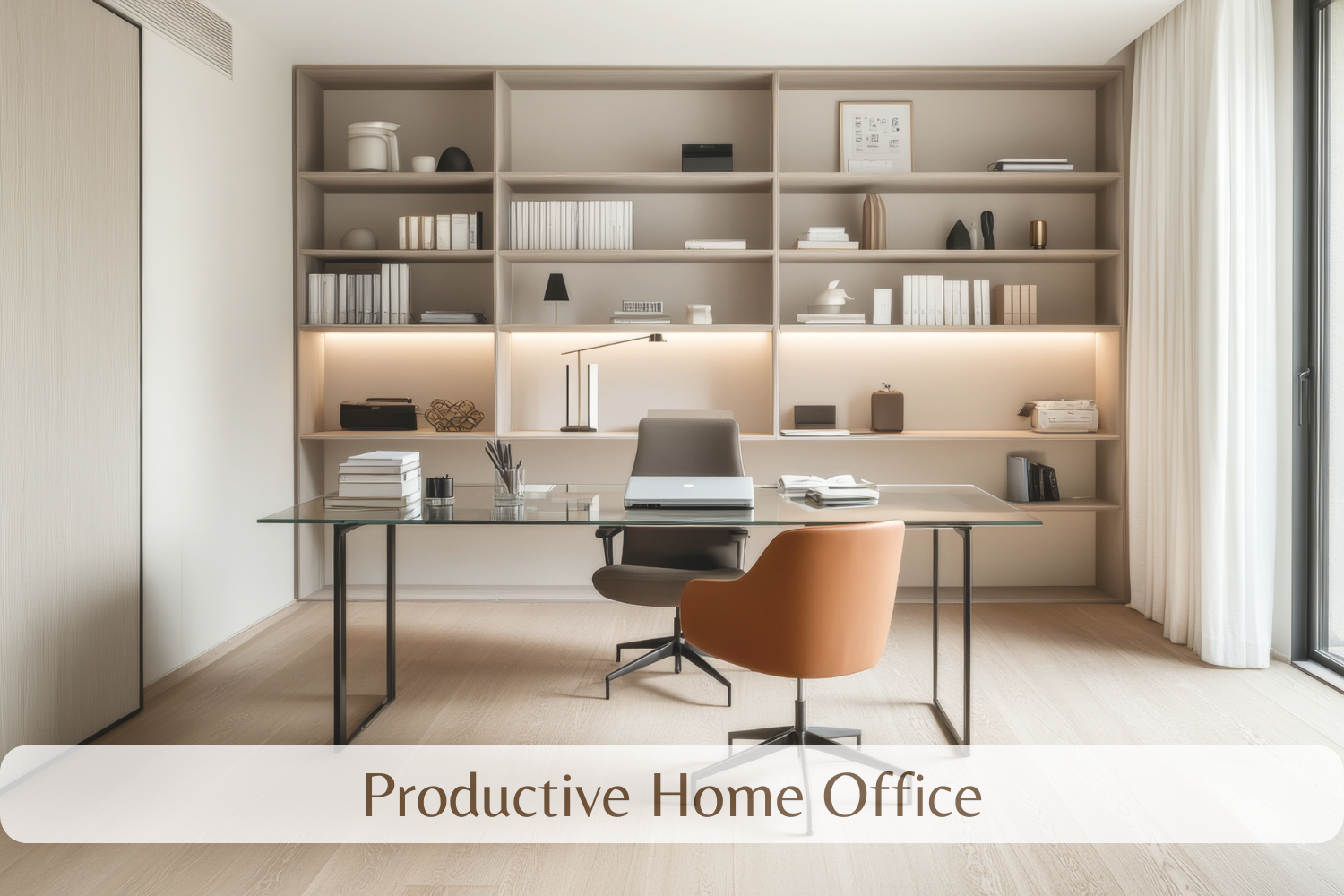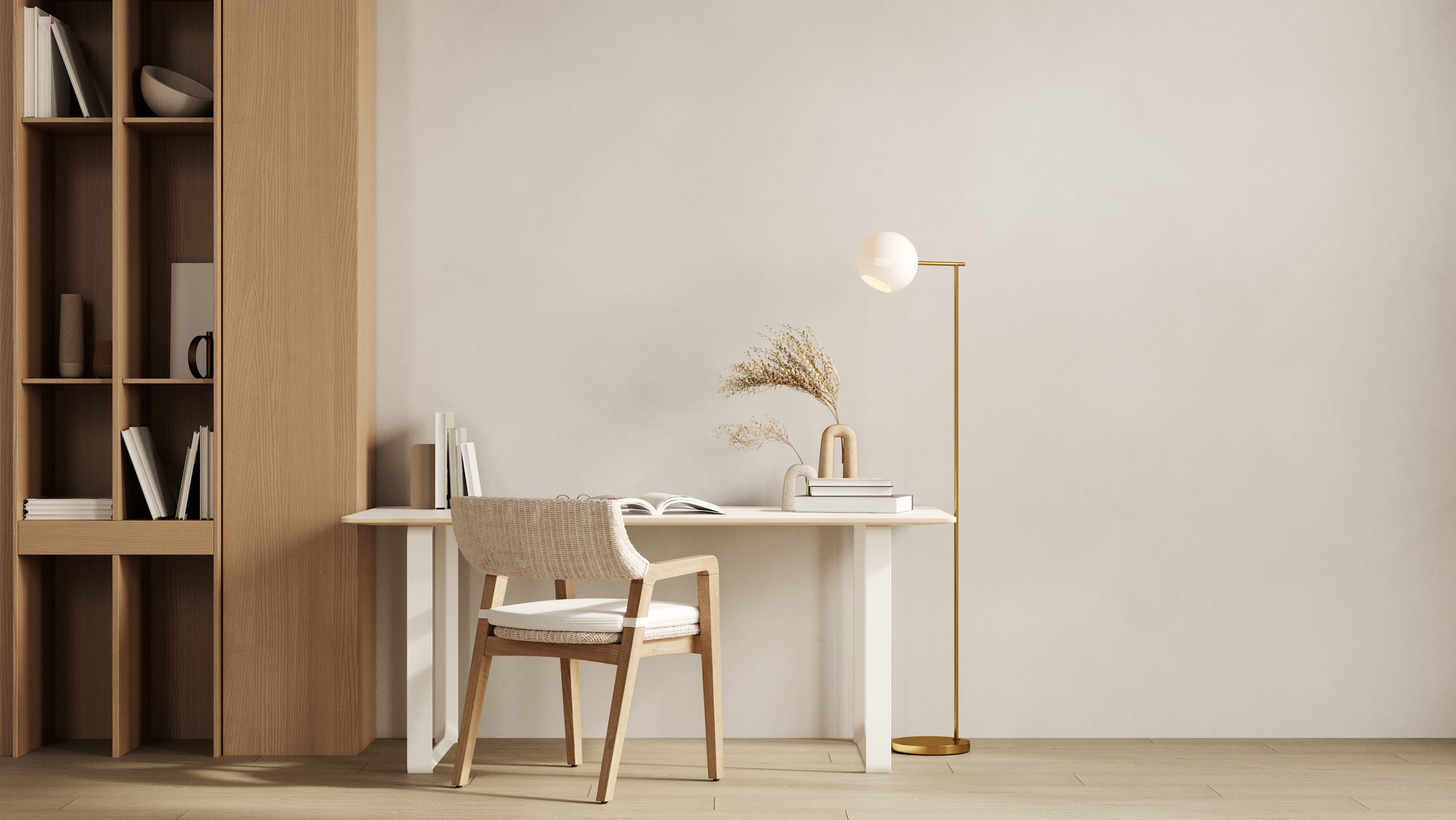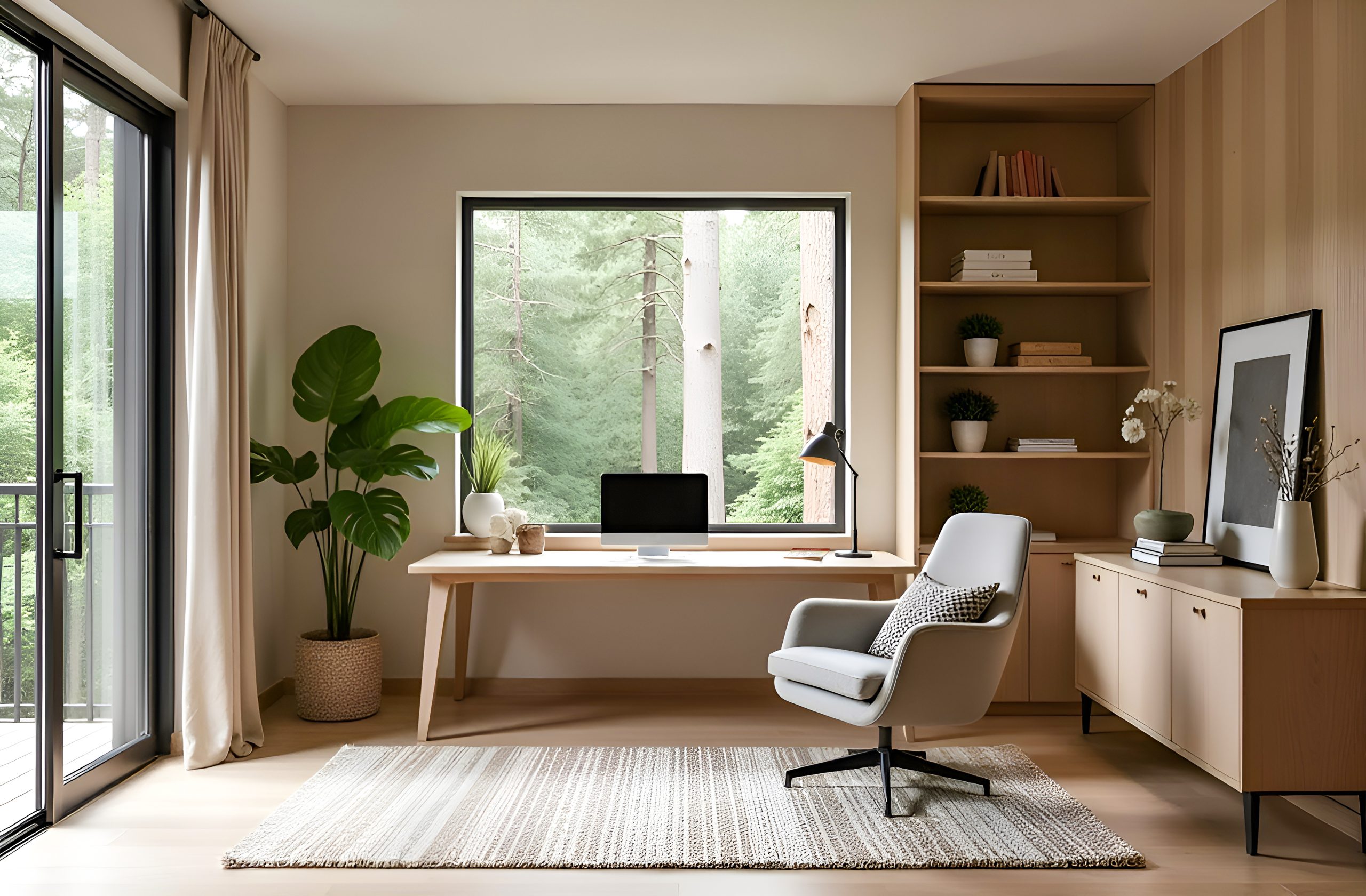
Expert Shelf Styling Tips That Will Transform Your Space
Learn how to style your shelf to elevate and transform your space. 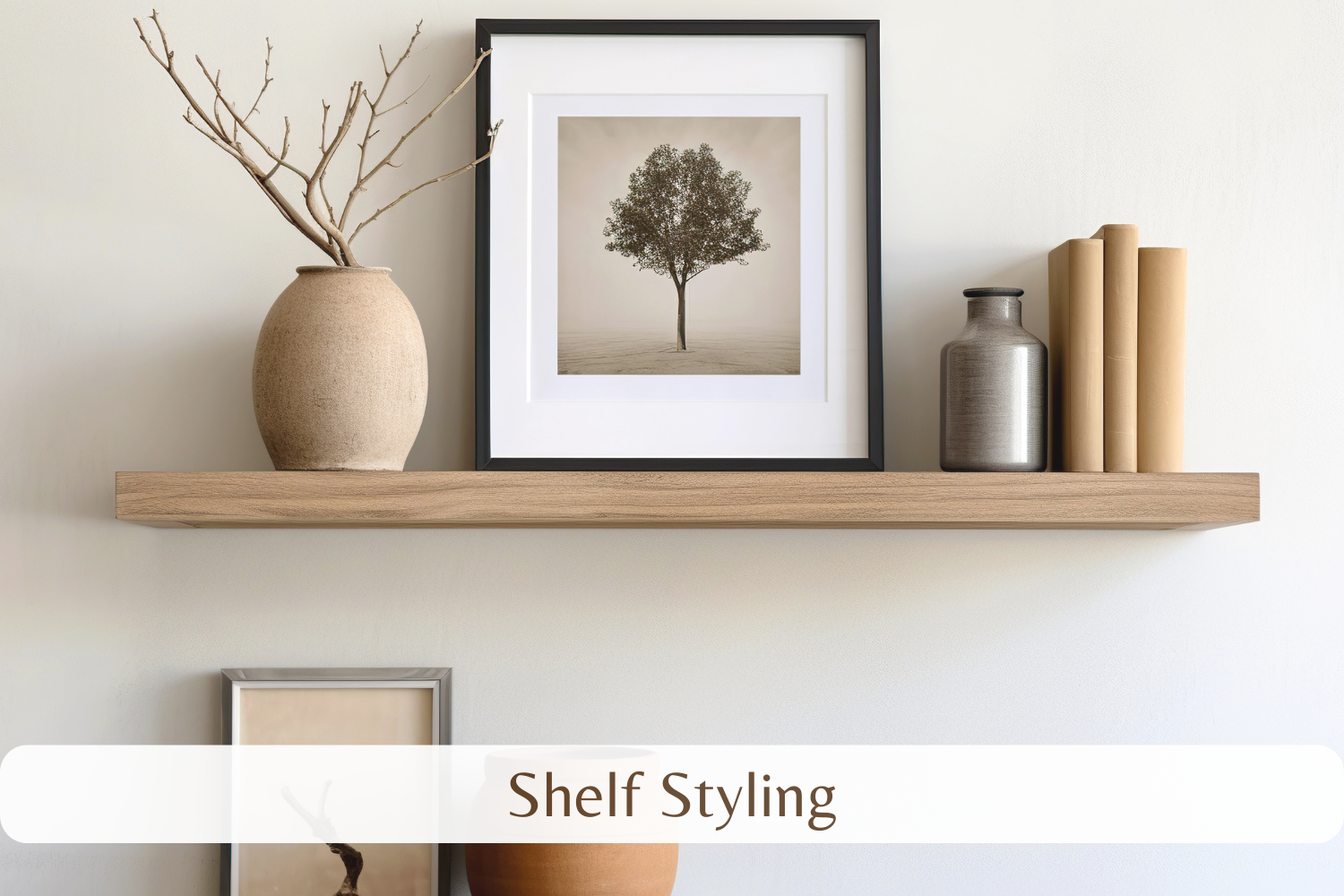
Tired of staring at bare shelves? Shelf styling can dramatically transform a room, taking it from bland to grand. It’s more than just placing objects on a surface; it’s about creating a visual story that reflects your personality and enhances your space.
This guide will equip you with expert shelf styling tips to help you curate stunning displays and elevate your interior design. Get ready to turn those empty shelves into captivating focal points!
Best Shelf Styling Tips and Tricks.
Know Your Canvas: Evaluating Your Shelf Space for Optimal Styling
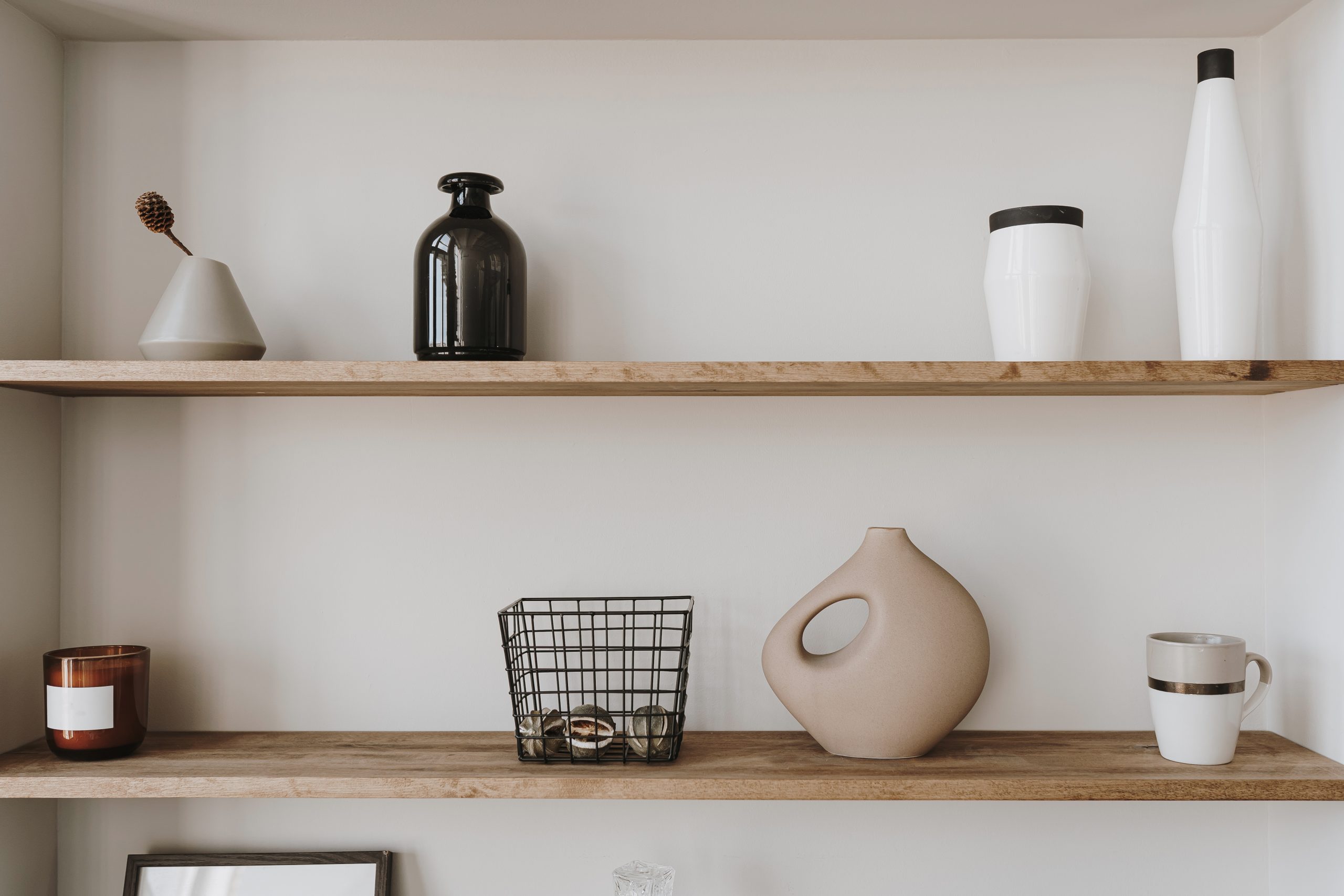
Before diving into the exciting world of shelf styling, take a moment to assess your “canvas.” Understanding your shelf space is crucial for creating a successful display. Effective shelf styling starts with knowing the dimensions and characteristics of your shelves. Consider the following:
- Size and Shape: Are your shelves long and narrow, or short and wide? Are they square, rectangular, or a unique shape? The size and shape will dictate the types and number of items you can display. Large shelves offer more flexibility, while smaller shelves require a more curated approach to shelf styling.
- Depth: How deep are your shelves? This will determine how far forward you can place items and how much layering you can achieve. Deep shelves allow for more dynamic arrangements, while shallow shelves benefit from a more streamlined shelf styling approach.
- Height: Are your shelves tall enough to accommodate larger items, or are they better suited for smaller objects? The height of your shelves will influence the overall visual balance of your shelf styling. Taller shelves can handle taller objects and create a sense of grandeur, while shorter shelves require careful consideration of height variations.
- Location and Surroundings: Where are your shelves located in the room? Are they in a prominent spot or a more secluded corner? Consider the surrounding décor and how your shelf styling can complement the overall aesthetic. Shelf styling should integrate seamlessly with the rest of your room’s design.
By carefully considering these factors, you’ll be well-equipped to make informed decisions about the types of items you choose and how you arrange them. This initial assessment is the foundation for effective shelf styling, ensuring a cohesive and visually appealing display.
Styling with Intention: Defining Your Design Goal
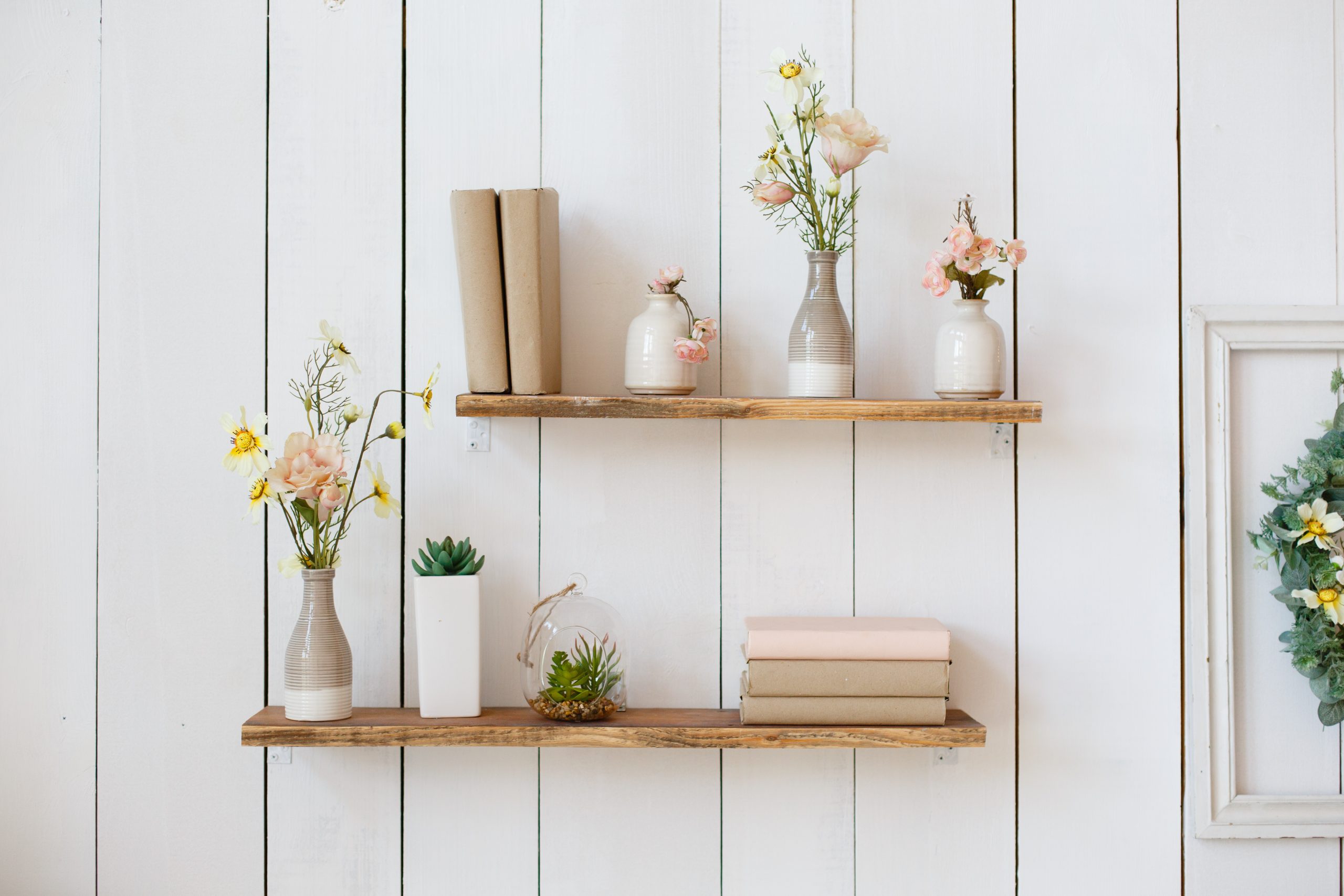
Now that you’ve assessed your shelves, it’s time to define your shelf styling vision. Just like any design project, having a clear goal in mind is essential for achieving a cohesive and impactful result. Shelf styling shouldn’t be a random assortment of objects; it should tell a story and reflect your personal style. Ask yourself:
- What overall mood or atmosphere do I want to create? Do you envision a calming and serene space, a vibrant and energetic display, or a cosy and inviting corner? Your shelf styling should contribute to the overall ambiance of the room.
- What is the existing style of my room? Is it modern, minimalist, bohemian, farmhouse, or eclectic? Your shelf styling should complement the existing décor and enhance the overall aesthetic. Consider the colours, textures, and materials already present in the room. For example, if your room has a minimalist design, your shelf styling should follow suit with clean lines and a limited colour palette.
- What specific style am I aiming for with my shelves? Do you want to create a minimalist display with a few carefully chosen objects, a maximalist arrangement with a curated collection of treasures, or something in between? Defining your shelf styling style will guide your choices and ensure a cohesive look. Some popular shelf styling themes include:
- Minimalist: Clean lines, simple objects, limited colour palette.
- Bohemian: Eclectic mix of textures, patterns, and global influences.
- Maximalist: Layered and abundant displays, showcasing collections and personal items.
- Rustic: Natural materials, earthy tones, vintage or antique accents.
- Modern: Sleek and contemporary, with a focus on geometric shapes and bold colors.
By defining your shelf styling vision, you’ll create a roadmap for your project. This will help you choose the right items and arrange them in a way that reflects your personal style and enhances your space. Effective shelf styling is about creating a cohesive and intentional display that adds personality and visual interest to your room.
The Art of Curation: Selecting Items that Tell a Story
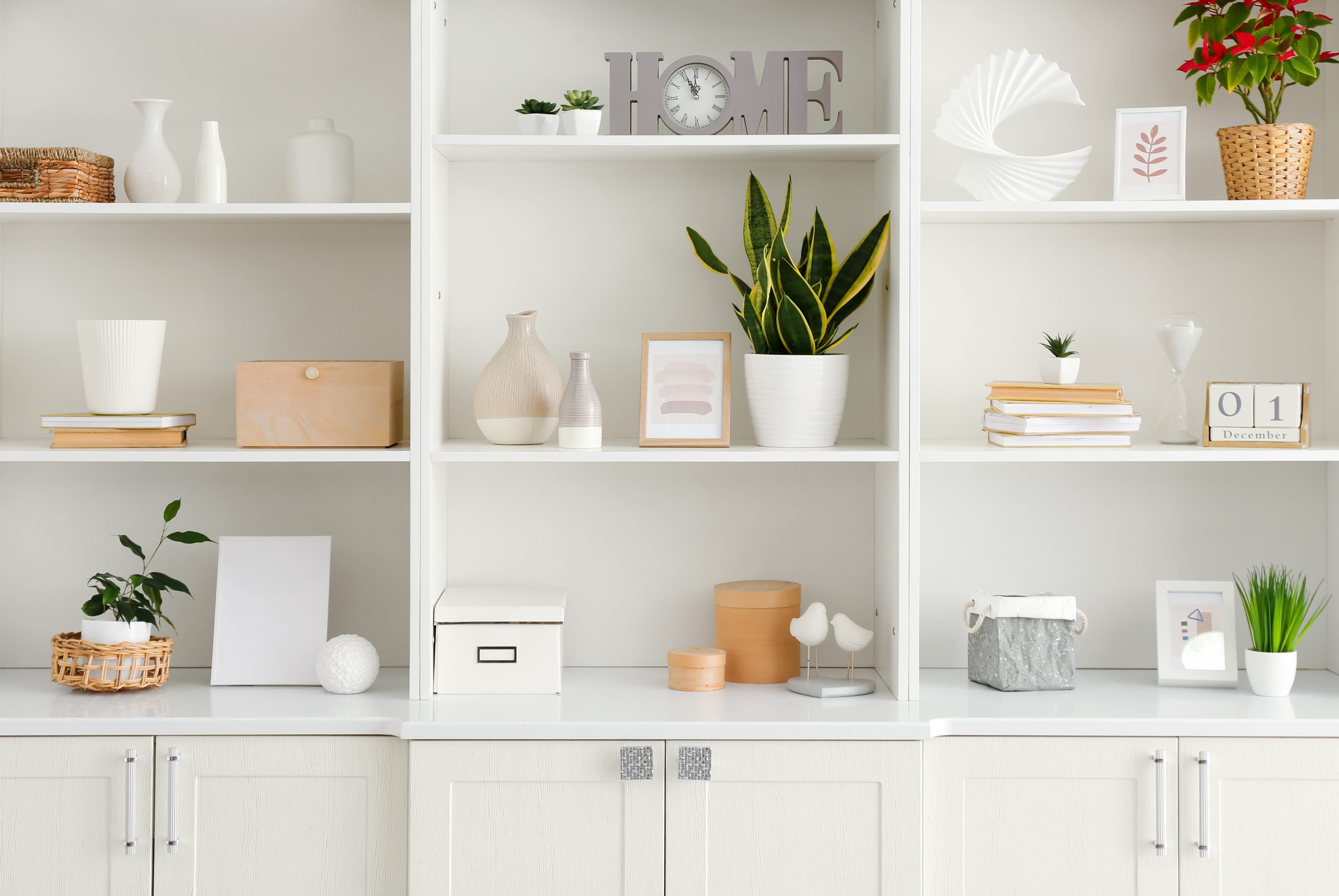
With your shelf styling vision in mind, it’s time to gather the items that will bring your shelves to life. This is where the fun begins! Curation is key to successful shelf styling. It’s not about randomly placing objects on a shelf; it’s about carefully selecting items that reflect your personality, interests, and style. Think of your shelves as a mini-gallery where you can showcase your favorite treasures and create a visual narrative.
Consider incorporating a variety of items to add depth and interest to your shelf styling:
- Books: Books are a staple in shelf styling. They add height, texture, and personality. Arrange them both vertically and horizontally to create visual interest. Choose books with covers that complement your color scheme or showcase your interests. Don’t be afraid to use books as decorative elements, even if you haven’t read them all!
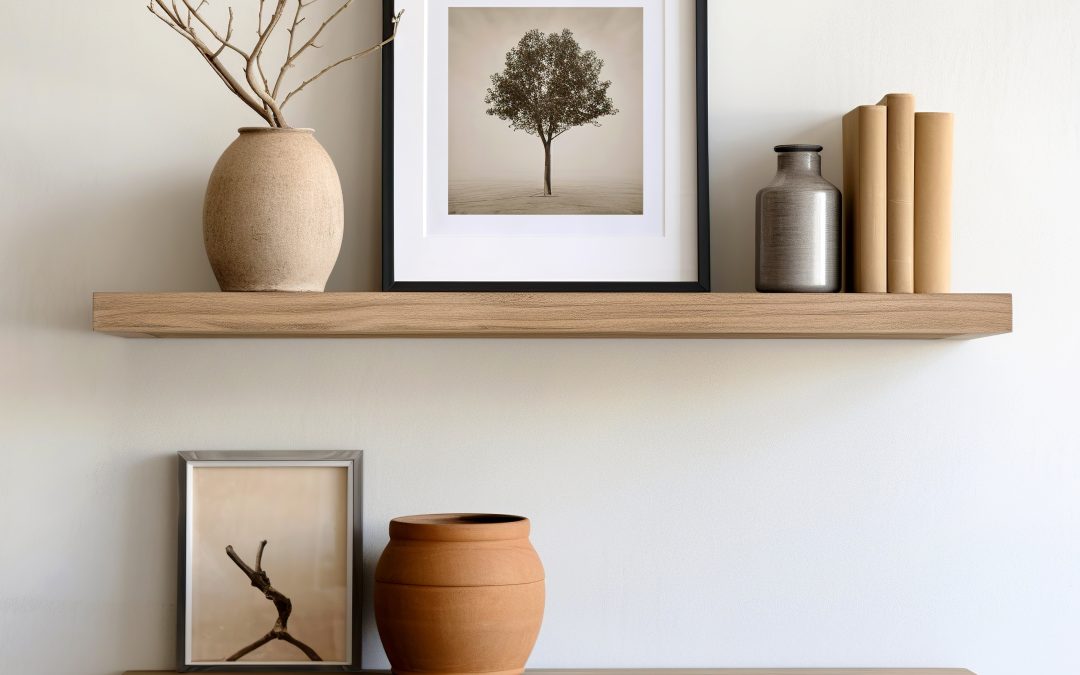
- Decorative Objects: Vases, sculptures, bowls, candlesticks, and other decorative objects can add personality and visual appeal to your shelves. Choose items that complement your chosen style and colour palette. Look for unique pieces that spark joy and tell a story.
- Plants: Greenery adds life and vibrancy to any space, including your shelves. Incorporate small potted plants, trailing vines, or dried botanicals to add a touch of nature. Choose plants that thrive in the lighting conditions of your shelves.
- Personal Mementos: Shelf styling is a great opportunity to display cherished mementos and travel souvenirs. These items add a personal touch and tell a story about your life and experiences. Frame photos, display travel trinkets, or showcase handmade items.
- Art and Prints: Framed art prints, photographs, or even small canvases can add a pop of color and personality to your shelves. Choose pieces that complement your overall style and colour scheme.
Remember, thoughtful curation is key to successful shelf styling. Don’t be afraid to experiment with different combinations of items until you find an arrangement that you love. The goal is to create a display that reflects your unique style and enhances your space.
Texture Play: Incorporating a Variety of Materials for Visual Interest
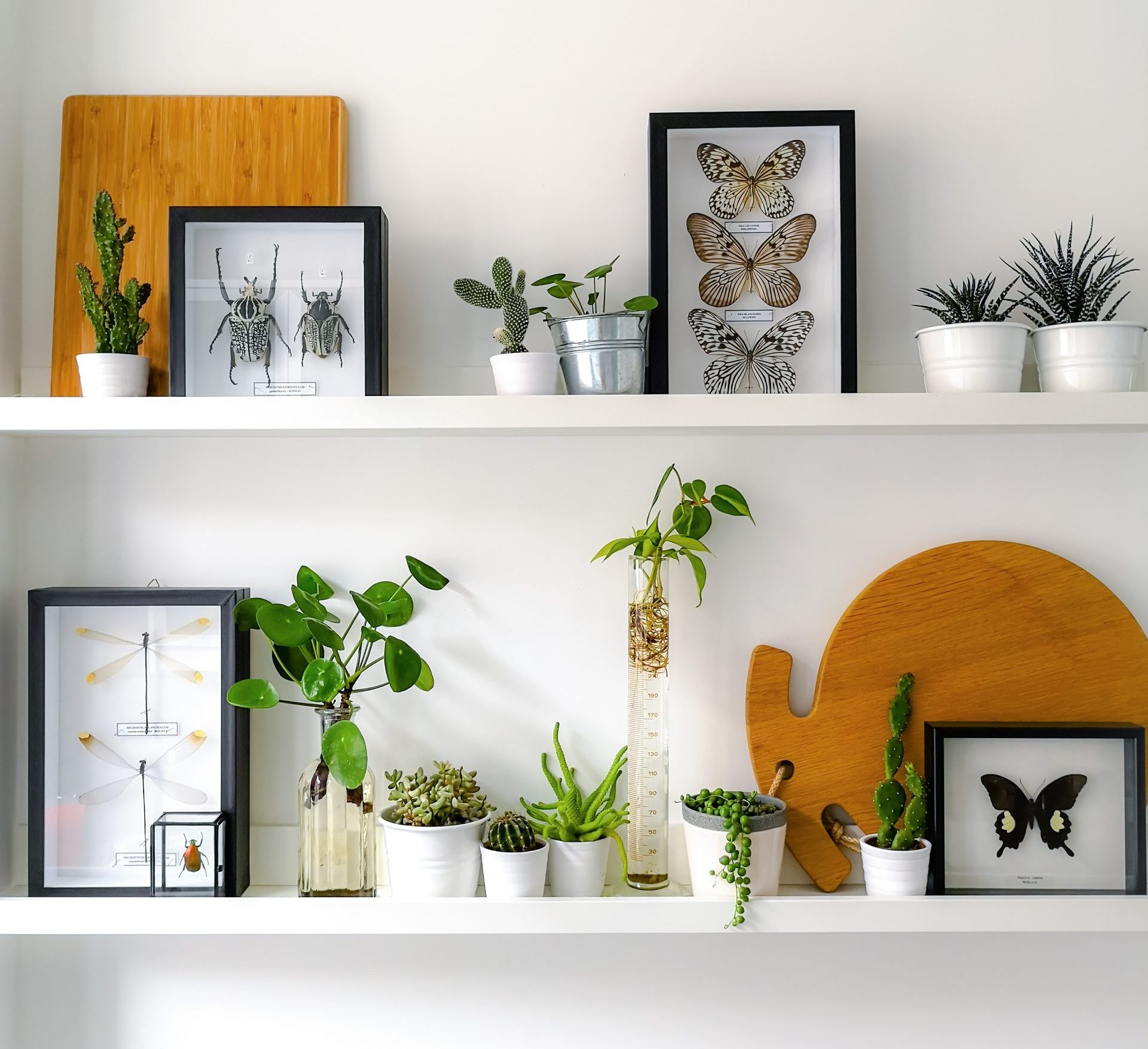
Once you’ve gathered your shelf styling treasures, it’s time to start thinking about how to arrange them. One of the key elements of successful shelf styling is incorporating a variety of textures and materials. This adds depth, dimension, and visual interest to your shelves, preventing them from looking flat or one-dimensional.
Consider the following textures and materials when styling your shelves:
- Wood: Wood adds warmth and natural beauty to your shelves. Incorporate wooden boxes, trays, bowls, or sculptures. Different types of wood, such as light oak, dark walnut, or rustic reclaimed wood, can create different moods and styles.
- Metal: Metallics add a touch of glamour and shine. Incorporate brass, copper, silver, or gold accents through candle holders, frames, or decorative objects. Metallics can also create a modern or industrial feel.
- Ceramic: Ceramic pieces, such as vases, bowls, or figurines, add a touch of artistry and craftsmanship. Consider using ceramics with different glazes and finishes to add variety.
- Glass: Glass adds a touch of elegance and reflectivity. Incorporate glass vases, jars, or decorative objects. Clear glass can create a sense of airiness, while colored glass can add a pop of color.
- Textiles: Textiles add softness and warmth. Incorporate woven baskets, small rugs, or decorative pillows. Textiles can also add pattern and colour to your shelves.
- Natural Elements: Incorporate natural elements such as shells, stones, or driftwood to add an organic touch. These elements can create a calming and grounding effect.
By mixing and matching different textures and materials, you’ll create a visually dynamic and engaging display. Don’t be afraid to experiment with different combinations until you find a balance that you love. Effective shelf styling is about creating a layered and textured look that draws the eye and adds personality to your space. Remember, the goal is to enhance your shelf styling by creating a visually rich and tactile experience.
Size Matters: Creating Visual Dynamics with Varying Heights and Scales
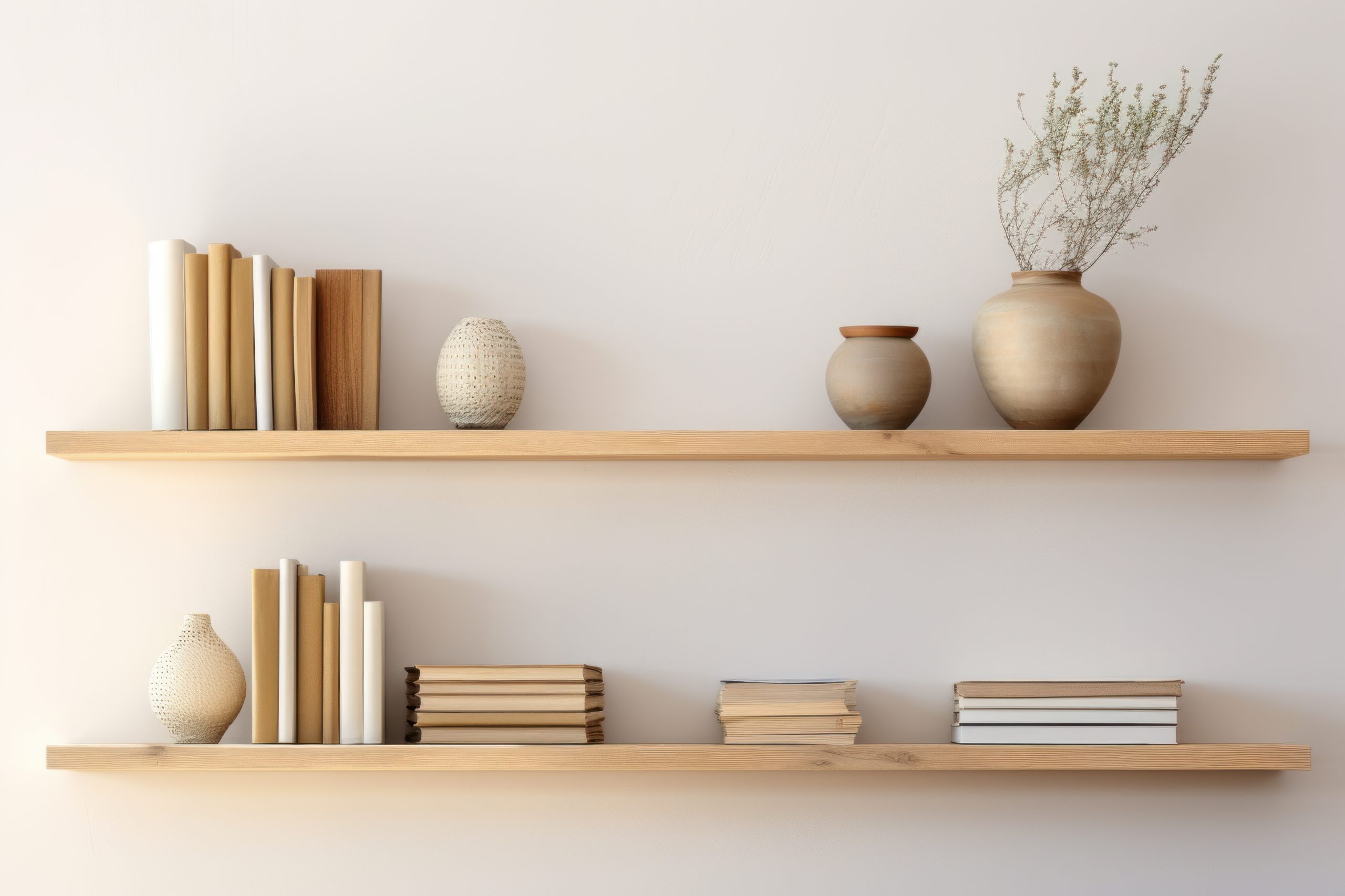
Varying the heights and sizes of your objects is another crucial element of successful shelf styling. A monotonous display of similarly sized items can look static and uninteresting. By incorporating objects of different heights and scales, you create visual interest, depth, and a sense of movement. Here’s how to play with heights and sizes for impactful shelf styling:
- Stacking: Stack books both vertically and horizontally to create different levels and add height. You can also stack boxes or other decorative objects to achieve a similar effect. Stacking adds visual weight and creates a sense of stability.
- Using Risers: Use books, boxes, or small stands as risers to elevate smaller objects and create varying heights. This allows smaller items to be seen and prevents them from getting lost among larger items. Risers also add depth and dimension to your shelf styling.
- Visual Triangles: Imagine drawing invisible triangles connecting the tallest items on your shelves. This technique, known as creating visual triangles, helps to guide the eye and create a sense of balance and harmony. Vary the heights of the triangle peaks to keep the display dynamic.
- Layering: Place smaller items in front of larger ones to create depth and layers. This prevents the display from looking flat and adds visual interest. Layering also allows you to showcase a greater number of items without overcrowding the shelves.
- Balancing Act: Avoid placing all the tall items on one side and all the short items on the other. Distribute heights and sizes evenly across your shelves to create visual balance. This prevents the display from feeling lopsided or unbalanced.
By playing with heights and sizes, you can transform your shelves from static displays into dynamic and engaging focal points. This technique adds visual interest, depth, and a sense of movement to your shelf styling, making it more appealing and captivating. Remember, effective shelf styling is about creating a visually balanced and harmonious display that draws the eye and enhances your space.
Styling Secrets: Techniques to Transform Your Shelves
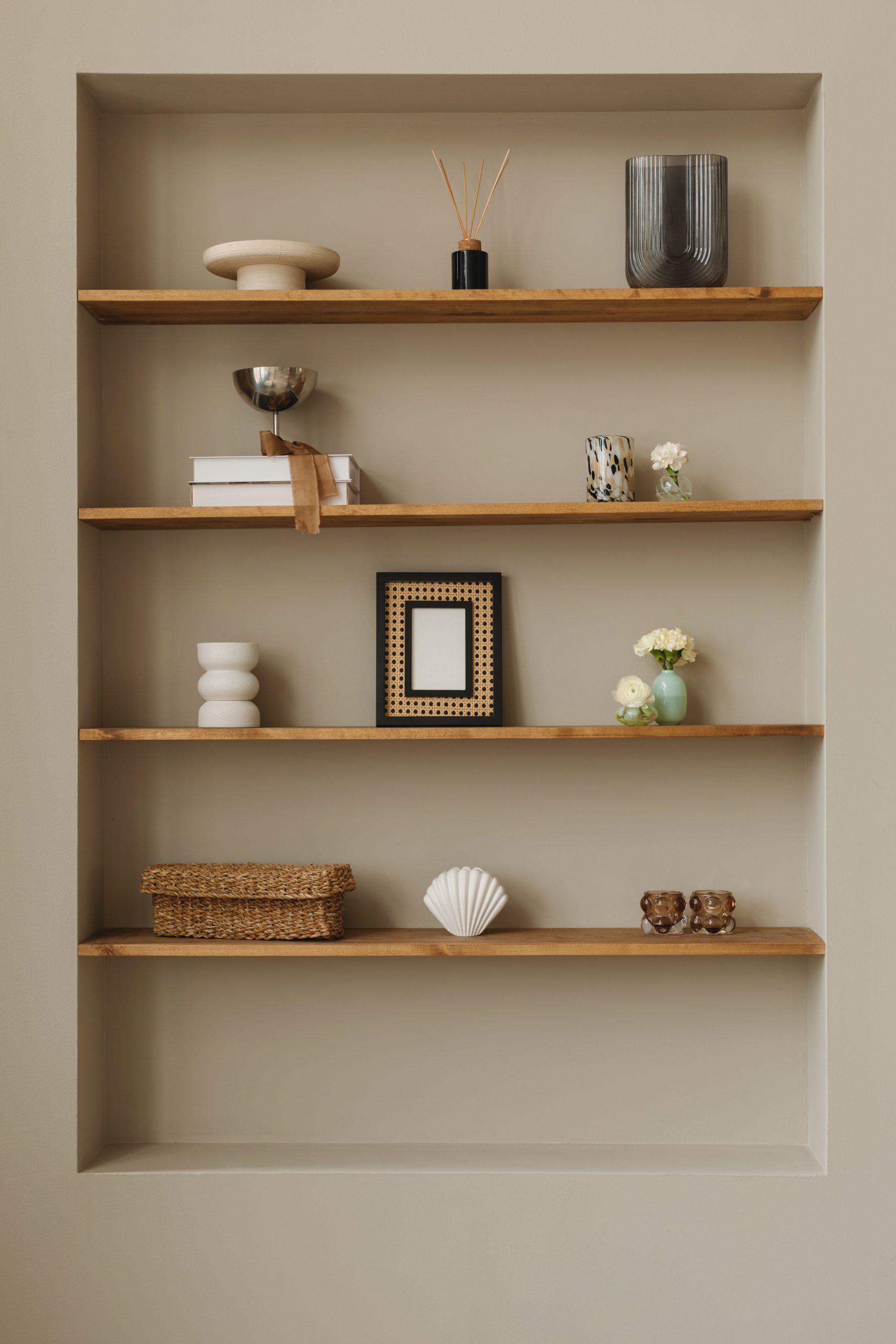
Now that you understand the importance of texture, height, and scale, let’s delve into some specific styling techniques that will bring your shelves to life. These shelf styling tips will help you arrange your curated collection in a way that is both visually appealing and reflects your personal style.
- The Rule of Thirds: Just like in photography, the rule of thirds can be applied to shelf styling. Imagine dividing your shelf into thirds both horizontally and vertically. Placing objects at the intersection of these lines creates a more visually appealing and balanced arrangement. This technique helps to avoid placing items directly in the center, which can look static.
- Visual Balance: Strive for visual balance by distributing visual weight evenly across your shelves. Balance can be achieved through symmetry, asymmetry, or radial balance. Symmetrical arrangements create a formal and traditional look, while asymmetrical arrangements are more dynamic and modern. Radial balance involves arranging items around a central point.
- Creating Depth and Layers: Layering objects adds depth and dimension to your shelves. Place smaller items in front of larger ones, and use books or boxes to create different levels. This technique prevents the display from looking flat and adds visual interest. Layering also allows you to showcase a greater number of items without overcrowding the shelves.
- Incorporating Greenery: Plants add life and vibrancy to any space, including your shelves. Incorporate small potted plants, trailing vines, or dried botanicals to add a touch of nature and freshness. Choose plants that thrive in the lighting conditions of your shelves and complement your overall style. Greenery softens the hard lines of shelves and adds a touch of organic beauty.
- Negative Space: Don’t be afraid to leave some empty space on your shelves. Negative space, also known as white space, is just as important as the objects themselves. It allows the eye to rest and prevents the display from looking cluttered. Negative space gives your curated items room to breathe and stand out.
By implementing these shelf styling techniques, you can create a display that is both visually appealing and reflects your personal style. Remember, shelf styling is an art form, so don’t be afraid to experiment and have fun with it! These techniques will help you achieve a polished and professional look, transforming your shelves into captivating focal points.
Styling Slip-Ups: Common Mistakes to Avoid
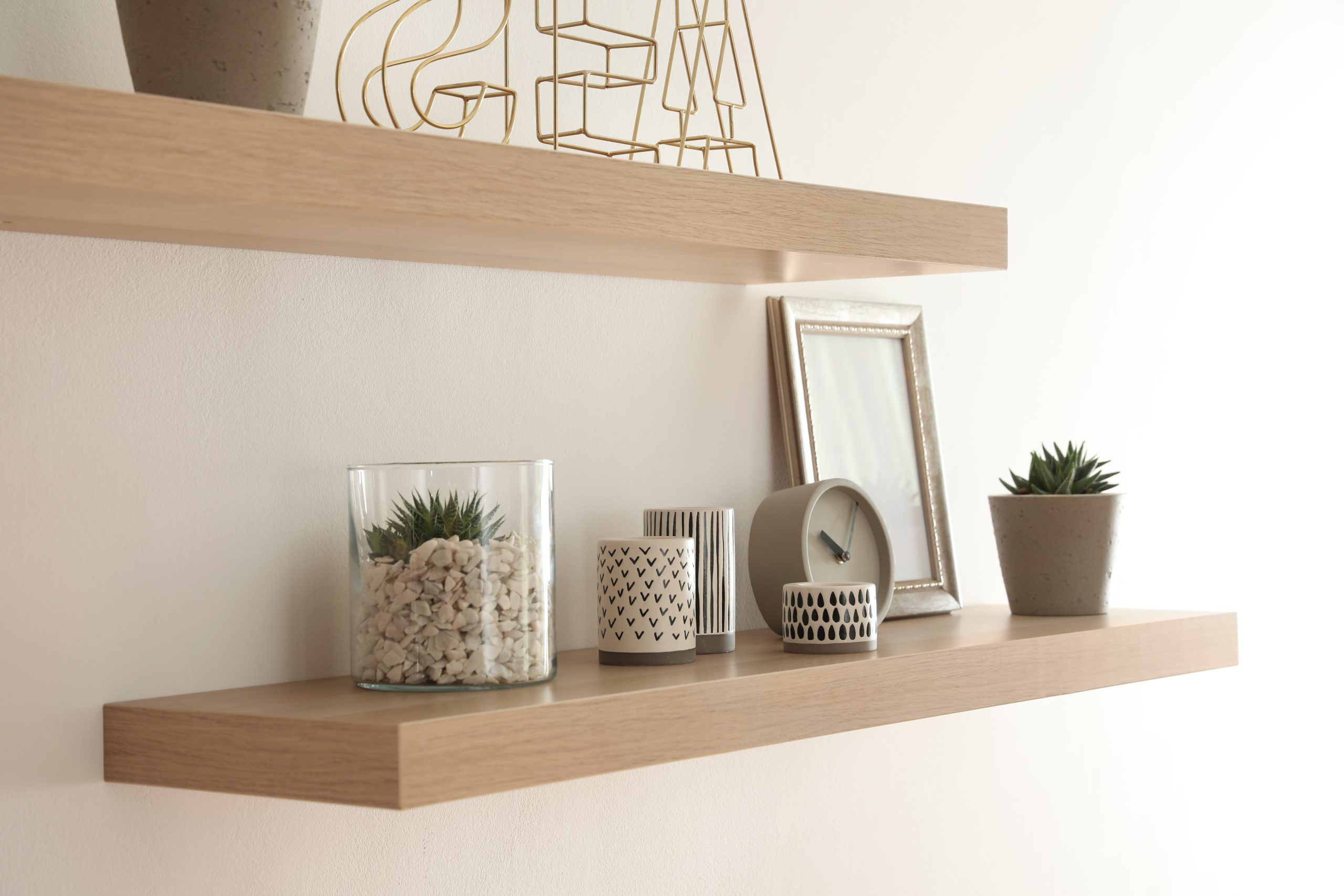
Even with the best intentions, it’s easy to make a few missteps when styling shelves. Being aware of these common shelf styling mistakes can help you avoid them and create a more polished and professional-looking display. Here are some pitfalls to watch out for:
- Overcrowding: One of the most common shelf styling mistakes is overcrowding. Too many items crammed onto a shelf can create a cluttered and chaotic look. Remember the importance of negative space. Give your objects room to breathe and allow the eye to rest. Edit ruthlessly and prioritise quality over quantity. A few well-chosen items will have a greater impact than a cluttered mess.
- Neglecting the Back of the Shelf: The back of the shelf is often overlooked, but it’s a valuable opportunity to add depth and visual interest. Consider painting the back of the shelf a contrasting colour, adding wallpaper, or using a mirrored back to create an illusion of depth. This simple step can elevate your shelf styling and make it more visually appealing.
- Lack of Cohesion and Theme: A cohesive look is essential for successful shelf styling. Avoid randomly placing items on the shelf without any thought to their relationship to each other. Choose a theme or colour palette to tie the items together and create a sense of unity. This could be a specific style, such as minimalist or bohemian, or a colour scheme that complements the room’s décor.
- Ignoring Scale and Proportion: Using items that are all the same size and scale can create a monotonous and uninteresting display. Vary the heights and sizes of your objects to create visual interest and depth. Use the visual triangle technique and incorporate risers to elevate smaller items.
- Forgetting Functionality: While aesthetics are important, don’t forget about functionality. If you’re styling shelves in a high-traffic area, make sure the items are arranged in a way that is practical and accessible. Avoid placing fragile items in unstable positions.
By avoiding these common shelf styling mistakes, you can create a display that is both beautiful and functional. Remember, shelf styling is about creating a cohesive and visually appealing arrangement that enhances your space and reflects your personal style. Avoiding these pitfalls will help you achieve a polished and professional look.
Style Showcase: Bringing Your Shelf Styling Vision to Reality
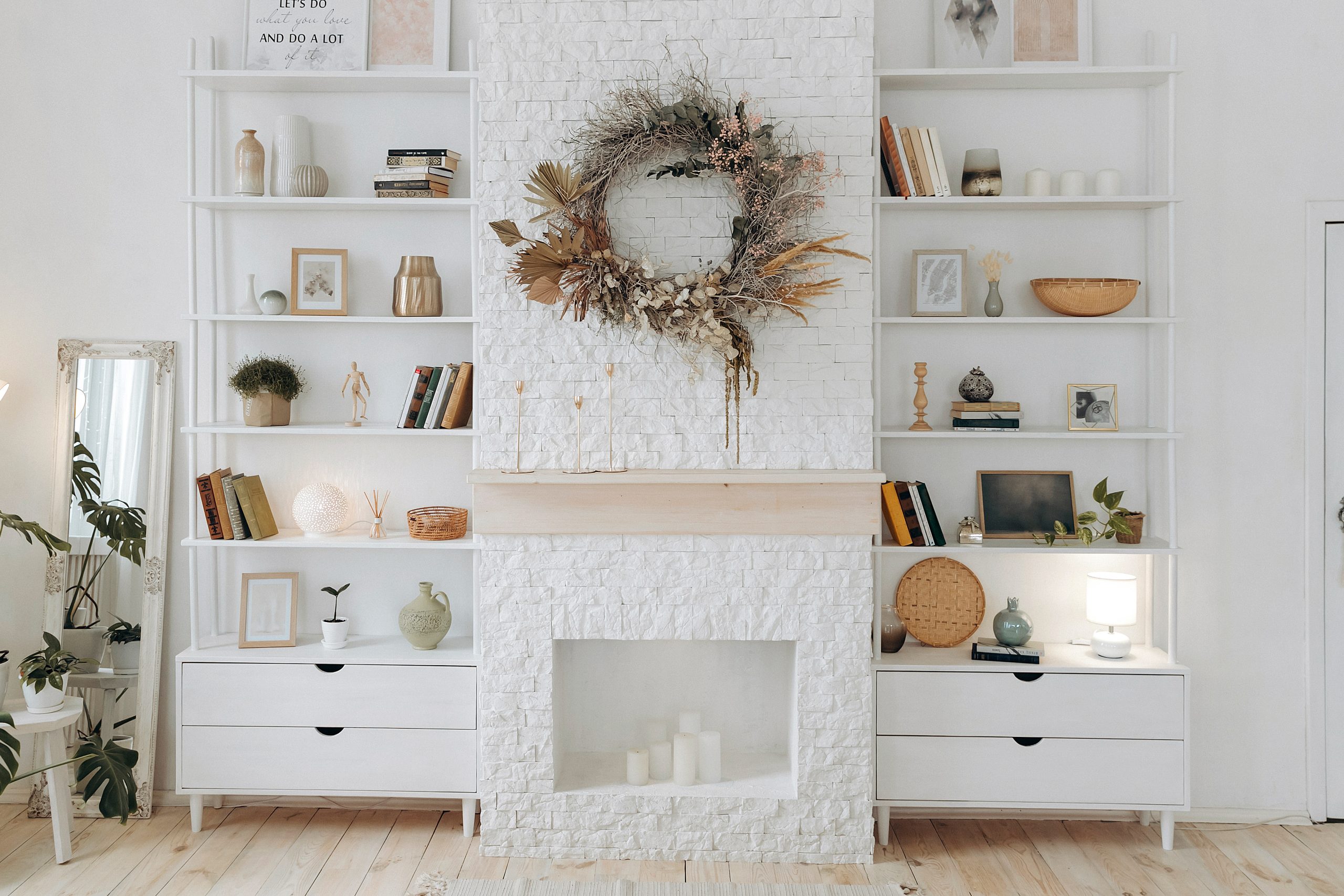
You’ve assessed your shelves, defined your vision, curated your collection, mastered styling techniques, and learned to avoid common mistakes. Now it’s time to put it all together and create a shelf styling masterpiece that truly reflects your personal style. This is where your creativity shines!
Here’s a recap of the key elements to keep in mind as you bring your shelf styling vision to reality:
- Balance: Strive for visual balance by distributing visual weight evenly across your shelves. Use the rule of thirds and visual triangle techniques to achieve a harmonious arrangement.
- Variety: Incorporate a variety of textures, materials, heights, and sizes to create a dynamic and visually interesting display. Mix and match different elements to add depth and dimension.
- Cohesion: Choose a theme or colour palette to tie the items together and create a sense of unity. This will ensure that your shelves look cohesive and intentional, rather than random and cluttered.
- Personality: Don’t be afraid to inject your personality into your shelf styling. Display items that you love and that tell a story about you. This is your chance to showcase your unique style and create a space that truly feels like home.
- Experimentation: Shelf styling is an art form, so don’t be afraid to experiment and have fun with it! Try different arrangements, move things around, and see what works best for you. There’s no right or wrong way to style a shelf, as long as you love the result.
With these expert shelf styling tips, you’re well-equipped to transform your shelves into stunning focal points. Remember, shelf styling is an ongoing process. As your style evolves and you acquire new treasures, don’t be afraid to refresh your shelves and create new displays. Embrace the opportunity to express your creativity and make your space truly your own.
Transforming your living space with stylish shelves is an achievable goal with the right guidance. From assessing your shelf space and curating a captivating collection to mastering styling techniques and avoiding common pitfalls, you now possess the knowledge to elevate your home décor. Remember, shelf styling is more than just placing objects on a surface; it’s an opportunity to express your personality, tell your story, and create a visually stunning focal point.