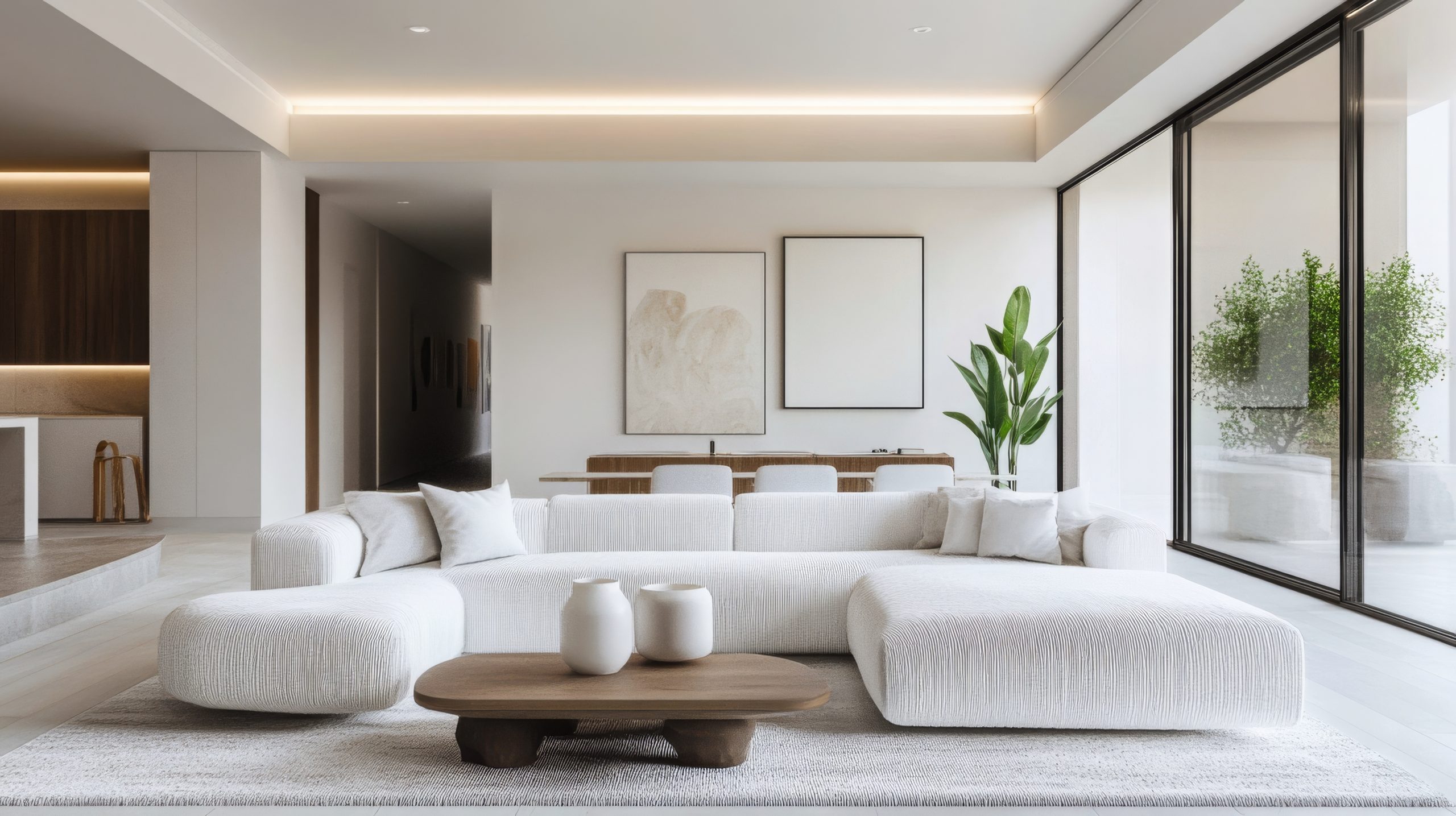
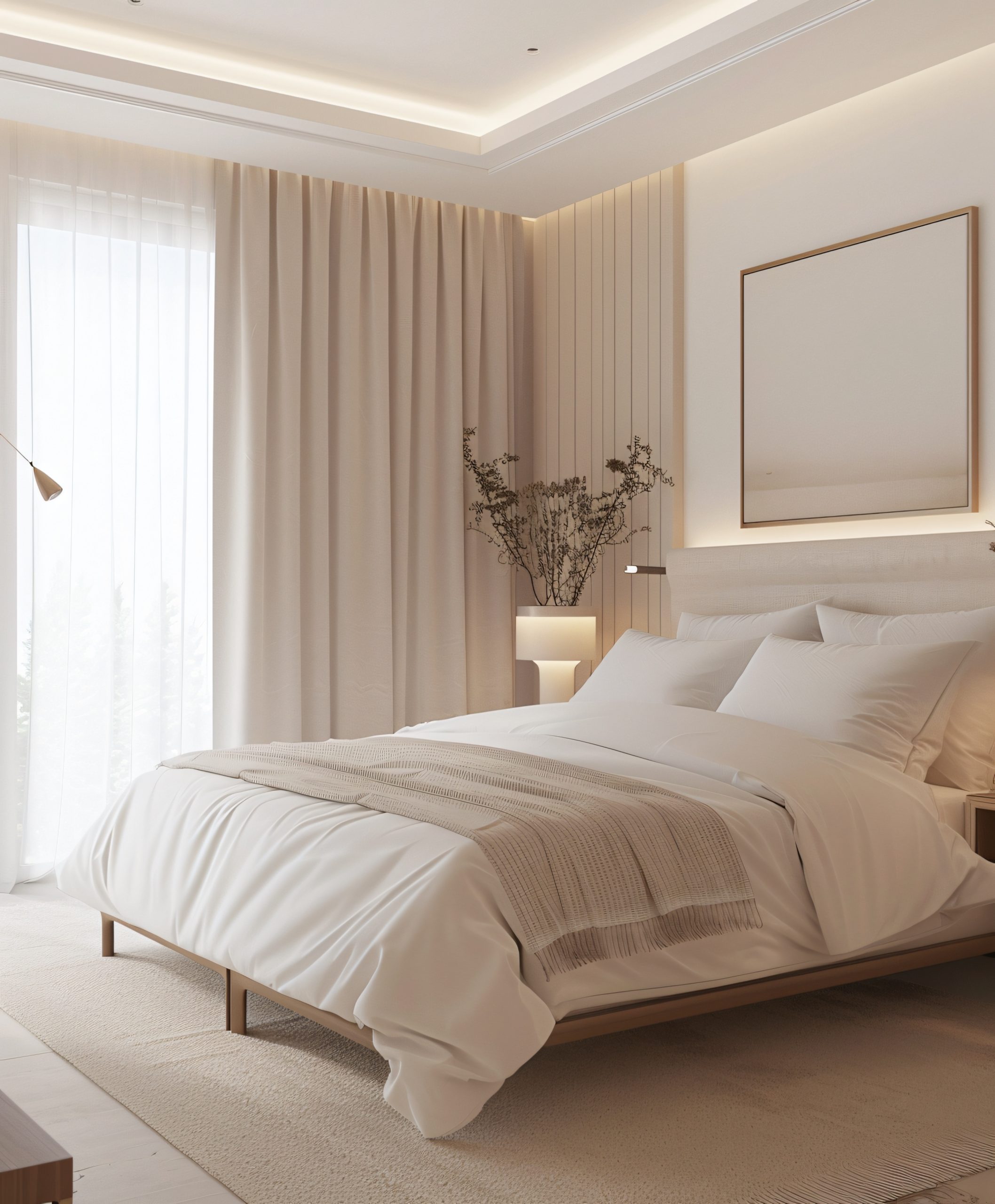
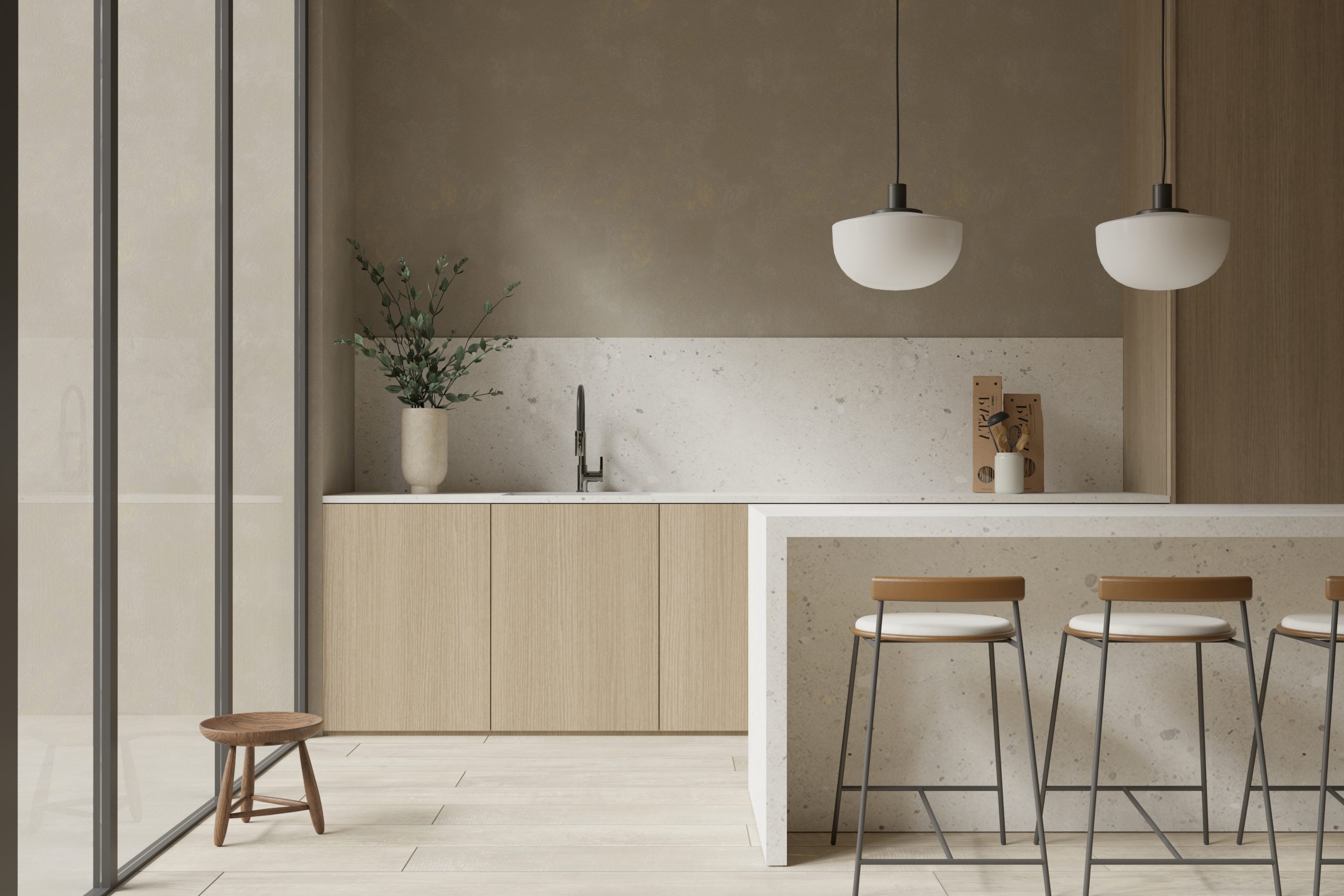
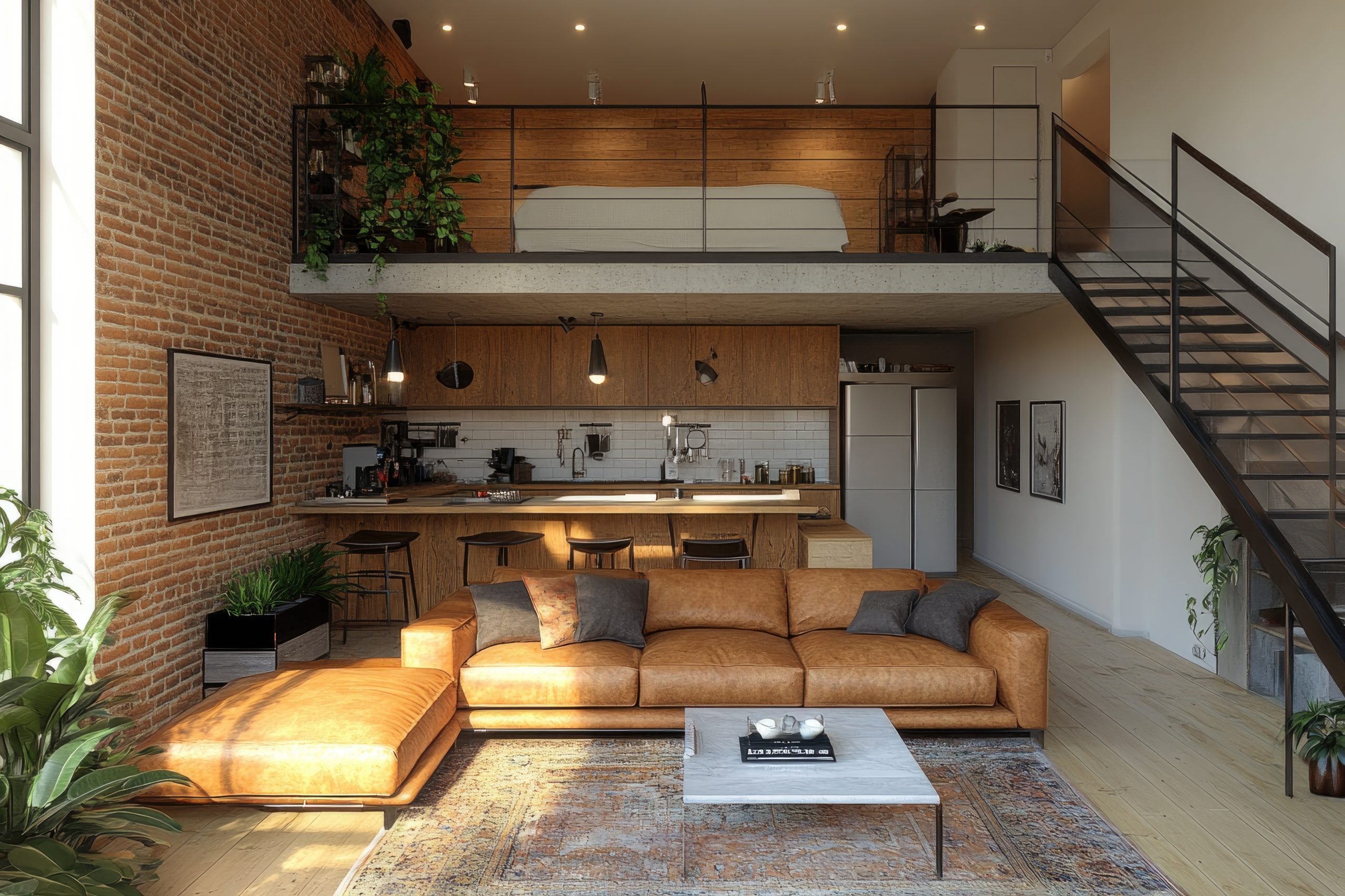
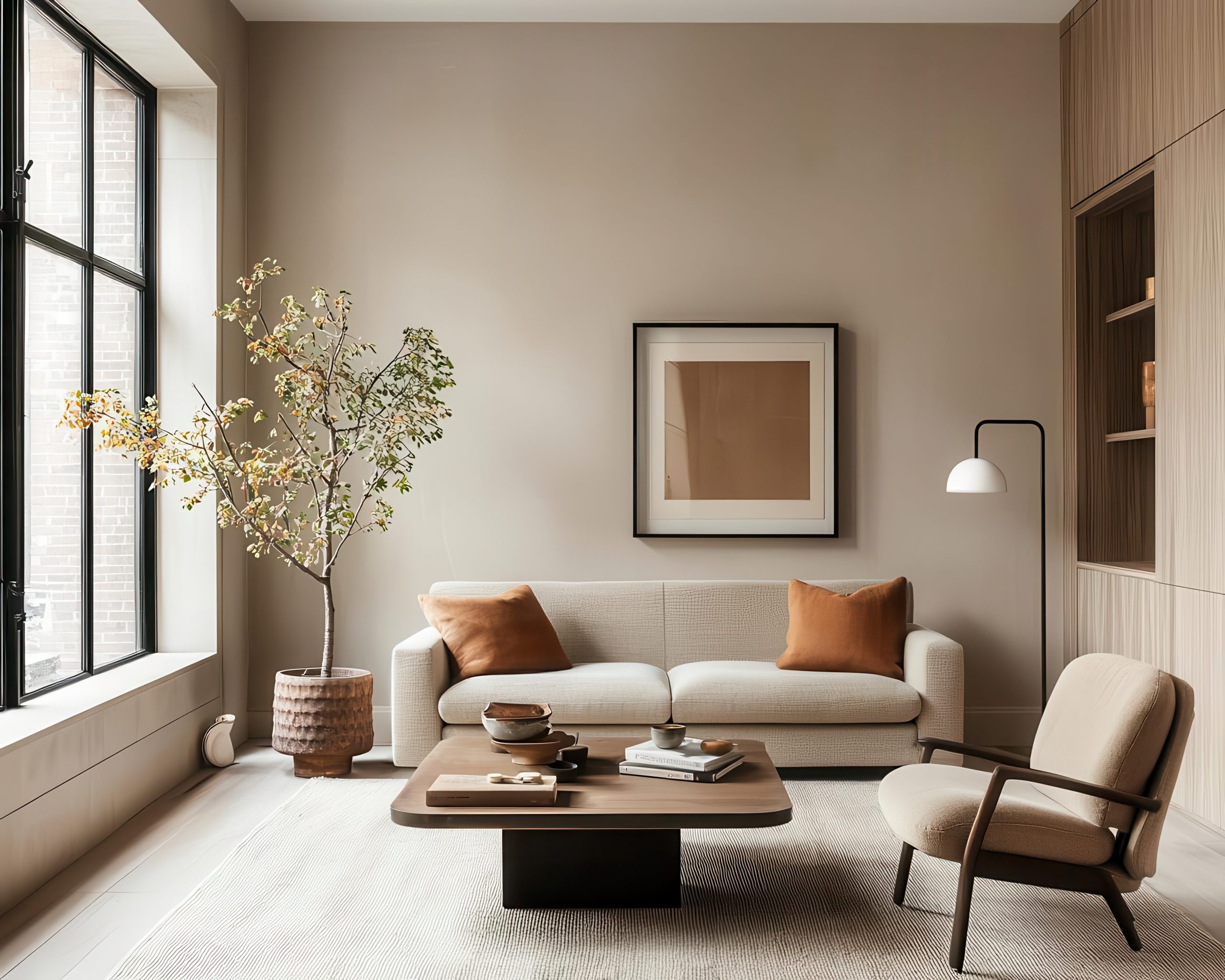
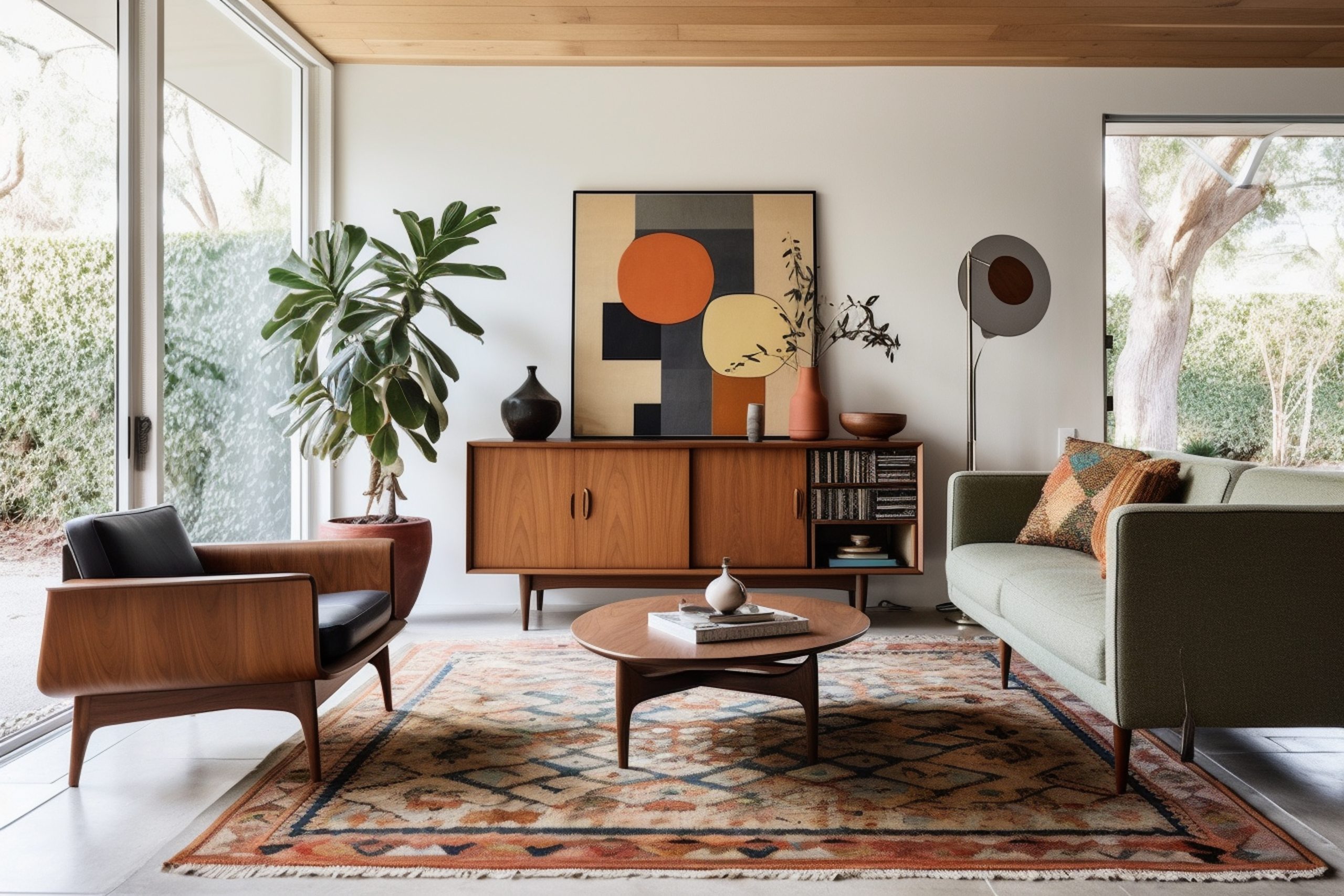
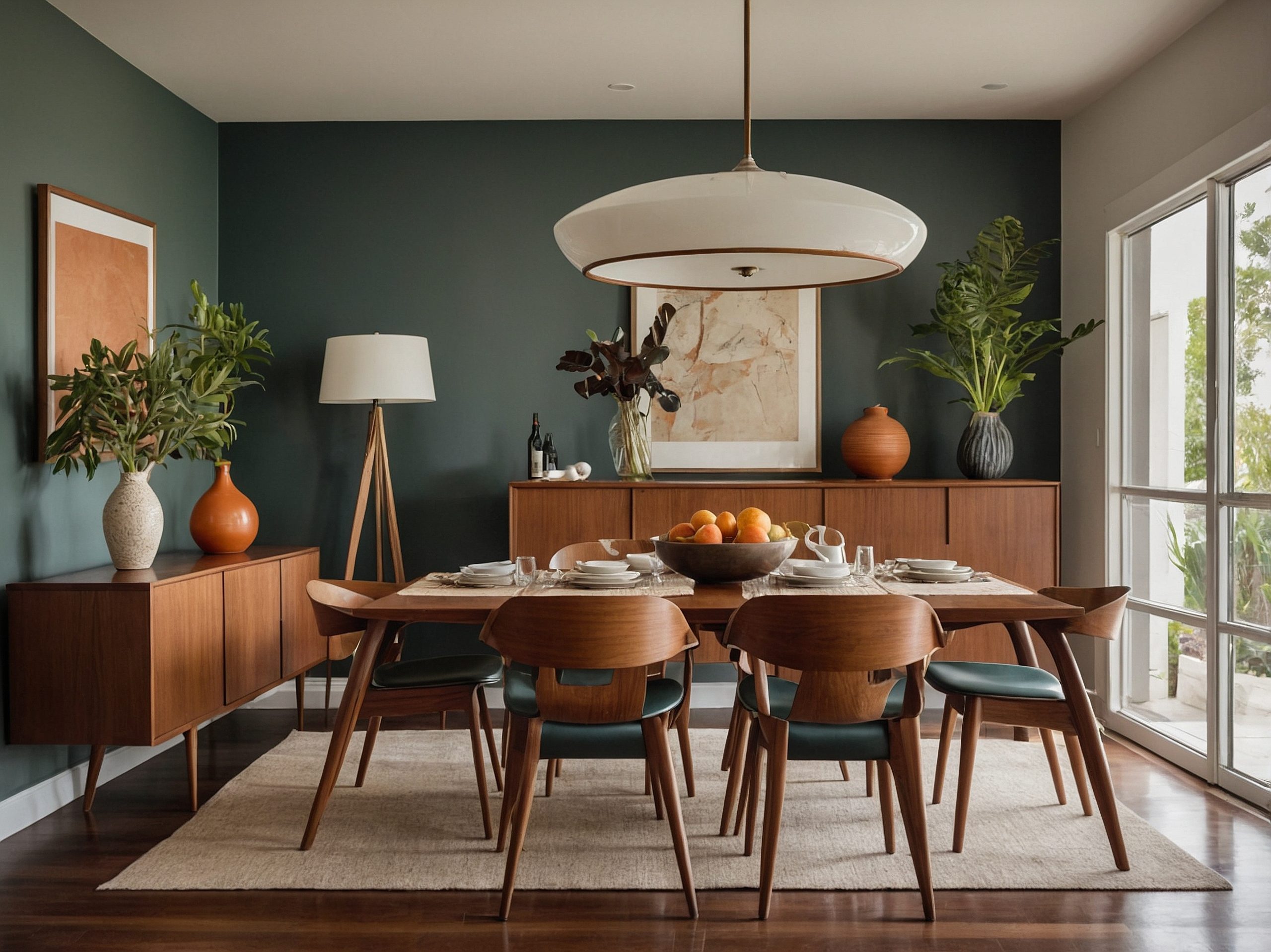
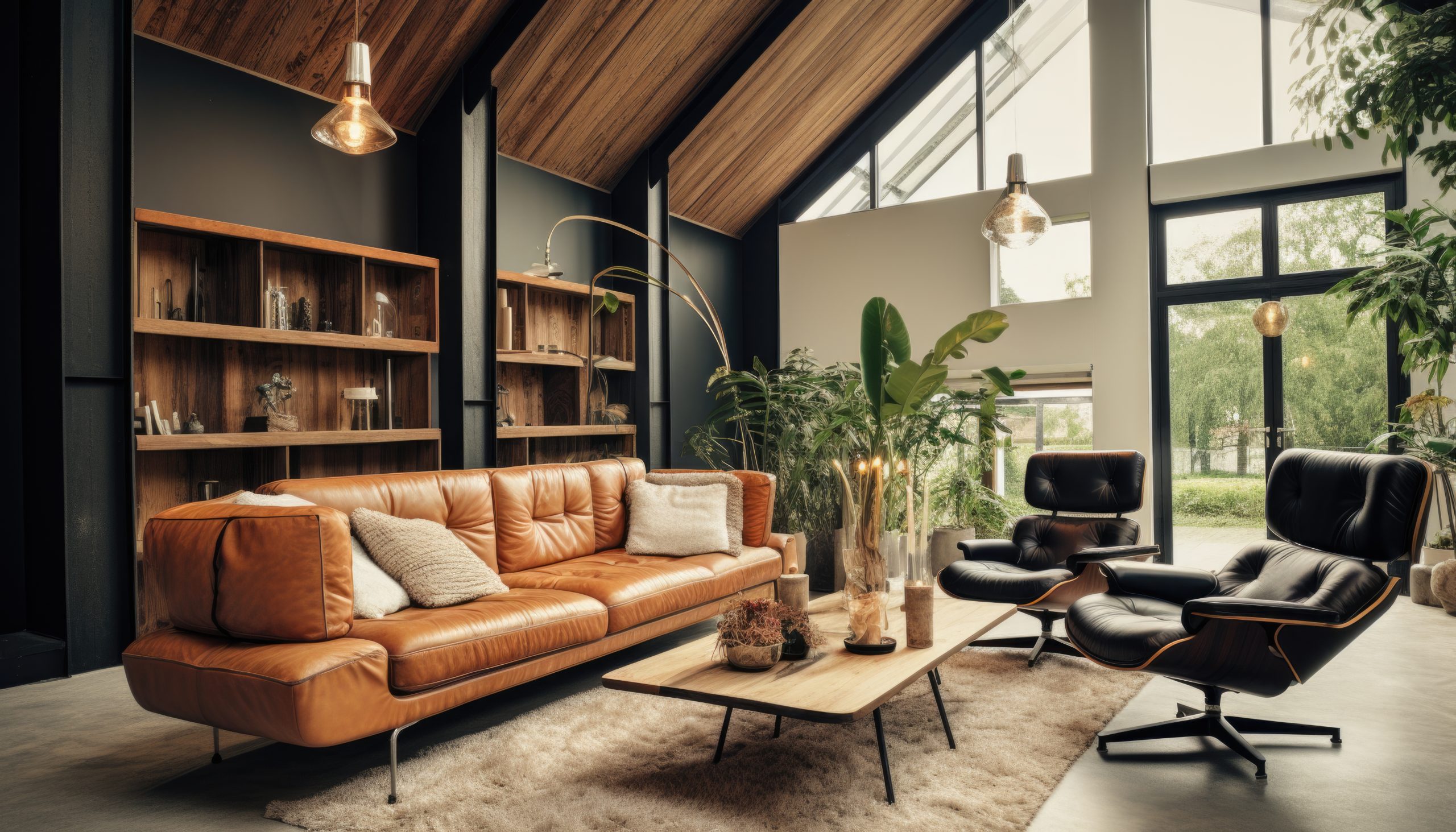
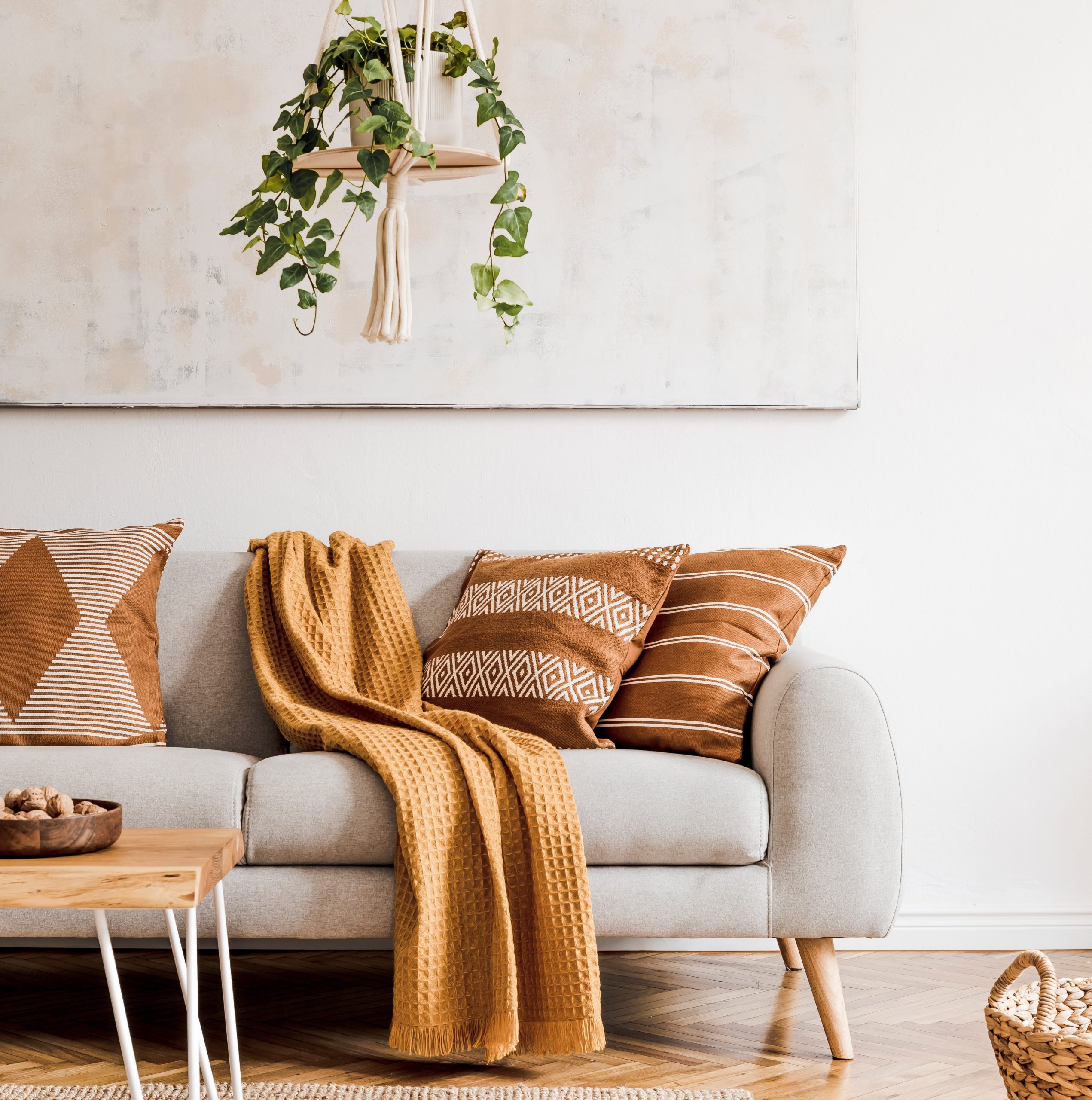
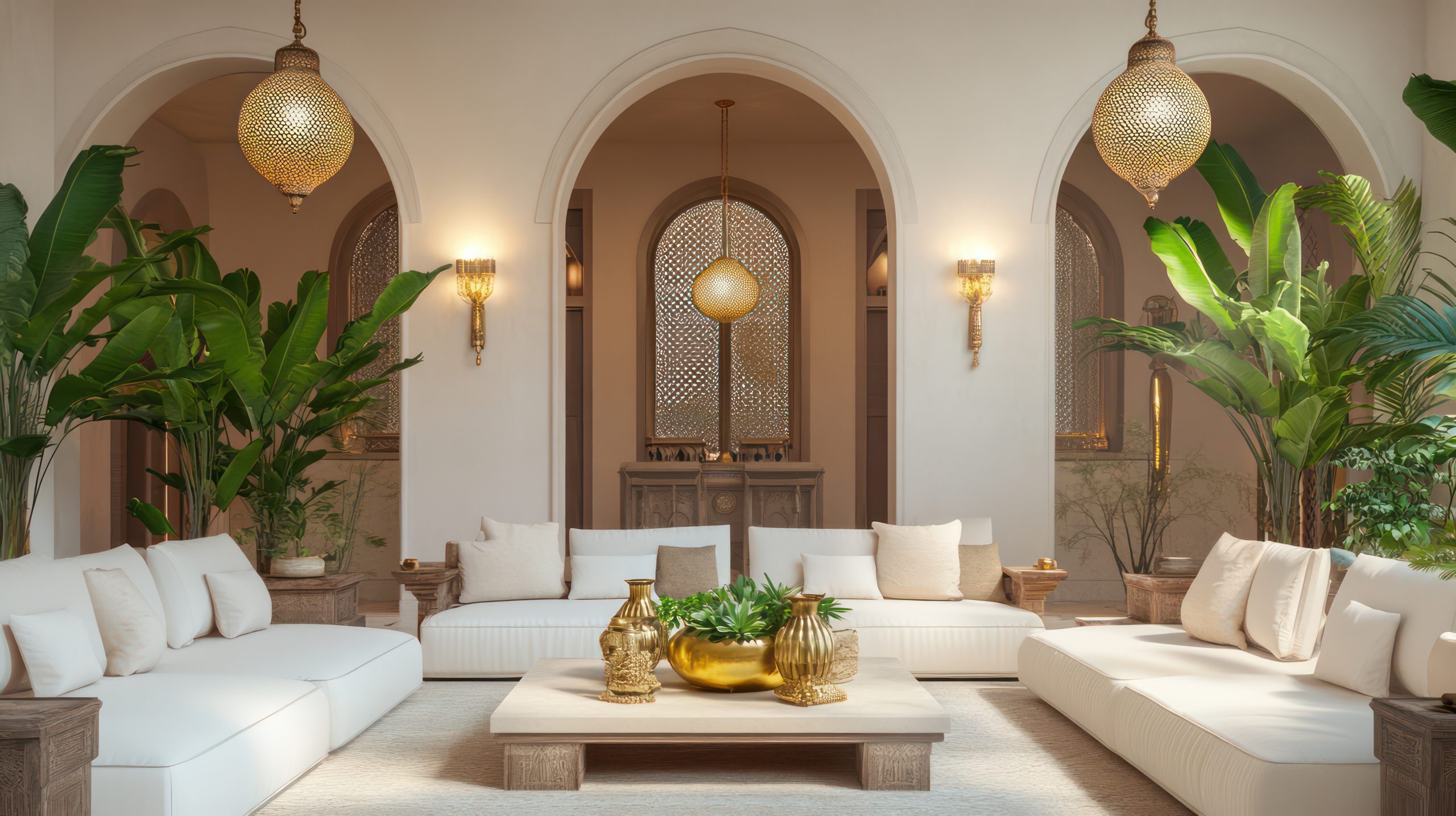
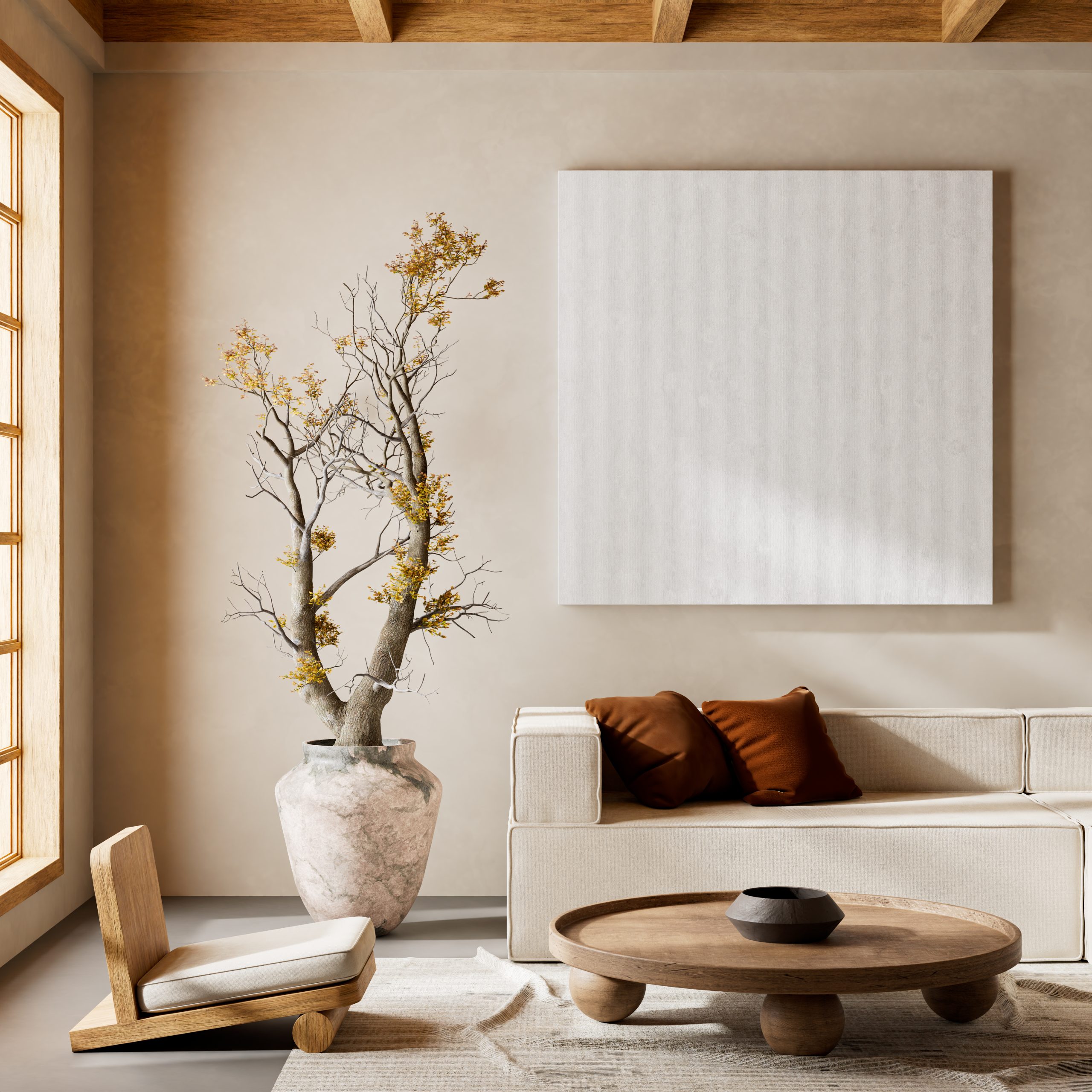
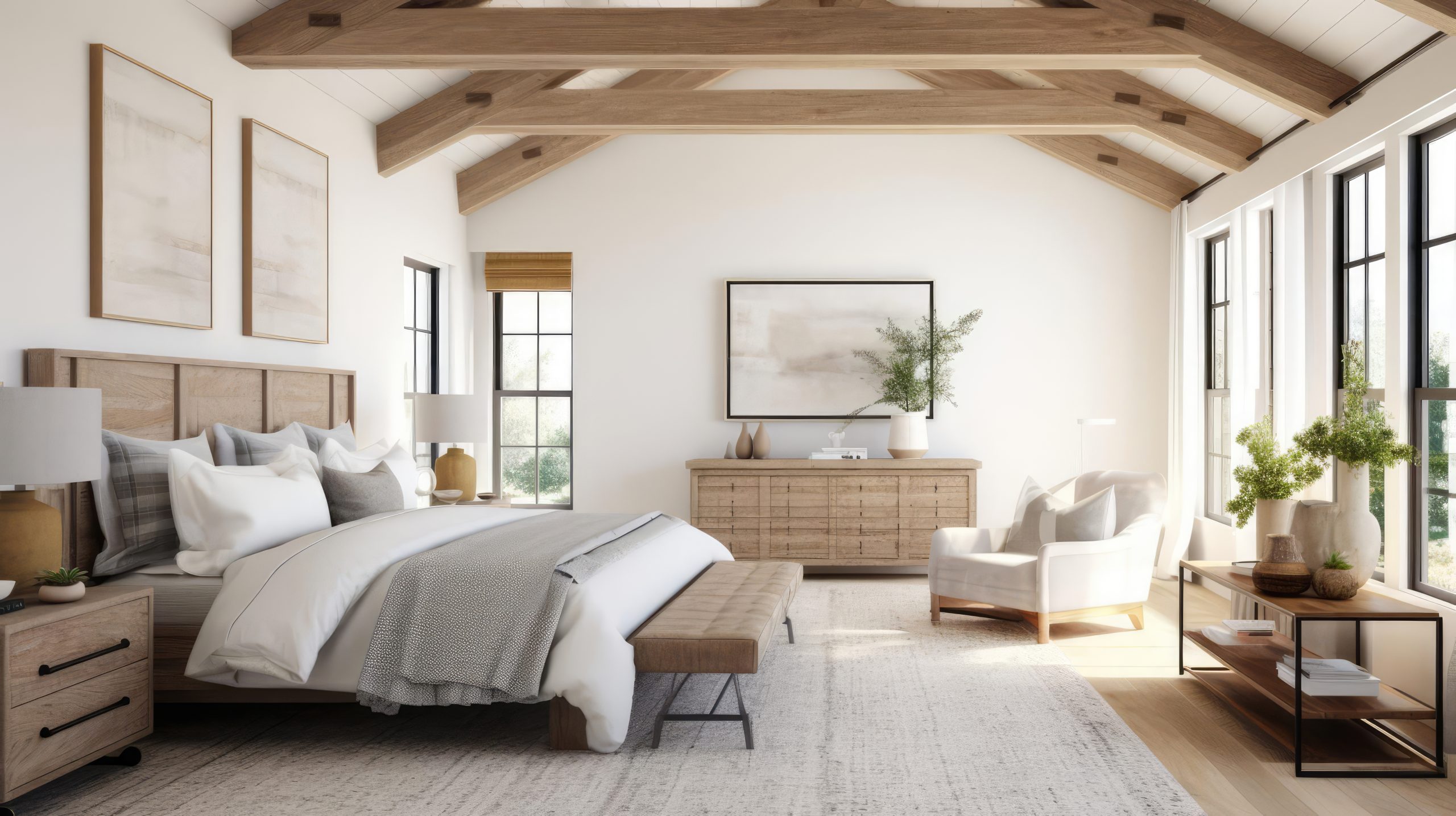
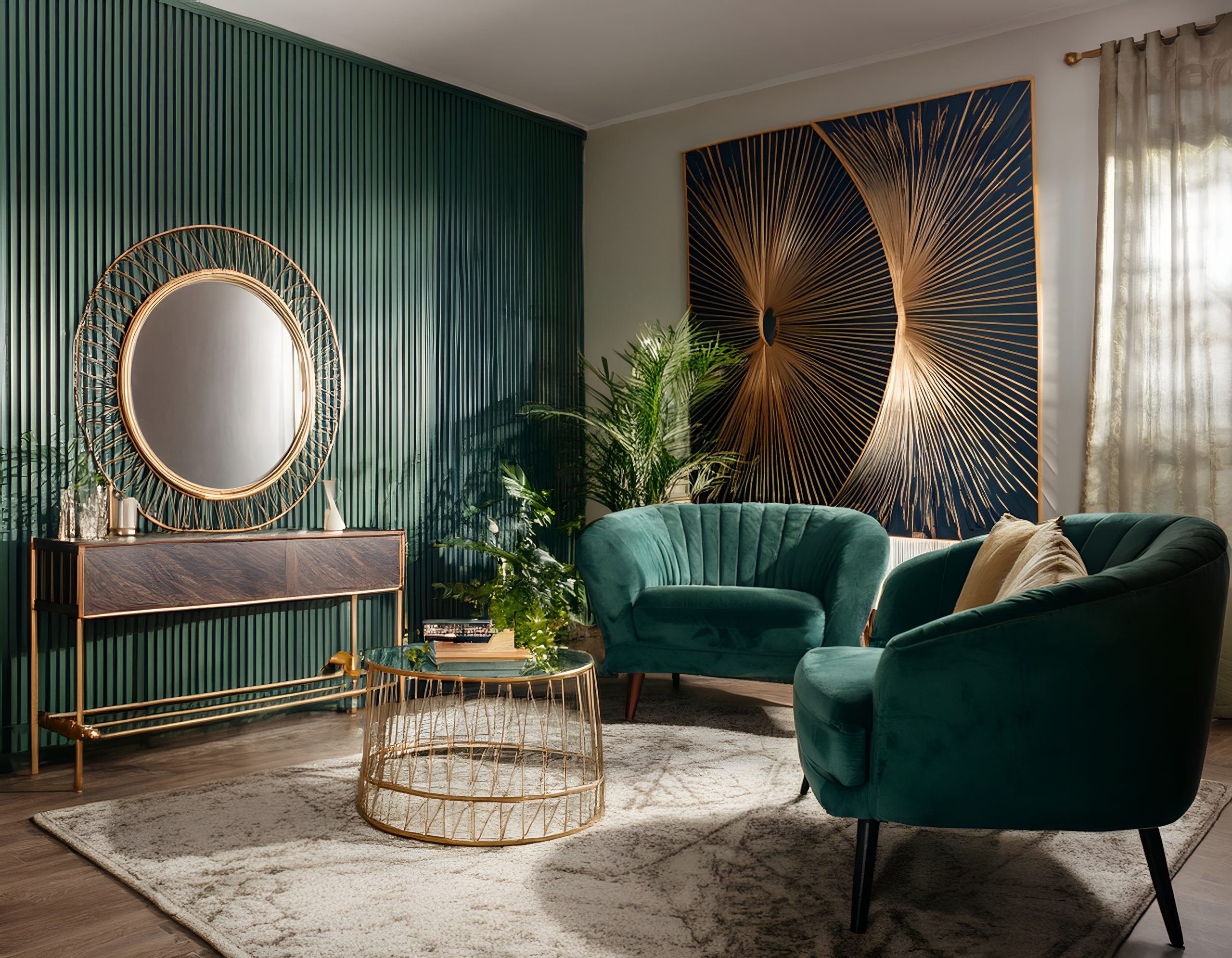
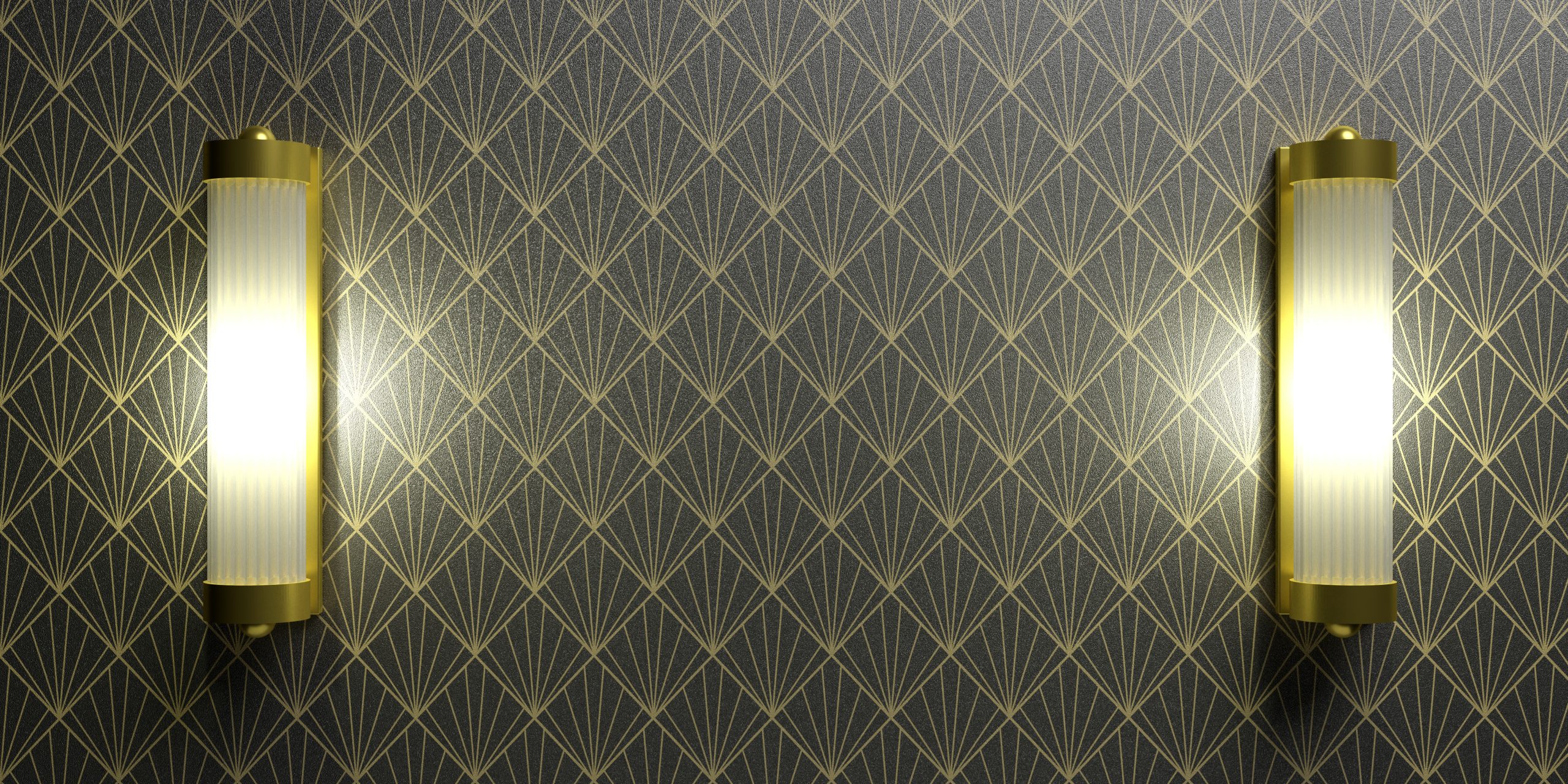
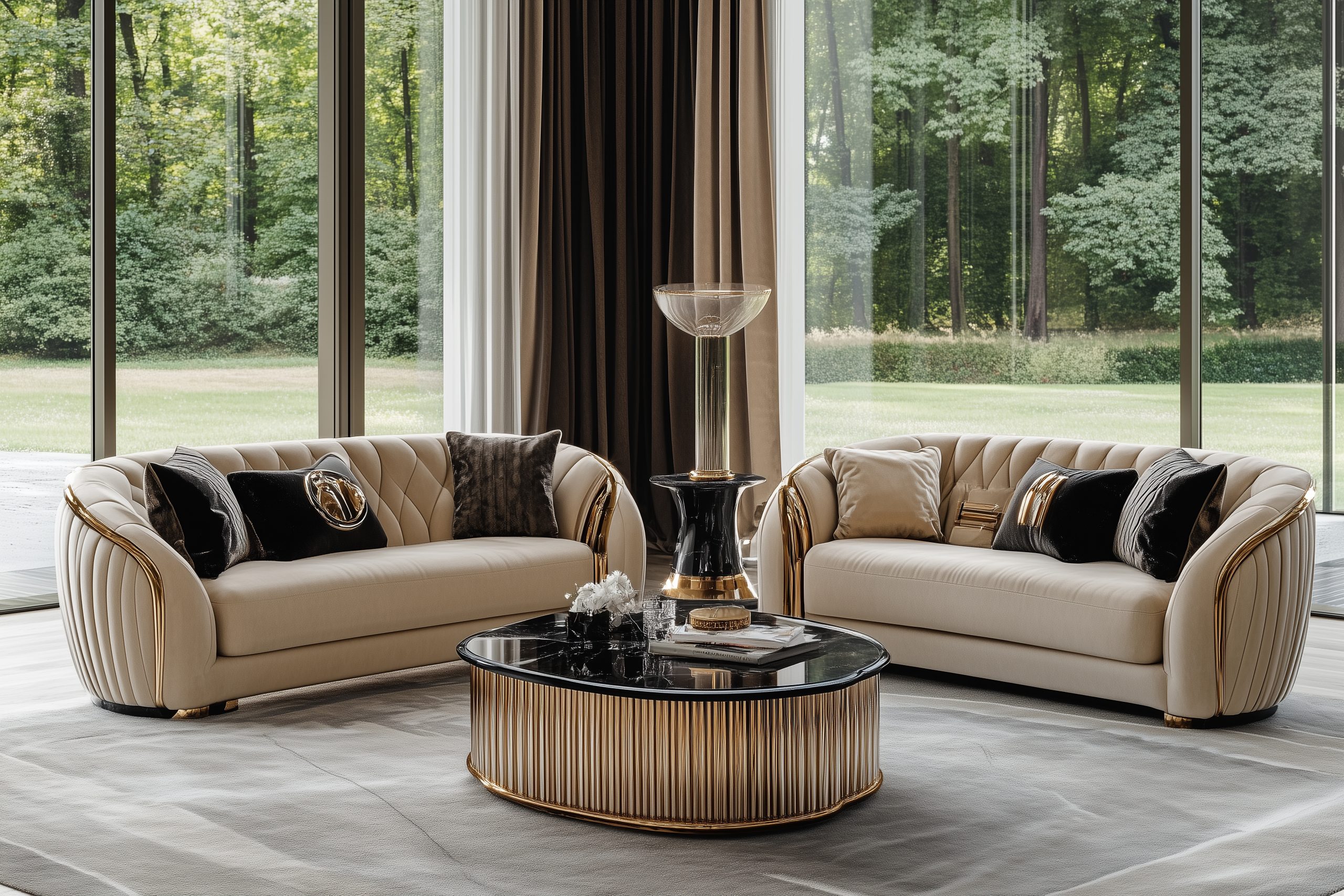
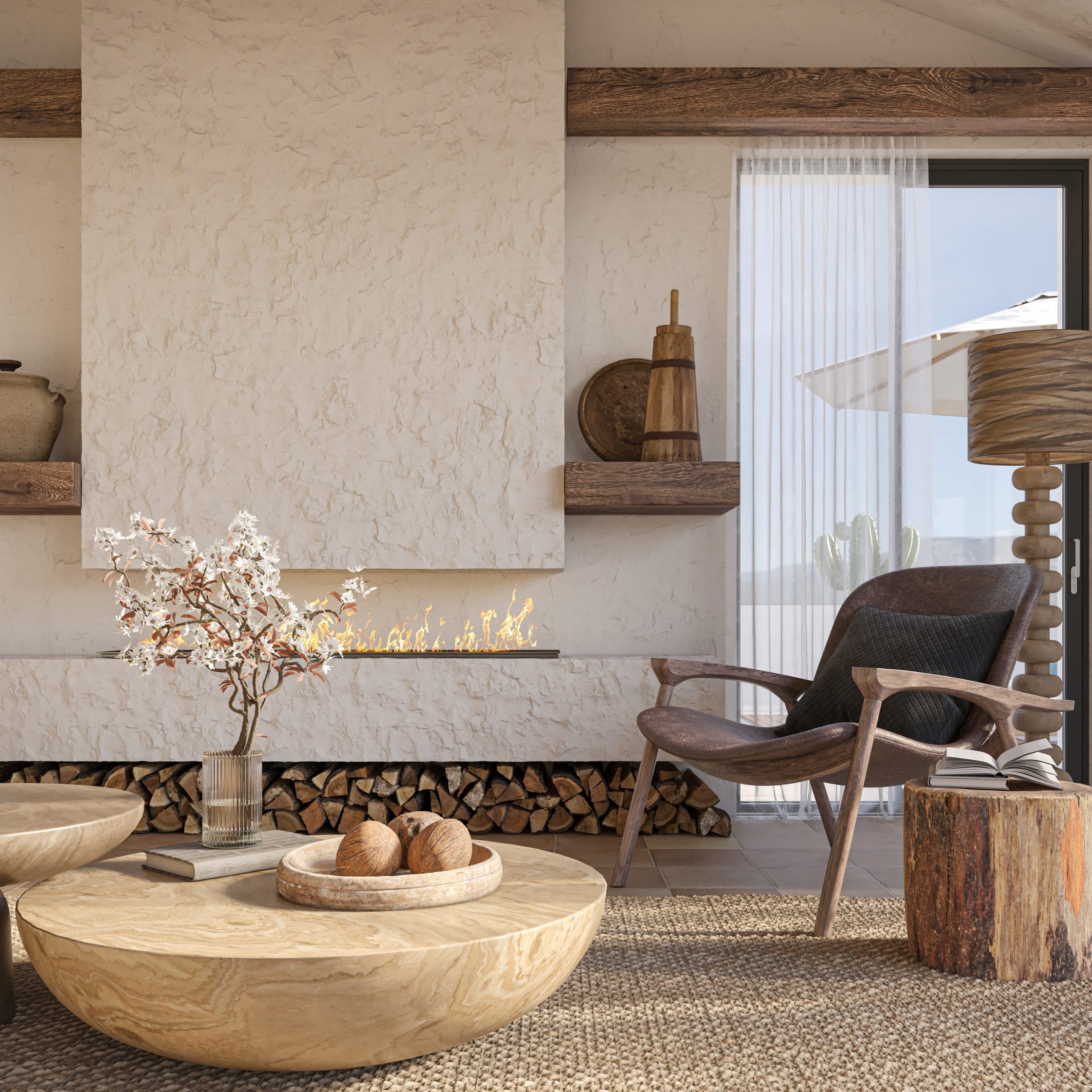
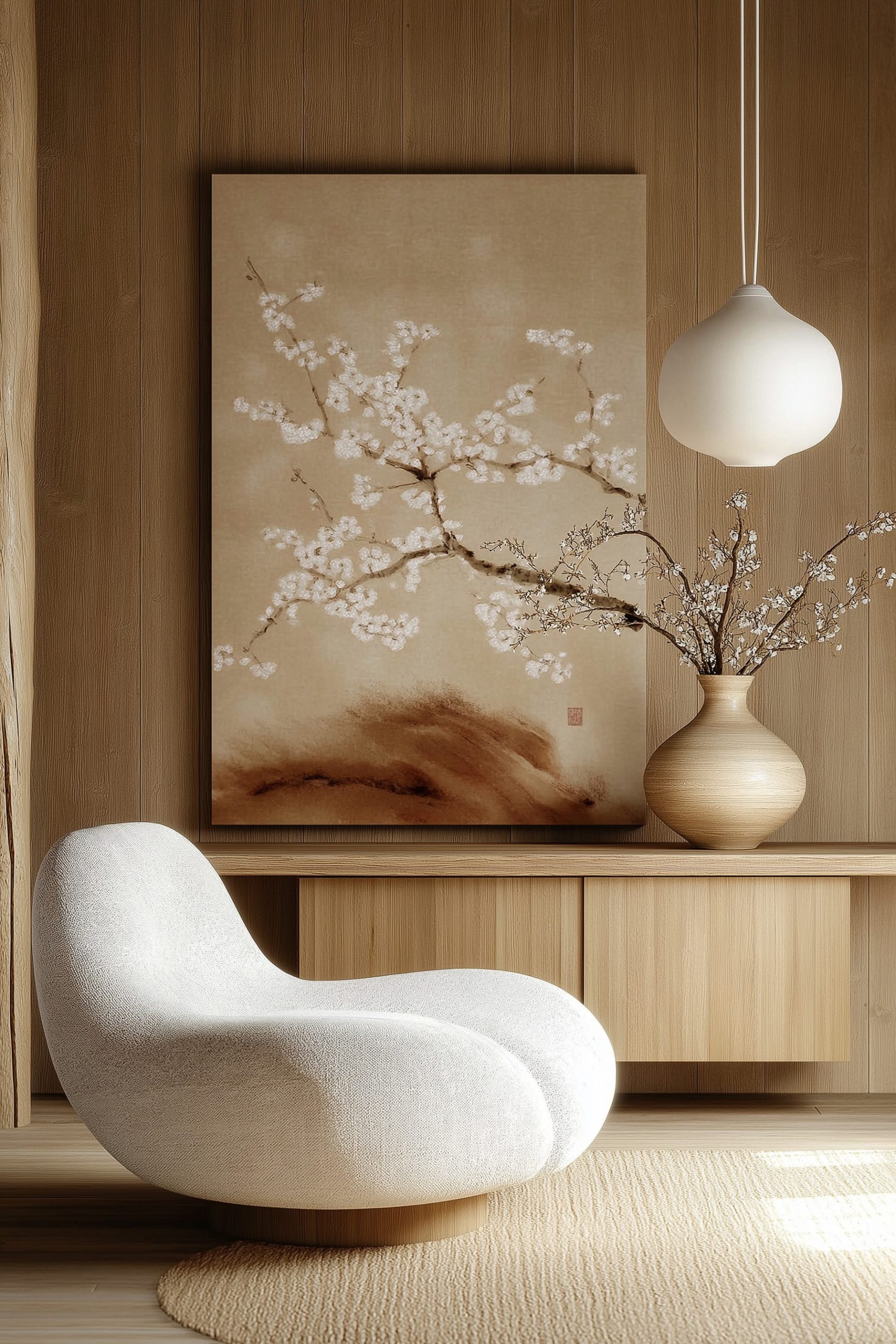
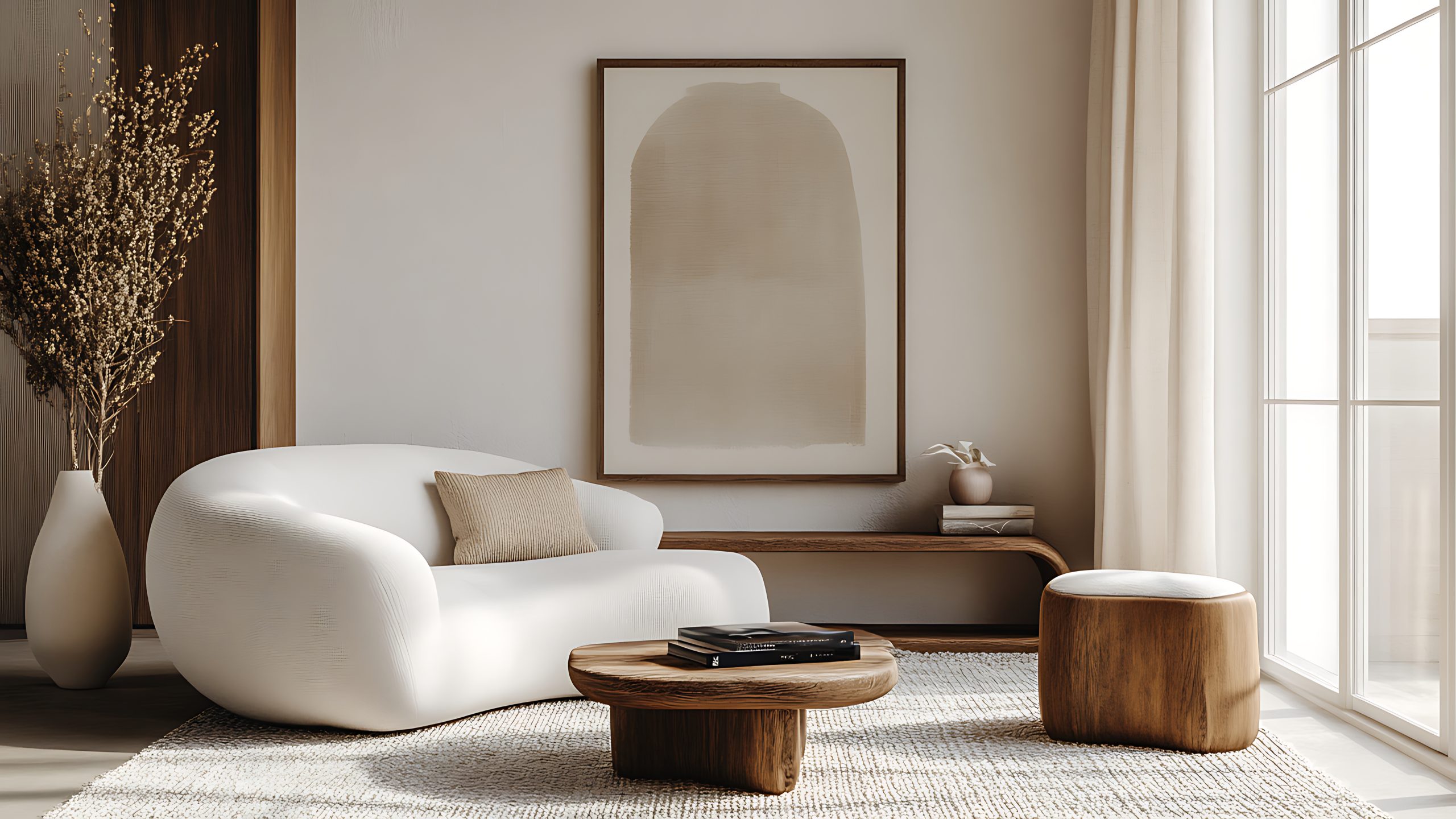
When it comes to decorating your home, understanding different interior design styles is crucial. As an interior designer with over a decade of experience, I’ve seen countless clients feel overwhelmed when trying to define their style preferences. With 22 different interior design styles to explore, it’s no wonder many feel stuck! But don’t worry – I’m here to break down each style in a way that actually makes sense, helping you identify what truly speaks to you.
How to Use This Guide
Before we dive into exploring all 22 different interior design styles, let me share how to make the most of this guide. Think of it as your design roadmap. I’ve organised these styles into broader categories to make them easier to digest. While reading through each style, pay attention to your initial reactions. Which spaces make you think, “I could live there”? Which ones make you want to scroll past quickly? These gut reactions are incredibly valuable in determining your personal style.
Traditional Design Styles
Let’s start our journey through interior design styles with the classics. Traditional design styles have stood the test of time for good reason – they bring a sense of history, elegance, and proven livability to our homes.
1. Classic Traditional
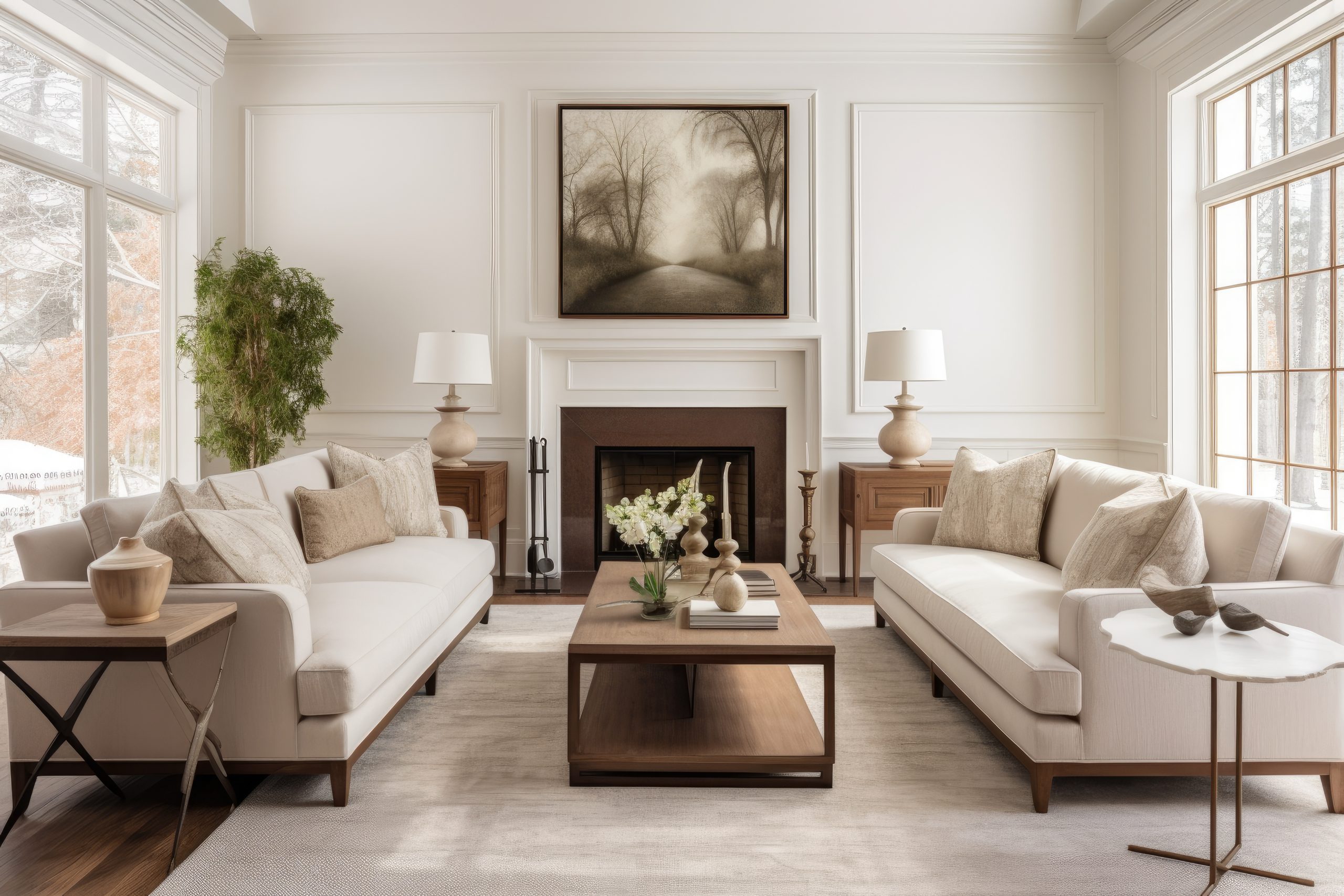
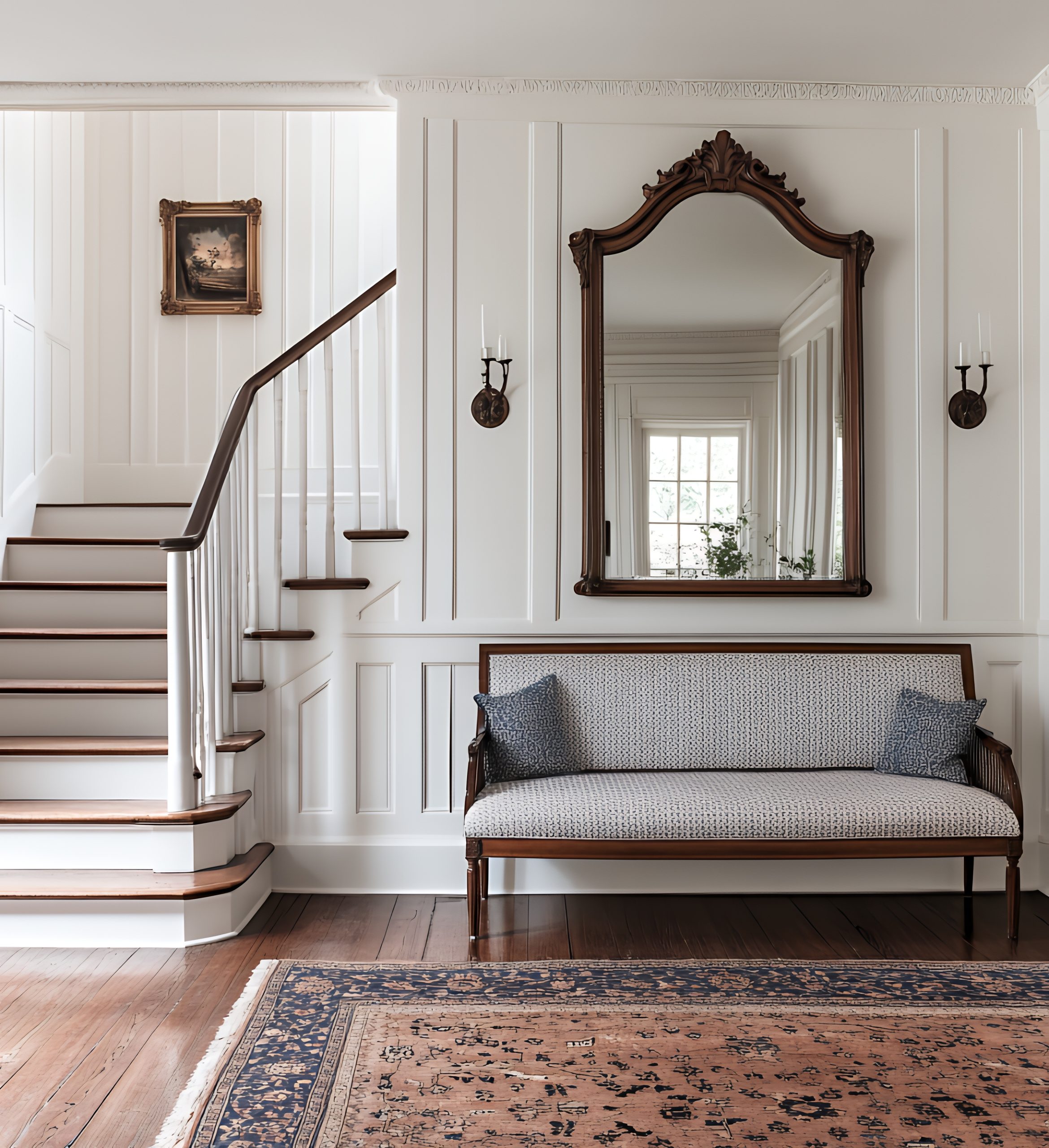
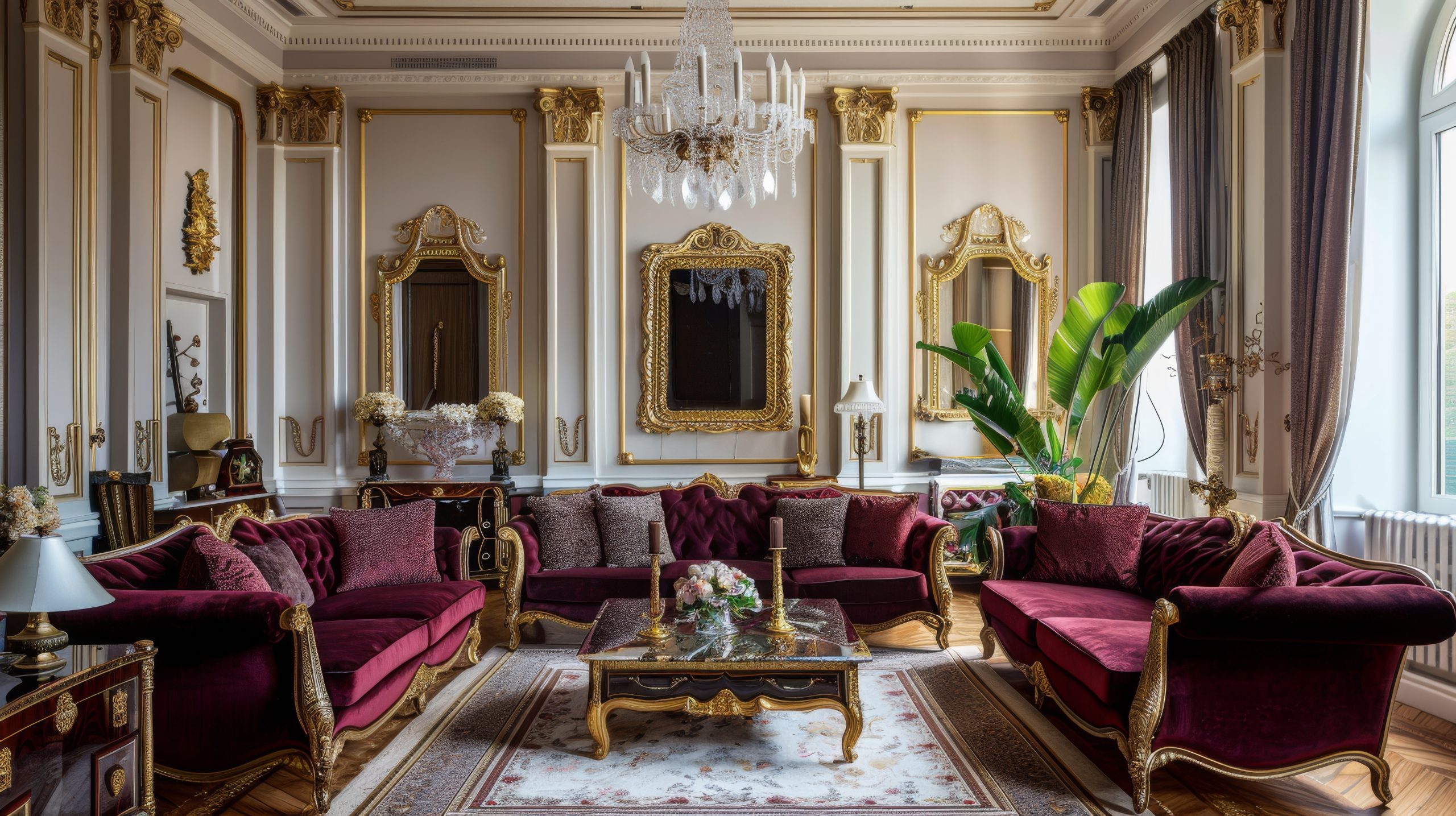
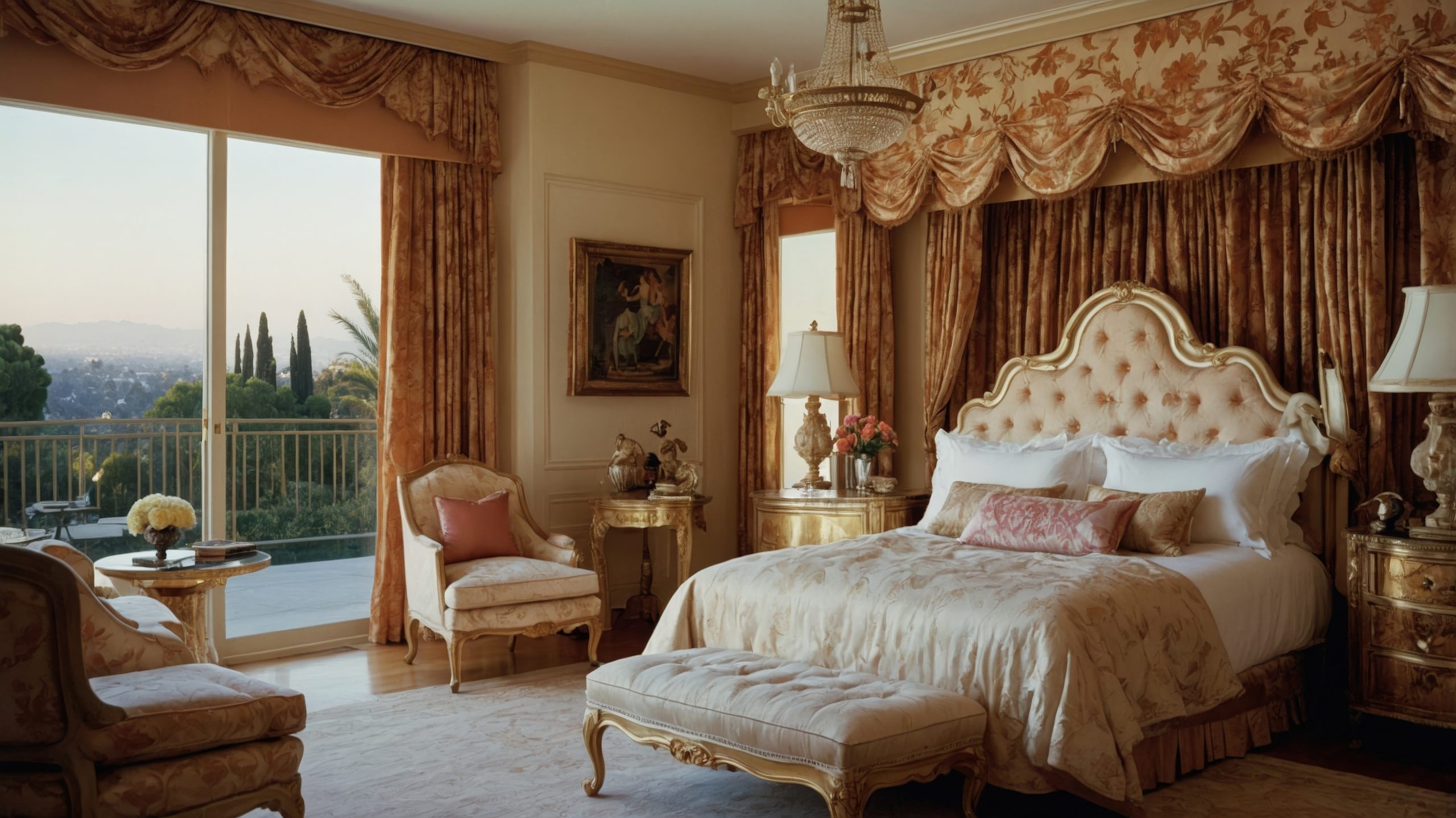
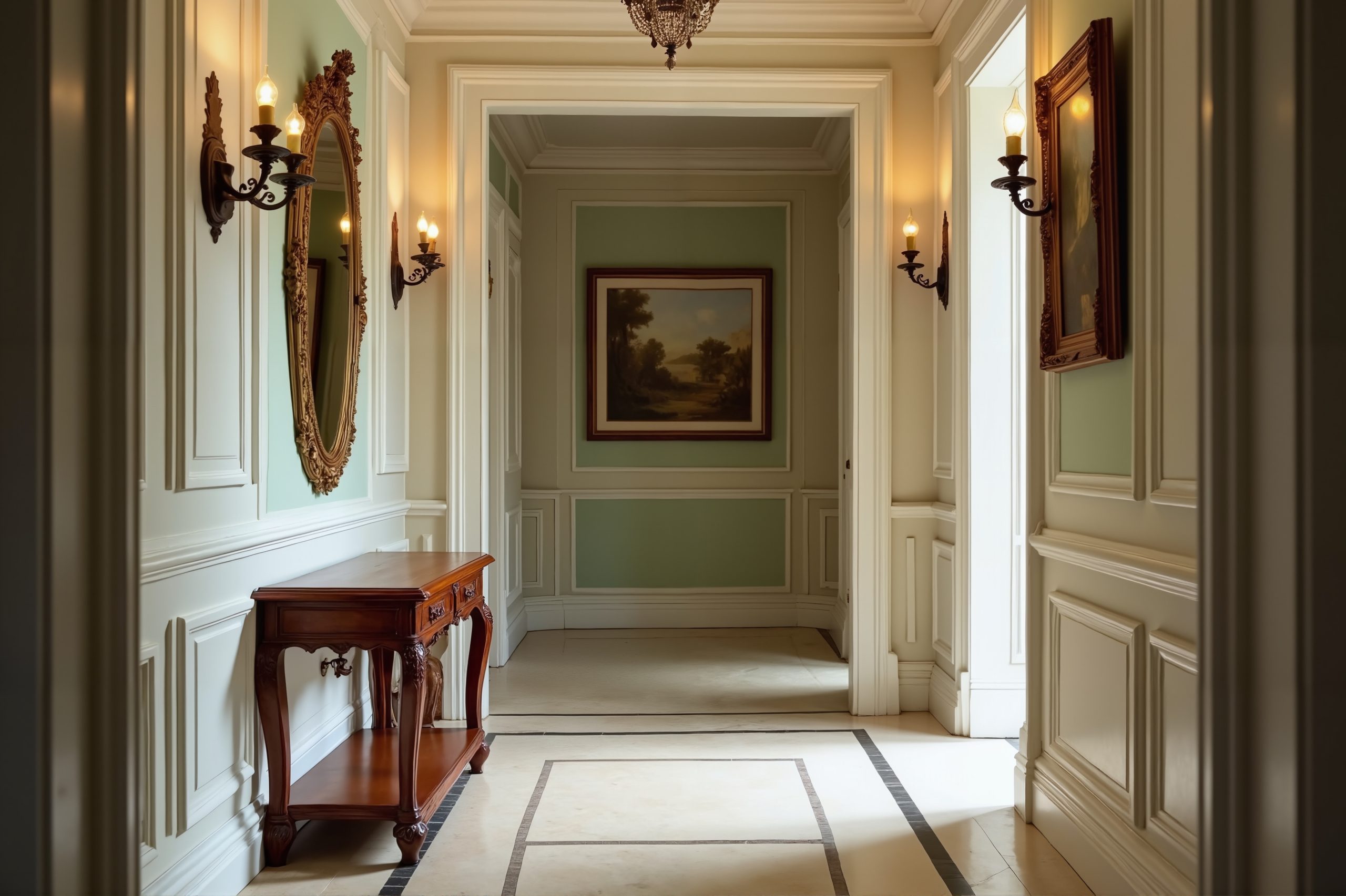
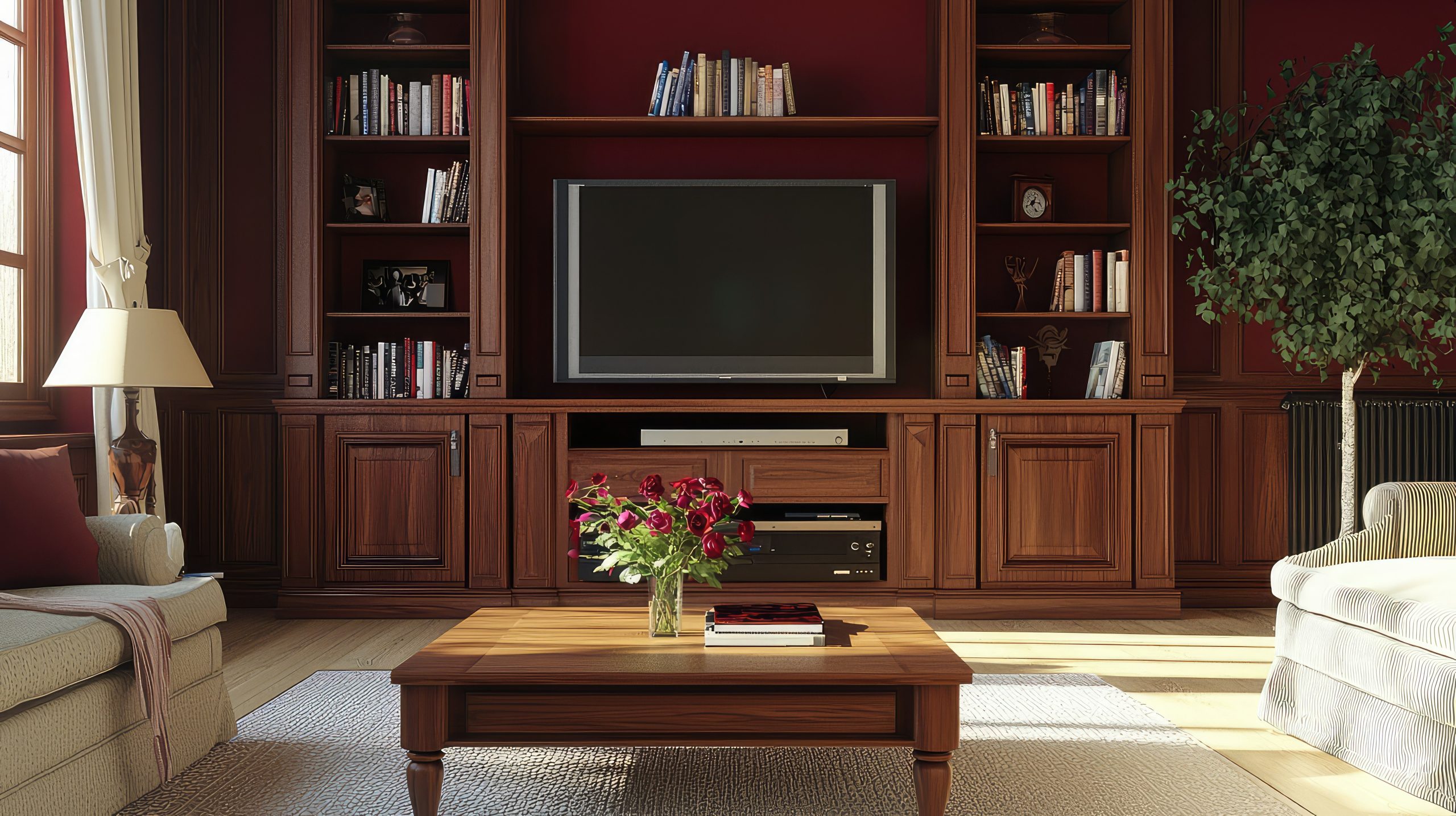
When clients ask me about Traditional style, I often describe it as the equivalent of a perfectly tailored suit in the fashion world – timeless, sophisticated, and always appropriate. This style carries the wisdom of generations of design, refined over centuries to create spaces that feel both elegant and wonderfully livable.
What makes Traditional style special is its attention to detail and commitment to creating balanced, harmonious spaces. It’s the perfect choice for those who appreciate classic literature, fine wine, and things that get better with age.
Key Characteristics:
Symmetrical arrangements
Rich wood tones in furniture pieces
Elegant curves and detailed woodwork
Refined textiles like silk, velvet, and leather
Architectural details
Classic artwork and accessories
Colour Palettes: Traditional design embraces rich, time-tested colours Primary Colours:
Warm neutrals
Deep reds
Navy blues
Forest greens
Rich browns
Accent Colours:
Burgundy
Gold
Deep purple
Hunter green
Warm cream
Materials That Define the Style:
Mahogany and cherry woods
Crystal and glass
Polished brass
Fine silk and velvet
Oriental rugs
Damask fabrics
Carved wood
Pro Tip: Don’t feel like every piece needs to be an antique. I always tell clients that traditional style works beautifully with reproductions, as long as they’re high quality and stay true to classic proportions.
Furniture Elements:
Wing-back chairs
Claw-foot tables
Tufted upholstery
Queen Anne legs
Roll-arm sofas
China cabinets
Writing desks
Carved bed frames
Space Planning: Traditional rooms require thoughtful arrangement:
Symmetrical furniture placement
Formal conversation areas
Clear traffic patterns
Balanced room layouts
Designated seating groups
Formal dining arrangements
Reading nooks
Display areas for collections
Styling Guidelines:
Use pairs to create symmetry
Layer window treatments
Include classic artwork
Display family heirlooms
Add fresh flowers
Incorporate table lamps
Use rich throw pillows
Feature oriental rugs
Common Mistakes to Avoid:
Overcrowding rooms
Using matched sets exclusively
Forgetting about comfort
Making it feel too formal
Overlooking lighting layers
Using poor quality reproductions
2. French Country
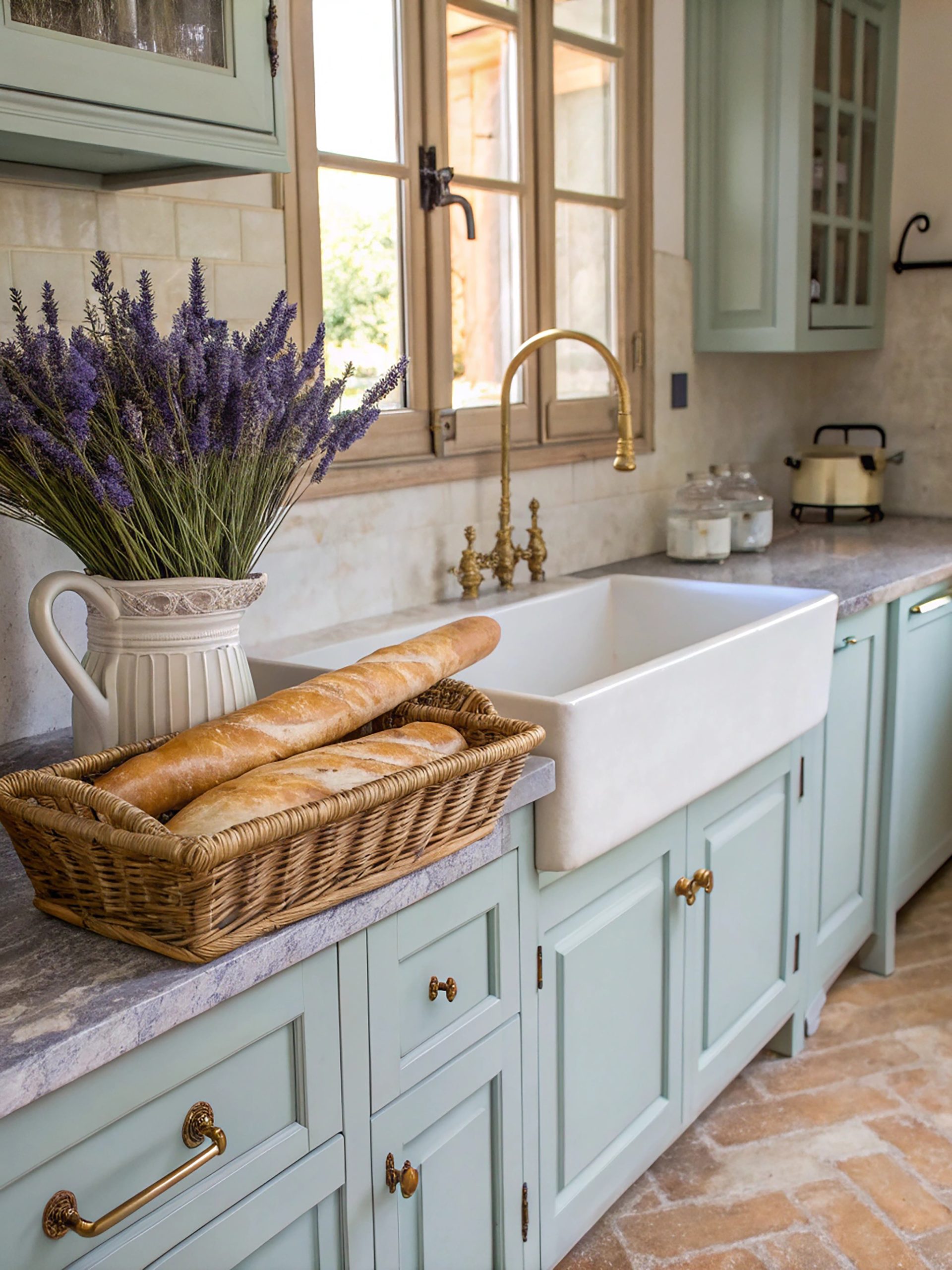
Let’s explore one of my favourite traditional styles – French Country. This style has a magical way of making any space feel like a charming cottage in Provence, no matter where you actually live.
What makes French Country special is its ability to blend elegance with rustic charm. Unlike formal French design, this style embraces imperfection and celebrates the beauty of everyday life. It’s where sophistication meets comfort, and believe me, it’s a beautiful marriage.
Key Characteristics:
Soft, curved lines
Distressed finishes
Mix of formal and rustic elements
Warm wood tones
Natural stone
Hand-painted details
Wrought iron accents
Colour Palettes: French Country colours are inspired by the French countryside Primary Colours:
Warm whites
Creamy neutrals
Soft golds
Terra cotta
Gentle blues
Accent Colours:
Lavender
Sunny yellow
Sage green
Rustic red
Soft black
Materials That Define the Style:
Natural stone flooring
Exposed wooden beams
Wrought iron
Natural linens
Cotton toile
Ceramic tiles
Copper and brass
Pro Tip: When designing French Country spaces, always remember authenticity is key. Don’t be afraid of a few chips in your painted furniture or wear marks on your wooden table – these “imperfections” add character and charm.
Furniture Elements:
Carved wooden armoires
Upholstered dining chairs
Painted dressers
Farmhouse tables
Bergère chairs
Curved sofas
Woven chairs
Pattern Play: French Country embraces specific patterns:
Toile de Jouy
Florals
Stripes
Checks
Provincial prints
Damask
Plaids
Essential Decor Elements:
Ceramic pitchers
Woven baskets
Fresh and dried herbs
Copper cookware
Vintage signs
Provincial artwork
Fresh flowers
Space Planning: French Country design emphasises:
Comfortable gathering spaces
Kitchen as the heart of home
Indoor-outdoor flow
Intimate seating areas
Natural light
Practical workspace
Cosy corners
3. Victorian
Let’s step back in time to one of the most opulent of our traditional styles – Victorian design. This style is all about embracing decoration, detail, and drama in the most sophisticated way possible.
What makes Victorian style unique is its celebration of abundance and ornamentation. This style emerged during Queen Victoria’s reign (1837-1901), when showing off one’s wealth and taste through interior design was not just acceptable – it was expected. Think of it as the maximalist’s dream come true.
Pro Tip: When designing Victorian spaces for modern living, always remember that you can honour the style’s ornate nature while still editing for today’s lifestyle. Not every surface needs to be covered!
Space Planning: Victorian rooms require thoughtful arrangement:
Formal furniture groupings
Conversation areas
Display spaces for collections
Reading nooks
Music corners
Clear pathways
Symmetrical layouts
Modern Interpretation: Here’s how I help clients adapt Victorian style for contemporary living:
Lighter colour palettes
Selected ornate pieces
Updated textiles
Modern lighting options
Simplified window treatments
Edited accessories
Functional spaces
Modern & Contemporary Styles
Now let’s shift gears completely as we explore designs that embrace clean lines, minimalism, and contemporary living. These styles represent a dramatic departure from traditional ornamentation, focusing instead on the principle that form follows function.
4. Modern
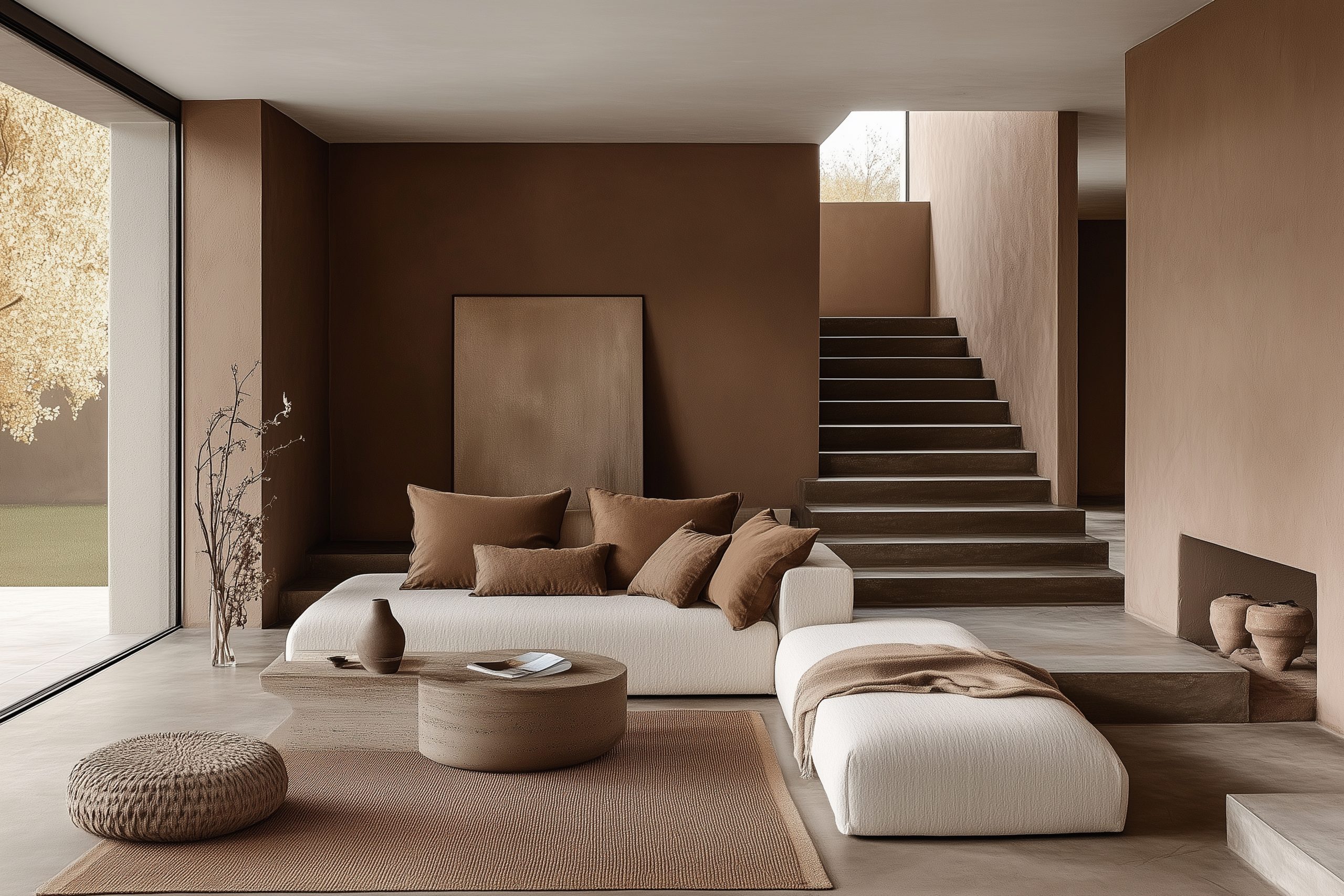
Let me clear up something I discuss with clients almost daily – Modern design isn’t just about being current or trendy. It’s actually a distinct style that emerged in the early to mid-20th century, revolutionising how we think about interior design.
What makes Modern style special is its groundbreaking approach to design. Think of it as the moment when interior design broke free from the past and embraced new materials, technologies, and ways of living. It’s like the difference between classical and jazz music – both beautiful, but with completely different rules and expressions.
Key Characteristics:
Clean, straight lines
Minimal ornamentation
Open floor plans
Form follows function
Industrial materials
Absence of clutter
Integration with nature
Emphasis on horizontal and vertical lines
Colour Palettes: Modern design takes a deliberate approach to colour Primary Colours:
White
Black
Grey
Earth tones
Natural wood tones
Accent Colours:
Primary colours (red, blue, yellow)
Rust orange
Forest green
Deep brown
Muted metallics
Materials That Define the Style:
Steel
Glass
Concrete
Natural wood
Leather
Molded plywood
Chrome
Plastic
Pro Tip: When designing modern spaces, every piece should earn its place through both function and form. If it doesn’t serve a purpose or contribute to the overall aesthetic, it doesn’t belong.
Furniture Elements:
Low-profile seating
Platform beds
Moulded plastic chairs
Chrome-framed furniture
Built-in storage
Floating cabinets
Glass tables
Leather loungers
Architectural Elements:
Floor-to-ceiling windows
Exposed structural elements
Flat roofs
Open floor plans
Built-in furniture
Minimal trim work
Clean-lined fireplaces
Indoor-outdoor connection
Lighting: Modern lighting is crucial to the style:
Architectural fixtures
Track lighting
Simple pendant lights
Floor lamps with clean lines
Task lighting
Hidden indirect lighting
Statement chandeliers
Space Planning: Modern design emphasises:
Open concept living
Uncluttered spaces
Clear sight lines
Functional zones
Connection to the outdoors
Minimal barriers
Thoughtful negative space
Strategic furniture placement
5. Contemporary
Moving through our exploration of modern design styles, let’s talk about Contemporary – and here’s something I’m always explaining to clients: while Modern is a specific style, Contemporary is ever-evolving, reflecting what’s current right now.
What makes Contemporary style unique is its ability to adapt and change. Think of it as design’s equivalent to current fashion – it borrows from various styles and trends while maintaining a fresh, of-the-moment feel. As someone who’s designed countless contemporary spaces, I can tell you it’s one of the most flexible and exciting styles to work with.
Key Characteristics:
Clean, sophisticated lines
Mix of textures and materials
State-of-the-art features
Emphasis on negative space
Subtle sophistication
Technology integration
Artistic elements
Sustainability focus
Colour Palettes: Contemporary design typically features: Primary Colours:
Whites
Grays
Blacks
Taupes
Neutral metallics
Accent Colours:
Bold jewel tones
Unexpected colour pops
Trending colours
Nature-inspired hues
Sophisticated pastels
Materials That Define the Style:
Mixed metals
Textured fabrics
Sustainable materials
Glass
Composite materials
Natural stone
Engineered wood
Smart materials
Pro Tip: In contemporary spaces, invest in quality staple pieces with clean lines, then add personality through easily changeable accessories and art. This allows the space to evolve with trends.
Furniture Elements:
Streamlined upholstery
Mixed material pieces
Multi-functional furniture
Statement lighting
Geometric shapes
Innovative storage
Tech-integrated pieces
Comfort-focused designs
Signature Features:
Smart home integration
Sustainable elements
Abstract art
Statement lighting
Mixed metal finishes
Textural contrasts
Indoor plants
Architectural details
Space Planning: Contemporary spaces prioritise:
Flexible layouts
Multi-functional areas
Technology zones
Entertainment spaces
Work-from-home solutions
Indoor-outdoor flow
Social gathering areas
Private retreats
Styling Elements:
Large-scale art
Minimal accessories
Natural elements
Geometric patterns
Textural layers
Strategic colour pops
Innovative lighting
Tech-savvy solutions
Modern Interpretation: What makes Contemporary design special today:
Integration of smart home features
Sustainable materials and practices
Flexible spaces for modern living
Balance of comfort and style
Mix of old and new elements
Focus on wellness
Outdoor living integration
6. Minimalist
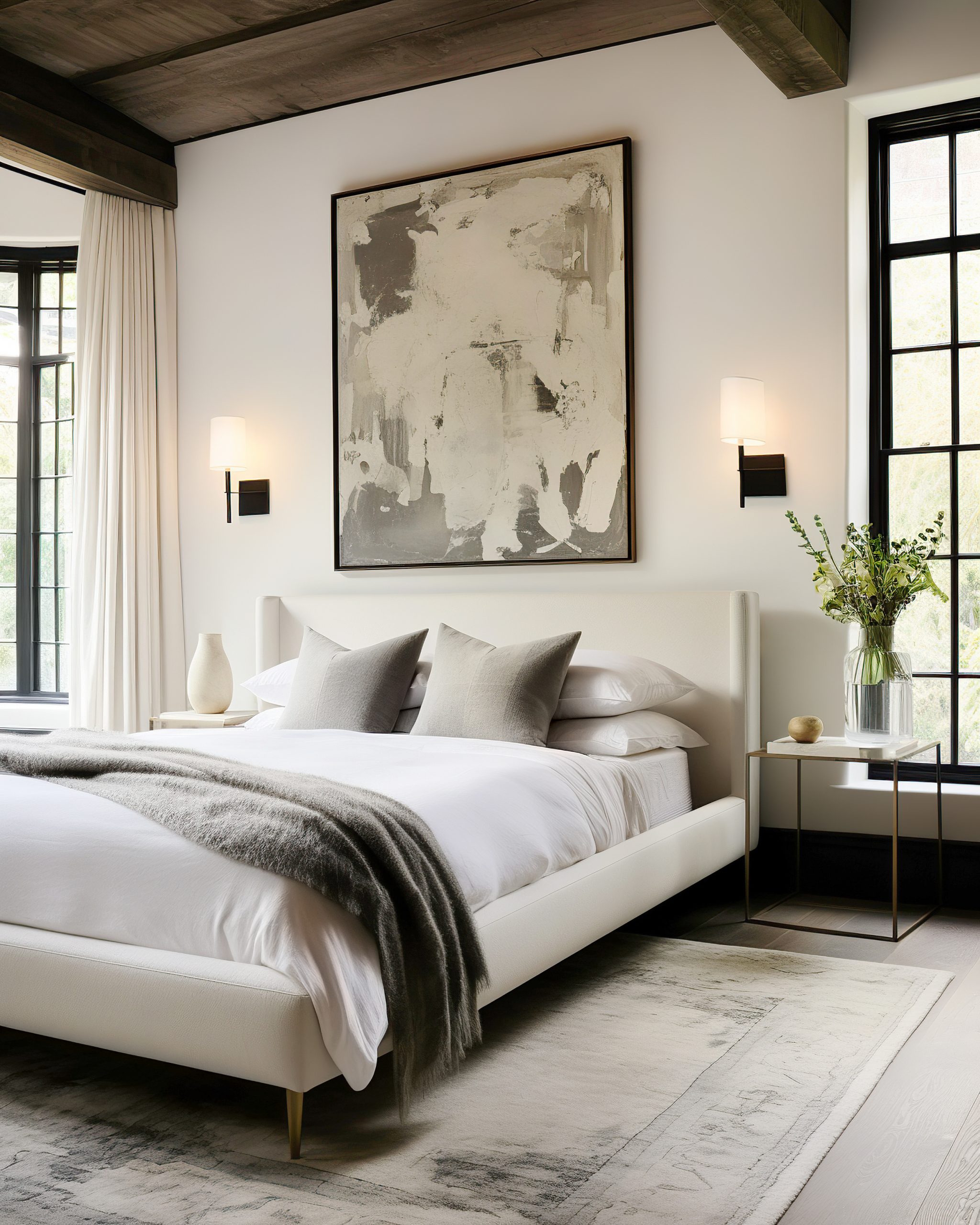
Let’s explore one of the most misunderstood of our 22 different interior design styles – Minimalist design. It’s not just about having less stuff; it’s about being intentional with every single element you include.
What makes the Minimalist style special is its focus on the essential. Think of it as the design equivalent of a perfectly edited novel – every element must serve a purpose, and anything that doesn’t enhance the space is removed. It’s about creating calm through clarity.
Key Characteristics:
“Less is more” philosophy
Clean, purposeful lines
Monochromatic colour schemes
Intentional negative space
Quality over quantity
Functional design
Clutter-free surfaces
Hidden storage solutions
Colour Palettes: Minimalist design embraces a restricted palette Primary Colours:
Pure whites
Soft whites
Light grays
Charcoal
Black
Accent Colours:
Single bold accents
Natural wood tones
Concrete grays
Earth tones
Muted metallics
Materials That Define the Style:
Smooth woods
Polished concrete
Glass
Steel
Natural stone
High-quality textiles
Matte finishes
Simple textures
Pro Tip: When designing minimalist spaces, I always remind clients that every item should earn its place. Ask yourself, “Does this piece serve a purpose, either functional or aesthetic?”
Furniture Elements:
Simple, clean-lined pieces
Built-in storage
Platform beds
Hidden hardware
Multi-functional furniture
Low-profile seating
Floating shelves
Streamlined tables
Storage Solutions: This is crucial in minimalist design:
Hidden closets
Built-in cabinets
Drawer organisers
Wall-mounted solutions
Under-bed storage
Seamless closet doors
Organised pantries
Multi-functional pieces
Space Planning: Minimalist spaces require:
Clear traffic patterns
Breathing room between pieces
Strategic furniture placement
Uncluttered surfaces
Defined zones
Natural light maximisation
Simple window treatments
Thoughtful negative space
Styling Guidelines:
Keep surfaces 90% clear
Choose artwork carefully
Limit decorative objects
Focus on form and function
Embrace empty space
Use texture for interest
Maintain clean lines
Common Mistakes to Avoid:
Creating cold, uninviting spaces
Forgetting about texture
Overlooking storage needs
Making spaces feel sterile
Sacrificing comfort for style
Ignoring personality completely
Industrial & Urban Styles
Now let’s explore styles that celebrate city living and architectural elements. These styles embrace raw materials and urban aesthetics while creating wonderfully livable spaces.
7. Industrial
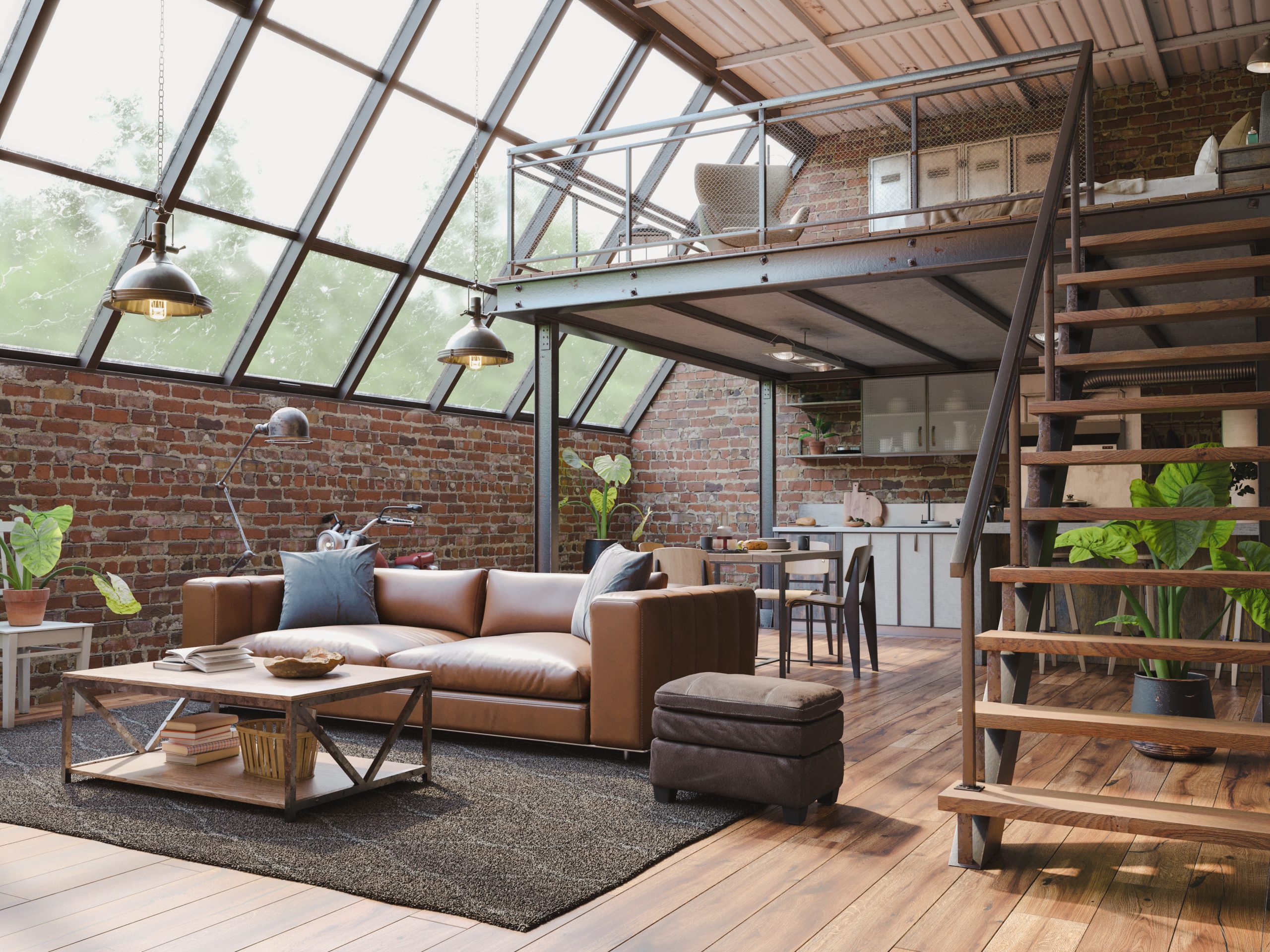
One of the most exciting transformations I’ve witnessed in my design career is how industrial spaces have evolved from actual factories to some of the most sought-after residential designs. This style tells a story of urban renewal and architectural appreciation.
What makes Industrial style unique is its honest approach to materials and architecture. Think of it as the design equivalent of a documentary film – it reveals and celebrates the true nature of a space rather than trying to hide it.
Key Characteristics:
Exposed structural elements
Raw materials
Open floor plans
High ceilings
Large windows
Visible systems (pipes, ducts, etc.)
Metal fixtures
Weathered finishes
Colour Palettes: Industrial design embraces natural material colours Primary Colours:
Concrete greys
Rust browns
Metal silvers
Brick reds
Deep blacks
Accent Colours:
Navy blue
Forest green
Burnt orange
Weathered brass
Copper tones
Materials That Define the Style:
Exposed brick
Concrete
Steel beams
Cast iron
Reclaimed wood
Metal pipe
Wire mesh
Aged leather
Pro Tip: When designing industrial spaces, don’t fight the building’s bones. If you have exposed pipes or ductwork, celebrate them rather than trying to hide them.
Furniture Elements:
Metal-framed furniture
Leather seating
Reclaimed wood tables
Rolling carts
Factory-style lighting
Workshop stools
Steel shelving
Vintage industrial pieces
Architectural Features:
Exposed brick walls
Concrete floors
Visible support beams
Industrial windows
Open ductwork
Metal staircases
Warehouse doors
High ceilings
Space Planning: Industrial spaces need:
Flexible layouts
Defined zones in open plans
Multiple seating areas
Work spaces
Entertainment zones
Clear traffic patterns
Conversation areas
Multi-functional spaces
8. Urban Modern
Let’s explore Urban Modern style – a sophisticated evolution of industrial design that perfectly captures contemporary city living. This style masterfully balances metropolitan edge with comfortable living.
What makes Urban Modern special is how it takes the energy of city life and transforms it into livable, sophisticated spaces. Think of it as the perfect blend of industrial edge, modern sophistication, and contemporary comfort – ideal for those who love city living but want their home to feel like a refined sanctuary.
Key Characteristics:
Clean architectural lines
Mixed materials
City influences
Smart storage solutions
Sophisticated colour schemes
Contemporary artwork
Strategic lighting
Functional luxury
Colour Palettes: Urban Modern embraces city-inspired colours Primary Colours:
Concrete gray
Charcoal
Pure white
Soft black
Warm neutrals
Accent Colours:
Deep blues
Urban green
Manhattan brown
Steel blue
Bronze metallics
Materials That Define the Style:
Polished concrete
Sleek metals
Engineered wood
Glass
Leather
Microfiber
High-gloss finishes
Textured wallcoverings
Pro Tip: In Urban Modern spaces, invest in multi-functional pieces. When you’re dealing with city-sized spaces, every piece needs to work twice as hard.
Furniture Elements:
Low-profile sofas
Modular seating
Built-in storage
Statement lighting
Multi-functional pieces
Floating shelves
Glass dining tables
Contemporary beds
Technology Integration: Urban Modern embraces smart living:
Hidden TV solutions
Integrated sound systems
Smart home features
Automated window treatments
Modern climate control
Tech charging stations
Smart lighting
Security features
Space Planning: Urban spaces require:
Maximised floor plans
Flexible layouts
Work-from-home zones
Entertainment areas
Dining solutions
Storage optimisation
City view enhancement
Traffic flow consideration
Styling Elements:
Contemporary art
City photography
Geometric patterns
Metal accents
Textural contrasts
Statement pieces
Urban-inspired decor
Strategic mirrors
Design Solutions: Common urban challenges and solutions:
Small space maximisation
Storage integration
Privacy solutions
Noise reduction
Light optimisation
Multi-functional areas
Entertainment spaces
Work-life balance
Mid-Century & Scandinavian Styles
Let’s explore styles that revolutionised design through simplicity, functionality, and connection to nature.
9. Mid-Century Modern
Of all 22 different interior design styles we’re exploring, Mid-Century Modern holds a special place in design history. This style’s enduring popularity isn’t just about nostalgia – it’s about timeless, functional beauty.
What makes Mid-Century Modern special is its perfect balance of form and function. Born roughly between the 1940s and 1970s, this style revolutionised how we think about home design. Think of it as the moment when interior design became democratic – beautiful, functional design for everyone.
Key Characteristics:
Clean, organic lines
Minimal ornamentation
Mixed materials
Indoor-outdoor connection
Geometric patterns
Contrasting textures
Functionality focus
Statement lighting
Colour Palettes: Mid-Century Modern embraces both neutral and bold colours Primary Colours:
Warm whites
Natural woods
Earthy browns
Charcoal gray
Black accents
Accent Colours:
Mustard yellow
Burnt orange
Olive green
Teal blue
Brick red
Materials That Define the Style:
Walnut and teak woods
Molded plastic
Glass
Steel
Brass
Leather
Vinyl
Textured fabrics
Pro Tip: When designing Mid-Century spaces, you don’t need to fill your home with vintage pieces. Quality modern reproductions can work beautifully alongside authentic pieces.
Furniture Elements:
Eames-style chairs
Platform sofas
Tulip tables
Floating credenzas
Tapered legs
Egg chairs
Organic shapes
Built-in cabinetry
Signature Elements:
Sunburst clocks
Sputnik chandeliers
Abstract art
Geometric patterns
Bar carts
Plant stands
Room dividers
Statement lighting
Space Planning: Mid-Century spaces emphasise:
Open floor plans
Conversation areas
Indoor-outdoor flow
Multiple seating zones
Clear sight lines
Natural light
Functional zones
Social spaces
10. Scandinavian
Let’s explore one of the most popular and enduring of our 22 different interior design styles – Scandinavian design. This style is about much more than just white walls and IKEA furniture.
What makes Scandinavian design special is its focus on creating bright, functional spaces that promote well-being. Born in Nordic countries where winter daylight is precious, this style masterfully combines beauty with practicality while emphasising connection to nature.
Pro Tip: When designing Scandinavian spaces, always remember that creating hygge (cosy comfort) is just as important as maintaining minimalism. It’s about finding that perfect balance.
Furniture Elements:
Clean-lined sofas
Wooden dining sets
Platform beds
Built-in storage
Reading nooks
Window seats
Functional workspaces
Simple chairs
Textile Elements: Creating warmth through:
Chunky knit throws
Natural fibre rugs
Simple curtains
Sheepskin throws
Linen upholstery
Cotton pillows
Woven textiles
Natural fibre carpets
Creating Hygge: Essential elements for cosiness:
Candles
Soft lighting
Reading corners
Natural elements
Comfortable seating
Warm textures
Personal touches
Indoor plants
Space Planning: Scandinavian spaces require:
Maximised natural light
Clear pathways
Functional zones
Storage solutions
Social areas
Quiet corners
Work spaces
Family areas
Modern Interpretation: How to make Scandinavian style work today:
Smart storage solutions
Technology integration
Multi-functional furniture
Sustainable materials
Modern conveniences
Family-friendly solutions
Work-from-home spaces
Entertainment areas
Bohemian & Global Styles
Let’s explore styles that celebrate cultural diversity, personal expression, and artistic freedom.
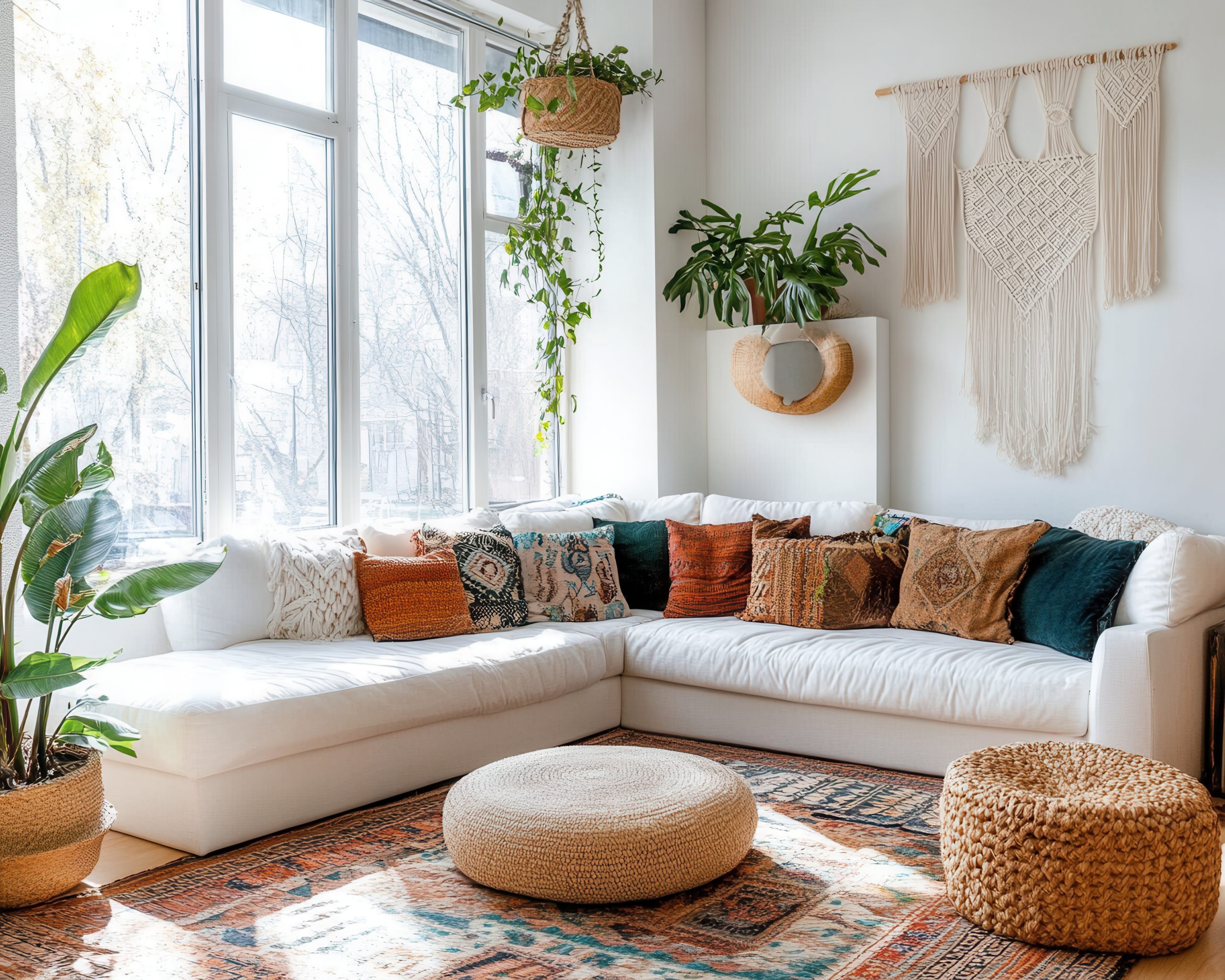
11. Bohemian
Of all the styles we’re exploring, Bohemian (or ‘Boho’) is perhaps the most free-spirited and personal. This style is less about following rules and more about breaking them creatively.
What makes Bohemian style special is its celebration of individuality and artistic expression. Think of it as the design equivalent of jazz improvisation – there’s an underlying structure, but the beauty comes from personal interpretation and unexpected combinations.
Pro Tip: When creating Bohemian spaces, start with a neutral base, then layer in colours, patterns, and meaningful pieces over time. It should look collected, not decorated.
Furniture Elements:
Low-slung seating
Floor cushions
Vintage pieces
Hanging chairs
Mixed dining chairs
Carved wooden pieces
Layered rugs
Statement headboards
Textiles and Patterns: Essential to Boho style:
Persian rugs
Suzani fabrics
Ikat prints
Macramé
Tapestries
Kilim pillows
Moroccan textiles
Indian block prints
Decorative Elements:
Plants (lots of them!)
Global artifacts
Crystals and geodes
Vintage maps
Musical instruments
Art books
Handmade pieces
Gallery walls
12. Global
As we continue exploring our 22 different interior design styles, let’s dive into Global style – a sophisticated approach to incorporating worldwide design influences. This style is about creating thoughtful, culturally-rich interiors that tell stories of places and traditions.
What makes Global style special is its ability to weave together influences from different cultures while maintaining respect for their origins. Think of it as creating a well-curated museum of your world travels, but in a way that’s completely livable and personal.
Key Characteristics:
Cultural artwork
Handcrafted elements
Rich textures
Traditional patterns
Natural materials
Meaningful accessories
Mixed metals
Authentic pieces
Colour Palettes: Global style embraces rich, earth-inspired colours Primary Colours:
Spice market reds
Terra cotta
Deep browns
Rich golds
Warm neutrals
Accent Colours:
Indigo blue
Saffron yellow
Mediterranean blue
Desert rose
Forest green
Materials That Define the Style:
Hand-carved woods
Hammered metals
Natural fibers
Handwoven textiles
Ceramic tiles
Stone
Leather
Silk
Pro Tip: When designing Global spaces, remember that authenticity is key. One genuine piece tells a better story than multiple mass-produced “global-inspired” items.
Furniture Elements:
Hand-carved chairs
Low seating options
Wooden chests
Metal-worked tables
Floor cushions
Painted cabinets
Prayer benches
Intricate screens
Cultural Elements: Thoughtful incorporation of:
African masks
Moroccan lanterns
Indian textiles
Chinese ceramics
Turkish rugs
Japanese screens
Mexican pottery
Persian carpets
Space Planning: Global spaces require:
Conversation areas
Display spaces
Meditation corners
Social gathering spots
Cultural zones
Reading nooks
Collection displays
Flexible seating
Styling Guidelines:
Mix textures thoughtfully
Layer patterns carefully
Create visual stories
Group similar items
Balance colours
Include natural elements
Add meaningful lighting
Create focal points
Common Mistakes to Avoid:
Over-mixing cultures
Using inauthentic pieces
Creating a bazaar look
Forgetting about comfort
Overlooking quality
Missing personal connection
Coastal & Mediterranean Styles
Let’s explore styles that bring the essence of waterfront living and sun-drenched shores into our homes.
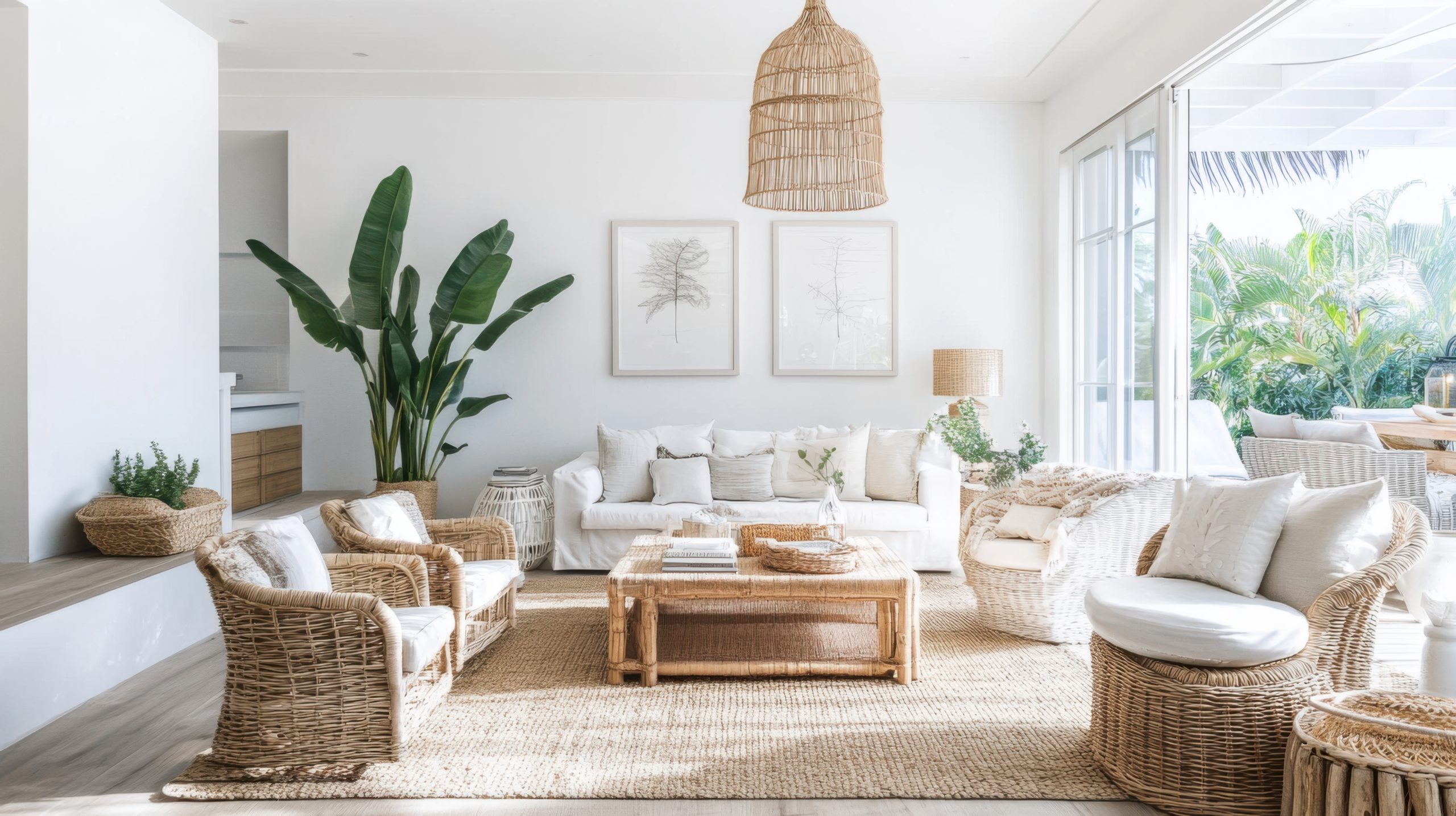
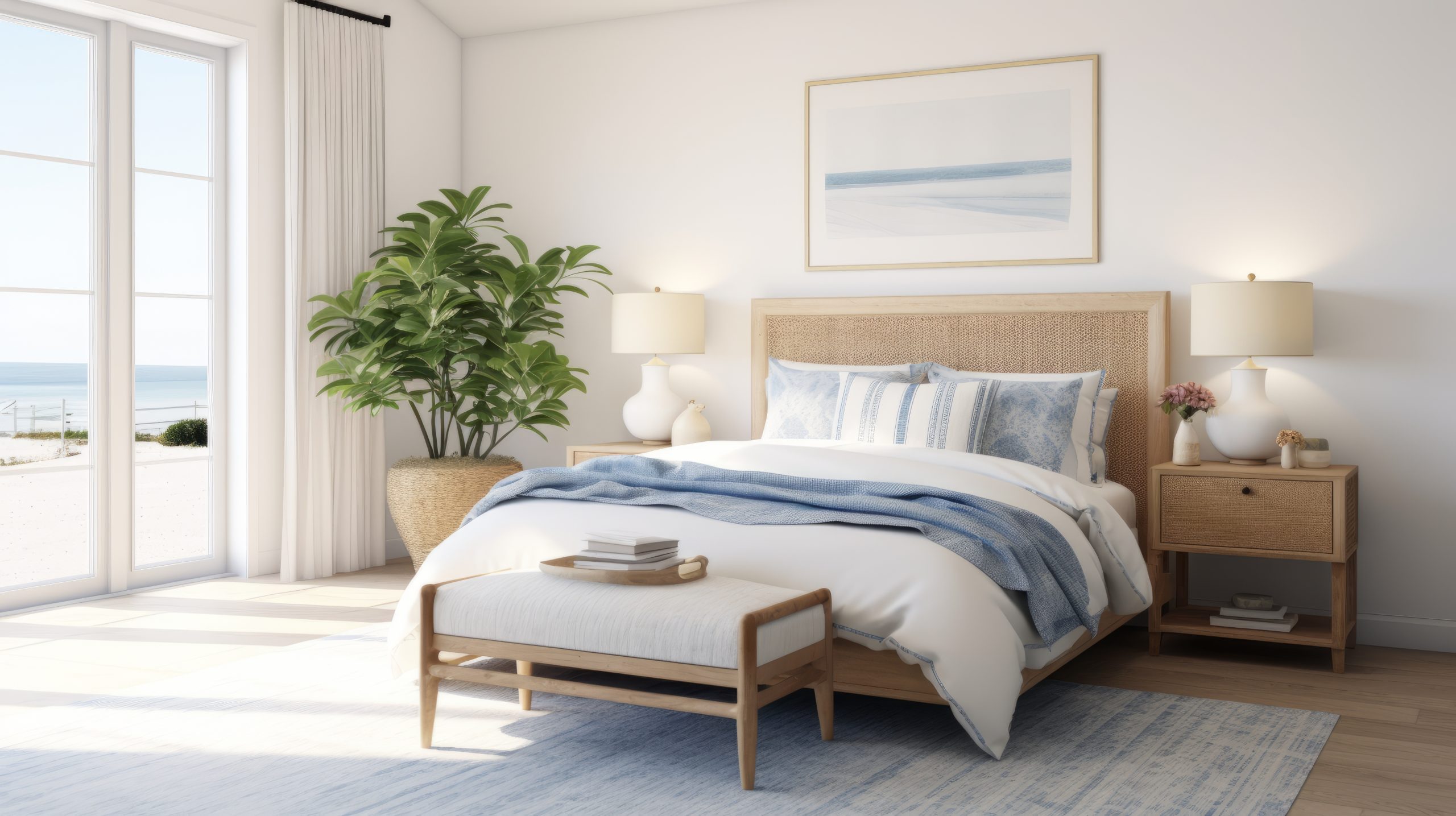
13. Coastal
Of all the styles we’re discussing, coastal design instantly transports you to a more relaxed state of mind. This style is about much more than seashells and anchors.
What makes Coastal style special is its ability to create a vacation-like atmosphere while maintaining sophistication and livability. Think of it as bottling the feeling of a perfect beach day and infusing it into your daily living space.
Key Characteristics:
Light and airy spaces
Natural light abundance
Ocean-inspired colours
Relaxed furnishings
Natural textures
Clean lines
Beachy elements
Uncluttered spaces
Colour Palettes: Coastal design draws from nature’s seaside palette Primary Colours:
Crisp whites
Sandy beiges
Ocean blues
Soft greys
Driftwood taupes
Accent Colours:
Sea glass green
Coral pink
Navy blue
Shell pink
Seafoam
Materials That Define the Style:
Weathered wood
Natural fibers
Linen
Cotton
Rope
Seagrass
Jute
Glass
Pro Tip: When designing coastal spaces, suggest the beach rather than recreate it literally. One beautiful piece of coral on a coffee table speaks volumes more than a room full of seashells.
Furniture Elements:
Slipcovered sofas
Woven chairs
Painted wood pieces
Glass-top tables
Upholstered headboards
Window seats
Rattan accents
Built-in storage
Textile Choices:
Cotton duck
Linen
Performance fabrics
Natural fibre rugs
Textured throws
Striped pillows
Woven blinds
Light curtains
Essential Elements:
Natural fibre rugs
Woven baskets
Glass vessels
Driftwood pieces
Abstract seascapes
White ceramics
Beach grass
Mirror accents
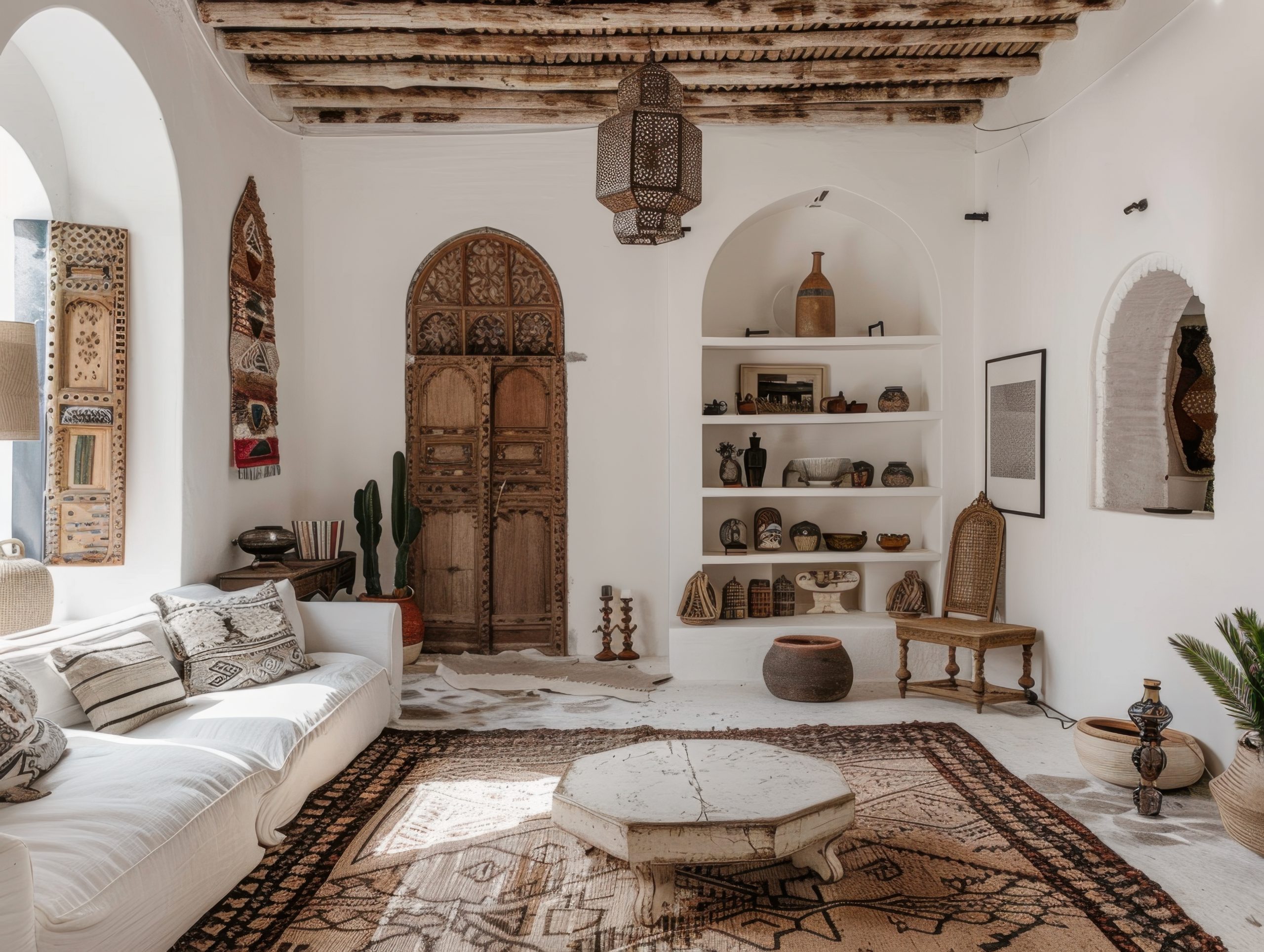
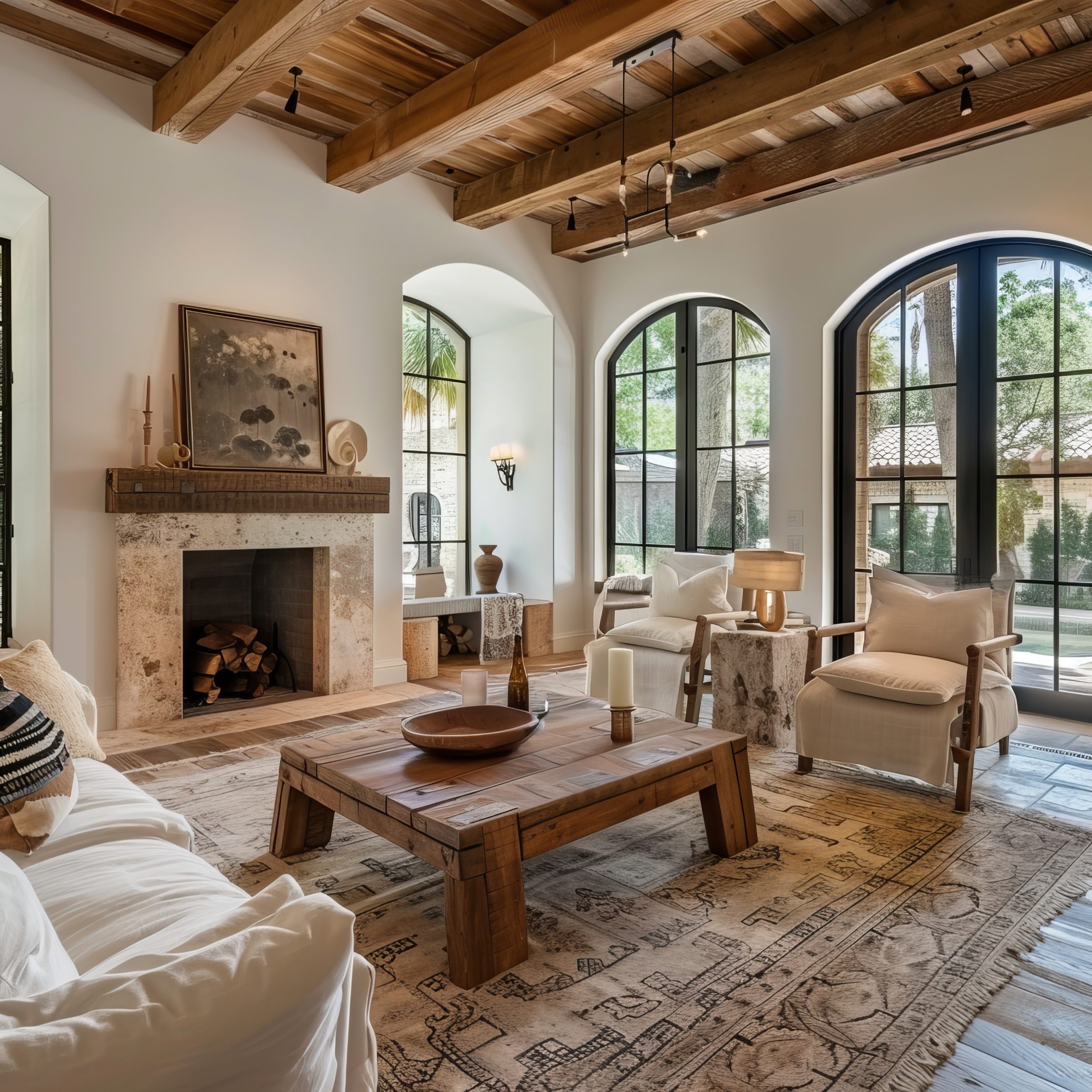
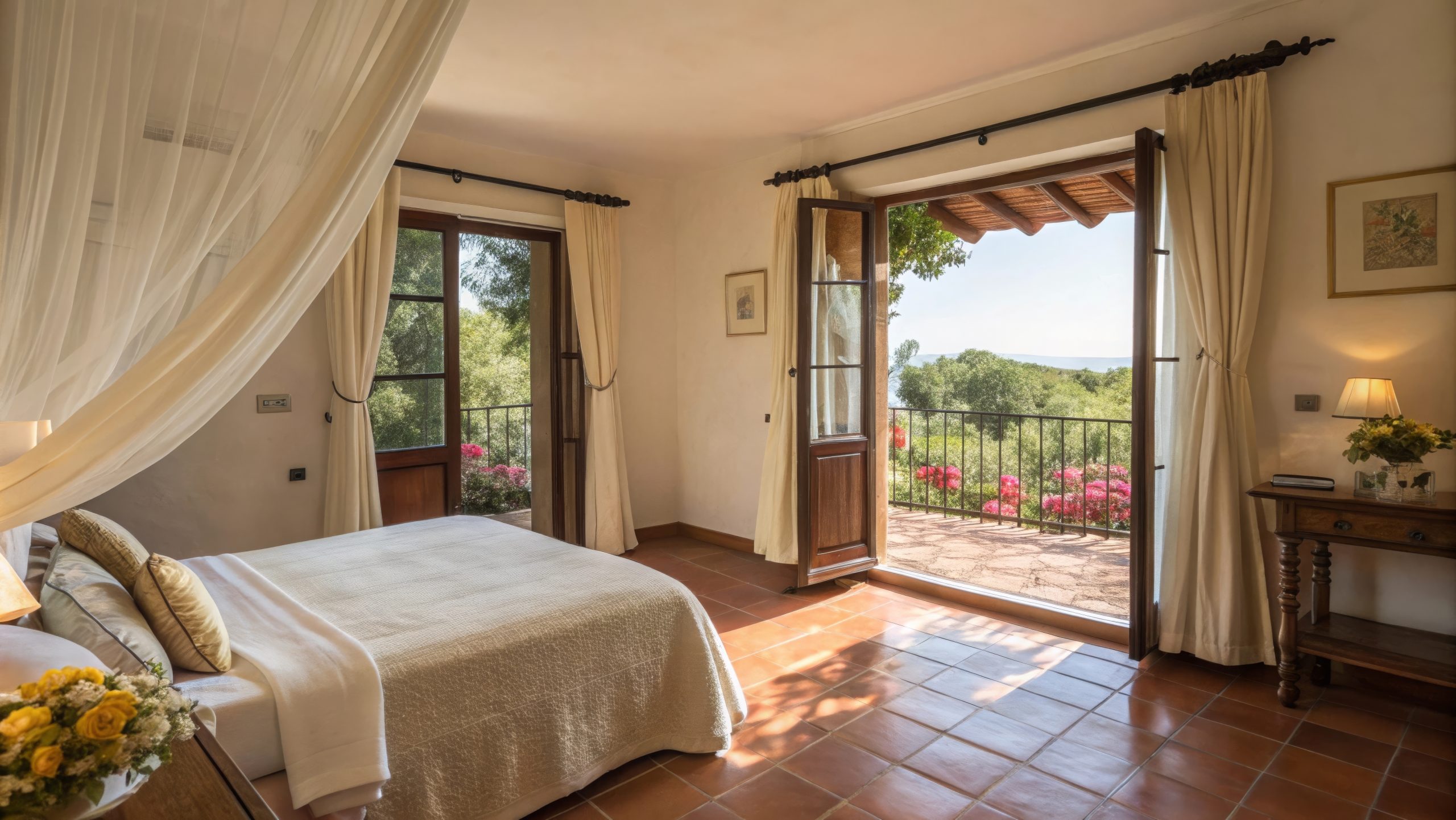
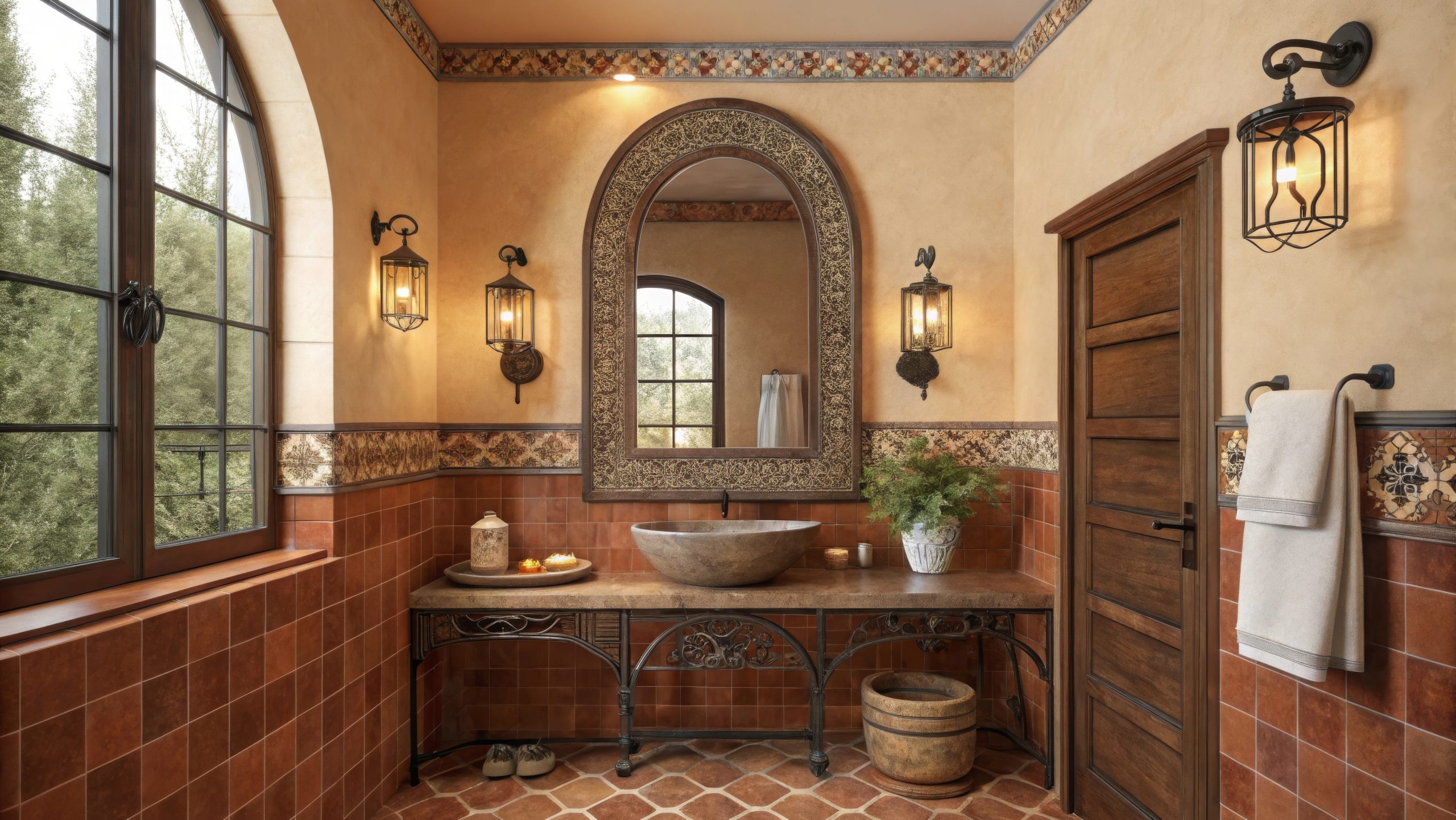
14. Mediterranean
Let’s explore Mediterranean style – a design approach that captures the warmth and romance of seaside villas in Italy, Spain, and Greece. This style is about creating spaces that feel both luxurious and incredibly livable.
What makes Mediterranean style special is its ability to blend indoor and outdoor living while celebrating craftsmanship and natural materials. Think of it as bringing the sun-drenched charm of the Mediterranean coast into your daily life, complete with all the texture and warmth that implies.
Pro Tip: When designing Mediterranean spaces, always remember that authenticity in materials is key. One real terra cotta floor will add more character than any amount of faux finishing.
Furniture Elements:
Heavy wooden pieces
Wrought iron beds
Carved details
Upholstered dining chairs
Built-in seating
Wooden benches
Ornate occasional tables
Outdoor furniture
Architectural Elements:
Stucco walls
Arched windows
Carved doors
Exposed beams
Tiled roofs
Stone floors
Column details
Courtyard connections
Decorative Features:
Colourful tiles
Pottery and urns
Iron light fixtures
Fountain features
Mediterranean art
Ceramic plates
Fresh herbs
Olive trees
Space Planning: Mediterranean homes emphasise:
Flow between spaces
Outdoor living areas
Formal dining spaces
Gathering spots
Kitchen as a focal point
Courtyard access
Natural light
View maximisation
Creating Authenticity: Essential elements for true Mediterranean style:
Use genuine materials
Include water features
Embrace outdoor living
Add handcrafted touches
Include local materials
Create gathering spaces
Incorporate plants
Focus on natural light
Rustic & Farmhouse Styles
Let’s explore styles that celebrate natural materials, simplicity, and a connection to rural living.
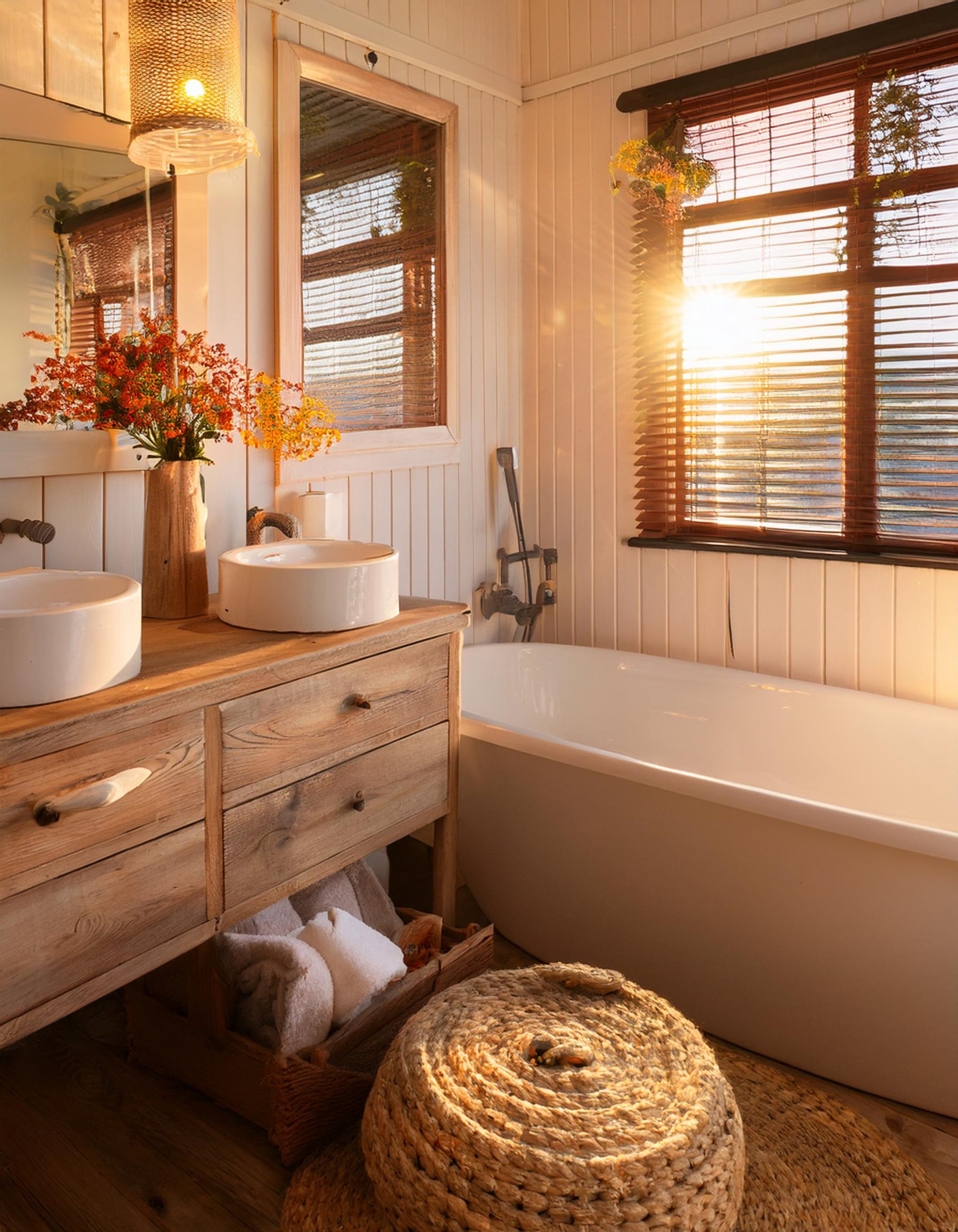
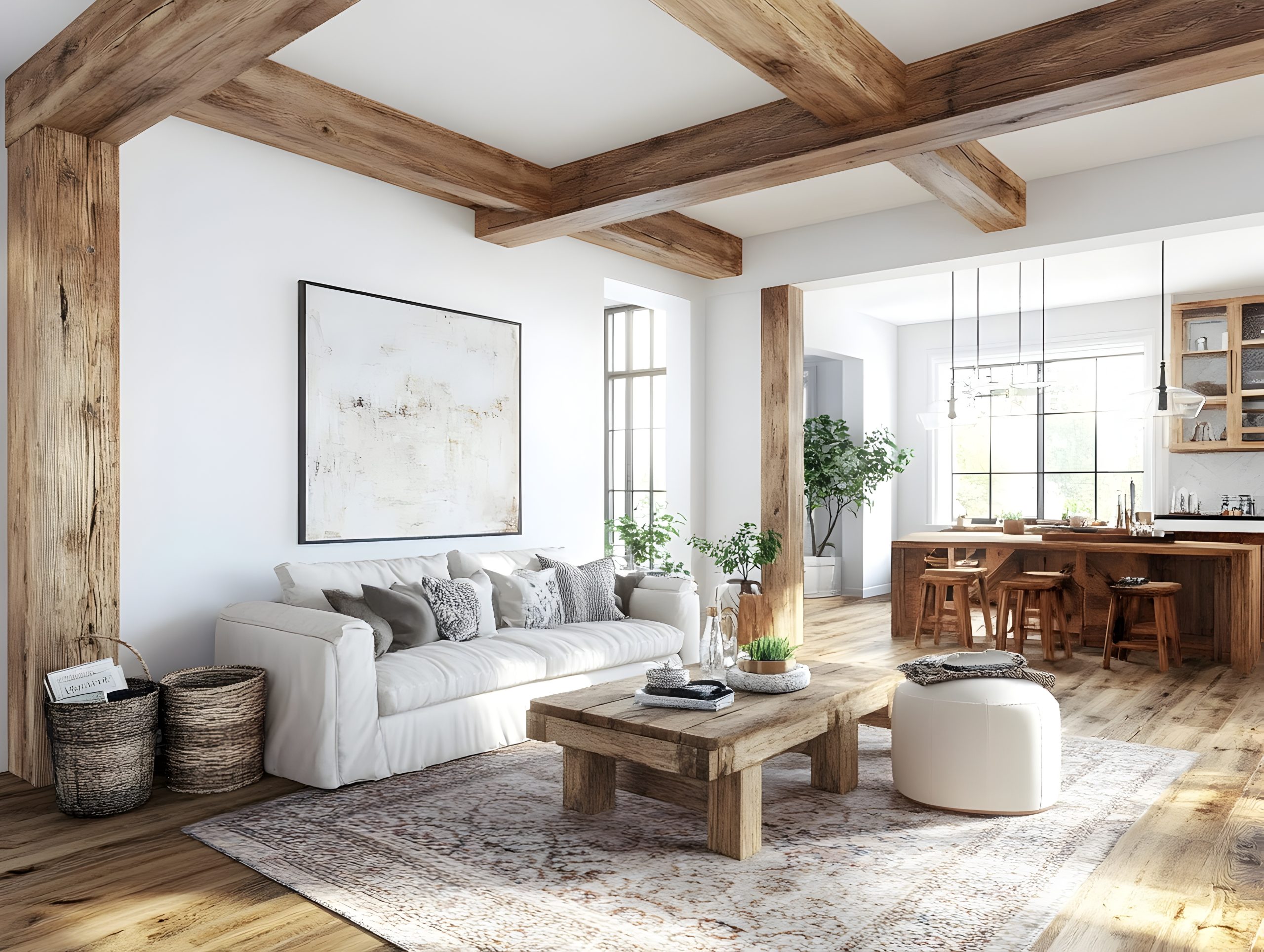
15. Rustic
Among our 22 different interior design styles, Rustic design stands out for its raw authenticity. This style is about celebrating nature in its most honest form.
What makes Rustic style special is its ability to bring the outdoors in while creating spaces that feel both grounding and cosy. Think of it as living in harmony with nature, where every material tells a story and imperfections are celebrated rather than hidden.
Key Characteristics:
Natural materials
Rough textures
Exposed beams
Stone elements
Weathered wood
Organic shapes
Hand-crafted items
Natural colour schemes
Colour Palettes: Rustic design draws from nature’s own palette Primary Colours:
Wood browns
Stone grays
Forest greens
Earth tones
Warm whites
Accent Colours:
Deep reds
Hunter green
Charcoal
Leather brown
Copper tones
Materials That Define the Style:
Reclaimed wood
Natural stone
Rough-hewn beams
Raw metals
Leather
Burlap
Wool
Branch elements
Pro Tip: When designing rustic spaces, remember that authenticity is everything. One genuine piece of weathered wood furniture will add more character than an entire room of faux-distressed items.
Furniture Elements:
Log furniture
Live-edge tables
Leather seating
Wooden benches
Iron bed frames
Stone-based tables
Handcrafted pieces
Timber storage
Architectural Features:
Exposed ceiling beams
Stone fireplaces
Wood-planked walls
Rough-hewn columns
Natural floors
Timber framing
Wide plank flooring
Stone accents
Styling Elements:
Antlers
Woven baskets
Iron hardware
Vintage tools
Natural textiles
Handwoven rugs
Ceramic pottery
Native plants
16. Modern Farmhouse
One of the most popular of our 22 different interior design styles today is Modern Farmhouse. This style perfectly balances rustic charm with contemporary convenience, and that’s exactly why people love it.
What makes Modern Farmhouse special is its ability to combine the comfort and warmth of traditional farmhouse style with clean, modern elements. Think of it as taking the best of country living and updating it for today’s lifestyle – comfortable but never cluttered, rustic but never rough.
Key Characteristics:
Clean lines with rustic touches
Shiplap walls
Mixed metals
Industrial accents
Natural textures
Neutral colour palette
Vintage elements
Modern conveniences
Colour Palettes: Modern Farmhouse embraces a refined neutral palette Primary Colours:
Crisp whites
Warm greys
Soft blacks
Creamy neutrals
Natural wood tones
Accent Colours:
Navy blue
Sage green
Iron black
Aged brass
Weathered bronze
Materials That Define the Style:
Painted wood
Wrought iron
Galvanized metal
Natural fibers
Cotton
Linen
Stone
Aged brass
Pro Tip: When designing Modern Farmhouse spaces, remember that restraint is key. You want to suggest farmhouse living without creating a country theme park.
Furniture Elements:
Slipcovered sofas
Windsor chairs
Industrial lighting
Farmhouse tables
Metal bed frames
Open shelving
Storage ottomans
X-back chairs
Signature Elements:
Apron sinks
Barn doors
Industrial lighting
Open shelving
Vintage signs
Woven baskets
Metal hardware
Natural textiles
Space Planning: Modern Farmhouse spaces emphasise:
Open concept living
Gathering spaces
Functional kitchens
Mudroom areas
Indoor-outdoor flow
Family-friendly layouts
Entertainment zones
Practical storage
Design Details: Essential elements include:
Board and batten
Shiplap walls
Exposed beams
Industrial hardware
Mixed metals
Natural wood accents
Vintage touches
Modern appliances
Styling Guidelines:
Mix old and new pieces
Layer textures thoughtfully
Keep accessories minimal
Include natural elements
Add industrial touches
Maintain clean lines
Incorporate vintage finds
Focus on functionality
Art Deco & Transitional Styles
Let’s explore styles that either celebrate glamorous sophistication or masterfully blend different design elements.
17. Art Deco
Among our 22 different interior design styles, Art Deco stands out for its unabashed glamour and geometric precision. This style is about celebrating luxury, modernity, and artistic expression in its boldest form.
What makes Art Deco special is its perfect balance of sophistication and drama. Born in the 1920s and 1930s, this style represents the height of pre-war elegance. Think of it as the Great Gatsby of interior design – bold, confident, and unapologetically luxurious.
Key Characteristics:
Bold geometric patterns
Symmetrical designs
Stepped forms
Sunburst motifs
High-gloss finishes
Luxurious materials
Strong vertical lines
Dramatic lighting
Colour Palettes: Art Deco embraces bold, dramatic colours Primary Colours:
Black and white
Gold
Silver
Deep greens
Rich blues
Accent Colours:
Ruby red
Emerald green
Sapphire blue
Bronze
Pearl white
Materials That Define the Style:
Polished stone
Chrome
Brass
Mirror
Glass
Exotic woods
Lacquer
Velvet
Pro Tip: When designing Art Deco spaces, remember that each piece should feel like a work of art. This style is about making statements, not playing it safe.
Furniture Elements:
Curved club chairs
Streamlined sofas
Mirrored furniture
Chrome-based tables
Geometric cabinets
High-gloss sideboards
Built-in shelving
Statement seating
Decorative Features:
Tiered chandeliers
Wall sconces
Geometric mirrors
Abstract statuary
Zigzag patterns
Fan motifs
Exotic animal prints
Metallic sculptures
18. Transitional
Let’s explore Transitional style – one of the most versatile of our 22 different interior design styles. This style is perfect for those who appreciate both traditional and contemporary design but don’t want to commit fully to either.
What makes Transitional style special is its ability to bridge different design eras and aesthetics. Think of it as the diplomatic mediator of interior design – it brings peace between traditional and contemporary elements, creating spaces that feel both timeless and current.
Pro Tip: When designing transitional spaces, focus on texture rather than pattern. This style is about creating interest through layered materials rather than bold prints.
Furniture Elements:
Clean-lined sofas
Updated wing chairs
Glass-top tables
Tailored upholstery
Modern case goods
Traditional silhouettes
Neutral ottomans
Refined storage pieces
Balance Points: Key areas where traditional meets modern:
Curved furniture with straight lines
Classic shapes in current fabrics
Updated traditional lighting
Modern art in traditional frames
Clean-lined millwork
Simplified traditional patterns
Contemporary mirrors
Mixed metal finishes
Space Planning: Transitional spaces require:
Balanced furniture groupings
Conversation areas
Clear traffic patterns
Formal and casual zones
Negative space
Symmetrical layouts
Functional flow
Comfortable seating
Styling Guidelines:
Keep accessories minimal
Focus on quality over quantity
Mix furniture styles thoughtfully
Layer textures carefully
Maintain clean lines
Include traditional touches
Add modern elements
Create visual balance
Common Mistakes to Avoid:
Over-accessorising
Using too many patterns
Mixing too many styles
Forgetting about comfort
Losing balance
Including trendy pieces
Eclectic & Contemporary Craftsman Styles
Let’s explore styles that either celebrate creative mixing or honour traditional craftsmanship with a modern twist.
19. Eclectic
Among our 22 different interior design styles, Eclectic design offers the most creative freedom. This style is like being a DJ of interior design – it’s all about mixing different elements to create something uniquely harmonious.
What makes Eclectic style special is its ability to combine different periods, styles, and textures while maintaining a cohesive look. Think of it as creating a beautiful symphony using instruments from different orchestras – it’s about finding harmony in diversity.
Key Characteristics:
Mixed design elements
Unexpected combinations
Personal collections
Varied textures
Curated displays
Multiple periods
Artistic expression
Thoughtful disorder
Colour Palettes: Eclectic style can embrace any colours, but typically includes Primary Colours:
Unifying base colour
Rich neutrals
Bold statement hues
Earthy tones
Dramatic darks
Accent Colours:
Jewel tones
Bright pops
Metallic accents
Unexpected combinations
Personal favorites
Materials That Define the Style:
Mixed woods
Various metals
Different textiles
Glass
Stone
Ceramic
Leather
Unique finds
Pro Tip: When designing eclectic spaces, follow the 80/20 rule – 80% cohesion through colour or style, 20% surprise elements that make the space unique.
Furniture Elements:
Different period pieces
Statement seating
Mixed dining chairs
Diverse tables
Unique storage
Collected items
Family heirlooms
Modern classics
Pattern Play: Guidelines for mixing patterns:
Vary the scale
Connect through colour
Mix geometrics with organics
Balance busy with simple
Include texture patterns
Combine old and new
Layer thoughtfully
Create rhythm
Space Planning: Eclectic spaces need:
Clear traffic patterns
Defined zones
Conversation areas
Display spaces
Focal points
Balance points
Visual breaks
Personal corners
20. Contemporary Craftsman
As we continue exploring our 22 different interior design styles, let’s look at Contemporary Craftsman – a style that beautifully updates the traditional Arts and Crafts movement for modern living. This style perfectly balances historical charm with current functionality.
What makes Contemporary Craftsman special is its respect for handcrafted details while embracing modern conveniences. Think of it as taking the soul of the Arts and Crafts movement – quality craftsmanship and natural materials – and adapting it for 21st-century living.
Pro Tip: When designing Contemporary Craftsman spaces, quality is everything. One well-crafted piece will add more character than multiple mass-produced items.
Furniture Elements:
Clean-lined sofas
Mission-style chairs
Built-in cabinets
Window seats
Solid wood tables
Storage benches
Leather upholstery
Modern interpretations
Architectural Details:
Exposed beams
Built-in bookcases
Window trim
Wainscoting
Column details
Modern light fixtures
Updated hardware
Glass accents
Design Elements: Essential features include:
Natural wood trim
Geometric patterns
Stained glass accents
Metal hardware
Updated lighting
Modern technology
Practical storage
Indoor-outdoor connection
Space Planning: Contemporary Craftsman spaces need:
Open floor plans
Defined rooms
Built-in features
Reading nooks
Work spaces
Gathering areas
Connection to nature
Modern functionality
Modern Interpretation: How to update Craftsman style:
Lighter wood tones
Modern lighting
Updated hardware
Smart home features
Contemporary fabrics
Simplified details
Open concept adaptation
Modern amenities
21. Tropical
Moving through our 22 different interior design styles, let’s explore Tropical design – a style that brings the essence of paradise into everyday living. This style is about much more than just palm prints and bright colours.
What makes Tropical style special is its ability to create a permanent vacation feeling while maintaining sophistication. Think of it as capturing the essence of a luxury island resort but making it completely livable for daily life.
Pro Tip: When designing tropical spaces, I always tell clients that balance is key – you want that paradise feeling without turning your home into a theme park resort.
Furniture Elements:
Rattan chairs
Bamboo tables
Upholstered pieces
Wooden ceiling fans
Outdoor-inspired seating
Plantation chairs
Woven furniture
Natural wood pieces
Pattern Play: Signature tropical patterns:
Palm leaves
Botanical prints
Animal prints
Tribal motifs
Geometric patterns
Natural textures
Floral designs
Island-inspired motifs
Essential Decor Elements:
Live plants
Natural fibre rugs
Woven baskets
Carved wood accents
Shell collections
Local artwork
Ceiling fans
Water features
22. Japandi
For our final style in our exploration of 22 different interior design styles, let’s discuss Japandi – a beautiful fusion of Japanese and Scandinavian design principles. This hybrid style perfectly combines minimalist aesthetics with cosy functionality.
What makes Japandi special is how it marries the warmth of Scandinavian hygge with the minimalist serenity of Japanese design. Think of it as creating the perfect balance between cosy and calm, where every element serves both an aesthetic and functional purpose while maintaining a sense of tranquillity.
Key Characteristics:
Minimalist design
Natural materials
Clean lines
Neutral colours
Thoughtful empty space
Functional beauty
Handcrafted elements
Sustainable focus
Colour Palettes: Japandi embraces a refined neutral palette Primary Colours:
Warm whites
Soft greys
Natural wood tones
Charcoal
Earth tones
Accent Colours:
Sage green
Pale blush
Deep ocean blue
Warm rust
Muted clay
Materials That Define the Style:
Light and dark woods
Natural fibers
Paper
Stone
Linen
Cotton
Ceramic
Bamboo
Pro Tip: When designing Japandi spaces, contrast is key – the style works best when you balance light Scandinavian elements with darker Japanese influences.
Furniture Elements:
Low-profile sofas
Platform beds
Clean-lined chairs
Minimal coffee tables
Built-in storage
Natural wood pieces
Handcrafted items
Multi-functional furniture
Essential Elements:
Simple artwork
Ceramic vessels
Natural textiles
Indoor plants
Paper lanterns
Woven baskets
Minimal decor
Textural elements
Space Planning: Japandi spaces require:
Uncluttered layouts
Functional zones
Clear pathways
Purposeful furniture
Natural light emphasis
Cosy corners
Storage solutions
Peaceful flow
Styling Guidelines:
Focus on quality over quantity
Mix light and dark elements
Layer natural textures
Keep accessories minimal
Include handcrafted pieces
Add warmth through textiles
Incorporate plants thoughtfully
Create peaceful vignettes
Common Mistakes to Avoid:
Over-accessorising
Using artificial materials
Forgetting about comfort
Making spaces too stark
Missing storage solutions
Losing cultural balance
The beauty of Japandi lies in its ability to create spaces that are both practical and peaceful, minimal yet warm. It’s perfect for those who appreciate clean lines but don’t want their home to feel cold or uninviting
After exploring these 22 different interior design styles, remember that the perfect style for you might be one of these or a thoughtful combination of several. The key is to choose elements that resonate with your lifestyle and personal taste while creating a space that functions well for your needs.
How to Choose Your Style
Consider these factors when selecting your ideal design style:
Your lifestyle needs
The architecture of your home
Your colour preferences
Maintenance requirements
Budget considerations
Long-term livability
Personal comfort level
Family needs
Mixing Different Interior Design Styles
Understanding these 22 different interior design styles gives you the freedom to mix and match elements that speak to you. Here’s how to successfully blend styles:
Basic Principles for Mixing Styles:
Choose a dominant style (about 70%)
Add a secondary style (about 20%)
Include accent elements (about 10%)
Maintain a consistent colour palette
Keep proportions in mind
Consider the flow between rooms
Focus on quality over quantity
Trust your instincts
Common Successful Combinations:
Modern + Mid-century
Traditional + Contemporary
Industrial + Rustic
Scandinavian + Japandi
Coastal + Modern Farmhouse
Bohemian + Global
Things to Avoid When Mixing Styles:
Too many competing elements
Clashing colour schemes
Inconsistent quality levels
Forced combinations
Overwhelming spaces
Losing functionality
As we’ve explored these 22 different interior design styles, remember that creating your perfect space is a journey, not a destination. Whether you’re drawn to the elegance of Traditional, the clean lines of Modern, or a unique combination of several styles, the most important thing is that your home reflects who you are and how you live.
Don’t feel pressured to strictly adhere to any single style. The best spaces are often those that evolve naturally over time, incorporating elements that speak to you while maintaining functionality for your lifestyle.